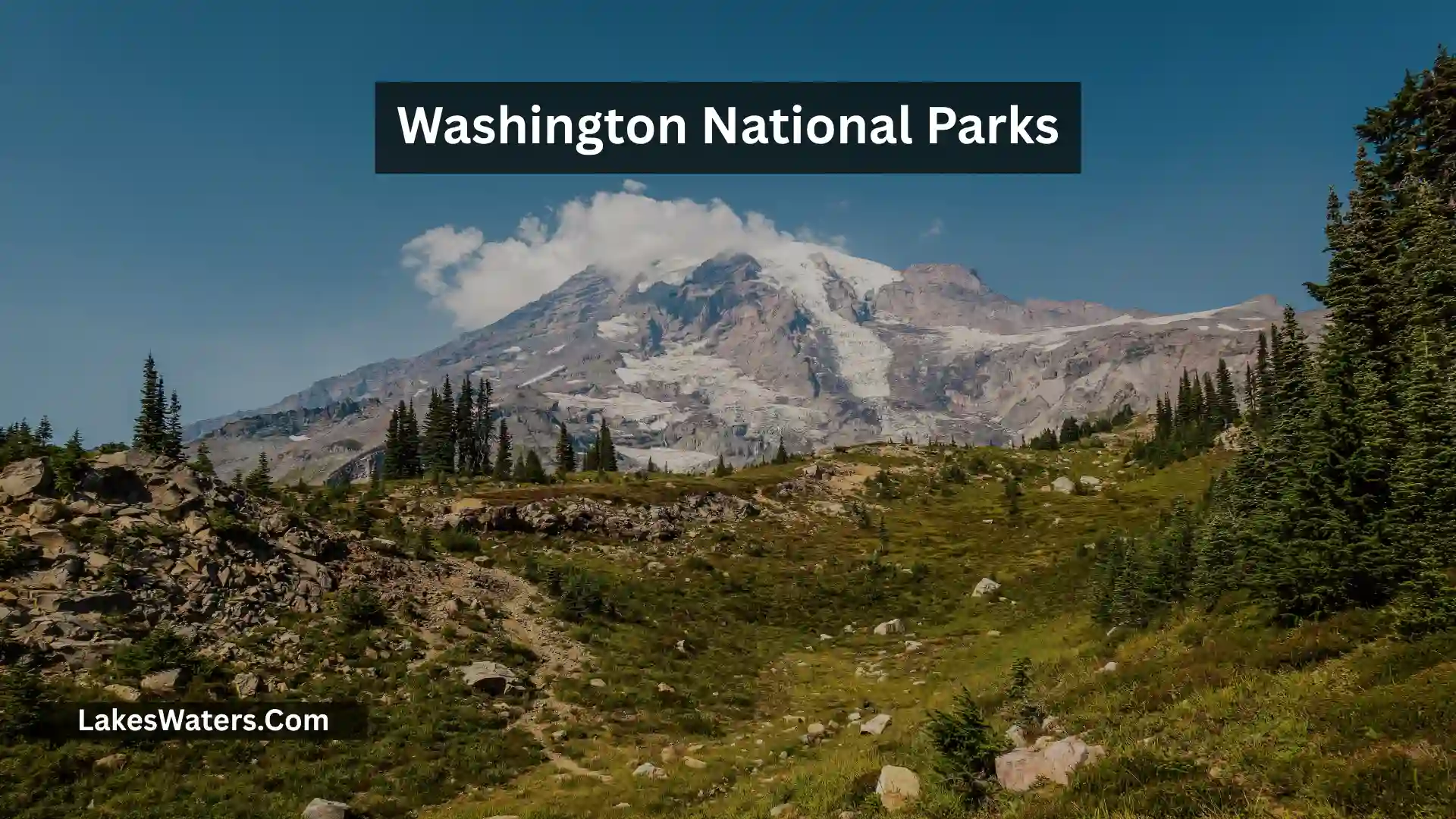
Washington State is home to three national parks: Olympic National Park, Mount Rainier National Park, and North Cascades National Park. Each protects a different part of the Pacific Northwest’s natural landscape, from moss-covered rain forests and wild Pacific beaches to volcanic mountains and glacier-filled valleys.
These parks offer plenty of opportunities for hiking, camping, wildlife watching, photography, scenic drives, and outdoor adventures. However, they are not interchangeable destinations. Olympic is known for its diverse ecosystems, Mount Rainier attracts visitors with its massive volcanic peak and alpine meadows, and North Cascades is famous for its rugged mountain scenery and remote wilderness.
If you’re planning a weekend getaway, a longer outdoor vacation, or a road trip through Washington, understanding what each park offers will help you choose the right destinations and make better use of your time.
How Many National Parks Are in Washington?
Washington has three officially designated national parks. They are Olympic National Park, Mount Rainier National Park, and North Cascades National Park.
All three are managed by the National Park Service and protect important natural landscapes in the Pacific Northwest.
Here’s a quick look at the three parks:
| National Park | Best Known For | Location |
| Olympic National Park | Rain forests, mountains, and Pacific coastline | Olympic Peninsula |
| Mount Rainier National Park | Volcanic mountain, glaciers, and wildflower meadows | South-central Washington |
| North Cascades National Park | Rugged peaks, alpine lakes, and glaciers | Northern Washington |
These destinations offer very different experiences. Visitors interested in beaches and forests may prefer Olympic, while mountain enthusiasts might enjoy Mount Rainier or North Cascades.
Washington also has other National Park Service destinations, including historical sites and protected areas. However, these are not additional national parks.
The 3 National Parks in Washington
Each of Washington’s three national parks has its own landscape, atmosphere, and outdoor opportunities. Understanding their main attractions can help you decide which places deserve a spot on your itinerary.
Olympic National Park
Location: Olympic Peninsula, Northwestern Washington
Olympic National Park is one of the most geographically diverse national parks in the United States. It protects nearly one million acres of wilderness, including temperate rain forests, mountain landscapes, old-growth forests, freshwater lakes, and more than 70 miles of Pacific coastline.
One of the park’s biggest attractions is its variety. You can explore a lush forest in the morning, visit a rocky beach in the afternoon, and enjoy mountain scenery later in the day.
Top Attractions in Olympic National Park
Hoh Rain Forest
The Hoh Rain Forest is among the park’s most recognizable destinations. Its enormous trees, moss-covered branches, ferns, and shaded trails create the atmosphere of a dense temperate rainforest.
The Hall of Mosses Trail is a popular short walking route where visitors can experience the forest’s distinctive vegetation. The area receives substantial rainfall throughout the year, so waterproof clothing and suitable footwear are useful.
Hurricane Ridge
Hurricane Ridge offers impressive views of the Olympic Mountains and surrounding valleys. On clear days, visitors can see snow-covered mountain peaks and expansive alpine scenery.
The area is popular for sightseeing, hiking, photography, and seasonal snow activities. Weather can change quickly at higher elevations, so check conditions before traveling.
Lake Crescent
Lake Crescent is a deep, clear lake surrounded by forested mountains. Its peaceful setting makes it a popular destination for sightseeing, picnicking, boating, and other outdoor recreation.
Visitors can also explore nearby walking trails and enjoy the scenery along the lake’s shoreline.
Rialto Beach
Rialto Beach is known for its rocky shoreline, sea stacks, driftwood, and Pacific Ocean views. It offers a different experience from the park’s forests and mountain areas.
Visitors often come here for beach walks, coastal photography, and wildlife viewing. Check tide conditions before exploring coastal trails because rising water can make some routes difficult or unsafe.
Best Activities in Olympic National Park
- Hiking through temperate rain forests.
- Exploring Pacific Ocean beaches.
- Enjoying mountain views at Hurricane Ridge.
- Visiting Lake Crescent.
- Photographing waterfalls and natural landscapes.
- Watching wildlife in suitable habitats.
- Camping in designated campgrounds.
- Exploring scenic roads and forest trails.
Olympic is particularly suitable for travelers who want several different outdoor experiences during one visit.
Mount Rainier National Park
Location: South-central Washington, southeast of Seattle
Mount Rainier National Park protects the area surrounding Mount Rainier, an active stratovolcano that rises 14,410 feet above sea level. The mountain is the highest peak in Washington and a major landmark of the Cascade Range.
Its glaciers, snow-covered slopes, alpine meadows, waterfalls, and forests make the park one of the state’s most recognizable outdoor destinations.
Mount Rainier is especially popular during summer, when many mountain roads and hiking areas become more accessible and wildflowers appear across the higher meadows.
Top Attractions in Mount Rainier National Park
Paradise
Paradise is one of the park’s best-known visitor areas. It offers excellent mountain views, access to hiking trails, and beautiful alpine scenery.
During the warmer months, its meadows can display colorful wildflowers. In winter, the area becomes a destination for snowshoeing and other snow-based activities when conditions permit.
Sunrise
Sunrise is the highest developed area of Mount Rainier National Park that visitors can reach by vehicle when its seasonal road is open.
It provides impressive views of Mount Rainier and nearby mountain ranges. The area also has access to several hiking opportunities, making it a popular destination for summer visitors.
Reflection Lakes
Reflection Lakes is a scenic destination where Mount Rainier can sometimes appear reflected in the water on calm days.
The surrounding forests and mountain scenery make this area popular for photography and sightseeing. Reflections depend on weather, wind, and lighting conditions.
Longmire
Longmire offers a combination of natural scenery and park history. Visitors can explore historic buildings, learn about the park’s development, and access nearby walking trails.
It is also an important visitor area, particularly when higher-elevation destinations experience snow or seasonal closures.
Best Activities in Mount Rainier National Park
- Hiking through mountain forests and alpine meadows.
- Photographing Mount Rainier.
- Viewing seasonal wildflowers.
- Exploring scenic driving routes.
- Visiting waterfalls and mountain viewpoints.
- Camping in designated areas.
- Snowshoeing during suitable winter conditions.
- Learning about the area’s natural and cultural history.
Mount Rainier is an excellent choice for travelers interested in mountain scenery, hiking, photography, and seasonal outdoor activities.
However, the mountain environment requires preparation. Weather can change rapidly, and snow may remain at higher elevations even when lower areas are relatively warm.
North Cascades National Park
Location: Northern Washington, near the Canadian border
North Cascades National Park protects a rugged mountain landscape characterized by steep peaks, glaciers, forested valleys, and alpine lakes.
The park is part of the larger North Cascades National Park Service Complex, which also includes Ross Lake National Recreation Area and Lake Chelan National Recreation Area.
This distinction matters because the wider complex contains several recreation areas beyond the boundaries of the national park itself.
North Cascades is particularly appealing to hikers, photographers, backpackers, and travelers who enjoy quieter mountain environments.
Top Attractions in North Cascades National Park
Diablo Lake
Diablo Lake is one of the region’s most recognizable scenic destinations. Its striking turquoise-colored water contrasts with the surrounding evergreen forests and mountain peaks.
The color comes from fine rock particles suspended in the water, commonly called glacial flour. These particles scatter sunlight and contribute to the lake’s distinctive appearance.
Diablo Lake Overlook is a popular place to enjoy the scenery and take photographs.
Ross Lake
Ross Lake is a large reservoir surrounded by mountain scenery and forested landscapes.
Visitors can enjoy boating, fishing where permitted, camping, and sightseeing. Access to certain parts of the lake requires additional planning because some locations are remote.
Washington Pass Overlook
Washington Pass Overlook provides impressive views of the surrounding Cascade Mountains. It is a convenient scenic stop for travelers driving along the North Cascades Highway.
The area is especially attractive during the warmer months when mountain scenery is more accessible.
North Cascades Highway
The North Cascades Highway, also known as State Route 20, is one of the most scenic driving routes in Washington.
The road passes through mountain landscapes, forests, waterfalls, and viewpoints. Visitors can stop at several locations along the route to enjoy the scenery.
However, the highway experiences seasonal winter closures because of snow and avalanche hazards. Travelers should check road conditions before starting their journey.
Best Activities in North Cascades National Park
- Hiking through alpine mountain landscapes.
- Visiting scenic lake viewpoints.
- Exploring forest trails.
- Enjoying photography and sightseeing.
- Camping in designated areas.
- Boating and fishing where permitted.
- Driving along the North Cascades Highway.
- Exploring the surrounding wilderness.
North Cascades is particularly suitable for visitors seeking rugged scenery and outdoor adventures. Some areas require more preparation than the developed visitor destinations in Olympic and Mount Rainier.
Washington National Parks Compared
Although all three parks protect beautiful natural environments, their landscapes and visitor experiences are quite different.
The following comparison can help you choose the most suitable destination.
| Feature | Olympic | Mount Rainier | North Cascades |
| Main landscape | Forests, beaches, mountains | Volcanoes, glaciers, meadows | Rugged mountains, lakes, forests |
| Famous attraction | Hoh Rain Forest | Mount Rainier | Diablo Lake |
| Best for | Landscape variety | Mountain scenery | Wilderness adventures |
| Hiking | Forest, coastal, and mountain trails | Alpine and forest trails | Rugged mountain trails |
| Wildlife | Elk, deer, black bears, and birds | Deer, black bears, mountain wildlife | Mountain goats, black bears, and birds |
| Coastal scenery | Yes | No | No |
| Alpine scenery | Yes | Yes | Yes |
| General entrance fee | Yes | Yes | No |
The biggest difference is the type of natural environment each park protects.
Olympic offers the widest variety of landscapes in one park. Mount Rainier focuses on the dramatic presence of a major volcanic mountain. North Cascades provides a more rugged alpine environment with extensive mountain scenery.
For travelers with enough time, visiting all three offers a much broader experience of Washington’s natural landscape.
Best Time to Visit Washington National Parks
The best time to visit Washington national parks depends on what you want to experience. Summer is generally the most popular season because many roads, trails, campgrounds, and visitor facilities have better access.
However, each park has different seasonal conditions.
Spring
Spring brings changing weather, flowing streams, and fresh vegetation. Lower-elevation trails in Olympic may become suitable for hiking, although rain is common.
At Mount Rainier and North Cascades, snow can continue to affect mountain roads and hiking trails. Some higher-elevation destinations may remain inaccessible.
Summer
Summer is usually the most convenient season for exploring all three parks.
Visitors can enjoy:
- Hiking and backpacking.
- Scenic mountain drives.
- Wildflower viewing at Mount Rainier.
- Forest and coastal exploration in Olympic.
- Mountain viewpoints and lake scenery in North Cascades.
- Camping and outdoor recreation.
Summer is also the busiest period. Parking areas, campgrounds, and popular hiking trails can become crowded, particularly during weekends and holidays.
Fall
Fall offers changing forest colors, cooler temperatures, and potentially fewer visitors after the summer peak.
Olympic can remain a good destination for forest and coastal exploration, although rain becomes more frequent.
At Mount Rainier and North Cascades, changing weather and early snowfall can affect access to higher elevations.
Winter
Winter creates a different experience across Washington’s national parks.
Mount Rainier receives substantial snowfall, creating opportunities for snowshoeing and other winter activities in designated areas.
Olympic offers winter forest and coastal scenery, although some facilities and roads operate on reduced schedules.
North Cascades experiences heavy snowfall, and important mountain roads may close for the season. Winter visitors need to plan carefully and understand changing weather conditions.
Overall, June through September is generally the most practical period for a trip covering all three parks, although exact access depends on annual weather and road conditions.
Best Things to Do in Washington National Parks
Washington’s national parks offer a wide range of outdoor activities. You do not need to be an experienced hiker or mountaineer to enjoy them.
Here are some of the most popular ways to explore these destinations.
Hiking And Backpacking
Hiking is one of the main reasons people visit Washington national parks.
Olympic offers coastal walks, rainforest trails, and mountain routes. Mount Rainier has forest trails and alpine hiking opportunities, while North Cascades provides access to more challenging mountain terrain.
Before choosing a trail, consider:
- Total distance and elevation gain.
- Current weather conditions.
- Snow and trail conditions.
- Available daylight.
- Your physical fitness and experience.
- Water availability and necessary equipment.
Backpacking in designated wilderness areas may require advance permits.
Camping
Camping allows visitors to spend more time exploring the parks without making long daily journeys from nearby towns.
All three parks offer camping opportunities, although campground availability, facilities, fees, and reservation systems differ.
Some campgrounds accept reservations, while others may operate on a first-come, first-served basis.
Popular summer campgrounds can fill quickly, so planning ahead is recommended.
Wildlife Watching
Washington’s national parks provide habitats for many types of wildlife.
Depending on the location, visitors may encounter:
- Roosevelt elk.
- Black bears.
- Mountain goats.
- Deer.
- Eagles.
- Marmots.
- Various forest and coastal birds.
Wildlife sightings are never guaranteed. Keep a safe distance from animals, never feed them, and follow park wildlife safety instructions.
Photography
Each park offers different photographic opportunities.
Olympic is ideal for rainforest vegetation, waterfalls, coastal scenery, and mountain landscapes.
Mount Rainier offers opportunities to photograph glaciers, wildflowers, snow-covered peaks, and alpine meadows.
North Cascades is particularly attractive for photographs of rugged mountain ranges, turquoise lakes, forests, and scenic highways.
Weather and lighting conditions can change quickly, so flexibility is useful when planning photography stops.
Scenic Drives
Scenic drives make it possible to enjoy beautiful landscapes without completing long hikes.
The North Cascades Highway is especially popular for mountain views and lake overlooks.
Mount Rainier has several developed visitor areas connected by scenic roads, although some routes close during winter.
Olympic has several major driving routes around the peninsula, but no road crosses the park’s mountainous interior. Visitors should allow sufficient time to travel between different destinations.
Entrance Fees, Camping, And Reservations
Understanding entrance fees and reservation requirements can help prevent unexpected problems during your trip.
The three parks do not have identical entry arrangements.
Entrance Fees
Olympic National Park and Mount Rainier National Park charge entrance fees. Standard admission for a private vehicle is generally $30 at each park, subject to the applicable pass rules and current fee policies.
North Cascades National Park Service Complex does not charge a general entrance fee.
However, some nearby recreation areas, transportation services, and trailheads on other public lands may have separate charges.
Visitors planning to explore multiple fee-charging national parks may find an America the Beautiful annual pass useful.
The Discover Pass, which is used at Washington State Parks, does not replace a national park entrance pass.
Camping Reservations
Camping requirements vary by park and campground.
Olympic has several campgrounds with reservation options, while other sites may operate on a first-come, first-served basis.
Mount Rainier has developed campgrounds with different reservation arrangements depending on the location and season.
North Cascades also offers developed and backcountry camping opportunities. Wilderness camping requires the appropriate permit.
Always confirm campground availability and current reservation rules before traveling.
Timed Entry And Activity Permits
An entrance fee and an activity permit are not the same thing.
A park may allow visitors to enter without a timed-entry reservation while still requiring permits for particular activities, overnight wilderness trips, or specialized recreation.
For example, Mount Rainier announced that timed-entry reservations would not be implemented for 2026. However, parking limitations and other activity-specific requirements still apply.
Check the current rules for your planned activities before departure.
How to Plan a Washington National Parks Road Trip
Visiting all three national parks in one trip can be an excellent way to explore Washington’s natural landscapes.
However, the parks are spread across different parts of the state, so you should avoid treating them as destinations that can easily be explored in a single day.
Seattle is a useful starting point for many travelers because it provides access to major highways and transportation services.
Suggested Road Trip Structure
| Destination | Suggested Time | Main Experiences |
| Olympic National Park | 3–4 days | Rain forests, Lake Crescent, beaches, Hurricane Ridge |
| Mount Rainier National Park | 2 days | Paradise, Sunrise, mountain trails |
| North Cascades National Park | 2 days | Diablo Lake, mountain viewpoints, hiking |
| Travel And Flexibility | 1–2 days | Driving, weather adjustments, and rest |
This is a suggested itinerary rather than a fixed schedule. Your actual travel time will depend on road conditions, accommodation locations, weather, and the activities you choose.
Start With Olympic National Park
Give Olympic enough time because its major attractions are spread across the Olympic Peninsula.
Choose a suitable base near Port Angeles, Forks, or another convenient community depending on the destinations you want to explore.
Try to include a mountain destination, a rainforest area, and at least one coastal location.
Continue To Mount Rainier
After exploring Olympic, plan your journey toward Mount Rainier.
Focus on one or two main visitor areas rather than trying to cover every part of the park in a single day.
Paradise and Sunrise are particularly worthwhile destinations when seasonal road conditions allow access.
Finish With North Cascades
North Cascades can provide a memorable final stage of the trip.
Explore the North Cascades Highway, stop at scenic viewpoints, and allow time for lake scenery and hiking.
Because mountain weather and highway closures can affect travel, keep an alternative plan available.
Road Trip Planning Tips
- Allow extra driving time between parks.
- Book popular accommodation and campsites early.
- Check road conditions before leaving each destination.
- Carry food, drinking water, and essential supplies.
- Download useful maps before entering areas with limited mobile coverage.
- Prepare for changing temperatures and weather.
- Avoid scheduling every day too tightly.
A flexible itinerary is particularly valuable in Washington because mountain weather can change travel plans unexpectedly.
Which Washington National Park Should You Visit?
Choosing the right park depends on your interests, available time, and preferred outdoor activities.
Choose Olympic National Park If:
- You enjoy rain forests and lush vegetation.
- You want to explore Pacific beaches.
- You enjoy lakes, waterfalls, and mountain scenery.
- You prefer having several different landscapes in one destination.
- You want opportunities for wildlife viewing and photography.
Choose Mount Rainier National Park If:
- You want impressive mountain views.
- You enjoy alpine meadows and wildflowers.
- You are interested in glaciers and volcanic landscapes.
- You enjoy hiking and scenic drives.
- You want to experience a major mountain destination.
Choose North Cascades National Park If:
- You enjoy rugged mountain scenery.
- You want to explore alpine lakes.
- You prefer challenging hiking opportunities.
- You enjoy wilderness and outdoor photography.
- You are interested in exploring less-developed mountain environments.
If you have enough time, visiting all three parks is the best way to experience the range of landscapes Washington has to offer.
Frequently Asked Questions
How many national parks are in Washington?
Washington has three national parks: Olympic National Park, Mount Rainier National Park, and North Cascades National Park. Each protects a different natural environment in the Pacific Northwest.
What are the three national parks in Washington called?
The three parks are Olympic National Park, Mount Rainier National Park, and North Cascades National Park. They are all located in Washington State.
Which Washington national park is the most beautiful?
Beauty depends on personal preference. Olympic is known for its rain forests and beaches, Mount Rainier for its dramatic volcanic mountain scenery, and North Cascades for its rugged peaks and alpine lakes.
What is the best time to visit Washington national parks?
June through September is generally the most convenient period for visiting all three parks. Summer usually provides better access to mountain roads, hiking trails, and visitor facilities, although it is also the busiest season.
Can you visit all three Washington national parks in one trip?
Yes. You can visit all three parks during one road trip. Around 8–10 days is a useful starting point for a reasonably relaxed trip, although longer stays allow more time for hiking and sightseeing.
Which national park in Washington is best for hiking?
All three parks offer hiking opportunities. Olympic has forest, coastal, and mountain trails. Mount Rainier offers alpine and forest hiking, while North Cascades is especially attractive to experienced hikers seeking rugged mountain routes.
Is North Cascades National Park free to visit?
Yes. North Cascades National Park Service Complex does not charge a general entrance fee. However, some nearby recreation areas and transportation services may have separate fees.
Do Washington national parks require reservations?
Not every park requires a reservation for general entrance. However, campground bookings, wilderness permits, and activity-specific permits may be necessary. Requirements vary by park and season.
Which Washington national park is closest to Seattle?
Mount Rainier is generally the closest of the three to Seattle by road, although the actual driving distance and time depend on the entrance and destination you choose.
Are Washington national parks open during winter?
The parks are generally open throughout the year, but seasonal closures can affect roads, trails, visitor centers, and campgrounds. Winter visitors should check weather conditions and park alerts before traveling.
Final Thoughts
Washington’s three national parks offer some of the most diverse natural scenery in the Pacific Northwest. Olympic National Park combines rain forests, mountains, lakes, and wild beaches. Mount Rainier National Park showcases a dramatic volcanic peak surrounded by glaciers and alpine meadows. North Cascades National Park protects rugged mountains, forests, and beautiful alpine lakes.
Each destination offers something different, making it worthwhile to choose your park according to your interests and available travel time.
If you prefer peaceful forest walks, mountain adventures, scenic drives, or coastal exploration, Washington’s national parks provide plenty of opportunities to experience the state’s natural beauty. With careful planning and attention to seasonal conditions, you can enjoy a rewarding visit to one park or explore all three on a longer road trip.

I am Sophia Bennett, an environmental storyteller who explores the fascinating world of lakes, freshwater habitats, and natural ecosystems.
I write to educate and inspire people about water conservation, biodiversity, and the importance of maintaining clean water resources.
I believe that understanding nature is the first step toward protecting it.
Books by Sophia Bennett:
- Whispers of the Freshwater World
- The Journey of Water: From Source to Sustainability