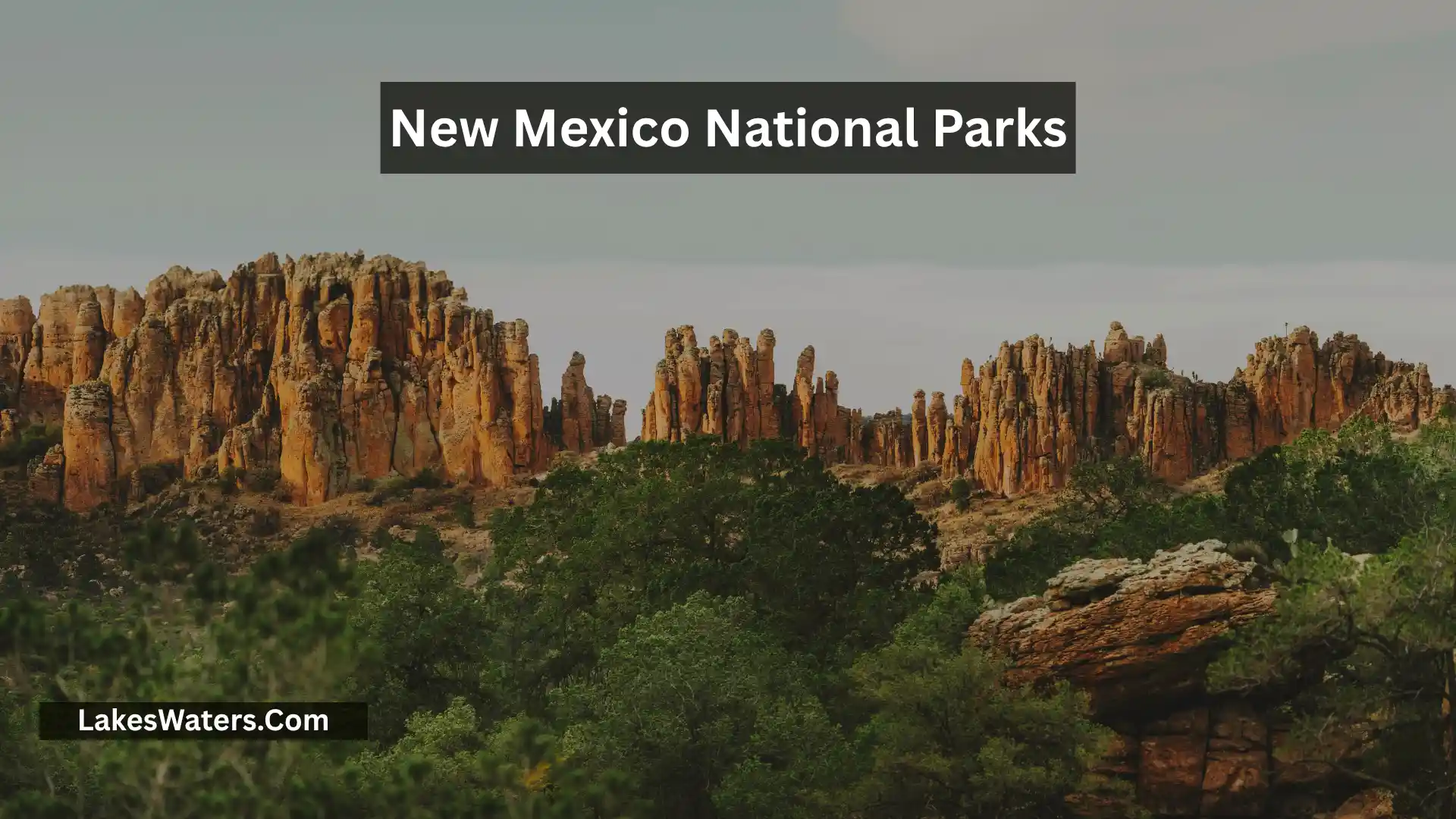
New Mexico has two officially designated national parks: Carlsbad Caverns National Park and White Sands National Park. Both protect extraordinary natural landscapes, but the experiences they offer are completely different. Carlsbad Caverns takes visitors deep underground to explore enormous limestone chambers, while White Sands features an extensive landscape of brilliant white gypsum dunes.
Beyond these two national parks, New Mexico has numerous other federally protected destinations. These include ancient Pueblo settlements, volcanic landscapes, historic monuments, archaeological sites, and national preserves.
If you’re planning a Southwest road trip, looking for outdoor adventures, or interested in Native American history, New Mexico offers plenty of places worth exploring. This guide covers the two official national parks, other important destinations, activities, seasonal travel advice, and practical tips to help you plan your visit.
How Many National Parks Are in New Mexico?
New Mexico has 2 officially designated national parks:
- Carlsbad Caverns National Park
- White Sands National Park
Both are managed by the National Park Service and protect nationally significant natural landscapes.
However, the state has many additional federally protected places. These include national monuments, national historical parks, national preserves, and historic trails.
For example, Bandelier National Monument, Chaco Culture National Historical Park, and Petroglyph National Monument are popular destinations, but none of them is officially classified as a national park.
Understanding this distinction helps travelers choose the right destinations and avoid confusion when researching national parks in New Mexico.
The state’s protected areas offer a wide variety of experiences, from underground caves and desert dunes to ancient architecture and volcanic formations.
The 2 Official National Parks in New Mexico
The two national parks in New Mexico are located in different parts of the state and offer very different outdoor experiences.
Carlsbad Caverns National Park
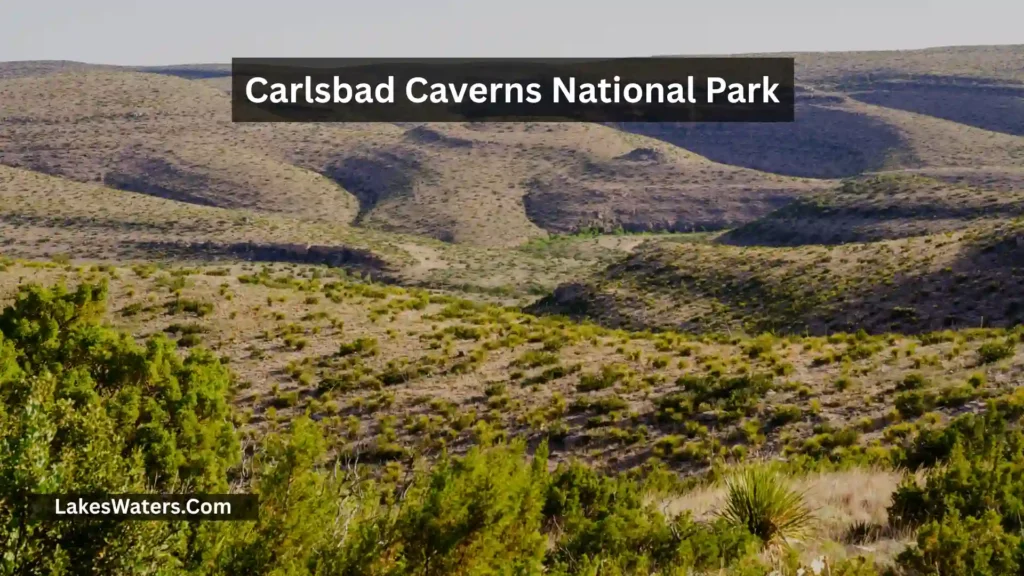
Location: Southeastern New Mexico, near Carlsbad.
Carlsbad Caverns National Park is one of the most remarkable underground destinations in the United States. Located in the Chihuahuan Desert, the park protects an extensive cave system containing enormous chambers, limestone formations, and fascinating geological features.
The park contains more than 119 known caves. Its most famous attraction is the Big Room, a massive underground chamber filled with impressive formations.
The caverns developed through a geological process involving sulfuric acid dissolving limestone. Over time, this process created extensive underground passages and chambers that visitors can explore today.
The Big Room is the main attraction for many visitors. Its enormous size and unusual formations make it an unforgettable underground experience.
Best Things to Do at Carlsbad Caverns
- Explore the Big Room: Walk through the enormous underground chamber and observe stalactites, stalagmites, and other limestone formations.
- Use the Natural Entrance: Follow the steep walking trail down into the cavern through its natural opening.
- Take the Elevator: Visitors can use the elevator to reach the underground area without hiking down the Natural Entrance Trail.
- Attend the Bat Flight Program: During the warmer months, visitors may have an opportunity to watch bats emerge from the cave entrance in the evening.
- Explore the Desert Landscape: The park also protects desert terrain, rocky canyons, native plants, and wildlife above ground.
The Natural Entrance Trail is steep, so visitors should consider their physical ability before choosing this route. The Big Room Trail provides a less strenuous underground walking experience.
Visitor Information
Carlsbad Caverns requires timed-entry reservations for cavern access. The reservation selects an entry time, while the entrance admission fee is paid separately at the visitor center.
The cave temperature remains around 56°F throughout the year. Carrying a light jacket is therefore a good idea, even when outdoor temperatures are high.
Wear comfortable, closed-toe shoes with good traction because some underground pathways can be wet or slippery.
Food and drinks are not permitted inside the cavern, although plain drinking water is allowed. Check the current visitor information before your trip because tour availability and operating hours can change.
Carlsbad Caverns is particularly suitable for families, geology enthusiasts, photographers, and travelers interested in natural underground wonders.
White Sands National Park
Location: Southern New Mexico, near Alamogordo.
White Sands National Park is famous for its extraordinary white dunes, which create a landscape unlike the typical deserts found in the American Southwest.
Located in the Tularosa Basin, the park protects approximately 115 square miles of gypsum dunes. The larger dunefield covers approximately 275 square miles, making it the world’s largest gypsum dunefield.
Unlike ordinary sand dunes, which are primarily made of quartz, these dunes consist of gypsum crystals. Their bright white appearance creates a striking contrast with the surrounding mountains and desert landscape.
White Sands became a national park on December 20, 2019, after previously being designated a national monument.
The dunes are constantly shaped by wind, creating a changing landscape that makes each visit slightly different.
Best Things to Do at White Sands
- Walk Across the Dunes: Explore the gypsum landscape and experience the unusual texture of the white sand.
- Go Sledding: Bring a suitable sled and enjoy sliding down selected dunes where sledding is permitted.
- Watch the Sunset: Changing sunlight creates beautiful contrasts between the white dunes and surrounding mountains.
- Take Landscape Photographs: The open landscape offers excellent opportunities for nature and desert photography.
- Explore Hiking Trails: Follow marked routes to learn about the area’s geology, native plants, and wildlife.
- Enjoy a Scenic Drive: Dunes Drive provides access to the main visitor areas and recreational opportunities.
White Sands is also home to specially adapted plants and animals. Some species have developed unusual characteristics that help them survive in the gypsum environment.
Visitor Information
White Sands is open throughout much of the year, but summer temperatures can become extremely high.
Bring plenty of drinking water, sunscreen, sunglasses, and suitable footwear. The white gypsum surface reflects sunlight, so sun protection is particularly important.
The park is surrounded by White Sands Missile Range. Military testing can temporarily close the park entrance and nearby Highway 70.
Visitors should also check current road and trail conditions before traveling. Temporary safety restrictions can affect individual areas within the park.
White Sands is an excellent choice for travelers interested in photography, unusual geological formations, scenic walks, and outdoor family activities.
Other National Park Service Sites in New Mexico
Although Carlsbad Caverns and White Sands are the state’s only officially designated national parks, New Mexico has several other National Park Service destinations worth visiting.
These places offer a combination of archaeological discoveries, Indigenous history, volcanic geology, historic landmarks, and outdoor recreation.
Bandelier National Monument
Location: Near Los Alamos, Northern New Mexico.
Bandelier National Monument protects ancient archaeological sites and rugged canyon landscapes in northern New Mexico.
The area preserves evidence of ancestral Pueblo communities that lived in the region centuries ago. Visitors can explore ancient masonry structures, petroglyphs, and homes built into volcanic rock.
One of the best-known attractions is Alcove House, a historic dwelling located high above the canyon floor. Reaching it traditionally involves climbing ladders, although access can change because of maintenance or safety restrictions.
Frijoles Canyon is another major attraction. Its trails provide opportunities to explore the area’s archaeological remains and natural landscape.
Best Activities:
- Hiking through Frijoles Canyon.
- Exploring archaeological sites.
- Observing ancient petroglyphs.
- Learning about ancestral Pueblo communities.
- Enjoying canyon scenery and wildlife.
Bandelier is a good destination for visitors who enjoy combining outdoor recreation with cultural and historical learning.
Chaco Culture National Historical Park
Location: Northwestern New Mexico, near Nageezi.
Chaco Culture National Historical Park protects one of the most important archaeological landscapes in the American Southwest.
Between approximately 850 and 1250 CE, Chaco Canyon served as a major center of ancestral Pueblo society. The area contains large stone buildings, ceremonial structures, and an extensive network of archaeological features.
Some of its most recognizable structures include Pueblo Bonito and Chetro Ketl. These impressive great houses demonstrate the architectural knowledge and social organization of the people who built and used them.
Chaco is also significant for its cultural and spiritual connections to Indigenous communities.
Things to Do at Chaco Culture
- Explore Pueblo Bonito and other great houses.
- Walk designated archaeological trails.
- Learn about ancestral Pueblo architecture.
- Visit the interpretive exhibits.
- Experience the area’s dark night skies when conditions permit.
Important Travel Consideration
Reaching Chaco requires additional planning because the approach roads are unpaved and can become difficult or impassable in wet weather.
As of October 2026, the northern access road is reported inaccessible because of severe storm damage. The southern approach is the available entry route, but it is also rough and requires careful driving.
The southern road includes approximately 21 miles of unpaved travel. It is not recommended for recreational vehicles.
Check road conditions before departure, follow official directions, and avoid relying entirely on GPS navigation.
Petroglyph National Monument
Location: Albuquerque, New Mexico.
Petroglyph National Monument is one of the most accessible cultural destinations in the state because it is located near Albuquerque.
The monument protects thousands of images carved into volcanic rocks by Indigenous peoples and early Spanish settlers.
These carvings include human figures, animals, geometric shapes, and symbolic designs. They provide an important record of cultural expression and regional history.
Visitors can explore designated areas and walking trails while observing the petroglyphs.
Popular Activities:
- Walking through designated petroglyph viewing areas.
- Learning about Indigenous cultural history.
- Exploring volcanic rock formations.
- Photographing the surrounding desert landscape.
- Visiting the monument during a trip to Albuquerque.
Because these carvings have cultural and historical importance, visitors should never touch, damage, or mark the ancient rock surfaces.
Gila Cliff Dwellings National Monument
Location: Near Silver City, Southwestern New Mexico.
Gila Cliff Dwellings National Monument protects ancient homes built within natural caves in the cliffs of the Gila Wilderness.
These structures were occupied by people of the Mogollon cultural tradition during the late 1200s. The dwellings provide insight into how communities used the surrounding landscape for shelter, agriculture, and everyday life.
The main visitor experience involves hiking the Cliff Dweller Trail, which leads to the archaeological structures.
The trail is approximately one mile round trip and includes some elevation gain. Visitors should wear sturdy footwear and bring drinking water.
Best Activities:
- Hiking to the cliff dwellings.
- Exploring preserved architectural remains.
- Learning about Mogollon history.
- Enjoying the surrounding mountain scenery.
- Exploring nearby areas of Gila National Forest.
This destination is particularly rewarding for travelers interested in archaeology, ancient architecture, and quieter outdoor experiences.
Capulin Volcano National Monument
Location: Northeastern New Mexico, near Raton.
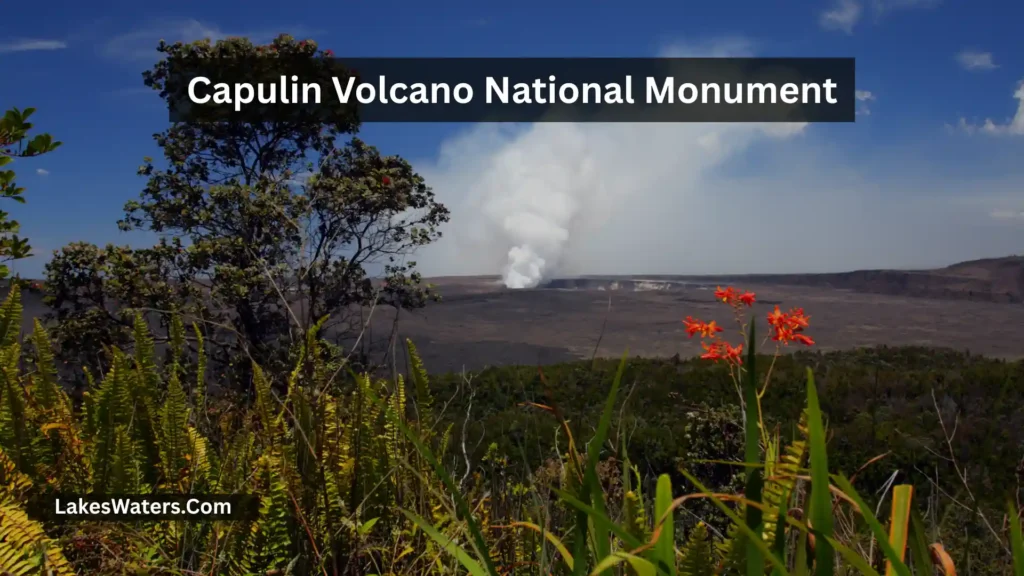
Capulin Volcano National Monument protects an impressive volcanic cone in northeastern New Mexico.
The volcano is part of the Raton-Clayton Volcanic Field, a region shaped by volcanic activity over thousands of years.
Visitors can drive up Volcano Road toward the crater rim and explore designated hiking trails.
The Crater Rim Trail provides an opportunity to look into the volcano’s central crater and observe the surrounding landscape.
Things to Do:
- Drive toward the crater rim.
- Hike the Crater Rim Trail.
- Explore the Crater Vent Trail.
- Learn about volcanic formations.
- Enjoy panoramic views of northeastern New Mexico.
Vehicle access to the upper road has separate operating hours, and weather conditions can cause temporary closures.
El Malpais National Monument
Location: Western New Mexico, near Grants.
El Malpais National Monument protects a fascinating volcanic landscape featuring ancient lava flows, cinder cones, lava tubes, and sandstone formations.
The name El Malpais is commonly translated as badlands, reflecting the rugged terrain created by volcanic activity.
The monument offers a different experience from New Mexico’s cave and dune destinations. Instead of white gypsum or underground limestone formations, visitors encounter dark volcanic rock and unusual geological structures.
Popular Activities:
- Hiking across designated trails.
- Observing ancient lava flows.
- Exploring volcanic landscapes.
- Visiting scenic overlooks.
- Learning about the region’s geology.
Some lava tubes require special equipment, permits, or advance preparation. Visitors should check access requirements before attempting to explore caves.
El Morro National Monument
Location: Western New Mexico, near Ramah.
El Morro National Monument is known for its large sandstone bluff and historic inscriptions carved into its surface.
For centuries, travelers stopped at the base of the bluff to access a natural water source. Some left names, dates, messages, and other inscriptions on the sandstone.
The inscriptions include evidence of ancestral Pueblo communities, Spanish travelers, and later American visitors.
Visitors can walk designated trails, examine historic markings, and enjoy views of the surrounding landscape.
El Morro is especially appealing to people interested in regional history and the stories of travelers who crossed the American Southwest.
Other Notable Historic Sites and Preserves
New Mexico has several additional protected destinations that deserve attention.
| Destination | Official Designation | Main Attraction |
| Aztec Ruins | National Monument | Ancestral Pueblo architecture and a restored Great Kiva |
| Salinas Pueblo Missions | National Monument | Historic Pueblo communities and Spanish mission ruins |
| Fort Union | National Monument | Military history and the Santa Fe Trail |
| Pecos | National Historical Park | Pueblo history, Spanish colonial history, and Civil War history |
| Manhattan Project | National Historical Park | The history of the development of the atomic bomb, including its Los Alamos site |
| Valles Caldera | National Preserve | Volcanic landscapes, mountain meadows, and wildlife |
These destinations expand the range of experiences available to visitors. Depending on your interests, they can be just as rewarding as the state’s two officially designated national parks.
New Mexico also has federally protected destinations managed by agencies other than the National Park Service. Kasha-Katuwe Tent Rocks and Organ Mountains-Desert Peaks are examples of national monuments managed by the Bureau of Land Management.
These should not be confused with National Park Service units, although they can be included in a broader New Mexico outdoor travel itinerary.
Best National Parks in New Mexico for Different Activities
The best destination depends on the kind of experience you’re looking for. Some places are ideal for outdoor recreation, while others are better suited to history, geology, and cultural exploration.
| Your Interest | Recommended Destination | Why Visit |
| Underground caves | Carlsbad Caverns | Enormous limestone chambers |
| White sand dunes | White Sands | Unique gypsum landscape |
| Ancient architecture | Chaco Culture | Ancestral Pueblo great houses |
| Cliff dwellings | Bandelier | Historic homes and canyon trails |
| Ancient rock carvings | Petroglyph | Thousands of historic carvings |
| Volcanic landscapes | El Malpais | Lava flows and volcanic features |
| Crater views | Capulin Volcano | Volcanic crater and scenic views |
| Ancient cave homes | Gila Cliff Dwellings | Preserved archaeological structures |
| Historic inscriptions | El Morro | Carvings left by historic travelers |
Best Places for Hiking
Bandelier, El Malpais, Capulin Volcano, and Gila Cliff Dwellings are excellent options for visitors interested in hiking.
Each destination offers a different landscape, from canyon trails and volcanic terrain to mountain scenery and archaeological paths.
Always choose trails according to your fitness level and check current conditions before setting out.
Best Places for Families
White Sands and Carlsbad Caverns are two particularly appealing destinations for families.
At White Sands, children can enjoy exploring the dunes and sledding in permitted areas. Carlsbad Caverns offers an opportunity to discover an underground environment filled with unusual natural formations.
Petroglyph National Monument can also make an interesting educational stop for families visiting Albuquerque.
Best Places for History Lovers
Chaco Culture, Bandelier, Gila Cliff Dwellings, Aztec Ruins, and Pecos provide valuable opportunities to learn about the region’s Indigenous and colonial history.
These destinations preserve archaeological structures, historic settlements, and evidence of earlier communities.
Best Time to Visit New Mexico National Parks
New Mexico’s climate varies by elevation and location. Southern desert destinations can become extremely hot in summer, while northern mountain areas experience colder temperatures and winter snowfall.
The best time to visit depends on which parks you plan to explore and what activities you want to enjoy.
Spring (March to May)
Spring is a good season for exploring many of New Mexico’s outdoor destinations.
Temperatures are often more comfortable than during the hottest summer months, making hiking and sightseeing enjoyable.
White Sands and Carlsbad Caverns can both be included in a spring road trip. However, spring winds and changing weather can affect outdoor activities.
Summer (June to August)
Summer offers long daylight hours and opportunities to explore northern New Mexico’s higher-elevation destinations.
However, temperatures in southern desert areas can become dangerously hot.
If visiting White Sands, plan outdoor activities around cooler parts of the day. Carry enough water and avoid strenuous hiking during extreme heat.
Summer is also an opportunity to experience the seasonal bat emergence at Carlsbad Caverns, subject to park schedules and weather conditions.
Fall (September to November)
Fall is one of the most comfortable seasons for exploring many parts of New Mexico.
Cooler temperatures make outdoor activities more enjoyable, particularly in desert and lower-elevation locations.
It’s also a good time to explore archaeological destinations, scenic drives, and hiking trails.
Winter (December to February)
Winter can be a quieter season at many New Mexico destinations.
White Sands may experience cold mornings and changing weather, while higher elevations can receive snow and ice.
Carlsbad Caverns remains an interesting year-round destination because the main underground chamber maintains a relatively stable temperature.
Visitors should check weather forecasts and road conditions before traveling to mountain and volcanic areas.
How to Plan a New Mexico National Parks Road Trip
A road trip is one of the most practical ways to explore New Mexico’s national parks and other protected destinations.
However, the state’s major attractions are spread across different regions. Trying to visit everything in one short trip can create unnecessary driving and leave little time to explore.
For a first visit, consider focusing on southern New Mexico and combining White Sands with Carlsbad Caverns.
A 3-Day Southern New Mexico Itinerary
Day 1: Explore White Sands National Park
Begin your trip at White Sands. Spend time exploring the gypsum dunes, walking available trails, and enjoying the desert scenery.
If conditions permit, stay for the evening light before returning to nearby accommodation.
Alamogordo is a convenient base for visiting the park.
Day 2: Travel Toward Carlsbad
Travel east toward Carlsbad through the Sacramento Mountains and Cloudcroft area.
Allow enough time for the drive and potential weather-related delays. You can also stop in nearby communities for food and sightseeing.
Check road conditions before choosing the mountain route.
Day 3: Visit Carlsbad Caverns National Park
Reserve your cavern entry time in advance and spend the day exploring the Big Room and other available attractions.
If your visit falls during the bat flight season, consider attending the evening program when it is offered.
This itinerary provides a manageable introduction to the state’s two national parks without trying to combine too many distant destinations.
Extending Your Trip to Northern New Mexico
If you have additional days, consider adding Bandelier National Monument, Chaco Culture National Historical Park, and Petroglyph National Monument.
A separate northern and central New Mexico trip can include:
- Albuquerque and Petroglyph National Monument.
- Bandelier National Monument.
- Chaco Culture National Historical Park.
- Pecos National Historical Park.
- Valles Caldera National Preserve.
These destinations provide a different experience from the southern desert parks, with greater emphasis on archaeology, Indigenous history, mountain scenery, and volcanic geology.
What to Know Before Visiting New Mexico National Parks
A little preparation can make your visit safer and more enjoyable.
Check Park Hours and Reservations
Operating hours can change depending on the season, staffing, maintenance, and weather.
Carlsbad Caverns requires a timed-entry reservation for cavern access. Additional ranger-guided experiences may have separate reservation requirements.
Check the latest information before traveling.
Prepare for Desert Weather
Desert temperatures can change considerably throughout the day.
Bring:
- Plenty of drinking water.
- Sunscreen and sunglasses.
- A hat or other sun protection.
- Comfortable walking shoes.
- Weather-appropriate clothing.
- Snacks for longer outdoor visits.
Avoid hiking during dangerous heat, and take regular breaks.
Check Road Conditions
Some New Mexico destinations are reached through unpaved roads.
Chaco Culture is an especially important example because its access roads can become difficult or impassable after rain.
Mountain routes may also experience snow, ice, or temporary closures.
Check road conditions before leaving rather than assuming that every route shown by a navigation app is suitable.
Respect Indigenous Cultural Sites
Several New Mexico destinations protect places that remain culturally and spiritually important to Indigenous communities.
Follow posted rules, remain on designated trails, and avoid touching or damaging archaeological structures and rock carvings.
Do not remove artifacts, rocks, or other protected natural and cultural resources.
Understand Park Fees
Entrance fees and reservation requirements differ between destinations.
Some locations charge admission, while others have different fee arrangements or offer free access to certain areas.
Check the current fee schedule for each destination. An America the Beautiful pass may cover eligible federal recreation entrance fees, subject to the applicable rules.
Plan for Limited Cell Service
Some remote destinations have limited or unreliable cellular coverage.
Download maps and essential travel information before leaving areas with reliable internet access.
Carry enough supplies for remote drives and let someone know your plans when visiting less-developed areas.
Frequently Asked Questions
How many national parks are in New Mexico?
New Mexico has two officially designated national parks: Carlsbad Caverns National Park and White Sands National Park. The state also has numerous national monuments, historical parks, and other federally protected destinations.
What are the two national parks in New Mexico?
The two national parks are Carlsbad Caverns National Park and White Sands National Park. Carlsbad is famous for its underground caves, while White Sands protects an enormous gypsum dune landscape.
What is the most famous national park in New Mexico?
Both Carlsbad Caverns and White Sands are well-known national parks. Carlsbad attracts visitors interested in underground cave formations, while White Sands is recognized for its unusual white gypsum dunes.
Are there national monuments in New Mexico?
Yes. New Mexico has several National Park Service national monuments, including Bandelier, Petroglyph, Gila Cliff Dwellings, Capulin Volcano, El Malpais, El Morro, Aztec Ruins, Fort Union, and Salinas Pueblo Missions.
is white sands a real national park?
Yes. White Sands is officially designated as a national park. It received this designation on December 20, 2019, after previously being protected as a national monument.
Can you visit Carlsbad caverns and white sands in one trip?
Yes. Both parks can be combined into a southern New Mexico road trip. However, they are in different parts of the state, so allow sufficient driving time and plan at least two or three days for a more comfortable visit.
What is the best month to visit New Mexico national parks?
March, April, October, and November are generally good months for exploring many of the state’s desert destinations because temperatures are often more comfortable. However, the ideal month depends on the destination, elevation, weather, and activities you want to enjoy.
Do you need reservations for new Mexican national parks?
Carlsbad Caverns requires timed-entry reservations for cavern access. White Sands generally does not require a timed-entry reservation, but visitors should check current operating conditions, entrance requirements, and temporary closures before arrival.
Final Thoughts
New Mexico offers an impressive combination of natural landscapes, archaeological treasures, and outdoor experiences. Its two officially designated national parks, Carlsbad Caverns and White Sands, provide very different reasons to explore the state.
However, the experience doesn’t end with these two destinations. Bandelier, Chaco Culture, Petroglyph, Gila Cliff Dwellings, and other protected sites add important cultural, historical, and geological attractions to any New Mexico travel itinerary.
If you’re visiting for the first time, start with Carlsbad Caverns and White Sands. If you have additional time, explore the state’s national monuments and historical parks to discover more of the landscapes and stories that make New Mexico distinctive.

I am Sophia Bennett, an environmental storyteller who explores the fascinating world of lakes, freshwater habitats, and natural ecosystems.
I write to educate and inspire people about water conservation, biodiversity, and the importance of maintaining clean water resources.
I believe that understanding nature is the first step toward protecting it.
Books by Sophia Bennett:
- Whispers of the Freshwater World
- The Journey of Water: From Source to Sustainability