Florida is home to three officially designated national parks: Everglades National Park, Biscayne National Park, and Dry Tortugas National Park. Each protects a different part of the state’s natural environment, from vast wetlands and mangrove forests to coral reefs and remote tropical islands.
Beyond these three parks, Florida also has several other National Park Service destinations, including Big Cypress National Preserve, Canaveral National Seashore, and Gulf Islands National Seashore. These places offer additional opportunities to explore wildlife, beaches, historic landmarks, and coastal landscapes.
If you’re planning a family vacation, a wildlife-watching trip, or an outdoor adventure, Florida’s protected areas offer plenty of ways to experience the state’s natural beauty. Understanding what each destination offers can help you choose the right places for your trip.
How Many National Parks Are in Florida?
Florida has three national parks: Everglades National Park, Biscayne National Park, and Dry Tortugas National Park.
These parks are all located in South Florida, but they protect very different environments. Everglades preserves a large subtropical wetland ecosystem, Biscayne protects marine habitats and islands, and Dry Tortugas safeguards coral reefs, historic structures, and surrounding waters.
Florida also has eight other National Park Service units with different designations, including national preserves, national seashores, monuments, memorials, and an ecological and historic preserve.
This distinction matters because the National Park System includes more than places officially designated as national parks. Each type of protected area has its own purpose and management rules.
Florida’s 3 National Parks
The three national parks in Florida offer different experiences. Some are better suited to wildlife watching and hiking, while others are ideal for boating, snorkeling, and exploring historic sites.
Everglades National Park
Location: South Florida, near Miami, Naples, and Homestead
Everglades National Park is one of the most distinctive natural destinations in the United States. It protects approximately 1.5 million acres of wetlands, forests, mangrove habitats, and coastal environments.
Often described as a river of grass, the Everglades is a vast, slow-moving freshwater ecosystem. Water flows through shallow marshes and supports a remarkable variety of wildlife.
The park is especially famous for its American alligators, crocodiles, manatees, turtles, and numerous bird species. It is also an important habitat for the endangered Florida panther.
What Makes Everglades National Park Special?
The Everglades protects an interconnected ecosystem that supports wildlife and contributes to the health of South Florida’s environment. Its wetlands provide important habitat for native species and help maintain regional water resources.
Unlike traditional forests or mountain parks, much of the Everglades consists of open wetlands, sawgrass marshes, and waterways. Visitors can experience this landscape through hiking trails, observation areas, guided excursions, and paddling routes.
Best Things to Do in Everglades National Park
- Wildlife Watching: Look for alligators, wading birds, turtles, and other native animals in their natural habitats.
- Hiking: Explore established trails and boardwalks that introduce visitors to the park’s wetlands and forests.
- Kayaking and Canoeing: Paddle through designated waterways and experience the wetland environment from the water.
- Birdwatching: Observe herons, egrets, ospreys, and other birds that inhabit the region.
- Scenic Driving: Explore different areas of the park and stop at designated viewpoints.
- Ranger Programs: Learn about the Everglades ecosystem, conservation efforts, and native wildlife through educational activities.
The Anhinga Trail is one of the park’s well-known walking areas. It offers opportunities to observe wetland wildlife, especially birds and alligators.
Shark Valley is another popular destination. Visitors can explore its approximately 15-mile paved loop by bicycle or tram and enjoy views of the surrounding wetlands.
Best Time to Visit Everglades National Park
The dry season, generally from November through April, is often the most comfortable period for exploring the park. Lower water levels can also make wildlife easier to observe in certain locations.
The wet season usually runs from May through October. During these months, visitors can expect higher humidity, frequent afternoon storms, more mosquitoes, and changing water conditions.
Both seasons offer different experiences, so your ideal travel time depends on the activities you want to enjoy.
Biscayne National Park
Location: Near Homestead, south of Miami
Biscayne National Park protects a beautiful marine environment along Florida’s southeastern coast. Unlike many traditional national parks, most of its protected area consists of water.
The park includes shallow coastal waters, coral reefs, mangrove forests, islands, and seagrass beds. These habitats support a variety of marine species and provide important breeding and feeding areas for wildlife.
Biscayne is particularly attractive to visitors interested in boating, snorkeling, fishing, and underwater exploration.
What Makes Biscayne National Park Special?
The park protects a diverse marine ecosystem that includes coral reefs, tropical fish, and historic shipwrecks.
Its islands also have an interesting cultural history. Evidence of human activity in the region stretches back thousands of years, while historic structures and maritime remains tell stories about later settlement and coastal transportation.
One of its most interesting features is the Maritime Heritage Trail, which includes underwater historic shipwreck sites.
Best Things to Do in Biscayne National Park
- Snorkeling: Explore underwater habitats and observe tropical marine life.
- Scuba Diving: Discover coral reefs and designated underwater historic sites.
- Boating: Travel through Biscayne Bay and visit accessible islands.
- Kayaking: Paddle through suitable coastal waters and mangrove areas.
- Fishing: Enjoy permitted recreational fishing while following park regulations.
- Wildlife Watching: Look for marine animals and coastal bird species.
- Island Exploration: Visit accessible islands and enjoy the surrounding natural scenery.
The Dante Fascell Visitor Center is an important starting point for exploring the park. It offers educational exhibits and information about the area’s natural and cultural history.
Keep in mind that many of Biscayne’s most interesting destinations are accessible only by boat. Visitors who do not have their own vessel can investigate available guided excursions and authorized transportation options.
Best Time to Visit Biscayne National Park
Biscayne can be visited throughout the year, but weather and water conditions influence outdoor activities.
Winter and early spring generally offer comfortable conditions for spending time outdoors. Summer brings warmer temperatures and can provide suitable opportunities for water activities, although afternoon thunderstorms and tropical weather can affect travel plans.
Check marine conditions before arranging a boating or snorkeling excursion.
Dry Tortugas National Park
Location: Approximately 70 miles west of Key West
Dry Tortugas National Park is one of the most remote national parks in the United States. It consists of seven small islands surrounded by open water, coral reefs, and important marine habitats.
The park is famous for its clear blue waters, historic Fort Jefferson, and opportunities to explore a relatively isolated island environment.
Because of its remote location, visiting Dry Tortugas requires more planning than visiting many other national parks.
What Makes Dry Tortugas National Park Special?
The most recognizable attraction is Fort Jefferson, a massive coastal fort built on Garden Key.
Construction began in the nineteenth century, and the fort was originally intended to protect an important maritime route. Today, it serves as a historic landmark where visitors can explore military architecture and learn about the area’s past.
The surrounding waters are another major attraction. Coral reefs, marine wildlife, and bird habitats make the park especially interesting for nature enthusiasts.
Best Things to Do in Dry Tortugas National Park
- Explore Fort Jefferson: Walk through the historic fort and learn about its military history.
- Snorkeling: Discover coral formations and marine life in designated areas.
- Swimming: Enjoy permitted swimming areas when conditions are safe.
- Birdwatching: Observe seabirds and migratory species that use the islands.
- Boating: Explore the surrounding waters using permitted vessels.
- Camping: Spend the night on Garden Key for a more extended island experience.
- Photography: Capture the historic fort, coastal scenery, and surrounding marine environment.
How to Reach Dry Tortugas National Park
Unlike Everglades and Biscayne, Dry Tortugas has no road access. Visitors must travel by boat or seaplane from the Key West area.
Commercial ferry services provide transportation for day visitors and campers. Seaplane excursions offer another way to reach the park.
Transportation capacity is limited, especially during busy travel periods. Visitors planning to take the ferry should arrange their trip well in advance.
People interested in camping should understand that facilities are basic. You need to bring essential supplies, including food and drinking water. Seaplane transportation does not accommodate camping equipment in the same way as the ferry.
Best Time to Visit Dry Tortugas National Park
Winter and spring are popular periods for visiting because temperatures are generally more comfortable.
Summer can bring hot weather, humidity, rough seas, and tropical storms. Weather conditions may affect transportation and water activities throughout the year.
Before traveling, check current marine forecasts and transportation arrangements.
Other National Park Service Sites in Florida
Florida has more protected destinations than its three officially designated national parks.
These additional places belong to the National Park System but have different classifications. They are worth considering if you want to explore more of Florida’s natural environments and history.
Big Cypress National Preserve
Location: Southwest Florida
Big Cypress National Preserve protects more than 729,000 acres of wetlands, cypress forests, prairies, and other natural habitats.
It is located near Everglades National Park and plays an important role in supporting the region’s water systems.
The preserve is particularly valuable for wildlife enthusiasts. Its habitats support the endangered Florida panther, alligators, birds, and numerous other native species.
Popular Activities in Big Cypress
- Hiking through designated trails and natural areas
- Wildlife observation and birdwatching
- Exploring scenic drives
- Photography
- Camping in permitted areas
- Participating in ranger-led educational activities
The Loop Road Scenic Drive is one of the interesting ways to experience the preserve. It travels through cypress swamp landscapes and provides opportunities to observe the surrounding environment.
Visitors should prepare for changing trail conditions. Some hiking routes can become flooded, especially during the wet season.
Canaveral National Seashore
Location: Near Titusville and New Smyrna Beach
Canaveral National Seashore protects a stretch of Florida’s Atlantic coastline. Its landscape includes barrier islands, sandy beaches, coastal forests, dunes, and lagoon habitats.
The area provides important habitat for coastal wildlife and offers opportunities to enjoy a less developed section of Florida’s shoreline.
It is particularly appealing to visitors who enjoy beaches, nature walks, and birdwatching.
Things to Do at Canaveral National Seashore
- Enjoy permitted beach activities.
- Explore coastal walking areas.
- Observe birds and other wildlife.
- Experience the natural landscape of barrier islands.
- Learn about the region’s cultural and historical background.
- Explore suitable areas for boating and fishing.
Canaveral is also an important nesting area for sea turtles. Visitors should respect protected nesting zones and follow seasonal restrictions.
Gulf Islands National Seashore
Location: Florida Panhandle and Mississippi
Gulf Islands National Seashore protects coastal environments along the northern Gulf Coast. Its Florida areas are known for white sandy beaches, clear coastal waters, historic forts, and maritime landscapes.
Unlike Florida’s southern national parks, this destination offers a different coastal experience.
Visitors can enjoy beach activities, explore historic military structures, and experience natural areas along the Gulf Coast.
Popular Activities at Gulf Islands National Seashore
- Swimming at designated beach areas
- Snorkeling and diving
- Hiking
- Birdwatching
- Fishing under applicable regulations
- Boating and kayaking
- Camping in designated campgrounds
- Exploring historic forts
The Fort Pickens area is one of the well-known destinations within the Florida portion of the seashore. It combines recreational opportunities with an important historical landscape.
Timucuan Ecological and Historic Preserve
Location: Jacksonville, Northeast Florida
Timucuan Ecological and Historic Preserve protects coastal wetlands, salt marshes, dunes, and hardwood forests near Jacksonville.
It also preserves thousands of years of human history, including important archaeological and cultural sites.
The preserve is a good destination for visitors interested in both nature and history.
Things to Explore at Timucuan
- Coastal walking areas
- Salt marsh habitats
- Native wildlife
- Historic landmarks
- Cultural interpretation sites
- Natural landscapes and scenic viewpoints
Fort Caroline and Kingsley Plantation are among the historic places associated with the preserve.
Other Historic National Park Sites
Florida also contains several nationally significant historic destinations managed by the National Park Service.
Castillo de San Marcos National Monument
Located in St. Augustine, this historic Spanish fortification dates to the seventeenth century. It provides insight into Florida’s colonial history and the military importance of the Atlantic coast.
Fort Matanzas National Monument
This monument preserves a historic Spanish watchtower and surrounding coastal environment south of St. Augustine.
De Soto National Memorial
Located near Bradenton, this memorial interprets the 1539 landing of Hernando de Soto and the history of Spanish exploration and Indigenous resistance in the region.
Fort Caroline National Memorial
Located within the Timucuan area near Jacksonville, this memorial preserves the history of the French settlement of La Caroline and the conflict between French and Spanish forces in sixteenth-century Florida.
These sites offer valuable historical experiences, particularly for visitors interested in early European settlement and the complex history of the region.
Best Things to Do in Florida National Parks
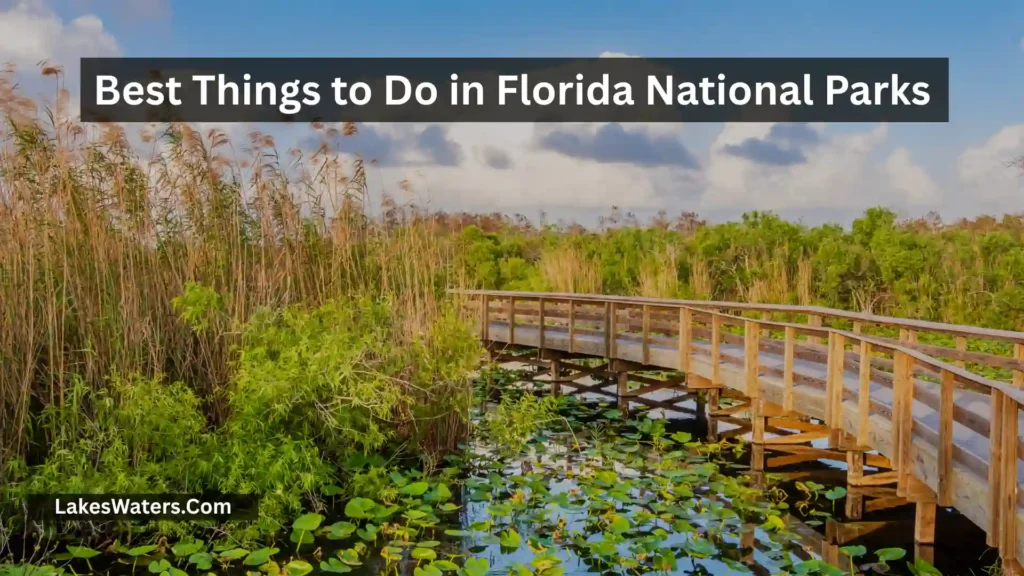
Florida’s national parks offer more than scenic views. Their different environments create opportunities for outdoor recreation, wildlife observation, and educational experiences.
Here are some of the most rewarding activities to consider.
Wildlife Watching
Florida’s protected areas are home to many fascinating animals.
Depending on the destination and season, visitors may encounter:
- American alligators
- American crocodiles
- West Indian manatees
- Florida panthers
- Sea turtles
- Dolphins
- Wading birds
- Ospreys
- Pelicans
- Various fish and marine species
Everglades and Big Cypress are particularly interesting for observing wetland wildlife. Biscayne and Dry Tortugas offer opportunities to experience marine ecosystems and coastal bird habitats.
Wildlife sightings are never guaranteed. Maintain a safe distance and never feed or approach wild animals.
Hiking and Nature Trails
Hiking is a great way to experience Florida’s protected landscapes.
Some areas have elevated boardwalks, paved paths, and established nature trails, while others have more challenging conditions.
The Anhinga Trail in Everglades National Park is a popular option for visitors interested in wetland wildlife.
Big Cypress also offers hiking opportunities, including trails that pass through cypress forests and prairies.
Always check trail conditions before setting out, especially during periods of heavy rainfall.
Boating and Kayaking
Florida’s coastal geography makes boating and paddling important activities across several protected areas.
Biscayne National Park is especially suitable for exploring marine environments, while Everglades offers designated paddling routes through wetlands and waterways.
Dry Tortugas also provides opportunities for permitted boating and water-based exploration.
Visitors should understand local boating regulations, navigation restrictions, and weather conditions before entering the water.
Snorkeling and Scuba Diving
Biscayne and Dry Tortugas are two of Florida’s most interesting destinations for underwater exploration.
Their marine environments include coral reefs, tropical fish, and historic shipwreck sites.
Snorkeling is suitable for visitors who want to observe underwater scenery closer to the surface. Scuba diving offers access to deeper marine environments for appropriately qualified divers.
Always use designated areas and follow park rules to protect sensitive marine habitats.
Camping
Camping provides an opportunity to spend more time in Florida’s protected natural areas.
Some destinations offer developed campgrounds, while others have more limited facilities.
Everglades has camping opportunities in designated areas, and Big Cypress provides several camping options. Dry Tortugas offers a more alternative island camping experience on Garden Key.
Reservations, transportation requirements, and camping regulations differ between destinations.
Birdwatching and Photography
Florida’s wetlands, islands, mangroves, and coastal habitats support an impressive range of bird species.
Birdwatchers may enjoy exploring Everglades, Biscayne, Big Cypress, and Gulf Islands National Seashore.
Photography opportunities also vary by location. Wetlands offer wildlife and landscape photography, while coastal destinations provide opportunities to capture beaches, marine environments, and historic structures.
Respect wildlife and avoid disturbing nesting birds or other sensitive species.
Best Time to Visit Florida National Parks
Florida’s national parks are open to visitors throughout much of the year, but seasonal weather can significantly influence your experience.
The state has a subtropical climate in much of its southern region, with hot, humid summers and generally milder winters.
Understanding the seasonal differences can help you choose the right destination and activities.
Winter (December to February)
Winter is one of the most comfortable periods for visiting Florida’s national parks.
Temperatures are generally milder, humidity is lower, and outdoor activities can be more enjoyable.
This season is particularly suitable for:
- Hiking in Everglades and Big Cypress
- Wildlife watching
- Birdwatching
- Exploring historic sites
- Scenic drives
- Outdoor photography
Winter is also a popular travel season, so some destinations and transportation services can become busy.
Spring (March to May)
Spring offers generally pleasant weather, although temperatures gradually increase as summer approaches.
It can be a good time to explore coastal areas, enjoy boating, and participate in outdoor activities.
Visitors should check local weather conditions and park alerts before traveling.
Summer (June to August)
Summer brings high temperatures, humidity, and frequent afternoon thunderstorms.
It is also part of Florida’s Atlantic hurricane season, which officially runs from June 1 through November 30.
Despite the heat, summer can be suitable for visitors interested in water activities and coastal exploration when conditions permit.
Remember to:
- Carry sufficient drinking water.
- Wear lightweight clothing.
- Use sun protection.
- Avoid strenuous outdoor activities during the hottest part of the day.
- Check weather forecasts before boating.
- Watch for thunderstorms and changing marine conditions.
Fall (September to November)
Fall gradually brings a transition toward cooler weather, although September and October can still be hot and humid.
Hurricane season remains a consideration, particularly in early fall.
Later in the season, conditions generally become more comfortable for hiking, wildlife watching, and exploring outdoor attractions.
Florida National Parks Comparison
Choosing between Florida’s three national parks depends on your interests, available time, and preferred activities.
The following comparison provides a quick overview.
| Feature | Everglades | Biscayne | Dry Tortugas |
| Main Environment | Wetlands and forests | Marine waters and islands | Islands and coral reefs |
| Main Attraction | Wildlife and sawgrass marshes | Coral reefs and boating | Fort Jefferson |
| Best For | Wildlife lovers | Water activities | History and island exploration |
| Hiking | Yes | Limited | Limited |
| Snorkeling | Limited opportunities | Yes | Yes |
| Kayaking | Yes | Yes | Subject to access and regulations |
| Wildlife Watching | Excellent | Marine and coastal wildlife | Seabirds and marine wildlife |
| Road Access | Yes | Mainland visitor area accessible by road | No |
| Main Location | South Florida | Near Homestead | West of Key West |
Which Florida National Park Should You Visit?
Choose Everglades National Park if you want to explore wetlands, observe alligators, enjoy hiking, and experience one of the country’s most distinctive ecosystems.
Choose Biscayne National Park if you’re interested in coral reefs, snorkeling, boating, and marine wildlife.
Choose Dry Tortugas National Park if you want to visit a remote island destination, explore a historic coastal fort, and enjoy clear surrounding waters.
If you have enough time, visiting all three provides a much broader understanding of Florida’s natural environments.
Tips for Planning a Florida National Parks Trip
A little preparation can make your national park visit more comfortable and enjoyable.
Florida’s parks have different climates, transportation arrangements, and recreational opportunities. The following tips can help you avoid common travel problems.
Plan Your Transportation
Transportation requirements vary considerably between parks.
Everglades has several road-accessible entrances and visitor areas. Biscayne has a mainland visitor area, but many of its islands and marine attractions require boat transportation.
Dry Tortugas requires a separate transportation arrangement from Key West because there is no road access.
Plan your transportation before booking accommodation or organizing your daily itinerary.
Check Entrance Fees and Reservations
Some National Park Service destinations charge entrance fees, while others do not.
Fees can vary depending on the destination, vehicle, visitor category, and available passes.
Certain activities, guided excursions, camping facilities, and transportation services may also require separate payments.
Check current park information before traveling rather than relying on older fee estimates.
Prepare for Florida’s Weather
Florida’s heat and humidity can make outdoor activities challenging, particularly during summer.
Bring:
- Drinking water
- Sunscreen
- A hat
- Comfortable walking shoes
- Lightweight clothing
- Insect repellent
- Weather-appropriate clothing
- Necessary personal medications
Visitors planning water activities should also consider appropriate safety equipment.
Respect Wildlife and Natural Habitats
Florida’s protected areas are important habitats for endangered and vulnerable species.
Never feed wildlife, approach alligators, disturb nesting birds, or touch coral reefs.
Follow marked trails, observe posted restrictions, and maintain a safe distance from animals.
Responsible behavior helps protect these environments for future generations.
Check Park Alerts Before Departure
Weather events, road conditions, construction, and environmental protection activities can affect visitor access.
Some trails, beaches, boat routes, and facilities may temporarily close.
Check current conditions before leaving your accommodation, especially when visiting remote areas or planning water-based activities.
Allow Enough Time for Each Destination
Do not assume that all three national parks can be explored comfortably in a single day.
Everglades covers a large area with different entrances and visitor destinations. Biscayne requires additional planning for boat-based activities, while Dry Tortugas involves a significant transportation commitment.
If you’re planning to visit multiple parks, allow enough time for transportation, activities, and changing weather conditions.
Frequently Asked Questions
How many national parks are in Florida?
Florida has three officially designated national parks: Everglades National Park, Biscayne National Park, and Dry Tortugas National Park. The state also has eight other National Park Service units with different designations.
What is the most famous national park in Florida?
Everglades National Park is one of Florida’s most famous national parks. It is internationally recognized for its wetlands, biodiversity, alligators, crocodiles, and unique subtropical ecosystem.
Are Florida national parks worth visiting?
Yes. Florida’s national parks offer different natural and historical experiences. Visitors can explore wetlands, observe wildlife, discover coral reefs, enjoy boating, and visit historic landmarks.
What is the largest national park in Florida?
Everglades National Park is the largest of Florida’s three officially designated national parks. It protects approximately 1.5 million acres of wetlands, forests, and marine habitats.
Can you visit all three Florida national parks in one trip?
Yes. You can visit all three during one Florida vacation, but you should plan your itinerary carefully. Everglades, Biscayne, and Dry Tortugas are geographically separated, and Dry Tortugas requires boat or seaplane transportation.
Which Florida national park is best for wildlife watching?
Everglades National Park is an excellent choice for wildlife watching. Visitors may encounter alligators, crocodiles, birds, turtles, and other native species. Big Cypress National Preserve is another interesting destination for observing Florida wildlife.
Which national park in Florida is best for snorkeling?
Biscayne National Park and Dry Tortugas National Park are two of the best options for snorkeling. Both protect marine environments with coral reefs and tropical fish. Water conditions and permitted activity areas should always be checked before visiting.
Can you drive to Dry Tortugas National Park?
No. Dry Tortugas National Park has no road access. Visitors must travel by private or authorized boat transportation or by seaplane from the Key West area.
What is the best month to visit Florida national parks?
December through April is generally a comfortable period for exploring many of Florida’s national parks. These months usually offer milder temperatures and lower humidity, particularly in South Florida. However, the best time depends on your preferred activities and destination.
Is Big Cypress National Preserve a national park?
No. Big Cypress is officially designated as a National Preserve, not a National Park. It is nevertheless part of the National Park System and protects important wetlands and wildlife habitats in South Florida.
Final Thoughts
Florida’s national parks protect some of the most distinctive natural environments in the United States. From the wetlands of Everglades National Park to the coral reefs of Biscayne and the remote islands of Dry Tortugas, each destination offers something different.
The state’s other National Park Service sites add even more opportunities to explore coastal landscapes, wildlife habitats, and historic landmarks.
If you’re planning a Florida outdoor vacation, start by choosing the environments and activities that interest you most. Then consider transportation, seasonal weather, and the time needed to explore each destination.
With thoughtful planning, Florida’s national parks can become an unforgettable part of your travel experience.

I am Ethan Reynolds, a nature researcher and writer focused on freshwater environments, aquatic ecosystems, and sustainable water solutions.
I enjoy sharing knowledge about lakes, rivers, wetlands, and the challenges facing global water resources.
My goal is to help readers understand the value of water and encourage responsible actions to protect it.
Books by Ethan Reynolds:
- Lakes and Landscapes: Stories from Nature
- Protecting Water for Future Generations