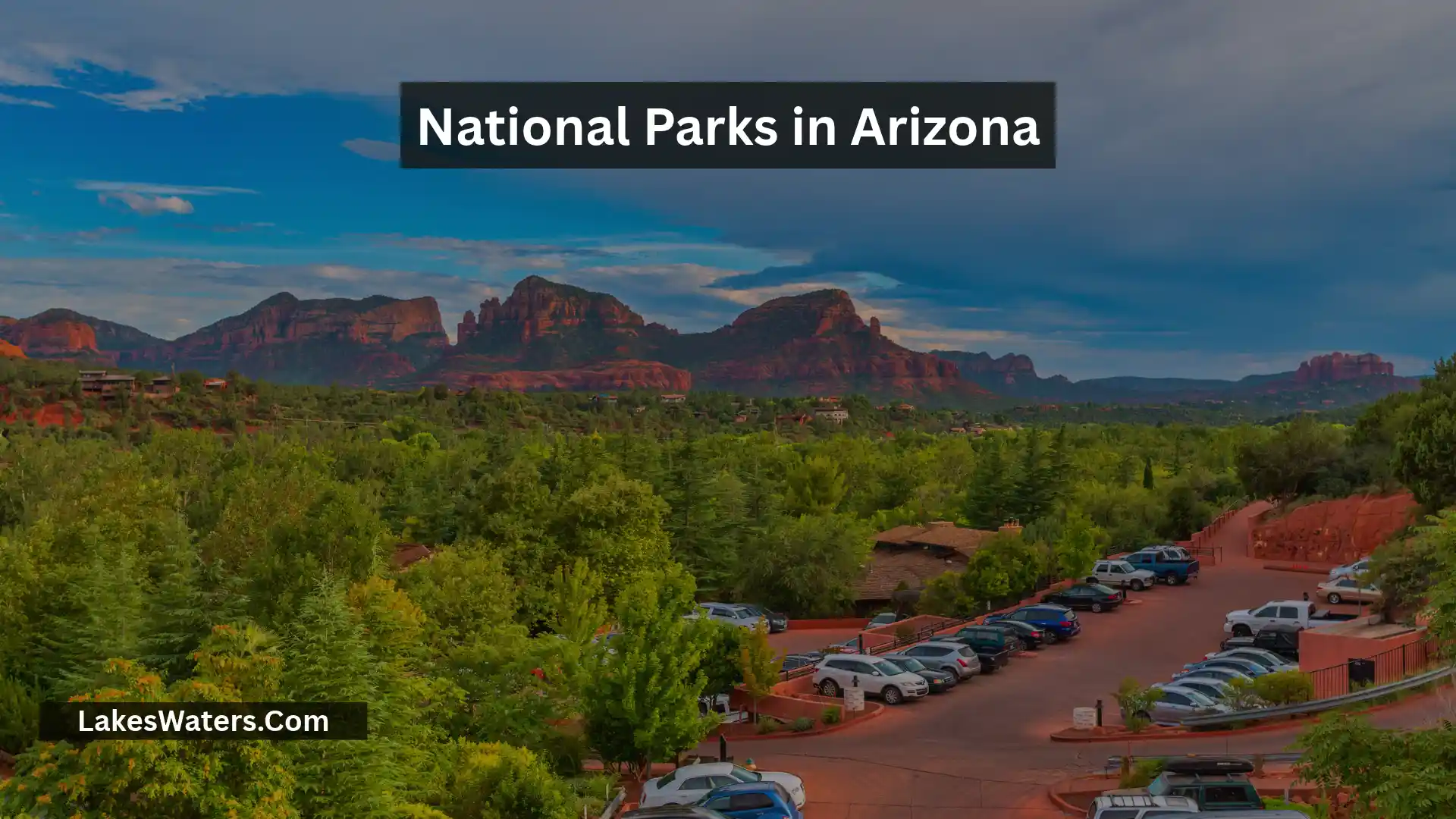
Arizona is home to four national parks, each offering a different experience of the American Southwest. From the enormous cliffs of the Grand Canyon to the towering saguaro cacti, colorful desert landscapes, and unusual rock formations of Chiricahua, these destinations showcase some of the most remarkable natural scenery in the United States.
The four national parks in Arizona are Grand Canyon National Park, Saguaro National Park, Petrified Forest National Park, and Chiricahua National Park. Visitors can explore deep canyons, ancient fossils, desert wildlife, hiking trails, scenic drives, and fascinating geological formations throughout the state.
If you’re planning a family vacation, an outdoor adventure, or a longer road trip, Arizona’s national parks offer plenty of opportunities to experience the region’s natural beauty and history.
How Many National Parks Are in Arizona?
Arizona has four officially designated national parks as of November 2026.
These parks protect different landscapes, ecosystems, geological formations, and historical resources. Although they are all part of the National Park System, each destination offers a distinct experience.
Here are the four national parks in Arizona:
| National Park | Location | Main Attraction |
| Grand Canyon National Park | Northern Arizona | Massive canyon and Colorado River |
| Saguaro National Park | Near Tucson | Giant saguaro cacti |
| Petrified Forest National Park | Northeastern Arizona | Ancient petrified wood and Painted Desert |
| Chiricahua National Park | Southeastern Arizona | Rhyolite rock pinnacles and balanced rocks |
Chiricahua became Arizona’s fourth national park after its official redesignation on October 20, 2026. Previously, it was protected as Chiricahua National Monument.
Each park has something different to offer, making Arizona an excellent destination for nature lovers, photographers, hikers, and travelers interested in American landscapes.
1. Grand Canyon National Park
Location: Northern Arizona
Grand Canyon National Park is one of the most famous natural attractions in the United States. It protects an enormous canyon carved by the Colorado River over millions of years.
The canyon stretches approximately 278 river miles and reaches an average depth of about one mile. Its enormous cliffs, colorful rock layers, and breathtaking viewpoints attract millions of visitors from around the world.
The park also protects important wildlife habitats, geological features, and cultural resources connected to Indigenous communities.
What Makes Grand Canyon National Park Special?
The Grand Canyon stands out because of its enormous size and remarkable geological history.
Its exposed rock layers reveal a long history of geological processes. Visitors can see different colors and textures across the canyon walls, especially when sunlight changes throughout the day.
The landscape looks different depending on the season, weather, and viewing location.
The South Rim is the most popular area for visitors because it offers several accessible viewpoints, visitor facilities, hiking opportunities, and lodging options.
The North Rim provides a different experience, with a higher elevation, forested surroundings, and a quieter atmosphere. However, it operates seasonally, so visitors should check current access conditions before planning a trip.
Best Things to Do at Grand Canyon National Park
There are several ways to experience the park.
Enjoy Scenic Viewpoints
The park has numerous viewpoints where visitors can appreciate the canyon’s enormous scale.
Popular South Rim viewpoints include:
- Mather Point
- Yavapai Point
- Hopi Point
- Desert View
- Grandview Point
These locations provide different perspectives of the canyon and surrounding landscape.
Explore Hiking Trails
Hiking is one of the most popular activities at Grand Canyon National Park.
Some well-known trails include:
- Bright Angel Trail
- South Kaibab Trail
- Rim Trail
- Grandview Trail
The Rim Trail is a good option for visitors who want to enjoy canyon scenery without descending far below the rim.
More challenging trails descend into the canyon and require careful preparation. Hiking down is considerably easier than climbing back up, especially during hot weather.
Experience the Colorado River
The Colorado River flows through the bottom of the canyon and plays an important role in its geological history.
Visitors can explore authorized river trips and other recreational opportunities, depending on permits, availability, and operating conditions.
Enjoy Sunrise and Sunset
Sunrise and sunset are particularly beautiful times to experience the canyon.
Changing sunlight creates different shades across the rock formations, making the landscape appear different throughout the day.
Best Time to Visit Grand Canyon National Park
Spring and fall are popular seasons because temperatures are generally more comfortable for outdoor activities.
Summer attracts large numbers of visitors, but temperatures inside the canyon can become extremely hot.
Winter offers quieter conditions and occasional snow along the South Rim, creating a different view of the landscape.
The North Rim has a shorter operating season than the South Rim, so visitors should check seasonal closures before traveling.
How Much Time Should You Spend Here?
A visit of one or two days allows travelers to explore several major viewpoints and enjoy shorter hiking experiences.
Visitors planning longer hikes, camping trips, or additional activities should consider spending more time.
Grand Canyon National Park is an excellent choice for travelers who want to experience one of America’s most recognizable natural landscapes.
2. Saguaro National Park
Location: Near Tucson, Southern Arizona
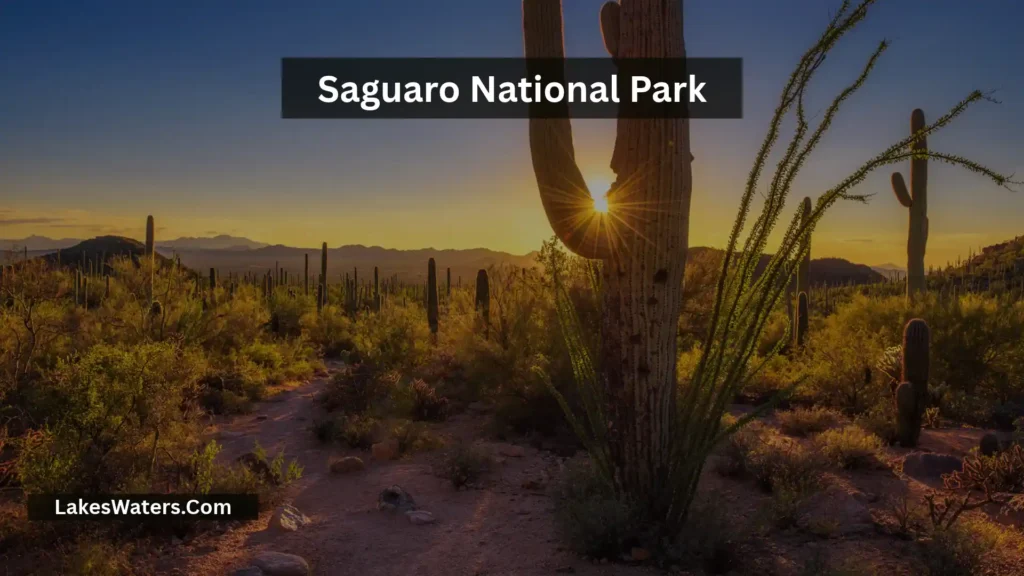
Saguaro National Park protects one of the most recognizable landscapes in the American Southwest.
The park is named after the giant saguaro cactus, a distinctive plant native to the Sonoran Desert.
These impressive cacti can grow to considerable heights and develop several arms as they mature. They provide food and shelter for different desert animals and play an important role in the local ecosystem.
Saguaro National Park is particularly appealing to visitors who want to experience desert scenery, wildlife, hiking trails, and scenic drives.
What Makes Saguaro National Park Special?
The giant saguaro cactus is the park’s most recognizable feature.
These cacti grow slowly and can live for many decades. Their distinctive shapes create beautiful desert landscapes, especially when viewed against mountain backgrounds.
However, the park protects much more than cactus forests.
Visitors can also discover:
- Desert grasslands
- Mountain landscapes
- Different cactus species
- Desert birds
- Reptiles and mammals
- Seasonal wildflowers
The park is divided into two separate districts located on opposite sides of Tucson.
Rincon Mountain District (Saguaro East)
The Rincon Mountain District lies east of Tucson.
It offers a mixture of desert vegetation, mountain scenery, and opportunities for hiking.
One of its popular attractions is Cactus Forest Loop Drive, a scenic route that allows visitors to explore the desert landscape by car or bicycle.
There are also several hiking trails where visitors can experience the natural environment more closely.
Tucson Mountain District (Saguaro West)
The Tucson Mountain District is located west of Tucson.
This area is particularly popular for its impressive saguaro forests and scenic desert views.
Visitors can explore scenic roads, hiking trails, and viewpoints throughout the district.
The western district offers excellent opportunities for experiencing the classic Sonoran Desert landscape.
Remember that the two districts are geographically separated by Tucson. You should plan your visit carefully instead of assuming you can move directly between them through the park.
Best Things to Do at Saguaro National Park
Explore Desert Hiking Trails
The park offers trails for different experience levels.
Visitors can choose shorter walks or more challenging routes through the desert and surrounding mountains.
Enjoy Scenic Drives
Driving through the park is an excellent way to appreciate the landscape without completing a long hike.
Cactus Forest Loop Drive is a particularly popular option in the eastern district.
Watch Desert Wildlife
Saguaro National Park supports a variety of desert animals.
Wildlife that visitors may encounter includes:
- Coyotes
- Gambel’s quail
- Desert tortoises
- Jackrabbits
- Various lizard species
- Different desert birds
Wildlife sightings are never guaranteed, and visitors should observe animals from a respectful distance.
See Seasonal Cactus Flowers
Late spring and early summer can be particularly interesting because saguaro cacti produce their distinctive white flowers.
These flowers are Arizona’s state flower and contribute to the beauty of the Sonoran Desert.
Best Time to Visit Saguaro National Park
Fall, winter, and early spring are generally comfortable seasons for exploring the park.
Summer temperatures can become extremely high, making long hikes more difficult and potentially dangerous.
Late spring and early summer offer opportunities to see cactus flowers, although visitors should prepare for increasing temperatures.
How Much Time Should You Spend Here?
One day can provide enough time to explore one district and enjoy a scenic drive or a few shorter trails.
Visitors who want to experience both districts should consider spending additional time in the Tucson area.
Saguaro National Park is an excellent destination for anyone interested in desert plants, wildlife, and Southwest landscapes.
3. Petrified Forest National Park
Location: Northeastern Arizona
Petrified Forest National Park is one of the most unusual national parks in Arizona.
Unlike parks known mainly for mountains or forests, this destination protects ancient fossilized trees, colorful badlands, grasslands, and important archaeological resources.
The park contains extensive deposits of petrified wood dating back more than 200 million years.
These ancient trees were buried by sediment and gradually transformed into stone through geological processes. Today, visitors can see colorful fossilized trunks scattered across different areas of the park.
The destination is also associated with the Painted Desert, a landscape known for its colorful hills and layered geological formations.
What Makes Petrified Forest National Park Special?
The most distinctive feature of this park is its petrified wood.
Ancient trees became buried beneath sediment, and minerals gradually replaced their original organic structures while preserving many details of the wood.
Over time, erosion exposed these fossilized remains.
Many pieces display beautiful mineral colors, including red, yellow, purple, brown, and orange.
The park also protects important fossils, archaeological sites, and evidence of ancient human communities.
Another interesting feature is its connection to historic Route 66, which once crossed this region.
Best Things to Do at Petrified Forest National Park
Explore the Painted Desert
The Painted Desert is one of the most visually distinctive areas of the park.
Its colorful hills and layered formations create a landscape that changes appearance depending on sunlight and weather.
Visitors can enjoy scenic overlooks and short walking opportunities throughout the area.
Visit the Crystal Forest
Crystal Forest is a popular destination where visitors can see numerous pieces of petrified wood.
The walking trail provides an opportunity to observe the fossilized remains more closely.
The colorful mineral formations make this area particularly interesting for geology enthusiasts.
Walk the Giant Logs Trail
Giant Logs Trail offers another opportunity to explore impressive examples of petrified wood.
Visitors can observe large fossilized tree trunks and learn about the geological processes responsible for their formation.
Explore Blue Mesa
Blue Mesa is known for its colorful badlands and unusual rock formations.
The area contains shades of blue, purple, gray, and other colors that create a distinctive landscape.
A walking trail allows visitors to experience the scenery more closely.
Discover Ancient Human History
Petrified Forest National Park also protects archaeological resources associated with ancestral communities.
Visitors can learn about the people who lived in this region and how they adapted to its changing environment.
Best Time to Visit Petrified Forest National Park
Spring and fall are generally comfortable seasons for exploring the park.
Summer temperatures can become very high, while winter may bring cold weather and occasional snow.
Visitors should prepare for changing conditions because the park experiences significant temperature differences throughout the year.
How Much Time Should You Spend Here?
A half-day visit can cover several major attractions if you follow the main park road.
However, a full day provides more opportunities to explore walking trails, visitor facilities, and scenic overlooks.
Petrified Forest National Park is an excellent choice for families, geology enthusiasts, history lovers, and travelers exploring northeastern Arizona.
4. Chiricahua National Park
Location: Southeastern Arizona, Near Willcox
Chiricahua National Park is Arizona’s newest national park, officially designated on October 20, 2026.
Previously protected as Chiricahua National Monument, this remarkable destination is famous for its towering rock pinnacles, balanced boulders, mountain scenery, and diverse natural environment.
The park is sometimes described as a wonderland of rocks because of its unusual geological formations.
It offers a different experience from Arizona’s more famous desert destinations and is particularly appealing to hikers, photographers, and visitors interested in geology.
What Makes Chiricahua National Park Special?
The park’s most recognizable features are its rhyolite rock pinnacles.
These formations developed through volcanic activity and millions of years of erosion.
Approximately 27 million years ago, a major volcanic eruption deposited enormous amounts of ash and other material across the region.
Over time, this material hardened into volcanic rock. Cracks, weathering, and erosion gradually shaped the dramatic formations visitors can see today.
Some pinnacles rise high above the surrounding landscape, while others appear to balance on relatively narrow bases.
The surrounding mountains also support different habitats and wildlife.
The park’s history includes Indigenous communities, Apache history, Buffalo Soldiers, ranchers, and the Civilian Conservation Corps.
Best Things to Do at Chiricahua National Park
Explore the Rock Formations
The unusual rock formations are the main attraction.
Visitors can observe them from scenic viewpoints or explore the area through hiking trails.
The shapes and arrangements of the rocks create a landscape unlike many other destinations in Arizona.
Drive the Scenic Bonita Canyon Road
The scenic drive provides access to several viewpoints and hiking opportunities.
It allows visitors to appreciate the park’s geological formations without completing long hikes.
Massai Point is one of the notable stops, offering impressive views of the surrounding landscape.
Drivers should pay attention to vehicle-length restrictions because some sections of the road are narrow and winding.
Hike Through Echo Canyon
Echo Canyon is a popular area for visitors interested in exploring the park on foot.
Its trails pass through unusual rock formations and provide opportunities to experience the landscape more closely.
Hikers should select routes according to their physical ability and check current trail conditions.
Explore Heart of Rocks
Heart of Rocks is known for its distinctive rock formations and interesting geological scenery.
The area offers a memorable hiking experience for visitors prepared for a longer walk.
Enjoy Wildlife and Birdwatching
Chiricahua’s varied elevations and habitats support a range of wildlife.
Visitors may encounter different bird species, mammals, and other animals.
The best wildlife experiences often come from observing quietly and allowing animals to move naturally through their environment.
Best Time to Visit Chiricahua National Park
Spring and fall are generally comfortable seasons for hiking and exploring the park.
Summer brings monsoon storms, which can create lightning and flash-flood risks.
Winter temperatures can become cold, especially at higher elevations.
Visitors should check weather conditions before beginning longer hikes.
How Much Time Should You Spend Here?
One full day is a reasonable starting point for exploring the scenic drive and enjoying a hiking experience.
Two days provide more time for additional trails, wildlife observation, and enjoying the surrounding mountain scenery.
Chiricahua National Park is an excellent destination for travelers who want to discover a quieter and geologically distinctive part of Arizona.
Comparing the Four National Parks in Arizona
Each national park offers something different, so choosing the right destination depends on your interests and available travel time.
The following comparison provides a quick overview.
| National Park | Best Known For | Best Activities | Suggested Visit |
| Grand Canyon | Enormous canyon views | Hiking, sightseeing, photography | 1–2 days |
| Saguaro | Giant desert cacti | Hiking, scenic drives, wildlife watching | 1 day or more |
| Petrified Forest | Ancient fossilized trees | Scenic drives, geology, short hikes | Half to 1 day |
| Chiricahua | Unusual rock formations | Hiking, scenic drives, photography | 1–2 days |
These suggested durations are general planning recommendations, not official minimum visit requirements.
Which Arizona National Park Is Best for Families?
Grand Canyon National Park offers accessible viewpoints, visitor facilities, and several shorter walking opportunities.
Petrified Forest National Park is another interesting option because families can explore colorful landscapes, geological features, and educational exhibits.
Saguaro National Park also provides opportunities for families to learn about desert plants and wildlife.
Families should select activities according to children’s ages, weather conditions, and physical abilities.
Which Park Is Best for Hiking?
Grand Canyon National Park offers a wide variety of hiking experiences, from easy rim walks to demanding trails descending into the canyon.
Chiricahua National Park is another excellent option for hikers interested in unusual rock formations and mountain scenery.
Saguaro National Park provides opportunities to explore desert trails, while Petrified Forest offers shorter walks through fossil-rich landscapes and colorful badlands.
Which Park Is Best for Photography?
All four parks offer interesting photographic opportunities.
- Grand Canyon is ideal for large-scale canyon landscapes.
- Saguaro is excellent for desert scenery and cactus photography.
- Petrified Forest offers colorful geological formations and fossilized wood.
- Chiricahua provides dramatic rock pinnacles and mountain views.
The best results often come from exploring during early morning or late afternoon when sunlight creates interesting shadows and highlights.
Best Time to Visit National Parks in Arizona
Arizona’s national parks can be visited throughout the year, but the best season depends on the destination and activities you want to enjoy.
The state has several climate zones, and temperatures can vary considerably between desert areas and higher elevations.
Spring
Spring is generally an excellent season for exploring many Arizona national parks.
Temperatures are often more comfortable for outdoor activities, and desert landscapes can display seasonal flowers.
This is a popular time for hiking, sightseeing, and road trips.
Summer
Summer can be challenging, especially in lower desert areas.
Temperatures may become extremely high, increasing the risk of heat exhaustion and dehydration.
Monsoon storms can also affect travel conditions, particularly in mountainous regions.
Visitors should avoid strenuous hikes during the hottest hours and carry sufficient drinking water.
Fall
Fall provides another comfortable opportunity to explore Arizona’s national parks.
Temperatures generally become more pleasant after the summer heat.
It is a good season for scenic drives, hiking, and photography.
Winter
Winter offers a different experience across Arizona.
Southern desert destinations such as Saguaro generally have milder daytime conditions than many northern areas.
However, higher elevations can experience freezing temperatures and snow.
Travelers should check weather forecasts and road conditions before visiting.
Other National Park Service Sites in Arizona
Arizona has more protected federal destinations than its four officially designated national parks.
The National Park Service also manages several other types of sites, including national monuments, historic sites, recreation areas, and historic trails.
These places are not all classified as national parks, but many are important destinations for travelers interested in natural scenery and American history.
Some notable examples include:
Canyon de Chelly National Monument
Canyon de Chelly National Monument is located in northeastern Arizona within the Navajo Nation.
It is known for its dramatic canyon scenery, archaeological resources, and continuing connection to Diné communities.
People have lived in the canyon for thousands of years, and it remains an important cultural landscape.
Montezuma Castle National Monument
Montezuma Castle National Monument protects a remarkable cliff dwelling built by ancestral Indigenous communities.
The structure is positioned within a limestone cliff and provides insight into the architectural knowledge and settlement patterns of earlier inhabitants.
Organ Pipe Cactus National Monument
Organ Pipe Cactus National Monument protects an important section of the Sonoran Desert.
It is known for its distinctive organ pipe cactus, desert vegetation, and opportunities for scenic drives and outdoor exploration.
The area also has an important connection to the biodiversity of the border region.
Walnut Canyon National Monument
Walnut Canyon National Monument is located near Flagstaff.
It protects ancient cliff dwellings and archaeological resources associated with ancestral Indigenous communities.
Visitors can learn about how people adapted to the region’s landscape and natural resources.
Sunset Crater Volcano National Monument
Sunset Crater Volcano National Monument protects a volcanic landscape formed by an eruption approximately 900 years ago.
The area features volcanic cinders, lava formations, and unusual geological scenery.
It is an interesting destination for visitors who want to understand Arizona’s volcanic history.
Wupatki National Monument
Wupatki National Monument preserves ancient Puebloan settlements and archaeological resources.
The landscape contains several historic structures that demonstrate the architectural skills and cultural connections of earlier communities.
Visiting these sites can add cultural and historical depth to an Arizona national park trip.
Planning a Trip to Arizona’s National Parks
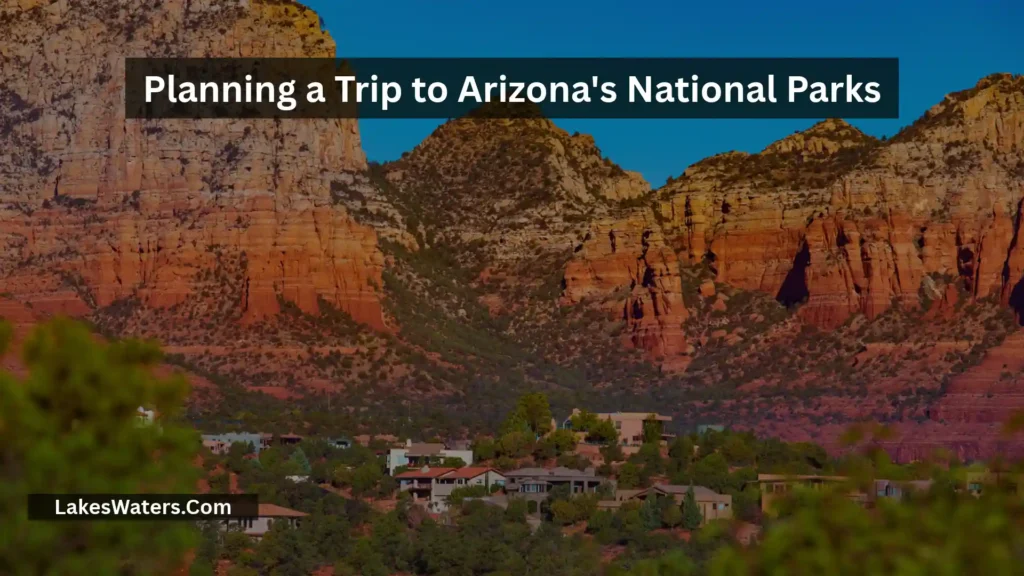
A successful national park vacation requires some preparation, especially if you plan to visit multiple destinations.
Arizona is a large state, and its national parks are spread across different regions.
Understanding their locations and travel requirements can help you organize a more enjoyable trip.
Choose Your Parks According to Your Interests
Start by deciding which landscapes and activities interest you most.
If you want dramatic canyon scenery, Grand Canyon National Park should be high on your list.
For desert plants and cactus forests, consider Saguaro National Park.
Travelers interested in geology and ancient fossils may prefer Petrified Forest National Park.
If you enjoy hiking through unusual rock formations, Chiricahua National Park is worth considering.
You do not necessarily need to visit every park during one vacation. Choosing destinations according to your available time can make your trip more manageable.
Check Entrance Fees
Not every Arizona national park charges the same entrance fee.
For 2026, the standard private-vehicle entrance fees include:
| National Park | Standard Private Vehicle Fee |
| Grand Canyon National Park | $35 |
| Saguaro National Park | $25 |
| Petrified Forest National Park | $25 |
| Chiricahua National Park | Free |
These are standard vehicle admission rates, not a complete list of every possible pass or visitor category.
Grand Canyon also has an additional fee for qualifying international visitors aged 16 and older who do not enter using an eligible annual or America the Beautiful pass.
The America the Beautiful pass may be useful for travelers planning to visit several federal recreation sites. Check the current eligibility and pricing before purchasing.
Prepare for Desert Weather
Arizona’s desert environment can be challenging, particularly during summer.
Visitors should carry:
- Plenty of drinking water.
- Sunscreen.
- A wide-brimmed hat.
- Comfortable hiking footwear.
- Weather-appropriate clothing.
- Snacks and basic emergency supplies.
For longer hikes, plan carefully and understand the difficulty of your chosen route.
Avoid hiking during extreme heat and never underestimate the effects of dehydration.
Check Park Conditions Before Traveling
Park conditions can change because of weather, wildfires, maintenance, and other unexpected circumstances.
Before leaving, review the latest information about:
- Road closures.
- Trail conditions.
- Visitor center hours.
- Entrance fees.
- Camping availability.
- Seasonal restrictions.
- Weather warnings.
This is especially important when visiting remote areas or planning longer hiking trips.
Respect Wildlife and Natural Resources
Arizona’s national parks protect delicate ecosystems and important cultural resources.
Visitors should follow park regulations and avoid disturbing wildlife.
Never remove petrified wood, rocks, plants, fossils, or historical objects.
Stay on designated trails where required and follow posted instructions.
Responsible travel helps protect these landscapes for future generations.
Frequently Asked Questions
How many national parks are in Arizona?
Arizona has four national parks: Grand Canyon, Saguaro, Petrified Forest, and Chiricahua. Chiricahua became the state’s fourth national park in October 2026.
What is the most famous national park in Arizona?
Grand Canyon National Park is the most famous national park in Arizona. It attracts visitors from around the world because of its enormous canyon, geological formations, scenic viewpoints, and hiking opportunities.
What is the newest national park in Arizona?
Chiricahua National Park is Arizona’s newest national park. It was redesignated from Chiricahua National Monument on October 20, 2026.
Which national park in Arizona is best for hiking?
Grand Canyon and Chiricahua are excellent destinations for hiking. Grand Canyon offers everything from accessible rim walks to demanding canyon trails, while Chiricahua features trails through unusual rock formations and mountainous landscapes.
Are Arizona national parks open throughout the year?
Several Arizona national parks offer year-round access, but individual facilities, roads, and areas may have seasonal closures. Grand Canyon’s South Rim generally remains open throughout the year, while its North Rim operates seasonally. Visitors should check current park conditions before traveling.
What is the best month to visit Arizona national parks?
March, April, October, and November are generally good months for exploring many Arizona national parks because temperatures are often more comfortable. However, the best month depends on the park, elevation, and activities you plan to enjoy.
Are there free national parks in Arizona?
Chiricahua National Park does not charge an entrance fee. The other three parks charge standard entrance fees for visitors who do not have an eligible admission pass.
Can you visit all four national parks in Arizona on one trip?
Yes, you can visit all four national parks during one trip, but you should allow sufficient time for driving and exploring each destination. Because the parks are spread across Arizona, a multi-day road trip is more practical than trying to visit everything in a short weekend.
Conclusion
Arizona’s four national parks offer an impressive variety of landscapes and outdoor experiences. Grand Canyon National Park showcases one of the world’s most recognizable geological wonders, while Saguaro National Park protects the iconic cactus forests of the Sonoran Desert.
Petrified Forest National Park provides a fascinating look into ancient geological history, and Chiricahua National Park introduces visitors to remarkable volcanic rock formations and mountain scenery.
Each destination offers something different, making Arizona an excellent state for national park exploration.
If you’re interested in hiking, wildlife, photography, geology, or scenic road trips, these four parks provide plenty of reasons to explore the natural beauty of the American Southwest.

I am Ethan Reynolds, a nature researcher and writer focused on freshwater environments, aquatic ecosystems, and sustainable water solutions.
I enjoy sharing knowledge about lakes, rivers, wetlands, and the challenges facing global water resources.
My goal is to help readers understand the value of water and encourage responsible actions to protect it.
Books by Ethan Reynolds:
- Lakes and Landscapes: Stories from Nature
- Protecting Water for Future Generations