Texas has two officially designated national parks: Big Bend National Park and Guadalupe Mountains National Park. Both are located in West Texas and offer very different outdoor experiences, from desert canyons and mountain trails to ancient geological formations and spectacular night skies.
However, the state’s national park destinations extend beyond these two parks. Texas also has national preserves, national monuments, historic sites, recreation areas, and a national seashore managed by the National Park Service (NPS).
If you enjoy hiking, camping, wildlife watching, exploring historic places, or spending time along the coast, Texas offers plenty of opportunities to experience its natural and cultural landscapes.
This guide covers the two official national parks, other notable National Park Service destinations, the best activities, and practical advice to help you plan your visit.
How Many National Parks Are in Texas?
Texas has two official national parks:
- Big Bend National Park
- Guadalupe Mountains National Park
Both parks protect distinctive landscapes in the western part of the state. Big Bend is known for its desert scenery, the Rio Grande, and the Chisos Mountains. Guadalupe Mountains National Park is famous for its rugged peaks, challenging hiking trails, and ancient fossil reef.
The number can become confusing because the National Park Service manages more than just places designated as national parks.
Other Texas destinations include:
- Big Thicket National Preserve
- Padre Island National Seashore
- Amistad National Recreation Area
- Lake Meredith National Recreation Area
- Alibates Flint Quarries National Monument
- San Antonio Missions National Historical Park
- Fort Davis National Historic Site
These places are important parts of the national park system, but their official designations are different.
For this reason, it is more accurate to distinguish between Texas’s two national parks and its other National Park Service sites.
The Two Official National Parks in Texas
The two national parks offer different experiences, even though both are located in the Trans-Pecos region of West Texas.
Big Bend National Park
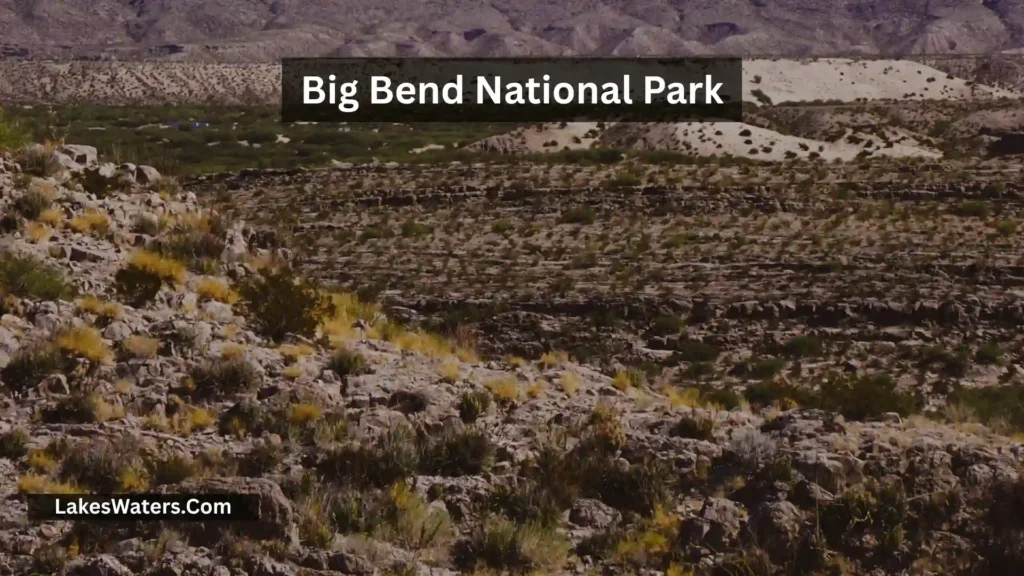
Location: Far West Texas, Along the Rio Grande
Big Bend National Park is one of the most recognizable protected landscapes in Texas. It covers a vast area of desert, mountains, river valleys, and rugged canyons along the U.S.-Mexico border.
The park takes its name from the large bend in the Rio Grande, which forms part of the international boundary. Its varied landscape creates opportunities for hiking, scenic driving, camping, birdwatching, and river adventures.
One of Big Bend’s most distinctive features is the Chisos Mountains. Rising above the surrounding desert, this mountain range offers cooler elevations, forested areas, and excellent hiking opportunities.
Top Things to Do in Big Bend National Park
Explore the Chisos Mountains: The Chisos Basin is a popular starting point for hiking and sightseeing. Trails offer views of mountain formations, desert valleys, and surrounding peaks.
Drive Ross Maxwell Scenic Drive: This scenic route passes through some of the park’s most impressive desert landscapes. Visitors can stop at overlooks and explore nearby trails.
Visit Santa Elena Canyon: The towering limestone walls of Santa Elena Canyon rise dramatically above the Rio Grande. It is one of the park’s best-known natural landmarks.
Enjoy Stargazing: Big Bend’s remote location and limited artificial lighting make it an excellent destination for observing the night sky.
Watch Wildlife: The park supports a wide range of wildlife, including birds, reptiles, mammals, and desert species. Birdwatching is particularly popular.
Explore the Rio Grande: Depending on river conditions and applicable regulations, visitors can enjoy guided rafting, canoeing, and kayaking experiences.
Camping and Hiking
Big Bend offers developed campgrounds, backcountry camping opportunities, and numerous hiking trails.
Visitors can choose shorter walks, challenging mountain hikes, or longer wilderness adventures. However, the park’s remote location means preparation is essential.
Bring sufficient drinking water, food, sun protection, and navigation equipment. Summer temperatures can become extremely high, particularly in exposed desert areas.
All park campgrounds require advance reservations. Visitors should arrange their camping plans before arriving.
Big Bend is especially suitable for travelers who want a combination of outdoor adventure, remote landscapes, wildlife, and dark-sky experiences.
Guadalupe Mountains National Park
Location: Near Salt Flat, West Texas
Guadalupe Mountains National Park protects one of the most remarkable mountain landscapes in Texas.
The park is home to Guadalupe Peak, which reaches 8,751 feet above sea level. It is the highest natural point in Texas and attracts hikers looking for a challenging mountain adventure.
Unlike the open desert scenery surrounding much of West Texas, the Guadalupe Mountains contain steep limestone cliffs, deep canyons, wooded mountain slopes, and unusual geological formations.
One of the park’s most important natural features is an ancient Permian fossil reef. This geological formation preserves evidence of a marine environment that existed hundreds of millions of years ago.
Top Things to Do in Guadalupe Mountains National Park
Hike Guadalupe Peak: The Guadalupe Peak Trail is one of the park’s most popular routes. The strenuous round-trip hike covers approximately 8.5 miles and gains around 3,000 feet in elevation.
Explore McKittrick Canyon: This canyon is known for its natural scenery, hiking opportunities, and seasonal fall colors. During autumn, bigtooth maples can create beautiful displays of yellow, orange, and red foliage.
Visit Salt Basin Dunes: The park’s western side contains bright white gypsum dunes surrounded by desert and mountain scenery.
Discover Permian Reef Geology: The mountains preserve an ancient fossil reef that provides a fascinating look into the region’s geological past.
Enjoy Mountain Scenery: Visitors can explore several hiking routes with views of rugged peaks, desert valleys, and surrounding wilderness.
Camping and Hiking
Guadalupe Mountains National Park is particularly attractive to hikers and backpackers.
Pine Springs is one of the main starting points for exploring the park. It provides access to several hiking trails, including the route toward Guadalupe Peak.
The park also offers backcountry camping, but visitors need to follow the applicable permit requirements.
There are no conventional hotels or restaurants inside the park, so visitors should arrange accommodation, food, and supplies before arriving.
The mountain environment can experience strong winds, sudden weather changes, and colder conditions at higher elevations. Hikers should carry appropriate clothing, sufficient water, and reliable navigation equipment.
Guadalupe Mountains National Park is an excellent choice for people who enjoy challenging hikes, mountain landscapes, geological history, and quieter outdoor destinations.
Other National Park Service Sites in Texas
Although Big Bend and Guadalupe Mountains are the only official national parks in Texas, several other NPS destinations deserve attention.
They protect different environments, including coastal beaches, forests, historic battlefields, archaeological sites, and important cultural landmarks.
Padre Island National Seashore
Location: Near Corpus Christi, Texas
Padre Island National Seashore protects approximately 66 miles of undeveloped beaches and natural coastal habitat along the Gulf Coast.
It is an excellent destination for visitors who prefer coastal scenery over mountain hiking and desert landscapes.
The protected area provides important habitat for wildlife, particularly sea turtles. Kemp’s ridley sea turtles are especially significant because Padre Island is an important nesting location for this endangered species.
Popular Activities:
- Walking along undeveloped beaches
- Birdwatching and wildlife observation
- Fishing where permitted
- Camping
- Kayaking in suitable areas
- Watching sea turtle conservation activities
Beach driving is permitted in designated areas, but visitors should understand the road conditions before attempting to drive on the sand.
Padre Island National Seashore is different from the resort community of South Padre Island. They are separate destinations, and visitors should check their route carefully before traveling.
Big Thicket National Preserve
Location: Southeast Texas, Near Beaumont and Kountze
Big Thicket National Preserve offers a completely different experience from the desert parks of West Texas.
Located in Southeast Texas, this protected area contains a mixture of forests, wetlands, rivers, bayous, and other natural habitats.
The preserve protects nine different ecosystems, creating a remarkable variety of plant and animal life.
Visitors may encounter cypress swamps, longleaf pine forests, wetlands, and waterways surrounded by dense vegetation.
Popular Activities:
- Hiking through forest trails
- Canoeing and kayaking
- Birdwatching
- Wildlife observation
- Nature photography
- Ranger-led outdoor programs
Big Thicket has more than 30 miles of hiking trails and several designated paddling trails.
Its waterways make it particularly attractive to visitors who enjoy exploring nature by canoe or kayak.
Unlike many traditional national parks, Big Thicket consists of separate units spread across several counties. Visitors should check the location of individual trailheads and access points before setting out.
San Antonio Missions National Historical Park
Location: San Antonio, Texas
San Antonio Missions National Historical Park protects four historic Spanish colonial mission complexes in San Antonio.
These missions are Mission Concepción, Mission San José, Mission San Juan, and Mission Espada.
Together with the Alamo, which is a separate historic site, they form the San Antonio Missions World Heritage Site recognized by UNESCO.
The missions preserve an important part of the region’s history, including Spanish colonial expansion, Indigenous communities, religious influence, agriculture, and cultural exchange.
Visitors can explore historic buildings, mission grounds, interpretive exhibits, and surrounding landscapes.
Things to Do:
- Explore the historic mission buildings.
- Learn about Spanish colonial history.
- Visit Mission San José.
- Walk or cycle along the Mission Reach trail.
- Discover the cultural heritage of the San Antonio region.
This destination is especially suitable for families, history enthusiasts, and travelers interested in cultural heritage.
Amistad National Recreation Area
Location: Near Del Rio, Texas
Amistad National Recreation Area protects the U.S. portion of the international Amistad Reservoir along the Rio Grande.
Unlike the mountainous landscapes of Big Bend and Guadalupe Mountains, this destination focuses heavily on water-based recreation.
Its blue reservoir waters, rocky shorelines, and surrounding desert landscapes attract visitors throughout the year.
Popular Activities:
- Boating
- Fishing
- Kayaking and paddling
- Camping
- Hiking
- Wildlife observation
Fishing is one of the area’s major attractions, particularly for anglers interested in bass.
Visitors should check local fishing regulations, water conditions, and boat-launch information before planning their activities.
Amistad is a good choice for travelers who enjoy boating, fishing, and spending time near the water.
Lake Meredith National Recreation Area
Location: Texas Panhandle, Near Fritch
Lake Meredith National Recreation Area offers a combination of open water, grasslands, and rugged canyon scenery.
The Canadian River helped shape the area’s landscape, creating dramatic canyon formations around the reservoir.
The destination provides a different perspective on Texas, especially for visitors who want to explore the Panhandle region.
Popular Activities:
- Fishing
- Swimming in designated areas
- Kayaking
- Camping
- Hiking
- Scenic driving
- Birdwatching
Spring Canyon is one of the area’s recognized recreation locations.
Visitors should check current water conditions and recreation notices before swimming, boating, or planning a camping trip.
Alibates Flint Quarries National Monument
Location: Near Fritch, Texas Panhandle
Alibates Flint Quarries National Monument preserves an important archaeological landscape in the Texas Panhandle.
For thousands of years, Indigenous peoples collected colorful Alibates flint from the area’s rocky formations and used it to create tools and other objects.
Archaeological evidence shows that the stone was traded across extensive distances.
Visitors interested in archaeology, Native American history, and geology can learn about the area’s importance through guided experiences and educational programs.
The monument offers an opportunity to understand how ancient communities used natural resources and developed trade connections.
Fort Davis National Historic Site
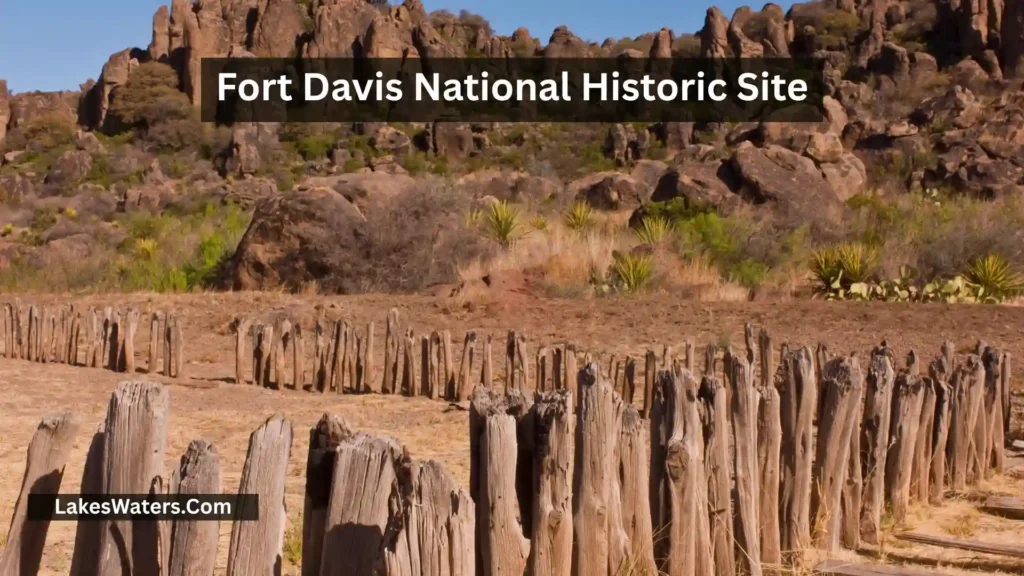
Location: Fort Davis, West Texas
Fort Davis National Historic Site preserves one of the best-known surviving examples of a frontier military post from the Indian Wars period.
The fort operated from 1854 to 1891 and played an important role in protecting travelers, mail routes, and commercial transportation through West Texas.
Today, visitors can explore historic buildings, military structures, exhibits, and interpretive displays.
It is particularly interesting for people who want to learn about frontier life and the military history of the American Southwest.
Other Historic And Protected NPS Destinations
Texas has several additional National Park Service destinations worth considering.
| Destination | Location | Main Attraction |
| Chamizal National Memorial | El Paso | U.S.-Mexico border history |
| Lyndon B. Johnson National Historical Park | Johnson City | Presidential history |
| Palo Alto Battlefield National Historical Park | Brownsville | U.S.-Mexico War history |
| Waco Mammoth National Monument | Waco | Ice Age mammoth fossils |
| Rio Grande Wild and Scenic River | Southwest Texas | River canyons and wilderness |
| El Camino Real de los Tejas National Historic Trail | Texas and Louisiana | Historic travel routes |
These destinations expand the state’s protected-landscape experience beyond traditional outdoor recreation.
Some focus primarily on cultural heritage, while others preserve archaeological discoveries, historic transportation routes, and natural river environments.
Best Texas National Parks to Visit for Different Activities
Choosing a destination depends on what you want to experience.
Some parks are better suited to mountain hiking, while others offer coastal scenery, water recreation, or historical exploration.
The following comparison can help you decide.
| Destination | Best For | Main Experience |
| Big Bend National Park | Adventure and stargazing | Desert hiking, mountains, river canyons |
| Guadalupe Mountains National Park | Mountain hiking | High peaks, challenging trails, geology |
| Padre Island National Seashore | Beach experiences | Coastal scenery, wildlife, camping |
| Big Thicket National Preserve | Nature exploration | Forests, wetlands, paddling |
| San Antonio Missions | History and culture | Spanish colonial heritage |
| Amistad National Recreation Area | Water activities | Boating, fishing, kayaking |
| Lake Meredith National Recreation Area | Outdoor recreation | Swimming, fishing, camping |
| Alibates Flint Quarries | Archaeology | Ancient tools and Indigenous history |
For Hiking: Big Bend and Guadalupe Mountains are the strongest choices for visitors interested in mountain and desert trails.
For Wildlife Watching: Big Bend, Padre Island, and Big Thicket provide opportunities to observe different wildlife habitats.
For Water Activities: Amistad, Lake Meredith, and Big Thicket are suitable destinations for visitors interested in boating, fishing, or paddling.
For History: San Antonio Missions, Fort Davis, and Palo Alto Battlefield offer opportunities to explore important historical events and cultural heritage.
For Coastal Scenery: Padre Island National Seashore is the obvious choice for travelers looking for undeveloped beaches and coastal wildlife.
Best Time to Visit Texas National Parks
Texas has different climate conditions across its regions. The best time to visit depends on the destination and the activities you have planned.
Spring and fall are generally comfortable seasons for exploring many outdoor areas, especially the desert and mountain parks.
However, each destination has its own seasonal characteristics.
Spring
Spring is a popular time to visit Big Bend and Guadalupe Mountains National Parks.
Temperatures are often more comfortable for hiking than during the hottest summer months. Wildflowers may also add color to the desert landscape following suitable seasonal conditions.
Spring is also a good time to explore the forests and coastal areas of Texas.
Summer
Summer can bring intense heat to West Texas, particularly in exposed desert areas.
Visitors planning to hike should start early, carry plenty of water, and avoid strenuous outdoor activities during the hottest part of the day.
Coastal and water-based destinations may offer different recreational opportunities, but visitors should still consider heat, humidity, storms, and local conditions.
Fall
Fall is another excellent season for outdoor exploration.
McKittrick Canyon in Guadalupe Mountains National Park is particularly attractive during autumn because of its seasonal foliage.
Big Bend also offers opportunities for hiking and sightseeing as temperatures become more comfortable.
Winter
Winter can be a quieter time to explore several Texas national park destinations.
However, higher elevations in Guadalupe Mountains can experience cold temperatures, strong winds, and occasional snow.
Big Bend also experiences significant temperature differences between daytime and nighttime.
Travelers should prepare for changing weather instead of assuming that every part of Texas remains warm throughout winter.
Tips for Planning a Texas National Parks Trip
Visiting national parks in Texas requires more preparation than visiting many urban attractions.
Distances can be long, services may be limited, and weather conditions can change considerably between regions.
Keep these practical tips in mind before leaving.
Plan Your Route Carefully
Texas is a very large state, and its national park destinations are spread across different regions.
Big Bend and Guadalupe Mountains are both in West Texas, making them suitable for a combined road trip.
However, adding destinations such as Padre Island or Big Thicket can significantly increase driving time.
Plan your route according to the amount of time available rather than trying to visit every destination in one trip.
Carry Enough Drinking Water
Water is essential when exploring the desert parks.
Hiking trails may have little or no access to drinking water, and high temperatures can increase the risk of dehydration.
Carry more water than you expect to need, especially when exploring remote trails.
Check Camping Requirements
Camping arrangements vary between destinations.
Big Bend requires advance reservations for its park campgrounds, while other sites have different camping systems and rules.
Check availability, campground conditions, and permit requirements before traveling.
Prepare for Limited Cell Service
Some remote areas of Texas have limited mobile coverage.
Download maps and important travel information before leaving areas with reliable internet access.
A physical map and a basic emergency plan can also be useful.
Check Weather And Park Conditions
Heavy rain, extreme heat, strong winds, and other weather conditions can affect outdoor activities.
Roads and trails may also close temporarily because of maintenance or safety concerns.
Check current park alerts and official visitor information before departure.
Respect Wildlife And Natural Habitats
Texas national parks protect many important plant and animal communities.
Keep a safe distance from wildlife, avoid disturbing animals, and remain on designated trails where required.
Never feed wild animals or leave food and rubbish behind.
Allow Enough Time for Each Destination
Big Bend and Guadalupe Mountains deserve more than a rushed visit.
A short visit may allow you to see a few major attractions, but additional time provides more opportunities for hiking, scenic driving, wildlife observation, and exploring the surrounding landscape.
For a first trip, consider concentrating on one region instead of attempting to cover the entire state.
Frequently Asked Questions
How many national parks are in Texas?
Texas has two official national parks: Big Bend National Park and Guadalupe Mountains National Park. The state also has several other National Park Service sites with different designations.
What are the two national parks in Texas?
The two national parks are Big Bend National Park and Guadalupe Mountains National Park. Both are located in West Texas and offer hiking, wildlife observation, and scenic landscapes.
What is the largest national park in Texas?
Big Bend National Park is the largest of the two official national parks in Texas. It covers approximately 801,000 acres of desert, mountains, river valleys, and canyons.
What is the best national park to visit in Texas?
Big Bend is an excellent choice for visitors interested in desert scenery, mountain hiking, river canyons, and stargazing. Guadalupe Mountains is especially attractive to people who enjoy challenging hikes and mountain landscapes.
Does Texas have more than two national parks?
Texas has only two officially designated national parks. However, the National Park Service manages additional destinations, including national preserves, recreation areas, historic sites, monuments, and a national seashore.
Is Padre Island a national park?
Padre Island National Seashore is a National Park Service protected area, but its official designation is a national seashore rather than a national park. It protects approximately 66 miles of undeveloped beaches and coastal habitat.
Can you visit Big Bend and Guadalupe Mountains on the same trip?
Yes. Both parks are in West Texas and can be included in the same road trip. However, visitors should allow sufficient time for driving, hiking, and exploring each destination.
What is the best month to visit Texas national parks?
March, April, October, and November are generally good months to consider for visiting the West Texas desert and mountain parks. Actual conditions vary by location and year, so check the weather before traveling.
Final Thoughts on Visiting Texas National Parks
Texas offers much more than two official national parks. Big Bend and Guadalupe Mountains provide the state’s main national park experiences, while other National Park Service destinations protect forests, beaches, reservoirs, archaeological sites, and historic landmarks.
The best destination depends on your interests. Choose Big Bend for desert adventures and dark skies, Guadalupe Mountains for challenging mountain hikes, Padre Island for coastal scenery, or Big Thicket for forests and waterways.
With careful planning and enough time to explore, you can experience some of the most distinctive natural and historical places in the Lone Star State.

I am Daniel Brooks, an environmental enthusiast and writer focused on freshwater resources and the connection between humans and nature.
I enjoy researching lakes, wetlands, and water conservation practices to create informative content for readers. I believe that understanding our water systems is the first step toward protecting them.
Through my writing, I aim to inspire awareness and responsible actions for a better water future.
Books by Daniel Brooks:
- Freshwater Wonders: Stories From the World’s Lakes
- Protecting Our Blue Planet: Water Conservation Guide