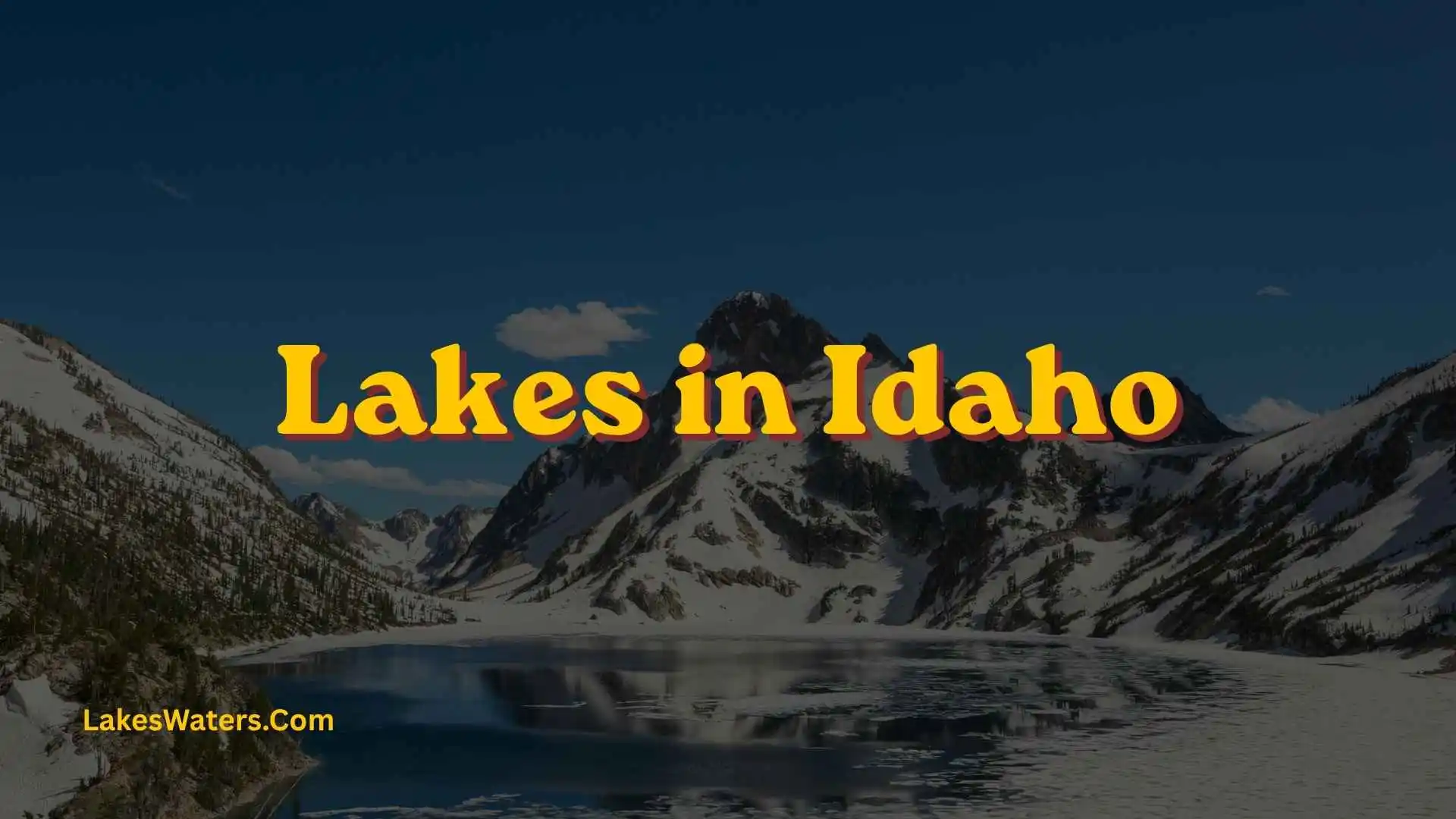
Idaho has far more to offer than a few famous mountain lakes. According to the Idaho Department of Water Resources, the state has more than 2,000 lakes, including 1,228 named lakes, while Idaho Fish and Game describes Idaho as having more than 3,000 natural lakes as well as extensive ponds and reservoirs.
The difference reflects how agencies classify and count water bodies, but the main point for travelers is clear: Idaho has an enormous variety of lake destinations.
Quick Answer:
The best lakes in Idaho include Lake Pend Oreille, Lake Coeur d’Alene, Priest Lake, Redfish Lake, Payette Lake, Bear Lake, Lake Cascade, Henrys Lake, Stanley Lake, Alturas Lake, Pettit Lake, Lucky Peak Lake, Warm Lake, Alice Lake, and Sawtooth Lake. The right choice depends on whether you want easy-access swimming, boating, fishing, family recreation, camping, or a remote mountain adventure.
This guide helps you do more than find a list of names. It explains which Idaho lakes are best for different types of trips, how natural lakes differ from reservoirs, when to visit, what to pack, and which destinations make sense for families, anglers, boaters, hikers, and first-time visitors.
Lakes in Idaho Map
A map of lakes in Idaho shows just how widely the state’s lakes are distributed. Major waters are found across northern Idaho, central mountain regions, and the southern and eastern parts of the state.
For a simple regional overview:
- Northern Idaho: Lake Pend Oreille, Lake Coeur d’Alene, and Priest Lake
- Central Idaho: Payette Lake, Lake Cascade, Redfish Lake, Stanley Lake, Alturas Lake, and Pettit Lake
- Southwestern Idaho: Lucky Peak Reservoir and other reservoirs near the Boise area
- Southeastern Idaho: Bear Lake and other waters around the Idaho-Utah border
- Eastern Idaho: Henrys Lake and several mountain and recreational lakes
The location of a lake can make a significant difference when planning a trip. Some are close to major towns and paved roads, while others require a longer drive into mountainous areas. Before traveling, check an up-to-date recreation map for roads, boat launches, campgrounds, trailheads, and seasonal access.
Key Takeaways About Idaho’s Lakes
- Lake Pend Oreille is Idaho’s largest and deepest lake, making it a standout for boating, fishing, and large-scale scenery. The Idaho Department of Water Resources lists it at 148 square miles and reports a sound depth of 1,140 feet.
- Lake Coeur d’Alene is one of the best choices for visitors who want lake recreation combined with restaurants, lodging, and city amenities.
- Priest Lake is ideal for forests, camping, boating, and a more remote northern Idaho experience.
- Redfish Lake, Stanley Lake, and Alturas Lake are among the best options for Sawtooth Mountain scenery.
- Bear Lake is a strong choice for beach-style recreation and water sports.
- Lucky Peak Lake is one of the most convenient options for a lake day near Boise.
- Alice Lake and Sawtooth Lake are better suited to visitors willing to hike for an alpine experience.
- Idaho fishing rules can vary by water and region, so anglers should always check the current Idaho Fish and Game regulations before a trip.
Best Lakes in Idaho at a Glance
| Lake | Best For | Region | Access | Why Visit |
| Lake Pend Oreille | Boating and fishing | North Idaho | Easy | Idaho’s largest lake |
| Lake Coeur d’Alene | Families and amenities | North Idaho | Easy | Recreation plus city attractions |
| Priest Lake | Camping and nature | North Idaho | Moderate | Forests and a quieter setting |
| Redfish Lake | Mountain scenery | Central Idaho | Easy to moderate | Classic Sawtooth views |
| Payette Lake | Lake vacations | Central Idaho | Easy | McCall amenities and water recreation |
| Bear Lake | Swimming and beaches | Southeast Idaho | Easy | Blue water and broad recreation |
| Lake Cascade | Camping and boating | Central Idaho | Easy | Large reservoir with outdoor facilities |
| Henrys Lake | Fishing | Eastern Idaho | Easy | Popular angling destination |
| Lucky Peak Lake | Boise day trips | Southwest Idaho | Easy | Convenient access to water recreation |
| Stanley Lake | Photography and camping | Central Idaho | Easy to moderate | Dramatic mountain backdrop |
| Alturas Lake | Quiet mountain recreation | Central Idaho | Moderate | Forest and mountain scenery |
| Alice Lake | Hiking | Central Idaho | Challenging | Backcountry alpine experience |
| Sawtooth Lake | Hiking and wilderness | Central Idaho | Challenging | Iconic alpine destination |
Biggest and Largest Lakes in Idaho
The biggest lakes in Idaho include both natural lakes and reservoirs. Lake Pend Oreille is the state’s largest natural lake by surface area, while Lake Coeur d’Alene, Priest Lake, and Lake Cascade are also among Idaho’s major large-water destinations.
| Lake | Approximate size | Type |
| Lake Pend Oreille | 92,000+ acres | Natural lake |
| Lake Coeur d’Alene | 27,900+ acres | Natural lake |
| Lake Cascade | 27,000+ acres | Reservoir |
| Priest Lake | 23,000+ acres | Natural lake |
| Bear Lake | Large interstate lake | Natural lake |
| Payette Lake | Nearly 5,000 acres | Natural lake |
Surface area can vary depending on the source, measurement method, and water level, particularly for reservoirs. For that reason, official Idaho state and fisheries sources are preferable when comparing lake sizes.
Large lakes are not automatically the best choice for every activity. A smaller mountain lake may be better for hiking or quiet scenery, while a large reservoir may offer more space for boating and water sports.
Deepest Lakes in Idaho
Idaho has several deep mountain and northern lakes, but Lake Pend Oreille is particularly notable for its exceptional depth. Idaho Department of Water Resources identifies it as Idaho’s deepest lake, with a sounded depth of about 1,140 feet.
Its depth is one reason Lake Pend Oreille stands apart from many other Idaho lakes. The lake occupies a large natural basin in northern Idaho and is surrounded by mountains and forested landscapes.
When comparing lake depths, it is important to use the same measurement standard because published figures can differ between sources. Water levels, survey methods, and whether a source reports maximum sounded depth can all affect the number.
Major Lakes in Idaho
The major lakes in Idaho include large natural lakes, reservoirs, and well-known mountain lakes that are important for recreation and tourism.
Some of the state’s most recognized waters include:
- Lake Pend Oreille
- Lake Coeur d’Alene
- Priest Lake
- Lake Cascade
- Payette Lake
- Bear Lake
- Redfish Lake
- Henrys Lake
- Lucky Peak Reservoir
These lakes serve different purposes. Some are especially popular for fishing, while others are known for swimming, boating, camping, hiking, or scenic mountain views. Choosing between them is easier when you consider both the activity you want and the region you plan to visit.
Popular Lakes in Idaho
The popular lakes in Idaho attract visitors for different reasons throughout the year. Lake Coeur d’Alene and Lake Pend Oreille offer large-water recreation in northern Idaho, while Priest Lake is known for its forested surroundings and outdoor activities.
Lake Cascade and Payette Lake are popular choices for boating, fishing, camping, and summer recreation. Redfish Lake and the nearby Sawtooth lakes appeal to travelers looking for mountain scenery, hiking, and a more alpine setting.
Popularity also means some recreation areas can become busy during summer weekends. Check campground reservations, parking, boat-launch availability, and local regulations before your trip.
Lakes in Northern Idaho
Northern Idaho is home to some of the state’s most famous lakes, combining large bodies of water with forests, mountains, and abundant outdoor recreation.
Some notable northern Idaho lakes include:
- Lake Pend Oreille — known for its enormous size and exceptional depth
- Lake Coeur d’Alene — a large recreational lake near Coeur d’Alene
- Priest Lake — surrounded by forests and popular for boating, fishing, camping, and swimming
The region is particularly attractive to travelers who want to combine lake activities with hiking, wildlife viewing, camping, and mountain scenery. Recreation opportunities vary by lake, so check the specific area’s access and regulations before visiting.
Lakes in Idaho Near Boise
If you are searching for lakes in Idaho near Boise, Lucky Peak Reservoir is one of the most convenient major options. It is located east of Boise and provides opportunities for boating, fishing, swimming, picnicking, and other outdoor recreation.
Depending on how far you are willing to drive, additional lakes and reservoirs in southwestern and central Idaho provide more choices for fishing, camping, hiking, and water activities.
When planning a day trip from Boise, consider more than distance. Boat-launch availability, water levels, seasonal road conditions, camping facilities, and recreation rules can all affect your experience.
Lakes in Idaho Falls
There are several recreational lakes within driving distance of Idaho Falls, particularly in eastern and southeastern Idaho. Henrys Lake is one of the region’s better-known fishing destinations, while other nearby waters provide opportunities for boating, camping, wildlife viewing, and outdoor recreation.
For travelers based in Idaho Falls, the best lake depends on the activity and the amount of driving involved. High-elevation lakes can have shorter seasons because of snow and colder weather, while lower-elevation recreation areas may remain accessible for longer.
Before setting out, check current road conditions, recreation facilities, fishing regulations, and seasonal access for the specific lake you plan to visit.
Also Check This Post: Best Lakes in the US for Scenic Views and Adventure
How to Choose the Right Idaho Lake
Choosing a lake by popularity alone can lead to a disappointing trip. A family hoping to swim and rent equipment may not enjoy the same destination as a backpacker looking for solitude.
Use this simple decision guide.
Do you want restaurants, lodging, and easy access?
↓
Choose Lake Coeur d’Alene or Payette Lake.
Do you want a large lake for boating or fishing?
↓
Choose Lake Pend Oreille or Lake Cascade.
Do you want dramatic mountain scenery without a major hike?
↓
Choose Redfish Lake, Stanley Lake, or Alturas Lake.
Do you want a beach-style swimming trip?
↓
Consider Bear Lake.
Do you want a quieter, forested escape?
↓
Consider Priest Lake or Warm Lake.
Are you willing to hike for an alpine destination?
↓
Choose Alice Lake or Sawtooth Lake.
This decision framework matters because Idaho’s lakes range from highly developed recreation areas to wilderness destinations where access, facilities, weather, and preparation are completely different.
15 of the Best Lakes in Idaho
Lake Pend Oreille: Idaho’s Largest and Deepest Lake
Lake Pend Oreille is one of Idaho’s most impressive natural features. It is located in northern Idaho near Sandpoint and is surrounded by mountains and forests.
The Idaho Department of Water Resources identifies Lake Pend Oreille as the state’s largest lake at 148 square miles and its deepest lake, with a depth of 1,140 feet. Idaho Fish and Game’s fishing planner also describes it as a major recreation and fishing destination with extensive shoreline and a wide variety of fish species.
For visitors, its size creates an experience closer to a major inland water destination than a small mountain lake. You can spend a short afternoon near the shore, but the lake is also large enough to support a multi-day boating or fishing trip.
Best for:
- Boating
- Fishing
- Kayaking
- Scenic drives
- Multi-day vacations
- Visitors exploring Sandpoint
A common mistake is assuming that a large lake always means calm conditions. Wind and weather can change conditions quickly on broad bodies of water, so boaters should check the forecast and prepare for changing conditions.
Pend Oreille Shores
The shores of Lake Pend Oreille extend across a large and varied landscape in northern Idaho. Some sections are developed around communities and recreation areas, while other stretches remain heavily forested and less developed.
The shoreline provides access to a variety of outdoor experiences, including boating, fishing, camping, hiking, wildlife viewing, and scenic photography. However, access is not the same everywhere. Some shoreline areas are publicly accessible, while others are private or accessible only from the water.
If you are interested in Pend Oreille shores for recreation or property research, check the exact location rather than assuming that all parts of the shoreline have the same facilities or public access. Local regulations, boat-launch locations, shoreline restrictions, and property boundaries can vary around the lake.
Lake Coeur d’Alene: Best for a Complete Lake Vacation
Lake Coeur d’Alene is one of the best-known lake destinations in the state. Its biggest advantage is the combination of water recreation and nearby urban amenities.
Visitors can spend the morning on the water and then easily access restaurants, lodging, shops, and other attractions. This makes it especially practical for families and travelers who want nature without giving up convenience.
Best for:
- Family vacations
- Boating
- Swimming
- Sightseeing
- Waterfront activities
- Visitors who prefer nearby services
Lake Coeur d’Alene is a better choice than a remote alpine lake if your group includes people with different activity levels. One person can enjoy boating while another spends time exploring the city or relaxing near the waterfront.
How Big Is Lake Coeur d’Alene?
Lake Coeur d’Alene covers about 27,900 acres, according to Idaho Fish and Game’s Fishing Planner. The lake is located in northern Idaho near the city of Coeur d’Alene and is one of the state’s major recreational lakes.
Its large surface area supports a wide range of activities, including boating, fishing, swimming, paddling, camping, and wildlife viewing. Several developed access points and recreation facilities are available around the lake.
Because water levels and published measurements can vary, official state sources should be used when exact lake statistics are important for planning or research.
Priest Lake: Best for Forests and a Northern Idaho Escape
Priest Lake offers a more natural and secluded atmosphere than Idaho’s most urban lake destinations. Located in northern Idaho, it is surrounded by forested landscapes and is popular with visitors who want to spend several days camping, paddling, boating, fishing, or simply relaxing outdoors.
Its appeal is not only the lake itself. The surrounding environment creates the feeling of a genuine northern Idaho wilderness vacation.
Best for:
- Camping
- Kayaking
- Canoeing
- Boating
- Fishing
- Wildlife viewing
Priest Lake is a good option for travelers who feel Lake Coeur d’Alene may be too developed but still want a destination with established recreational opportunities.
Redfish Lake: Best for Classic Sawtooth Mountain Scenery
Redfish Lake is one of the most iconic lakes in central Idaho. Located near Stanley, it sits beside the Sawtooth Wilderness and offers a combination of mountain scenery and accessible recreation.
The U.S. Forest Service lists opportunities around Redfish Lake that include hiking, canoeing, kayaking, fishing, photography, picnicking, and swimming. Developed day-use areas and beaches make it easier to experience than many backcountry alpine lakes.
Best for:
- Mountain views
- Camping
- Swimming
- Kayaking
- Photography
- Hiking
Redfish Lake works particularly well for first-time visitors to the Sawtooth region because it provides dramatic scenery without requiring a long backcountry approach.
Payette Lake: Best for a McCall Lake Vacation
Payette Lake sits next to McCall and is one of the best choices for travelers who want to combine water recreation with a traditional mountain-town vacation.
The lake is suitable for boating, paddling, fishing, and relaxing by the water, while McCall provides convenient access to accommodation and other visitor services.
Best for:
- Family trips
- Boating
- Swimming
- Kayaking
- Paddleboarding
- Visitors staying in McCall
A practical advantage of Payette Lake is flexibility. Bad weather or a tired travel companion does not necessarily end the day because the surrounding town provides alternatives to water activities.
Bear Lake: Best for Swimming and Beach-Style Recreation
Bear Lake sits along the Idaho-Utah border and is famous for its vivid blue water. Its appearance and broad shoreline give it a very different character from Idaho’s high-elevation alpine lakes.
It is a strong choice for visitors whose main goal is swimming, boating, paddle sports, or spending time near the beach.
Best for:
- Swimming
- Boating
- Beach activities
- Kayaking
- Paddleboarding
- Family summer trips
Bear Lake is particularly useful for travelers who want a water-focused vacation rather than a wilderness experience. However, conditions vary with the season, so visitors should not assume the water will be comfortably warm simply because the air temperature is high.
Lake Cascade: Best for Camping and Boating
Lake Cascade is a large reservoir in central Idaho near the town of Cascade. It offers a broad range of outdoor opportunities and works well for travelers planning a traditional camping trip with easy access to water.
Best for:
- Camping
- Boating
- Fishing
- Family recreation
- Multi-day outdoor trips
Lake Cascade is a useful choice for visitors who want more room and developed recreation opportunities than a small alpine lake can provide.
Henrys Lake: Best for Anglers
Henrys Lake is located in eastern Idaho near Island Park and is widely known as an angling destination.
The lake’s setting also makes it attractive for camping, photography, and wildlife viewing, but fishing is a major reason many visitors make the trip.
Idaho Fish and Game emphasizes that fishing seasons, bag limits, and special rules can vary by water and region, so checking the current regulations is essential before planning a fishing trip.
Best for:
- Fishing
- Camping
- Wildlife viewing
- Scenic eastern Idaho travel
For serious anglers, Henrys Lake can be more rewarding than choosing a lake simply because it is visually famous.
Lucky Peak Lake: Best for a Day Trip Near Boise
Lucky Peak Lake is one of the most convenient major water recreation destinations for visitors based in the Boise area.
Its greatest strength is accessibility. You can plan a day around boating, paddling, fishing, or relaxing near the water without committing to a long drive into Idaho’s central mountains.
Best for:
- Day trips
- Boating
- Kayaking
- Swimming
- Picnics
- Families near Boise
This is a practical example of choosing a lake based on your available time rather than simply selecting the most famous destination.
Stanley Lake: Best for Photography
Stanley Lake provides some of the most dramatic mountain views in the Sawtooth region. Its combination of water, forest, and rugged peaks makes it especially attractive to photographers and campers.
Early morning and calm conditions can produce striking reflections, while the surrounding area provides opportunities for hiking and scenic exploration.
Best for:
- Photography
- Camping
- Kayaking
- Fishing
- Mountain scenery
If Redfish Lake feels too busy for your travel style, Stanley Lake can be an excellent alternative.
Alturas Lake: Best for a Quieter Sawtooth Experience
Alturas Lake is another beautiful destination in the Sawtooth region. It offers a quieter mountain setting while still providing access to popular outdoor activities.
Visitors can use the lake as a base for fishing, paddling, camping, and exploring nearby scenery.
Best for:
- Camping
- Fishing
- Paddling
- Scenic relaxation
- Exploring central Idaho
Alturas Lake is a good example of why travelers should not stop at the first famous name they find. Exploring several nearby lakes can create a more varied trip.
Pettit Lake: Best for Combining Lake Recreation and Hiking
Pettit Lake is a smaller but scenic destination in the Sawtooth region. It appeals to visitors who want mountain scenery and access to nearby trails.
Best for:
- Hiking
- Camping
- Canoeing
- Kayaking
- Fishing
Pettit Lake can work well as part of a broader Sawtooth itinerary rather than as a stand-alone destination.
Warm Lake: Best for a Relaxed Forest Getaway
Warm Lake offers a quieter outdoor setting surrounded by forest. It is a useful alternative for travelers who want to camp and spend time on the water without focusing on major tourist attractions.
Best for:
- Camping
- Fishing
- Kayaking
- Relaxation
- Family recreation
The lake is particularly appealing for travelers who value a slower pace and are comfortable planning their own outdoor activities.
Alice Lake: Best for an Alpine Hiking Adventure
Alice Lake is not a destination for travelers looking for a quick roadside stop. Reaching the lake requires hiking, which makes preparation part of the experience.
The reward is a more immersive alpine setting and a stronger sense of wilderness than you find at many developed lakes.
Best for:
- Hiking
- Backpacking
- Wilderness scenery
- Photography
- Experienced outdoor travelers
Before attempting a backcountry trip, check current trail conditions, weather, permits or regulations, and your ability to safely complete the route.
Sawtooth Lake: Best for a Rewarding Wilderness Experience
Sawtooth Lake is another famous alpine destination reached by trail. The journey is a major part of the experience, making it better suited to prepared hikers than casual roadside sightseers.
Best for:
- Hiking
- Backpacking
- Alpine scenery
- Wilderness experiences
The key difference between Sawtooth Lake and a destination such as Payette Lake is not simply scenery. It is the level of planning required. Hiking distance, elevation, weather, food, water, navigation, and emergency preparation all become more important.
Natural Lakes vs. Reservoirs in Idaho
One useful distinction when researching Idaho lake destinations is the difference between a natural lake and a reservoir.
A natural lake is formed through natural geological processes. A reservoir is generally created or substantially controlled by a dam.
For travelers, this distinction can affect the experience.
A large reservoir may offer:
- Developed boat ramps
- Campgrounds
- Day-use areas
- Predictable recreation infrastructure
- More space for motorized boating
A mountain lake may offer:
- More dramatic scenery
- Colder water
- Fewer facilities
- Greater solitude
- Hiking or difficult access
Neither type is automatically better. A family planning a weekend of boating may prefer a reservoir, while a hiker may consider a remote natural lake the better destination.
Best Idaho Lakes by Activity
Best Lakes for Swimming
For a traditional summer swimming trip, Bear Lake, Lake Coeur d’Alene, and Payette Lake are strong choices.
Redfish Lake also has designated swimming areas, according to the U.S. Forest Service, but mountain water can remain cold even during warm weather.
The best choice depends on whether you prioritize beach space, warm-weather recreation, scenery, or nearby amenities.
Best Lakes for Boating
Lake Pend Oreille, Lake Coeur d’Alene, Priest Lake, and Lake Cascade are among the best choices for visitors interested in spending significant time on the water.
Lake Pend Oreille is especially notable because of its enormous size. Idaho Fish and Game identifies it as a major recreation destination with boat access and extensive shoreline.
Before launching, check current regulations, access conditions, weather, and any equipment requirements.
Best Lakes for Fishing
Idaho Fish and Game highlights the state’s wide range of fishing opportunities, including thousands of natural lakes, ponds, and reservoirs and more than 40 game fish species.
Popular choices include:
- Lake Pend Oreille
- Henrys Lake
- Priest Lake
- Lake Cascade
- Numerous smaller mountain lakes
Lake Pend Oreille supports a particularly diverse fishery, including kokanee, trout, bass, walleye, and other species.
Do not rely on an old fishing guide for rules. Idaho’s official 2025–2027 fishing regulations are organized by region and include special rules for specific waters.
Best Lakes for Camping
For a developed camping trip, consider:
- Redfish Lake
- Priest Lake
- Lake Cascade
- Stanley Lake
- Alturas Lake
The best campground depends on whether you need reservations, vehicle access, boat facilities, or proximity to trails. Always check the managing agency before traveling because seasonal openings, closures, fire restrictions, and reservations can change.
Best Lakes for Hiking
If hiking is the main purpose of your trip, Alice Lake and Sawtooth Lake offer a different experience from roadside lakes.
A good planning rule is simple: the harder a lake is to reach, the less you should depend on casual assumptions about weather, facilities, or emergency help.
Prepare accordingly.
Also Check This Post: Lakes in Virginia: Best Lakes for a Peaceful Weekend
Best Lakes for Different Types of Travelers
Best for First-Time Visitors
If this is your first trip to Idaho, Lake Coeur d’Alene, Redfish Lake, Payette Lake, or Lake Pend Oreille are excellent starting points.
They provide memorable scenery without requiring advanced backcountry experience.
Best for Families
Families often benefit from choosing destinations with easy access, nearby services, and multiple activity options.
Good choices include:
- Lake Coeur d’Alene
- Payette Lake
- Bear Lake
- Lucky Peak Lake
The best family lake is usually not the most remote one. Convenience matters when traveling with children, limited equipment, or different activity preferences.
Best for a Weekend Trip
For a short trip, reduce driving time.
Consider:
- Lucky Peak Lake for visitors near Boise
- Payette Lake for a McCall weekend
- Lake Coeur d’Alene for northern Idaho
- Redfish Lake if your itinerary is centered on Stanley
Trying to visit too many lakes in one weekend is a common planning mistake. Choose one primary lake and one or two nearby alternatives.
Best for a Wilderness Experience
Choose Alice Lake, Sawtooth Lake, or other alpine destinations accessible through established trails.
These trips require more preparation but can provide greater solitude and a stronger connection to Idaho’s mountain landscapes.
Lakes in Idaho to Live On
If you are researching lakes in Idaho to live on, the scenery is only one part of the decision. Lakefront living can vary considerably depending on the community, shoreline, property rules, and access to everyday services.
Areas around Lake Coeur d’Alene, Lake Pend Oreille, and Payette Lake include established communities where people can find properties near the water. However, lakefront and near-lake properties can differ greatly in price, availability, privacy, road access, and development restrictions.
Before buying a home or land near an Idaho lake, investigate:
- Shoreline and building regulations
- Public versus private lake access
- Water and sewer availability
- Road access during winter
- Property taxes and insurance
- Flood and wildfire considerations
- Distance to healthcare, schools, shopping, and employment
- Restrictions affecting docks or shoreline improvements
A lake that looks ideal for recreation may not necessarily provide the services or year-round accessibility needed for permanent living.
Best Lakes in Idaho to Live On
The best lakes in Idaho to live on depend on what you want from a lake community rather than one lake being objectively best for everyone.
For example, someone who wants convenient access to restaurants, shopping, healthcare, and other services may prefer living near an established community. Someone who values privacy and a quieter natural setting may prioritize a less-developed shoreline.
Lake Coeur d’Alene, Lake Pend Oreille, and Payette Lake are among the Idaho lakes associated with established communities and residential areas. When comparing them, look at practical factors such as:
- Year-round accessibility
- Nearby towns and services
- Waterfront or public lake access
- Recreation opportunities
- Property availability
- Local zoning and shoreline restrictions
- Winter weather and road conditions
Always research the specific neighborhood and property rather than evaluating an entire lake based only on its reputation or scenery.
When Is the Best Time to Visit Idaho Lakes?
Summer: Best for Water Activities
Summer is generally the most popular season for swimming, boating, camping, and family vacations.
However, popular destinations may have crowded parking areas and campgrounds. Mountain lakes can also remain colder than visitors expect.
Late Spring: Best for Changing Conditions
Late spring can offer beautiful scenery and fewer crowds, but snow may still affect high-elevation roads and trails.
Do not assume that a route open in summer will be accessible in spring.
Early Fall: Best for Fewer Crowds
Early fall can be an excellent time for hiking, photography, and quieter lake visits.
Cooler temperatures can improve hiking comfort, but weather changes can happen quickly at higher elevations.
Winter: Best for a Different Type of Experience
Some Idaho lakes and surrounding recreation areas remain scenic in winter, but access and available services may be limited.
Winter travel requires separate planning, especially in mountain regions.
Practical Tips Before Visiting a Lake in Idaho
Check Conditions From the Managing Agency
Before leaving, check current information for:
- Road access
- Campground status
- Fire restrictions
- Weather
- Trail conditions
- Water access
- Boating restrictions
This is especially important in mountainous and remote areas.
Do Not Assume Every Lake Has the Same Facilities
A major lake near a city may have marinas, restaurants, parking, and public access points.
An alpine lake may have none of these.
Check what is actually available before your trip.
Prepare for Cold Mountain Water
Warm air does not guarantee warm water.
Cold water can affect swimmers and paddlers, especially at higher elevations. Wear appropriate safety equipment and avoid taking unnecessary risks.
Check Fishing Regulations Before Casting
Idaho Fish and Game provides current fishing seasons and rules, including region-specific information and special rules for certain waters.
A lake mentioned in a travel article may have different regulations from another lake only a short distance away.
Avoid Trying to See Everything
Idaho is large, and travel between destinations can take longer than maps make it appear.
Instead of planning to visit five famous lakes in one day, build your itinerary around a region.
For example:
- North Idaho: Lake Coeur d’Alene + Lake Pend Oreille + Priest Lake
- Central Idaho: Redfish Lake + Stanley Lake + Alturas Lake + Pettit Lake
- McCall area: Payette Lake + nearby mountain recreation
- Southwest Idaho: Lucky Peak Lake + Boise-area attractions
This approach reduces driving and gives you more time to actually enjoy each destination.
Common Mistakes When Planning an Idaho Lake Trip
Choosing a Lake Only Because It Is Famous
A famous lake may not match your needs.
A family looking for swimming may prefer Bear Lake, while an experienced hiker may get more value from an alpine destination.
Match the lake to the activity.
Underestimating Driving Times
Idaho’s mountains, forests, and rural roads can make travel slower than expected.
Build extra time into your itinerary.
Ignoring Elevation and Weather
Conditions at a high-elevation lake can differ significantly from conditions in a nearby city.
Always check the specific destination.
Forgetting That Regulations Can Change
Fishing rules, campground conditions, fire restrictions, and access rules can change.
Use official, current information instead of relying only on older travel content. Idaho Fish and Game’s current rules include statewide information and special regulations for individual waters.
Frequently Asked Questions About Lakes in Idaho
How many lakes are in Idaho?
The answer depends on how lakes are counted and classified. The Idaho Department of Water Resources reports more than 2,000 lakes, with 1,228 named, while Idaho Fish and Game states that Idaho has more than 3,000 natural lakes. These figures should not be treated as contradictory without context because agencies may use different definitions and datasets.
What is the largest lake in Idaho?
Lake Pend Oreille is the largest lake in Idaho. The Idaho Department of Water Resources lists its surface area at 148 square miles.
What is the deepest lake in Idaho?
Lake Pend Oreille is also Idaho’s deepest lake. The Idaho Department of Water Resources reports a sound depth of 1,140 feet.
What is the best lake in Idaho?
There is no single best lake for every traveler.
Lake Coeur d’Alene is excellent for amenities and family recreation. Lake Pend Oreille is ideal for size and boating. Redfish Lake offers classic mountain scenery. Bear Lake is better for beach-style water recreation, while Alice Lake and Sawtooth Lake appeal to hikers seeking a wilderness experience.
What are the best lakes in Idaho for swimming?
Bear Lake, Lake Coeur d’Alene, Payette Lake, and Redfish Lake are among the most popular choices.
The best option depends on whether you want beaches, nearby amenities, mountain scenery, or easy access.
Can you swim in Idaho mountain lakes?
Yes, many Idaho mountain lakes are used for swimming, but water temperatures can be cold, even when the weather is warm.
Check local conditions and use caution.
What lakes are near Boise?
Lucky Peak Lake is one of the most convenient major lake destinations for people based in Boise.
It is a practical option for boating, paddling, fishing, and day trips.
Which Idaho lakes are best for fishing?
Lake Pend Oreille, Henrys Lake, Priest Lake, and Lake Cascade are popular choices, but the best lake depends on the fish species and style of fishing you prefer.
Idaho Fish and Game provides official information about fishing opportunities and regulations.
Do you need a fishing license in Idaho?
In most cases, anglers need the appropriate Idaho fishing license, subject to applicable exemptions and rules. Idaho Fish and Game provides current license and regulation information and should be checked before your trip.
Are Idaho lakes natural or alternative?
Idaho has both natural lakes and alternative reservoirs.
Natural mountain lakes and large lakes such as Lake Pend Oreille coexist with reservoirs created for water storage, flood control, power generation, irrigation, and recreation.
Both types can provide excellent opportunities for boating, fishing, camping, and other outdoor activities.
What is the best time of year to visit Idaho lakes?
Summer is generally best for swimming and boating. Late spring and early fall can offer fewer crowds, while winter access depends heavily on the destination and weather conditions.
For mountain lakes, always check the specific area’s current conditions rather than relying only on the calendar.
Final Thoughts
The best lakes in Idaho are not all alike, and that is what makes the state such a strong destination for outdoor travel.
For a complete lake vacation with restaurants and services, Lake Coeur d’Alene and Payette Lake are excellent choices. For enormous water and serious fishing or boating opportunities, Lake Pend Oreille stands out. Priest Lake offers a quieter northern Idaho escape, while Redfish Lake, Stanley Lake, and Alturas Lake deliver some of the state’s most memorable mountain scenery.
Travelers looking for swimming and beach-style recreation may prefer Bear Lake. Visitors near Boise can make the most of a shorter trip to Lucky Peak Lake. Hikers seeking a more demanding adventure can look toward Alice Lake or Sawtooth Lake.
The simplest way to choose is to start with your purpose: swimming, boating, fishing, camping, hiking, scenery, convenience, or solitude. Once you know what kind of experience you want, Idaho’s diverse lakes make it much easier to find a destination that truly fits your trip.
Also Check This Post: Lakes in Alabama: Best Lakes for Swimming and Relaxing

I am Sophia Bennett, an environmental storyteller who explores the fascinating world of lakes, freshwater habitats, and natural ecosystems.
I write to educate and inspire people about water conservation, biodiversity, and the importance of maintaining clean water resources.
I believe that understanding nature is the first step toward protecting it.
Books by Sophia Bennett:
- Whispers of the Freshwater World
- The Journey of Water: From Source to Sustainability