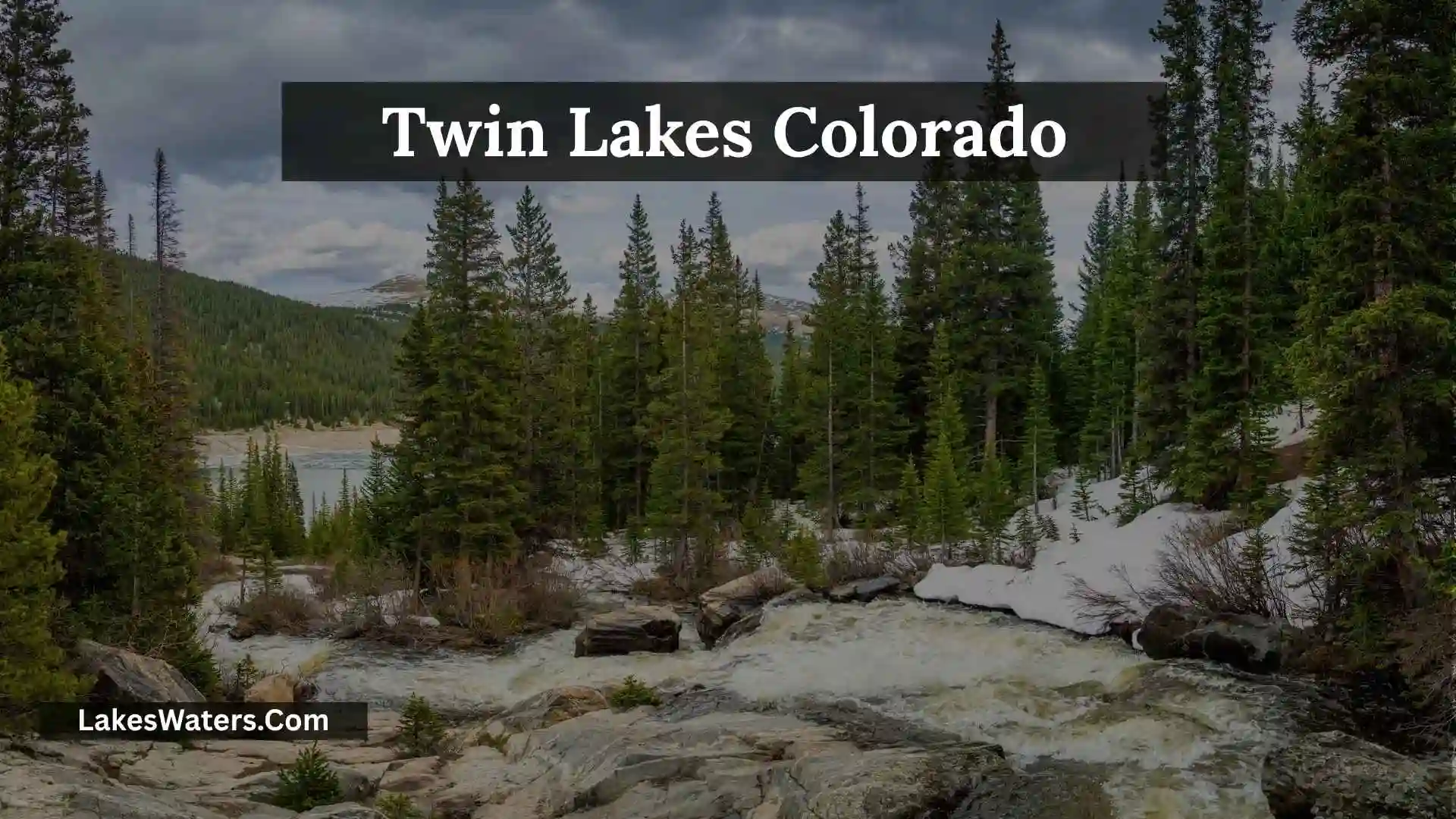
Twin Lakes, Colorado, is a scenic mountain destination known for its clear alpine views, historic village, outdoor recreation, and spectacular setting near Mount Elbert, Colorado’s highest mountain. Located in the Upper Arkansas River Valley, the area attracts visitors who want to enjoy fishing, boating, camping, hiking, photography, and peaceful mountain scenery.
The destination takes its name from two large natural glacial lakes near a historic community along the Top of the Rockies Scenic and Historic Byway. Although the surrounding mountains make the area feel remote, Twin Lakes is accessible by road and makes a rewarding stop on a Colorado mountain trip.
If you are planning a short scenic visit, a weekend camping trip, or a longer outdoor adventure, knowing where to go and what to expect will help you make the most of your time. This guide covers the best things to do in Twin Lakes, Colorado, the best time to visit, nearby attractions, travel considerations, and a practical itinerary.
Where Is Twin Lakes, Colorado?
Twin Lakes is in Lake County in central Colorado, southwest of Leadville and east of Aspen. The community sits in the Upper Arkansas River Valley, close to Mount Elbert and the southern end of the Sawatch Range.
The area is reached by US Highway 24 and Colorado State Highway 82. It is also associated with the Top of the Rockies Scenic and Historic Byway, a scenic route through Colorado’s high mountain country.
The historic village is approximately 21 miles southwest of Leadville and 36 miles east of Aspen, although actual driving times depend on the route, road conditions, and season.
Twin Lakes Village vs. Twin Lakes Reservoir
It helps to understand that Twin Lakes refers to more than one part of the destination.
- Twin Lakes Village: A small historic community with local lodging, visitor information, and buildings connected to the region’s mining and transportation history.
- Twin Lakes: The pair of naturally formed glacial lakes that give the destination its name.
- Twin Lakes Reservoir: The larger recreational water area associated with the lakes, where visitors can enjoy activities such as fishing and boating at permitted locations.
The natural lakes and the reservoir are closely connected, so visitors may see different names used in maps and recreation information. If you plan to launch a boat, fish, or camp, check the rules for the specific access point rather than assuming every shoreline has the same facilities.
What Makes Twin Lakes Special?
Twin Lakes combines several experiences in one mountain destination. Visitors can admire the water and surrounding peaks, explore a historic village, follow hiking trails, or use the area as a base for outdoor adventures.
Unlike a developed resort town, the village has a quieter, small-community atmosphere. Services are more limited than in larger Colorado destinations, so it is wise to arrange accommodation, food, fuel, and essential supplies before arriving.
Best Things to Do in Twin Lakes, Colorado
The best activities depend on the season, weather, and your interests. Water recreation is especially appealing during suitable summer conditions, while hiking and sightseeing offer other ways to experience the landscape.
1. Enjoy the Views of Twin Lakes
For many visitors, simply spending time beside the lakes is a highlight. The water, mountain backdrop, and open skies create excellent opportunities for photography and quiet breaks.
Visit during the morning for a peaceful atmosphere, or stay into the evening if the weather allows. Light changes quickly in the mountains, so the same viewpoint can look different throughout the day.
For the best experience:
- Bring a camera or phone with enough battery.
- Pack an extra layer because temperatures can change quickly.
- Stay in designated public access areas.
- Keep a safe distance from unstable banks and water edges.
- Pack out all rubbish and leave natural features undisturbed.
Not every part of the shoreline is necessarily open for public access. Follow posted signs and use established access points.
2. Go Boating, Kayaking, or Paddleboarding
Twin Lakes is a popular area for water recreation. Depending on current conditions, available access, and local rules, visitors may enjoy boating, kayaking, canoeing, paddleboarding, or other permitted activities.
Before bringing a boat, confirm which launch sites are operating and whether your vessel meets Colorado’s inspection and aquatic nuisance species requirements. Motorized boats and sailboats must meet applicable state requirements, and trailered or motorized boats are subject to inspection rules.
Mountain lakes can remain cold even in summer. Wind can also create uncomfortable or unsafe conditions on open water. Wear an appropriate life jacket, check the forecast, and avoid going out if conditions deteriorate.
If you do not own a watercraft, check current local rental options in advance. Do not assume rentals are available every day or at every access point.
3. Try Fishing at Twin Lakes
Fishing is another major reason to visit the area. Twin Lakes and its associated reservoir offer opportunities to fish for trout, including rainbow and lake trout, with other species and catch opportunities depending on the specific water.
Fishing conditions vary with the season, water temperature, weather, and regulations. Before casting a line, review the current Colorado fishing rules, required license information, permitted methods, and any special regulations that apply to the water you plan to fish.
A few practical tips can make a fishing trip easier:
- Check the current fishing regulations before departure.
- Carry your required license.
- Bring clothing suitable for cool mornings and changing weather.
- Identify legal access and parking areas before setting up.
- Follow local rules for catch limits and handling fish.
Fishing success is never guaranteed, so treat the experience as time outdoors rather than planning your entire trip around a specific catch.
4. Explore the Historic Twin Lakes Village
Twin Lakes is not only a natural destination. Its historic village also reflects the area’s mining, transportation, and settlement history.
The community once served as a transportation hub for nearby mining communities, including Leadville and Aspen. Today, visitors can explore the historic setting and learn more about the region’s past.
The Red Rooster Visitor Center is a useful starting point for local information and the self-guided historic village walk. Historic features include old buildings such as a schoolhouse and structures connected with the community’s earlier life.
Allow time to look around rather than treating the village as just a quick stop on the way to the water. It adds cultural context to the scenery and helps explain how people lived and worked in this mountain valley.
Visitor services and opening schedules can change seasonally, so confirm current details before planning around a particular facility.
5. Hike Near Twin Lakes
The surrounding mountains provide access to trails ranging from scenic walks to demanding high-altitude routes. The area connects with well-known long-distance routes, including portions of the Colorado Trail and Continental Divide Trail.
One notable option is the route toward Interlaken, a historic resort site on the lakeshore. The walk is commonly described as approximately 4.6 miles, but the distance and conditions depend on the exact starting point and route selected. Check current trail information before setting out.
For a more ambitious challenge, Twin Lakes provides access to routes toward Mount Elbert, the highest mountain in Colorado. These hikes are significantly more demanding than a lakeside walk and require careful preparation.
Choose a trail according to your fitness, experience, available daylight, and the current weather. A short route can still feel difficult at high elevation, especially if you have recently arrived from a lower altitude.
6. Photograph the Mountain Scenery
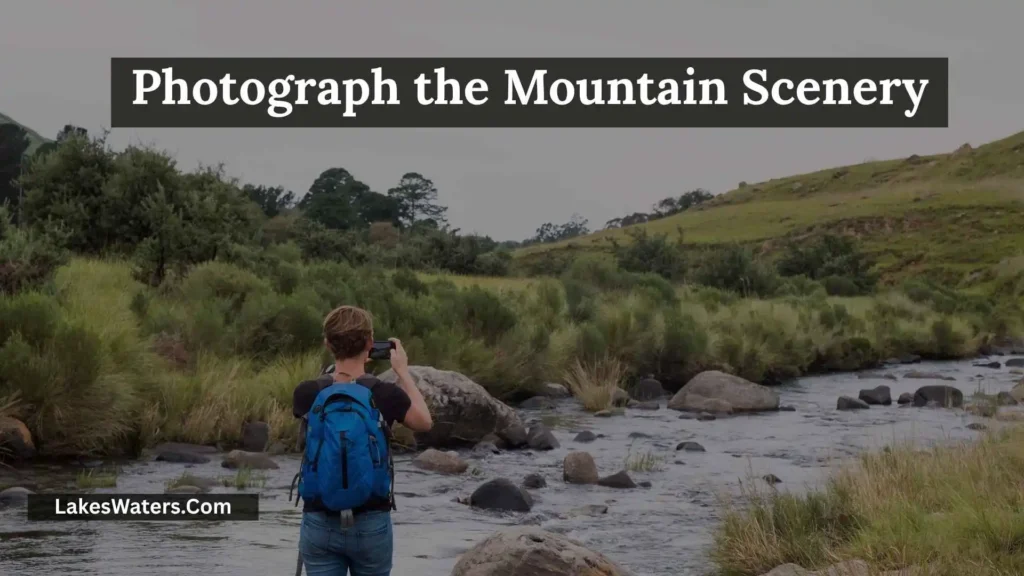
Twin Lakes is a rewarding destination for landscape photography. The combination of open water, rugged peaks, historic buildings, and changing mountain light provides a variety of subjects.
You do not need specialized equipment to enjoy photographing the area. A phone camera can capture wide views, reflections, and details around the village.
Consider these photography ideas:
- Wide landscape views of the lakes and mountains.
- Reflections when the water is calm.
- Historic buildings and streets in the village.
- Mountain weather and changing clouds from a safe viewpoint.
- Sunrise or evening light when conditions are favorable.
Use established viewpoints and avoid entering restricted areas for a better photograph. If you are near a road, keep clear of traffic and pull completely into a safe parking area before stopping.
7. Enjoy Camping Near the Lakes
Camping is one of the best ways to experience Twin Lakes beyond a short day visit. Nearby campgrounds provide access to the water, mountain scenery, and outdoor recreation.
White Star Campground is a recognized camping option near Twin Lakes Reservoir, with designated sites and facilities such as picnic tables, fire rings, vault toilets, and access to nearby boating and fishing areas. Facilities, reservation availability, seasonal operating dates, and restrictions can vary.
Lakeview Campground is another area option, although its current water availability and other services should be checked before booking. Do not assume that every campground has drinking water or that every facility will be open when you arrive.
Before camping, confirm:
- Whether the campground is open for your dates.
- Whether reservations are required or available.
- Drinking-water and restroom arrangements.
- Current fire restrictions.
- Rules for food storage and wildlife.
- Whether your vehicle and camping equipment are suitable for the site.
Bring enough supplies for the facilities actually available. Mountain weather can change quickly, and nighttime temperatures may be cold even during summer.
Best Lakes and Nearby Places to Explore
Twin Lakes is a useful base for exploring several nearby attractions. The best choice depends on whether you prefer history, hiking, scenic driving, or a more challenging mountain outing.
Twin Lakes Reservoir
The reservoir area is the main focus for many water-based activities. Visitors come for boating, fishing, camping, and mountain views.
If water recreation is your priority, check access points and boating regulations first. Different areas may have different facilities, and the availability of boat ramps or services can change.
Interlaken Historic Site
Interlaken is a preserved historic resort area on the south side of Twin Lakes. The site offers a look at the region’s late nineteenth-century tourism history and can be reached by a lakeside hiking route.
This is a good option for travelers who want to combine outdoor activity with local history. Check current trail conditions and access information before walking to the site.
Mount Elbert
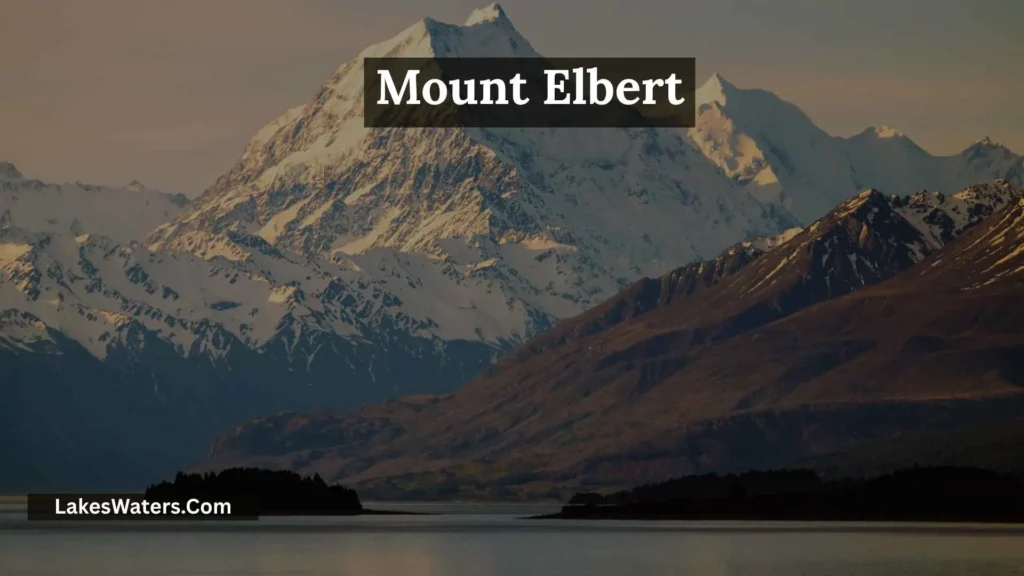
Mount Elbert rises above the surrounding landscape and is Colorado’s highest peak. Its proximity makes Twin Lakes attractive to hikers and climbers, but reaching the summit is a serious undertaking rather than a casual sightseeing activity.
A summit attempt requires suitable fitness, route planning, enough daylight, appropriate equipment, and close attention to the weather. Visitors who do not want a strenuous hike can still appreciate the mountain from the surrounding valley and lakes.
Independence Pass
Independence Pass is a high mountain route on State Highway 82 connecting the Twin Lakes area with the Aspen side of the mountains. It offers dramatic scenery, but it is not a year-round through route.
The Colorado Department of Transportation says the pass generally closes for winter around early November and usually reopens shortly before Memorial Day, depending on weather and road conditions. These are typical patterns, not guaranteed dates.
Always check current road status before planning a drive over the pass. A trip to Aspen may require a different route when the pass is closed.
Leadville
Leadville is a practical nearby destination for visitors who want additional dining, shopping, lodging, or historic attractions. It can also serve as a starting point for exploring more of central Colorado.
If you are staying in Twin Lakes, Leadville may be useful for supplies or for adding a town visit to your itinerary. Allow extra time for mountain driving and check road conditions before leaving.
When Is the Best Time to Visit Twin Lakes, Colorado?
There is no single best season for every traveler. The right time depends on whether you want to enjoy water activities, hike, camp, photograph fall colors, or experience a quieter winter landscape.
Summer: Best for Water Activities and Hiking
Summer is often the most practical season for visitors planning a broad range of outdoor activities. Boating, fishing, hiking, sightseeing, and camping are popular when conditions and facilities permit.
However, summer does not mean guaranteed warm weather. The elevation brings cool mornings, and thunderstorms can develop quickly. Start demanding hikes early, bring rain protection, and leave exposed mountain terrain if storms approach.
Fall: Best for Scenic Drives and Changing Colors
Fall can bring beautiful mountain scenery and changing foliage. It may also offer a quieter atmosphere than busier summer periods, depending on the date.
Temperatures fall as the season progresses, and snow or ice can affect roads and trails. If Independence Pass is part of your plan, confirm its current status rather than relying on a usual seasonal schedule.
Winter: Best for a Snowy Mountain Atmosphere
Winter brings a different experience, with cold temperatures, snow, and possible ice. Some developed recreation facilities close seasonally, and access to certain areas may become difficult.
Visitors should check road conditions, local closures, and available services before traveling. Winter conditions may be suitable for experienced cold-weather outdoor enthusiasts, but a casual lakeside trip can require more preparation than it does in summer.
Spring: Best for Quiet Visits With Flexible Plans
Spring can be appealing for travelers seeking fewer crowds, but snowmelt, muddy trails, cold water, and lingering winter conditions can limit activities.
Do not assume all hiking routes, campgrounds, or mountain roads are open. Confirm conditions close to your travel date and prepare an alternative plan if your preferred activity is unavailable.
How to Plan a Trip to Twin Lakes
A little preparation can make a major difference in a high-elevation destination where services are limited and the weather can change quickly.
How Much Time Do You Need?
A few hours may be enough to enjoy a scenic stop, take photographs, and explore part of the village. One full day gives you more time for a lakeside activity and a short hike. A weekend allows you to add camping, a longer trail, or nearby attractions without rushing.
If you plan to hike Mount Elbert or undertake another demanding route, allow time according to the trail, your fitness, and current conditions. Do not try to squeeze a major summit hike into a schedule designed for casual sightseeing.
Where Should You Stay?
Accommodation options in and around Twin Lakes may include cabins, vacation rentals, inns, bed-and-breakfast properties, and campgrounds. Availability and prices depend on the season and how far in advance you book.
Choose your stay according to your plans:
- For camping: Look for an established campground and verify the available facilities.
- For a comfortable weekend: Compare local inns, cabins, and vacation rentals.
- For more services: Consider staying in Leadville and driving to Twin Lakes.
- For a scenic road trip: Check the route and seasonal pass status before choosing accommodation on the Aspen side.
Reserve ahead when possible during popular travel periods. If you plan to arrive late, confirm check-in arrangements and nearby food options.
What Should You Pack?
The essentials depend on the season and activities, but a practical list includes:
- Layers of clothing and a warm outer layer.
- Waterproof clothing when rain or storms are possible.
- Comfortable footwear suitable for your planned trail.
- Sun protection, including sunglasses, sunscreen, and a hat.
- Drinking water and food.
- A charged phone and an offline map.
- Any necessary camping or fishing equipment.
- A first-aid kit and basic emergency supplies.
For boating, use the required safety equipment and wear an appropriate life jacket. For hiking, carry enough supplies for the full route rather than relying on the distance alone to determine how much water or food you need.
A Simple Two-Day Twin Lakes Itinerary
This itinerary suits visitors who want to see the main highlights without attempting an overly demanding schedule. Adjust it for season, weather, and the facilities available on your travel dates.
Day 1: Lakes, Village, and Local History
Morning: Arrive in Twin Lakes and visit a suitable public lakeside access point. Take time to enjoy the mountain views and photograph the scenery.
Late morning: Explore the historic village. Begin at the visitor information area if it is open, and follow the self-guided walk to learn about the community’s past.
Afternoon: Choose a suitable outdoor activity. Depending on conditions, this could be fishing, boating, kayaking, or a short hike.
Evening: Check in to your accommodation or campground. Have dinner, prepare for the next day, and enjoy the mountain scenery from a safe, permitted location.
Day 2: Hiking and a Scenic Drive
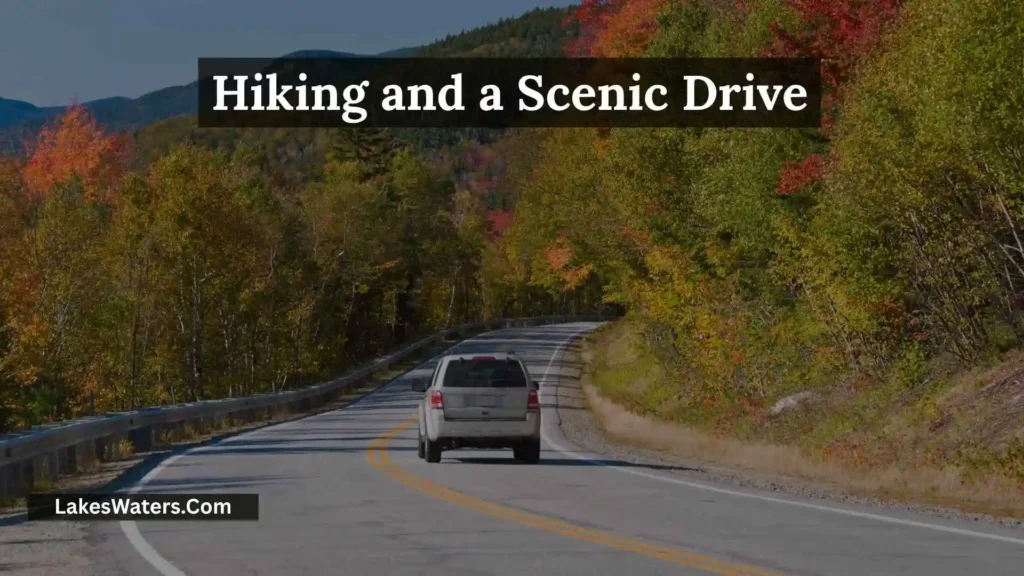
Morning: Choose a trail that matches your fitness and experience. The route toward Interlaken is an option for visitors interested in a lakeside walk and historic remains. Check the route and conditions before starting.
Afternoon: If Highway 82 over Independence Pass is open, consider a scenic drive toward the Aspen side. Check current road status first and leave enough time for stops and changing conditions. If the pass is closed or the weather is poor, spend more time around the lakes or explore Leadville instead.
This plan is deliberately flexible. A short hike and a scenic drive are better choices than forcing an ambitious schedule when mountain weather or road conditions are unfavorable.
Is Twin Lakes, Colorado, Worth Visiting?
Twin Lakes is worth considering if you enjoy mountain scenery, outdoor recreation, and destinations that combine natural landscapes with local history.
It is particularly appealing to:
- Travelers who want scenic lakes and mountain photography.
- Anglers and boaters who are prepared to follow local regulations.
- Campers who enjoy high-elevation outdoor settings.
- Hikers looking for routes near the Sawatch Range.
- Road-trippers exploring central Colorado and the Top of the Rockies Scenic and Historic Byway.
- Visitors interested in historic mountain communities.
It may be less suitable for travelers who want extensive nightlife, numerous shops within walking distance, or a fully developed resort environment. Services are limited compared with larger towns, and some activities depend heavily on weather and season.
The key is to plan around what the destination offers rather than expecting it to provide every convenience of a larger tourist town.
Important Safety Tips for Visiting Twin Lakes
Twin Lakes is beautiful, but the mountain environment deserves respect. Elevation, cold water, sudden storms, and changing road conditions can affect even a short visit.
Take High Elevation Seriously
The surrounding area sits at high elevation, and some hikes climb much higher. You may feel tired or short of breath more quickly than you expect.
Allow time to adjust, drink water, avoid pushing your pace too quickly, and choose a route that suits your condition. If you develop concerning symptoms, stop and seek appropriate help rather than continuing upward.
Prepare for Rapid Weather Changes
Mountain weather can change quickly, including during summer. Thunderstorms, strong winds, rain, and unexpected cold can make exposed trails or open water dangerous.
Check the forecast before leaving, carry appropriate clothing, and turn back when conditions become unsafe.
Follow Water and Boating Safety Rules
Mountain lake water can be cold even when the air feels warm. Wear a life jacket when boating, carry the required safety equipment, and do not enter the water unless swimming is specifically permitted and conditions are safe.
Check Colorado’s boating requirements before launching a motorized or trailered vessel. Clean, drain, and dry watercraft and equipment as required to help prevent the spread of invasive aquatic species.
Protect Wildlife and Natural Areas
Keep a respectful distance from wildlife, secure food while camping, and never feed animals. Use designated sites, follow fire restrictions, and carry rubbish out with you.
Respect posted closures and private property. Responsible visits help preserve the area for future travelers.
Common Mistakes to Avoid
A few avoidable mistakes can make a Twin Lakes trip more difficult than necessary.
Assuming Independence Pass is always open: The pass closes seasonally. Check current road status before planning a drive toward Aspen.
Expecting every service to be available: Rentals, visitor facilities, campgrounds, and other services can have seasonal schedules. Verify availability before relying on them.
Underestimating hiking difficulty: High elevation and mountain weather can make a trail more demanding than its distance suggests. Choose your route carefully.
Treating all shoreline as public access: Use designated public areas and follow signs. Check access rules before launching a boat or setting up to fish.
Arriving without basic supplies: The village has a limited range of services. Bring essentials and plan where you will obtain food, fuel, and water.
Ignoring boating requirements: Check current state rules, inspections, aquatic nuisance species requirements, and safety equipment before launching.
Planning too many activities in one day: Allow time for driving, changing conditions, and rest. A flexible schedule is often more enjoyable than trying to fit every attraction into a single visit.
Frequently Asked Questions About Twin Lakes, Colorado
Where Is Twin Lakes, Colorado, Located?
Twin Lakes is in Lake County in central Colorado, southwest of Leadville and east of Aspen. It sits in the Upper Arkansas River Valley near Mount Elbert and along the Top of the Rockies Scenic and Historic Byway.
What Is Twin Lakes, Colorado, Known For?
Twin Lakes is known for its natural glacial lakes, mountain scenery, boating, fishing, camping, hiking, and historic village. It is also a convenient base for exploring nearby trails and scenic mountain routes.
Can You Swim in Twin Lakes, Colorado?
Do not assume swimming is permitted or safe at every location. Check current local rules and designated access information before entering the water. The water can remain very cold, and conditions may change quickly.
Can You Fish at Twin Lakes?
Yes, fishing is a popular activity in the Twin Lakes area. Species and regulations depend on the specific water and current rules. Check Colorado fishing regulations and license requirements before your visit.
Can You Camp Near Twin Lakes?
Yes, established camping options include White Star Campground and other nearby sites. Opening dates, reservations, facilities, and restrictions vary, so verify current details before traveling.
Is Twin Lakes Near Leadville?
Yes. Twin Lakes Village is approximately 21 miles southwest of Leadville. Driving time depends on traffic, weather, and road conditions.
Is Independence Pass Open All Year?
No. Independence Pass typically closes for winter and reopens in spring, with dates depending on weather and road conditions. Confirm the current status with the Colorado Department of Transportation before planning a crossing.
Is Twin Lakes, Colorado, Good for Families?
It can be a rewarding family destination for scenic stops, historic village exploration, easy outdoor activities, and suitable hikes. Families should select activities based on children’s ages, experience, weather, and the availability of facilities.
How Many Days Should You Spend at Twin Lakes?
A short visit can cover the main scenery and village. One full day allows time for an outdoor activity, while two days provide a more relaxed experience with hiking, camping, or a scenic drive. Longer stays suit visitors planning demanding hikes or multiple outdoor activities.
Is Twin Lakes Worth Visiting Without Hiking?
Yes. Visitors can enjoy the mountain views, explore the historic village, take photographs, fish, or participate in permitted water activities when conditions allow. Hiking is only one way to experience the area.
Conclusion
Twin Lakes, Colorado, offers a memorable combination of natural scenery, outdoor recreation, and mountain history. From boating and fishing to lakeside walks and visits to the historic village, there are several ways to enjoy the destination without following a demanding itinerary.
The best trip begins with realistic planning. Check seasonal road conditions, confirm campground and service availability, understand boating and fishing regulations, and prepare for high elevation and changing weather. If you have time, combine the lakes with Interlaken, nearby hiking routes, or a scenic drive when the roads are open.
With the right preparation, Twin Lakes can be a rewarding stop for a Colorado road trip, a relaxing weekend, or a longer mountain adventure.

I am Ethan Reynolds, a nature researcher and writer focused on freshwater environments, aquatic ecosystems, and sustainable water solutions.
I enjoy sharing knowledge about lakes, rivers, wetlands, and the challenges facing global water resources.
My goal is to help readers understand the value of water and encourage responsible actions to protect it.
Books by Ethan Reynolds:
- Lakes and Landscapes: Stories from Nature
- Protecting Water for Future Generations