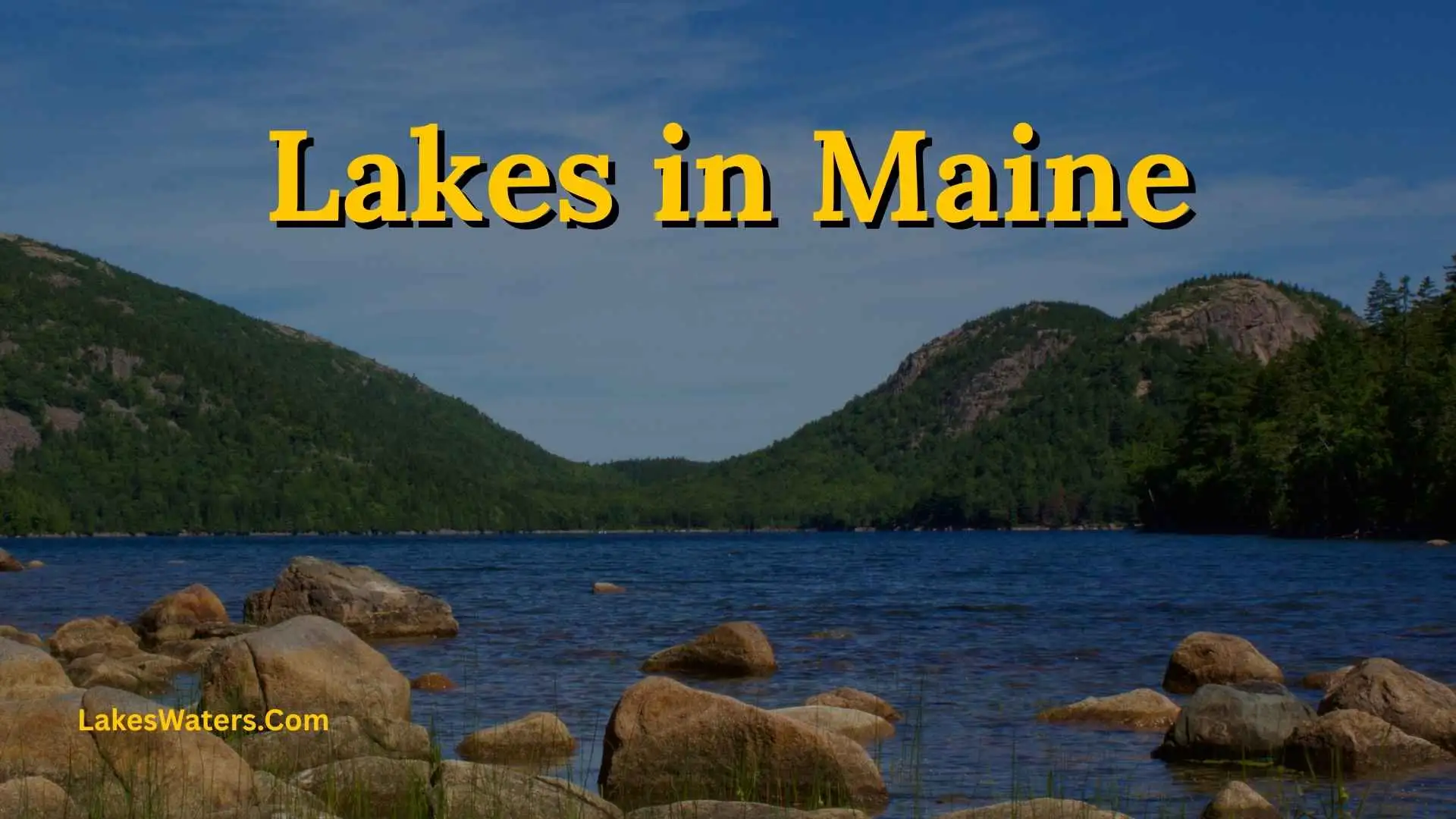
Maine is well known for its rugged coastline, evergreen forests, mountain scenery, and beautiful freshwater lakes. Across the state, visitors can find enormous wilderness lakes, peaceful mountain ponds, family-friendly beaches, traditional summer vacation destinations, and remote waterways surrounded by forest.
The best lakes in Maine offer different experiences. Some are ideal for swimming and family trips, while others are better for fishing, kayaking, camping, photography, or enjoying quiet scenery. A few are also close to popular coastal and national park attractions, making them easy to include in a larger Maine vacation.
Moosehead Lake is the largest lake in Maine by surface area, while Sebago Lake is the deepest. Other important destinations include Rangeley Lake, Great Pond, Damariscotta Lake, Chesuncook Lake, Echo Lake, and Mooselookmeguntic Lake.
This guide explores the best lakes in Maine, explains what makes each one special, compares them by activity and location, and provides practical advice for planning a safe and enjoyable visit.
Why Maine Is Famous for Its Lakes
Maine has thousands of lakes and ponds spread across forests, mountains, valleys, and rural communities. These water bodies support wildlife, provide drinking water, attract visitors, and contribute to the state’s outdoor recreation economy.
Many of Maine’s lakes were shaped by glaciers during the last Ice Age. Moving ice carved valleys and deep basins, while melting ice left behind depressions that later filled with water. This history helped create the irregular shorelines, rocky landscapes, islands, and deep water found throughout the state.
Maine’s lakes are also different in character. Some have developed beaches, campgrounds, marinas, and nearby restaurants. Others are surrounded by undeveloped woodland and require careful planning to reach.
Maine’s Main Lake Regions
Southern Maine
Southern Maine is convenient for travelers coming from Portland or southern New England. The Sebago Lakes Region includes Sebago Lake, Long Lake, Range Pond, and other popular recreational destinations.
This area is known for swimming, boating, family vacations, summer cottages, and easy access to nearby towns.
Western Maine
Western Maine contains many scenic lakes surrounded by mountains and forests. The Rangeley Lakes Region is especially popular for fishing, paddling, camping, photography, and fall foliage.
The Maine Highlands
The Maine Highlands includes large and remote destinations such as Moosehead Lake and Chesuncook Lake. These places are well suited to visitors who enjoy wilderness scenery, fishing, boating, and outdoor adventure.
MidCoast Maine
Although MidCoast Maine is famous for its oceanfront communities, it also contains freshwater destinations such as Damariscotta Lake and Lake St. George. These lakes are useful stops during a trip through central and coastal Maine.
Mount Desert Island
Mount Desert Island contains freshwater lakes and ponds within and near Acadia National Park. Echo Lake is known for swimming, while Jordan Pond is famous for scenery and walking trails but does not permit swimming.
10 Best Lakes in Maine to Visit
The lakes in this guide were selected for their scenery, recreational opportunities, regional importance, public recreation facilities, and usefulness for different types of travelers. This is a practical selection rather than an official statewide list.
1. Moosehead Lake: Best for Wilderness Scenery
Location: Greenville and the surrounding Maine Highlands
Best For: Fishing, boating, camping, wildlife watching, and mountain views
Moosehead Lake is the largest lake in Maine by surface area. It covers approximately 117 square miles and stretches across a broad wilderness landscape in the northwestern part of the state.
The lake is known for its forests, islands, coves, mountain views, and relatively undeveloped shoreline. Mount Kineo is one of its most recognizable landmarks. The mountain rises dramatically from a peninsula and provides a memorable feature for boaters, hikers, and photographers.
Lily Bay State Park is located along the eastern shore and offers opportunities for camping, swimming, picnicking, boating, and enjoying the lake. The town of Greenville is an important service center for visitors exploring the region.
Moosehead Lake is also popular with anglers. Depending on the season and current regulations, visitors may find landlocked salmon, lake trout, brook trout, and other freshwater species.
Things to Do at Moosehead Lake
- Take a boat trip across the lake.
- Explore coves and islands by kayak.
- Fish for salmon and trout.
- Visit Mount Kineo.
- Camp at Lily Bay State Park.
- Watch for moose and other wildlife in the surrounding forests.
- Enjoy scenic views from Greenville and nearby roads.
What to Know Before Visiting
Moosehead Lake is very large, and weather conditions can change quickly. Wind can create difficult conditions for small boats and inexperienced paddlers. Visitors should check the forecast, carry safety equipment, and plan their route before leaving shore.
2. Sebago Lake: Best for Families and Swimming
Location: Casco, Naples, Standish, and surrounding communities
Best For: Swimming, boating, camping, family vacations, and accessible recreation
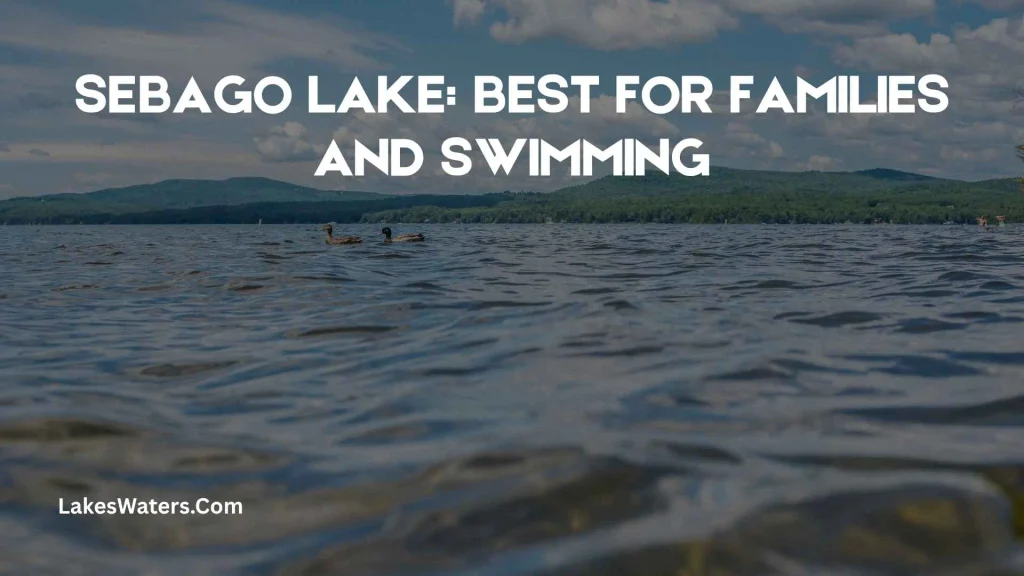
Sebago Lake is one of the most popular recreational lakes in Maine. It covers approximately 45 square miles and is the deepest lake in the state, reaching a maximum depth of about 316 feet.
The lake has a mixture of sandy beaches, wooded shorelines, private vacation properties, marinas, and public recreation areas. Its location in southwestern Maine makes it convenient for visitors coming from Portland and other southern communities.
Sebago Lake State Park is one of the best-known places to enjoy the lake. The park provides swimming areas, picnic facilities, camping opportunities, and access for boating and paddling.
Things to Do at Sebago Lake
- Swim at a designated beach.
- Go kayaking, canoeing, or paddleboarding.
- Fish for lake trout, salmon, and bass.
- Camp at Sebago Lake State Park.
- Enjoy a picnic beside the water.
- Explore nearby towns such as Naples and Casco.
- Take a scenic drive through the Sebago Lakes Region.
What to Know Before Visiting
Sebago Lake can become busy during summer weekends and holidays. Check parking arrangements, park hours, camping availability, and beach conditions before traveling.
3. Rangeley Lake: Best for Mountain Views and Fishing
Location: Rangeley, western Maine
Best For: Fishing, paddling, camping, photography, and fall foliage
Rangeley Lake is part of the famous Rangeley Lakes Region, which includes several large lakes surrounded by mountains, forests, and rural communities.
The town of Rangeley provides a convenient base for visitors who want to explore the water, find supplies, or visit nearby attractions. Rangeley Lake State Park offers camping, shoreline access, and a boat launch.
The lake is especially attractive during autumn, when the surrounding forests turn shades of red, orange, yellow, and gold. Its mountain setting also makes it appealing for photographers and travelers who enjoy peaceful scenery.
Things to Do at Rangeley Lake
- Fish for trout and landlocked salmon.
- Paddle along the shoreline.
- Camp at Rangeley Lake State Park.
- Enjoy scenic drives through western Maine.
- Explore nearby lakes and hiking areas.
- Visit Rangeley village for food, supplies, and local services.
- Photograph the lake during fall foliage season.
What to Know Before Visiting
Rangeley is a good destination for a longer outdoor vacation. Some businesses and recreation facilities operate seasonally, so visitors should confirm availability before arriving.
4. Long Lake: Best for a Traditional Summer Vacation
Location: Naples, Bridgton, and Harrison
Best For: Family trips, boating, swimming, cottages, and lakeside recreation
Long Lake is a classic southern Maine vacation destination. Its long, narrow shape, wooded shoreline, and nearby communities give it the atmosphere of a traditional New England summer retreat.
The lake is connected to the broader Sebago Lakes Region and is surrounded by vacation homes, seasonal properties, and recreational areas. Visitors can enjoy boating, fishing, paddling, and relaxing near the water.
Long Lake is particularly suitable for travelers who want a combination of outdoor recreation and access to restaurants, lodging, shops, and other services.
Things to Do at Long Lake
- Take a boat ride.
- Enjoy kayaking or canoeing.
- Fish in permitted areas.
- Stay in a nearby cottage or vacation rental.
- Explore Naples and Bridgton.
- Look for public beaches or approved swimming areas.
- Include the lake in a southern Maine road trip.
What to Know Before Visiting
Not every shoreline is public. Visitors should confirm access before using a beach, boat launch, parking area, or waterfront property.
5. Great Pond: Best for Exploring the Belgrade Lakes Region
Location: Rome and nearby communities in central Maine
Best For: Boating, fishing, cottages, paddling, and traditional lake recreation
Great Pond is the largest lake in the Belgrade Lakes chain, a group of seven connected lakes and ponds in central Maine. The region has a long history of summer camps, cottages, boating, and freshwater fishing.
Great Pond covers approximately 8,239 acres and has a maximum depth of about 69 feet. Its shoreline includes wooded areas, quiet coves, seasonal homes, and recreational properties.
Visitors who choose Great Pond can also explore other lakes in the Belgrade chain. This makes the area appealing to travelers who want to experience an entire lake region rather than focus on one beach or park.
Things to Do at Great Pond
- Explore the lake by boat.
- Fish for local freshwater species.
- Paddle through quiet coves.
- Stay at a nearby camp or cottage.
- Visit other lakes in the Belgrade chain.
- Enjoy scenic drives through central Maine.
- Photograph the shoreline and surrounding woodland.
What to Know Before Visiting
Public access and boat-launch availability can vary. Check current information before bringing a trailer or planning a full day on the water.
6. Damariscotta Lake: Best for a MidCoast Getaway
Location: Jefferson and surrounding areas
Best For: Swimming, paddling, picnics, fishing, and combining lake recreation with coastal travel
Damariscotta Lake provides a peaceful freshwater setting in MidCoast Maine. It is a good choice for visitors who want to enjoy a lake without traveling far from the region’s coastal towns and attractions.
Damariscotta Lake State Park offers a sandy beach, swimming opportunities, picnic facilities, and access for canoeing and kayaking. The park is suitable for a relaxed day trip or a family outing.
The lake can also be included in a wider itinerary through Lincoln County, where visitors can explore small towns, scenic roads, coastal communities, and local restaurants.
Things to Do at Damariscotta Lake
- Swim at the state park beach.
- Enjoy a picnic near the water.
- Paddle a canoe or kayak.
- Fish were permitted.
- Photograph the wooded shoreline.
- Explore nearby countryside and coastal communities.
What to Know Before Visiting
Check seasonal opening dates, entrance requirements, parking information, and available facilities before your trip.
7. Lake St. George: Best for a Relaxed State Park Visit
Location: Liberty, central-western Maine
Best For: Swimming, camping, paddling, picnics, and family recreation
Lake St. George is a scenic freshwater destination with a state park on its shoreline. Its manageable size and public recreation facilities make it a good choice for visitors who want a simple lake outing.
Lake St. George State Park offers swimming, camping, picnic areas, and opportunities for canoeing and kayaking. The park is especially useful for families and road-trippers looking for a convenient outdoor stop.
Things to Do at Lake St. George
- Swim in the designated recreation area.
- Camp near the lake.
- Paddle a canoe or kayak.
- Enjoy a family picnic.
- Walk through nearby wooded areas.
- Explore the surrounding small towns and country roads.
What to Know Before Visiting
Facilities and access arrangements may change with the season. Review current park information before departure.
8. Chesuncook Lake: Best for Remote Outdoor Adventures
Location: Northwestern Maine
Best For: Fishing, boating, camping, wilderness travel, and solitude
Chesuncook Lake is one of Maine’s major large water bodies. It is associated with the West Branch of the Penobscot River and is surrounded by a remote forest landscape.
The lake covers approximately 26,200 acres and has a maximum depth of about 150 feet. Unlike more developed destinations in southern Maine, Chesuncook offers a quieter and more independent outdoor experience.
Visitors come for fishing, boating, camping, photography, and the feeling of being far from busy roads and urban areas.
Things to Do at Chesuncook Lake
- Fish for trout, salmon, and other freshwater species.
- Explore the lake by boat.
- Camp in permitted areas.
- Enjoy remote forest scenery.
- Photograph the shoreline and surrounding wilderness.
- Explore nearby waterways and outdoor destinations.
What to Know Before Visiting
Chesuncook Lake requires more preparation than many public beach destinations. Roads can be remote, services may be limited, and visitors should carry sufficient food, fuel, water, navigation equipment, and emergency supplies.
9. Echo Lake: Best for Swimming Near Acadia
Location: Mount Desert Island, near Southwest Harbor
Best For: Freshwater swimming, scenic views, hiking, and combining lake recreation with Acadia National Park
Echo Lake is one of the most attractive freshwater destinations near Acadia National Park. Its beach, mountain surroundings, and nearby trails make it popular with visitors exploring Mount Desert Island.
Echo Lake Beach is a designated swimming location. However, there is no lifeguard on duty, so visitors must supervise children closely and evaluate water and weather conditions before entering.
Echo Lake is especially useful for travelers who want to combine freshwater swimming with hiking, scenic drives, coastal sightseeing, and other Acadia activities.
Things to Do at Echo Lake
- Swim at Echo Lake Beach.
- Enjoy views of the surrounding mountains.
- Explore nearby hiking trails.
- Use a small boat where permitted.
- Combine the lake with other Acadia attractions.
- Take photographs of the water and surrounding landscape.
What to Know Before Visiting
Visitors should follow Acadia National Park rules and check current entrance, parking, and swimming information. Swimming is prohibited in some other Acadia lakes and ponds, including Jordan Pond, because of water-supply protections.
10. Mooselookmeguntic Lake: Best for Western Maine Scenery
Location: Franklin County, western Maine
Best For: Mountain scenery, fishing, boating, paddling, and quiet recreation
Mooselookmeguntic Lake is one of the major lakes in the Rangeley Lakes Region. It is known for its broad water surface, forested shoreline, mountain views, and peaceful surroundings.
The lake covers approximately 26 square miles, placing it among Maine’s largest lakes by surface area. Its location makes it a good choice for visitors who want to explore western Maine’s scenic roads, outdoor recreation areas, and mountain communities.
Things to Do at Mooselookmeguntic Lake
- Enjoy mountain and forest views.
- Fish for local freshwater species.
- Explore the lake by boat.
- Paddle in suitable weather.
- Visit nearby Rangeley-area attractions.
- Enjoy autumn foliage around the shoreline.
- Photograph the lake from scenic viewpoints.
What to Know Before Visiting
Because the lake is large and exposed, wind can affect paddling and small-boat travel. Confirm public access and check weather conditions before launching.
Other Notable Lakes and Ponds in Maine
Maine has far more freshwater destinations than can fit into one list. The following places are also worth considering.
Kezar Lake
Kezar Lake is located near Lovell in western Maine. It is surrounded by forested hills and offers opportunities for fishing, boating, paddling, and scenic stays.
The lake is known for landlocked salmon, lake trout, and bass fishing. It is a good choice for travelers who want a quieter destination near the western Maine mountains.
Flagstaff Lake
Flagstaff Lake is a large reservoir near Eustis and Stratton in western Maine. Its broad water surface and mountain surroundings make it appealing for boating, fishing, photography, and outdoor recreation.
The lake is also connected to the history of the former town of Flagstaff, which was submerged when the reservoir was created. This gives the area an important historical dimension in addition to its natural scenery.
Because the lake is large and exposed, visitors should check wind and weather conditions before boating or paddling.
East Grand Lake
East Grand Lake is located near the Canadian border in northern Maine. It is surrounded by forests and offers a quieter setting for fishing, boating, camping, and scenic exploration.
The lake is suitable for visitors who prefer less-developed destinations. However, its northern location means that travelers should plan carefully for fuel, food, lodging, and other supplies.
Jordan Pond
Jordan Pond is one of the most recognizable bodies of water in Acadia National Park. Its clear-looking water, rounded mountains, and walking path make it a popular scenic destination.
Swimming is not permitted in Jordan Pond because it is a protected public water supply. Visitors can enjoy the pond from the shoreline, walk the path, take photographs, and explore nearby trails.
Jordan Pond is an important reminder that not every attractive lake or pond is open for swimming.
Largest Lakes in Maine by Surface Area
Surface area is the measurement most often used when comparing the largest lakes. It is different from depth and total water volume.
The following lakes are among the largest in Maine:
| Lake | Approximate Surface Area | Region |
| Moosehead Lake | 117 square miles | Maine Highlands |
| Sebago Lake | 45 square miles | Southwestern Maine |
| Chesuncook Lake | 36 square miles | Northwestern Maine |
| Mooselookmeguntic Lake | 26 square miles | Western Maine |
Measurements can vary slightly between sources because of water levels, survey methods, and differences in how connected water bodies are counted.
Why Lake Size Matters
A large lake may provide more room for boating and expansive views, but size does not automatically make it the best destination.
- Families may prefer a smaller lake with a managed beach.
- Paddlers may prefer a protected cove instead of a large open lake.
- Anglers may care more about depth, habitat, and fish populations.
- Photographers may value mountain scenery and shoreline character.
- Campers may prefer a lake with convenient facilities.
- Wilderness travelers may prefer remote access and fewer developed areas.
The best lake depends on the experience you want.
Best Lakes in Maine for Swimming
Maine’s lakes can be excellent places to swim during summer, but visitors should choose designated swimming areas and follow current safety instructions.
Sebago Lake
Sebago Lake is a strong choice for families because it has public recreation areas, beaches, camping, and other facilities.
Range Pond
Range Pond State Park offers a sandy beach, a designated swimming area, picnic facilities, and day-use amenities. It is a practical choice for a straightforward summer outing.
Damariscotta Lake
Damariscotta Lake State Park provides a public beach and picnic facilities. It is especially useful for visitors exploring MidCoast Maine.
Lake St. George
Lake St. George State Park offers swimming, camping, and a relaxed setting for families and outdoor travelers.
Echo Lake
Echo Lake is a scenic swimming destination near Acadia National Park. However, there is no lifeguard on duty, so visitors should use extra caution and supervise children closely.
Swimming Safety Tips
Before entering a lake, check:
- Whether swimming is permitted.
- Whether the area is officially designated for swimming.
- Current water-quality notices.
- Weather and wind conditions.
- Posted warnings.
- The presence or absence of lifeguards.
- Whether children and inexperienced swimmers need flotation support.
Never assume that a lake is safe for swimming simply because other people are in the water.
Best Lakes in Maine for Fishing
Maine’s lakes support many freshwater fish species, including brook trout, lake trout, landlocked salmon, bass, and other species.
Moosehead Lake
Moosehead Lake is a major destination for anglers interested in landlocked salmon, lake trout, and brook trout. Its size and wilderness setting make it attractive for both experienced anglers and visitors seeking a traditional Maine fishing experience.
Rangeley Lake
Rangeley Lake is part of a region with a long fishing tradition. The surrounding mountains, forests, and nearby lakes make it suitable for anglers who want to combine fishing with a broader outdoor vacation.
Sebago Lake
Sebago Lake provides opportunities for fishing in a large and deep water body. Different parts of the lake may offer different conditions, so anglers should check current regulations and local information.
Kezar Lake
Kezar Lake is known for opportunities to catch landlocked salmon, lake trout, and bass. Its western Maine setting also makes it attractive for visitors seeking quieter fishing locations.
Great Pond
Great Pond and the surrounding Belgrade Lakes region are popular with anglers who enjoy fishing from boats, shorelines, and seasonal camps.
Fishing Rules to Check
Before fishing in Maine:
- Confirm whether you need a fishing license.
- Review the current fishing lawbook.
- Check lake-specific regulations.
- Learn the legal seasons and catch limits.
- Use permitted equipment and fishing methods.
- Follow rules concerning bait, boats, and invasive species.
Fishing conditions and regulations can change, so visitors should check official information before their trip.
Best Lakes in Maine for Families
A family-friendly lake does not have to be the largest or most remote. Families usually benefit from safe swimming areas, parking, picnic facilities, restrooms, nearby lodging, and activities suitable for different ages.
Sebago Lake State Park
Sebago Lake State Park is a strong option for families who want swimming, camping, boating, and picnic facilities in one location.
Range Pond State Park
Range Pond is useful for a simple day trip. Its sandy beach and recreation facilities make it suitable for families looking for an easy outdoor outing.
Damariscotta Lake State Park
Damariscotta Lake offers a public beach, picnic facilities, and paddling opportunities. It can be included in a broader MidCoast Maine vacation.
Lake St. George State Park
Lake St. George provides swimming, camping, and a peaceful park setting. It is a practical option for families who want to spend more than one day outdoors.
Echo Lake
Echo Lake is attractive for families visiting Acadia, but parents should remember that there is no lifeguard at the beach. Children should be supervised closely at all times.
Best Lakes in Maine for Kayaking and Canoeing
Maine’s lakes offer many paddling opportunities, but the best destination depends on your experience, boat type, and weather conditions.
Rangeley Lake
Rangeley Lake offers forested scenery, mountain views, and a variety of shoreline settings. It is a good choice for paddlers who want a scenic western Maine experience.
Moosehead Lake
Moosehead Lake provides a huge area to explore, including coves, islands, and harbors. However, its size means that wind can create challenging conditions.
Damariscotta Lake
Damariscotta Lake is suitable for relaxed paddling near public recreation areas. It can be a good option for beginners who choose calm conditions and appropriate routes.
Great Pond
Great Pond provides opportunities to explore the Belgrade Lakes region by canoe or kayak. Paddlers should check access arrangements and understand local water conditions.
Echo Lake
Echo Lake allows certain small-watercraft activities where permitted by park rules. Visitors should review current regulations before launching.
Paddling Safety Tips
Before going onto the water:
- Check the weather forecast.
- Wear a properly fitted personal flotation device.
- Carry drinking water and basic emergency supplies.
- Bring navigation and communication equipment.
- Avoid unfamiliar routes in poor visibility.
- Be cautious on large lakes where wind can rise quickly.
- Tell someone where you are going and when you expect to return.
How Maine’s Lakes Were Formed
The geological history of Maine explains many of the features that make its lakes so attractive.
The Role of Glaciers
During the last Ice Age, large ice sheets moved across Maine. Their movement carved valleys, deepened depressions, shaped mountain slopes, and altered drainage patterns.
When the glaciers retreated, meltwater filled many of the basins they had created. Over time, these became lakes and ponds surrounded by forests, hills, and mountains.
This glacial history helps explain why Maine’s lakes often have:
- Rocky shorelines.
- Deep basins.
- Irregular shapes.
- Forested islands.
- Mountain backdrops.
- Narrow coves.
- Clear changes in depth close to shore.
Natural Lakes and Reservoirs
Not every lake in Maine formed naturally. Some are reservoirs created or enlarged by dams.
Chesuncook Lake and Flagstaff Lake are examples of water bodies associated with human-made changes to rivers and valleys. These places still provide important recreational and ecological value, but their histories differ from those of naturally formed glacial lakes.
Planning a Trip to the Lakes in Maine
Choosing a lake is only the first step. Public access, weather, seasonal facilities, and travel distance can all affect your visit.
Choose a Lake Based on Your Main Activity
| Main Goal | Lakes to Consider |
| Family swimming | Sebago Lake, Range Pond, Damariscotta Lake |
| Mountain scenery | Moosehead Lake, Rangeley Lake, Mooselookmeguntic Lake |
| Fishing | Moosehead Lake, Rangeley Lake, Sebago Lake, Kezar Lake |
| Camping | Sebago Lake, Rangeley Lake, Lake St. George, Lily Bay area |
| Acadia sightseeing | Echo Lake and Jordan Pond for scenery |
| Remote outdoor recreation | Chesuncook Lake and Moosehead Lake |
| Southern Maine access | Sebago Lake, Long Lake, Range Pond |
| MidCoast travel | Damariscotta Lake and Lake St. George |
This table is a starting point. Always confirm current access, facilities, and local restrictions for the specific location you plan to visit.
Confirm Public Access
A lake is not automatically public simply because it is visible from a road.
A water body may have:
- A public beach.
- A state park.
- A public boat launch.
- Private shoreline properties.
- Limited access through a local organization.
- Seasonal restrictions.
- Parking rules.
Before visiting, check whether the specific beach, launch, trail, or parking area is open to the public. Do not use private shoreline property without permission.
Plan Around the Season
Summer
Summer is the most popular season for swimming, boating, paddling, camping, and family vacations. Popular parks may become crowded during weekends and holidays.
Fall
Fall is ideal for scenic drives, photography, hiking, and enjoying colorful forests around the lakes. Western Maine and the Rangeley region are especially attractive during foliage season.
Winter
Some lakes become destinations for ice fishing and other winter activities. Ice conditions can vary greatly, so visitors should never walk or drive onto ice without reliable local information.
Spring
Spring can be peaceful and less crowded, but water temperatures remain cold. Some campgrounds, beaches, and seasonal businesses may not yet be open.
Prepare for Remote Destinations
Remote lakes may have limited services and unreliable mobile coverage. Before traveling, consider carrying:
- Drinking water.
- Food and snacks.
- Fuel.
- Warm and waterproof clothing.
- Navigation equipment.
- First-aid supplies.
- Emergency communication equipment.
- Extra batteries or power sources.
Do not assume that a remote lake will have nearby stores, restaurants, fuel stations, or medical services.
Protecting Maine’s Lakes
Maine’s lakes provide habitat for fish and wildlife, support local communities, and offer drinking water and recreation. Protecting them is important for both the environment and future visitors.
Clean, Drain, and Dry Your Equipment
Aquatic invasive species can spread between lakes on boats, trailers, paddles, fishing gear, and other equipment.
Before moving to another water body:
- Clean visible plants, mud, animals, and debris from your boat and equipment.
- Drain water from the boat, motor, live well, buckets, and other equipment.
- Dry everything thoroughly before entering another lake.
Never transport aquatic plants or animals from one lake to another.
Follow Local Rules
Visitors should:
- Use designated swimming areas.
- Follow boating restrictions.
- Respect fishing regulations.
- Keep pets out of prohibited areas.
- Avoid disturbing wildlife.
- Carry out all waste.
- Respect private property.
- Follow posted park instructions.
Acadia National Park has specific rules concerning swimming and water access. Visitors should review those rules before entering any lake or pond within the park.
Check Water Quality
Water quality can change because of weather, runoff, algae, pollution, or other environmental conditions. Before swimming, check current notices and posted warnings.
Maine maintains lake-monitoring information that helps track water clarity, nutrients, invasive species, and other indicators of lake health.
Frequently Asked Questions About Lakes in Maine
How Many Lakes Are There in Maine?
Maine has approximately 5,785 lakes and ponds recorded in state environmental resources. Other state materials use the broader estimate of around 6,000 lakes and ponds.
The exact number depends on how lakes, ponds, reservoirs, and other water bodies are classified.
What Is the Largest Lake in Maine?
Moosehead Lake is the largest lake in Maine by surface area. It covers approximately 117 square miles and is located in the northwestern part of the state.
What Is the Deepest Lake in Maine?
Sebago Lake is the deepest lake in Maine. Its maximum depth is approximately 316 feet.
Which Lakes in Maine Are Best for Swimming?
Sebago Lake, Range Pond, Damariscotta Lake, Lake St. George, and Echo Lake are notable swimming destinations.
Swimming access, water conditions, lifeguard availability, and seasonal rules vary by location.
Which Lake Is Best for a Family Vacation?
Sebago Lake is one of the best choices for a family vacation because it offers beaches, camping, boating, and nearby services.
Range Pond, Damariscotta Lake, and Lake St. George are also good options for families seeking public recreation areas.
Are There Lakes Near Portland, Maine?
Yes. Sebago Lake, Long Lake, and Range Pond are among the better-known freshwater destinations within reach of the greater Portland area.
Travel time depends on your exact starting point, traffic, and the access area you choose.
Can You Camp Near Maine’s Lakes?
Yes. Several state parks provide camping near lakes, including Sebago Lake State Park, Rangeley Lake State Park, Lily Bay State Park, and Lake St. George State Park.
Camping availability, fees, reservations, and seasonal opening dates vary.
Are All Maine Lakes Open to the Public?
No. Some lakes have public beaches, boat launches, or state parks, while others have private shorelines or limited access.
Always confirm public access before parking, launching a boat, swimming, or walking along a shoreline.
What Is the Best Time to Visit Maine’s Lakes?
Summer is generally best for swimming, boating, camping, and family trips. Fall is excellent for foliage and photography, while winter is popular for certain cold-weather activities.
The ideal season depends on the lake and the activities you plan to enjoy.
Are Maine Lakes Good for Fishing?
Yes. Many Maine lakes support species such as brook trout, lake trout, landlocked salmon, and bass.
Moosehead Lake, Rangeley Lake, Sebago Lake, and Kezar Lake are well-known destinations for freshwater fishing.
Can You Swim in Jordan Pond?
No. Swimming is prohibited in Jordan Pond because it is a protected public water supply.
Visitors can enjoy the pond’s scenery, walking paths, and surrounding trails.
What Is the Difference Between a Lake and a Pond in Maine?
The difference is not always based on one universal scientific rule. Surface area, depth, sunlight penetration, and local naming traditions may all influence whether a body of water is called a lake or a pond.
Maine also has legal definitions for certain types of ponds and great ponds.
Conclusion
The lakes in Maine offer an impressive range of experiences, from family-friendly beaches and traditional summer vacations to remote wilderness adventures surrounded by forests and mountains.
Moosehead Lake is ideal for expansive scenery, fishing, boating, and wilderness exploration. Sebago Lake is a strong choice for families, swimming, camping, and convenient recreation. Rangeley Lake and Mooselookmeguntic Lake offer beautiful western Maine landscapes, while Great Pond provides access to the historic Belgrade Lakes region.
For visitors exploring MidCoast Maine, Damariscotta Lake and Lake St. George offer peaceful freshwater recreation. Near Acadia National Park, Echo Lake provides a scenic swimming destination, while Jordan Pond is better suited to walking, photography, and enjoying mountain views.
The best lake in Maine depends on your location, interests, comfort level, and travel plans. Before visiting, confirm public access, check weather and water conditions, follow local rules, and protect the environment by cleaning, draining, and drying your equipment.

I am Daniel Brooks, an environmental enthusiast and writer focused on freshwater resources and the connection between humans and nature.
I enjoy researching lakes, wetlands, and water conservation practices to create informative content for readers. I believe that understanding our water systems is the first step toward protecting them.
Through my writing, I aim to inspire awareness and responsible actions for a better water future.
Books by Daniel Brooks:
- Freshwater Wonders: Stories From the World’s Lakes
- Protecting Our Blue Planet: Water Conservation Guide
 Ethan Reynolds