Nevada is often associated with desert landscapes, Las Vegas, and rugged mountain ranges, but the state also has remarkable lakes and reservoirs. Some are surrounded by alpine forests, others sit among dry mountains and colorful rock formations, and several provide important opportunities for boating, fishing, camping, and wildlife watching.
The best-known destinations include Lake Tahoe, Lake Mead, Pyramid Lake, Lake Mohave, and Walker Lake. Each offers a different experience. Lake Tahoe is known for its mountain scenery, Lake Mead combines water recreation with desert landscapes, and Pyramid Lake stands out for its natural beauty and cultural importance.
This guide explores the most notable lakes in Nevada, explains which are natural and which are reservoirs, and helps you choose destinations based on location, activities, scenery, and practical travel needs.
Quick answer:
The best lake for you depends on your plans. Choose Lake Tahoe for alpine scenery, Lake Mead for desert adventure, Pyramid Lake for distinctive landscapes, Lahontan Reservoir for recreation and camping, or Cave Lake for a quieter mountain setting.
Understanding Nevada’s Lakes And Reservoirs
Before choosing a destination, it helps to understand what people mean by “lakes in Nevada.” The state has natural lakes, reservoirs, and developed waterfront destinations. They differ in how they formed, how they are managed, and what visitors can do there.
Natural Lakes In Nevada
Natural lakes developed through geological and environmental processes rather than being created primarily by a dam. Pyramid Lake, Walker Lake, and Lake Tahoe are important examples associated with Nevada’s natural lake landscapes.
These lakes are especially interesting for visitors who enjoy geology, wildlife, photography, and learning about the Great Basin.
Reservoirs In Nevada
Reservoirs are bodies of water created or substantially altered through dams and water-management projects. They may provide water storage, irrigation, power generation, flood management, and recreation.
Important Nevada reservoirs include:
- Lake Mead
- Lake Mohave
- Lahontan Reservoir
- Rye Patch Reservoir
- Cave Lake Reservoir
- Echo Canyon Reservoir
Not all reservoirs are enormous. Cave Lake, for example, is a 32-acre reservoir in Cave Lake State Park, while Echo Canyon has a 65-acre reservoir. Both offer recreation in eastern Nevada.
Why The Difference Matters
The distinction between a natural lake and a reservoir can help explain differences in:
- Water-level fluctuations.
- Shoreline appearance.
- Boat-launch access.
- Recreation facilities.
- Water-management practices.
- Seasonal conditions.
For example, the National Park Service warns that changing water levels at Lake Mead can affect the availability of launch ramps and other lake infrastructure.
Best Lakes in Nevada for Scenery, Recreation, and Adventure
The following destinations represent different parts of Nevada and different types of lake experiences. They are presented as a practical guide rather than a strict ranking.
1. Lake Tahoe: The Best Choice for Alpine Scenery
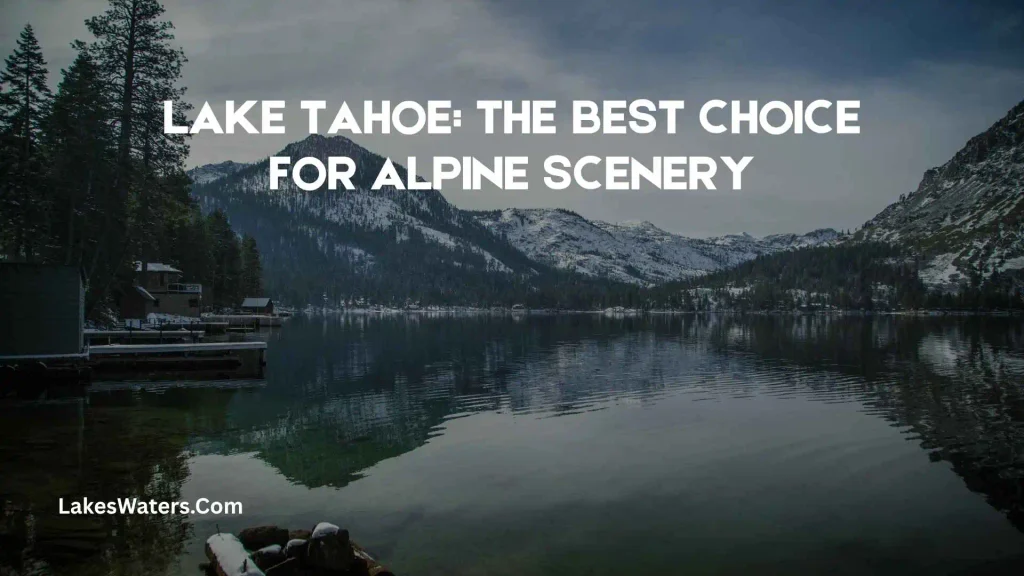
Lake Tahoe is one of the most spectacular lakes associated with Nevada. It sits high in the Sierra Nevada and is shared by Nevada and California. Its eastern shoreline features clear water, granite formations, sandy beaches, and forested mountain surroundings.
The Nevada side is particularly appealing for visitors who want to combine lake activities with scenic drives, hiking, and photography.
What Makes Lake Tahoe Special?
Lake Tahoe is famous for its deep blue water and mountain setting. The eastern shoreline includes several Nevada State Park areas, including Sand Harbor and Cave Rock.
At Sand Harbor, visitors can enjoy beaches, swimming, kayaking, scuba diving, picnicking, and scenic trails. The area also offers views of the lake’s distinctive rock formations.
Best Things to Do at Lake Tahoe
- Visit Sand Harbor: Explore the shoreline, beaches, and granite boulders.
- Enjoy the East Shore Trail: Walk or cycle along a scenic paved route with lake views.
- Go kayaking or paddleboarding: Experience the water from a different perspective.
- Visit Cave Rock: Enjoy boating, fishing, picnicking, and permitted water activities.
- Take photographs: The combination of blue water, mountains, and rock formations creates excellent scenery.
Important Planning Information
Sand Harbor is a popular destination, and Nevada State Parks may require day-use reservations during busy periods. Camping is not permitted at Sand Harbor, so visitors seeking overnight accommodation should consider other areas around Lake Tahoe.
Boat-launch hours, access rules, and watercraft inspection requirements can change. Check the official Nevada State Parks information before traveling.
2. Lake Mead: A Desert Lake Experience Near Las Vegas
Lake Mead is a large reservoir on the Colorado River, formed by Hoover Dam. It extends across parts of Nevada and Arizona and is the central water feature of Lake Mead National Recreation Area.
The landscape around Lake Mead is very different from Lake Tahoe. Instead of alpine forests, visitors encounter desert mountains, rocky canyons, open valleys, and broad stretches of blue water.
Why Visit Lake Mead?
Lake Mead is one of the strongest choices for visitors interested in desert scenery and water recreation. The National Park Service provides opportunities for boating, fishing, hiking, kayaking, camping, scenic driving, and wildlife observation.
The area also includes viewpoints and roads where visitors can appreciate the contrast between the desert and the reservoir.
Popular Activities
- Boating and water skiing.
- Fishing.
- Kayaking and canoeing.
- Hiking through desert terrain.
- Camping.
- Scenic driving.
- Photography.
- Wildlife watching.
Lake Mead’s coves and surrounding mountains can be especially attractive to photographers and paddlers. However, distances around the reservoir can be deceptive, and some areas are remote.
What Visitors Should Know
Lake Mead is subject to changing water levels. These changes can affect boat ramps, shorelines, and other infrastructure. The National Park Service recommends checking current conditions before visiting.
Summer heat can be severe, and outdoor activities require careful preparation. Carry adequate water, protect yourself from the sun, and avoid underestimating the distance between facilities.
3. Lake Mohave: A Scenic Reservoir for Boating and Fishing
Lake Mohave is another major reservoir on the Colorado River. It lies downstream from Hoover Dam and extends along the Nevada–Arizona border. It is part of Lake Mead National Recreation Area.
The reservoir is known for its desert surroundings, rocky shoreline, coves, and opportunities for water-based recreation.
What Can You Do at Lake Mohave?
Lake Mohave is well suited to visitors who enjoy:
- Fishing.
- Boating.
- Kayaking.
- Canoeing.
- Swimming in suitable areas.
- Camping.
- Scenic photography.
The National Park Service identifies Lake Mohave as an important destination for boating, fishing, paddling, and camping. Its coves and waterways provide a different experience from the broad open areas of Lake Mead.
Where Can You Access Lake Mohave?
Important recreation areas include Willow Beach, Katherine Landing, and Cottonwood Cove. Access, services, and launch facilities differ by location.
Willow Beach is also associated with the Black Canyon National Water Trail, where visitors can explore the Colorado River by paddlecraft.
Is Lake Mohave Suitable for Families?
It can be a good choice for families interested in boating, picnicking, camping, and scenic outdoor activities. However, visitors should choose appropriate swimming areas, supervise children closely, and check local safety guidance.
The National Park Service warns that there are no lifeguards in the recreation area and that swimming areas may have specific restrictions.
4. Pyramid Lake: A Natural Lake With Extraordinary Desert Scenery
Pyramid Lake is one of Nevada’s most distinctive natural lakes. It lies within the Pyramid Lake Paiute Reservation in northwestern Nevada and is the largest remnant of ancient Lake Lahontan, a much larger inland lake that once covered parts of the Great Basin.
The lake is known for its striking blue or gray water, desert surroundings, and unusual limestone formations.
Why Is Pyramid Lake Important?
Pyramid Lake is important not only for its scenery but also for its cultural, ecological, and historical significance.
The Pyramid Lake Paiute guild identifies the lake as a sacred place and a habitat for threatened and endangered species. It is also associated with the cui-ui fish and the Lahontan cutthroat trout fishery.
Visitors should treat the lake and surrounding land with respect. This is a living cultural landscape, not simply an unrestricted public recreation site.
Things to Do at Pyramid Lake
Depending on current tribal rules and permits, visitors may enjoy:
- Scenic photography.
- Fishing.
- Boating.
- Camping.
- Wildlife observation.
- Exploring the lake’s distinctive geological features.
Pyramid Lake is especially appealing to photographers and travelers interested in natural history.
Permits and Access Rules
Visitors should check the Pyramid Lake Paiute guild official regulations before traveling. Swimming, camping, fishing, and boating may require specific tribal permits.
The guild provides information about permits, access restrictions, fishing rules, and other visitor requirements through its official website.
Do not assume that rules applying to Nevada State Parks or federal recreation areas also apply to Pyramid Lake.
5. Walker Lake: A Natural Lake in Nevada’s Great Basin
Walker Lake is a natural lake in western Nevada, near Hawthorne. It is surrounded by desert mountains and open Great Basin terrain.
Unlike the developed waterfront areas around Lake Tahoe or Lake Las Vegas, Walker Lake offers a more remote and expansive landscape.
What Makes Walker Lake Worth Visiting?
Walker Lake is a good destination for people who enjoy:
- Desert photography.
- Mountain views.
- Wildlife observation.
- Scenic drives.
- Quiet outdoor surroundings.
The lake’s appearance can change with water levels, weather, and seasonal conditions.
Understanding Walker Lake’s Changing Water Levels
Walker Lake is part of a naturally dry region where evaporation and limited inflow can have a major effect on water availability.
Its history is closely connected to the region’s rivers, water use, and changing climate. The lake is also part of the wider Great Basin landscape that once contained ancient Lake Lahontan.
Because conditions can vary, visitors should check current access information and avoid assuming that all shoreline activities will always be available.
6. Lahontan Reservoir: A Recreation Destination Near Fallon
Lahontan Reservoir is located near Fallon in central-western Nevada. It was built as part of an irrigation project and is now a popular recreation destination managed by Nevada State Parks.
The reservoir has a long shoreline with willows, cottonwoods, and open landscapes. The surrounding area supports a variety of birds and other wildlife.
Activities at Lahontan Reservoir
Visitors may enjoy:
- Boating.
- Fishing.
- Water skiing.
- Camping.
- Picnicking.
- Horseback riding.
- Wildlife observation.
- Canoeing when conditions permit.
Nevada State Parks identifies Lahontan as a popular place for outdoor recreation and notes the presence of migratory waterfowl, pelicans, herons, egrets, hawks, and other wildlife.
What Makes Lahontan Reservoir Different?
Lahontan offers a mixture of water recreation and Great Basin scenery. Its shoreline vegetation provides a contrast to the dry terrain common across much of Nevada.
It can be a useful destination for people seeking camping, fishing, and a quieter outdoor outing.
Important Water-Quality And Safety Considerations
Conditions at Lahontan Reservoir can change. Nevada State Parks publishes alerts concerning water quality, fire restrictions, and recreation conditions.
Visitors should check current advisories before swimming or allowing pets into the water. Follow all posted warnings and park regulations.
7. Rye Patch Reservoir: Camping, Fishing, and Open Landscapes
Rye Patch Reservoir is located near Lovelock in north-central Nevada. It was created by a dam on the Humboldt River and is part of Rye Patch State Recreation Area.
The reservoir is surrounded by Great Basin vegetation and open desert scenery. Its recreation area provides camping, fishing, picnicking, boating, and other outdoor opportunities.
What Can You Do at Rye Patch Reservoir?
Rye Patch State Recreation Area provides opportunities for:
- Fishing.
- Camping.
- Picnicking.
- Swimming.
- Water skiing.
- Wildlife observation.
- Hiking.
- Scenic photography.
The state park also provides boat-launch facilities and campgrounds. Its official information identifies fish such as white bass, catfish, black bass, and walleye among the species available in the reservoir.
Why Choose Rye Patch?
Rye Patch Reservoir may appeal to visitors who want a practical outdoor trip without the scale or intensity of the more famous destinations near Las Vegas or Lake Tahoe.
It is particularly suitable for travelers interested in fishing, camping, and exploring the surrounding Great Basin landscape.
8. Washoe Lake: A Convenient Outdoor Destination in Western Nevada
Washoe Lake lies between Reno and Carson City in western Nevada. It is surrounded by mountain scenery and open valley landscapes, making it a convenient destination for people exploring the region.
The lake is associated with Washoe Lake State Park, which provides access to outdoor recreation and scenic areas.
Things to Do at Washoe Lake
Depending on current conditions, visitors may enjoy:
- Hiking.
- Picnicking.
- Photography.
- Wildlife watching.
- Horseback riding in permitted areas.
- Boating when water levels and regulations allow.
Why Water Levels Matter at Washoe Lake
Washoe Lake can experience significant fluctuations in water level. At times, the lake may become shallow or expose extensive areas of lakebed.
This means that visitors should check conditions before planning a boating or shoreline activity. The lake can still be worthwhile for scenery and outdoor recreation even when water-based activities are limited.
9. Cave Lake: A Mountain Reservoir Near Ely
Cave Lake is located near Ely in eastern Nevada. It is a 32-acre reservoir within Cave Lake State Park, surrounded by mountain scenery and forested terrain.
It provides a quieter alternative to the state’s larger lakes and reservoirs.
What Can You Do at Cave Lake?
Nevada State Parks identifies several recreational opportunities at Cave Lake:
- Fishing.
- Boating.
- Swimming.
- Hiking.
- Camping.
- Mountain biking.
- Ice fishing during suitable winter conditions.
- Ice skating and other seasonal winter activities.
The reservoir is stocked with rainbow trout and also supports German brown trout.
Why Visit Cave Lake?
Cave Lake is a good option for travelers who want a mountain setting, seasonal recreation, and a less urban atmosphere.
Its elevation and weather conditions mean that visitors should prepare for colder temperatures and possible seasonal changes in access.
10. Echo Canyon Reservoir: Outdoor Recreation Near Pioche
Echo Canyon Reservoir is located in eastern Nevada near Pioche and is part of Echo Canyon State Park. The reservoir covers approximately 65 acres and provides a scenic setting among canyons, valleys, and desert vegetation.
Activities at Echo Canyon
The state park offers opportunities for:
- Boating.
- Swimming.
- Fishing.
- Camping.
- Hiking.
- Wildlife observation.
- Photography.
The reservoir supports fish such as rainbow trout, largemouth bass, and crappie. The surrounding area is also home to a variety of birds and wildlife.
Why Choose Echo Canyon Reservoir?
Echo Canyon is a useful choice for visitors exploring eastern Nevada. It combines water recreation with the region’s distinctive geological and desert scenery.
Its location near Pioche also makes it relevant to travelers interested in exploring nearby historic communities and scenic landscapes.
11. Lake Las Vegas: A Developed Waterfront Destination
Lake Las Vegas is a synthetic lake in Henderson, east of Las Vegas. It differs from the state’s natural lakes and large desert reservoirs because it is surrounded by a developed residential and resort community.
Visitors can find waterfront dining, accommodation, walking areas, and organized recreational activities.
What Can You Do at Lake Las Vegas?
Depending on current business operations and access rules, activities may include:
- Walking near waterfront areas.
- Dining at lakeside restaurants.
- Staying at nearby resorts.
- Participating in permitted paddle-based activities.
- Enjoying views of the lake.
- Exploring nearby shops and entertainment areas.
Is Lake Las Vegas Right for You?
Lake Las Vegas is a practical choice for visitors who want water views combined with dining, accommodation, and developed facilities.
It is not the same type of destination as Pyramid Lake or Lake Tahoe. Those looking for a remote natural landscape may prefer another lake, while visitors seeking convenience and organized activities may find Lake Las Vegas more suitable.
Nevada Lakes By Region
Nevada’s lakes are spread across several distinct landscapes. Knowing the general region can help you choose a destination that fits your travel plans.
Southern Nevada
Southern Nevada is home to some of the state’s best-known water recreation areas.
Notable destinations include:
- Lake Mead.
- Lake Mohave.
- Lake Las Vegas.
Lake Mead and Lake Mohave are particularly suitable for visitors interested in boating, fishing, kayaking, and desert scenery. Lake Las Vegas offers a more developed waterfront experience.
Western Nevada
Western Nevada includes mountain lakes, natural desert lakes, and reservoirs.
Notable destinations include:
- Lake Tahoe.
- Pyramid Lake.
- Walker Lake.
- Washoe Lake.
This region offers considerable variety, from alpine scenery at Lake Tahoe to the desert landscapes around Pyramid Lake and Walker Lake.
Central Nevada
Central Nevada includes reservoirs associated with agriculture, water management, and outdoor recreation.
Notable destinations include:
- Lahontan Reservoir.
- Rye Patch Reservoir.
These destinations are useful for travelers interested in fishing, camping, boating, and Great Basin landscapes.
Eastern Nevada
Eastern Nevada has smaller mountain reservoirs and scenic recreation areas.
Notable destinations include:
- Cave Lake.
- Echo Canyon Reservoir.
- Other reservoirs and lakes associated with the region’s mountain valleys.
This part of the state is a good choice for visitors who want to explore less urbanized landscapes and combine lake visits with mountain or historical sightseeing.
Best Lakes in Nevada for Different Activities
There is no single best lake for everyone. A destination that works well for boating may not be ideal for someone seeking a quiet natural landscape.
Best Lakes for Swimming
Lake Tahoe, Lake Mead, Lake Mohave, and Echo Canyon Reservoir offer swimming opportunities in appropriate areas, subject to local rules and conditions.
Sand Harbor at Lake Tahoe has beaches and clear water suitable for swimming. Lake Mead and Lake Mohave also have designated swimming areas, but the National Park Service warns that there are no lifeguards and that swimming near boat traffic can be dangerous.
Before swimming, check:
- Whether the area is designated for swimming.
- Water-quality advisories.
- Boat traffic.
- Weather and wind conditions.
- Local restrictions.
- Whether lifeguards are present.
Best Lakes for Boating
Lake Mead, Lake Mohave, Lake Tahoe, Lahontan Reservoir, and Rye Patch Reservoir are important boating destinations.
However, boating facilities and water levels vary. A lake may offer boating in general but have limited launch access at a particular time.
Check boat-ramp conditions, watercraft requirements, and local regulations before bringing a vessel.
Best Lakes for Fishing
Several Nevada lakes and reservoirs are popular with anglers.
| Destination | Fishing Considerations |
| Lake Mead | Reservoir fishing and access through a large recreation area |
| Lake Mohave | Fishing opportunities along the Colorado River reservoir |
| Pyramid Lake | Notable fishery with tribal regulations and permit requirements |
| Lahontan Reservoir | Reservoir fishing and outdoor recreation |
| Rye Patch Reservoir | Fishing opportunities for several species |
| Cave Lake | Trout fishing and seasonal recreation |
| Echo Canyon Reservoir | Trout, bass, and other fish species |
Fishing success depends on season, water conditions, fish populations, equipment, and regulations. Consult the Nevada Department of Wildlife and the relevant lake authority before fishing.
Best Lakes for Camping
Lahontan Reservoir, Rye Patch Reservoir, Lake Mead, Lake Mohave, Cave Lake, and Echo Canyon Reservoir provide camping opportunities in or near their recreation areas.
Camping experiences differ considerably:
- Developed campgrounds: Better suited to visitors who want designated sites and facilities.
- RV camping: Available at selected recreation areas.
- More basic camping: May be available in certain areas, subject to regulations.
- Lake Tahoe day-use areas: Some popular shoreline destinations, such as Sand Harbor, do not permit camping.
Always check campground availability, reservation requirements, fire restrictions, and seasonal closures.
Best Lakes for Photography
Nevada’s lakes offer several distinct photographic settings.
For mountain scenery: Lake Tahoe and Cave Lake are strong choices.
For desert landscapes: Lake Mead, Walker Lake, and Pyramid Lake provide broad views and contrasting colors.
For wildlife photography: Lahontan Reservoir and Rye Patch Reservoir may offer opportunities to observe birds and other wildlife.
The best conditions depend on weather, season, light, and access. Early morning and late afternoon often provide softer light, but visitors should prioritize safety and stay within permitted areas.
How Nevada’s Climate Affects Its Lakes
Nevada is one of the driest states in the United States, and its climate has a major influence on its lakes and reservoirs.
Why Water Levels Change
Water levels can be influenced by:
- Rainfall.
- Snowmelt.
- River inflow.
- Evaporation.
- Water use.
- Reservoir management.
- Long-term climate patterns.
In desert regions, high evaporation can place pressure on water supplies. Natural lakes may depend heavily on limited river inflow, while reservoirs can also be affected by water-management decisions.
Why This Matters for Visitors
Changing water levels can affect the practical experience of a lake.
For example:
- Boat ramps may become unavailable.
- Shorelines may move farther from developed facilities.
- Some beaches may change shape.
- Fishing conditions may vary.
- Exposed lakebeds may affect access.
- Water-based recreation may be restricted.
Lake Mead’s official visitor information specifically warns that changing lake levels can affect launch ramps and other infrastructure. Visitors should check current conditions before traveling.
Practical Tips for Visiting Lakes in Nevada
A successful trip requires more than choosing a scenic lake. Nevada’s weather, distances, and recreation rules can affect your plans.
Check Official Conditions Before Leaving
Look for updates about:
- Road closures.
- Water levels.
- Boat ramps.
- Campgrounds.
- Fire restrictions.
- Water-quality advisories.
- Weather warnings.
- Seasonal access.
Use the official website of the agency managing the destination.
Prepare for Desert Heat
Lake Mead, Lake Mohave, Pyramid Lake, and other desert destinations can become extremely hot during summer.
Bring:
- Sufficient drinking water.
- Sun protection.
- A hat.
- Appropriate clothing.
- Reliable navigation.
- Emergency supplies for remote areas.
Avoid strenuous activities during the hottest part of the day when conditions are dangerous.
Be Ready for Mountain Weather
Lake Tahoe and eastern Nevada destinations such as Cave Lake can experience much cooler conditions than the desert regions.
Pack layers and check weather forecasts before hiking, camping, or driving through mountain areas.
Understand Permits and Entry Rules
Rules differ between destinations.
You may need to consider:
- State park entry fees.
- National recreation area fees.
- Fishing licenses.
- Boat-launch fees.
- Watercraft inspections.
- Tribal recreation permits.
- Camping reservations.
- Fire restrictions.
Pyramid Lake requires special attention because it is located within the Pyramid Lake Paiute Reservation. Visitors should obtain the appropriate information and permits from the guild before engaging in regulated activities.
Respect Wildlife And Natural Areas
Nevada’s lakes support birds, fish, mammals, and specialized desert ecosystems.
Help protect these environments by:
- Taking trash with you.
- Staying on designated trails.
- Avoiding disturbance of wildlife.
- Following fishing rules.
- Respecting cultural sites.
- Keeping pets under control where permitted.
- Following fire restrictions.
- Leaving rocks, plants, and historical features undisturbed.
Practice Water Safety
Lake conditions can change quickly. Even calm-looking water can have hazards.
For water activities:
- Wear an appropriate life jacket.
- Supervise children closely.
- Avoid swimming near boats.
- Check weather and wind conditions.
- Follow posted restrictions.
- Never assume that a remote shoreline is safe for swimming.
At Lake Mead and Lake Mohave, the National Park Service emphasizes life-jacket use and careful supervision around water.
Frequently Asked Questions About Lakes in Nevada
What Are the Best Lakes in Nevada?
The best lake depends on the experience you want. Lake Tahoe is excellent for mountain scenery, Lake Mead and Lake Mohave are popular for desert water recreation, and Pyramid Lake offers distinctive natural landscapes and cultural significance.
For camping and fishing, Lahontan Reservoir, Rye Patch Reservoir, and Cave Lake are worth considering.
What Is the Most Famous Lake in Nevada?
Lake Tahoe is one of the most famous lakes associated with Nevada. It is known for its deep blue water, alpine scenery, beaches, and outdoor recreation. The lake is shared by Nevada and California, with several popular recreation areas along its Nevada shoreline.
Does Nevada Have Natural Lakes?
Yes. Nevada has natural lakes, including:
- Lake Tahoe.
- Pyramid Lake.
- Walker Lake.
The state also has numerous reservoirs created or altered through dams and water-management projects.
Are Lake Tahoe and Lake Mead Completely Within Nevada?
No. Both extend beyond Nevada.
- Lake Tahoe is shared by Nevada and California.
- Lake Mead extends across Nevada and Arizona.
- Lake Mohave also extends along the Nevada–Arizona border.
Therefore, some destinations described as lakes in Nevada are shared or cross-border bodies of water.
What Are the Best Lakes Near Las Vegas?
Lake Mead is one of the most prominent lake destinations near Las Vegas. It offers boating, fishing, hiking, camping, and desert scenery.
Lake Las Vegas is another option for visitors who prefer a developed waterfront environment with resorts, restaurants, and organized activities.
Lake Mohave may also be suitable for travelers willing to explore farther south along the Colorado River.
What Are the Best Lakes Near Reno?
Lake Tahoe, Pyramid Lake, and Washoe Lake are important destinations to consider when exploring the Reno region.
- Lake Tahoe: Best for alpine scenery and extensive outdoor recreation.
- Pyramid Lake: Best for distinctive desert scenery and cultural interest.
- Washoe Lake: Useful for a shorter outdoor outing and mountain views.
Travel times vary depending on your starting point and destination access.
Which Lakes in Nevada Are Best for Families?
Lake Tahoe, Lake Mead, Lake Mohave, and selected state park reservoirs can be suitable for family outings.
The best choice depends on whether your family wants beaches, picnicking, hiking, camping, or boating.
For families, look for:
- Easy access.
- Suitable picnic areas.
- Restrooms.
- Safe, permitted swimming areas.
- Nearby facilities.
- Weather conditions appropriate for children.
Always check the specific recreation area rather than assuming that an entire lake is suitable for every activity.
Can You Swim in Nevada’s Lakes?
Yes, swimming is permitted in suitable areas of some Nevada lakes and reservoirs. Lake Tahoe, Lake Mead, Lake Mohave, and Echo Canyon Reservoir are examples of destinations with swimming opportunities.
However, swimming rules vary. Some locations may have restrictions, water-quality advisories, boat traffic, or no lifeguards.
Check local regulations before entering the water.
Do You Need a Permit to Visit Pyramid Lake?
Pyramid Lake is located within the Pyramid Lake Paiute Reservation, and visitors must follow tribal regulations.
Permits may be required for activities such as swimming, camping, fishing, or boating. The exact requirements depend on the activity and current tribal rules.
Are Nevada’s Lakes Open Throughout the Year?
Many lakes and recreation areas can be visited throughout the year, but individual facilities may have seasonal closures or restrictions.
Weather can also affect access. Mountain lakes may experience snow and icy roads, while desert destinations can become dangerously hot during summer.
Always check current conditions before traveling.
What Is the Difference Between a Lake and a Reservoir in Nevada?
A natural lake forms through geological or environmental processes. A reservoir is generally created or substantially altered by a dam or water-management project.
Pyramid Lake and Walker Lake are natural lakes, while Lake Mead, Lahontan Reservoir, Cave Lake Reservoir, and Echo Canyon Reservoir are examples of reservoirs.
Both types can offer important recreational and scenic experiences.
Conclusion
Nevada’s lakes offer much more variety than many visitors expect. The state has alpine waters, natural desert lakes, large Colorado River reservoirs, smaller mountain reservoirs, and developed waterfront destinations.
Lake Tahoe is a strong choice for mountain scenery and shoreline recreation. Lake Mead and Lake Mohave are ideal for exploring desert landscapes alongside boating, fishing, and camping opportunities. Pyramid Lake stands out for its natural features and cultural importance, while Lahontan Reservoir, Rye Patch Reservoir, Cave Lake, and Echo Canyon Reservoir offer additional options for outdoor recreation.
The right destination depends on your location, preferred activities, season, and access requirements. Before traveling, check official information about water levels, permits, weather, facilities, and restrictions.
Nevada’s lakes are not all alike and that is what makes exploring them so rewarding.

I am Ethan Reynolds, a nature researcher and writer focused on freshwater environments, aquatic ecosystems, and sustainable water solutions.
I enjoy sharing knowledge about lakes, rivers, wetlands, and the challenges facing global water resources.
My goal is to help readers understand the value of water and encourage responsible actions to protect it.
Books by Ethan Reynolds:
- Lakes and Landscapes: Stories from Nature
- Protecting Water for Future Generations
 Daniel Brooks