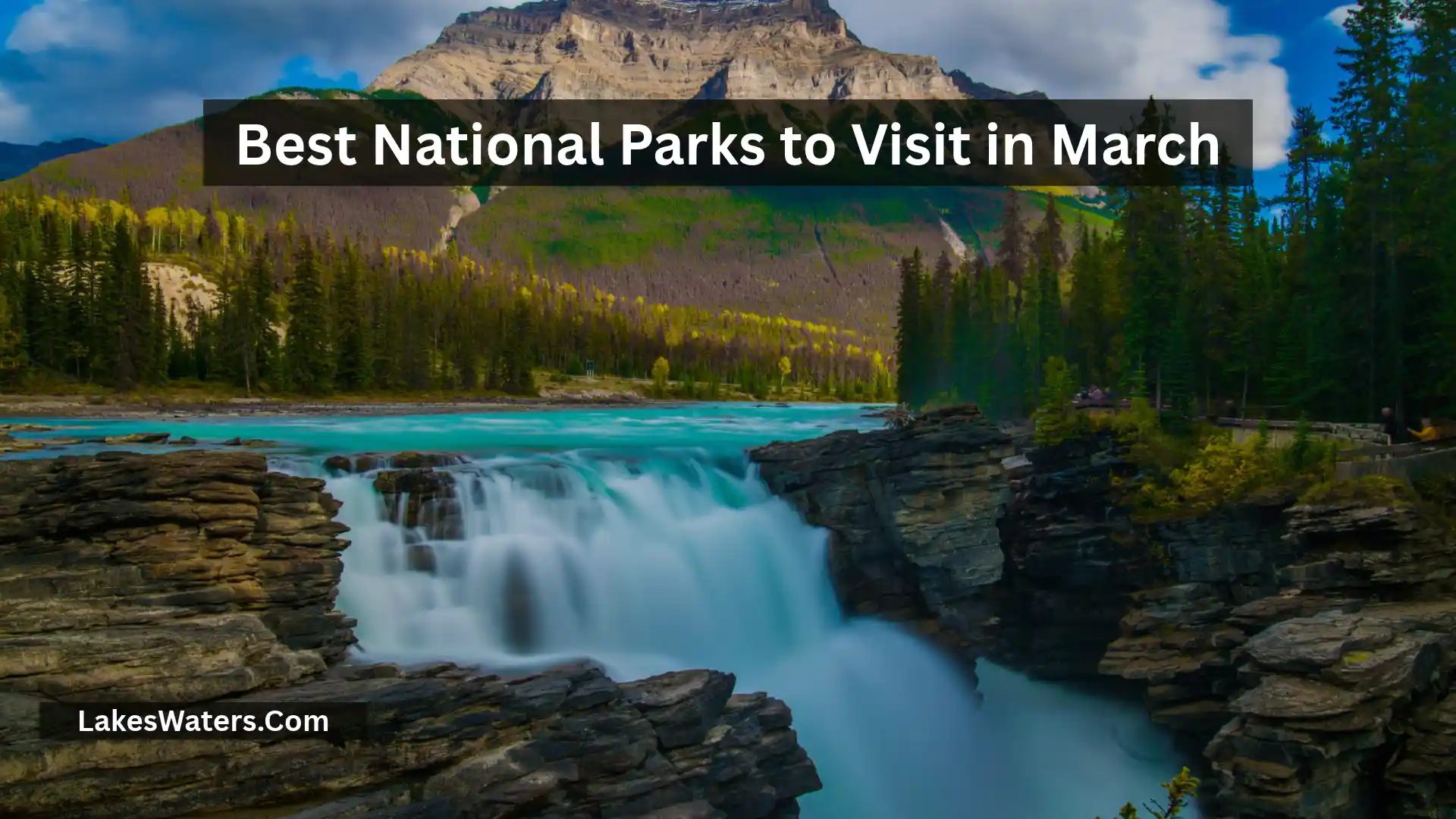
March is one of the most interesting months to explore America’s national parks. Winter is beginning to fade in many parts of the country, desert temperatures become more comfortable, spring wildflowers start appearing, and wildlife becomes more active. At the same time, some mountain destinations remain covered in snow, making the choice of destination especially important.
The best national parks to visit in March include Joshua Tree, Death Valley, Big Bend, Saguaro, Everglades, White Sands, Zion, and Grand Canyon. These parks offer different experiences, from warm desert hiking and spectacular rock formations to wildlife watching, spring scenery, and underground adventures.
If you’re planning a family vacation, a spring-break road trip, or a few days exploring nature, March offers plenty of exciting possibilities. The key is choosing a park that matches the weather, activities, and conditions you want.
Why March Is a Great Time to Visit National Parks
March marks the transition from winter to spring across much of the United States. This seasonal change creates excellent opportunities to explore destinations that can become extremely hot during summer or crowded during peak vacation periods.
Several national parks are particularly appealing during this month.
- Comfortable desert weather: Southern desert parks generally offer more pleasant daytime hiking conditions than during the summer.
- Spring wildflowers: Some desert landscapes begin producing colorful flowers, particularly after a rainy winter.
- Wildlife activity: Warmer conditions and seasonal migration create interesting wildlife-viewing opportunities.
- Longer daylight: Increasing daylight hours give visitors more time for sightseeing and outdoor activities.
- Different scenery: Snow-covered mountains, flowing rivers, green forests, and desert landscapes can all be experienced during March.
However, March is not automatically a quiet month. Spring-break vacations can make popular parks surprisingly busy, particularly in Arizona, Utah, and California.
Weather also changes considerably between regions. A desert park may have pleasant afternoons while a mountain park experiences freezing temperatures and snow.
Best National Parks to Visit in March
The following national parks offer some of the most rewarding experiences during March. Each destination has different advantages, so the best choice depends on whether you prefer warm weather, hiking, wildlife, scenic drives, or unusual natural landscapes.
Joshua Tree National Park, California
Best For: Desert Hiking, Rock Formations, Climbing, and Spring Wildflowers
Joshua Tree National Park is one of the best destinations for a March vacation, especially if you enjoy desert scenery and outdoor adventures. Located in Southern California, the park brings together two desert ecosystems and features unusual Joshua trees, enormous boulders, rugged mountains, and wide-open landscapes.
March offers comfortable conditions for many outdoor activities compared with the intense summer heat. Visitors can explore hiking trails, photograph unusual rock formations, enjoy scenic drives, and experience the park’s famous desert scenery.
Spring is also an interesting time for wildflowers. Depending on rainfall, visitors may see desert dandelions, brittlebush, desert globemallow, and other colorful plants. Flowering conditions vary from year to year, so a spectacular bloom should never be assumed.
Best Things to Do in March
- Explore the Hidden Valley Nature Trail.
- Visit the famous Skull Rock formation.
- Enjoy the scenery around Jumbo Rocks.
- Photograph the Cholla Cactus Garden.
- Try rock climbing in designated areas.
- Watch the sunset over the desert landscape.
- Enjoy stargazing away from developed areas.
Joshua Tree is also a popular destination for camping. However, campgrounds can fill during busy spring-break periods, so advance planning is useful.
Why Visit in March?
The weather generally makes March a better choice for longer outdoor activities than the hottest months of the year. You can explore the desert without dealing with the extreme daytime temperatures that often arrive later in spring and summer.
Death Valley National Park, California and Nevada
Best For: Desert Scenery, Scenic Drives, Salt Flats, and Wildflowers
Death Valley National Park is an excellent destination for travelers who want to experience one of America’s most unusual landscapes. Located across California and Nevada, the park features salt flats, sand dunes, colorful mountains, canyons, and vast desert valleys.
March is among the most attractive months to visit because spring brings warmer days before the extreme summer heat arrives.
One of the park’s most exciting seasonal attractions is its wildflower display. After sufficient winter rainfall, desert plants can produce colorful blooms across parts of the valley. Some years bring impressive displays, while other years have relatively limited flowering.
Badwater Basin is one of the park’s most recognizable attractions. Visitors can explore its enormous salt flats and experience the unusual landscape of the lowest point in North America.
Best Things to Do in March
- Walk across the salt flats at Badwater Basin.
- Visit the Mesquite Flat Sand Dunes.
- Explore the colorful scenery of Artist’s Palette.
- Enjoy the panoramic views from Zabriskie Point.
- Drive through Twenty Mule Team Canyon.
- Photograph spring wildflowers when conditions are favorable.
- Explore scenic desert viewpoints.
Why Visit in March?
March provides an excellent balance between comfortable daytime temperatures and opportunities for outdoor exploration. It is especially suitable for scenic drives, photography, and shorter hiking adventures.
Remember that Death Valley can still experience dangerous heat, even outside summer. Carry enough drinking water, avoid strenuous hikes during warm afternoons, and check road conditions before traveling.
Big Bend National Park, Texas
Best For: Hiking, Birdwatching, Mountain Scenery, and Stargazing
Big Bend National Park is one of the most rewarding destinations for a March trip, particularly for travelers who enjoy remote landscapes and outdoor adventures.
Located in West Texas along the Rio Grande, the park features desert valleys, rugged mountains, deep canyons, and impressive river scenery. Its variety of elevations creates different habitats and experiences within one national park.
March is an attractive time to explore Big Bend because spring conditions can bring relatively mild temperatures compared with the hot summer months.
Wildflowers are another seasonal highlight. Bluebonnets and other desert plants may bloom during February and March, with the overall display depending heavily on winter rainfall.
The park is also known for its bird diversity. Spring migration provides opportunities to observe different bird species, making it an appealing destination for birdwatchers.
Best Things to Do in March
- Hike the Santa Elena Canyon Trail.
- Explore the Chisos Mountains.
- Visit the scenic Ross Maxwell Scenic Drive.
- Enjoy views along the Rio Grande.
- Search for seasonal wildflowers.
- Watch for migrating birds.
- Experience the park’s dark night skies.
Why Visit in March?
March offers opportunities to combine hiking, wildlife observation, scenic driving, and stargazing in one trip. It is particularly attractive to travelers who want to explore a less developed and more remote natural environment.
Spring-break periods can bring increased visitor numbers, so camping and accommodation should be planned early.
Saguaro National Park, Arizona
Best For: Giant Cacti, Desert Hiking, Photography, and Spring Scenery
Saguaro National Park is a wonderful destination for travelers interested in Arizona’s Sonoran Desert. Located around Tucson, the park protects impressive stands of giant saguaro cacti, which are among the most recognizable symbols of the American Southwest.
The park has two separate districts: the Tucson Mountain District to the west and the Rincon Mountain District to the east. Both offer opportunities to experience desert scenery, but their landscapes and hiking options are different.
March is a particularly pleasant time to explore the park because temperatures are generally more comfortable than during summer.
Spring also brings seasonal plant activity. Visitors may notice colorful wildflowers, fresh desert growth, and different types of cactus vegetation.
Best Things to Do in March
- Drive the Cactus Forest Loop Drive.
- Explore the Valley View Overlook Trail.
- Visit scenic desert viewpoints.
- Photograph giant saguaro cacti.
- Enjoy short and moderate hiking trails.
- Look for birds and desert wildlife.
- Watch the sunset over the mountains.
Why Visit in March?
Saguaro offers a combination of pleasant hiking conditions, distinctive desert scenery, and convenient access from Tucson. It is a strong choice for families, photographers, and travelers looking for a shorter national park getaway.
Keep in mind that March can also be a busy visitation period, so arriving early is a good idea.
Everglades National Park, Florida
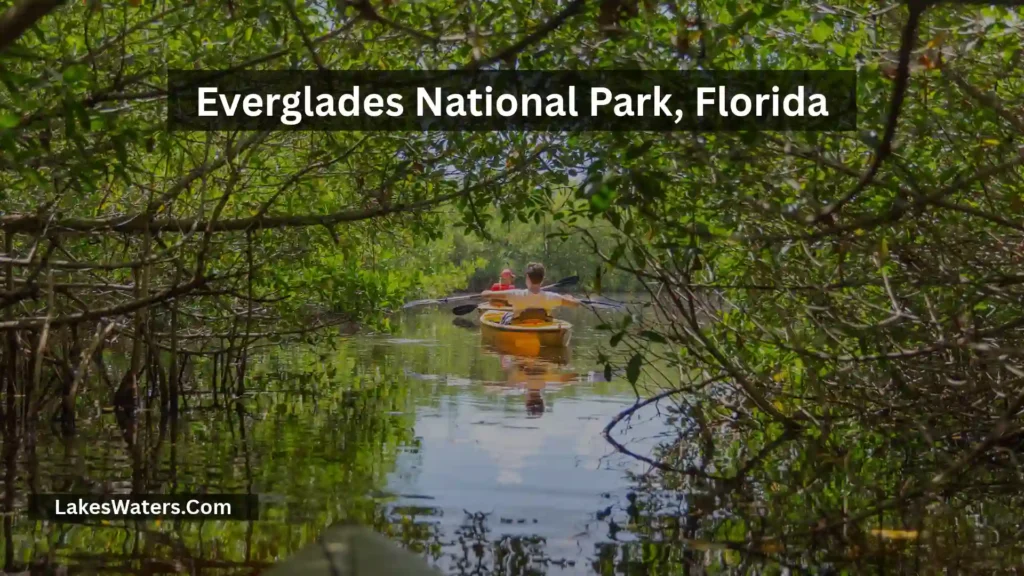
Best For: Wildlife Watching, Birdwatching, Wetlands, and Boating
Everglades National Park is one of the best national parks to visit in March if you prefer warm weather and wildlife experiences rather than desert hiking.
Located in southern Florida, the park protects an enormous wetland ecosystem filled with mangrove forests, freshwater marshes, sawgrass prairies, and coastal habitats.
March falls within the park’s dry season, which generally runs through the cooler months. These conditions can make outdoor exploration more comfortable than during the hotter, wetter summer period.
Wildlife is one of the biggest reasons to visit. Depending on location and conditions, visitors may spot American alligators, crocodiles, manatees, turtles, wading birds, and many other species.
Best Things to Do in March
- Walk along the Anhinga Trail.
- Explore the Shark Valley area.
- Take a scenic tram tour where available.
- Enjoy kayaking through designated waterways.
- Observe birds around freshwater habitats.
- Explore mangrove environments by boat.
- Photograph alligators from safe viewing areas.
Why Visit in March?
March is a good time to experience the Everglades before the hotter, more humid summer weather becomes dominant. It also offers excellent opportunities for birdwatching and exploring the park’s remarkable wetlands.
Always maintain a safe distance from wildlife, especially alligators and crocodiles. Never feed or approach wild animals.
White Sands National Park, New Mexico
Best For: Unique Landscapes, Photography, Sledding, and Scenic Walks
White Sands National Park is one of the most unusual destinations in the American Southwest. Located in southern New Mexico, it protects a massive field of white gypsum dunes that create a landscape unlike most other national parks.
March is an excellent time to visit because the weather is generally more suitable for outdoor activities than during the hottest part of the year.
The park’s white dunes provide opportunities for photography, hiking, scenic driving, and sand sledding. Visitors can enjoy the unusual feeling of walking across a bright white desert landscape.
Unlike ordinary sand dunes, these dunes are made primarily of gypsum crystals. Their distinctive color and texture make the park especially appealing to photographers.
Best Things to Do in March
- Explore the Dune Life Nature Trail.
- Walk through the white gypsum dunes.
- Try sand sledding on suitable slopes.
- Drive the scenic Dunes Drive.
- Photograph the landscape during sunrise or sunset.
- Enjoy the unusual desert scenery.
- Explore designated hiking routes.
Why Visit in March?
The comfortable seasonal conditions make it easier to spend time outside. The park is also a good option for families and travelers who want something different from traditional mountain and forest destinations.
Spring winds can become strong, so check weather conditions and protect your eyes and skin from blowing sand.
Zion National Park, Utah
Best For: Canyon Hiking, Scenic Views, Waterfalls, and Photography
Zion National Park is one of Utah’s most famous natural destinations. Its towering sandstone cliffs, narrow canyons, flowing rivers, and dramatic viewpoints make it an attractive place to explore throughout the year.
March brings the transition from winter to spring. Lower elevations can offer comfortable hiking conditions, while higher areas may still experience cold temperatures, snow, or icy trails.
The Virgin River and surrounding canyon scenery make Zion particularly attractive during this season. Water levels and seasonal conditions can change, so visitors should check trail and river safety information before planning activities.
Best Things to Do in March
- Explore the Riverside Walk.
- Visit the Emerald Pools area when trails are open.
- Hike the Watchman Trail when accessible.
- Enjoy the views along Zion Canyon Scenic Drive.
- Photograph the towering sandstone cliffs.
- Explore the Pa’rus Trail.
- Visit scenic viewpoints around the park.
Why Visit in March?
March offers the opportunity to experience Zion before the busiest summer travel period. However, spring-break crowds can be substantial, particularly around popular hiking routes and transportation facilities.
The Narrows and other water-based canyon activities may be affected by high water, flash-flood risks, or seasonal closures. Never assume a trail is open simply because the weather looks pleasant.
Grand Canyon National Park, Arizona
Best For: Scenic Viewpoints, Canyon Photography, and Hiking
Grand Canyon National Park is one of America’s most recognizable natural landmarks. Its enormous canyon, colorful rock layers, and impressive viewpoints attract visitors from around the world.
March can be a good time to visit the South Rim, especially for travelers who want to experience the canyon without the intense summer heat.
However, the Grand Canyon is a high-elevation destination, and March weather can be unpredictable. The South Rim may experience cold mornings, snow, icy surfaces, and occasional winter storms.
Visitors should also understand that the North Rim follows a different seasonal schedule and generally remains closed to regular visitor access during winter.
Best Things to Do in March
- Visit Mather Point.
- Enjoy the panoramic views at Yavapai Point.
- Walk sections of the Rim Trail.
- Explore the Grand Canyon Village area.
- Visit scenic viewpoints along Desert View Drive when open.
- Photograph the canyon at sunrise or sunset.
- Enjoy shorter hikes when trail conditions allow.
Why Visit in March?
March provides a different experience from the busy summer season. The changing light, occasional snow, and cooler temperatures can create beautiful canyon scenery.
It is important to prepare for winter-like conditions, especially if you intend to hike below the rim.
Arches National Park, Utah
Best For: Natural Rock Arches, Scenic Drives, and Desert Hiking
Arches National Park is famous for its extraordinary collection of natural sandstone arches. Located near Moab, Utah, the park features unusual rock formations, balanced rocks, sandstone fins, and dramatic desert scenery.
March is a good month for travelers who want to explore the park before summer temperatures become uncomfortable.
The cooler conditions make scenic driving and moderate hiking more appealing. However, mornings and evenings can still be cold, and snow or icy surfaces are possible.
Best Things to Do in March
- Visit the famous Delicate Arch viewpoint.
- Explore the Windows Section.
- See Double Arch.
- Walk around Balanced Rock.
- Drive through the park’s scenic landscapes.
- Explore the Devils Garden area when conditions permit.
- Photograph the sandstone formations.
Why Visit in March?
March provides a good opportunity to enjoy Arches without the extreme summer heat. Its compact layout also makes it possible to see several major attractions during a relatively short visit.
Spring-break traffic can increase entrance lines and parking pressure, so starting early is recommended.
Canyonlands National Park, Utah
Best For: Panoramic Views, Remote Landscapes, and Adventure Hiking
Canyonlands National Park offers some of the most dramatic scenery in Utah. The park features enormous canyons, deep river valleys, towering mesas, and unusual desert formations.
It is divided into four main districts: Island in the Sky, The Needles, The Maze, and the rivers themselves. Island in the Sky is generally the most accessible district for first-time visitors.
March is a good time to explore the lower-elevation desert landscapes before summer heat arrives.
Visitors can enjoy scenic viewpoints, hiking trails, and photography opportunities. Higher areas can still experience winter conditions, so preparation is important.
Best Things to Do in March
- Visit the famous Mesa Arch.
- Explore the Island in the Sky district.
- Enjoy views from Grand View Point.
- Visit the Green River Overlook.
- Explore the Needles district.
- Hike designated trails.
- Photograph the enormous canyon landscape.
Why Visit in March?
The cooler weather makes outdoor exploration more comfortable, particularly for visitors interested in hiking and scenic viewpoints.
However, some backcountry roads require high-clearance four-wheel-drive vehicles and experience. March conditions can make remote travel more challenging.
Congaree National Park, South Carolina
Best For: Forest Landscapes, Wildlife, Boardwalk Trails, and Paddling
Congaree National Park provides a completely different experience from the desert parks of the American Southwest. Located in South Carolina, it protects an extensive area of old-growth bottomland hardwood forest and wetland habitats.
March is an interesting month to visit because temperatures generally begin becoming milder while the landscape transitions toward spring.
The park’s famous Boardwalk Loop offers an accessible way to experience its forest environment. Visitors can walk through towering trees, observe wildlife, and enjoy the quiet atmosphere.
Water levels can affect hiking and paddling conditions, so checking recent rainfall and flood information is essential.
Best Things to Do in March
- Walk the Boardwalk Loop Trail.
- Explore the forest environment.
- Look for birds and other wildlife.
- Enjoy photography among the tall trees.
- Paddle designated waterways when conditions permit.
- Explore the visitor center area.
- Experience the park’s peaceful natural setting.
Why Visit in March?
March can provide a comfortable introduction to the park before summer heat and mosquitoes become more noticeable. It is especially suitable for visitors who enjoy forests, wetlands, and nature photography.
Pinnacles National Park, California
Best For: Spring Wildflowers, Hiking, Rock Formations, and Condor Watching
Pinnacles National Park is a beautiful destination for March travel, particularly for people interested in hiking and spring wildflowers.
Located in central California, the park protects dramatic volcanic rock formations, deep canyons, caves, and varied habitats. Its distinctive landscape provides excellent opportunities for outdoor exploration.
March is especially attractive because the rainy season begins giving way to spring conditions. Wildflowers can appear throughout the park, creating colorful scenery along selected trails.
The park is also known for California condors, one of the most impressive birds visitors may have an opportunity to observe in the wild.
Best Things to Do in March
- Explore the Bear Gulch area.
- Hike sections of the High Peaks Trail.
- Look for spring wildflowers.
- Explore designated cave routes when open.
- Photograph the unusual rock formations.
- Watch for California condors.
- Enjoy scenic hiking opportunities.
Why Visit in March?
The combination of seasonal flowers, comfortable hiking conditions, and dramatic rock formations makes Pinnacles a strong spring destination.
Some cave areas may close because of seasonal wildlife protection or other conditions, so check current access information before visiting.
Carlsbad Caverns National Park, New Mexico
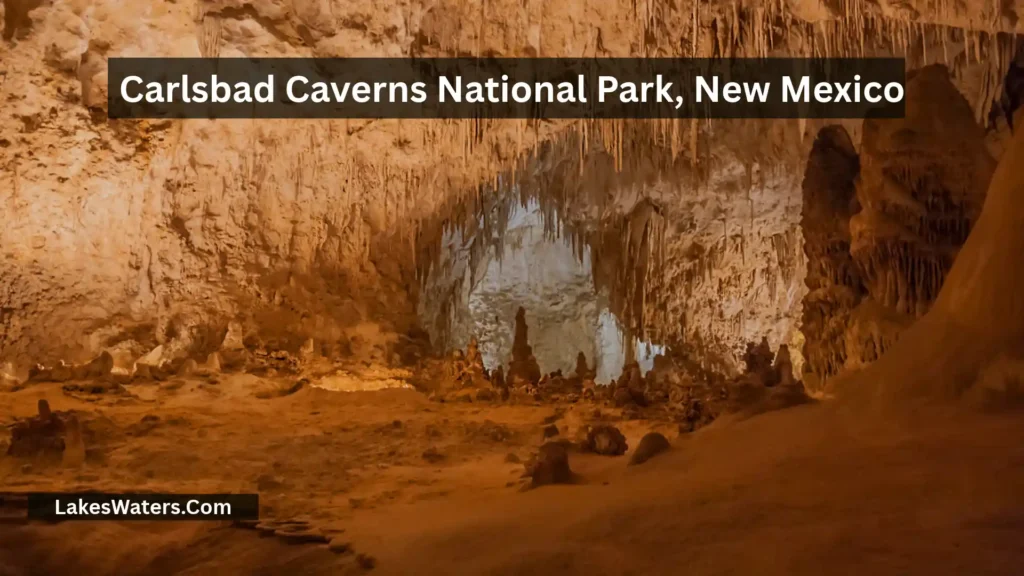
Best For: Underground Adventures, Cave Formations, and Unique Natural Attractions
Carlsbad Caverns National Park offers a different kind of national park experience. Instead of towering mountains or open desert trails, visitors can explore a remarkable underground cave system filled with impressive natural formations.
Located in southeastern New Mexico, the park is famous for its enormous underground chambers, stalactites, stalagmites, and other limestone formations.
March is a convenient time to include Carlsbad Caverns in a southern New Mexico or West Texas road trip.
The temperature underground remains relatively consistent throughout the year, so the main seasonal differences involve surface weather and travel conditions.
Best Things to Do in March
- Explore the Big Room.
- Walk the Natural Entrance Route when available.
- Observe the impressive underground formations.
- Join available ranger-led experiences.
- Explore the surrounding desert landscape.
- Learn about the park’s geology.
- Enjoy the park’s unique natural environment.
Why Visit in March?
Carlsbad Caverns is a particularly good choice for travelers who want an indoor-style natural attraction that is not heavily dependent on outdoor temperatures.
Visitors should check tour availability, entry requirements, and operating arrangements before traveling.
Guadalupe Mountains National Park, Texas
Best For: Mountain Hiking, Desert Scenery, and Remote Adventures
Guadalupe Mountains National Park is an excellent March destination for travelers who enjoy challenging hikes and peaceful natural surroundings.
Located in West Texas, the park protects part of the Guadalupe Mountain range, including Guadalupe Peak, the highest point in Texas.
The landscape combines rugged mountains, desert vegetation, canyons, and forested areas. This variety creates an interesting contrast with the surrounding Chihuahuan Desert.
March is a suitable time for many outdoor activities because temperatures are generally more comfortable than during the hotter months.
Best Things to Do in March
- Hike toward Guadalupe Peak.
- Explore McKittrick Canyon.
- Visit scenic mountain viewpoints.
- Photograph desert and mountain landscapes.
- Explore designated hiking trails.
- Enjoy wildlife observation.
- Experience the park’s quiet atmosphere.
Why Visit in March?
The cooler season creates good opportunities for hiking and exploring the mountains. It is especially appealing to visitors who want a less developed outdoor experience.
Weather can change quickly at higher elevations, and strong winds are possible. Bring appropriate clothing and check trail conditions before setting out.
Biscayne National Park, Florida
Best For: Snorkeling, Boating, Kayaking, and Marine Wildlife
Biscayne National Park is an excellent choice for travelers looking for a warm-weather national park experience in March.
Located south of Miami, Florida, the park protects a large marine environment containing islands, coral reefs, mangroves, and shallow coastal waters.
Unlike many other national parks, most of Biscayne is underwater. This makes it especially attractive to visitors interested in boating, snorkeling, and exploring marine ecosystems.
March generally falls within South Florida’s dry season, offering opportunities for outdoor activities and time on the water.
Best Things to Do in March
- Explore the park by boat.
- Enjoy snorkeling in permitted areas.
- Kayak through mangrove environments.
- Visit accessible islands.
- Observe marine wildlife.
- Learn about coral reef ecosystems.
- Enjoy coastal scenery.
Why Visit in March?
Biscayne offers an experience that is very different from traditional mountain and desert national parks. It is particularly suitable for families, water-sports enthusiasts, and travelers visiting the Miami area.
Water activities depend on weather, sea conditions, and available tours. Visitors should plan ahead rather than assuming every activity operates daily.
Best National Parks in March Based on Your Travel Style
Choosing the right park becomes easier when you consider the kind of experience you want.
| Travel Preference | Recommended National Park | Why It Is a Good Choice |
| Warm weather | Everglades National Park | South Florida’s dry-season conditions |
| Desert hiking | Joshua Tree National Park | Interesting trails and unusual rock formations |
| Wildflowers | Death Valley National Park | Seasonal desert blooms after favorable rainfall |
| Mountain scenery | Big Bend National Park | Chisos Mountains and desert landscapes |
| Giant cacti | Saguaro National Park | Impressive Sonoran Desert vegetation |
| Unique landscapes | White Sands National Park | White gypsum dunes |
| Canyon hiking | Zion National Park | Dramatic sandstone cliffs and trails |
| Famous viewpoints | Grand Canyon National Park | Extensive canyon panoramas |
| Natural arches | Arches National Park | Distinctive sandstone formations |
| Wildlife watching | Everglades National Park | Wetland wildlife and bird diversity |
| Spring flowers | Pinnacles National Park | Seasonal wildflower displays |
| Underground adventures | Carlsbad Caverns National Park | Extraordinary cave formations |
| Mountain adventures | Guadalupe Mountains National Park | Challenging hiking opportunities |
| Water activities | Biscayne National Park | Marine environments and boating |
| Forest scenery | Congaree National Park | Old-growth forest and boardwalk trails |
National Parks to Be Careful About Visiting in March
Not every national park is equally suitable for a March vacation. Some destinations remain in winter conditions, even when lower-elevation areas of the country are already experiencing spring.
Before planning a trip, consider the following parks.
Yellowstone National Park
Yellowstone can be beautiful in winter and early spring, but March is not ideal for visitors who want to explore the park using ordinary summer roads and facilities.
Many interior roads remain closed to regular vehicle traffic during this period. Snow, freezing temperatures, and limited services can affect travel plans.
Visitors interested in a winter experience may still enjoy the park, but a traditional sightseeing road trip is generally better planned for a later season.
Glacier National Park
Glacier National Park experiences significant snowfall, and many of its most famous roads and high-elevation hiking routes remain inaccessible in March.
Going-to-the-Sun Road is generally not fully open for regular vehicle travel until much later in the year.
March is more suitable for prepared winter visitors than travelers expecting a full summer-style park experience.
Rocky Mountain National Park
Rocky Mountain National Park can still experience substantial snow and freezing conditions in March.
Trail Ridge Road, one of its most famous scenic routes, is seasonally closed to regular through traffic during winter.
Some lower-elevation trails and winter activities may remain available, but visitors should prepare for snow, ice, and changing mountain weather.
Crater Lake National Park
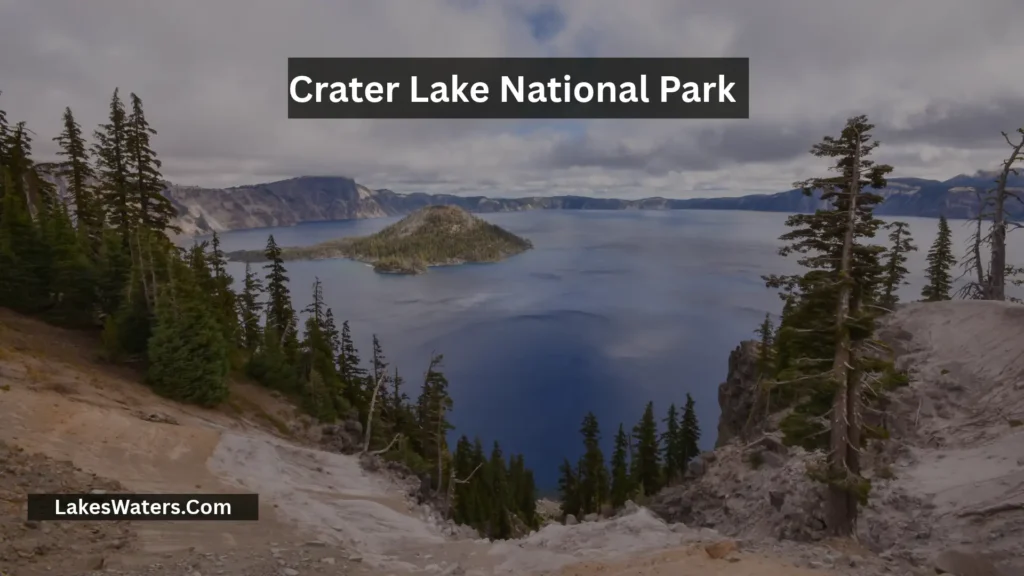
Crater Lake is particularly beautiful during winter, when snow covers the surrounding landscape.
However, March conditions can limit access to roads, viewpoints, and hiking areas. Rim Drive is generally closed to vehicles during winter.
Visitors should check current road conditions and available facilities before planning a trip.
Important: These parks are not necessarily bad destinations in March. They simply require different expectations and preparation compared with the warmer desert and southern parks.
How to Plan a National Park Vacation in March
A successful March national park trip requires a little more preparation than a summer vacation. Weather can change quickly, popular destinations may become busy during school holidays, and some roads or facilities may still operate on winter schedules.
The following tips can help you organize a more enjoyable trip.
Choose Your Destination According to Weather
Start by deciding what type of weather you prefer.
If you want warm temperatures, consider Everglades, Biscayne, Saguaro, or Big Bend. If you enjoy cooler hiking conditions, Joshua Tree, Zion, Arches, and Canyonlands may be better options.
Remember that temperatures can vary considerably within the same park, especially between valleys and higher elevations.
Plan Around Spring Break Crowds
March is a popular vacation month for families and students in the United States.
Some parks experience increased traffic around spring-break weeks, particularly destinations in Utah, Arizona, and California.
To make your visit easier:
- Consider traveling during weekdays.
- Start popular hikes early in the morning.
- Reserve accommodation ahead of time.
- Allow extra time for entrance stations and parking.
- Consider less crowded alternatives when popular destinations are busy.
Check Road and Trail Conditions
Winter weather can continue into March, especially in mountain regions.
Before leaving, check for:
- Seasonal road closures.
- Snow and ice on hiking trails.
- Temporary trail restrictions.
- Weather warnings.
- Shuttle and transportation schedules.
- Campground and visitor-center operating hours.
Never assume that a road or trail will be open simply because the calendar says spring.
Prepare for Changing Temperatures
Even warm-weather national parks can become cold after sunset.
Pack clothing that allows you to adjust to changing temperatures throughout the day.
A lightweight jacket, comfortable hiking shoes, sun protection, and a waterproof outer layer are useful for many March destinations.
Book Accommodation and Activities Early
Popular national parks can experience significant demand during spring break.
If you plan to camp, stay inside a park, or join guided activities, check availability well before your departure.
Some parks also have special entry, transportation, or activity arrangements that change from year to year.
What to Pack for a March National Park Trip
Your packing list should depend on the destination, elevation, weather forecast, and planned activities.
However, the following items are useful for many March national park vacations.
| Essential Item | Why You Need It |
| Comfortable hiking shoes | Provide support on different trail surfaces |
| Lightweight jacket | Useful during cool mornings and evenings |
| Waterproof jacket | Helps during unexpected rain |
| Reusable water bottle | Supports hydration during outdoor activities |
| Sunscreen | Protects against sun exposure |
| Sunglasses | Reduce glare during outdoor exploration |
| Hat | Provides protection from direct sunlight |
| Warm clothing layers | Useful in colder mountain environments |
| Small backpack | Carries food, water, and essentials |
| Navigation tools | Help with route planning and trail navigation |
| First-aid supplies | Useful for minor outdoor emergencies |
| Snacks | Provide energy during longer hikes |
For desert destinations, carry more water than you think you will need and understand the risks of hiking in hot or dry conditions.
For mountain parks, bring additional warm clothing and check whether snow equipment is necessary.
Frequently Asked Questions
What are the best national parks to visit in March?
Some of the best national parks to visit in March include Joshua Tree, Death Valley, Big Bend, Saguaro, Everglades, White Sands, Zion, and Grand Canyon. These destinations offer a variety of experiences, including comfortable hiking weather, desert scenery, wildlife viewing, and spring landscapes.
Which national parks have the warmest weather in March?
Everglades and Biscayne in Florida generally offer warm conditions in March. Saguaro in Arizona, Death Valley in California, and Big Bend in Texas are also attractive options for travelers looking for warmer outdoor destinations.
Is March a good month to visit national parks?
Yes, March can be an excellent month for national park travel. Many southern and desert parks offer comfortable outdoor conditions, seasonal wildflowers, and interesting wildlife opportunities. However, mountain parks may still experience winter weather and seasonal road closures.
Which national parks have wildflowers in March?
Joshua Tree, Death Valley, Big Bend, Saguaro, and Pinnacles can offer spring wildflowers in March. The amount and timing of flowering depend on rainfall, temperature, elevation, and local conditions.
Are national parks crowded in March?
Some national parks become busy during March because of spring-break vacations. Popular destinations such as Zion, Joshua Tree, Saguaro, and Big Bend can experience increased visitation. Traveling on weekdays and avoiding major school holiday periods can help reduce crowd-related problems.
Is Yellowstone National Park worth visiting in March?
Yellowstone can be worth visiting in March if you enjoy winter scenery, wildlife observation, and cold-weather activities. However, many interior roads remain closed to regular vehicle traffic, so visitors should not expect the same access available during summer.
What should I wear when visiting national parks in March?
Wear comfortable hiking shoes, layered clothing, and a jacket suitable for changing weather. Warm-weather parks may require lightweight clothing and sun protection, while mountain destinations may need insulated jackets, gloves, and other winter gear.
Which national parks are best for a March road trip?
Big Bend, Guadalupe Mountains, and Carlsbad Caverns make an interesting West Texas and New Mexico road-trip combination. Another option is exploring Zion, Arches, and Canyonlands in the Southwest. You should allow enough time for driving and check seasonal road conditions before departure.
Final Thoughts
March is a rewarding time to explore America’s national parks, especially if you choose destinations that match the changing seasons.
Joshua Tree, Death Valley, Big Bend, and Saguaro are excellent choices for desert adventures, while Everglades and Biscayne offer warm-weather wildlife and water experiences. Zion, Grand Canyon, Arches, and Canyonlands provide impressive scenery for travelers who enjoy hiking and exploring dramatic landscapes.
There is no single best national park for everyone. Your ideal destination depends on the weather you prefer, the activities you enjoy, and how much time you have available.
Plan ahead, prepare for changing conditions, and check seasonal access information before leaving. With the right destination, March can be an excellent month to experience some of America’s most beautiful natural places.

I am Sophia Bennett, an environmental storyteller who explores the fascinating world of lakes, freshwater habitats, and natural ecosystems.
I write to educate and inspire people about water conservation, biodiversity, and the importance of maintaining clean water resources.
I believe that understanding nature is the first step toward protecting it.
Books by Sophia Bennett:
- Whispers of the Freshwater World
- The Journey of Water: From Source to Sustainability