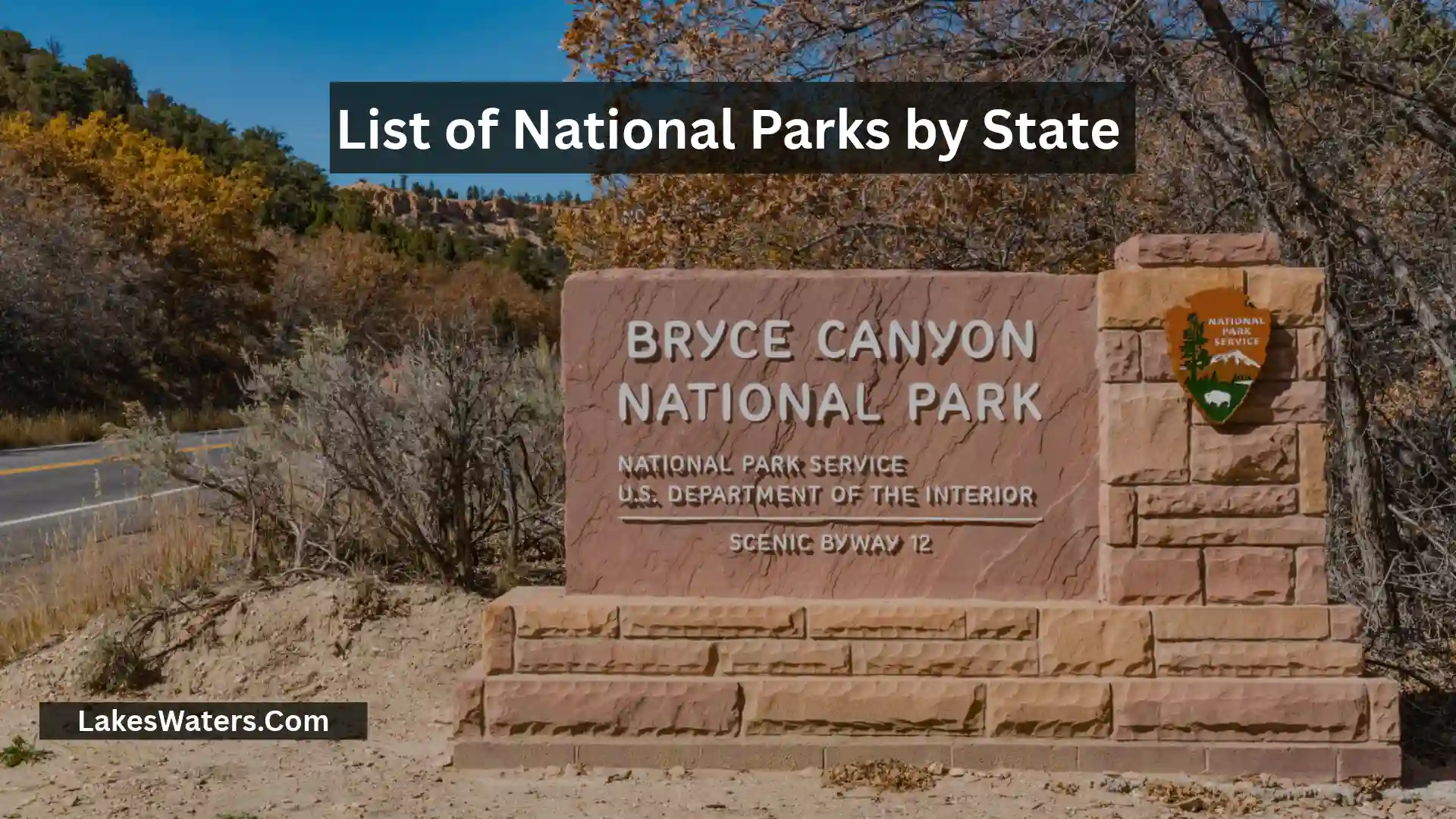
The United States has 64 officially designated national parks, spread across 30 states and two U.S. territories. California has the highest number, with nine parks, followed by Alaska with eight and Utah with five. Arizona now has four national parks following the designation of Chiricahua National Park in October 2026.
This list of national parks by state includes every officially designated national park, organized alphabetically to make it easier to find parks in a particular state. It also covers states without national parks, parks that cross state boundaries, and national parks located in U.S. territories.
If you’re planning a road trip, exploring America’s natural landscapes, or researching national parks for a project, this guide provides a complete state-by-state overview.
How Many National Parks Are in the United States?
There are 64 national parks in the United States as of November 2026. These parks protect some of the country’s most important natural landscapes, wildlife habitats, geological formations, and cultural resources.
The National Park Service manages these parks as part of a much larger system containing 434 individual units. However, not every NPS-managed location is officially called a national park.
For example, national monuments, national historic sites, national seashores, national battlefields, and national recreation areas are also part of the National Park System.
The number 64 refers specifically to locations carrying the official national park designation.
Chiricahua National Park in Arizona is the newest addition. It became a national park on October 20, 2026, after Congress redesignated the former Chiricahua National Monument.
List of National Parks by State
The following sections organize national parks alphabetically by state. States with no officially designated national parks are also included so readers can see the complete picture.
Alaska (8 National Parks)
Alaska has eight national parks, making it the second-leading state for national park numbers. Its protected landscapes include enormous glaciers, remote wilderness areas, mountain ranges, and wildlife habitats.
The eight national parks are:
- Denali National Park
- Gates of the Arctic National Park
- Glacier Bay National Park
- Katmai National Park
- Kenai Fjords National Park
- Kobuk Valley National Park
- Lake Clark National Park
- Wrangell-St. Elias National Park
These parks protect some of the largest and most remote wilderness areas in the country. Denali is known for its towering mountain landscapes, while Katmai is famous for its brown bears and salmon runs.
Alabama (0 National Parks)
Alabama does not have an officially designated national park. However, the state contains several federally protected historical and natural locations, including national military and battlefield sites.
Arizona (4 National Parks)
Arizona has four national parks, including the newly designated Chiricahua National Park. The state is particularly famous for its desert scenery, ancient geological formations, and colorful rock landscapes.
Its national parks are:
- Chiricahua National Park
- Grand Canyon National Park
- Petrified Forest National Park
- Saguaro National Park
Grand Canyon National Park is one of America’s most recognizable natural landmarks. Petrified Forest protects ancient fossilized trees, while Saguaro is known for its enormous desert cactus landscapes.
Chiricahua National Park protects a remarkable landscape of volcanic rock formations, towering stone pinnacles, and important cultural resources.
Arkansas (1 National Park)
Arkansas has one officially designated national park:
1. Hot Springs National Park
Hot Springs National Park is known for its historic bathhouses and naturally heated thermal water. Unlike many national parks centered on remote wilderness, this park includes a historic urban setting.
California (9 National Parks)
California has more national parks than any other state. Its nine parks protect diverse landscapes, including forests, deserts, mountains, islands, and dramatic coastal environments.
The parks are:
- Channel Islands National Park
- Death Valley National Park
- Joshua Tree National Park
- Kings Canyon National Park
- Lassen Volcanic National Park
- Pinnacles National Park
- Redwood National Park
- Sequoia National Park
- Yosemite National Park
Yosemite is famous for its granite cliffs, waterfalls, and spectacular mountain scenery. Sequoia and Kings Canyon protect enormous giant sequoia trees and rugged mountain landscapes.
Joshua Tree is known for its desert environment and distinctive trees, while Redwood protects some of the tallest trees on Earth.
Death Valley extends across California and Nevada, so it is counted in both states.
Colorado (4 National Parks)
Colorado has four national parks, offering a combination of mountain scenery, sand dunes, ancient settlements, and deep canyons.
The four parks are:
- Black Canyon of the Gunnison National Park
- Great Sand Dunes National Park
- Mesa Verde National Park
- Rocky Mountain National Park
Rocky Mountain National Park features alpine lakes, mountain peaks, and high-elevation hiking trails. Great Sand Dunes protects enormous sand dunes surrounded by mountain scenery.
Mesa Verde is particularly important for its archaeological sites and ancestral Puebloan cliff dwellings.
Connecticut (0 National Parks)
Connecticut does not have an officially designated national park. However, it has historic locations and other protected areas that offer opportunities to explore the state’s natural and cultural heritage.
Delaware (0 National Parks)
Delaware has no officially designated national park. Its protected areas include historic sites, wildlife refuges, and coastal recreation destinations.
Florida (3 National Parks)
Florida has three national parks, each protecting a different type of coastal or wetland environment.
They are:
- Biscayne National Park
- Dry Tortugas National Park
- Everglades National Park
Everglades National Park is famous for its wetlands, mangrove forests, and diverse wildlife. Biscayne protects coral reefs, islands, and marine environments.
Dry Tortugas is known for its remote island setting, clear waters, and historic Fort Jefferson.
Georgia (0 National Parks)
Georgia does not have an officially designated national park. However, the state contains several important federally protected locations, including national historic parks and battlefield sites.
Hawaii (2 National Parks)
Hawaii has two national parks that protect volcanic landscapes, tropical ecosystems, and unique natural environments.
They are:
- Haleakalā National Park
- Hawaiʻi Volcanoes National Park
Haleakalā is known for its enormous volcanic crater and high-elevation landscapes. Hawaiʻi Volcanoes protects active volcanic environments and provides opportunities to understand the geological processes that shape the Hawaiian Islands.
Idaho (1 National Park)
Idaho has one national park within its borders:
1. Yellowstone National Park
Yellowstone extends across Idaho, Montana, and Wyoming. It is famous for its geothermal features, geysers, hot springs, forests, and wildlife.
Although most of the park lies in Wyoming, its geographic boundaries also extend into Idaho and Montana.
Illinois (0 National Parks)
Illinois has no officially designated national park under the traditional state-by-state geographic listing used in this guide. The state does have other National Park Service sites and historic locations.
Indiana (1 National Park)
Indiana has one national park:
1. Indiana Dunes National Park
Indiana Dunes protects sandy beaches, coastal wetlands, dunes, forests, and other habitats along Lake Michigan. It is an important destination for nature lovers and outdoor recreation enthusiasts.
Iowa (0 National Parks)
Iowa does not have an officially designated national park. However, visitors can explore historic sites, national monuments, and other protected public lands in the state.
Kansas (0 National Parks)
Kansas has no officially designated national park. Its national historic sites and other federally protected locations preserve important parts of American history.
Kentucky (1 National Park)
Kentucky has one national park:
1. Mammoth Cave National Park
Mammoth Cave is famous for its extensive underground cave system. It protects an extraordinary network of passages, underground geological formations, and surrounding natural habitats.
Louisiana (0 National Parks)
Louisiana does not have an officially designated national park. However, it contains several nationally protected historic and cultural locations.
Maine (1 National Park)
Maine has one national park:
1. Acadia National Park
Acadia is known for its rocky coastline, forested mountains, ocean views, and scenic landscapes. It is one of the most popular destinations in the northeastern United States.
Maryland (0 National Parks)
Maryland does not have an officially designated national park. However, the state has several National Park Service locations, including historic parks and battlefield sites.
Massachusetts (0 National Parks)
Massachusetts has no officially designated national park. The state does contain numerous national historic parks and other nationally protected cultural locations.
Michigan (1 National Park)
Michigan has one national park:
1. Isle Royale National Park
Isle Royale is an island wilderness in Lake Superior. It is known for its forests, rocky shorelines, freshwater environments, and wildlife.
Its remote location makes it different from many mainland national parks.
Minnesota (1 National Park)
Minnesota has one national park:
1. Voyageurs National Park
Voyageurs protects a landscape of interconnected lakes, forests, islands, and waterways. Boating, fishing, camping, and wildlife observation are among the activities associated with the park.
Mississippi (0 National Parks)
Mississippi does not have an officially designated national park. However, it has important national battlefield, military, and historical locations.
Missouri (1 National Park)
Missouri has one national park:
1. Gateway Arch National Park
Gateway Arch National Park is located in St. Louis and is famous for its enormous stainless-steel arch. The park commemorates westward expansion in American history.
Montana (2 National Parks)
Montana has two national parks, including one shared with neighboring states.
They are:
- Glacier National Park
- Yellowstone National Park
Glacier National Park is known for its mountain scenery, alpine lakes, forests, and rugged landscapes. Yellowstone also extends into Montana and Idaho, although most of its land lies in Wyoming.
Nebraska (0 National Parks)
Nebraska does not have an officially designated national park. However, it contains other protected federal sites and historic locations.
Nevada (2 National Parks)
Nevada has two national parks:
- Death Valley National Park
- Great Basin National Park
Death Valley is shared with California and is famous for its desert landscapes, salt flats, and extreme temperatures.
Great Basin National Park protects mountain scenery, ancient bristlecone pine trees, caves, and high-elevation environments.
New Hampshire (0 National Parks)
New Hampshire does not have an officially designated national park. However, its mountains, forests, and protected recreational areas offer plenty of outdoor opportunities.
New Jersey (0 National Parks)
New Jersey has no officially designated national park. The state does contain several National Park Service locations, including historic and recreational areas.
New Mexico (2 National Parks)
New Mexico has two national parks:
- Carlsbad Caverns National Park
- White Sands National Park
Carlsbad Caverns is famous for its enormous underground cave chambers and remarkable geological formations.
White Sands protects a vast landscape of white gypsum sand dunes, creating a distinctive desert environment.
New York (0 National Parks)
New York does not have an officially designated national park. However, it contains important national historic sites, recreation areas, and other federally protected destinations.
North Carolina (1 National Park)
North Carolina has one national park:
1. Great Smoky Mountains National Park
Great Smoky Mountains National Park is shared with Tennessee. It is famous for its forested mountains, biodiversity, scenic valleys, and mist-covered landscapes.
North Dakota (1 National Park)
North Dakota has one national park:
1. Theodore Roosevelt National Park
The park protects rugged badlands, open grasslands, and wildlife habitats. It is particularly associated with bison, prairie landscapes, and the history of President Theodore Roosevelt.
Ohio (1 National Park)
Ohio has one national park:
1. Cuyahoga Valley National Park
Cuyahoga Valley protects forests, rivers, waterfalls, and scenic natural areas between the cities of Cleveland and Akron.
Oklahoma (0 National Parks)
Oklahoma does not have an officially designated national park. However, it has national historic sites and other protected public lands.
Oregon (1 National Park)
Oregon has one national park:
1. Crater Lake National Park
Crater Lake is famous for its deep blue water and volcanic origins. The lake formed within the remains of an ancient collapsed volcano and is surrounded by dramatic mountain scenery.
Pennsylvania (0 National Parks)
Pennsylvania does not have an officially designated national park. However, the state has several important National Park Service historic locations, including Gettysburg National Military Park.
Rhode Island (0 National Parks)
Rhode Island has no officially designated national park. It does have a number of nationally protected historic and cultural areas.
South Carolina (1 National Park)
South Carolina has one national park:
1. Congaree National Park
Congaree protects an extensive floodplain forest with impressive trees, waterways, and diverse wildlife. It is especially known for its old-growth bottomland hardwood forest.
South Dakota (2 National Parks)
South Dakota has two national parks:
- Badlands National Park
- Wind Cave National Park
Badlands National Park features colorful rock formations, eroded landscapes, and fossil-rich geological areas.
Wind Cave National Park is famous for its underground cave system and prairie ecosystems. It also protects wildlife such as bison and prairie dogs.
Tennessee (1 National Park)
Tennessee has one national park:
1. Great Smoky Mountains National Park
This park is shared with North Carolina. Its forests, mountain streams, historic settlements, and wildlife make it one of the most recognizable natural destinations in the eastern United States.
Texas (2 National Parks)
Texas has two national parks:
- Big Bend National Park
- Guadalupe Mountains National Park
Big Bend protects desert landscapes, mountain environments, and sections of the Rio Grande. It is known for its remote setting and dramatic scenery.
Guadalupe Mountains National Park protects rugged mountain terrain, desert habitats, and the highest natural point in Texas.
Utah (5 National Parks)
Utah has five national parks, making it one of the most important states for national park travel.
The five parks are:
- Arches National Park
- Bryce Canyon National Park
- Canyonlands National Park
- Capitol Reef National Park
- Zion National Park
These parks are often called the Mighty Five because of their distinctive red-rock landscapes and geological features.
Arches is known for its natural stone arches, Bryce Canyon for its hoodoos, and Zion for its enormous sandstone cliffs and canyon landscapes.
Vermont (0 National Parks)
Vermont does not have an officially designated national park. It is known for its mountains, forests, rural scenery, and state-protected natural areas.
Virginia (1 National Park)
Virginia has one national park:
1. Shenandoah National Park
Shenandoah protects a long stretch of the Blue Ridge Mountains. It is famous for scenic mountain views, forests, waterfalls, and hiking trails.
Washington (3 National Parks)
Washington has three national parks:
- Mount Rainier National Park
- North Cascades National Park
- Olympic National Park
Mount Rainier is known for its massive volcanic mountain and glaciers. North Cascades protects rugged peaks, alpine lakes, and extensive wilderness.
Olympic National Park is particularly diverse, with temperate rainforests, mountain environments, and Pacific coastline.
West Virginia (1 National Park)
West Virginia has one national park:
1. New River Gorge National Park and Preserve
The park protects a dramatic river gorge, forested landscapes, and outdoor recreation areas. It is particularly popular for whitewater rafting, rock climbing, and hiking.
Wisconsin (0 National Parks)
Wisconsin does not have an officially designated national park. However, it has other federally protected natural and recreational areas, including national lakeshore and national scenic trail locations.
Wyoming (2 National Parks)
Wyoming has two national parks:
- Grand Teton National Park
- Yellowstone National Park
Grand Teton is famous for its dramatic mountain peaks, alpine lakes, and wildlife. Yellowstone is shared with Idaho and Montana and protects geothermal features, forests, rivers, and wildlife habitats.
States With the Most National Parks
Some states have considerably more national parks than others. The number of parks depends on their geographic location, natural resources, and the areas Congress has officially designated for national park protection.
The leading states include:
| State | Number of National Parks |
| California | 9 |
| Alaska | 8 |
| Utah | 5 |
| Arizona | 4 |
| Colorado | 4 |
| Florida | 3 |
| Washington | 3 |
| Hawaii | 2 |
| Montana | 2 |
| Nevada | 2 |
| New Mexico | 2 |
| South Dakota | 2 |
| Texas | 2 |
| Wyoming | 2 |
California leads the country with nine national parks. Alaska follows with eight, while Utah ranks third with five.
These figures count national parks that extend into multiple states under each state they occupy. Therefore, state totals do not simply add up to the number of unique national parks.
States Without National Parks
Not every state has an officially designated national park. As of November 2026, 20 states do not have a national park within their boundaries under the official national park designation.
These states are:
- Alabama
- Connecticut
- Delaware
- Georgia
- Illinois
- Iowa
- Kansas
- Louisiana
- Maryland
- Massachusetts
- Mississippi
- Nebraska
- New Hampshire
- New Jersey
- New York
- Oklahoma
- Pennsylvania
- Rhode Island
- Vermont
- Wisconsin
Having no national park does not mean a state lacks protected natural areas or federally recognized destinations.
For example, Pennsylvania has Gettysburg National Military Park, Georgia has national historic sites, and Wisconsin has Apostle Islands National Lakeshore.
These places are part of the broader National Park System or other protected public-land networks, but they do not carry the official national park designation.
National Parks That Cross State Borders
Some national parks extend across more than one state. This means they appear in the state-by-state list under every state they occupy.
There are three particularly important examples:
| National Park | States |
| Death Valley National Park | California and Nevada |
| Great Smoky Mountains National Park | North Carolina and Tennessee |
| Yellowstone National Park | Idaho, Montana, and Wyoming |
These shared locations explain why adding every state’s national park count produces a higher number than the total number of unique parks.
For example, Yellowstone is one national park, not three separate parks. It appears under three states because its boundaries extend across all three.
Understanding this distinction makes state-by-state comparisons more accurate.
National Parks in U.S. Territories
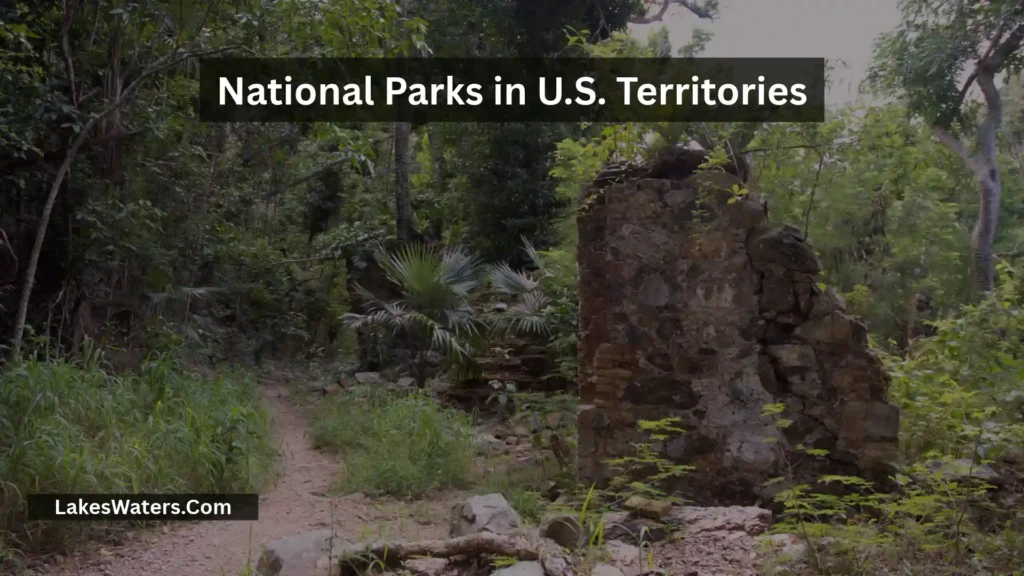
The United States also has national parks outside the 50 states. Two U.S. territories have officially designated national parks.
National Park of American Samoa
The National Park of American Samoa protects tropical forests, coral reefs, coastal environments, and important cultural landscapes in the South Pacific.
It is known for its tropical biodiversity and connection to Samoan culture.
Virgin Islands National Park
Virgin Islands National Park is located on the island of St. John in the U.S. Virgin Islands.
The park protects beaches, coral reefs, tropical forests, and historic cultural sites. Its coastal scenery and marine environments make it a distinctive destination within the U.S. national park system.
These two territorial parks are included in the national total of 64 but are not counted as parks in any of the 50 states.
National Parks vs. National Park Service Sites
The terms national park and National Park Service site are often used interchangeably, but they do not mean the same thing.
The National Park Service manages 434 individual units, and these units have different official designations.
Examples include:
| Type | What It Protects |
| National Park | Important natural landscapes and resources |
| National Monument | Significant natural, cultural, historic, or scientific resources |
| National Historic Site | Important historical locations |
| National Historical Park | Larger areas associated with significant historical events or themes |
| National Seashore | Important coastal landscapes and environments |
| National Recreation Area | Areas managed for outdoor recreation and conservation |
| National Battlefield | Sites associated with important military events |
For example, Gettysburg National Military Park in Pennsylvania is an important National Park Service destination, but it is not officially designated as a national park.
Similarly, Apostle Islands National Lakeshore in Wisconsin is a protected federal destination, but it is not one of the 64 national parks.
This distinction is especially important when researching national parks by state because a state may have many NPS locations without having an officially designated national park.
Frequently Asked Questions
How many national parks are in the United States?
There are 64 officially designated national parks in the United States as of November 2026. They are located across 30 states and two U.S. territories.
Which state has the most national parks?
California has the most national parks, with nine officially designated parks. Alaska comes second with eight, followed by Utah with five.
Which state has eight national parks?
Alaska has eight national parks. These include Denali, Glacier Bay, Katmai, Kenai Fjords, and Wrangell-St. Elias.
How many states have national parks?
Thirty of the 50 U.S. states have at least one officially designated national park. The remaining 20 states do not have a national park under this designation.
Which states have no national parks?
The 20 states without officially designated national parks include Alabama, Georgia, Illinois, Kansas, New York, Pennsylvania, and Wisconsin, among others.
What is the newest national park in the United States?
Chiricahua National Park in Arizona is the newest U.S. national park. It received its national park designation on October 20, 2026, after previously being protected as Chiricahua National Monument.
Are Yellowstone and Death Valley in more than one state?
Yes. Yellowstone extends across Idaho, Montana, and Wyoming, while Death Valley extends across California and Nevada. Great Smoky Mountains National Park also crosses the North Carolina and Tennessee border.
Are national monuments the same as national parks?
No. National monuments and national parks are different official designations. Both can be managed by the National Park Service, but they are not counted together when calculating the number of officially designated national parks.
Final Thoughts
The United States has 64 officially designated national parks, offering an extraordinary range of natural landscapes and cultural experiences. California and Alaska lead in park numbers, while Utah, Arizona, Colorado, and other states also provide excellent opportunities to explore protected natural areas.
This state-by-state list makes it easier to identify national parks throughout the country, understand which states have the most parks, and discover destinations that may be worth adding to a future trip.
Remember that national parks are only one part of the larger National Park System. States without national parks can still have remarkable national monuments, historic sites, seashores, and other protected destinations.

I am Ethan Reynolds, a nature researcher and writer focused on freshwater environments, aquatic ecosystems, and sustainable water solutions.
I enjoy sharing knowledge about lakes, rivers, wetlands, and the challenges facing global water resources.
My goal is to help readers understand the value of water and encourage responsible actions to protect it.
Books by Ethan Reynolds:
- Lakes and Landscapes: Stories from Nature
- Protecting Water for Future Generations