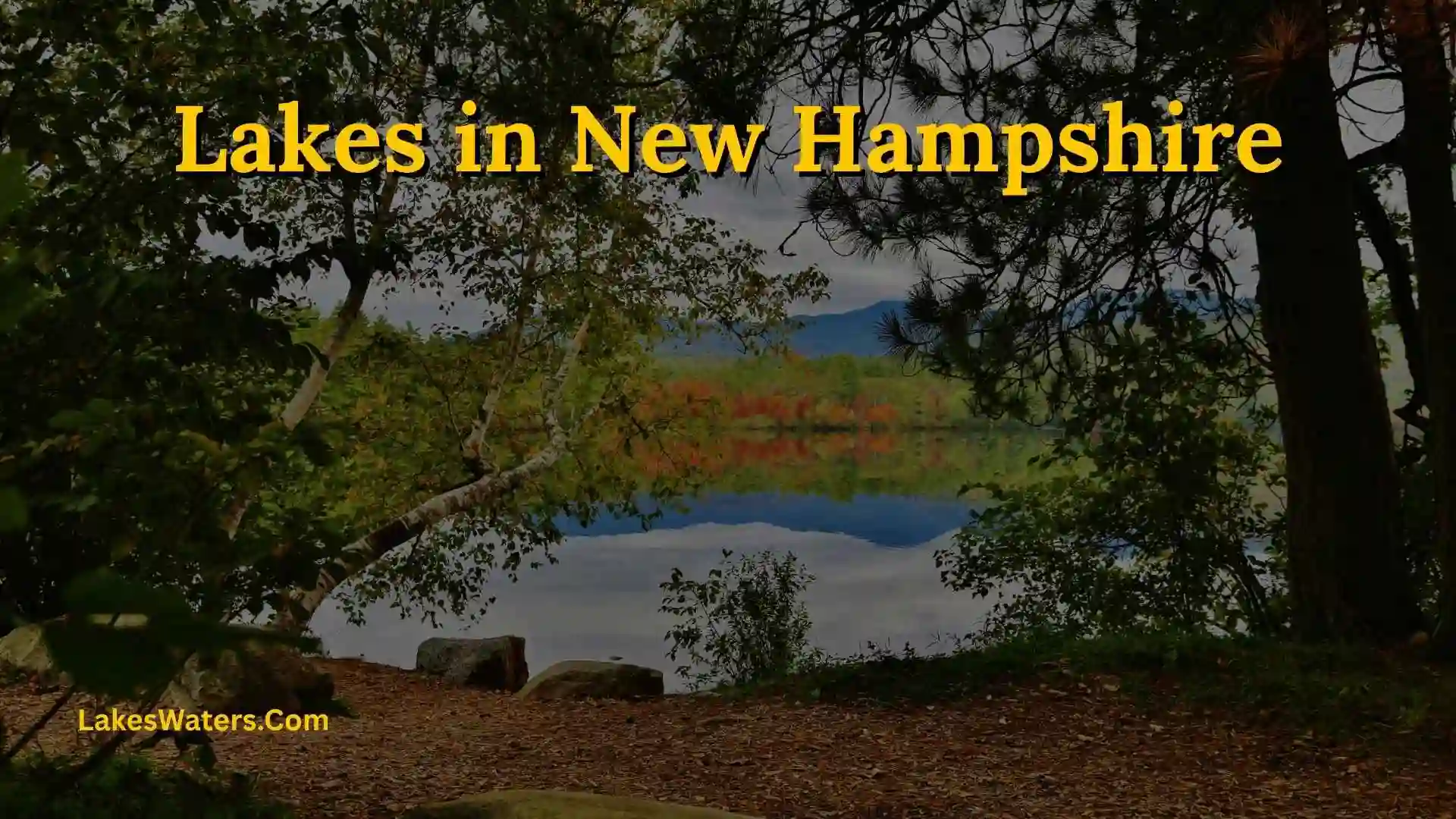
New Hampshire is known for its forested mountains, charming towns, covered bridges, and beautiful freshwater lakes. From the expansive waters of Lake Winnipesaukee to the quiet wilderness around Umbagog Lake, the state offers places for swimming, kayaking, fishing, camping, wildlife watching, and peaceful lakeside getaways.
The best lake for you depends on what you want to do. Families may prefer a lake with a managed beach and nearby facilities, while anglers may look for deeper water and productive fishing areas. Hikers and photographers may want mountain views, quiet shorelines, or access to nearby trails.
This guide explores some of the most appealing lakes in New Hampshire, explains what makes each one different, and provides practical advice for choosing a lake, planning a visit, and avoiding common mistakes.
Why New Hampshire Has So Many Beautiful Lakes
New Hampshire’s lakes were shaped largely by glaciers, which moved across the region during the last Ice Age. As the ice advanced and retreated, it carved basins, deepened valleys, and left behind depressions that later filled with water.
Some lakes are large and open, while others are small ponds surrounded by forests or mountains. Their landscapes vary according to location:
- The Lakes Region has large recreational lakes, marinas, beaches, and vacation communities.
- The White Mountains offer lakes with mountain scenery, forests, and access to hiking routes.
- The Dartmouth–Lake Sunapee region combines peaceful water, historic towns, and outdoor recreation.
- The Great North Woods provides remote lakes, wildlife habitat, fishing, and wilderness-style camping.
- Southern New Hampshire has smaller lakes and ponds that are often convenient for short day trips.
New Hampshire has more than 900 lakes and other freshwater bodies, although the exact total depends on how lakes, ponds, and small water bodies are counted. Official public-water records and state mapping resources use specific definitions rather than one universal number.
Best Lakes in New Hampshire
The following lakes offer different experiences. Some are ideal for first-time visitors and families, while others are better suited to fishing, paddling, photography, or quiet outdoor trips.
Lake Winnipesaukee
Best for: First-time visitors, boating, family vacations, scenic drives, and a wide range of activities
Lake Winnipesaukee is the largest lake in New Hampshire and one of the state’s best-known vacation destinations. Its broad water surface, many islands, wooded shorelines, and surrounding mountains make it a popular choice for visitors who want several types of recreation in one area.
The lake is surrounded by communities such as Meredith, Wolfeboro, Alton, Gilford, Laconia, and Moultonborough. Each town provides a different atmosphere, from lively waterfront areas and restaurants to quieter residential shorelines.
Popular activities include:
- Boating and sailing
- Kayaking and paddleboarding
- Fishing
- Scenic cruises
- Lakeside dining
- Photography
- Visiting nearby beaches and parks
- Exploring waterfront towns
Lake Winnipesaukee is large enough that conditions can vary considerably from one part of the lake to another. Wind may create choppy water in open areas, while protected coves can be calmer for paddling. Visitors bringing a boat should understand local navigation rules, watch weather conditions, and respect marked swimming areas.
The lake is also associated with several important fish species, including landlocked salmon and lake trout. New Hampshire Fish and Game identifies Lake Winnipesaukee among the state’s major lakes managed for landlocked salmon.
What to know before visiting: Lake Winnipesaukee has many public and private waterfront areas, but not every shoreline is open to the public. Check the rules for the specific beach, boat launch, park, or town facility you plan to use.
Squam Lake
Best for: Quiet scenery, wildlife watching, kayaking, photography, and a less commercial atmosphere
Squam Lake is located near Holderness, Ashland, and surrounding communities in the Lakes Region. Compared with Lake Winnipesaukee, it often feels more peaceful and less developed, making it attractive to visitors who prefer natural scenery and a slower pace.
The lake is known for:
- Forested shorelines
- Small islands
- Calm coves
- Loons and other waterbirds
- Kayaking and canoeing
- Wildlife photography
- Scenic boat tours
Squam Lake also became widely recognized after appearing in the film On Golden Pond. Its quiet water, wooded setting, and traditional New England landscape helped make it an especially memorable filming location.
The lake is large enough for boating but still offers secluded-looking areas where visitors can enjoy the surrounding landscape. Paddlers should plan their route carefully, especially when crossing open water or traveling in windy conditions.
What to know before visiting: Access points, boat launches, and waterfront facilities may have specific rules or limited parking. Do not assume that a scenic shoreline or private dock is available for public use.
Lake Sunapee
Best for: Swimming, mountain views, boating, village visits, and a balanced family getaway
Lake Sunapee sits in western New Hampshire near the towns of Newbury, Sunapee, and New London. Mount Sunapee rises nearby, giving the lake a scenic mountain backdrop, especially when viewed from the eastern and southern shorelines.
Visitors come to Lake Sunapee for:
- Swimming
- Boating
- Kayaking
- Fishing
- Lakeside walks
- Scenic drives
- Mountain recreation
- Visiting nearby towns
Mount Sunapee State Park provides access to a managed beach area and recreation facilities. The park’s operating dates, staffing, fees, and services can change by season, so visitors should check the official state park page before traveling.
Lake Sunapee is also known for its connection to landlocked salmon management and other freshwater fishing opportunities. Anglers should review current New Hampshire fishing regulations, seasonal dates, licensing requirements, and species-specific limits before fishing.
What to know before visiting: Summer weekends can be busy, particularly near popular beaches and waterfront communities. Arriving early and confirming beach access in advance can make the visit easier.
Newfound Lake
Best for: Clear water, swimming, kayaking, family recreation, and scenic shoreline exploration
Newfound Lake is located in the central part of the state near Bristol, Bridgewater, and Hebron. It is known for its clear water, glacial origin, mountain scenery, and attractive shoreline.
The lake is approximately seven miles long and is fed by several springs. Its setting makes it appealing for swimming, paddling, fishing, photography, and relaxed family outings. Visit New Hampshire describes Newfound Lake as a glacial lake with clear water and a variety of recreation opportunities.
Activities around Newfound Lake include:
- Swimming at approved beaches
- Canoeing and kayaking
- Fishing
- Picnicking
- Hiking nearby
- Wildlife observation
- Exploring local communities
One nearby attraction is Sculptured Rocks Natural Area, where visitors can see unusual rock formations shaped by flowing water and geological processes. The Newfound Audubon Center at Paradise Point is another place associated with natural shoreline and wildlife experiences.
What to know before visiting: Water clarity does not mean every location is shallow or suitable for inexperienced swimmers. Use designated swimming areas when available, supervise children closely, and wear appropriate flotation equipment while boating.
Lake Winnisquam
Best for: Boating, fishing, family recreation, and access to the wider Lakes Region
Lake Winnisquam is near Laconia, Sanbornton, and Belmont. It is one of the larger lakes in the state and provides a convenient base for visitors who want access to several Lakes Region communities without staying directly on Lake Winnipesaukee.
The lake is suitable for:
- Motorboating
- Sailing
- Kayaking
- Fishing
- Lakeside relaxation
- Scenic drives
- Exploring nearby towns
Lake Winnisquam is also included among the New Hampshire waters managed for landlocked salmon.
Because the lake supports different types of boating, visitors should remain alert to wakes, marked channels, swimmers, and smaller paddlecraft. Kayakers and paddleboarders should wear personal flotation devices and avoid crossing busy open-water routes unnecessarily.
What to know before visiting: Public access is not the same as unrestricted access to every part of the shoreline. Confirm the location of a legal boat launch, public beach, or day-use area before arriving.
Lake Chocorua
Best for: Mountain photography, peaceful scenery, hiking, and classic New Hampshire landscapes
Lake Chocorua is one of the most recognizable scenic lakes in New Hampshire. Mount Chocorua rises behind the lake, creating a dramatic view that is especially attractive to photographers and hikers.
The lake is not as heavily associated with large-scale boating or resort activity as some of the bigger Lakes Region waters. Its appeal comes mainly from:
- Mountain views
- Forested shoreline
- Photography
- Quiet outdoor recreation
- Nearby hiking opportunities
- Autumn foliage
The combination of the lake and Mount Chocorua is particularly striking during fall, when the surrounding forests turn shades of red, orange, and yellow.
What to know before visiting: Not every attractive viewpoint provides legal parking or public shoreline access. Use designated parking areas, respect private property, and avoid stopping on narrow roads or shoulders.
Umbagog Lake
Best for: Wilderness-style camping, fishing, wildlife watching, canoeing, and remote outdoor experiences
Umbagog Lake is located in northern New Hampshire near Errol and Cambridge. It offers a different experience from the more developed lakes in the southern and central parts of the state.
The lake is surrounded by forests, wetlands, remote campsites, and wildlife habitat. Visitors may see loons, deer, moose, waterfowl, and other species, although wildlife sightings are never guaranteed.
Umbagog Lake State Park offers:
- A swimming area
- Fishing opportunities
- Boating
- Canoe and kayak rentals
- A boat launch
- Base-camp camping
- Remote campsites
- Cabins
- Wildlife viewing
Some remote campsites and cabins are accessible only by boat, which makes the lake especially appealing to visitors seeking a more secluded trip. The park also states that outside firewood is prohibited and that firewood must be purchased at the park store.
What to know before visiting: Remote camping requires more preparation than a standard campground. Bring suitable navigation equipment, confirm how you will reach your site, check weather conditions, and plan for limited services.
White Lake
Best for: Families, swimming, camping, short nature walks, and a managed beach experience
White Lake is located in Tamworth near the White Mountains. White Lake State Park provides a managed recreation area with a beach, picnic facilities, camping, boat rentals, and a maintained path around the lake.
The park is known for:
- Swimming
- Family picnics
- Trout fishing
- Canoeing and kayaking
- Paddleboat and rowboat rentals
- Camping
- Wildlife watching
- Walking along the lake
The lake is glacial in origin, and the park’s wooded setting includes a notable pitch pine area. The official park information notes that the beach can reach capacity on pleasant weekends and holidays, sometimes early in the day. Reservations are encouraged because parking is limited.
What to know before visiting: A lifeguard may not always be present. Children should be supervised closely, and visitors should not assume that the beach will remain open after reaching capacity.
Lake Francis
Best for: Northern New Hampshire recreation, fishing, boating, and quiet lakeside trips
Lake Francis is located in the Great North Woods near Pittsburg. It is a large northern lake with a more remote atmosphere than many popular southern New Hampshire destinations.
Visitors may enjoy:
- Fishing
- Canoeing
- Kayaking
- Motorboating
- Wildlife watching
- Scenic drives
- Camping in the surrounding region
The area around Lake Francis is known for forests, long-distance outdoor recreation, and access to other northern lakes and trails. It can be a good choice for travelers who want to explore several outdoor destinations rather than spend the entire trip in a busy resort town.
Lake Francis is also among the water bodies managed by New Hampshire Fish and Game for landlocked salmon.
What to know before visiting: Northern New Hampshire is more spread out than the Lakes Region. Fuel, food, equipment rentals, and emergency services may be farther apart, so plan supplies before heading into remote areas.
Mascoma Lake
Best for: Kayaking, swimming, picnicking, cycling, and combining lake recreation with local history
Mascoma Lake is located near Enfield in the Dartmouth–Lake Sunapee region. It is a useful option for visitors who want a lake outing combined with nearby cultural and recreational attractions.
Activities in the area include:
- Swimming
- Boating
- Kayaking
- Picnicking
- Fishing
- Wildlife observation
- Cycling on the Northern Rail Trail
- Visiting the Enfield Shaker Museum
The lake and nearby Mascoma River provide opportunities for exploring the landscape from the water. The Northern Rail Trail offers a different way to experience the region, particularly for visitors who want a break from boating.
Visit New Hampshire highlights Mascoma Lake’s recreation options, nearby trails, and connection to the Enfield area.
What to know before visiting: Lake access and trail conditions may vary by location and season. Check local information before planning a combined water-and-cycling itinerary.
Best Lakes in New Hampshire for Families
Families usually benefit from choosing a lake with clearly managed access, restrooms, parking, picnic areas, and a designated swimming area.
White Lake for a Managed Beach Day
White Lake State Park is a practical choice for families who want swimming, picnicking, boat rentals, and camping in one location. However, capacity limits can affect entry during busy summer weekends.
Lake Sunapee for Recreation and Nearby Attractions
Lake Sunapee offers swimming, boating, mountain scenery, and nearby communities. Families can combine time at the lake with visits to Mount Sunapee or local restaurants and shops.
Newfound Lake for Water Activities and Scenic Surroundings
Newfound Lake is a good option for families interested in swimming, paddling, and spending time near clear freshwater. Families should still verify which beach or access point is open to the public.
Mascoma Lake for a Mixed Outdoor Day
Mascoma Lake works well for families who want more than swimming. A visit can include lakeside recreation, a bike ride, a picnic, or a nearby historical attraction.
Best Lakes in New Hampshire for Swimming
Swimming conditions vary from lake to lake. A lake may have beautiful water but no public beach, limited parking, steep shoreline access, or no lifeguard.
Good places to investigate for swimming include:
- White Lake: Managed state park beach and family facilities
- Lake Sunapee: State park beach access and mountain scenery
- Newfound Lake: Clear water and several recreation areas
- Lake Winnipesaukee: Multiple beaches and waterfront facilities, depending on location
- Mascoma Lake: Swimming and other family recreation opportunities
Before swimming, check:
- Whether the beach is public
- Whether reservations are required
- Whether the area has reached capacity
- Whether lifeguards are present
- Whether water-quality advisories have been issued
- Whether pets are permitted
- Whether parking is available
- Whether children’s swimming areas are marked
A lake’s size or reputation does not automatically make every shoreline safe for swimming.
Best Lakes in New Hampshire for Boating and Kayaking
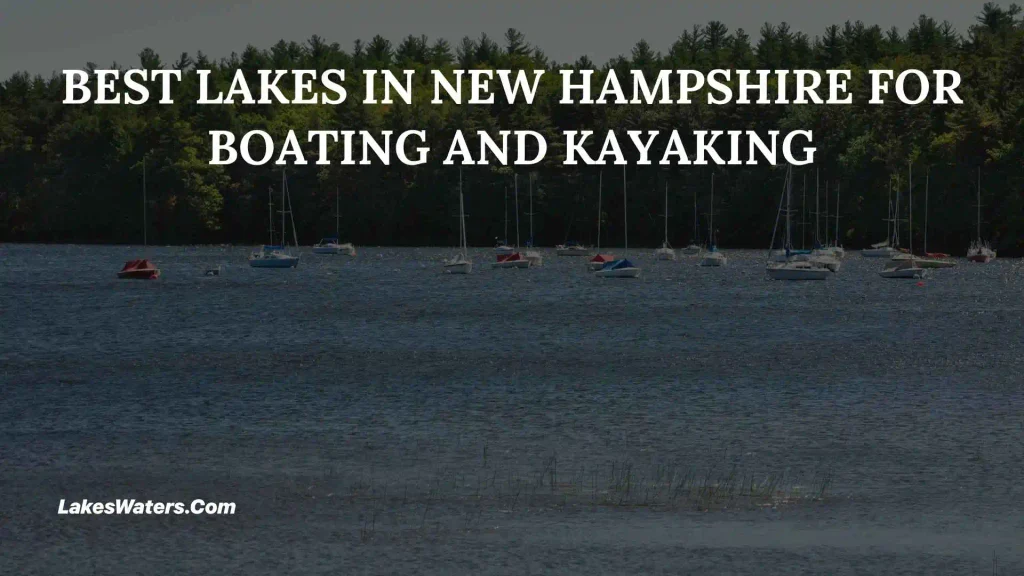
Large lakes such as Lake Winnipesaukee, Lake Winnisquam, Lake Sunapee, Newfound Lake, and Squam Lake provide opportunities for boating and paddling. Umbagog Lake is especially appealing to canoeists and kayakers who want to explore quieter water and remote shorelines.
Choosing Between Motorboating and Paddling
Motorboating may be suitable if you want:
- To cover long distances
- To visit islands or distant coves
- To fish in different parts of a lake
- To travel with larger groups
- To explore open water efficiently
Kayaking or canoeing may be better if you want:
- Quiet movement across the water
- Wildlife observation
- Exercise
- Access to narrow coves
- A lower-impact outdoor experience
- A slower, more peaceful outing
Paddlers should be particularly cautious on large lakes. Wind can build quickly, and a calm shoreline may not reflect conditions in the middle of the lake.
Best Lakes in New Hampshire for Fishing
New Hampshire lakes support a variety of freshwater fish, including trout, bass, perch, and landlocked salmon. The species available depend on the lake, habitat, water temperature, stocking history, and management practices.
New Hampshire Fish and Game identifies several large lakes—including Lake Winnipesaukee, Squam Lake, Lake Sunapee, Newfound Lake, Lake Winnisquam, and Lake Francis—as waters managed for landlocked salmon.
Before You Go Fishing
Anglers should confirm:
- A valid New Hampshire fishing license
- Current open seasons
- Size and possession limits
- Special rules for the lake
- Legal bait requirements
- Boat-launch restrictions
- Whether the fishing area is private or public
Fishing from a public shoreline may be more difficult than fishing from a boat, particularly on lakes with extensive private development. Official maps and state access information can help identify suitable locations.
Best Lakes in New Hampshire for Mountain Views
If scenery is the main reason for your trip, consider:
- Lake Chocorua: Famous view of Mount Chocorua
- Lake Winnipesaukee: Broad water and surrounding hills
- Lake Sunapee: Mount Sunapee and western New Hampshire scenery
- Squam Lake: Forested shorelines and islands
- Newfound Lake: Mountain views and open water
- White Lake: White Mountain region setting
- Umbagog Lake: Forests and northern wilderness landscapes
For photography, early morning and late afternoon often provide softer light and fewer harsh reflections. Fall is especially popular, but summer greenery, winter ice, and spring conditions create different photographic opportunities.
Best Lakes in New Hampshire for Camping
Camping experiences range from developed campgrounds with facilities to remote sites that require boat access.
White Lake State Park
White Lake offers family campsites, a beach, picnic areas, and boat rentals. It is convenient for visitors who want a traditional campground experience near the White Mountains.
Umbagog Lake State Park
Umbagog offers base-camp sites, cabins, and remote campsites around the lake. Some remote locations are accessible only by boat, so visitors need to plan transportation and supplies carefully.
Camping Near the Lakes Region
Around Lake Winnipesaukee, Squam Lake, Newfound Lake, and Lake Sunapee, visitors will find a mixture of campgrounds, cabins, vacation rentals, inns, and private accommodations. The exact experience depends on the town and the distance from the shoreline.
Always confirm:
- Whether the campground is open
- Whether reservations are required
- Whether pets are allowed
- Whether firewood may be brought from outside
- Whether boats or trailers are permitted
- Whether quiet hours apply
- Whether the site has electricity or water
- Whether swimming is allowed at the campground
A Simple Guide to Choosing the Right New Hampshire Lake
Use this guide to narrow your choice:
Choose Lake Winnipesaukee If You Want Variety
Select Lake Winnipesaukee if your group wants restaurants, boating, cruises, beaches, shopping, and multiple communities to explore.
Choose Squam Lake If You Prefer Quiet Scenery
Squam Lake is a strong option for visitors who value wooded shorelines, wildlife, photography, and a less commercial atmosphere.
Choose Lake Sunapee If You Want a Balanced Trip
Lake Sunapee combines swimming, boating, mountain scenery, and nearby towns and attractions.
Choose Newfound Lake If Clear Water Is Important
Newfound Lake is worth considering for swimming, paddling, scenic shorelines, and family recreation.
Choose White Lake for a Managed Beach and Campground
White Lake State Park is useful for visitors who want a designated beach, picnic facilities, boat rentals, and camping.
Choose Umbagog Lake for a Remote Experience
Umbagog is better suited to travelers who want wildlife, fishing, remote campsites, and a more wilderness-oriented trip.
Choose Lake Chocorua for Photography
Lake Chocorua is especially appealing if your priority is a memorable mountain-and-water landscape.
Choose Mascoma Lake for a Mixed Outdoor Itinerary
Mascoma Lake is a good fit if you want swimming or paddling along with cycling, history, and nearby community attractions.
When Is the Best Time to Visit New Hampshire Lakes?
Summer: Best for Swimming and Boating
Summer is the most popular season for lake recreation. Water activities, beaches, boat rentals, and campgrounds are generally at their busiest.
To make a summer visit easier:
- Arrive early
- Reserve beach or day-use access when required
- Check weather conditions
- Bring sun protection
- Carry drinking water
- Expect traffic near popular lake towns
- Avoid assuming that every lake has public swimming access
Autumn: Best for Foliage and Photography
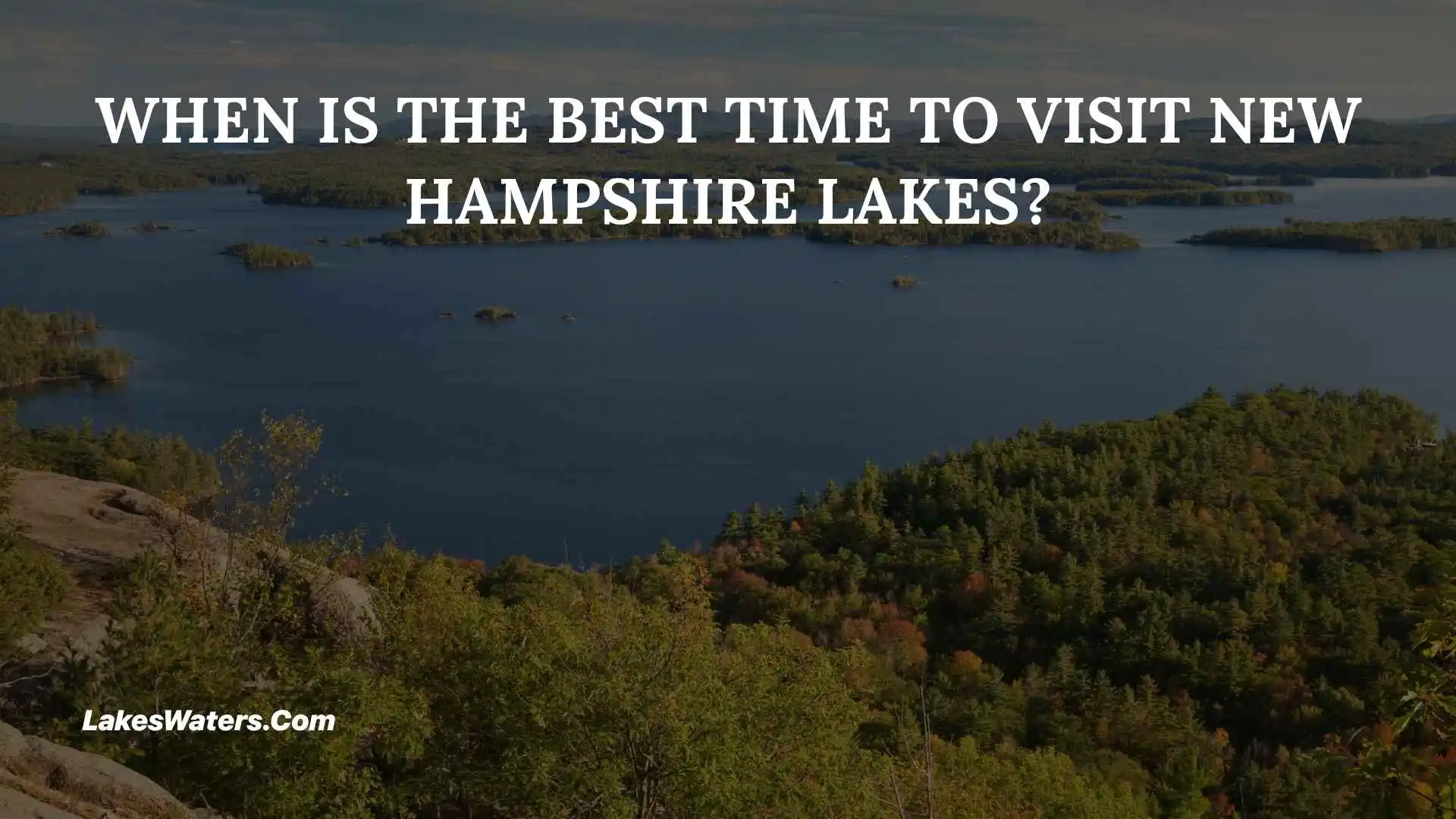
Fall brings colorful forests and cooler temperatures. Lakes surrounded by mountains and hardwood forests can be particularly beautiful during foliage season.
Popular scenic choices include Lake Chocorua, Lake Sunapee, Squam Lake, Lake Winnipesaukee, and Newfound Lake.
Spring: Best for Quiet Visits and Fishing
Spring can be peaceful, but water temperatures remain cold even when the weather feels mild. Fishing seasons, lake access, and park operating schedules may differ from summer.
Visitors should check current conditions before launching a boat or planning a swimming trip.
Winter: Best for Snow-Covered Scenery and Ice Activities
Some lakes support winter activities such as ice fishing, snowmobiling in permitted areas, or photography. Ice conditions can change quickly, and no frozen lake should be considered safe without current local information and proper equipment.
Practical Tips Before Visiting Lakes in New Hampshire
Confirm Public Access
A lake may be publicly known but still have limited public shoreline access. Check the exact beach, park, boat launch, or recreation area before traveling.
New Hampshire maintains public-water and public-access information, including maps for many of the state’s larger lakes.
Check Seasonal Hours and Fees
State parks may operate on seasonal schedules. Beaches, campgrounds, offices, restrooms, and boat rentals may not all open on the same dates.
Check the official park page for:
- Opening dates
- Closing dates
- Day-use fees
- Reservation requirements
- Parking limits
- Beach staffing
- Camping availability
- Current restrictions
Prepare for Limited Parking
Popular beaches may fill early during warm weekends and holidays. White Lake State Park specifically warns that its beach may reach capacity in the morning on busy days.
Follow Boating and Fishing Regulations
Boaters and anglers should review current state rules before visiting. Requirements may vary according to boat type, engine power, residency, fishing method, and the specific water body.
Prevent the Spread of Aquatic Invasive Species
Before moving a boat, kayak, paddleboard, trailer, or other equipment between lakes:
- Remove visible plants, mud, and debris.
- Drain water from the equipment.
- Clean and dry the equipment thoroughly.
- Follow any state inspection or decal requirements that apply.
This helps protect New Hampshire’s lakes from invasive aquatic plants and animals.
Respect Wildlife and Private Property
Loons, moose, waterfowl, and other wildlife may be sensitive to close approaches. Keep a safe distance, avoid feeding animals, and do not enter private shorelines or docks without permission.
Bring the Right Equipment
Depending on your activity, pack:
- Personal flotation devices
- Sunscreen
- Insect repellent
- Drinking water
- Dry clothing
- Navigation tools
- A first-aid kit
- Weather-appropriate layers
- Food and waste bags
- A charged phone or emergency communication device
Common Mistakes Visitors Make
Assuming Every Lake Has a Public Beach
Many lakes have private shorelines or limited public access. Always verify the exact location where you intend to swim.
Arriving Late at a Popular State Park
Some beaches and day-use areas have limited capacity. A late arrival may mean that you cannot enter, even if the weather is excellent.
Treating a Large Lake Like a Small Pond
Wind and waves can become stronger on large lakes. Paddlers should check forecasts, stay near sheltered water when conditions are uncertain, and wear flotation devices.
Ignoring Cold-Water Risks
Water can remain dangerously cold in spring and early summer. Hypothermia is possible even when the air temperature feels comfortable.
Bringing Firewood Without Checking Rules
Some parks restrict outside firewood to reduce the spread of pests and forest diseases. Umbagog Lake State Park, for example, requires visitors to purchase firewood at the park store.
Relying on Old Information
Fees, beach schedules, parking policies, boat-launch rules, and campground availability can change. Check official information shortly before your trip.
Frequently Asked Questions About Lakes in New Hampshire
How Many Lakes Are There in New Hampshire?
New Hampshire has more than 900 lakes and freshwater bodies, but the exact number depends on how lakes, ponds, and smaller water bodies are defined and counted. Official state records use specific classifications for public waters.
What Is the Largest Lake in New Hampshire?
Lake Winnipesaukee is the largest lake in New Hampshire. It is known for its extensive shoreline, islands, boating opportunities, surrounding communities, and year-round scenery.
Which New Hampshire Lake Is Best for Families?
White Lake, Lake Sunapee, Newfound Lake, and selected public recreation areas around Lake Winnipesaukee are good places to investigate for family trips. The best choice depends on whether your family needs a managed beach, camping, boat rentals, quiet water, or nearby attractions.
Which New Hampshire Lake Has the Best Mountain Views?
Lake Chocorua is famous for its view of Mount Chocorua. Lake Sunapee, Newfound Lake, Squam Lake, Lake Winnipesaukee, and White Lake also offer attractive mountain and forest scenery.
Can You Swim in New Hampshire Lakes?
Yes, swimming is permitted at designated beaches and approved recreation areas, but not every shoreline is public or suitable for swimming. Check beach rules, water conditions, lifeguard availability, and any current advisories before entering the water.
Are New Hampshire Lakes Good for Fishing?
Yes. New Hampshire lakes support species such as trout, bass, perch, and landlocked salmon. Some large lakes are specifically managed for landlocked salmon, including Lake Winnipesaukee, Squam Lake, Lake Sunapee, Newfound Lake, Lake Winnisquam, and Lake Francis.
Which Lake Is Best for a Quiet Getaway?
Squam Lake and Umbagog Lake are strong choices for visitors who prefer peaceful scenery. Squam offers wooded shorelines and a relatively calm atmosphere, while Umbagog provides a more remote, wilderness-oriented experience.
Can You Camp Beside New Hampshire Lakes?
Yes. Camping is available at certain state parks, private campgrounds, and remote recreation areas. White Lake State Park offers developed camping, while Umbagog Lake State Park provides base camps, cabins, and remote sites. Availability and operating dates vary by season.
Do You Need to Check Lake Access Before Visiting?
Yes. Checking access is one of the most important planning steps. A lake may have private property along much of its shoreline, limited parking, seasonal beaches, or restricted boat launches. Confirm the exact location and current rules before you leave.
Conclusion
The lakes in New Hampshire offer far more than beautiful scenery. They provide opportunities for swimming, fishing, kayaking, boating, camping, wildlife watching, photography, and relaxing near the water.
Lake Winnipesaukee is a strong choice for variety and first-time visitors. Squam Lake suits travelers seeking quiet scenery, while Lake Sunapee combines recreation with mountain views and nearby attractions. Newfound Lake is appealing for swimming and paddling, White Lake works well for a managed family beach day, and Umbagog Lake offers a more remote outdoor experience.
The best trip begins with choosing the right lake for your activity and checking public access, seasonal schedules, weather, parking, and current regulations before arriving. With a little planning, New Hampshire’s lakes can provide memorable experiences in every season.

I am Daniel Brooks, an environmental enthusiast and writer focused on freshwater resources and the connection between humans and nature.
I enjoy researching lakes, wetlands, and water conservation practices to create informative content for readers. I believe that understanding our water systems is the first step toward protecting them.
Through my writing, I aim to inspire awareness and responsible actions for a better water future.
Books by Daniel Brooks:
- Freshwater Wonders: Stories From the World’s Lakes
- Protecting Our Blue Planet: Water Conservation Guide
 Ethan Reynolds