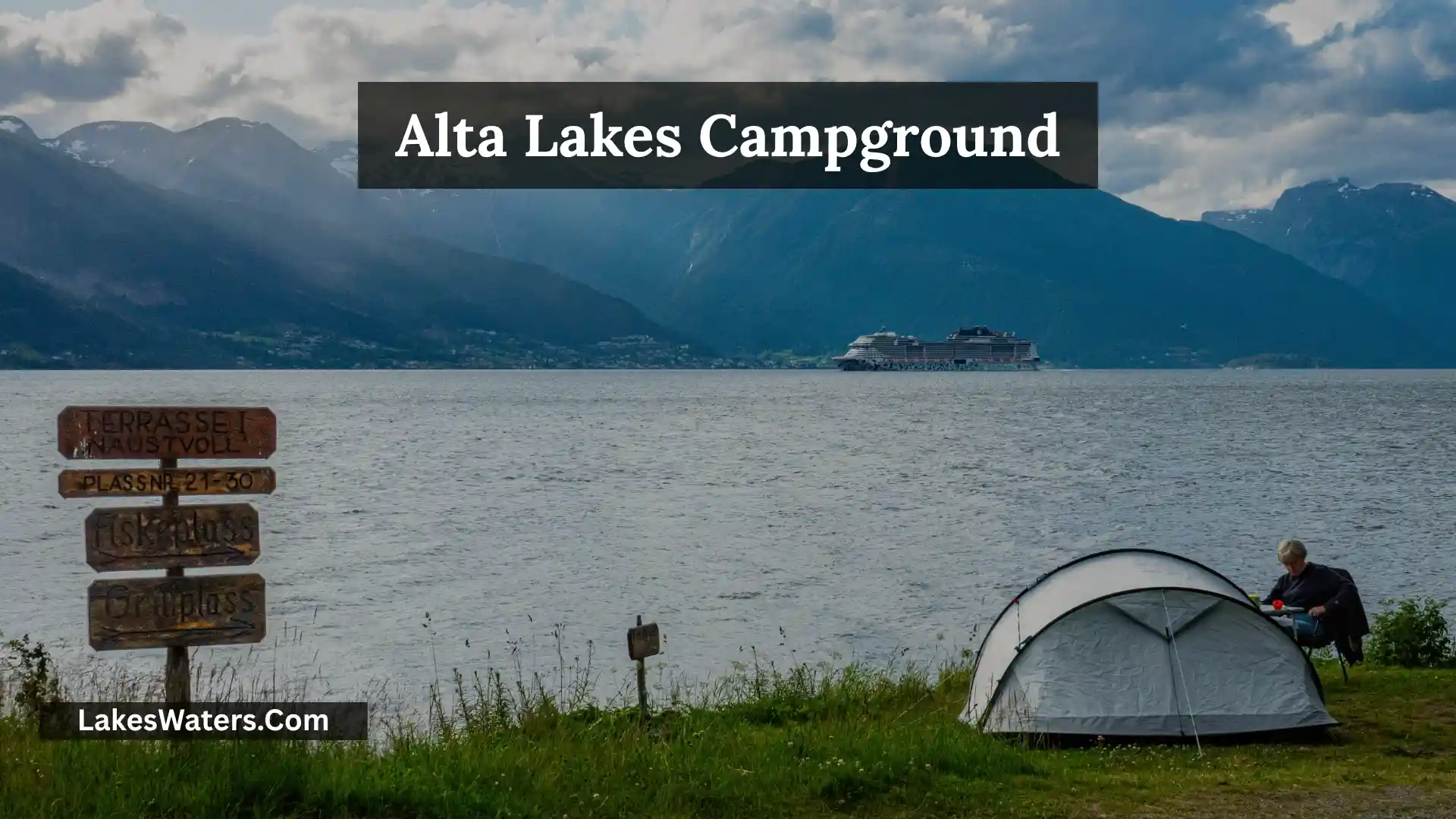
Alta Lakes Campground is a scenic camping destination in the San Juan Mountains of southwestern Colorado, near Telluride. Surrounded by rugged mountain peaks, alpine lakes, and remnants of an old mining settlement, this destination attracts campers looking for a quiet outdoor experience away from crowded developed campgrounds.
Located in the Uncompahgre National Forest, Alta Lakes offers a alternative camping experience with opportunities for photography, fishing, hiking, and exploring the surrounding mountain landscape. However, its high elevation, rough access road, limited facilities, and lack of advance campsite reservations mean that visitors need to plan carefully.
If you are planning a trip to Alta Lakes Campground near Telluride, Colorado, this guide covers everything you should know, including its elevation, camping reservations, road conditions, available facilities, nearby activities, and the best time to visit.
Where Is Alta Lakes Campground?
Alta Lakes Campground is located in San Miguel County, Colorado, approximately 10 miles south of Telluride. The campground sits within the Uncompahgre National Forest, an extensive mountain region known for its alpine scenery, forested slopes, and outdoor recreation opportunities.
The camping area is associated with three alpine lakes near the historic mining settlement of Alta. Its remote mountain setting makes it appealing to travelers who enjoy alternative camping, natural scenery, and outdoor activities.
Unlike developed campgrounds with paved roads, electrical hookups, and extensive amenities, Alta Lakes provides a more basic camping experience. Visitors should arrive prepared to manage their own supplies and follow the area’s camping regulations.
Alta Lakes Campground Overview
| Feature | Details |
| Location | Near Telluride, Colorado |
| County | San Miguel County |
| National forest | Uncompahgre National Forest |
| Elevation | Approximately 11,000 feet |
| Campground type | Dispersed camping |
| Reservations | Generally first-come, first-served |
| Camping facilities | Primitive facilities |
| Water | Bring your own drinking water |
| Electricity | Do not expect electrical hookups |
| Access road | Alta Lakes Road |
| Recommended vehicle | High-clearance vehicle when road access is permitted |
| RV accessibility | Large RVs and trailers are not recommended |
| Main activities | Camping, fishing, hiking, photography, and sightseeing |
Camping arrangements, fees, facilities, and access restrictions may change. Check current local conditions before planning your trip.
What Is the Elevation of Alta Lakes Campground?
Alta Lakes Campground sits at approximately 11,000 feet above sea level, making it a high-elevation camping destination in Colorado.
At this altitude, the air contains less available oxygen than at sea level. Visitors arriving from lower elevations may notice that walking, hiking, and carrying camping equipment require more effort than usual.
The elevation also affects nighttime temperatures and weather conditions. Even during summer, temperatures can drop considerably after sunset.
How High Elevation Affects Your Camping Experience
Before visiting Alta Lakes, consider these important factors.
Cooler nighttime temperatures: Summer afternoons can feel pleasant, but nights may become cold. Bring an insulated sleeping bag, warm clothing, and appropriate sleeping equipment.
Reduced oxygen availability: Physical activities may feel more demanding at high elevations. Give yourself time to adjust before attempting strenuous hikes.
Changing mountain weather: Conditions can shift quickly, bringing rain, cold winds, or thunderstorms. Pack suitable outerwear and monitor the forecast.
Greater preparation requirements: Remote, high-altitude camping requires careful planning. Bring sufficient food, drinking water, navigation equipment, and emergency supplies.
If you are traveling from a low-elevation location, consider spending time acclimating before beginning strenuous outdoor activities.
Does Alta Lakes Campground Require Reservations?
Alta Lakes Campground is generally operated as a first-come, first-served dispersed camping area rather than a traditional reservation-based campground.
This means visitors should not expect to reserve a specific campsite in advance. Availability depends on the number of permitted sites, visitor demand, and any temporary restrictions affecting the camping area.
During popular summer weekends and holidays, arriving without a backup plan can make finding a campsite more difficult.
How to Find a Campsite at Alta Lakes
If camping and vehicle access are permitted, follow these practical steps:
- Check current road access and camping restrictions before leaving Telluride.
- Plan to arrive during daylight so you can assess the camping area safely.
- Look for an available designated campsite.
- Follow posted instructions and respect established camping boundaries.
- Keep your equipment within the permitted site.
- Have an alternative campground in mind in case the area is full.
Avoid creating a new campsite simply because the established sites are occupied. Dispersed camping rules still apply, and some areas may be closed to overnight use.
Is Alta Lakes Campground Free?
Alta Lakes has historically been described as a free dispersed camping destination. However, visitors should confirm current fees and restrictions before traveling.
Free camping does not mean unrestricted camping. You must follow applicable regulations concerning designated sites, campfires, waste disposal, vehicle access, and overnight stays.
How to Get to Alta Lakes Campground From Telluride
Alta Lakes Campground is reached through Alta Lakes Road, which branches off the regional road network south of Telluride.
The access road is known for rough, narrow, and steep sections. Conditions can vary depending on weather, maintenance, erosion, and seasonal closures.
Because access restrictions can change, verify that vehicles are currently permitted on Alta Lakes Road before attempting the drive.
Driving Directions to Alta Lakes Campground
Under normal conditions when the road is open to vehicles, the general route is:
- Start in Telluride, Colorado.
- Travel south along Colorado Highway 145.
- Look for the Alta Lakes Road turnoff south of town.
- Follow the access road toward the Alta Lakes recreation area.
The final portion of the drive can be more challenging than the main highway. Allow additional time and avoid rushing along the rough sections.
These directions describe the general route and do not guarantee current road access.
Can You Drive to Alta Lakes Campground With a Regular Car?
A high-clearance vehicle is recommended because Alta Lakes Road can have uneven surfaces, steep sections, and rough terrain.
A low-clearance passenger car may not be suitable, particularly when road conditions deteriorate. Four-wheel drive can be helpful in appropriate conditions, but it does not make a closed or unsafe road passable.
Before leaving, consider the following:
- Confirm that the road is open to public vehicle traffic.
- Check for temporary closures and access restrictions.
- Assess whether your vehicle has sufficient ground clearance.
- Avoid attempting the drive during unsuitable weather.
- Do not drive around barricades or enter closed areas.
- Avoid bringing large RVs or trailers.
Important: Never assume Alta Lakes Road is open simply because a navigation app displays driving directions.
What Are the Lakes at Alta Lakes Like?
The Alta Lakes area contains three small alpine lakes surrounded by mountain terrain and historic mining features.
The combination of open water, forested slopes, and rugged peaks gives the area its distinctive character. Visitors can enjoy the scenery, take photographs, and explore permitted areas around the lakes.
The landscape is particularly appealing to people who prefer mountain destinations over busy developed recreation areas.
Lower Alta Lake
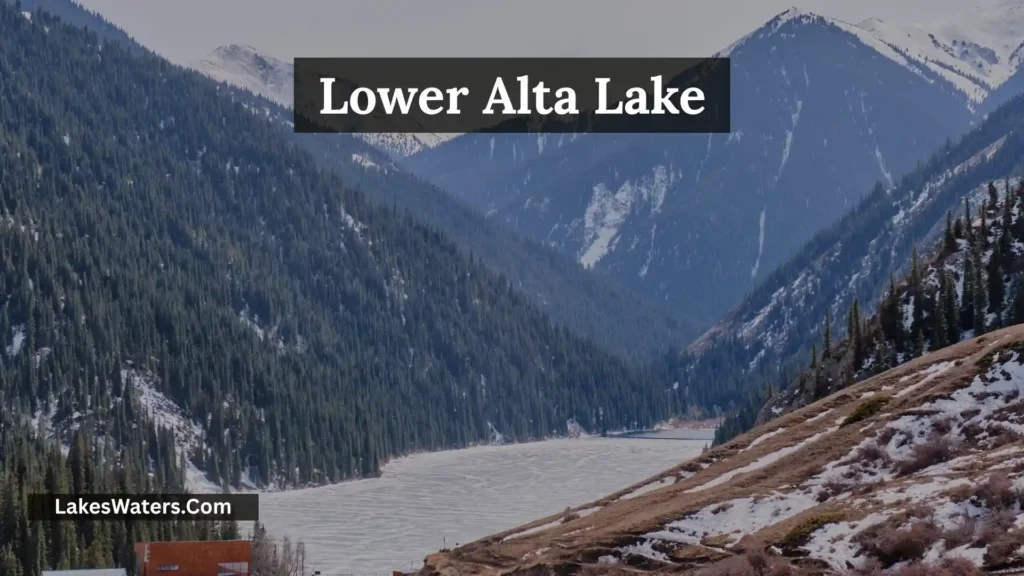
Lower Alta Lake is associated with the main dispersed camping area and is a convenient starting point for exploring the recreation area when access is permitted.
Its mountain surroundings provide opportunities for photography, relaxation, and enjoying the alpine environment.
Visitors should use established camping areas and avoid damaging vegetation along the shoreline.
Upper Alta Lake
Upper Alta Lake offers another part of the area’s alpine landscape.
Some locations around the upper lake may require walking or hiking rather than driving directly to a camping spot. Check current access arrangements and camping boundaries before planning an overnight stay.
If you explore on foot, wear suitable footwear and be prepared for uneven terrain.
The Third Lake
The third lake completes the group of alpine lakes associated with the Alta Lakes recreation area.
The surrounding landscape includes historic mining features and private property in parts of the area. Visitors should respect signs, avoid entering restricted structures, and remain within areas open to public access.
Remember that not every visible trail, building, or shoreline is necessarily open for unrestricted use.
Best Things to Do at Alta Lakes Campground
Alta Lakes is primarily a destination for outdoor recreation and scenic exploration. Its remote location offers a different experience from developed campgrounds with organized entertainment and extensive facilities.
Your activities should depend on current conditions, available access, personal experience, and applicable regulations.
Camping in the Mountains
Camping is the main attraction at Alta Lakes.
The surrounding mountains create a memorable setting for an overnight outdoor experience. However, the primitive environment requires more preparation than a campground with electrical hookups, showers, and on-site services.
Bring appropriate sleeping equipment, warm clothing, sufficient food, and drinking water. Arrive early enough to establish your campsite before darkness.
Hiking and Exploring
The surrounding San Juan Mountains provide opportunities to explore alpine terrain and enjoy the scenery.
Before heading out, choose routes appropriate for your fitness level and experience. High elevation, uneven ground, and rapidly changing weather can make even relatively short outings more demanding.
Carry navigation equipment, drinking water, and extra clothing. Do not assume every visible track is an official trail.
Fishing
Fishing is an activity associated with the Alta Lakes area.
Before fishing, check the applicable Colorado fishing regulations, licensing requirements, and any location-specific restrictions.
Bring suitable fishing equipment and follow all rules governing permitted species, catch limits, and fishing methods.
Do not assume fishing is permitted everywhere or that fish availability remains constant throughout the year.
Kayaking and Non-Motorized Water Activities
The lakes provide a scenic setting for visitors interested in small, non-motorized watercraft, where such activities are permitted.
However, the lakes are in a high-elevation environment, and shoreline access may be uneven. There may not be conventional boat ramps or developed launch facilities.
If you plan to bring a kayak or paddleboard, consider how you will transport and launch it safely.
Mountain water can remain dangerously cold even during summer. Wear a properly fitted personal flotation device and avoid entering the water during unsafe weather or conditions.
Photography and Stargazing
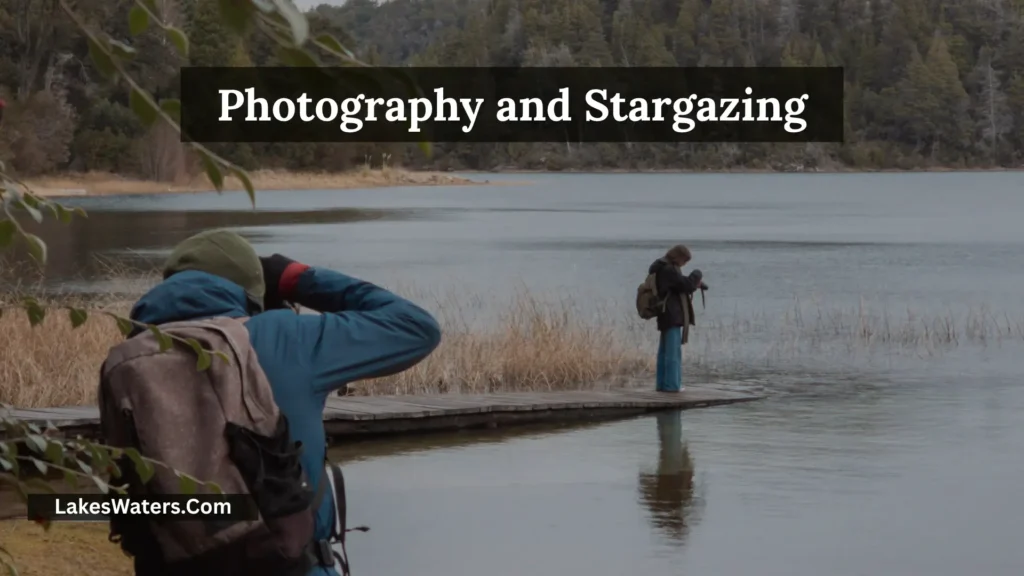
Alta Lakes offers opportunities for landscape photography, especially when mountain peaks, forested slopes, and open water are visible under favorable lighting conditions.
Early morning and evening can provide interesting photographic opportunities, although cloud cover and changing weather may affect visibility.
At night, clear conditions can provide opportunities to observe the stars. Bring a reliable flashlight or headlamp, minimize unnecessary lighting, and respect the privacy of nearby campers.
Exploring the Historic Mining Area
The Alta Lakes region is associated with a historic mining settlement.
The remains of historic buildings and other features provide context for the area’s mining history and its development before becoming a recreation destination.
Treat historic structures carefully. Do not enter unstable buildings, remove artifacts, or cross onto private property without permission.
Alta Lakes Campground Facilities and Amenities
Alta Lakes is a primitive camping destination, so visitors should not expect the same amenities available at a developed campground.
Facilities may be limited, and their availability can change because of maintenance, management decisions, or temporary restrictions.
Are There Toilets at Alta Lakes Campground?
Historical descriptions of the recreation area mention limited toilet facilities, including vault toilets. However, visitors should confirm current availability rather than assuming these facilities are operating.
Prepare for a remote camping experience and follow all applicable requirements for human waste disposal.
Is Drinking Water Available?
Do not rely on finding potable drinking water at Alta Lakes Campground.
Bring enough drinking water for your entire stay, including extra water for cooking and basic hygiene.
Water collected from lakes or streams should not be considered safe to drink without appropriate treatment. Even clear mountain water can contain harmful microorganisms.
Is Electricity Available?
Alta Lakes is a primitive camping area, so visitors should not expect electrical hookups.
Bring a fully charged phone, a portable power bank, and lighting suitable for outdoor use. Mobile phone coverage may be limited, so do not rely on cellular service for navigation or emergencies.
Are Showers and Restrooms Available?
Do not expect showers or the full restroom facilities commonly found at developed campgrounds.
If access to showers, flush toilets, electrical hookups, or other amenities is important to your trip, a developed campground near Telluride may be a more appropriate option.
When Is the Best Time to Visit Alta Lakes Campground?
The warmer months are generally the most practical period to plan a camping trip to a high-elevation destination such as Alta Lakes.
However, weather and road access vary from year to year. Seasonal expectations should not replace checking current conditions before departure.
Summer Camping
Summer is a popular time to visit mountain destinations in southwestern Colorado.
Visitors may enjoy camping, photography, hiking, and other outdoor activities when conditions are suitable.
Keep in mind that summer does not guarantee warm nights or clear skies. Afternoon thunderstorms, cold winds, and changing road conditions are possible.
Because camping is generally first-come, first-served, popular weekends may require an alternative plan.
Fall Camping
Fall can bring cooler temperatures and changing colors across the mountain landscape.
This season can appeal to visitors who prefer quieter outdoor destinations, although visitor numbers and weather vary.
As temperatures decline, the possibility of snow and icy road conditions increases. Bring suitable clothing and verify access before setting out.
Winter and Early Spring
Winter and early spring require additional caution.
Snow, ice, and seasonal road restrictions may make the campground difficult or impossible to reach by vehicle. Camping conditions can also be challenging because of cold temperatures and limited services.
Do not assume that the campground remains accessible throughout the year.
Before planning a cold-weather visit, check road restrictions, weather forecasts, and any applicable land-management rules.
Nearby Places to Explore Around Alta Lakes
If you have additional time, the surrounding Telluride region offers other opportunities for outdoor recreation and sightseeing.
Telluride, Colorado
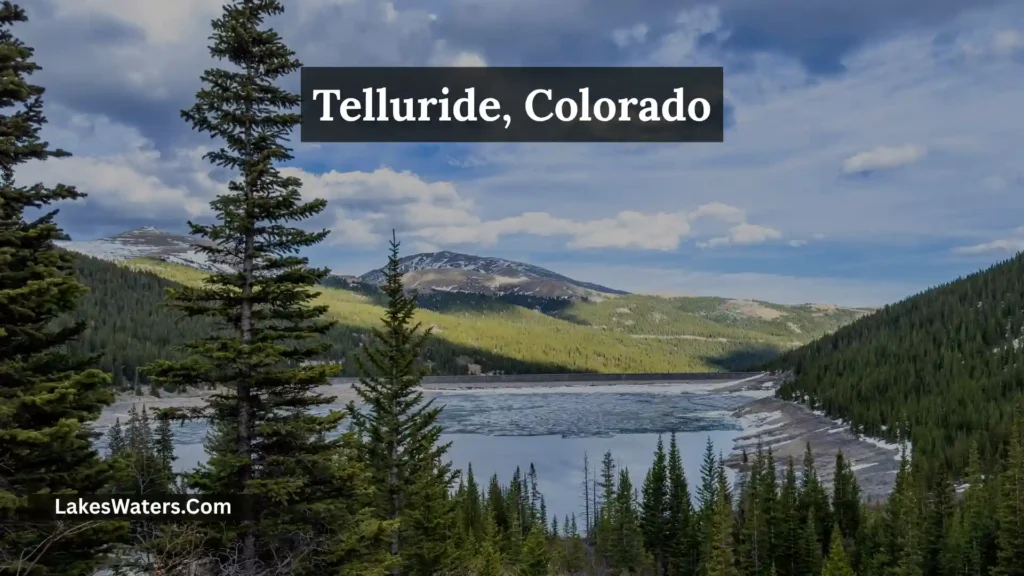
Telluride is the nearest major visitor destination and can serve as a convenient base for exploring southwestern Colorado.
The town offers accommodation, restaurants, visitor services, and access to additional outdoor activities.
Staying in Telluride may be a practical alternative if the primitive conditions at Alta Lakes are not suitable for your needs.
Historic Alta
The historic mining settlement near the lakes adds another dimension to the area’s landscape.
Visitors interested in Colorado’s mining history may appreciate learning about the region’s past while exploring areas that are open to the public.
Respect private property, posted restrictions, and the condition of historic structures.
Other Camping Areas Near Telluride
The surrounding region includes additional camping destinations with different facilities and access arrangements.
Some may offer more developed amenities, while others provide a similarly primitive experience.
If Alta Lakes is closed or its designated campsites are occupied, research an alternative before leaving home. Confirm that your preferred site is open and suitable for your vehicle and camping equipment.
Essential Tips for Planning Your Alta Lakes Camping Trip
Preparation is particularly important when visiting a remote, high-elevation camping area.
Use the following checklist before departure.
Check road conditions. Confirm that Alta Lakes Road is open and that public vehicle access is permitted.
Prepare for first-come, first-served camping. Do not rely on finding an available campsite during busy periods.
Bring suitable transportation. A high-clearance vehicle is recommended when the road is open.
Pack for cold nights. Bring an insulated sleeping bag, warm layers, and weather-resistant equipment.
Carry drinking water. Do not depend on finding potable water at the campground.
Check fire restrictions. Follow current rules and temporary restrictions before lighting a campfire.
Respect designated campsites. Do not establish camps in restricted areas or damage surrounding vegetation.
Pack out your rubbish. Keep the camping area clean and protect the surrounding environment.
Follow fishing regulations. Confirm licensing requirements and location-specific rules.
Prepare for limited mobile service. Download maps and important information before entering remote areas.
Keep a backup plan. Identify another campground in case Alta Lakes is inaccessible or full.
Frequently Asked Questions About Alta Lakes Campground
Where is Alta Lakes Campground located?
Alta Lakes Campground is in the Uncompahgre National Forest in San Miguel County, southwestern Colorado. It is approximately 10 miles south of Telluride and is associated with three alpine lakes near the historic mining settlement of Alta.
What is the elevation of Alta Lakes Campground?
Alta Lakes Campground is approximately 11,000 feet above sea level. At this elevation, visitors should prepare for cooler temperatures, thinner air, and rapidly changing mountain weather.
Can you make reservations at Alta Lakes Campground?
Alta Lakes is generally a first-come, first-served dispersed camping area. Advance reservations are not normally available, so visitors should arrive prepared to use another campground if the designated sites are occupied.
Is Alta Lakes Campground free?
The area has historically been described as a free dispersed camping destination. However, visitors should verify current fees, restrictions, and camping rules before traveling.
Can you drive to Alta Lakes Campground in a regular car?
A high-clearance vehicle is recommended because the access road can be steep, narrow, and rough. A low-clearance car may not be suitable, depending on conditions. Always confirm that the road is open to vehicles before attempting the drive.
Are RVs allowed at Alta Lakes Campground?
Large RVs and trailers are not recommended because of the challenging access road. Visitors traveling with an RV should consider a more accessible campground in the Telluride area.
Are toilets available at Alta Lakes Campground?
Historical descriptions mention limited toilet facilities, including vault toilets. Current availability may vary, so visitors should confirm conditions and prepare for limited amenities.
Can you fish at Alta Lakes?
Fishing is associated with the Alta Lakes area, but visitors must follow applicable Colorado fishing regulations. Check licensing requirements and any restrictions before fishing.
Can you swim in Alta Lakes?
Do not assume swimming is permitted or safe simply because the lakes are accessible. Check local restrictions and consider the risks associated with very cold mountain water and changing weather.
Is Alta Lakes Road open year-round?
No year-round vehicle access should be assumed. Snow, road conditions, maintenance work, and temporary closures can affect access. Confirm the current status before traveling.
What should I bring to Alta Lakes Campground?
Bring drinking water, food, warm clothing, an insulated sleeping bag, suitable footwear, navigation tools, a flashlight, a first-aid kit, and rubbish bags. Prepare for limited facilities and potentially unreliable mobile service.
Is Alta Lakes Campground suitable for families?
Families who are comfortable with primitive camping may enjoy the mountain scenery and outdoor setting. However, the high elevation, rough access road, cold water, limited facilities, and changing weather require careful planning, especially when traveling with young children.
Conclusion
Alta Lakes Campground is a distinctive mountain camping destination near Telluride, Colorado. Its three alpine lakes, historic mining surroundings, and dramatic mountain scenery make it appealing to visitors who enjoy primitive camping and outdoor exploration.
The experience is different from staying at a developed campground. There are limited amenities, reservations are generally unavailable, and road access can be challenging or restricted.
Before planning your visit, confirm current access conditions, prepare for the high elevation, and bring the supplies you need for a self-sufficient stay. Choosing the right equipment and having a backup plan will help you decide whether Alta Lakes is the right destination for your Colorado camping trip.

I am Ethan Reynolds, a nature researcher and writer focused on freshwater environments, aquatic ecosystems, and sustainable water solutions.
I enjoy sharing knowledge about lakes, rivers, wetlands, and the challenges facing global water resources.
My goal is to help readers understand the value of water and encourage responsible actions to protect it.
Books by Ethan Reynolds:
- Lakes and Landscapes: Stories from Nature
- Protecting Water for Future Generations