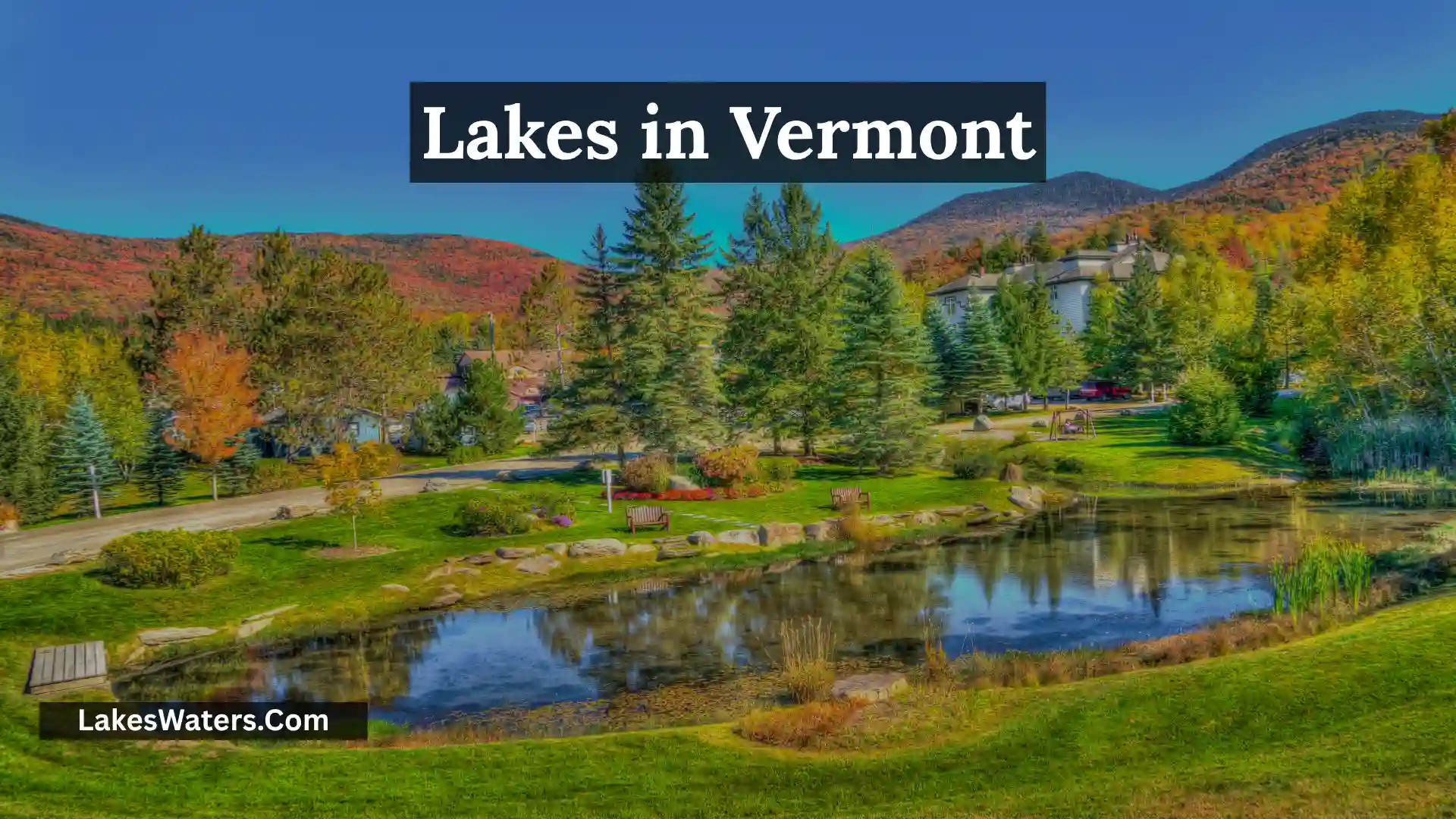
Vermont is known for its mountain scenery, peaceful countryside, and beautiful lakes. With more than 800 lakes and ponds, the state offers plenty of places to enjoy swimming, kayaking, fishing, boating, camping, and scenic outdoor adventures. From the expansive waters of Lake Champlain to the dramatic mountain setting of Lake Willoughby, each destination offers a different experience.
The best lakes in Vermont depend on what you want to do. Some are ideal for swimming and family outings, while others attract kayakers, anglers, and visitors looking for quiet natural surroundings. Lake Bomoseen is a popular choice for summer recreation, Lake Willoughby stands out for its deep, clear water and mountain views, and Lake Champlain offers extensive opportunities for boating and waterfront exploration.
If you are planning a summer vacation, a weekend getaway, or a day trip, Vermont has a lake to suit different interests. Understanding the available activities, locations, and seasonal conditions can help you choose the right destination.
How Many Lakes Are in Vermont?
Vermont has more than 800 lakes and ponds. The Vermont Department of Environmental Conservation maintains a lake database that includes 823 lakes, covering all lakes larger than 20 acres.
However, the exact number of lakes in Vermont depends on the definition used. Some counts include small ponds and reservoirs, while others focus on lakes that meet a minimum size requirement. Different mapping methods can also produce different totals.
Vermont’s lakes range from small woodland ponds to large bodies of water that support boating, fishing, swimming, and other recreational activities.
Some of the state’s best-known lakes include:
- Lake Champlain
- Lake Willoughby
- Lake Bomoseen
- Lake St. Catherine
- Lake Dunmore
- Emerald Lake
- Lake Memphremagog
- Lake Carmi
- Green River Reservoir
These destinations are spread across Vermont, giving visitors plenty of choices in the Green Mountains, the Northeast Kingdom, and the state’s western and southern regions.
Best Lakes in Vermont to Visit
Vermont’s lakes offer different landscapes and recreational opportunities. Some feature dramatic mountain views, while others have developed recreation areas, swimming beaches, boat launches, and campgrounds.
Here are some of the best lakes in Vermont to consider for your next outdoor adventure.
Lake Champlain
Lake Champlain is the largest lake associated with Vermont and one of the state’s most recognizable natural landmarks. It stretches along Vermont’s western border, separating much of the state from New York, with its northern portion extending into Quebec, Canada.
The lake is known for its broad waters, scenic islands, waterfront communities, and opportunities for outdoor recreation. Burlington, Vermont’s largest city, sits along its eastern shore.
Visitors can enjoy a variety of activities around Lake Champlain, including:
- Kayaking and canoeing
- Sailing and motorboating
- Fishing
- Swimming at designated beaches
- Exploring waterfront parks
- Visiting nearby towns and islands
- Photographing sunsets over the water
Lake Champlain is a good choice for travelers who want to combine outdoor recreation with restaurants, local attractions, and small-town exploration.
Its size also means that conditions can change quickly. Strong winds and waves may make some areas challenging for inexperienced paddlers, so checking the weather before heading out is important.
Best for: Boating, sailing, fishing, kayaking, and exploring waterfront destinations.
Lake Willoughby
Lake Willoughby is one of the most scenic lakes in Vermont. Located in the Northeast Kingdom, it sits between Mount Pisgah and Mount Hor, creating a dramatic landscape of steep mountain slopes and deep blue water.
The lake is approximately five miles long and reaches a maximum depth of about 328 feet, making it Vermont’s deepest lake.
Its glacially formed landscape gives it a distinctive appearance. Unlike lakes surrounded by extensive development, Lake Willoughby retains a striking natural setting that attracts photographers, hikers, swimmers, and outdoor enthusiasts.
Popular activities include:
- Swimming at designated beach areas
- Kayaking and canoeing
- Fishing
- Hiking nearby mountain trails
- Enjoying scenic drives
- Photographing the surrounding mountains
The water can remain cold even during summer because of the lake’s depth. Swimmers should be prepared for cold temperatures, while paddlers should pay attention to wind and changing weather.
Lake Willoughby is particularly appealing to travelers who prefer dramatic scenery and outdoor activities over busy waterfront attractions.
Best for: Mountain scenery, swimming, kayaking, fishing, and hiking.
Lake Bomoseen
Lake Bomoseen is the largest lake located entirely within Vermont. Situated near Castleton in the western part of the state, it is a popular destination for summer recreation.
The lake offers opportunities for swimming, boating, fishing, paddling, and camping. Its combination of water activities and nearby recreation facilities makes it a practical choice for families and groups.
Bomoseen State Park provides access to the lake, with amenities that include a swimming beach, picnic areas, hiking trails, and camping facilities. Kayaks, canoes, and pedal boats may be available for rent during the operating season.
Things to do at Lake Bomoseen include:
- Swimming at the designated beach
- Kayaking and canoeing
- Motorboating where permitted
- Fishing for local freshwater species
- Hiking nearby trails
- Camping at the state park
- Enjoying a picnic beside the water
Lake Bomoseen is a good option if you want to spend an entire day outdoors without limiting your visit to a single activity.
Summer is a popular time to visit, so checking park facilities and seasonal availability before traveling can help you plan.
Best for: Swimming, boating, fishing, camping, and family outings.
Lake St. Catherine
Lake St. Catherine is located in southwestern Vermont near Poultney. It is a popular destination for visitors who enjoy traditional lake activities in a scenic countryside setting.
Lake St. Catherine State Park provides access to the water and offers recreational opportunities that include swimming, boating, fishing, and camping.
Visitors can spend the day swimming at the designated beach, exploring the shoreline by kayak, or relaxing in the park’s picnic areas. The surrounding region also offers opportunities to explore small Vermont towns and enjoy the rural landscape.
The lake is a practical choice for families and travelers looking for a combination of outdoor recreation and a relaxed atmosphere.
Before visiting, check seasonal park information to confirm which facilities and rental services are available.
Best for: Swimming, boating, kayaking, fishing, and camping.
Emerald Lake
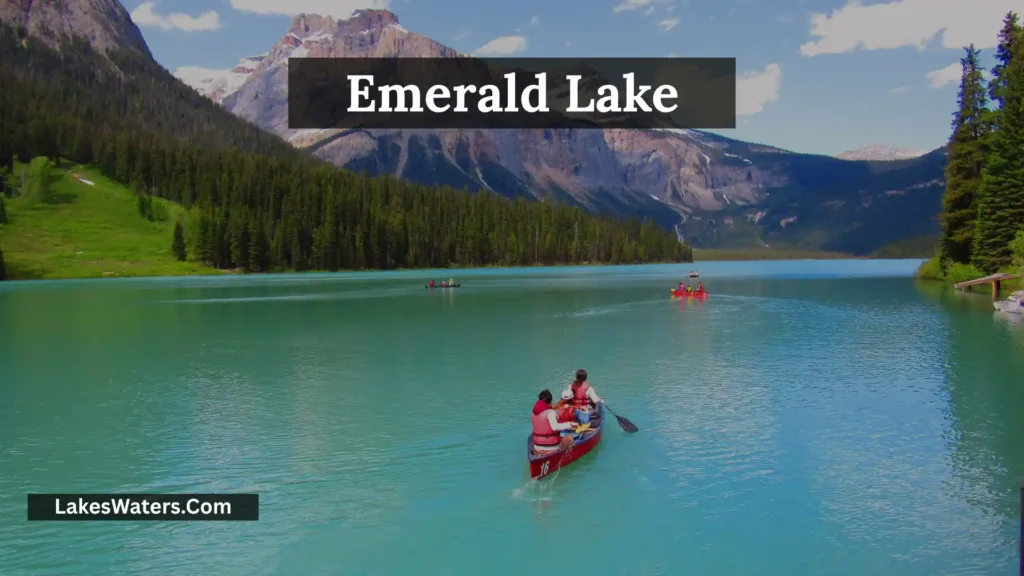
Emerald Lake is located in southern Vermont near East Dorset. Surrounded by forested hills, it offers a scenic setting for swimming, paddling, and relaxing outdoors.
Emerald Lake State Park provides access to the water and opportunities to enjoy a range of seasonal activities. The lake is especially appealing to visitors who prefer a smaller recreational destination rather than a large body of open water.
Activities include:
- Swimming at the designated swimming area
- Kayaking and canoeing
- Paddleboarding
- Picnicking
- Enjoying the surrounding woodland scenery
The lake’s setting makes it a good choice for a summer day trip or a relaxing stop during a wider tour of southern Vermont.
Motorized boating restrictions may differ from those at larger lakes, so visitors should check the current park rules before bringing a boat.
Best for: Swimming, kayaking, paddleboarding, and peaceful outdoor recreation.
Lake Dunmore
Lake Dunmore lies in central Vermont near Salisbury and Leicester. It is surrounded by forested hills and offers convenient access to outdoor activities.
Branbury State Park, on the lake’s eastern shore, provides opportunities for swimming, paddling, and camping. Visitors can spend the day on the water or use the area as a starting point for exploring nearby natural attractions.
Popular activities include:
- Swimming at designated areas
- Canoeing and kayaking
- Fishing
- Camping
- Picnicking
- Exploring nearby hiking destinations
Lake Dunmore is worth considering if you want a destination that combines lake recreation with opportunities to explore Vermont’s countryside.
Best for: Swimming, paddling, fishing, camping, and nature outings.
Lake Memphremagog
Lake Memphremagog is a large lake shared by Vermont and Quebec, Canada. Its southern end lies near Newport in northeastern Vermont.
The lake’s broad waters and surrounding hills create a scenic setting for boating, fishing, and other outdoor activities. Newport also provides access to waterfront recreation and local attractions.
Visitors may enjoy:
- Boating and sailing
- Kayaking and canoeing
- Fishing
- Exploring the Newport waterfront
- Enjoying lakeside views
- Taking in the surrounding countryside
Because Lake Memphremagog crosses an international border, travelers should pay attention to applicable boating and fishing regulations if they plan to travel beyond the United States portion of the lake.
Best for: Boating, fishing, paddling, and exploring northeastern Vermont.
Lake Carmi
Lake Carmi is located in northwestern Vermont near the Canadian border. It is a popular destination for visitors who want to enjoy lake recreation in a quieter part of the state.
Lake Carmi State Park provides opportunities for swimming, fishing, boating, and camping. Its natural setting makes it appealing to families, anglers, and travelers looking for a traditional outdoor getaway.
Activities may include:
- Swimming at designated areas
- Fishing
- Kayaking and canoeing
- Camping
- Wildlife observation
- Relaxing by the water
Lake Carmi can be a good choice for a weekend outdoors, particularly for travelers exploring northern Vermont.
Best for: Camping, fishing, swimming, and nature experiences.
Green River Reservoir
Green River Reservoir, located in northern Vermont, is an appealing destination for paddlers seeking a more secluded experience.
Unlike heavily developed waterfront destinations, the reservoir is known for its largely undeveloped shoreline. Its setting makes it particularly attractive to people who enjoy kayaking, canoeing, and exploring quiet stretches of water.
The reservoir has approximately 19 miles of undeveloped shoreline, although visitors should check current rules concerning boat types, access, and camping.
Activities may include:
- Kayaking
- Canoeing
- Wildlife observation
- Exploring sheltered sections of the reservoir
- Enjoying the surrounding forest
Green River Reservoir is especially suitable for visitors who value a quiet natural environment. It is not the same type of destination as a busy lake with extensive motorboat traffic and developed beaches.
Best for: Kayaking, canoeing, wildlife observation, and peaceful surroundings.
Best Lakes in Vermont for Swimming
Vermont’s lakes provide plenty of opportunities to cool off during summer. Some have designated swimming beaches, while others offer more limited access.
The following lakes are worth considering if swimming is your main priority.
| Lake | Location | Why Visit |
| Lake Bomoseen | Near Castleton | Swimming beach, camping, and boating opportunities |
| Lake Willoughby | Northeast Kingdom | Mountain scenery and designated beach areas |
| Lake Champlain | Western Vermont | Multiple waterfront recreation areas and designated beaches |
| Lake St. Catherine | Near Poultney | State park swimming and outdoor recreation |
| Emerald Lake | Near East Dorset | Scenic swimming and paddling opportunities |
| Lake Dunmore | Near Salisbury | Swimming, camping, and access to nearby natural attractions |
| Lake Carmi | Northwestern Vermont | Swimming, fishing, and camping |
Which Vermont Lake Is Best for Families?
Lake Bomoseen is a strong option for families because its state park offers a combination of swimming, picnicking, camping, and other outdoor activities.
Lake St. Catherine and Lake Dunmore are also worth considering for their state park recreation opportunities.
For families who prefer dramatic scenery, Lake Willoughby offers an impressive mountain backdrop. However, the water can be cold, and swimmers should use designated access areas and exercise caution.
Before entering any lake, check current swimming advisories. Water quality can change throughout the season, and cyanobacteria, commonly called blue-green algae, can sometimes make swimming unsafe.
A lake that looks clear is not necessarily free of water-quality problems.
Best Lakes in Vermont for Kayaking
Kayaking is one of the best ways to explore Vermont’s lakes. Depending on your experience, you can choose a large lake with expansive views or a smaller body of water surrounded by forests.
Lake Willoughby for Mountain Views
Lake Willoughby is a strong choice for paddlers who want to enjoy dramatic mountain scenery from the water.
Its long, narrow shape offers opportunities to explore along the shoreline. However, cold water and changing wind conditions require careful planning.
Beginners should choose suitable weather conditions and avoid paddling far from shore.
Green River Reservoir for Quiet Paddling
Green River Reservoir is particularly appealing to paddlers seeking a quieter natural environment.
Its undeveloped shoreline provides a different experience from lakes with busy marinas and extensive waterfront development.
Before visiting, check local restrictions regarding motorized boats, launching, and camping.
Lake Bomoseen for Recreational Kayaking
Lake Bomoseen offers opportunities to combine kayaking with swimming, fishing, and camping.
Its established recreation facilities can make planning easier, particularly if you want to rent equipment rather than bring your own kayak.
During busy summer periods, paddlers should remain alert to other boats and choose routes appropriate to their experience.
Lake Champlain for Experienced Paddlers
Lake Champlain provides extensive opportunities for kayaking, including routes near islands and sheltered sections of shoreline.
However, its large size can create challenging conditions. Wind, waves, boat traffic, and changing weather can make some sections unsuitable for beginners.
If you are new to kayaking, choose a protected launch area and avoid crossing open water.
Lake Dunmore for a Relaxed Outing
Lake Dunmore is another option for visitors interested in kayaking or canoeing in a scenic setting.
Its recreational access and nearby natural attractions make it suitable for a day trip or a longer camping visit.
As with any lake, confirm launch access and seasonal facilities before traveling.
Which Lakes in Vermont Allow Motorboats?
Several Vermont lakes allow motorized boating, although restrictions vary by lake and location.
Lake Champlain is a major destination for motorboats and sailing. Lake Bomoseen and Lake St. Catherine also provide boating access.
Lake Memphremagog offers additional opportunities for boating, while Lake Dunmore provides access for a range of recreational activities subject to applicable rules.
Here is a quick comparison.
| Lake | Boating Opportunities | Other Activities |
| Lake Champlain | Motorboating, sailing, and cruising | Fishing, kayaking, swimming |
| Lake Bomoseen | Motorboating and recreational boating | Swimming, camping, fishing |
| Lake St. Catherine | Recreational boating | Swimming, kayaking, fishing |
| Lake Memphremagog | Boating and sailing | Fishing, paddling, sightseeing |
| Lake Dunmore | Recreational boating subject to local rules | Swimming, paddling, camping |
This is a selection of boating destinations, not a complete list of Vermont lakes that permit motorized vessels.
Before launching, confirm the applicable boating rules, access requirements, and any restrictions on engine types or boat use. Never assume that motorboats are permitted simply because a lake has public access.
Lakes in Vermont by Size
Vermont’s lakes vary considerably in surface area, depth, and geographic setting.
Lake Champlain is the largest lake associated with Vermont, while Lake Bomoseen is the largest lake located entirely within the state.
Lake Willoughby is notable for its depth rather than its surface area. Lake Memphremagog is another major lake, but it extends into Canada.
| Lake | General Location | Main Distinction |
| Lake Champlain | Western Vermont and neighboring regions | Largest lake associated with Vermont |
| Lake Memphremagog | Northeastern Vermont and Quebec | Large lake shared by the United States and Canada |
| Lake Bomoseen | Near Castleton | Largest lake entirely within Vermont |
| Lake Willoughby | Northeast Kingdom | Deepest lake in Vermont |
| Lake Dunmore | Central Vermont | Recreational lake with state park access |
| Lake St. Catherine | Southwestern Vermont | Popular destination for swimming and boating |
| Lake Carmi | Northwestern Vermont | State park destination for camping and lake recreation |
Exact lake rankings can depend on the measurement used and whether the entire lake or only the portion within Vermont is counted.
For example, Lake Champlain crosses a state border, and Lake Memphremagog crosses an international border. Their total surface areas should not be confused with the areas lying within Vermont.
When comparing lakes, it is also important to distinguish surface area from depth. A lake can be relatively small in area but exceptionally deep.
What Are the Cleanest Lakes in Vermont?
There is no single permanent ranking that identifies the cleanest lake in Vermont for every purpose.
Water quality varies according to environmental conditions, weather, surrounding land use, nutrient levels, bacteria, and the presence of cyanobacteria or aquatic invasive species.
Some lakes may have clear water but still experience temporary swimming advisories. Others may have healthy shoreland habitats while facing different environmental challenges.
If clean water is your main priority, consider the following steps before visiting.
Check Current Swimming Advisories
Look for official information about designated swimming beaches and recent water-quality testing.
Swimming advisories can change throughout the summer, so information from a previous season may no longer be reliable.
Look for Cyanobacteria Warnings
Cyanobacteria, often called blue-green algae, can sometimes form blooms that release toxins.
Avoid swimming in water affected by an official warning or a suspected harmful bloom. Keep children and pets away from affected water.
Review Lake Health Information
Vermont monitors lake conditions through programs that assess factors such as nutrients, aquatic invasive species, and shoreland habitat.
These resources can help you understand a lake’s environmental condition, although they do not necessarily establish which lake is the cleanest for swimming on a particular day.
Never Judge Water Quality by Appearance Alone
Clear water does not guarantee that swimming is safe. Similarly, the absence of a visible bloom does not replace official water-quality information.
For the most reliable decision, check current conditions at the specific beach or access area you plan to use.
When Is the Best Time to Visit Vermont Lakes?
The best time to visit depends on the activities you want to enjoy.
Summer: Swimming, Kayaking, and Boating
Summer is generally the most popular season for lake recreation in Vermont.
Warmer weather makes swimming, kayaking, canoeing, and boating more comfortable. State parks may offer seasonal swimming areas, boat rentals, and camping facilities.
Lake Bomoseen, Lake St. Catherine, Lake Dunmore, and Emerald Lake are useful options for summer recreation.
Lake Champlain is particularly appealing to visitors interested in sailing, motorboating, and exploring waterfront communities.
Because summer is a busy travel season, check park operating schedules and reserve campsites in advance when possible.
Spring: Nature and Scenic Exploration
Spring offers opportunities to enjoy the changing landscape around Vermont’s lakes.
However, the water may remain cold, and weather conditions can be unpredictable. Swimming and paddling may be less comfortable than during the height of summer.
If you visit in spring, focus on scenic drives, lakeside walks where accessible, and nearby outdoor attractions.
Fall: Lakes and Autumn Foliage
Autumn is an appealing season for travelers who want to combine lake scenery with Vermont’s famous fall colors.
Forested hills around lakes such as Willoughby, Dunmore, and Bomoseen can provide beautiful seasonal views.
Cooler temperatures may make swimming less attractive, but hiking, photography, and scenic drives remain popular options.
Winter: Frozen Lakes and Ice Fishing
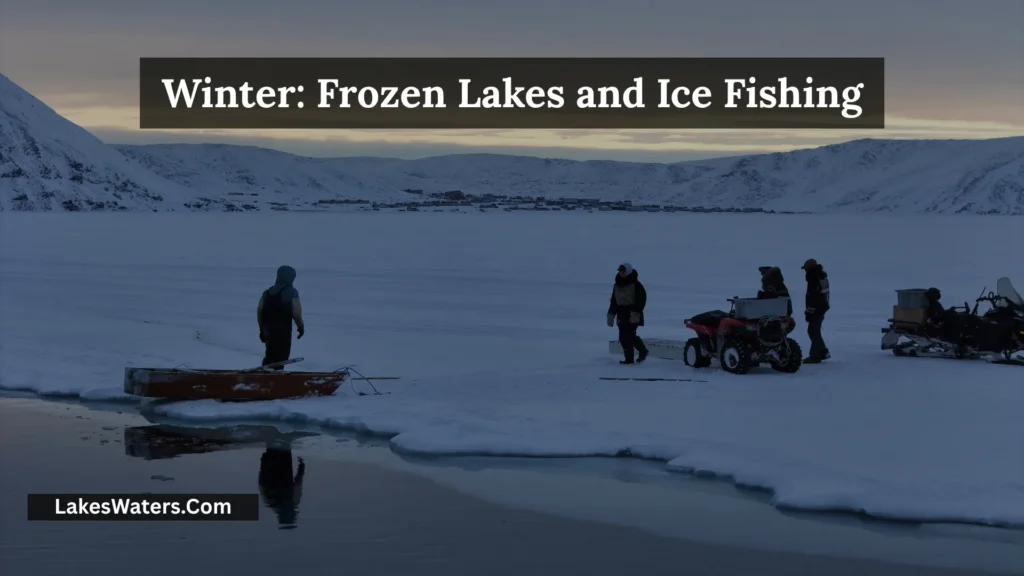
Some Vermont lakes freeze during winter, creating opportunities for ice fishing and other cold-weather recreation when conditions permit.
However, freezing conditions vary from year to year and from one part of a lake to another.
Never assume that a frozen lake is safe for walking, skating, or ice fishing. Ice thickness can change because of currents, springs, inflows, and shifting temperatures.
Check reliable local guidance and current ice conditions before going onto the ice.
Tips for Planning a Trip to Vermont’s Lakes
Planning ahead can help you choose the right lake and avoid common problems during your visit.
Choose a lake that matches your activities. Lake Willoughby is especially appealing for mountain scenery, while Lake Bomoseen offers several recreational activities in one destination.
Check public access. Not every section of a lake’s shoreline is open to the public. Identify designated beaches, boat launches, and other permitted access points.
Review boating restrictions. If you plan to use a motorboat, confirm that motorized vessels are permitted and that the launch is suitable for your boat.
Check water quality before swimming. Review current advisories, especially during warm weather when cyanobacteria blooms may develop.
Prepare for changing weather. Wind can create challenging conditions on large lakes, particularly Lake Champlain. Check the forecast before kayaking or boating.
Confirm seasonal facilities. Beaches, equipment rentals, and park facilities may have limited operating seasons.
Pack suitable safety equipment. Wear a properly fitted personal flotation device when boating or paddling, and make sure children are supervised around the water.
Protect the natural environment. Clean, drain, and dry boats and equipment as appropriate to reduce the spread of aquatic invasive species.
Plan camping carefully. If you want to stay overnight, check campsite availability and park rules before traveling.
Frequently Asked Questions About Lakes in Vermont
Are there lakes in Vermont?
Yes. Vermont has more than 800 lakes and ponds. Its best-known lakes include Lake Champlain, Lake Willoughby, Lake Bomoseen, Lake Dunmore, and Lake Memphremagog.
What is the largest lake in Vermont?
Lake Champlain is the largest lake associated with Vermont, but it extends beyond the state into New York and Quebec. Lake Bomoseen is the largest lake located entirely within Vermont.
What is the deepest lake in Vermont?
Lake Willoughby is Vermont’s deepest lake, with a reported maximum depth of approximately 328 feet. It is known for its cold water and steep mountain surroundings.
Which lakes in Vermont are best for swimming?
Lake Bomoseen, Lake Willoughby, Lake St. Catherine, Emerald Lake, and Lake Dunmore are popular options for swimming at designated areas. Always check current beach access and water-quality advisories before entering the water.
What are the best lakes in Vermont for kayaking?
Lake Willoughby, Green River Reservoir, Lake Bomoseen, Lake Dunmore, and Lake Champlain offer kayaking opportunities. Beginners should choose suitable sheltered areas, while experienced paddlers may prefer more exposed waters when conditions are appropriate.
Can you use motorboats on Vermont lakes?
Yes. Motorboats are permitted on several Vermont lakes, including Lake Champlain and Lake Bomoseen. Rules differ by lake, so confirm local restrictions and launch requirements before bringing a motorboat.
Which Vermont lakes are best for families?
Lake Bomoseen, Lake St. Catherine, and Lake Dunmore are worth considering because their state park areas offer combinations of swimming and outdoor recreation. Families should check current facilities, swimming conditions, and age-appropriate safety requirements before visiting.
Are Vermont lakes clean enough for swimming?
Many designated swimming areas offer opportunities for recreational swimming, but water quality changes with environmental conditions. Check official advisories for the specific lake or beach you plan to visit rather than relying on appearance alone.
Does Lake Champlain belong entirely to Vermont?
No. Lake Champlain borders Vermont and New York, and its northern portion extends into Quebec, Canada. It is a shared lake rather than a body of water located entirely within Vermont.
Do Vermont lakes freeze in winter?
Some Vermont lakes freeze during winter, but ice conditions vary with weather, water movement, and location. Never assume ice is safe for recreational use without reliable information about its current condition.
Conclusion
Vermont’s lakes offer something for nearly every kind of outdoor traveler. Lake Champlain is an excellent choice for boating and exploring waterfront communities, Lake Willoughby stands out for its mountain scenery, and Lake Bomoseen offers a combination of swimming, fishing, camping, and other recreational activities.
If kayaking is your priority, consider Green River Reservoir, Lake Willoughby, or Lake Dunmore, depending on your experience and the conditions. For a traditional summer getaway, Lake St. Catherine and Lake Bomoseen are worth exploring.
Before choosing a destination, consider the activities you want to enjoy, the available public access, and the season of your visit. Checking current park information, boating rules, and swimming advisories will help you plan a safer and more enjoyable trip.

I am Ethan Reynolds, a nature researcher and writer focused on freshwater environments, aquatic ecosystems, and sustainable water solutions.
I enjoy sharing knowledge about lakes, rivers, wetlands, and the challenges facing global water resources.
My goal is to help readers understand the value of water and encourage responsible actions to protect it.
Books by Ethan Reynolds:
- Lakes and Landscapes: Stories from Nature
- Protecting Water for Future Generations