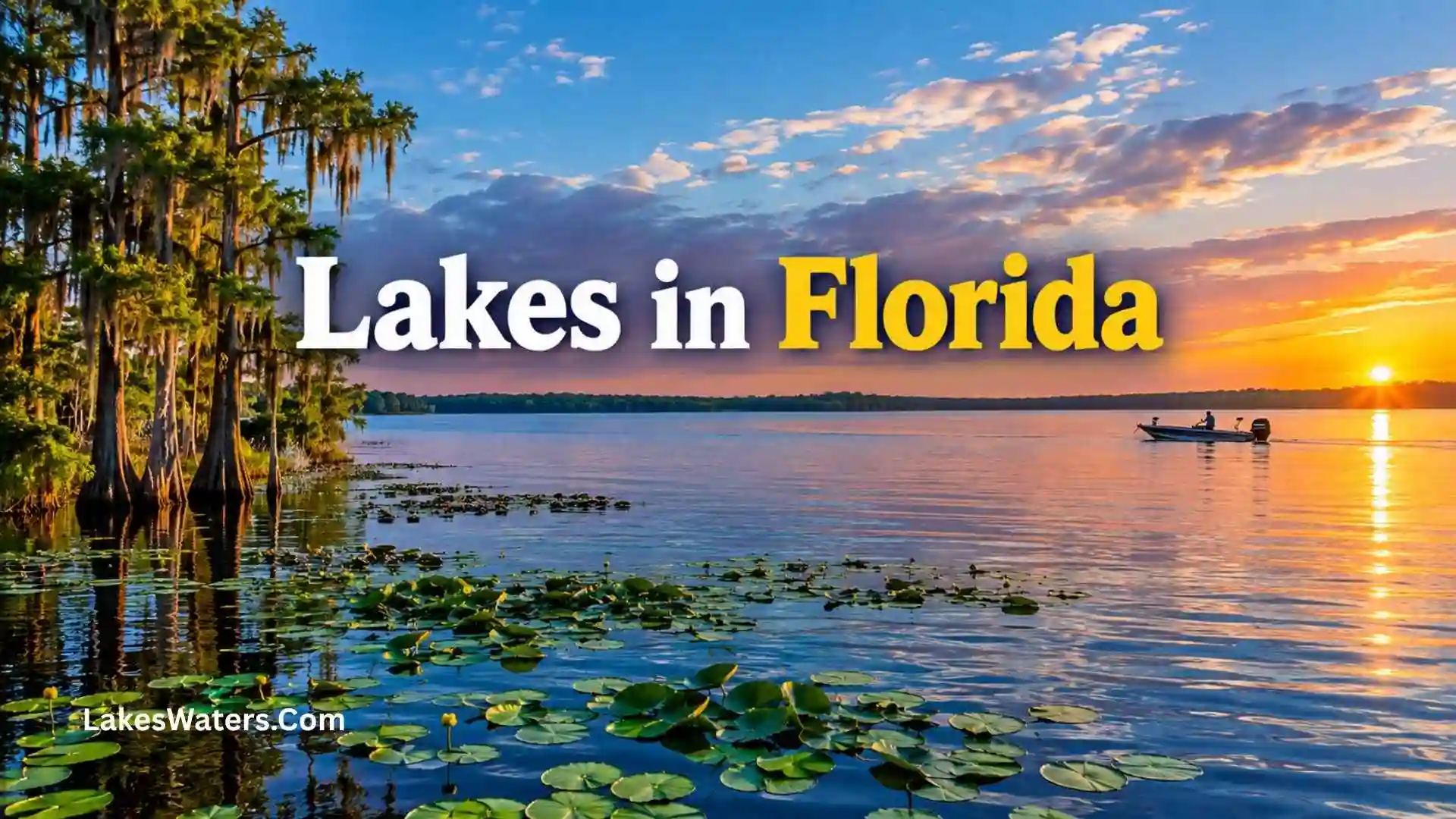
Florida is known for its beaches, but its freshwater lakes offer another way to experience the state. From the enormous Lake Okeechobee to the natural lakes of Central Florida and the wooded waterways of North Florida, these destinations provide opportunities for fishing, boating, kayaking, wildlife watching, camping, and peaceful outdoor recreation.
The best lakes in Florida depend on what you want to do. Some are ideal for anglers, others have state parks with trails and family facilities, and some are better suited to birdwatching or exploring wetland ecosystems. Florida’s lakes also differ in their origins, water conditions, surrounding landscapes, and access arrangements.
This guide explores notable lakes throughout Florida, explains what makes each one interesting, and provides practical information to help you choose a destination.
How Many Lakes Are in Florida?
Florida has about 7,700 lakes larger than 10 acres, according to the Florida Department of State. The state’s largest lake is Lake Okeechobee, which covers approximately 700 square miles according to the same source.
The exact number of lakes depends on how a lake is defined and the minimum size used in a survey. For example, a count that includes very small ponds will differ from one that counts only larger water bodies.
Florida’s lakes are spread across different landscapes, including:
- Central Florida’s rolling lake districts.
- North Florida’s wooded and wetland environments.
- South Florida’s broad freshwater systems.
- West Florida’s reservoirs, lakes, and inland waterways.
Many of these lakes support fish, birds, turtles, aquatic plants, and other wildlife. They also contribute to recreation, water management, and the ecological health of connected rivers and wetlands.
Best Lakes in Florida to Visit
Florida has hundreds of lakes that may be interesting to visitors, but the following destinations stand out for their size, recreational opportunities, environmental importance, or access to natural areas.
This is not a strict statewide ranking. The lakes are selected to represent different types of experiences, from fishing and boating to family recreation and conservation.
1. Lake Okeechobee

Best for: Freshwater fishing, boating, wildlife observation, and exploring Florida’s large inland water system.
Lake Okeechobee is Florida’s largest lake and one of the most important freshwater features in the state. It is located in South Florida and is a major part of the Greater Everglades watershed.
The lake covers approximately 700 square miles, according to the Florida Department of State. It is relatively shallow compared with its enormous surface area, and its surrounding wetlands provide important habitat for fish, birds, and other wildlife.
Lake Okeechobee is particularly famous for freshwater fishing. Anglers commonly pursue largemouth bass, black crappie, and other freshwater species. Fishing conditions vary with water levels, weather, aquatic vegetation, and seasonal patterns.
The lake is also important beyond recreation. Its water system is connected to regional water management, flood control, and the broader Everglades environment.
Things to Do at Lake Okeechobee
- Go freshwater fishing where permitted.
- Explore the lake by boat.
- Observe birds and wetland wildlife.
- Visit communities around the lake.
- Learn about South Florida’s water-management system.
Lake Okeechobee is not a typical beach-style swimming destination. Its size, shallow water, changing conditions, and surrounding wetlands make it more suitable for fishing, boating, and nature-focused activities.
Planning tip: Check boat access, weather conditions, fishing regulations, and local water information before visiting.
2. Lake George
Best for: Fishing, boating, and exploring a large lake connected to the St. Johns River system.
Lake George is located in northeastern Florida and is part of the St. Johns River system. Its broad open-water landscape makes it a notable destination for freshwater recreation.
The lake is associated with fishing and boating opportunities, while nearby natural areas offer chances to observe birds and other wildlife. The Florida Fish and Wildlife Conservation Commission includes Lake George among its freshwater fishing destinations.
Lake George may appeal to visitors who enjoy large waterways but want to explore a different part of Florida from the busy Central Florida tourist corridor.
What to Consider Before Visiting
- Check the location of the boat ramp or fishing access you intend to use.
- Confirm local boating rules.
- Prepare for changing wind and weather conditions.
- Avoid assuming that every shoreline has public access.
3. Lake Apopka
Best for: Birdwatching, environmental learning, and understanding lake restoration.
Lake Apopka is located northwest of Orlando and is one of Florida’s most notable lakes from a conservation perspective.
The lake has experienced serious ecological problems over time, including nutrient pollution and changes in aquatic habitat. Its history demonstrates how agriculture, development, water management, and other human activities can affect freshwater ecosystems.
Lake Apopka and its surrounding areas are also important for bird habitat and wildlife observation. The lake is part of the Harris Chain of Lakes, a broader system of natural lakes associated with the Ocklawaha River headwaters.
Why Lake Apopka Is Important
Lake Apopka is useful for understanding that a lake is more than a place for recreation. Water quality, aquatic plants, wetlands, fish populations, and surrounding land use all influence the health of a freshwater ecosystem.
Visitors interested in nature photography or environmental education may find the lake especially rewarding. However, access and activities differ by location, so check the rules for the specific park or conservation area you plan to visit.
4. Lake Tohopekaliga
Best for: Freshwater fishing, boating, and exploring the Kissimmee area.
Lake Tohopekaliga, commonly called Lake Toho, is a major lake near Kissimmee in Central Florida. It is well known among freshwater anglers, especially those interested in largemouth bass.
The lake contains shallow-water habitats and aquatic vegetation that support fish and other wildlife. It is part of the broader Kissimmee watershed, which is connected to the water systems of South Florida. The Florida Fish and Wildlife Conservation Commission lists Lake Tohopekaliga among its freshwater fishing destinations.
Lake Toho can be a convenient option for visitors staying around Kissimmee or Orlando who want to add a fishing or boating trip to their itinerary.
Activities at Lake Toho
- Freshwater fishing.
- Boating from authorized access points.
- Wildlife observation.
- Exploring nearby parks and waterfront areas.
Fishing licenses and applicable regulations may be required. Check current FWC information before fishing.
5. Lake Kissimmee
Best for: Fishing, paddling, wildlife observation, and experiencing Central Florida’s wetlands.
Lake Kissimmee is part of the Kissimmee Chain of Lakes in Central Florida. Its surrounding landscape includes wetlands, aquatic vegetation, and open-water areas that support a variety of wildlife.
The lake is associated with the Kissimmee River system and the wider watershed that eventually connects to Lake Okeechobee. This makes it valuable for understanding how Florida’s lakes and rivers function as connected water systems.
Lake Kissimmee State Park provides opportunities for outdoor recreation, including fishing, hiking, paddling, and wildlife observation. Florida State Parks identifies the area as a destination for freshwater recreation.
Why Choose Lake Kissimmee?
Lake Kissimmee may be a good choice for visitors who want more than a developed waterfront. Its natural scenery and wetland surroundings offer opportunities to observe Florida’s landscapes and wildlife.
As with other freshwater destinations in the state, visitors should maintain a safe distance from wildlife and follow park instructions.
6. Lake Harris
Best for: Fishing, boating, and exploring the Harris Chain of Lakes.
Lake Harris is located in Lake County, near Leesburg and Tavares. It is one of the major lakes in the Harris Chain of Lakes, a connected group of natural lakes in Central Florida.
The Florida Fish and Wildlife Conservation Commission describes the Harris Chain as a system of lakes associated with the headwaters of the Ocklawaha River. The chain includes major lakes such as Harris, Apopka, Griffin, Eustis, Dora, Beauclair, Carlton, and Yale, with a combined surface area of approximately 75,000 acres.
Lake Harris is known for fishing and boating, and the wider chain has numerous public boat ramps and fishing piers.
What Makes Lake Harris Different?
Unlike an isolated lake, Lake Harris is part of a connected water system. This allows visitors to explore a broader network of waterways, although navigation depends on water levels, channels, boat restrictions, and local conditions.
The surrounding communities also provide access to waterfront parks, marinas, restaurants, and other visitor services.
7. Lake Louisa
Best for: Families, kayaking, canoeing, camping, and outdoor recreation near Orlando.
Lake Louisa is located within Lake Louisa State Park near Clermont, west of Orlando. The park includes Lake Louisa, Dixie Lake, Hammond Lake, and other smaller lakes and offers a combination of water-based recreation and land activities.
The park provides opportunities for hiking, fishing, paddling, camping, picnicking, and wildlife observation. Visitors can rent canoes and kayaks for use on Dixie Lake, and they may bring small hand-carried boats to permitted launch areas. Electric trolling motors are allowed under park rules, but gas-powered motors are not.
Swimming at Lake Louisa State Park
Swimming is permitted in the designated swimming area at Lake Louisa. However, there are no lifeguards, and swimming is at your own risk.
Swimming is not permitted in the park’s other lakes. The park also explains that naturally occurring tannins can give Lake Louisa’s water a brown, tea-colored appearance and may make it difficult to see the bottom.
Facilities and Activities
- Designated swimming area at Lake Louisa.
- Canoe and kayak rentals at Dixie Lake.
- Fishing access.
- Picnic areas.
- Camping facilities.
- Hiking and multi-use trails.
- Wildlife observation.
Lake Louisa State Park is one of the more practical options for families who want to combine a lake outing with other outdoor activities.
Important access detail: Lake Louisa does not have a public boat ramp. Visitors should check the park’s official boating information before bringing a vessel.
8. Lake Tarpon
Best for: Fishing, boating, and a freshwater outing near the Tampa Bay region.
Lake Tarpon is located in Pinellas County near Tarpon Springs and the communities north of Tampa. It is a freshwater lake known for recreational fishing and boating.
Its location makes it useful for visitors who want to combine inland recreation with a trip to Florida’s Gulf Coast. The Florida Fish and Wildlife Conservation Commission includes Lake Tarpon among its freshwater fishing destinations.
Things to Know About Lake Tarpon
The lake is near developed communities, so access may be available through particular parks, marinas, or boat ramps rather than along the entire shoreline.
Before visiting, check:
- Public access locations.
- Boat-launch arrangements.
- Local fishing rules.
- Parking availability.
- Weather conditions.
Lake Tarpon may be a convenient choice for visitors in the Tampa Bay area who want to spend time on freshwater without traveling far inland.
9. Lake Talquin
Best for: Fishing, boating, and exploring wooded lake scenery near Tallahassee.
Lake Talquin is a reservoir west of Tallahassee in North Florida. It was created through the construction of a dam on the Ochlockonee River and is known for its wooded shorelines and freshwater recreation.
The lake is included in the Florida Fish and Wildlife Conservation Commission’s freshwater fishing resources.
Lake Talquin may appeal to anglers and boaters who prefer a more wooded inland setting. Its shoreline landscape differs from the broad marshes around Lake Okeechobee and the heavily developed areas surrounding some Central Florida lakes.
Activities at Lake Talquin
- Fishing.
- Boating.
- Wildlife observation.
- Exploring nearby natural areas.
Water levels, submerged features, and weather conditions can affect boating safety. Use designated access points and check local information before launching.
10. Lake Istokpoga
Best for: Freshwater fishing and exploring a shallow lake environment in South-Central Florida.
Lake Istokpoga is located in Highlands County, near Lake Placid and Sebring. It is a shallow freshwater lake known for fishing, especially largemouth bass and black crappie.
Its aquatic vegetation and wetland areas provide habitat for fish and wildlife. The lake is included in the Florida Fish and Wildlife Conservation Commission’s freshwater fishing resources.
Lake Istokpoga is worth considering for anglers who want to explore a freshwater destination outside the better-known Lake Okeechobee area.
What to Check Before Visiting
- Current fishing regulations.
- Boat-ramp access.
- Water levels.
- Weather conditions.
- Local boating restrictions.
More Lakes in Florida Worth Exploring
The lakes above represent a range of recreational and environmental experiences, but they are only a small part of Florida’s freshwater landscape.
Lake Weir
Lake Weir is located in Marion County near Ocala. It is used for fishing, boating, and other recreational activities.
Its location makes it a possible choice for visitors exploring North-Central Florida. Access depends on the particular park, boat ramp, or shoreline facility being used.
Orange Lake
Orange Lake is a large, shallow lake in North-Central Florida, near Gainesville and Ocala. It is known for fishing and extensive aquatic habitats.
Water levels and vegetation can change over time, affecting fishing and boating conditions. Visitors should check current information before planning a trip.
Lake Monroe
Lake Monroe is part of the St. Johns River system in Central Florida. It lies near Sanford and DeBary and supports boating, fishing, and wildlife observation.
Because it is connected to the St. Johns River, Lake Monroe is part of a larger network of waterways rather than an isolated lake.
Lake Panasoffkee
Lake Panasoffkee is located in Sumter County, west of the Orlando area. It is a natural freshwater lake associated with wetlands, aquatic vegetation, and wildlife.
The Florida Fish and Wildlife Conservation Commission includes Lake Panasoffkee among its freshwater fishing destinations.
Lake Santa Fe
Lake Santa Fe is located near Keystone Heights in North Florida. It is known for freshwater fishing and boating, with wooded surroundings and smaller communities nearby.
It may appeal to visitors looking for a lake outing away from major tourist centers. Check local access points and boating rules before visiting.
Florida Lakes by Region
Florida’s lakes are distributed across several distinct geographic areas. Choosing a region first can make planning easier, especially if you are visiting from another city.
| Region | Notable Lakes | Main Features |
| North Florida | Lake George, Lake Santa Fe, Lake Talquin | Wooded shorelines, fishing, boating, and river-connected water systems |
| Central Florida | Lake Harris, Lake Tohopekaliga, Lake Kissimmee, Lake Louisa | Lake chains, freshwater recreation, state parks, and wildlife |
| South-Central Florida | Lake Okeechobee, Lake Istokpoga | Large inland waters, fishing, wetlands, and water-management systems |
| West-Central Florida | Lake Tarpon, selected lakes near Tampa and Ocala | Freshwater recreation near developed communities |
| North-Central Florida | Orange Lake, Lake Weir, Lake Santa Fe | Fishing, wooded landscapes, and natural lake environments |
This regional grouping is a practical travel guide rather than an official scientific classification. Florida’s formal lake-region studies divide the state into more detailed areas based on geology, soils, hydrology, water chemistry, vegetation, climate, and related characteristics.
How Florida’s Lakes Were Formed
Florida’s lakes have different origins. Some developed naturally through geological processes, while others were created or significantly altered by human activity.
Understanding these differences helps explain why Florida has such a wide variety of lake shapes, water conditions, and surrounding landscapes.
Natural Lakes
Many natural lakes formed in depressions in the landscape. In Central Florida, geological conditions and groundwater systems have played important roles in shaping lake basins.
Florida contains extensive limestone formations beneath its surface. Over geological time, groundwater and the dissolution of limestone have contributed to the development of karst landscapes, including depressions and other features associated with freshwater systems.
Some natural lakes are also connected to wetlands, rivers, and groundwater flows. Their water levels may change with rainfall, groundwater conditions, evaporation, and regional water movement.
Man-Made Lakes and Reservoirs
Some Florida lakes were created by dams, water-management projects, mining, or other human activities.
Reservoirs may support several purposes, including:
- Water storage.
- Flood management.
- Recreation.
- Fish and wildlife habitat.
- Water management.
Lake Talquin, for example, is a reservoir, while Lake Okeechobee is a natural lake. Their different origins help explain why their shorelines, water systems, and management needs are not identical.
Why Lake Formation Matters
A lake’s origin can influence:
- Its depth and shape.
- The type of shoreline it has.
- How water enters and leaves the lake.
- The surrounding vegetation.
- Its sensitivity to changes in water quality.
- The activities that are practical or permitted.
This is one reason visitors should not assume that every Florida lake will look or behave the same way.
Why Florida Has So Many Lakes
Florida’s large number of lakes is closely connected to its geology, landscape, climate, and water systems.
The state has a long geological history involving limestone, changing sea levels, sediments, groundwater movement, and the development of different landforms. These conditions helped create a landscape with many natural depressions and freshwater features.
Central Florida, in particular, is known for its concentration of lakes. The U.S. Geological Survey explains that the region’s abundance of lakes is related to Florida’s geological history and hydrology.
The Role of Groundwater
Groundwater is important to many Florida lakes. The Floridan aquifer, one of the major groundwater systems in the region, supplies water to springs, wetlands, and other freshwater environments.
The relationship between groundwater and lakes varies from one location to another. Some lakes receive groundwater inflow, some lose water to the aquifer, and others are influenced more strongly by rainfall and surface runoff.
The Role of Wetlands
Wetlands can surround lakes and help store water, provide wildlife habitat, and influence water movement through the landscape.
For example, Lake Louisa State Park lies within the Green Swamp, an important wetland area associated with several major Florida rivers. The park’s lakes and wetlands also contribute to the broader water system and help replenish the Floridan aquifer.
Best Lakes in Florida for Different Activities
The right lake depends on the experience you want. A fishing destination may not be the best place for swimming, and a natural wetland may not offer the same facilities as a state park.
| Activity | Lakes to Consider | Why They May Suit You |
| Freshwater fishing | Lake Okeechobee, Lake Tohopekaliga, Lake Kissimmee, Lake Istokpoga | Well-known freshwater fishing destinations |
| Boating | Lake George, Lake Harris, Lake Okeechobee, Lake Talquin | Large waterways with boating opportunities where access is permitted |
| Kayaking and canoeing | Lake Louisa State Park, Lake Kissimmee, selected state-park waterways | Paddling opportunities in natural settings |
| Wildlife observation | Lake Okeechobee, Lake Apopka, Lake Kissimmee | Wetlands and aquatic habitats that support wildlife |
| Family outdoor trips | Lake Louisa State Park and selected lake parks | Opportunities for picnicking, trails, camping, and water activities |
| Environmental learning | Lake Apopka, Lake Okeechobee, Lake Louisa State Park | Examples of lake ecology, restoration, wetlands, and water systems |
| North Florida recreation | Lake George, Lake Santa Fe, Lake Talquin | Inland scenery, fishing, and boating away from major tourist areas |
These are activity-based suggestions, not guarantees that every lake offers every activity. Always confirm the facilities and restrictions at the specific access point.
Can You Swim in Florida Lakes?
Swimming is allowed in some Florida lakes, but not every lake is suitable for swimming.
Some parks have designated swimming areas, while other lakes are primarily used for fishing, boating, wildlife observation, or water management.
Before entering a lake, consider:
- Whether swimming is officially permitted.
- Whether a designated swimming area is available.
- Current water-quality information.
- Posted warnings.
- Aquatic vegetation and submerged hazards.
- Wildlife conditions.
- Whether lifeguards are present.
A Specific Example: Lake Louisa State Park
Lake Louisa State Park allows swimming in a designated area at Lake Louisa. However, there are no lifeguards, and swimming is at your own risk.
The park does not permit swimming in its other lakes. Its official information also warns that naturally occurring tannins may make it difficult to see the lake bottom.
This example shows why swimming rules must be checked for the individual lake rather than assumed from the general fact that Florida has warm weather.
Are There Alligators in Florida Lakes?
Yes. American alligators occur in many freshwater environments throughout Florida, including lakes, ponds, wetlands, and slow-moving rivers.
The Florida Fish and Wildlife Conservation Commission states that alligators are found in all 67 Florida counties. Their presence is part of the state’s natural environment, but visitors should behave responsibly around freshwater.
How to Stay Safe Near Alligators
- Keep a safe distance from alligators.
- Never feed or approach them.
- Do not allow pets to swim in freshwater or brackish water.
- Keep pets on a leash near the water.
- Swim only in designated areas during daylight hours.
- Follow posted park instructions.
- Avoid entering unfamiliar water.
The FWC advises people to swim only in designated swimming areas during daylight hours because alligators are most active between dusk and dawn.
Feeding alligators is illegal and dangerous because it can cause them to associate people with food.
If an alligator appears to pose a threat to people, pets, or property, contact the FWC Nuisance Alligator Hotline at 866-FWC-GATOR (866-392-4286).
Are Florida Lakes Safe for Fishing and Boating?
Fishing and boating are popular activities on many Florida lakes, but safety depends on the lake, weather, equipment, and local regulations.
Fishing Safety and Regulations
Before fishing:
- Check whether a fishing license is required.
- Review current size, bag, and seasonal regulations.
- Confirm that the species you want to catch is permitted.
- Use safe fishing equipment.
- Follow rules for public piers and boat ramps.
The Florida Fish and Wildlife Conservation Commission provides freshwater fishing information and regulations for many lakes throughout the state.
Boating Safety
Before launching a boat or kayak:
- Check the weather forecast.
- Use an appropriate personal flotation device.
- Confirm the location of a legal launch site.
- Learn about navigation hazards.
- Check local motor restrictions.
- Carry required safety equipment.
- Avoid open water during thunderstorms.
Some lakes have shallow areas, aquatic vegetation, submerged objects, or changing water levels. These conditions can affect navigation.
Check Access Before Your Trip
A lake may be suitable for boating in general but lack a public boat ramp at the location you want to visit.
For example, Lake Louisa State Park does not have a public boat ramp at Lake Louisa. The park permits hand-carried small boats and electric trolling motors under its stated rules, while gas-powered motors are not permitted.
Always check the official access information before transporting a boat.
Best Time to Visit Lakes in Florida
Florida’s lakes can be visited throughout the year, but the best time depends on your activity, location, and tolerance for heat and storms.
Winter
Winter often brings more comfortable temperatures for hiking, sightseeing, fishing, and wildlife observation.
It can be a pleasant season for visitors who want to spend several hours outdoors without the intense heat common during summer.
Spring
Spring can be a good time for outdoor recreation, especially when temperatures are comfortable and rainfall is not excessive.
Visitors should still check local conditions because water levels, wildlife activity, and access arrangements vary.
Summer
Summer brings long days and warm weather, but Florida can also experience high humidity, intense sunlight, and frequent thunderstorms.
If you visit a lake during summer:
- Carry sufficient drinking water.
- Use sunscreen and protective clothing.
- Plan outdoor activities for cooler parts of the day.
- Check the forecast before boating.
- Leave open water when thunderstorms approach.
- Take breaks from direct sunlight.
Fall
Fall can provide comfortable conditions for fishing, boating, hiking, and exploring state parks. However, temperatures may remain high in parts of Florida.
Weather conditions should always be checked before a trip, particularly when boating or paddling.
What to Bring for a Florida Lake Trip
Your packing list depends on whether you are fishing, camping, kayaking, swimming, or simply visiting a lakeside park.
Basic Lake-Trip Checklist
- Drinking water.
- Sunscreen.
- Sunglasses.
- A hat.
- Insect repellent.
- Comfortable clothing.
- Suitable walking shoes.
- Snacks or food.
- A first-aid kit.
- A charged mobile phone.
- Trash bags for carrying out waste.
If You Are Kayaking or Boating
- A properly fitted personal flotation device.
- Required safety equipment.
- A suitable paddle or motor.
- Weather information.
- Navigation equipment when appropriate.
- Dry bags for valuables.
- Knowledge of local boating rules.
If You Are Fishing
- Fishing equipment.
- Permitted bait or lures.
- A valid license if required.
- Knowledge of current fishing regulations.
- Appropriate equipment for handling fish safely.
Florida State Parks and the FWC provide information about fishing opportunities, licenses, and regulations.
How to Choose the Right Lake in Florida
Florida has so many lakes that choosing one can feel difficult. The easiest approach is to start with your main activity and then check location, access, and facilities.
Choose a Lake Near Your Destination
If you are staying in Orlando, Kissimmee, Tampa, Tallahassee, Ocala, or another Florida city, begin by looking for lakes within a reasonable driving distance.
A nearby lake with good facilities may be more useful than a famous lake several hours away.
Decide What You Want to Do
Ask yourself:
- Do I want to fish?
- Do I want to kayak or canoe?
- Am I looking for a swimming area?
- Do I want to see wildlife?
- Do I need picnic tables or restrooms?
- Am I planning to camp?
- Do I want a quiet natural setting?
Your answers will help narrow the options.
Compare Access and Facilities
Two lakes may both be beautiful, but they may offer very different visitor experiences.
A state park may have:
- Restrooms.
- Picnic areas.
- Trails.
- Camping.
- Designated swimming areas.
- Boat or kayak access.
A less-developed lake may have fewer facilities and require more preparation.
Confirm the Rules Before You Go
Check the following information on the official website of the relevant park or managing agency:
- Opening hours.
- Entrance fees.
- Boat-launch access.
- Swimming rules.
- Fishing regulations.
- Water-quality advisories.
- Temporary closures.
- Weather-related restrictions.
This preparation can save time and help you avoid arriving at a location that does not permit your planned activity.
Frequently Asked Questions About Lakes in Florida
What Is the Largest Lake in Florida?
Lake Okeechobee is the largest lake in Florida. The Florida Department of State lists its area as approximately 700 square miles. It is also an important part of the Greater Everglades watershed.
How Many Lakes Are There in Florida?
Florida has about 7,700 lakes larger than 10 acres, according to the Florida Department of State. The number may differ when smaller ponds and other water bodies are included.
What Are the Best Lakes in Florida for Fishing?
Lake Okeechobee, Lake Tohopekaliga, Lake Kissimmee, Lake Istokpoga, Lake Harris, and Lake Talquin are notable freshwater fishing destinations.
The best choice depends on your preferred fish species, location, boat access, and current fishing regulations.
What Are the Best Lakes Near Orlando?
Lake Louisa, Lake Harris, Lake Apopka, Lake Tohopekaliga, and Lake Kissimmee are useful options to investigate when planning a lake trip from the Orlando area.
The most suitable choice depends on your exact starting point and whether you want fishing, paddling, wildlife observation, or family facilities.
Are Florida Lakes Safe for Swimming?
Some Florida lakes have designated swimming areas, but many are not intended for swimming. Always check local rules, water-quality information, and safety guidance before entering a lake.
Are There Alligators in Florida Lakes?
Yes. Alligators occur in many Florida freshwater environments. Visitors should keep their distance, never feed them, and follow designated swimming and wildlife-safety rules.
Can You Go Kayaking on Florida Lakes?
Yes. Kayaking is available on many Florida lakes and connected waterways, but access and restrictions vary.
For example, Lake Louisa State Park allows hand-carried kayaks and canoes on permitted lakes, and it offers kayak rentals at Dixie Lake.
Are Florida Lakes Natural or Alternative?
Florida has both natural lakes and alternative reservoirs. Lake Okeechobee is a natural lake, while Lake Talquin is a reservoir.
The origin of a lake can influence its shape, water movement, shoreline, and management needs.
Which Florida Lakes Are Good for Families?
Lake Louisa State Park is one option for families because it offers a combination of lake recreation, picnic areas, trails, camping, and a designated swimming area.
Families should check current park information and supervise children near water.
What Should You Check Before Visiting a Florida Lake?
Before visiting, check:
- Public access.
- Weather.
- Water conditions.
- Swimming rules.
- Fishing regulations.
- Boat-launch availability.
- Wildlife safety information.
- Park hours and fees.
Conclusion
The lakes in Florida offer a wide variety of experiences, from freshwater fishing and boating to wildlife observation, paddling, camping, and environmental exploration.
Lake Okeechobee provides a look at Florida’s enormous inland water systems, while Lake Apopka illustrates the importance of conservation and restoration. Lake Harris and the surrounding chain offer connected waterways, and Lake Louisa State Park provides a convenient combination of recreation and family-friendly facilities.
The best lake for your trip depends on your location, preferred activities, available time, and the facilities you need. Before leaving, confirm access arrangements, local rules, weather conditions, and safety information.
With thoughtful planning, exploring Florida’s lakes can be a rewarding way to experience the state’s freshwater landscapes beyond its famous beaches.

I am Ethan Reynolds, a nature researcher and writer focused on freshwater environments, aquatic ecosystems, and sustainable water solutions.
I enjoy sharing knowledge about lakes, rivers, wetlands, and the challenges facing global water resources.
My goal is to help readers understand the value of water and encourage responsible actions to protect it.
Books by Ethan Reynolds:
- Lakes and Landscapes: Stories from Nature
- Protecting Water for Future Generations
 Daniel Brooks