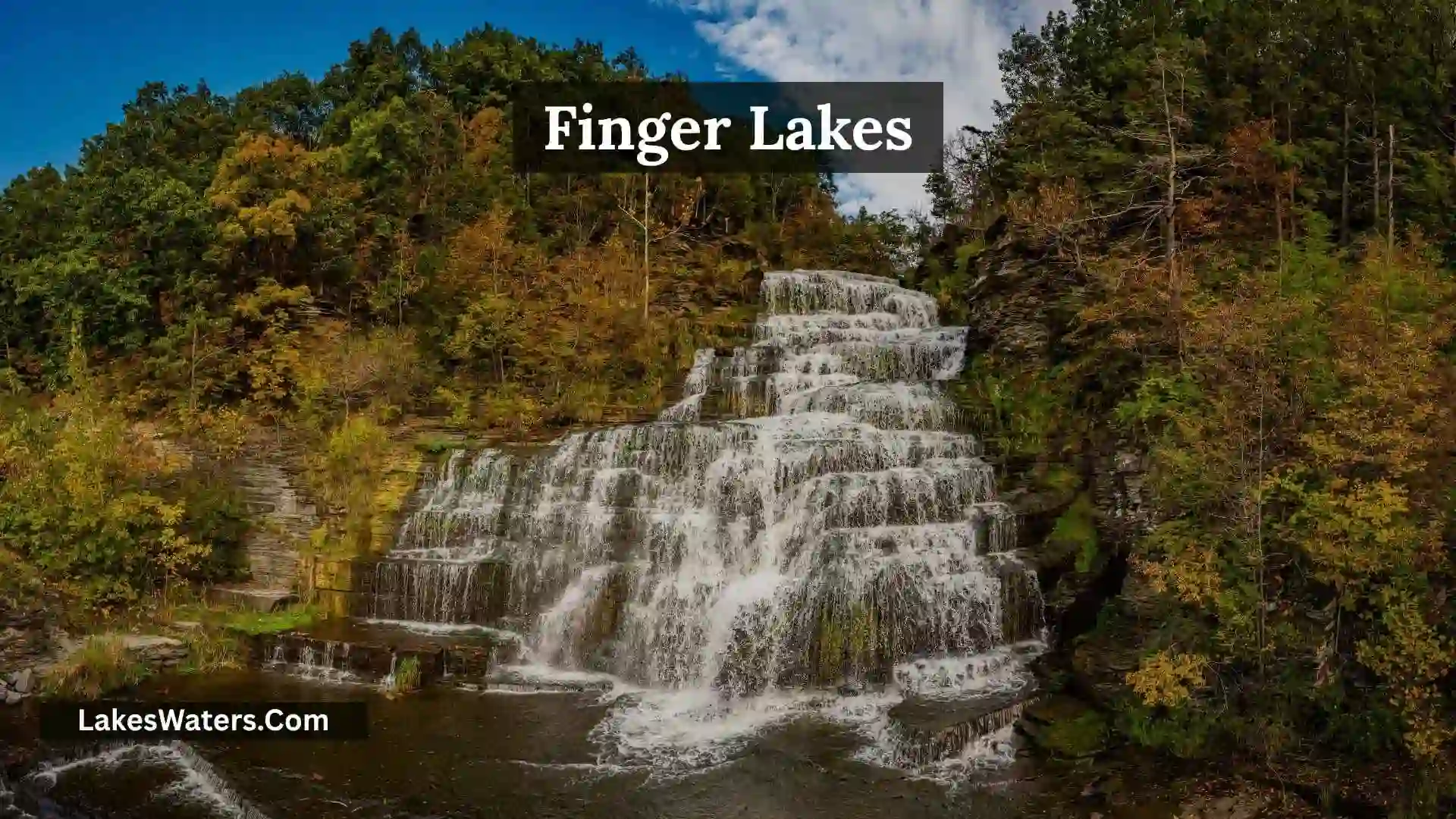
The Finger Lakes region of New York is known for its long, narrow lakes, scenic waterfalls, rolling countryside, charming small towns, and vineyards. Whether you want a peaceful lakeside getaway, an outdoor adventure, a wine-country trip, or a family vacation, the Finger Lakes offer plenty of ways to explore upstate New York.
The region is named after 11 major glacial lakes that stretch across central New York. Visitors can enjoy boating, swimming, fishing, hiking, wine tasting, scenic drives, and visits to historic communities. Popular highlights include Seneca Lake, Cayuga Lake, Keuka Lake, Watkins Glen State Park, and Taughannock Falls State Park.
This guide explains where the Finger Lakes are, how the lakes formed, which ones are worth visiting, what to do in the region, and how to plan a trip based on your available time.
Quick Answer: What Are the Finger Lakes?
The Finger Lakes are a group of 11 long, narrow, naturally formed lakes in central and western New York State. They were shaped by glaciers during the last ice age and are surrounded by forests, hills, farms, vineyards, parks, and small towns.
The 11 Finger Lakes are:
- Canadice Lake
- Canandaigua Lake
- Cayuga Lake
- Conesus Lake
- Hemlock Lake
- Honeoye Lake
- Keuka Lake
- Otisco Lake
- Owasco Lake
- Seneca Lake
- Skaneateles Lake
The best lake for your visit depends on what you want to do. Seneca and Cayuga are good starting points for exploring the region, Keuka is known for its distinctive Y-shaped outline and wine-country scenery, and Skaneateles is a popular choice for picturesque village views. For waterfalls and gorge hikes, combine a lake visit with Watkins Glen or Taughannock Falls State Park.
Where Are the Finger Lakes Located?
The Finger Lakes are in upstate New York, primarily across the central and western part of the state. The wider tourism region includes more than the 11 named lakes, with additional communities, waterways, farmland, parks, and attractions.
The region is commonly explored by road, with individual lakes surrounded by different towns and recreational areas. Depending on your itinerary, you may travel through communities such as Ithaca, Geneva, Watkins Glen, Canandaigua, Penn Yan, and Skaneateles.
The Finger Lakes are not a single town or one compact attraction. They cover a broad area, so choosing a base and grouping nearby stops can make your trip easier.
What Is the Difference Between the Finger Lakes and the Finger Lakes Region?
The Finger Lakes usually refers to the 11 principal lakes themselves. The Finger Lakes region refers to the wider geographic and travel area around them, including smaller lakes, waterfalls, state parks, vineyards, historic sites, and communities.
This distinction matters when planning a visit. An attraction advertised as being in the Finger Lakes region may not be directly beside one of the 11 main lakes.
How Did the Finger Lakes Form?
The Finger Lakes are natural lakes formed by glacial activity, not artificial reservoirs created by people. During the last ice age, massive glaciers moved across what is now New York State, deepening existing valleys and carving long, steep-sided basins into the landscape.
As the glaciers retreated roughly 10,000 years ago, meltwater filled many of these depressions, forming the lakes. Streams flowing over the newly shaped terrain continued to erode the surrounding rock, helping create the region’s waterfalls and dramatic gorges.
New York State Parks describes this glacial history in its Finger Lakes geological overview.
Why Are the Lakes Long and Narrow?
The lakes follow elongated valleys that were deepened by moving ice. Their shape is one of the region’s most recognizable features, and from a map, many resemble fingers extending across the landscape.
However, the lakes are not identical. They vary in length, depth, shoreline development, surrounding communities, and recreational opportunities. Some have busy marinas and lakeside villages, while others have quieter, more protected surroundings.
Are the Finger Lakes Natural or Man-Made?
The 11 principal Finger Lakes are natural glacial lakes. Human activity has influenced their surrounding communities, shorelines, access points, and water management, but the lakes themselves were not originally constructed as man-made reservoirs.
The 11 Finger Lakes and What Makes Each One Special
Each lake has its own setting and character. Use this overview to decide which ones best match your interests.
1. Seneca Lake
Seneca Lake is the largest of the Finger Lakes by surface area and one of the region’s most prominent destinations for boating, fishing, and wine-country trips. New York State Department of Environmental Conservation research reports that the lake is about 38 miles long and reaches a maximum depth of 618 feet.
Its size creates plenty of room for lake views, marinas, boat outings, and visits to nearby wineries and communities. Geneva sits at its northern end, while Watkins Glen is near the southern end.
Best for: Boating, fishing, scenic drives, wine tasting, and a longer lakeside stay.
2. Cayuga Lake
Cayuga Lake is another major Finger Lake, stretching north from the Ithaca area toward the northern part of the region. It is a useful base for combining lake scenery with waterfalls, trails, gardens, and small-town visits.
Taughannock Falls State Park offers access to views of Cayuga Lake as well as trails leading toward its famous waterfall. Visitors can build a day around the lake, a nearby park, and a meal in Ithaca.
Best for: Waterfall trips, hiking, boating, and exploring Ithaca and its surroundings.
3. Keuka Lake
Keuka Lake is distinctive because of its unusual Y-shaped outline. Penn Yan is located at its northern end, and Hammondsport lies near the southern end of one of its branches.
The surrounding countryside includes vineyards, scenic roads, and places to stop for lake views. Its shape and nearby communities make it an appealing option for a relaxed driving itinerary.
Best for: Wine-country scenery, small towns, photography, and leisurely lakeside outings.
4. Canandaigua Lake
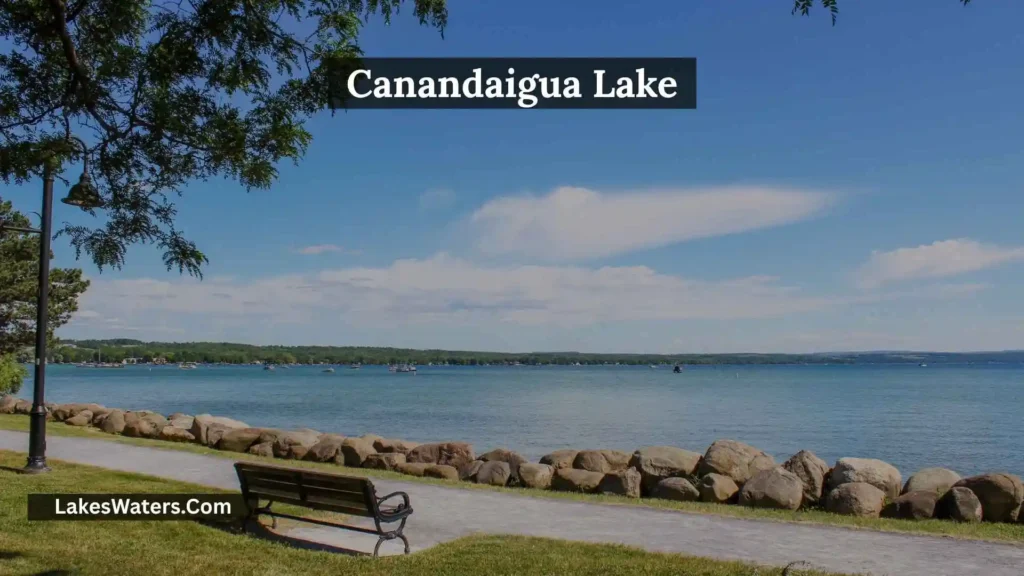
Canandaigua Lake is known for its attractive shoreline, recreational opportunities, and connection to the city of Canandaigua. Visitors can combine time near the water with restaurants, shopping, and other town attractions.
It can work well for travelers who want lake scenery without spending the entire trip in remote outdoor areas.
Best for: A balanced getaway with lake activities, dining, and town amenities.
5. Skaneateles Lake
Skaneateles Lake is a popular choice for its scenic water views and the village of Skaneateles at the northern end. The village provides a walkable place to browse shops, enjoy a meal, and take in the waterfront setting.
As with any lake destination, swimming, boating, and other activities depend on the specific public access points and local rules.
Best for: Village walks, photography, peaceful scenery, and a relaxed day trip.
6. Conesus Lake
Conesus Lake is the westernmost of the 11 Finger Lakes. Its shoreline and nearby communities make it an option for visitors exploring the western side of the region.
Boating, fishing, and seasonal recreation are among the activities visitors may find in the surrounding area.
Best for: Outdoor recreation and exploring the western Finger Lakes.
7. Hemlock Lake
Hemlock Lake has a quieter, more natural setting than some of the region’s busier recreational lakes. The surrounding landscape includes forested areas, making it appealing to people interested in scenery and nature.
Because parts of the area are managed to protect water resources, visitors should check local rules before planning boating or other activities.
Best for: Nature appreciation, quiet scenery, and a less developed lake environment.
8. Canadice Lake
Canadice Lake is one of the smaller principal Finger Lakes and is known for its relatively undeveloped surroundings. It sits near Hemlock Lake, making the two lakes possible stops on the same outing.
Access and permitted activities can be more limited than at heavily developed recreational lakes, so check current regulations before visiting.
Best for: Quiet landscapes, nature observation, and exploring the less developed Finger Lakes.
9. Honeoye Lake
Honeoye Lake is a smaller Finger Lake in the western part of the region. Its size and surrounding recreational areas make it a useful option for a shorter outdoor visit.
Visitors may find boating, fishing, and seasonal activities nearby, depending on access and current conditions.
Best for: Casual lake recreation and a quieter outdoor outing.
10. Owasco Lake
Owasco Lake lies near Auburn and offers another option for visitors exploring the eastern side of the Finger Lakes. The surrounding communities and roads make it possible to combine lake scenery with local history and town visits.
Check public access locations and local rules if you plan to launch a boat, fish, or swim.
Best for: Scenic drives, fishing, and combining outdoor recreation with nearby communities.
11. Otisco Lake

Otisco Lake is the easternmost of the 11 principal Finger Lakes. It is an option for travelers exploring the Syracuse side of the wider region or looking for a lake stop away from some of the busiest tourist areas.
Its appeal depends on the type of visit you want, from enjoying the shoreline to checking out local fishing and boating opportunities where permitted.
Best for: Exploring the eastern Finger Lakes and enjoying a quieter lake visit.
Which Finger Lake Should You Visit First?
If this is your first trip, start with one or two lakes rather than trying to visit all 11 in a single day. The best choice depends on your interests, the time available, and where you plan to stay.
| Your main interest | Lake or area to consider | Why it fits |
| Boating and a large lake setting | Seneca Lake | A long lake with multiple communities and boating access |
| Waterfalls and hiking | Cayuga Lake area | Convenient for Taughannock Falls and Ithaca-area attractions |
| Wine-country scenery | Keuka Lake or Seneca Lake | Vineyards and scenic countryside nearby |
| Village atmosphere | Skaneateles Lake | A picturesque village beside the water |
| Quieter natural surroundings | Hemlock or Canadice Lake | Less developed settings and a nature-focused experience |
| A mixed town-and-lake trip | Canandaigua Lake | Lake recreation alongside town amenities |
These are practical starting points, not strict categories. You can find outdoor activities around several lakes, and the best choice may change with the season or your travel group.
Best Things to Do in the Finger Lakes
The Finger Lakes are more than a collection of scenic lakes. The wider region offers outdoor activities, food and drink experiences, history, and small-town attractions.
Visit Watkins Glen State Park
Watkins Glen State Park is one of the region’s best-known destinations for gorge scenery. Its trails pass rock formations, stone bridges, and waterfalls, making it a strong choice for visitors who want to see more than a lake shoreline.
Trail access and conditions can vary with the season. Check the park’s official information before setting out, particularly after heavy rain or during colder months.
See Taughannock Falls
Taughannock Falls State Park is another major highlight near Cayuga Lake. The main waterfall drops 215 feet, according to New York State Parks, and can be viewed from designated overlooks and trails.
The park offers both gorge and rim trail experiences. If you prefer a shorter outing, check the current trail details and consider the overlook; if you want to walk closer to the gorge, confirm that the route is open and suitable for your group.
Official details are available on the Taughannock Falls State Park website.
Go Boating or Kayaking
Boating is one of the most popular ways to experience the Finger Lakes. Depending on the lake and available facilities, visitors may find public boat launches, marinas, rental services, guided cruises, or opportunities to paddle.
Before heading out, check launch locations, rental availability, local regulations, weather, and water conditions. Do not assume that every lake permits every type of watercraft or has rentals available throughout the year.
Enjoy Fishing
The region offers freshwater fishing opportunities, including fisheries for trout, salmon, bass, and other species. The type of fish and the best approach vary by lake, season, and local conditions.
Anglers should review current New York State fishing regulations and licensing requirements before fishing. If you are unfamiliar with a lake, a local guide or charter operator may help you understand access points and seasonal patterns.
Explore Wineries and Local Food
Vineyards and wineries are a major part of the Finger Lakes’ identity, especially around Seneca, Cayuga, and Keuka lakes. You can plan a tasting visit, enjoy countryside views, or pair a winery stop with a meal in a nearby town.
Some wineries require reservations or have limited seasonal hours. If you are traveling with children or non-drinkers, look for a broader itinerary that includes scenic viewpoints, farm markets, restaurants, and outdoor attractions.
Walk Around the Lakeside Towns
The region’s communities add variety to a trip focused on nature. Towns such as Ithaca, Geneva, Canandaigua, Penn Yan, Watkins Glen, and Skaneateles can provide places to eat, shop, explore local history, or stay overnight.
Rather than driving around the entire region in one day, choose a few towns near your main lake and allow time to enjoy them.
Hike, Photograph, and Enjoy the Scenery

The Finger Lakes landscape includes wooded trails, overlooks, rolling hills, farmland, and waterfalls. You do not need an ambitious hiking plan to enjoy the area: a short walk, a scenic drive, or time at an accessible viewpoint may be enough.
For more demanding trails, review distance, elevation, surface conditions, and seasonal closures in advance. Wear suitable footwear and remain on marked paths near steep gorge edges.
Best Time to Visit the Finger Lakes
The Finger Lakes are a four-season destination, but the best time to visit depends on your priorities.
Summer: Best for Water Activities
Summer is a strong choice for swimming at designated beaches, boating, kayaking, fishing, and outdoor dining. It is also a popular travel period, so lodging and some attractions may need to be booked in advance.
Check official beach schedules and water-quality notices before planning a swim. Not every shoreline is a public swimming area.
Fall: Best for Colorful Scenery
Autumn brings changing foliage across the hills, forests, and vineyards. It can be an excellent time for scenic drives, photography, hiking, and visits to wineries and small towns.
Fall color changes from year to year, so the best viewing period is not guaranteed on a fixed date. Weekends around peak foliage can also be busy.
Spring: Best for Waterfalls and Fresh Greenery
Spring can be rewarding for waterfall visits and walks through newly green landscapes. Rain and seasonal trail conditions may affect access, however, and some facilities operate on reduced schedules.
Check park alerts before traveling and bring layers for changeable weather.
Winter: Best for a Quieter Getaway
Winter offers a different experience, with snow-covered scenery and seasonal activities in parts of the region. Some lakefront businesses, tours, and outdoor facilities may reduce their hours or close for the season.
If you are planning a winter trip, confirm lodging, road conditions, and attraction availability before departure.
Where to Stay in the Finger Lakes
Your accommodation choice can shape how much of the region you can comfortably explore. The most convenient base depends on your itinerary rather than one universally best town.
Stay Near Ithaca and Cayuga Lake
The Ithaca area is a useful base for travelers interested in Cayuga Lake, Taughannock Falls, nearby gorges, and outdoor attractions. It also offers restaurants and other town amenities.
Choose this area if you want to combine nature-focused days with access to a larger community.
Stay Near Seneca Lake
The communities around Seneca Lake can suit visitors planning boating, fishing, winery visits, and scenic drives. Because the lake is long, check whether your preferred attractions are near the northern, central, or southern shoreline before booking.
Stay Near Canandaigua Lake
Canandaigua can work well for visitors who want lake activities alongside dining, shopping, and other town experiences. It may be especially convenient if your itinerary focuses on the western side of the region.
Choose a Lakeside Rental, Inn, or Campground
Depending on your budget and travel style, you may prefer a hotel, bed-and-breakfast, vacation rental, cabin, or campground. Lakeside accommodation can offer appealing views, but direct water access is not guaranteed simply because a property is described as being near a lake.
Check the exact location, parking, cancellation terms, access to the shoreline, and seasonal availability before making a reservation.
How to Plan a Finger Lakes Trip
The region covers a large area, so a realistic itinerary is more useful than trying to see everything. Choose a central theme—such as waterfalls, wine country, boating, or small towns—and plan nearby stops around it.
One-Day Finger Lakes Itinerary
For a single day, focus on one part of the region rather than driving between distant lakes.
A practical option is to explore the Cayuga Lake and Ithaca area:
- Start with a morning visit to Taughannock Falls State Park, checking current trail conditions before you go.
- Spend midday exploring Ithaca or enjoying a meal nearby.
- Choose an afternoon lakeside viewpoint, short walk, or additional local attraction.
- Finish with dinner in the area before heading home.
This plan works best for travelers who want a manageable mix of scenery, walking, and town time.
Weekend Finger Lakes Itinerary
With two days, you can explore one lake area in more depth.
Day 1: Cayuga Lake and Waterfalls
- Visit Taughannock Falls State Park.
- Explore Ithaca or another nearby community.
- Add a second park or a short hike if time and conditions allow.
- Stay overnight in the Ithaca area.
Day 2: Choose a Nearby Experience
- Spend the morning enjoying the lake or exploring another local attraction.
- Visit a winery, farm market, or historic site that fits your interests.
- Leave time for a relaxed meal and the return journey.
If wineries and lake views matter more than waterfalls, you could instead build your weekend around Seneca Lake or Keuka Lake.
Three to Five Days in the Finger Lakes
A longer trip gives you time to experience different parts of the region without changing hotels every night.
Day 1: Arrive and Explore Your Base
Choose a town near your first main lake. Take a short walk, enjoy a local meal, and avoid packing the arrival day with too many stops.
Day 2: Focus on a Major Lake
Spend the day around Seneca, Cayuga, or Keuka Lake. Choose boating, a lakeside walk, fishing, or a scenic drive according to the season.
Day 3: Waterfalls and Hiking
Visit Watkins Glen State Park, Taughannock Falls State Park, or another suitable park. Check access and trail conditions before leaving.
Day 4: Small Towns and Wine Country
Explore nearby villages, wineries, local shops, restaurants, or farm markets. If you plan to taste wine, arrange transportation that does not require anyone who has been drinking to drive.
Day 5: Explore a Different Area or Head Home
If time permits, visit another lake or community. Otherwise, keep the final day flexible for a relaxed breakfast, a short walk, and the journey home.
This is a sample framework, not a fixed route. Choose stops based on where you are staying and verify actual driving distances before finalizing the order.
Common Mistakes to Avoid When Visiting the Finger Lakes
A little planning can make a Finger Lakes trip more enjoyable and reduce unnecessary driving.
Trying to Visit All 11 Lakes in One Day
The lakes are spread across a broad region, and each has different access points and nearby attractions. Trying to visit all 11 in a single day can leave little time to enjoy any of them.
Choose one or two lakes for a short trip, then add more if you have several days.
Assuming Every Lake Has Public Swimming Access
Some shorelines are privately owned, protected, or unsuitable for swimming. Use designated public beaches and check local rules, seasonal schedules, and water-quality notices.
Ignoring Trail and Park Conditions
Gorge trails and waterfall areas may close because of weather, maintenance, or safety concerns. Confirm current conditions through the relevant state park before traveling.
Booking Accommodation Without Checking the Location
A property may advertise a Finger Lakes location but still be far from the particular lake or attraction you want to visit. Check the map and estimate driving time between your accommodation and planned stops.
Planning Too Many Stops
Scenic drives, winery visits, hikes, and town stops can each take longer than expected. Leave time for meals, parking, changing weather, and spontaneous stops instead of filling every hour.
Forgetting Seasonal Hours
Rental services, beaches, tours, and some businesses may operate seasonally. Verify opening hours and reservation requirements before setting out, particularly in spring, fall, and winter.
Frequently Asked Questions About the Finger Lakes
How Many Finger Lakes Are There?
There are 11 principal Finger Lakes in New York State: Canadice, Canandaigua, Cayuga, Conesus, Hemlock, Honeoye, Keuka, Otisco, Owasco, Seneca, and Skaneateles. The wider region also contains smaller lakes, ponds, rivers, and other waterways.
What Is the Largest Finger Lake?
Seneca Lake is the largest of the Finger Lakes by surface area. The New York State Department of Environmental Conservation reports that it is about 38 miles long and reaches a maximum depth of 618 feet.
What Is the Deepest Finger Lake?
Seneca Lake is the deepest Finger Lake, with a reported maximum depth of 618 feet. Depth measurements can be reported differently across sources, so official state fisheries information is a useful reference for this figure.
Why Are They Called the Finger Lakes?
The lakes are long and narrow, and their arrangement resembles fingers on a hand when viewed on a map. Their distinctive shapes reflect the glacial processes that carved the valleys they occupy.
Are the Finger Lakes Man-Made?
No. The 11 principal Finger Lakes are natural lakes formed by glacial activity. Human activity has influenced the surrounding landscape and water management, but the lakes themselves were not built as reservoirs.
Which Finger Lake Is Best for a First Visit?
Seneca Lake and Cayuga Lake are useful starting points because each offers access to lake activities and a variety of nearby attractions. For a picturesque village setting, consider Skaneateles Lake; for a trip centered on the distinctive shape of the lake and wine-country scenery, consider Keuka Lake.
Can You Swim in the Finger Lakes?
Swimming is possible at designated public beaches and other permitted areas, but access varies by lake and location. Check beach operating hours, water quality, and local regulations before swimming.
Are the Finger Lakes Worth Visiting in Fall?
Yes. Fall is a popular time for scenic drives, foliage, hiking, and winery visits. The exact timing of peak color changes from year to year, and popular locations can be busy on weekends.
How Many Days Do You Need in the Finger Lakes?
One day is enough for a focused visit to one lake area and a nearby attraction. A weekend gives you time for a lake, waterfalls, and a town visit. Three to five days is more suitable if you want to explore several parts of the region at a relaxed pace.
What Is the Best Way to Get Around the Finger Lakes?
Driving is generally the most flexible way to explore multiple lakes, parks, and small towns. If you prefer not to drive, investigate local transportation, guided tours, and tour operators in advance, as services and routes vary by destination.
Conclusion
The Finger Lakes region of New York combines naturally formed glacial lakes with waterfalls, wooded trails, vineyards, historic communities, and scenic countryside. Each of its 11 principal lakes has a different character, so the best place to visit depends on whether you prefer boating, fishing, hiking, wine-country scenery, or a peaceful lakeside town.
For a first trip, consider focusing on Seneca Lake or Cayuga Lake and adding a nearby attraction such as Watkins Glen State Park or Taughannock Falls State Park. If you have several days, build a route around neighboring destinations instead of trying to cover the entire region at once.
With a realistic itinerary and a little advance planning, the Finger Lakes can be an enjoyable destination for a day trip, a weekend getaway, or a longer upstate New York vacation.

I am Ethan Reynolds, a nature researcher and writer focused on freshwater environments, aquatic ecosystems, and sustainable water solutions.
I enjoy sharing knowledge about lakes, rivers, wetlands, and the challenges facing global water resources.
My goal is to help readers understand the value of water and encourage responsible actions to protect it.
Books by Ethan Reynolds:
- Lakes and Landscapes: Stories from Nature
- Protecting Water for Future Generations