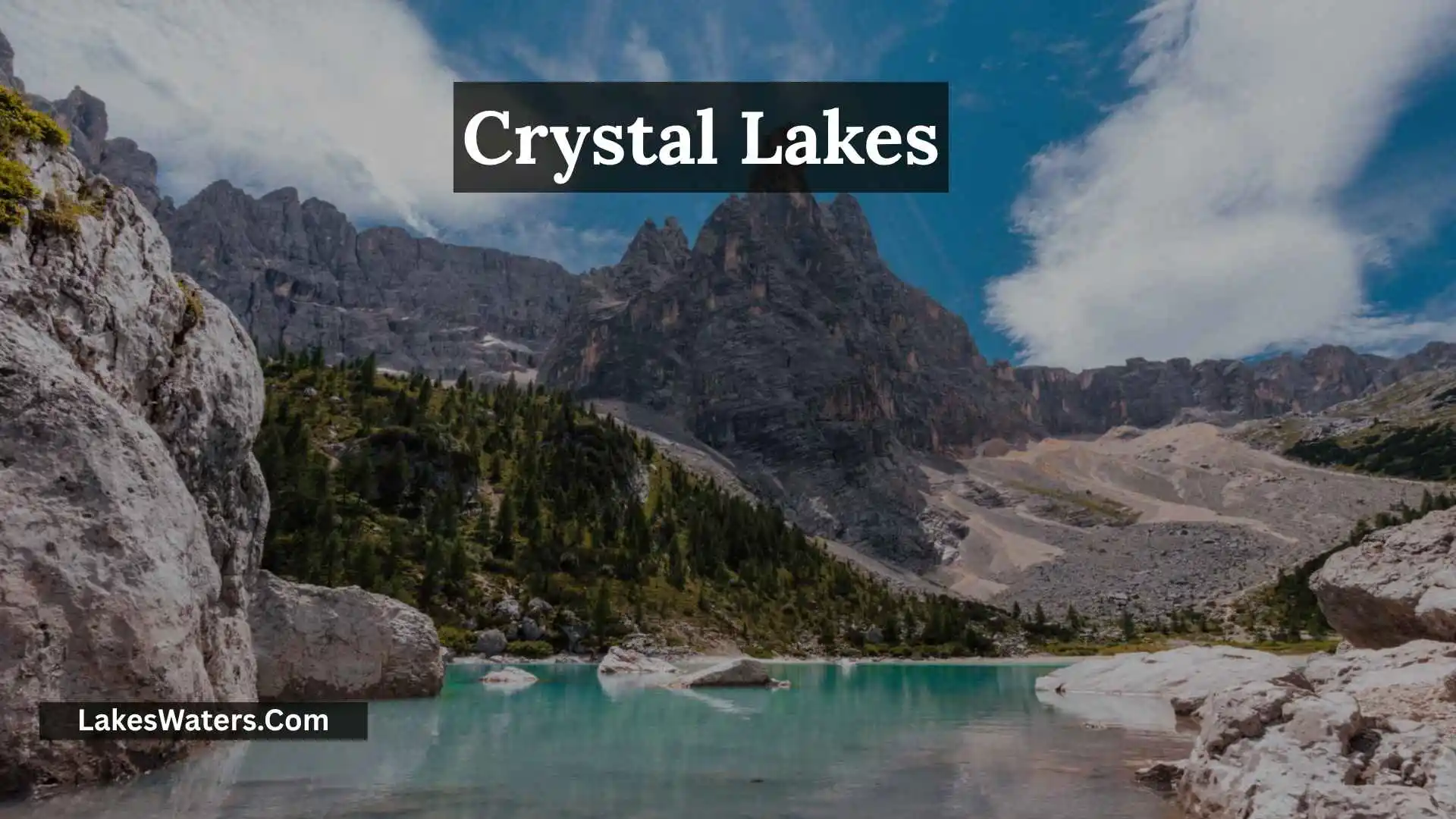
Crystal Lakes is a name used for several places in the United States, but one well-known destination is the Crystal Lakes Trail in Mount Rainier National Park, Washington. This mountain trail leads hikers through forested slopes to Lower Crystal Lake and Upper Crystal Lake, where they can enjoy alpine scenery, seasonal wildflowers, and views of the surrounding mountains.
If you are planning a hiking trip, researching the best time to visit, or looking for a place called Crystal Lakes, knowing the exact location is important. This guide covers the Washington hiking trail, its distance and difficulty, seasonal conditions, camping rules, essential equipment, and practical tips to help you plan your visit.
Quick Answer: Where Are Crystal Lakes?
The Crystal Lakes Trail is located in the northeastern part of Mount Rainier National Park in Washington State. Its trailhead is on State Route 410, approximately four miles north of Cayuse Pass toward the park’s northern boundary.
The National Park Service lists the hike as approximately six miles round trip, with about 2,300 feet of elevation gain. The route passes through forested terrain before reaching Lower Crystal Lake and Upper Crystal Lake.
Here are the main details:
- Location: Mount Rainier National Park, Washington
- Round-trip distance: Approximately 6 miles
- Elevation gain: About 2,300 feet
- Estimated hiking time: Around 3 hours, depending on conditions and pace
- Main destinations: Lower Crystal Lake and Upper Crystal Lake
- Trail type: Out-and-back hike
- Camping: Designated wilderness camps with the required permit
The trail involves a sustained climb, so it may be strenuous for casual hikers. Snow, rain, and changing mountain weather can also affect the difficulty.
Important: This article focuses on the Crystal Lakes Trail in Washington. Other places also use the name Crystal Lakes, including a city in Missouri and destinations in other states. Confirm the location before planning your trip.
What Makes Crystal Lakes Worth Visiting?
The Crystal Lakes area offers a mountain experience rather than a developed lakeside resort. Visitors reach the lakes on foot, climbing through forest and into a more open alpine landscape.
The journey is part of the attraction. Hikers can enjoy changing scenery, mountain views, and the chance to explore two lakes during one outing.
Two Lakes on One Trail
The trail reaches Lower Crystal Lake before continuing toward Upper Crystal Lake. Each lake provides a different setting, giving hikers more than one place to stop and enjoy the landscape.
Lower Crystal Lake has a more forested setting, while Upper Crystal Lake sits in a more open mountain basin. The views vary with weather, visibility, and season.
If you reach the lower lake and feel tired, assess your energy, the remaining elevation gain, and the available daylight before deciding whether to continue.
Mountain Views and Natural Scenery
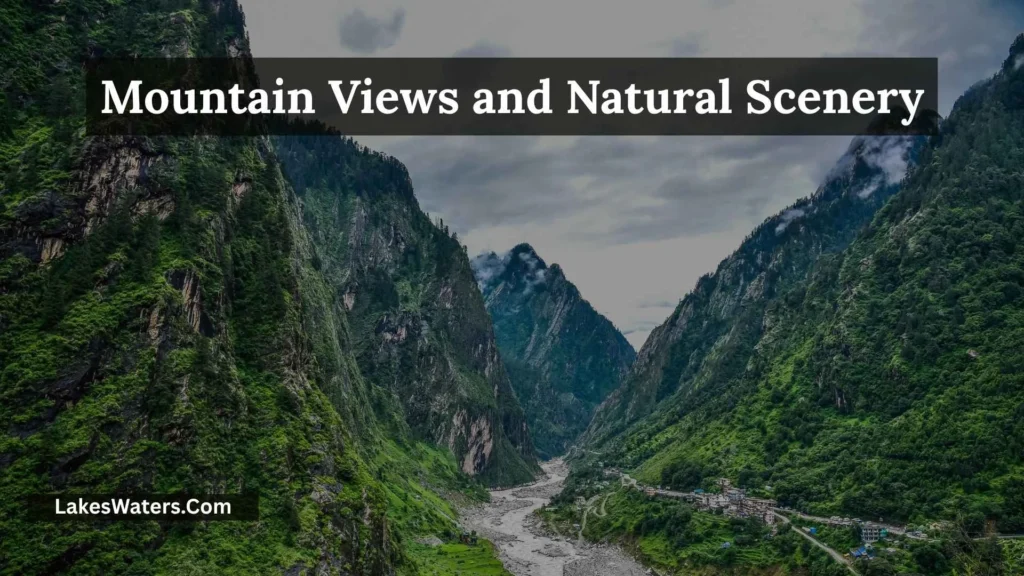
The trail climbs through forest on a series of switchbacks. As hikers gain elevation, the landscape gradually opens up, providing opportunities to see the surrounding mountains.
Clear weather can improve visibility, but mountain views are never guaranteed. Clouds, rain, and changing conditions may affect what you can see.
Bring a camera if you enjoy landscape photography, but stay on established paths and avoid unstable ground near the water.
Summer Wildflowers and Wildlife
The meadows near the upper lake can display colorful subalpine wildflowers during summer. Late July and early August may offer good viewing conditions, although the timing changes with snowmelt and weather.
Wildlife, including elk and mountain goats, may appear on nearby slopes. Sightings are not guaranteed, and visitors should never approach, feed, or attempt to touch wild animals.
Crystal Lakes Trail Details
Understanding the route’s distance and elevation gain helps you decide whether the hike matches your experience and fitness.
| Trail Detail | Information |
| Location | Mount Rainier National Park, Washington |
| Trailhead | State Route 410 near Crystal Creek |
| Round-trip distance | Approximately 6 miles |
| Elevation gain | Approximately 2,300 feet |
| Estimated hiking time | Around 3 hours |
| Main stops | Lower Crystal Lake and Upper Crystal Lake |
| Route type | Out and back |
| General difficulty | Strenuous for many casual hikers |
| Overnight camping | Designated wilderness camps; permit required |
These measurements are based on National Park Service trail information. Treat the hiking time as a guide rather than a guarantee. Your pace, fitness, breaks, and trail conditions may change the total time.
How Difficult Is the Crystal Lakes Hike?
The main challenge is the sustained uphill climb. The trail gains approximately 2,300 feet over a six-mile round trip, and the route includes steep switchbacks.
You should be comfortable walking several miles on uneven ground and climbing for an extended period. People who regularly hike mountain trails may find it manageable, while those accustomed to flat walking may find it demanding.
Before starting, consider these questions:
- Can you comfortably walk several miles?
- Can you manage a long uphill climb and the return descent?
- Do you have suitable footwear, enough water, and appropriate clothing?
- Will you have enough daylight to complete the hike safely?
If you are uncertain, choose a shorter route or set a turnaround point before you begin.
How Long Does the Hike Take?
The official estimate is around three hours for the round trip. Some visitors may need longer, especially if they take frequent breaks or spend time at both lakes.
The steep climb can make the trail feel more demanding than its distance suggests. Allow extra time for photographs, meals, changing weather, and a slower descent.
Starting early gives you more flexibility and reduces the pressure to finish before dark.
How to Reach the Crystal Lakes Trailhead
The trailhead is on the east side of State Route 410 near Crystal Creek, approximately four miles north of Cayuse Pass toward the northern boundary of Mount Rainier National Park.
Road access can change because of snow, weather, maintenance, or other closures. Check official park information before driving to the trailhead.
Parking and Facilities
Parking is available near the trailhead, but spaces may be limited during busy hiking periods. Arriving early can make parking easier and give you more time for the hike.
Facilities are limited, so plan ahead for restrooms, drinking water, and food. Do not assume that services will be available at the trailhead.
Bring everything you need and pack out all rubbish.
Check Road and Trail Conditions
Mountain roads and trails can be affected by storms, snow, maintenance, and seasonal closures. Conditions near the trailhead may also differ from those at higher elevations.
Before leaving:
- Check current park alerts and road access.
- Review the latest trail information.
- Check the mountain weather forecast.
- Confirm that the route suits your experience and equipment.
- Tell someone your planned route and expected return time.
If the trail is closed or conditions are unsafe, choose another open route rather than attempting to bypass a closure.
Best Time to Visit Crystal Lakes
The best time to hike Crystal Lakes depends on snow conditions, road access, weather, and your interest in wildflowers or quieter surroundings.
Summer: The Main Hiking Season
Summer is generally the main hiking season because higher-elevation trails may become more accessible as snow melts. Longer daylight hours can also make planning easier.
However, summer does not guarantee snow-free trails or stable weather. Bring warm layers, rain protection, and enough water for the planned hike.
Late July and Early August: Wildflower Scenery
The meadows near the upper lake may display abundant wildflowers in late July and early August. This can be an appealing period for visitors interested in photography and mountain plants.
Flowering times vary from year to year. Stay on the marked trail to protect fragile alpine vegetation, even when flowers are visible just beyond the path.
Fall: Cooler Weather and Shorter Days
Early fall can offer cooler hiking temperatures and attractive mountain scenery. However, daylight becomes shorter, and weather can change quickly.
Start early, bring warm clothing, and allow enough time to return. If snow or ice appears, do not continue unless you have the appropriate equipment and experience.
Spring and Early Season: Prepare for Snow
Spring conditions at mountain elevations can remain wintry long after lower areas have warmed up. Snow, ice, and road restrictions may affect access.
Do not assume the route is ready based on the calendar alone. Check current conditions and select another hike if the route is beyond your abilities or equipment.
What to Pack for Crystal Lakes
A well-prepared hiking pack helps you manage changing weather, a steep climb, and unexpected delays.
Essential Hiking Checklist
Before leaving, make sure you have:
- Sturdy hiking shoes or boots with reliable traction.
- Enough drinking water for the hike.
- Food and energy-rich snacks.
- A warm layer and rain protection.
- Sunscreen, sunglasses, and a hat.
- A map or offline navigation tool.
- A charged phone and backup navigation plan.
- A first-aid kit and basic emergency supplies.
- A headlamp or flashlight with working batteries.
- Extra food, water, and clothing in case the trip takes longer than expected.
The amount you need depends on the weather, your pace, and your personal requirements. Do not rely on the lakes as a source of untreated drinking water.
Choose Suitable Footwear
The trail includes sustained climbing and uneven natural surfaces. Footwear that fits well and provides good traction can make the hike more comfortable.
If snow or ice is present, regular hiking shoes may not be sufficient. Evaluate the conditions and use specialized equipment only if you know how to use it safely.
Prepare for Mountain Weather
Weather in the mountains can differ from conditions at the trailhead or in nearby towns. Temperatures may drop as you gain elevation, and rain or low visibility can develop quickly.
Check a forecast for the hiking area, carry extra layers, and be willing to turn around if conditions deteriorate.
Safety Tips for Visiting Crystal Lakes
The mountain landscape is part of the destination’s appeal, but visitors need to take responsibility for their own safety and the environment.
Stay on the Marked Trail
Avoid cutting switchbacks or creating shortcuts. These actions can damage vegetation, increase erosion, and make the trail less safe.
Near the lakes, choose stable places to rest and take photographs. Stay away from unstable slopes and slippery rocks.
Treat Natural Water Before Drinking

Water from a mountain lake or stream is not automatically safe to drink. Natural water can contain organisms that cause illness even when it looks clear.
Bring enough drinking water for the trip. If you need to collect water, use an appropriate treatment method before drinking it.
Keep Wildlife at a Safe Distance
Elk and mountain goats may be seen in the surrounding area. Never feed wildlife, approach animals for photographs, or attempt to touch them.
Keep food secured and give animals room to move away. If an animal is close to the trail, wait for a safe opportunity to pass or follow park guidance.
Follow Fire and Waste Rules
Fire restrictions can apply in wilderness areas, including designated camping zones. Do not assume that a campfire is allowed, and check current rules before using any cooking equipment.
Pack out rubbish and keep food waste out of the lakes and streams. Follow park guidance for human waste disposal, especially if you are camping overnight.
Understand Pet Restrictions
Pets are not allowed on Mount Rainier National Park hiking trails or in wilderness areas, subject to limited service-animal exceptions under applicable rules. A pet dog cannot accompany you on the Crystal Lakes hiking trail.
If you are traveling with a pet, plan an alternative activity outside areas where pets are prohibited.
Can You Camp at Crystal Lakes?
Designated wilderness camps are available near Lower Crystal Lake and Upper Crystal Lake, subject to Mount Rainier National Park regulations and permit requirements.
Camping requires more preparation than a day hike. You need to plan for overnight temperatures, food storage, water treatment, waste disposal, and the additional weight of your equipment.
Do You Need a Camping Permit?
A wilderness permit is required for overnight backcountry camping in Mount Rainier National Park. Procedures and availability can vary by season, so check the park’s current requirements before making plans.
Do not assume that you can camp anywhere beside the water. Stay at the designated site permitted for your trip and follow the park’s instructions.
How to Camp Responsibly
Protect the area by following these practices:
- Use the designated campsite assigned to your trip.
- Follow food-storage requirements.
- Treat water before drinking it.
- Pack out rubbish.
- Avoid damaging meadows and fragile vegetation.
- Follow current fire restrictions.
- Dispose of human waste according to park rules.
These practices help protect the landscape and preserve the experience for future visitors.
A Practical Day-Hike Plan
A simple plan can help you enjoy the trail without rushing or leaving too little time for the return journey.
Before Leaving Home
Check trail access, road conditions, and the weather forecast. Pack your food, water, clothing layers, navigation tools, and emergency supplies in advance.
Tell someone where you plan to hike and when you expect to return.
At the Trailhead
Review the route and assess how you feel before starting. Begin early enough to allow for breaks and a slower pace.
If the weather is unsafe, the trail is closed, or you lack essential equipment, postpone the hike.
During the Climb
Pace yourself on the switchbacks, drink water regularly, and pay attention to the weather. When you reach Lower Crystal Lake, reassess your energy and available daylight before continuing to Upper Crystal Lake.
Do not treat reaching the upper lake as a requirement. Turning around is a sensible choice when conditions or energy levels make continuing unsafe.
At the Lakes
Enjoy the scenery from stable ground. Stay on established paths, avoid trampling vegetation, and give wildlife plenty of space.
Take breaks and photographs without leaving rubbish behind.
On the Return Journey
Allow enough time for the descent, which can be hard on knees and ankles. Move carefully over slippery or uneven ground, and avoid rushing to reach the trailhead.
Your main goal is to complete the hike safely, not to finish within a particular time.
Other Places Called Crystal Lakes
The name Crystal Lakes is not unique to Washington. Other places share it, so including a state or nearby town in your search can help you find the correct destination.
Crystal Lakes, Missouri
Crystal Lakes is a city in Ray County, Missouri. The community has its own local government, roads, residential areas, and lakes.
It is not the same as the alpine hiking destination in Mount Rainier National Park. People researching property, local services, or community information should search specifically for Crystal Lakes, Missouri.
Crystal Lakes, Ohio
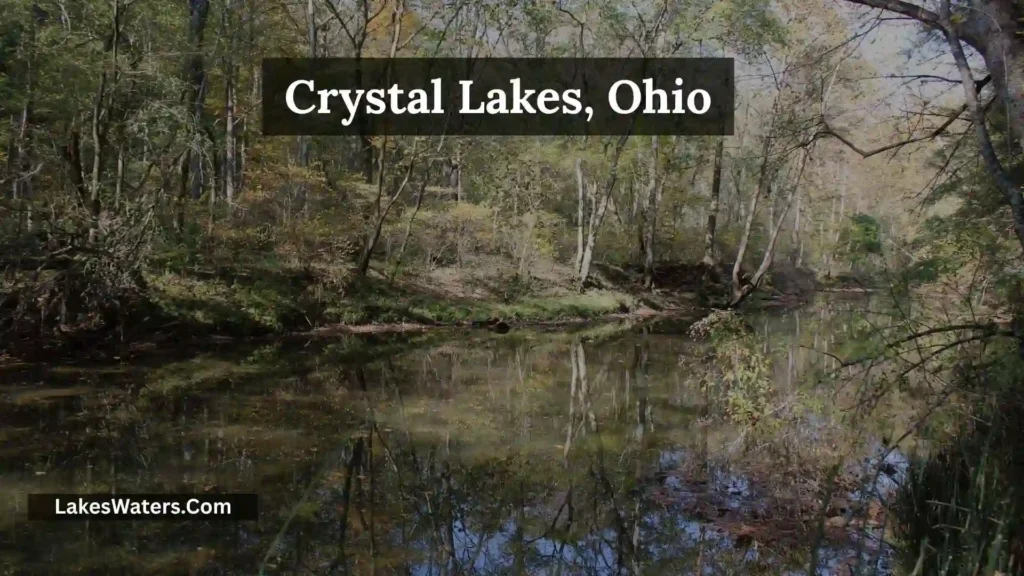
Crystal Lakes is also the name of a community in Ohio. It is geographically separate from the Washington hiking destination.
If your interest is residential information, local services, or a visit to the Ohio area, verify the exact community and nearby town before relying on hiking information.
Other Lakes and Hiking Destinations
Crystal Lake and Crystal Lakes are names used for lakes, communities, and outdoor destinations in different states. Colorado, for example, has a separate Crystal Lakes hiking destination in Rocky Mountain National Park.
Before booking accommodation, checking permits, or planning a route, confirm the state and park name. Similar names do not mean that the locations share the same facilities, trail conditions, or regulations.
Which Crystal Lakes Destination Should You Choose?
Use this quick guide to identify the destination that matches your needs.
- Looking for a mountain hike to two alpine lakes? Choose the Crystal Lakes Trail in Mount Rainier National Park, Washington.
- Researching a city or community in Missouri? Look for Crystal Lakes, Missouri.
- Interested in a place in Ohio? Confirm the community’s location and nearby town.
- Planning an overnight hiking trip? Check wilderness permits and designated campsite requirements.
- Want an easy lakeside visit rather than a steep hike? Identify the exact lake and confirm whether it has road access or a shorter walking route.
The most important step is to verify the destination before planning your journey. This avoids confusing different places and relying on the wrong trail information.
Frequently Asked Questions About Crystal Lakes
Where Are Crystal Lakes Located?
The hiking destination covered in this guide is in Mount Rainier National Park in Washington State. The trailhead is on State Route 410 near Crystal Creek, approximately four miles north of Cayuse Pass toward the park’s northern boundary.
Other places also use the name Crystal Lakes, so confirm the state before traveling.
How Long Is the Crystal Lakes Trail?
The Mount Rainier Crystal Lakes Trail is approximately six miles round trip, with about 2,300 feet of elevation gain. The National Park Service provides these figures in its trail information.
Is Crystal Lakes a Difficult Hike?
The hike can be strenuous because it involves a sustained uphill climb. Hikers should be prepared for several miles of walking, uneven terrain, and significant elevation gain.
Difficulty depends on fitness, equipment, weather, and trail conditions.
Can Beginners Hike to Crystal Lakes?
Some beginners may be able to complete the hike if they are physically prepared and conditions are favorable. However, it is not an easy, flat walk.
New hikers should assess their fitness honestly, carry appropriate supplies, and choose a shorter trail if they are uncertain about the climb.
When Is the Best Time to Visit Crystal Lakes?
Summer is generally the main hiking season, depending on road and trail conditions. Late July and early August may bring colorful wildflowers, but timing varies with snowmelt and weather.
Check current park information before setting out.
Can You Swim in Crystal Lakes?
Do not assume swimming is permitted or safe at every place called Crystal Lakes. The Mount Rainier lakes are in a mountain environment where water can be very cold. Check current park rules and conditions before considering entering the water.
Can You Camp at Crystal Lakes?
Designated wilderness camps are available near Lower Crystal Lake and Upper Crystal Lake. Overnight visitors need the appropriate wilderness permit and must follow current campsite and park regulations.
Are Dogs Allowed on the Crystal Lakes Trail?
No. Pets are prohibited on Mount Rainier National Park hiking trails and in wilderness areas, subject to limited service-animal exceptions under applicable rules.
Is Crystal Lakes in Washington the Same as Crystal Lakes, Missouri?
No. The Washington destination is a mountain hiking area in Mount Rainier National Park. Crystal Lakes, Missouri, is a separate city in Ray County.
Including the state name in your search helps distinguish the locations.
Where Can I Check Current Trail Conditions?
Check the National Park Service’s official Crystal Lakes trail information, park alerts, road updates, and wilderness permit guidance before your trip. Conditions and regulations can change with the season.
Conclusion
Crystal Lakes can refer to several places, but the Mount Rainier National Park destination in Washington is a notable option for hikers seeking alpine lakes and mountain scenery. The six-mile round-trip trail reaches Lower Crystal Lake and Upper Crystal Lake after a sustained climb through forested terrain.
Preparation is important because of the elevation gain, changing mountain weather, and limited facilities. Check current conditions, bring suitable equipment, allow enough time for the return journey, and follow park rules to protect wildlife and fragile vegetation.
If you are researching another place called Crystal Lakes, confirm its state and exact location before using this hiking guide.

I am Daniel Brooks, an environmental enthusiast and writer focused on freshwater resources and the connection between humans and nature.
I enjoy researching lakes, wetlands, and water conservation practices to create informative content for readers. I believe that understanding our water systems is the first step toward protecting them.
Through my writing, I aim to inspire awareness and responsible actions for a better water future.
Books by Daniel Brooks:
- Freshwater Wonders: Stories From the World’s Lakes
- Protecting Our Blue Planet: Water Conservation Guide