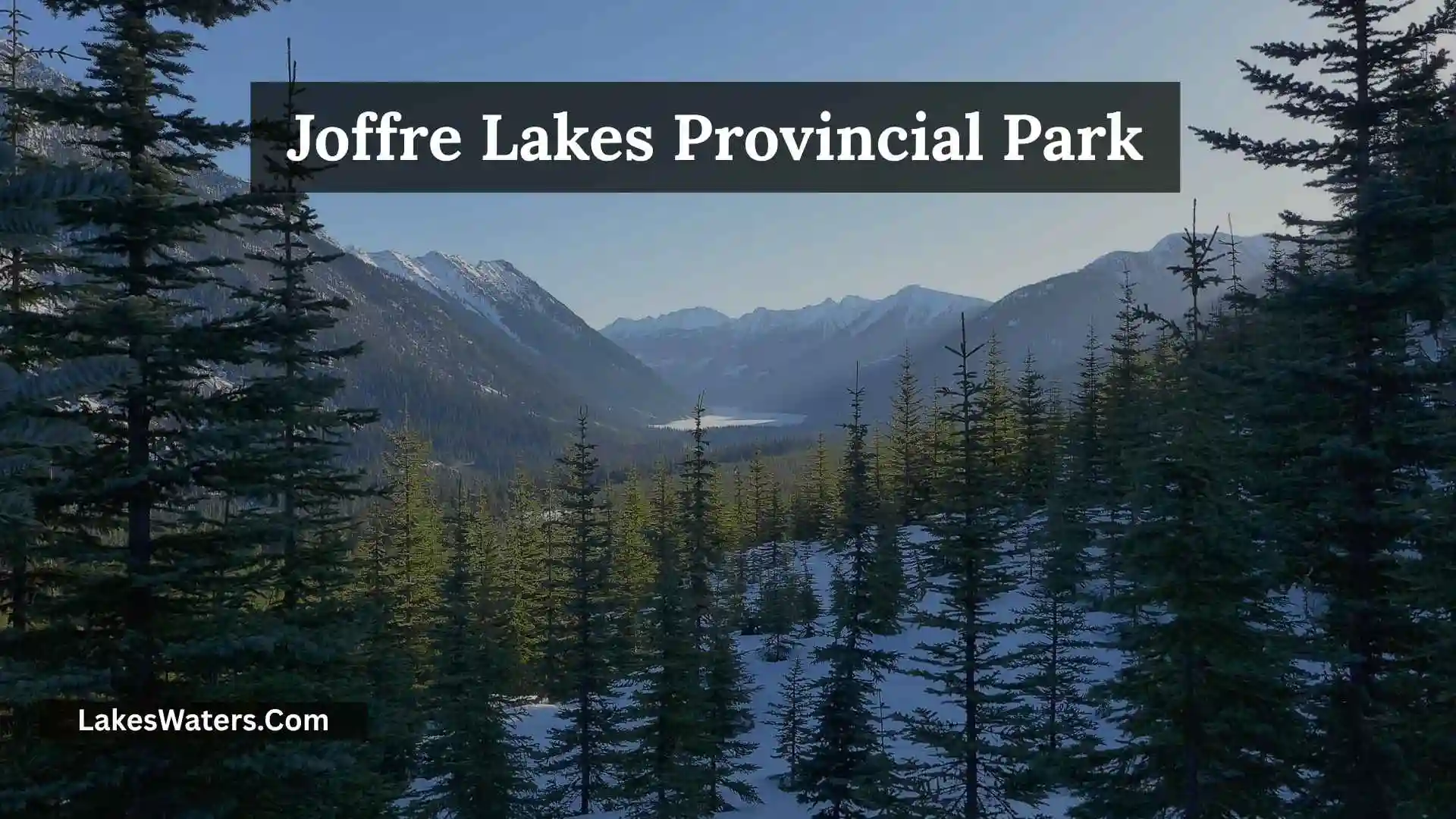
Joffre Lakes Provincial Park in British Columbia, Canada, is famous for its turquoise alpine lakes, rugged mountain peaks, glacier views, and scenic hiking trail. Located east of Pemberton along Duffey Lake Road, the park is a popular destination for visitors who want to experience the Coast Mountains and explore some of British Columbia’s most recognizable natural scenery.
The park’s main hiking route connects three lakes: Lower Joffre Lake, Middle Joffre Lake, and Upper Joffre Lake. The first lake is only a short walk from the parking area, while reaching the other two requires a longer hike with steeper and rougher sections. This makes it important to choose a route that fits your time, fitness, and experience.
Before visiting, you should also understand the day-use pass system, seasonal closures, camping rules, and mountain safety requirements. This guide explains what to expect, when to go, what to bring, and how to plan a responsible visit to Joffre Lakes Provincial Park.
Quick Facts About Joffre Lakes Provincial Park
Joffre Lakes is an alpine park where trail conditions and access can change with the season. Use these facts as a starting point, then check the current park advisories before travelling.
| Park Detail | Information |
| Location | Northeast of Pemberton, British Columbia, Canada |
| Road access | Highway 99, along Duffey Lake Road |
| Main attractions | Three turquoise lakes, mountain scenery, and glacier views |
| Main lakes | Lower, Middle, and Upper Joffre Lake |
| Approximate elevation gain | 400 metres to Upper Joffre Lake |
| Lower lake access | About a five-minute walk from the parking area |
| Day-use pass | Required during the designated 2026 season |
| Drinking water | Not provided |
| Pets | Dogs and other domestic animals are not permitted |
| Camping | Permitted only at Upper Joffre Lake Campground, with a reservation |
| Campfires | Prohibited throughout the park |
Important: Day-use pass dates, closures, parking access, and trail conditions can change. Confirm current information with BC Parks before leaving home.
Where Is Joffre Lakes Provincial Park?
Joffre Lakes Provincial Park lies in the Coast Mountains of southwestern British Columbia, northeast of Pemberton. The entrance is located off Highway 99, along Duffey Lake Road.
The park is within reach of the Pemberton and Whistler region, making it a popular stop for people exploring mountain scenery in British Columbia. However, it is not a town park with extensive services nearby. Visitors should plan their transport, food, water, and hiking supplies before arriving.
How to Get to the Park
Most visitors reach the park by car. The main trailhead begins near the designated parking area beside Duffey Lake Road.
Before starting your journey:
- Check road conditions and the weather forecast.
- Confirm that the park is open on your planned date.
- Reserve a day-use pass if required.
- Save your directions and pass before entering an area with limited mobile service.
- Allow extra time for mountain driving and possible traffic delays.
- Park only in designated parking spaces.
Parking along Highway 99 or in unauthorized areas is not permitted. Illegal parking can create safety problems, obstruct road access, and damage the surrounding environment.
What to Know About the Remote Location
Joffre Lakes is a mountain destination with limited services. BC Parks warns that there is no cell service in the park and no emergency services available directly within it.
Do not rely on mobile internet, online maps, or the ability to call for help. Download your route information, carry essential supplies, and tell someone your hiking plans before you leave.
Why Is Joffre Lakes Provincial Park Famous?
The park is known for its turquoise lakes, steep mountain slopes, alpine forests, and views of Matier Glacier and Joffre Peak. Visitors can experience much of this scenery along a single hiking route.
Why the Lakes Have Turquoise Water
The striking blue-green colour comes largely from fine glacial sediment, often called glacial rock flour, suspended in the water. These tiny particles affect how sunlight is scattered and reflected, creating the vivid colour associated with glacial lakes.
The colour can look different depending on sunlight, cloud cover, water conditions, and the season. Photographs taken on a clear day may show a brighter turquoise colour than visitors see in different weather.
The lakes are cold alpine environments, not warm swimming spots. Their appearance should not be mistaken for an invitation to enter the water.
Mountain Views and Matier Glacier
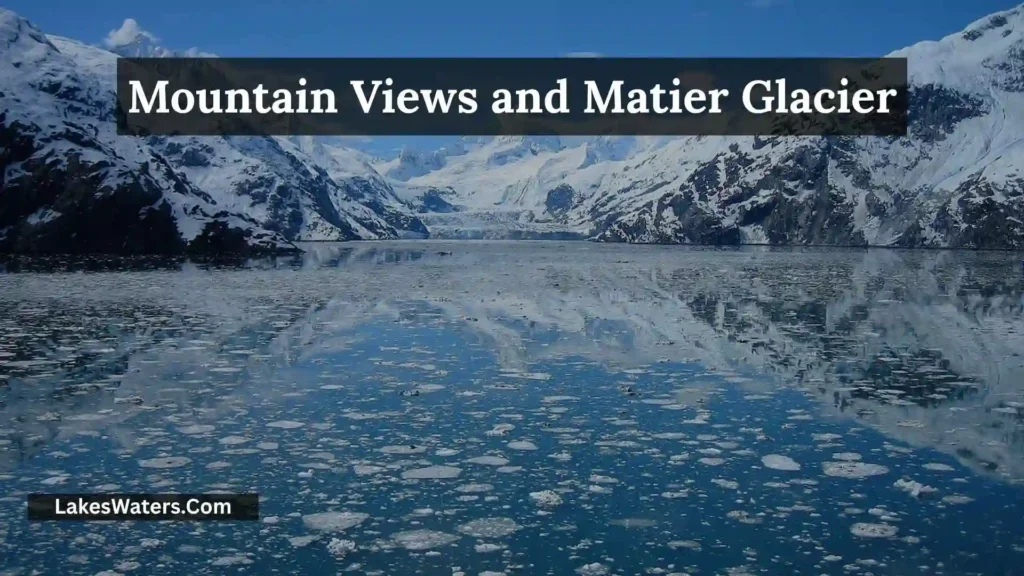
The upper part of the trail offers views of the surrounding mountain landscape, including Matier Glacier and Joffre Peak. The combination of ice, rock, forest, and turquoise water creates a distinctive alpine setting.
Glaciers and steep slopes are also natural hazards. Ice and rocks can fall from unstable terrain, and conditions can change quickly. Visitors should enjoy the views from established trail areas rather than scrambling uphill toward the glacier.
Three Lakes Along One Hiking Route
One of the park’s main attractions is the chance to see three lakes on the same trail. Each lake offers a different viewpoint and requires a different level of effort to reach.
Lower Joffre Lake is suitable for a short visit. Middle Joffre Lake requires a longer uphill walk, while Upper Joffre Lake involves the most demanding part of the main route.
The Three Lakes at Joffre Lakes Provincial Park
Choosing how far to hike is one of the most important decisions for your visit. Your choice should depend on your fitness, available daylight, weather, and the condition of the trail.
Lower Joffre Lake
Lower Joffre Lake is the first lake along the route. BC Parks describes the viewpoint as an easy walk of about five minutes from the parking area.
This makes it a practical option for visitors who have limited time, prefer a shorter walk, or do not want to complete the full hike. The lake offers a view of turquoise water framed by forest and mountains.
Although access is short, the area can still be slippery in wet or icy weather. Follow signs, stay on designated paths, and avoid entering restricted shoreline areas.
Middle Joffre Lake
Middle Joffre Lake is a major highlight for hikers who continue beyond the lower viewpoint. The route climbs through forest and along rocky terrain before reaching the lake.
The view combines turquoise water, subalpine forest, and rugged mountain scenery. It is a good place to pause, drink water, and assess whether you have enough time and energy to continue.
The trail becomes more demanding as you climb. Roots, rocks, steps, mud, and wet surfaces can make progress slower than expected. Use suitable footwear and do not leave the trail to find a better photo angle.
Upper Joffre Lake
Upper Joffre Lake is the final main lake on the route. It sits beneath the surrounding mountain landscape, with views of Matier Glacier and Joffre Peak.
Reaching the upper lake requires more effort than visiting the lower and middle lakes. The final section is narrower and rougher, and snow or ice can increase the difficulty.
The area around the glacier is unstable, with potential rockfall and falling ice. Stay on the established trail and do not climb onto nearby snowfields or glacial terrain unless you have the appropriate mountaineering training and equipment.
Joffre Lakes Provincial Park Hiking Trail
The main hiking trail links all three lakes, but it should not be treated as an easy stroll from beginning to end. The route gains elevation and becomes rougher as it approaches the upper lake.
Hiking Distance, Elevation, and Time
BC Parks lists approximately 400 metres of elevation gain between the parking area and Upper Joffre Lake. Hiking guides commonly describe the full return trip as about 10 kilometres, although exact distance can vary with the route and how far you explore around the lakes.
Many visitors should allow around four to six hours for the full return outing, including breaks and time at viewpoints. Your actual time may be shorter or longer depending on your fitness, weather, trail conditions, and group size.
| Hiking Factor | What to Expect |
| Full return distance | Commonly described as about 10 km |
| Elevation gain | Approximately 400 m |
| Lower lake | Short walk from the parking area |
| Middle lake | Longer uphill hike |
| Upper lake | Rougher final section and the greatest overall effort |
| Trail surface | Forest paths, roots, rocks, steps, and uneven sections |
| Typical full outing | Allow about 4–6 hours, with flexibility |
| Main challenges | Uphill walking, weather, slippery surfaces, and limited services |
Treat these figures as planning estimates, not guarantees. Snow, ice, closures, or other conditions may affect which sections are safe or accessible.
Is the Joffre Lakes Hike Difficult?
The difficulty depends on how far you go and the conditions on the day.
The walk to Lower Joffre Lake is short, but the complete hike to Upper Joffre Lake is more demanding. The trail climbs through forest and rocky terrain, and the final section can be rough. Wet weather, snow, ice, or fatigue can make the route harder.
The full hike may not suit someone who is unfamiliar with uneven trails or who has limited time to return before dark. If you are unsure about your ability, choose a shorter outing and turn around before you become tired.
Which Joffre Lakes Hike Should You Choose?
Use this simple decision guide to select a realistic plan.
- Have limited time? Visit Lower Joffre Lake and allow time to enjoy the viewpoint.
- Want a longer hike? Consider continuing toward Middle Joffre Lake if you are comfortable with uphill walking.
- Want to see all three lakes? Plan for the full return hike and allow several hours, plus extra time for breaks.
- Are trail conditions poor? Shorten your route or postpone the trip if conditions exceed your experience.
- Are you planning an overnight stay? Reserve a site at Upper Joffre Lake Campground and prepare for a backcountry trip.
Reaching all three lakes is not essential. A safe return matters more than reaching a particular viewpoint.
Joffre Lakes Provincial Park Day-Use Passes
Day-use passes help BC Parks manage visitor numbers, parking pressure, and the effects of heavy use on the natural environment.
For the 2026 season, day-use trail passes are required from May 11 through October 25, except during park closures and subject to applicable exemptions. The pass is free, but availability can be limited.
How to Get a Day-Use Pass
Follow these steps before travelling:
- Confirm that the park is open on your intended date.
- Check the current day-use pass rules.
- Reserve a pass through the official BC Parks booking service when required.
- Make sure each person in your group has the required pass or qualifies for an exemption.
- Save, screenshot, or print the pass before leaving home.
Passes are released two days before the planned visit, beginning at 7 a.m. Pacific Time. If no passes are available, check again later in case another visitor cancels.
Each visitor aged 13 or older generally needs a pass during the required season. Children aged 12 or younger do not need one when accompanied by a parent or guardian with a valid pass. Visitors with valid overnight camping reservations do not need a separate day-use pass for access during their stay.
Why Are Passes Required?
Joffre Lakes is a popular destination with limited parking and a sensitive mountain environment. Heavy visitor use can lead to crowding, damage to vegetation, trail erosion, wildlife disturbance, and pressure on Indigenous cultural values.
The pass system helps manage access and improve the experience for visitors while supporting the protection of the park.
Check for Seasonal Closures
The park may close temporarily to recreational visitors to give the Líĺwat Nation and N’Quatqua time and space to connect with their land and carry out cultural practices.
For 2026, the announced closure periods were June 20–27 and September 8–30. These dates are specific to the 2026 season and should not be assumed to apply in future years.
Before publishing an itinerary or travelling, check the latest official park advisories. A day-use pass does not permit entry during a closure.
Indigenous Heritage and Respectful Visiting
Joffre Lakes is more than a scenic hiking destination. The area has deep cultural significance for the Líĺwat Nation and N’Quatqua, whose unceded territories include the park.
The name Pipi7íyekw refers to an area associated with a camping place where storage houses were located, in the St̓at̓imcets language. BC Parks recognizes the importance of Indigenous connections, traditions, and practices in managing this landscape.
Why Seasonal Cultural Closures Matter
Temporary closures provide time and space for members of the Líĺwat Nation and N’Quatqua to reconnect with the land and take part in cultural practices. These closures are part of the collaborative management of the park.
Visitors should treat closure notices as an essential part of trip planning, not as an inconvenience to work around. Do not enter the park during a closure or attempt to bypass restrictions.
How to Visit Respectfully
Responsible visiting helps protect both the natural environment and the cultural significance of the area.
- Follow park rules and closure notices.
- Stay on designated trails and established viewpoints.
- Do not remove plants, rocks, or other natural materials.
- Keep wildlife at a safe distance.
- Pack out all rubbish, including food scraps.
- Respect restricted areas and the privacy of cultural activities.
Understanding the park’s cultural context makes a visit more informed and encourages a respectful relationship with the land.
Best Time to Visit Joffre Lakes Provincial Park
The best time depends on the hiking experience you want and your ability to handle mountain conditions. Summer often provides more suitable conditions for a standard day hike, but access, snow, and weather can still vary.
Summer Hiking
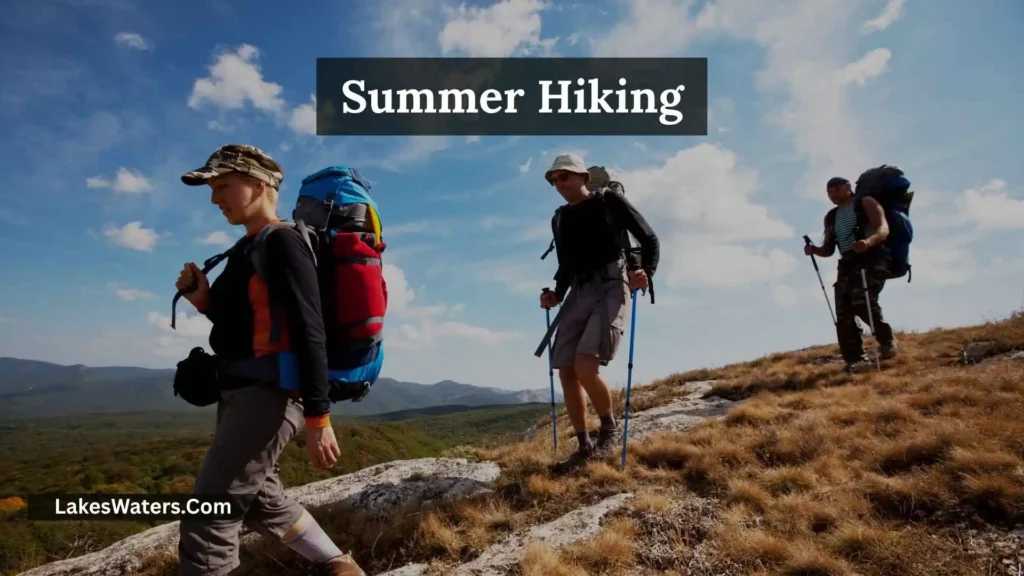
Summer is a popular time to visit because trails are often more accessible than during winter. Longer daylight hours also provide more time to hike, rest, and enjoy the scenery.
However, summer is a busy period. Parking can fill up, day-use passes may be limited, and trails can be crowded. Reserve the required pass, start with a realistic schedule, and carry enough food and water for the full outing.
Spring and Autumn Conditions
Spring and autumn can bring changing colours and quieter conditions on some days, but mountain weather can be unpredictable. Snow, ice, rain, and cold temperatures may affect the route, even when the weather seems pleasant at lower elevations.
Check conditions at the park rather than relying only on the forecast for Pemberton or Whistler. A clear morning does not guarantee safe trail conditions later in the day.
Winter Visits
BC Parks warns that severe winter conditions can persist from November through the end of May. Vehicle access may be blocked by snow, and avalanche hazards can occur during winter, spring, and other periods with suitable conditions.
Winter recreation is appropriate only for experienced, properly equipped visitors. Anyone travelling during these months should review current avalanche information, carry the required safety equipment, and have the training to assess conditions.
A summer hiking plan should never be used as a substitute for winter travel preparation.
What to Pack for the Joffre Lakes Hike
There are no drinking-water facilities in the park, and mobile service is limited. Carry the supplies you need rather than relying on finding services along the route.
Essential Hiking Gear
For a typical hiking visit, consider packing:
- Supportive hiking shoes or boots with good traction.
- Weather-appropriate layers and a waterproof jacket.
- Enough drinking water for your planned outing.
- Food and high-energy snacks.
- An offline map or downloaded route information.
- A fully charged phone and backup power source.
- A basic first-aid kit and emergency supplies.
- Sunscreen, sunglasses, and a hat.
- A headlamp or flashlight in case the return takes longer than expected.
- Insect repellent, as mosquitoes and black flies can be common.
- Traction devices when conditions require them and you know how to use them.
Adjust your equipment to the season and current conditions. Winter or early-season travel may require specialized equipment and training beyond the items listed here.
Food and Water Planning
Bring more water than you expect to need in case the hike takes longer than planned. Do not drink untreated water directly from lakes or streams. If using a natural water source, filter, boil, or otherwise treat the water appropriately before drinking it.
Pack food in a way that keeps it secure, and carry all rubbish back out. The park does not provide backcountry garbage or recycling facilities.
Safety Rules at Joffre Lakes Provincial Park
The park is a remote mountain environment. Weather, terrain, and access to emergency help can differ from what visitors may be used to in developed recreation areas.
Check Weather and Trail Conditions
Review the current park advisories, road conditions, weather forecast, and relevant avalanche information before setting out. Turn around if conditions become unsafe, visibility worsens, or you no longer have enough daylight to return.
Do not continue simply because you have already walked a long distance. The return journey requires energy and time as well.
Stay on Designated Trails
Stay on marked paths and established viewpoints. Shortcuts can damage fragile plants and expose hikers to loose rock, steep slopes, and unstable ground.
Do not scramble toward Matier Glacier or onto nearby snowfields without the appropriate mountaineering skills and equipment. BC Parks specifically warns about rockfall and falling ice in the upper area.
Avoid Swimming in the Lakes
Swimming is not recommended because the lakes are glacier-fed and extremely cold. There are no lifeguards on duty in BC Parks.
Cold-water immersion can quickly affect breathing and movement. Enjoy the views from safe, designated areas instead of entering the water.
Respect Wildlife
The park is home to wildlife, including bears and mountain goats. Keep a safe distance, never feed animals, and follow posted wildlife guidance.
Store food securely when camping and avoid leaving food scraps behind. Feeding wildlife can change animal behaviour and create risks for both animals and visitors.
Understand the Limits of Phone Service
Cell service is not available throughout the park, and emergency services are not based directly at the trail. Download maps and park information before arrival, tell someone your plans, and carry basic emergency supplies.
If you are hiking with others, agree on a pace and a turnaround plan. Make sure everyone knows the intended route and what to do if the group becomes separated.
Camping at Joffre Lakes Provincial Park
Camping is possible at the designated Upper Joffre Lake Campground, but it requires advance planning. Visitors cannot camp wherever they choose along the trail or around the lakes.
Upper Joffre Lake Campground
The campground is reached by hiking from the parking area. It is a backcountry campground, so campers must carry their equipment, food, water, and other supplies along the trail.
BC Parks identifies designated tent pads, toilet facilities, and bear-resistant food storage at the campground. Facilities are limited compared with developed campgrounds, and visitors must be prepared to manage their own supplies and rubbish.
Camping Reservations and Rules
Reservations are required during the campground’s operating season. Check the current booking dates, fees, and conditions before making plans.
Remember these important rules:
- Camp only on designated tent pads.
- Store food as directed to avoid attracting wildlife.
- Pack out all the rubbish.
- Do not light a campfire; fires are permanently prohibited in the park.
- Bring a suitable portable stove if permitted under current conditions.
- Check winter and avalanche restrictions before considering travel outside the usual camping season.
A camping reservation removes the need for a separate day-use pass during the stay, but it does not override park closures or other safety restrictions.
A Practical Day-Trip Plan
A simple itinerary can help you manage time without rushing through the park. Adjust it to the current trail conditions, your hiking speed, and the amount of daylight available.
Before Leaving Home
Confirm the park is open and obtain the required pass. Check the weather and road conditions, prepare your food and water, and save your directions and park information offline.
Choose a realistic turnaround time before you begin. If the group includes inexperienced hikers, make sure the plan leaves enough time for breaks and the return walk.
During the Hike
Start at a steady pace and take breaks before you become exhausted. At Lower Joffre Lake, assess the conditions and decide whether continuing toward Middle and Upper Joffre lakes is suitable for your group.
Watch the trail surface and weather as you gain elevation. Do not leave the designated trail for photographs, and turn around if anyone in the group is struggling or conditions deteriorate.
Before Returning to the Parking Area
Allow enough time for the return journey and avoid waiting until the end of daylight to head back. Check that everyone has their belongings, carry out all rubbish, and leave the parking area without blocking roads or access points.
The goal is to enjoy the scenery and return safely, not to complete the route at any cost.
Common Mistakes to Avoid
A few avoidable mistakes can create problems before or during a visit.
Arriving Without the Required Pass
During the designated season, visitors may need a day-use trail pass. Check the requirements before driving to the park, and save your pass because mobile service is limited.
Underestimating the Full Hike
The short walk to Lower Joffre Lake can make the entire route look easy. The trail becomes steeper and rougher farther along, so choose your distance based on your abilities and the conditions.
Relying on Phone Service
Online maps and mobile data may not work in the park. Download essential information and tell someone your plans before you leave.
Bringing a Dog
Dogs and other domestic animals are not permitted in Joffre Lakes Park. Arrange suitable care for pets rather than bringing them to the trailhead.
Swimming or Scrambling Near the Glacier
The lakes are very cold, and the upper mountain terrain can be unstable. Do not swim, cross barriers, or scramble toward the glacier for a closer view.
Leaving Rubbish Behind
There are no backcountry garbage or recycling facilities. Carry out food scraps, packaging, and all other waste to protect wildlife and the park’s fragile environment.
Frequently Asked Questions
Is Joffre Lakes Provincial Park Worth Visiting?
The park offers three turquoise alpine lakes, forest trails, mountain scenery, and views of Matier Glacier. Whether it suits your trip depends on your available time, fitness, and the conditions on the day. Even the short walk to Lower Joffre Lake offers a chance to experience the landscape.
How Many Lakes Are in Joffre Lakes Provincial Park?
The main hiking route features three well-known lakes: Lower Joffre Lake, Middle Joffre Lake, and Upper Joffre Lake. Each offers a different viewpoint and requires a different amount of hiking.
How Long Does the Joffre Lakes Hike Take?
The full return hike to Upper Joffre Lake is commonly described as about 10 kilometres, with approximately 400 metres of elevation gain. Many visitors allow around four to six hours, including breaks, but the actual time depends on fitness, weather, trail conditions, and time spent at the lakes.
Do You Need a Day-Use Pass for Joffre Lakes?
Day-use trail passes are required from May 11 through October 25, 2026, except during park closures and subject to exemptions. Passes are free and are released two days before a visit from 7 a.m. Pacific Time. Check the official rules for your specific date.
Are Dogs Allowed at Joffre Lakes?
No. Dogs and other domestic animals are not permitted in the park. Visitors should arrange care for their pets before travelling.
Can You Swim in Joffre Lakes?
Swimming is not recommended because the glacier-fed water is extremely cold, and there are no lifeguards. Visitors should enjoy the lakes from designated areas and follow posted instructions.
Is Joffre Lakes Suitable for Beginners?
The walk to Lower Joffre Lake is short and may suit visitors who want a brief outing. The complete hike to Middle and Upper Joffre lakes is more demanding. Beginners should assess their fitness, check trail conditions, and avoid continuing if the route becomes difficult or unsafe.
Is Camping Allowed at Joffre Lakes Provincial Park?
Yes. Camping is allowed only at the designated Upper Joffre Lake Campground, and reservations are required during its operating season. Campfires are prohibited, and visitors must follow all backcountry rules.
Is There Drinking Water at Joffre Lakes?
No drinking water is provided in the park. Bring enough water for your planned outing. Treat water from lakes or streams appropriately before drinking it.
Why Does Joffre Lakes Close Temporarily?
Some seasonal closures provide time and space for the Líĺwat Nation and N’Quatqua to reconnect with the land and carry out cultural practices. Check current park advisories before travelling because closure dates may change from year to year.
Conclusion
Joffre Lakes Provincial Park is a memorable destination for visitors who want to experience turquoise alpine lakes, rugged mountain scenery, and glacier views in British Columbia. Its main trail connects Lower, Middle, and Upper Joffre Lake, allowing hikers to choose between a short visit and a longer mountain outing.
A successful trip starts with realistic planning. Confirm the park’s opening status and pass requirements, check the weather and trail conditions, carry enough food and water, and choose a route that matches your experience. Stay on designated trails, respect Indigenous cultural practices, and follow all park rules.
With the right preparation, you can enjoy the beauty of Joffre Lakes while helping protect its natural environment and cultural significance for future visitors.

I am Sophia Bennett, an environmental storyteller who explores the fascinating world of lakes, freshwater habitats, and natural ecosystems.
I write to educate and inspire people about water conservation, biodiversity, and the importance of maintaining clean water resources.
I believe that understanding nature is the first step toward protecting it.
Books by Sophia Bennett:
- Whispers of the Freshwater World
- The Journey of Water: From Source to Sustainability