
Hilton Head Island, South Carolina, is famous for its beaches, but its lakes, freshwater ponds, lagoons, and wetlands offer another way to enjoy the island. If you are searching for Hilton Head lakes, the best places to start include Jarvis Creek Park, the lakes and lagoon system at Palmetto Dunes, and the natural waterways of Sea Pines Forest Preserve.
These locations offer different experiences. Some are suited to walking and wildlife watching, while others provide fishing or kayaking opportunities under specific access rules. Not every lake is open to the public, and the island’s lagoons are not interchangeable with traditional freshwater swimming lakes.
This guide explains where to find the best water spots, what you can do at each location, which places suit different visitors, and what to know about fishing permits, kayaking, swimming restrictions, and alligator safety before planning your trip.
Quick Answer: Where Can You Find Lakes on Hilton Head Island?
Hilton Head Island has freshwater ponds, lakes, and coastal lagoon systems. For visitors interested in exploring these waterways, three useful starting points are Jarvis Creek Park, Sea Pines Forest Preserve, and Palmetto Dunes.
- Jarvis Creek Park: A public park with a freshwater pond, walking opportunities, and outdoor recreation.
- Sea Pines Forest Preserve: A nature area with freshwater lakes, wetlands, and walking trails. Access and fishing permissions depend on the applicable rules.
- Palmetto Dunes: A resort community with two freshwater lakes and an interconnected lagoon system where authorized users can enjoy certain boating and fishing activities.
The best choice depends on your plans. Jarvis Creek Park is a convenient option for a short outdoor visit, Sea Pines suits nature lovers, and Palmetto Dunes is worth considering if you want to explore a lagoon by kayak or canoe.
Important: Hilton Head’s lakes and lagoons are not public swimming destinations. Follow local restrictions, stay away from the water’s edge when alligators may be present, and confirm access before visiting private or resort-managed waterways.
Best Lakes and Waterways on Hilton Head Island
The island’s water features vary in size, setting, and permitted use. Understanding these differences will help you choose a location that matches your interests rather than simply searching for the largest or most scenic lake.
1. Jarvis Creek Park and Lake Liggett
Jarvis Creek Park is a practical starting point for visitors who want to enjoy freshwater scenery without planning a full-day excursion. Located on Hilton Head Island, the park offers walking opportunities, open green space, picnic facilities, and views of a freshwater pond commonly identified as Lake Liggett.
The setting makes it suitable for families, casual walkers, and travelers looking for a break from the beach.
What can you do at Jarvis Creek Park?
- Walk or jog along the park’s fitness trail.
- Enjoy views of the freshwater pond and surrounding vegetation.
- Observe birds and other wildlife from appropriate viewing areas.
- Have a picnic where permitted.
- Investigate whether fishing is allowed under current park rules.
The park is particularly useful if you have only an hour or two available. You can enjoy the outdoor setting without needing a boat, fishing guide, or complicated itinerary.
Is Jarvis Creek Park Good for Families?
Yes, it can be a good choice for families who enjoy walking, picnicking, and spending time outdoors. However, a freshwater pond should never be treated as a safe play area.
Keep children close to adults, respect warning signs, and stay away from the water’s edge where alligators may be present. Bring drinking water and sun protection during warm weather.
Before your visit, check current park information for opening hours, facilities, parking, and fishing permissions. Do not assume that every activity is permitted simply because the park is open to visitors.
2. Sea Pines Forest Preserve Lakes

Sea Pines Forest Preserve offers a more nature-focused experience. Its protected landscape includes freshwater lakes, wetlands, woodland areas, and walking trails.
The preserve provides an opportunity to see a different side of Hilton Head Island, away from busy beaches and developed commercial areas.
Visitors may enjoy observing birds, photographing vegetation, and exploring the natural landscape. Wildlife sightings vary by season and conditions, so there is no guarantee of seeing a particular animal.
What Makes Sea Pines Forest Preserve Worth Visiting?
The preserve is a good choice for travelers who prefer quiet outdoor experiences.
You can explore designated trails, observe wetland habitats, and appreciate the role these natural areas play in supporting wildlife. The lakes and surrounding vegetation also provide a different photographic setting from the island’s sandy beaches.
However, visitors should understand an important distinction: access to the preserve does not mean every lake is open for fishing.
The preserve’s official visitor information explains that access arrangements apply and that its stocked fishing lakes are reserved for property owners, their guests, and resort guests. Fishing permits are required.
Visitors should check the current entrance requirements, fees, hours, and fishing rules before arriving. People who are not already authorized to enter Sea Pines may need to pay a community gate fee.
For a simple nature walk, confirm which areas are available to you. If fishing is your main goal, obtain permission and verify the relevant permit requirements before bringing your equipment.
3. Palmetto Dunes Lakes and Lagoon System
Palmetto Dunes offers one of the island’s most distinctive water-based recreational settings. Its water features include two freshwater lakes and an interconnected lagoon system extending for approximately 11 miles.
The waterways support wildlife and provide scenic views throughout the community. They also play an important practical role by helping manage stormwater runoff.
For visitors, the lagoon system can provide opportunities to experience Hilton Head from the water rather than from a beach or walking trail.
Can You Kayak at Palmetto Dunes?
Kayaking and canoeing are available through appropriate access arrangements, but visitors should not assume that every launch point is open to everyone.
The Palmetto Dunes Property Owners Association identifies a community kayak and canoe launch within the Inverness section. Access rules, rental arrangements, and community entry requirements should be checked before planning your trip.
If you want to rent equipment, investigate current options through authorized local providers.
Before launching, check the weather, wear a properly fitted personal flotation device, and follow local boating rules. Keep your craft under control and respect other water users.
Can You Fish at Palmetto Dunes?
Fishing is permitted for authorized property owners, guests, and renters under the community’s rules.
The association specifies that fishing must be catch-and-release. People aged 16 and older must have a valid South Carolina fishing license and follow state and local regulations.
Fishing is permitted from designated areas, including specified observation docks and authorized common areas. Fishing from bridges and golf course property is prohibited.
These restrictions are important because the lagoon is part of a managed residential environment, not an unrestricted public fishing lake.
Check the latest community guidelines before fishing or launching a boat.
Can You Swim in Palmetto Dunes Lagoons?
No. Swimming and paddleboarding are prohibited in the Palmetto Dunes lagoon and lake system.
The calm appearance of the water should not be mistaken for permission to enter it. Follow posted rules and use designated swimming facilities or appropriate public beaches for swimming.
4. Freshwater Ponds Around Hilton Head Island
Beyond the main destinations, Hilton Head has numerous ponds and small water features within residential developments, golf communities, resort properties, and landscaped areas.
These ponds contribute to the island’s green appearance and provide habitat for fish, birds, turtles, and other wildlife.
However, they are not necessarily recreational lakes. Some exist primarily for stormwater management, landscaping, or habitat protection.
A pond visible from a road or walking path may be located on private property. Public visibility does not automatically grant permission to fish, walk along its banks, launch a kayak, or enter the surrounding development.
If you want to visit a pond, check the property’s access rules first. For a more predictable outing, choose an established public park or a destination with clearly stated visitor arrangements.
5. Nearby Coastal Creeks and Marsh Waterways
Hilton Head’s coastal landscape also includes tidal creeks, salt marshes, and waterways influenced by the Atlantic Ocean.
These places are not the same as freshwater lakes, but they are relevant if your interest in Hilton Head lakes includes fishing, kayaking, or wildlife observation.
Coastal waterways can support different fish species and wildlife from inland freshwater ponds. Their conditions are affected by tides, weather, and the movement of saltwater.
If you want to explore a tidal creek, consider a guided kayaking excursion with a reputable local operator. A guide can help you understand the route, tidal conditions, equipment needs, and appropriate wildlife-viewing practices.
Check whether your planned activity requires a freshwater or saltwater fishing license. The distinction depends on the water being fished and the applicable South Carolina regulations.
Which Hilton Head Lake Should You Visit?
The best destination depends on the experience you want. Use the following guide to narrow your options before leaving your hotel or vacation rental.
| Your Main Interest | Recommended Starting Point | What to Know |
| A short walk near freshwater | Jarvis Creek Park | Check current park hours and facilities. |
| Nature and wetland scenery | Sea Pines Forest Preserve | Confirm entrance requirements and permitted areas. |
| Kayaking or canoeing | Palmetto Dunes lagoon system | Check access, rental options, and community rules. |
| Fishing | An authorized fishing location | Verify permission, licensing, and catch-and-release rules. |
| Family outdoor time | Jarvis Creek Park | Supervise children and stay away from pond edges. |
| Coastal wildlife and tidal scenery | A suitable guided coastal excursion | Check tide, weather, and route conditions. |
| Swimming | A designated public beach or suitable pool | Do not swim in the island’s lakes or lagoons. |
A Simple Decision Guide
Choose your destination by answering one question first: What do you want to do?
- If you want a walk: Start with Jarvis Creek Park or investigate the available trails at Sea Pines Forest Preserve.
- If you want to see natural habitats: Consider the preserve, while following its visitor rules.
- If you want to kayak: Investigate authorized access to the Palmetto Dunes lagoon system.
- If you want to fish: Confirm that fishing is allowed at your chosen location before buying bait or packing tackle.
- If you want to swim: Choose a designated swimming location instead of a lake or lagoon.
This approach helps avoid a common travel mistake: choosing a waterway based on photographs without checking whether your preferred activity is allowed.
Are Hilton Head Lakes Freshwater or Saltwater?
Hilton Head Island has both freshwater environments and coastal waterways influenced by saltwater. The correct description depends on the specific location.
Freshwater Lakes and Ponds
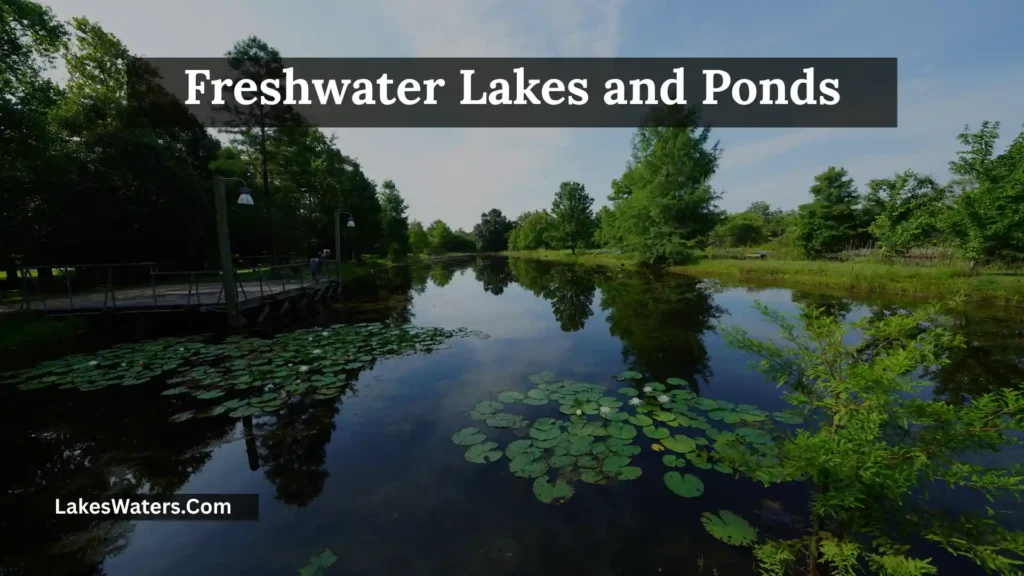
Freshwater lakes and ponds contain much lower concentrations of dissolved salts than seawater. They support aquatic organisms adapted to freshwater conditions.
The freshwater lakes and ponds found around Hilton Head provide habitat for fish and other wildlife. Jarvis Creek Park is a useful starting point for visitors interested in an inland freshwater setting.
Freshwater does not automatically mean that a pond is safe for swimming or open to public fishing. Water quality, wildlife, access, and local restrictions still matter.
Coastal Lagoons and Tidal Waterways
A lagoon is a body of water that may be partly separated from the sea or connected to a larger coastal water system. Depending on its design and connections, a lagoon can have different salinity conditions.
Palmetto Dunes has freshwater lakes as well as an interconnected lagoon system. Visitors should consult the community’s information for the particular waterway rather than assuming that every section has identical conditions.
Tidal creeks and salt marshes are different again. Their water levels and salinity can change with tidal movement and freshwater inflow.
What Is Brackish Water?
Brackish water contains more dissolved salts than typical freshwater but less than seawater. It is common in coastal environments where freshwater and saltwater mix.
This matters for anglers because fish species, fishing regulations, and equipment choices can differ between freshwater and saltwater environments.
If fishing is your goal, identify the waterway first and consult the South Carolina Department of Natural Resources for the applicable licensing and regulatory requirements.
Fishing in Hilton Head Lakes: What Visitors Should Know
Fishing can be an enjoyable way to explore Hilton Head, but the rules depend on the location.
Freshwater ponds may support species such as largemouth bass and bluegill, while coastal waterways can offer different fishing opportunities. Actual catches depend on habitat, season, water conditions, and local fish populations.
Do not assume that a lake is open to anglers just because fish are present.
Check Fishing Permissions First
Before fishing, confirm three things:
- Public access: Is the location open to you, or is it within a private community or resort?
- Fishing permission: Does the property allow fishing, and are there designated docks or launch points?
- Licensing: Which South Carolina fishing license and regulations apply to that waterway?
For example, Palmetto Dunes allows fishing by authorized users under its community rules, including catch-and-release requirements. Sea Pines Forest Preserve has separate restrictions on its stocked fishing lakes.
These examples show why checking the specific property’s rules is essential.
Understand South Carolina Fishing Licenses
South Carolina distinguishes between freshwater and saltwater fishing regulations.
The South Carolina Department of Natural Resources provides official information about license requirements, available licenses, and fishing rules.
Requirements can depend on the type of water, the fishing method, the person’s age, and the circumstances of the activity. Some exceptions apply, so visitors should not rely on a general rule without checking their situation.
If you are visiting from another state, review the nonresident licensing information before fishing.
Official guidance is available through the South Carolina Department of Natural Resources’ fishing license and regulations pages.
Practice Responsible Fishing
Responsible fishing helps protect aquatic habitats and preserves opportunities for other anglers.
Follow local catch-and-release requirements, handle fish carefully, and return them to the water promptly when required. Dispose of fishing line, hooks, bait containers, and other rubbish properly.
Never leave fishing equipment unattended near wildlife, and do not feed alligators or other wild animals.
Kayaking and Canoeing Around Hilton Head
Kayaking can provide a closer look at the island’s waterways, but the best route depends on whether you want to explore a managed lagoon or a tidal coastal environment.
Lagoon Kayaking
The Palmetto Dunes lagoon system is an option for people interested in paddling through a managed network of waterways.
Before booking, verify that your planned launch point is authorized and that the rental provider serves the area you want to explore.
Ask about trip length, equipment, safety requirements, and any restrictions that may affect your route.
Coastal Kayaking
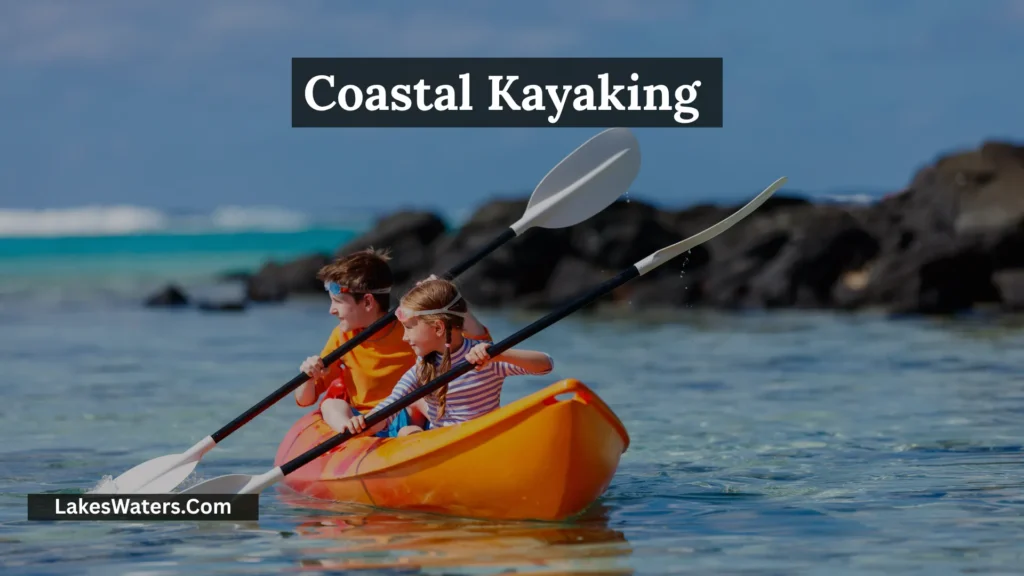
Coastal creeks and marsh waterways offer a different experience from inland ponds. Tides, currents, wind, and changing water levels can influence how difficult a route becomes.
A guided excursion may be a good choice if you are unfamiliar with local conditions.
Choose a trip suited to your ability, check the forecast, and follow the guide’s advice. Never assume that a route will remain equally easy throughout the day.
What Should You Bring?
For a comfortable outing, consider packing:
- Drinking water.
- Sun protection and a hat.
- A properly fitted personal flotation device.
- A waterproof bag for essential items.
- Suitable footwear.
- Insect repellent when appropriate.
- A phone stored securely in a waterproof case.
Check the equipment and safety arrangements supplied by your rental provider before setting out.
Wildlife and Alligator Safety Near Hilton Head Lakes
Freshwater ponds, lakes, and lagoons can provide habitat for alligators and other wildlife. Seeing an animal in its natural environment can be exciting, but safety should always come first.
How to Stay Safe Around Alligators
Follow these precautions whenever you visit a lake or lagoon:
- Keep a safe distance from any alligator.
- Never feed, approach, harass, or attempt to touch one.
- Keep children under close supervision.
- Keep pets away from the water’s edge.
- Do not swim in ponds or lagoons.
- Follow warning signs and local instructions.
- Never assume that an area is free of alligators simply because none are visible.
Feeding alligators is particularly dangerous because it can cause them to associate people with food.
If you encounter an alligator, leave it alone and move away calmly. If an animal appears to pose an immediate public safety concern, contact the appropriate local authorities rather than trying to handle the situation yourself.
Other Wildlife to Observe
Depending on the location and season, visitors may see wading birds, turtles, fish, and other wetland wildlife.
Binoculars can help you observe animals without disturbing them. Early morning may provide comfortable conditions for wildlife watching, although sightings are never guaranteed.
Stay on designated paths, avoid disturbing nesting areas, and never feed wildlife. These simple practices help protect the animals and preserve the experience for other visitors.
Best Time to Visit Hilton Head Lakes
The best time to explore Hilton Head’s lakes and lagoons depends on the weather and your preferred activity. Walking, fishing, wildlife watching, and kayaking can all be affected by seasonal conditions.
Spring: Comfortable Outdoor Exploration
Spring can be a pleasant time for walking trails and observing the island’s natural landscapes.
As temperatures become warmer, visitors may enjoy spending more time outside without the strongest summer heat. It is a useful season for combining a morning park visit with an afternoon at the beach.
Check local weather conditions and operating hours before planning your day.
Summer: Plan Around Heat and Humidity
Summer is a popular travel season on Hilton Head Island, but heat and humidity can make outdoor activities more demanding.
For walks and wildlife observation, consider going earlier in the day. Carry drinking water, apply sunscreen, and take breaks in shaded areas.
Thunderstorms can affect boating and kayaking plans, so check the forecast before leaving.
Fall: A Good Season for Walking and Fishing
Fall can provide comfortable conditions for outdoor exploration, depending on the weather.
Visitors may appreciate walking trails, photography, and fishing without the same summer conditions. However, temperatures, rainfall, and water conditions can vary.
Confirm fishing regulations and access arrangements before traveling to a specific location.
Winter: Quieter Outdoor Visits
Winter can be suitable for peaceful walks and nature photography on days with favorable weather.
Bring layers, check opening hours, and remember that not every activity or rental service operates on the same schedule throughout the year.
There is no single best season for every visitor. Choose dates based on your preferred activities and check current conditions before making reservations.
Hilton Head Lakes vs. Beaches: Which Is Better?
Lakes and beaches offer different experiences, and both can be part of the same vacation.
| Feature | Lakes and Lagoons | Beaches |
| Main attraction | Freshwater scenery, wetlands, and quiet water views | Ocean views, sandy shores, and coastal recreation |
| Common activities | Walking, wildlife watching, authorized fishing, and kayaking in suitable areas | Beach walks, sunbathing, and swimming where conditions permit |
| Wildlife | Birds, turtles, fish, and potentially alligators | Shorebirds and marine wildlife |
| Water conditions | Depend on the individual lake, pond, or lagoon | Depend on tides, waves, currents, and weather |
| Swimming | Generally prohibited or unsuitable in the island’s lakes and lagoons | Possible in appropriate areas when conditions are safe |
| Access | Varies by park, preserve, and private community | Depends on the beach access point and local rules |
| Best for | Nature lovers, walkers, and visitors interested in inland waterways | Beach lovers and travelers seeking ocean activities |
If you have only one day, you do not have to choose one type of scenery exclusively. You could visit a park in the morning and spend the afternoon at a suitable public beach.
The key is to select activities that match the location’s rules rather than assuming all water areas offer the same options.
Practical Tips for Planning a Lake Visit
A little preparation can help you avoid access problems and make your visit more enjoyable.
Confirm Entry and Parking Requirements
Public parks, private communities, and managed nature preserves may have different entry arrangements.
Check current parking availability, fees, opening hours, and access rules before leaving your accommodation. For Sea Pines and Palmetto Dunes, verify any applicable gate or community requirements.
Do not assume that a public-facing website means every area within a private community is open to unrestricted public use.
Check Current Activity Restrictions
Fishing, kayaking, canoeing, and walking may have different rules at different locations.
Confirm whether you need a reservation, permit, rental, or authorized launch point. This is especially important if your main purpose is fishing or boating.
Pack for Coastal Weather
Hilton Head can be hot and humid, and weather may change during the day.
Bring drinking water, sunscreen, suitable footwear, and insect repellent when appropriate. For kayaking, check the forecast and any relevant tide information before setting out.
Protect the Environment
Do not leave rubbish, fishing line, bait containers, or food waste behind.
Stay on designated trails, avoid disturbing wildlife, and never release unwanted bait or non-native animals into local waters.
Respecting these rules helps protect the island’s waterways and maintains a better experience for residents and visitors.
Frequently Asked Questions About Hilton Head Lakes
What Is the Best Lake to Visit on Hilton Head Island?
Jarvis Creek Park is a practical starting point for visitors interested in freshwater scenery, walking, and outdoor recreation. Sea Pines Forest Preserve is better suited to nature-focused exploration, while Palmetto Dunes is worth considering for authorized lagoon activities.
The best choice depends on your interests and the access rules that apply.
Are There Public Lakes on Hilton Head Island?
Yes, visitors can enjoy water views at public recreational areas such as Jarvis Creek Park. However, not every lake or pond on the island is publicly accessible.
Some are located within private communities, resort properties, or managed preserves. Always check the rules for the specific destination.
Can You Swim in Hilton Head Lakes?
You should not swim in Hilton Head’s lakes and lagoons. Palmetto Dunes expressly prohibits swimming in its water system, and freshwater ponds may contain alligators.
Choose an appropriate public beach or swimming pool instead.
Are Hilton Head Lakes Freshwater or Saltwater?
The island has freshwater ponds and lakes, as well as coastal waterways influenced by saltwater. Palmetto Dunes includes two freshwater lakes and an interconnected lagoon system.
Tidal creeks and salt marshes have different conditions from inland freshwater ponds.
Can You Fish at Jarvis Creek Park?
Check current park rules before fishing. Do not assume that fishing is permitted in every section of the pond or that the same regulations apply to all waterways on Hilton Head Island.
If fishing is allowed, confirm any licensing requirements and restrictions before casting a line.
Do You Need a Fishing License in Hilton Head?
A fishing license may be required, depending on the waterway, fishing method, age, and applicable exceptions.
South Carolina has separate freshwater and saltwater licensing rules. Consult the South Carolina Department of Natural Resources for the requirements that apply to your planned activity.
Can Visitors Fish at Sea Pines Forest Preserve?
The preserve has specific fishing restrictions. Its stocked fishing lakes are reserved for property owners, their guests, and resort guests, and fishing permits are required.
Check the official visitor information before making fishing plans.
Can You Kayak at Palmetto Dunes?
Kayaking and canoeing are possible through authorized access arrangements. Confirm the current launch rules, rental options, and any entry requirements before visiting.
Swimming and paddleboarding are prohibited in the Palmetto Dunes lagoon and lake system.
Are There Alligators in Hilton Head Lakes?
Alligators may inhabit freshwater lakes, ponds, and lagoons on Hilton Head Island.
Keep your distance, never feed or approach them, and keep children and pets away from the water’s edge. Never assume a pond is safe simply because an alligator is not visible.
What Is the Best Time to Explore Hilton Head Lakes?
Spring and fall can offer comfortable conditions for walking and wildlife observation. Summer visits may require more planning around heat and thunderstorms, while winter is suitable for outdoor activities when the weather cooperates.
Check the forecast, opening hours, and activity restrictions before your trip.
Are Hilton Head Lakes Free to Visit?
Costs depend on the destination. Some public recreational areas may offer free entry, while private communities, preserves, rentals, and guided excursions may involve fees or other requirements.
Check current information before traveling, especially if your destination is within Sea Pines or Palmetto Dunes.
How Many Days Do You Need to Explore Hilton Head Lakes?
A few hours may be enough to visit a public park and enjoy a short walk. A full day allows more time to combine a nature preserve, an authorized lagoon activity, and other island attractions.
You do not need a separate vacation just for the lakes. Most visitors can incorporate one or two water-focused stops into a broader Hilton Head itinerary.
Conclusion
Hilton Head lakes offer a different way to experience the island beyond its beaches. Jarvis Creek Park provides a convenient starting point for freshwater scenery and walking, Sea Pines Forest Preserve offers a nature-focused setting, and Palmetto Dunes has a distinctive system of freshwater lakes and lagoons.
The right destination depends on what you want to do. Walkers may prefer a public park, nature lovers may enjoy exploring a preserve, and visitors interested in kayaking can investigate authorized lagoon access.
Before setting out, check the latest visitor information, follow fishing and boating regulations, and remember that lakes and lagoons are not swimming areas. With the right planning, Hilton Head’s waterways can add a relaxing and memorable outdoor experience to your South Carolina vacation.

I am Sophia Bennett, an environmental storyteller who explores the fascinating world of lakes, freshwater habitats, and natural ecosystems.
I write to educate and inspire people about water conservation, biodiversity, and the importance of maintaining clean water resources.
I believe that understanding nature is the first step toward protecting it.
Books by Sophia Bennett:
- Whispers of the Freshwater World
- The Journey of Water: From Source to Sustainability