
South Lakes is a beautiful part of Cumbria in northwest England, known for its lakes, wooded valleys, mountain scenery, historic villages, and outdoor activities. If you are planning a visit, the best places to start are Windermere, Coniston Water, Hawkshead, and the scenic walking area around Tarn Hows.
The Southern Lakes area offers something for different types of travellers. Families can enjoy boat trips and gentle walks, couples can explore peaceful villages, and outdoor enthusiasts can discover countryside trails and water activities. You can also explore local history, visit traditional cafés, and enjoy views of the surrounding fells.
This guide explains where South Lakes is, which places are worth visiting, how to get around, what to do in different seasons, and how to plan a trip that suits your budget, interests, and available time.
Where Are the South Lakes in England?
South Lakes generally refers to the southern part of the Lake District in Cumbria, England. It is a regional description rather than the name of one specific lake or town.
The area includes popular destinations around Windermere, Bowness-on-Windermere, Coniston Water, Hawkshead, and nearby countryside. Its combination of accessible visitor attractions, quieter rural locations, and scenic walking routes makes it a popular base for exploring the southern Lake District.
The Southern Lakes area is part of the wider Lake District National Park, which contains numerous lakes, tarns, valleys, mountains, and historic settlements.
What Makes South Lakes Different From the Rest of the Lake District?
South Lakes is especially convenient for visitors who want to combine lake activities with village sightseeing and shorter countryside excursions.
Windermere offers boat cruises, shops, restaurants, and visitor facilities. Coniston provides access to a more rugged landscape, while Hawkshead is known for its historic village character. Tarn Hows is a popular destination for a scenic circular walk.
The northern and western parts of the Lake District offer other experiences, including more remote landscapes and different mountain routes. South Lakes is a useful choice if you prefer a trip that combines nature with established visitor facilities.
Best Lakes and Scenic Places to Visit in South Lakes
Choosing the right places can make your trip more enjoyable. Some destinations are best for boat trips and family activities, while others are better suited to walking, photography, and quieter countryside experiences.
Windermere: Best for First-Time Visitors
Windermere is England’s largest lake and one of the main attractions in the southern Lake District. The lake stretches for approximately 10.5 miles and is surrounded by hills, woodland, villages, and visitor attractions.
Bowness-on-Windermere is a convenient place to begin exploring. Visitors can find cafés, restaurants, shops, and access to lake cruises in the area.
Popular activities include:
- Taking a boat cruise to enjoy views of the lake and surrounding hills.
- Exploring Bowness-on-Windermere on foot.
- Visiting nearby attractions and countryside viewpoints.
- Enjoying a meal or refreshments beside the water.
- Taking photographs of the landscape in different weather conditions.
Windermere is particularly suitable for first-time visitors because several activities can be combined without planning a demanding walking route.
However, the waterfront and parking areas can become busy during school holidays and summer weekends. Arriving early, booking popular activities in advance, and checking local transport options can help you avoid unnecessary delays.
Coniston Water: Best for Outdoor Activities
Coniston Water is a long, scenic lake surrounded by wooded slopes and the rugged fells of the Coniston valley. It offers a different atmosphere from the busier areas around Windermere.
Visitors can explore Coniston village, take a lake cruise, or enjoy activities such as kayaking, canoeing, and paddleboarding where permitted and available.
The surrounding landscape also provides opportunities for walking and photography. On a clear day, the views across the water towards the surrounding hills are a major attraction.
Coniston is a good choice if you prefer outdoor activities and countryside scenery. It can also be a useful base for exploring nearby Hawkshead and Tarn Hows.
Water activities depend on weather, local rules, and available services. Check the relevant lake guidance before bringing equipment or booking an activity.
Esthwaite Water: Best for a Quieter Countryside Setting
Esthwaite Water lies near Hawkshead and offers a quieter alternative to the busiest visitor areas.
The surrounding countryside provides opportunities to enjoy rural scenery, observe birds, and explore nearby villages. Fishing may also be available through local operators or permit arrangements.
This destination is worth considering if your trip focuses on nature and a slower pace rather than a full schedule of commercial attractions.
Access, facilities, and permitted activities may differ from those at Windermere. Check current local information before making Esthwaite Water the main destination for your day.
Tarn Hows: Best for Scenic Walks and Photography
Tarn Hows is a well-known scenic tarn near Coniston. Although it is smaller than the major lakes, its tree-lined water, surrounding hills, and accessible circular walking route make it one of the area’s highlights.
The National Trust describes the circular route as approximately two miles, taking around one hour. The path is generally firm and surfaced, although it includes some climbs and descents. Mobility scooters are available to borrow, subject to arrangements and availability.
Tarn Hows is particularly suitable for families and visitors who want attractive scenery without committing to a long mountain walk.
The landscape also has an interesting history. In the nineteenth century, James Garth Marshall helped shape the area by creating a dam and planting trees to enhance the scenery.
Parking is limited and can be busy during peak holiday periods. Plan your visit early if you want to avoid the busiest times, and check the National Trust’s current access and parking information before setting out.
Comparing the Best Places in South Lakes
Use this comparison to choose destinations according to your interests and travel plans.
| Destination | Best For | Main Activities | What to Consider |
| Windermere | First-time visitors | Boat cruises, sightseeing, cafés | Busy waterfront and parking |
| Coniston Water | Outdoor enthusiasts | Boating, walking, water activities | Check activity rules and weather |
| Esthwaite Water | Nature lovers | Countryside views, wildlife watching | Check access and facilities |
| Tarn Hows | Families and photographers | Circular walks, scenery, photography | Limited parking and some slopes |
| Hawkshead | History and village sightseeing | Historic streets, shops, nearby walks | Allow time for parking and exploration |
These places are not interchangeable. Windermere is convenient for a varied day out, Coniston is attractive for outdoor adventures, and Tarn Hows is especially useful if you want a scenic walk without planning a full mountain hike.
Best Things to Do in South Lakes
The Southern Lakes area offers a mixture of outdoor activities, cultural attractions, and relaxed sightseeing. You do not need to fill every hour with planned activities to enjoy the region.
Take a Lake Cruise
A boat cruise offers a different view of the landscape and can reduce the amount of driving needed during your visit.
Windermere has established passenger boat services with stops at several lakeside destinations. Coniston Water also has boat services, including the Coniston Launch and the National Trust’s Steam Yacht Gondola, which operates seasonally.
Before booking, check the departure point, route, timetable, and return options. If you plan to leave the boat at one stop and continue exploring on foot, confirm that another service will be available when you need it.
Cruises are particularly useful for visitors who want to enjoy the scenery without walking long distances.
Explore Walking Routes for Different Ability Levels
Walking is one of the best ways to experience South Lakes, but not every route is suitable for every visitor.
For a relatively gentle outing, the circular walk around Tarn Hows is a good option. Its surfaced path makes it more accessible than many hillside trails, although some slopes remain.
For a longer excursion, the National Trust’s Monk Coniston and Tarn Hows route offers a walk through woodland and farmland. The full route is approximately five miles, with a shorter option of around 3.5 miles. Some sections can be steep or muddy after rain.
Choose your route according to your fitness, available daylight, and the weather. Read the full route description rather than relying only on its distance or difficulty label.
Carry water, wear suitable footwear, and bring an extra layer of clothing. Conditions can change quickly in the Lake District, especially on exposed paths.
Visit Hawkshead and Coniston Village
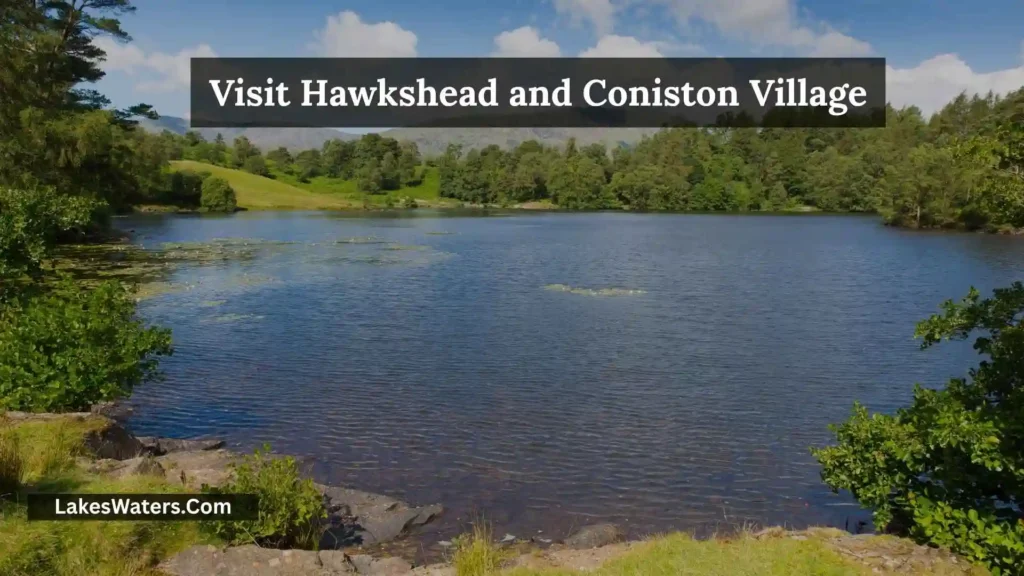
South Lakes is not only about its lakes. The surrounding villages provide opportunities to explore local heritage, enjoy food, and take a break from outdoor activities.
Hawkshead is known for its historic streets and traditional buildings. It works well as part of a day that combines village sightseeing with nearby countryside walks.
Coniston has shops, places to eat, accommodation, and attractions connected to the area’s history. The village is also a practical starting point for exploring Coniston Water and the surrounding valley.
Allow time to explore rather than treating each village as a quick stop between lakes. A relaxed lunch or short walk through the village can make the trip feel less rushed.
Discover Local History and Heritage
The Southern Lakes has a rich history shaped by farming, industry, tourism, and the landscape.
The Coniston area has connections to copper mining, while the wider region is associated with historic estates, traditional farms, and literary heritage.
Tarn Hows is an example of how human activity has influenced the landscape. Its present appearance reflects nineteenth-century landscaping rather than an entirely untouched natural setting.
Learning about these connections adds context to the scenery. If you enjoy history, consider combining a lake visit with a museum or heritage attraction in a nearby village.
Enjoy Photography and Wildlife Watching
The changing light across the lakes and hills makes South Lakes appealing to photographers. Morning mist, reflections, autumn colours, and dramatic clouds can all create interesting scenes.
You do not need specialist equipment. A phone camera can capture excellent landscapes, particularly when you take time to find a safe viewpoint and avoid rushing.
Wildlife watching is another option, especially around suitable woodland and wetland habitats. Birds and other animals may be seen, but sightings depend on season, location, and conditions.
Keep a respectful distance from wildlife, avoid disturbing nesting areas, and take all rubbish away with you.
Can You Swim in South Lakes?
Swimming is possible at certain locations, including Windermere and Coniston Water, where swimming is permitted under the relevant lake rules. However, permission to swim does not mean that every shoreline or weather condition is safe.
Lake water can be cold even in summer. Hidden underwater hazards, sudden changes in weather, boat traffic, and the distance from shore can create risks.
Before entering the water:
- Check current local swimming guidance and any safety notices.
- Choose a suitable entry and exit point.
- Avoid swimming alone and stay within your ability.
- Consider a suitable wetsuit and visible swim buoy.
- Stay clear of boats and other water users.
- Leave the water if conditions change or you feel cold or tired.
Do not assume that a calm surface means the water is safe. If you are visiting with children, keep them under close supervision near the shore as well as in the water.
The Lake District National Park Authority provides lake activity guides explaining permitted activities and local restrictions. Consult the relevant guide before swimming or launching watercraft.
Best Time to Visit South Lakes
South Lakes is a year-round destination, but the best time depends on the activities you want to enjoy.
Spring: Good for Countryside Walks
Spring brings longer days, fresh greenery, and opportunities to explore walking routes before the busiest summer period.
The weather can still be cold and wet, so waterproof clothing and suitable footwear are important. Check conditions before choosing higher or more exposed routes.
Summer: Best for Longer Outdoor Days
Summer offers longer daylight hours and more opportunities for boat trips, village visits, walking, and water activities.
It is also a busy travel season. Accommodation, parking, and popular attractions may require advance planning, especially during school holidays.
If you prefer quieter surroundings, visit popular attractions early in the morning or later in the day.
Autumn: Attractive for Photography
Autumn brings changing foliage and a different atmosphere to woodland and lakeside landscapes.
It can be a rewarding season for photography and quieter countryside walks. However, rain, muddy paths, and shorter daylight hours can affect plans.
Choose routes that allow plenty of time to return before dark.
Winter: Best for a Quieter Visit
Winter can be appealing for visitors who want peaceful scenery, village cafés, and shorter walks.
Some attractions and boat services operate reduced seasonal schedules, while cold weather may make certain routes unsuitable. Check current opening information and forecasts before travelling.
For many visitors, spring and autumn offer a useful balance between outdoor activities and opportunities to avoid the busiest holiday periods.
Where to Stay in South Lakes
Your accommodation base affects how much time you spend travelling. Choose a location that matches your itinerary rather than simply booking the first available property.
Windermere and Bowness-on-Windermere
These locations suit visitors who want restaurants, shops, lake cruises, and a range of accommodation options nearby.
They can also be convenient for travellers arriving by train and using local buses or boat services. The main disadvantages are busy periods and potentially higher accommodation costs in popular locations.
Coniston
Coniston is suitable for visitors who prioritise countryside scenery, outdoor activities, and access to Coniston Water.
It offers a village setting with places to eat and stay. If you are travelling without a car, check the location of your accommodation against bus stops and activity departure points.
Hawkshead
Hawkshead is a good option for travellers who enjoy historic villages and countryside exploration.
It can work well for a slower-paced holiday, particularly if you want to combine walks with local sightseeing. Check transport arrangements and accommodation facilities before booking.
How to Choose the Right Base
Use this simple guide:
- Want restaurants, shops, and boat trips? Consider Windermere or Bowness.
- Want countryside walks and water activities? Consider Coniston.
- Prefer a historic village atmosphere? Consider Hawkshead.
- Travelling without a car? Prioritise accommodation near reliable public transport.
- Need accessible facilities? Check the property’s access details and the exact routes to nearby attractions before booking.
The cheapest accommodation is not always the best value. A property that reduces transport costs and puts your preferred activities nearby may save both time and money.
How to Get Around South Lakes Without Wasting Time
You can explore South Lakes by car, train, bus, and selected lake boat services. The best option depends on your starting point and the places you want to visit.
Travelling by Train
Windermere is an important rail access point for the area. Depending on your origin, you may need to change trains before arriving.
Once there, you can use local buses, taxis, or walking routes to reach nearby attractions. Check the return journey before travelling to places with limited public transport.
Travelling by Bus
Bus services connect several towns and villages, including routes serving Coniston and Hawkshead. The Lake District National Park Authority provides current guidance on local transport options.
Rural services may be less frequent than urban buses, particularly in the evening or during certain seasons. Check the latest timetable and allow enough time for connections.
Travelling by Car
A car offers flexibility when visiting several lakes or smaller rural locations. However, some roads are narrow, and parking at popular attractions may be limited.
Plan your route before leaving and avoid assuming that every attraction has a large car park. At Tarn Hows, for example, parking is limited, and the access road is unsuitable for large coaches.
Using Boats as Part of Your Journey
Passenger boats can connect selected lakeside destinations and offer an enjoyable alternative to driving.
On Windermere, some cruises allow passengers to get off at different stops. On Coniston Water, boat services can connect visitors with selected jetties and attractions.
Check the complete timetable before building your day around a boat journey. Services vary by season, and a missed departure can affect the rest of your itinerary.
A Practical Two-Day South Lakes Itinerary
If you have two days, focus on nearby attractions rather than attempting to see the entire southern Lake District.
Day One: Windermere and Bowness
Start your day around Windermere or Bowness-on-Windermere. Enjoy the lakeside views, explore the village, and take a boat cruise if the timetable suits your plans.
Have lunch in the village, then spend the afternoon browsing shops, visiting a nearby attraction, or taking a short walk.
If you are travelling during a busy period, leave extra time for parking and meals. Avoid scheduling several activities too closely together.
Day Two: Coniston, Tarn Hows, and Hawkshead
Begin around Coniston Water and explore Coniston village. If available, take a boat trip or enjoy a walk with views of the lake.
Later, visit Tarn Hows for its circular walking route and woodland scenery. Allow around an hour for the main walk, plus time for parking and photographs.
If time and transport allow, finish with a visit to Hawkshead. Check the route and parking arrangements in advance so that you do not spend too much of the day travelling.
This itinerary is a starting point, not a fixed schedule. Visitors who need accessible routes, travel with young children, or rely on buses should allow additional time and adjust the number of stops.
How Much Does a South Lakes Trip Cost?
The cost of a visit depends on the season, accommodation, transport, and activities you choose. There is no single price that applies to every traveller.
Accommodation often represents a major expense for overnight trips, particularly during popular holiday periods. Boat cruises, attraction tickets, parking, and meals add to the total.
You can manage your budget by following these steps:
- Choose accommodation before finalising your itinerary.
- Check whether your preferred activities require advance booking.
- Compare the cost of driving and parking with public transport.
- Plan some free activities, such as suitable public walking routes and village sightseeing.
- Check parking charges and facility fees before leaving.
- Keep a small allowance for unexpected transport or weather-related changes.
Some scenic areas have parking charges even when walking the route itself does not require an admission ticket. At Tarn Hows, the National Trust publishes parking charges and membership arrangements, so check its current information before visiting.
Avoid assuming that every lake has the same access rules or that all outdoor activities are free.
Common Mistakes to Avoid When Visiting South Lakes
A little preparation can prevent unnecessary costs, missed connections, and disappointing days out.
Trying to Visit Too Many Places in One Day
South Lakes may look compact on a map, but narrow roads, parking, walking time, and seasonal traffic can slow a journey.
Choose two or three main activities for a full day instead of trying to visit every lake. Leave time for lunch, photographs, and unexpected changes in the weather.
Assuming Every Walking Route Is Easy
A short route can still include steep sections, uneven ground, or slippery surfaces. Read the complete route description and consider the needs of everyone in your group.
For example, the main Tarn Hows circular path is generally accessible, but alternative routes in the surrounding area can be more demanding.
Ignoring Seasonal Timetables
Boat trips and other attractions may operate different schedules throughout the year. A service available during summer may be reduced or unavailable on a particular winter date.
Check current timetables before planning transport around a boat or bus connection.
Treating All Lakes as Safe for Swimming
Swimming permission does not remove the risks associated with cold water, underwater hazards, and changing weather.
Check local guidance and choose a suitable location and conditions. If you are uncertain about safety, enjoy the lake from the shore instead.
Forgetting About Parking and Accessibility
Popular places may have limited spaces, while rural roads may not be suitable for larger vehicles.
If you need step-free access, accessible toilets, or mobility equipment, check the details for the exact attraction and route. Do not assume that a location described as accessible has no slopes or other limitations.
Responsible Tourism in South Lakes
The landscape is a major part of what makes South Lakes special. Visitors can help protect it by following local guidance and respecting the people and wildlife that live there.
Take rubbish home, stick to appropriate paths, and keep dogs on leads where livestock may be present. Avoid blocking gates, narrow roads, or access points when parking.
Do not light fires or barbecues in the National Park except where explicitly permitted under the applicable rules. Wild camping requires the landowner’s permission, and lakeshore or layby camping should not be assumed to be allowed.
If you bring a kayak, paddleboard, or other water equipment, follow relevant guidance on cleaning, drying, and preventing the spread of invasive species between waterways.
Small actions help preserve the landscape for residents and future visitors.
Frequently Asked Questions About South Lakes
What Is South Lakes Famous For?
South Lakes is known for its lakes, countryside scenery, walking routes, traditional villages, and outdoor activities. Windermere and Coniston Water are among its best-known destinations, while Tarn Hows attracts visitors looking for a scenic walk.
Is South Lakes the Same as the Lake District?
No. South Lakes generally describes the southern part of the wider Lake District region. The Lake District includes many other areas, lakes, valleys, and mountain landscapes beyond the south.
Which Is Better for a Visit: Windermere or Coniston?
Windermere is a strong choice for first-time visitors who want boat cruises, restaurants, shops, and convenient visitor facilities. Coniston is often a better fit for travellers who prefer outdoor activities, village scenery, and a quieter countryside atmosphere.
The better option depends on your interests, travel arrangements, and the time available.
Can You Visit South Lakes Without a Car?
Yes. Train services, local buses, and passenger boats provide ways to explore parts of the region without driving. However, rural destinations may have limited connections, so plan your itinerary around current timetables.
Is South Lakes Suitable for Children?
Yes. Families can enjoy boat trips, village visits, picnics, and selected walking routes. Tarn Hows is particularly worth considering because its main circular path is surfaced and relatively gentle, although some slopes remain.
Choose activities that match your children’s ages and abilities, and check facilities before travelling.
Are There Accessible Walks in South Lakes?
Yes. Tarn Hows has a surfaced circular path, accessible facilities, and mobility scooters available to borrow through the National Trust, subject to availability and booking arrangements.
Other accessible routes are available in the wider Southern Lakes area. Always check the full route description, terrain, gradients, and facilities before setting out.
Is Swimming Allowed in Windermere and Coniston Water?
Swimming is permitted in both lakes under the applicable local guidance, but not every location or condition is suitable. Check current safety advice, respect boat traffic, and be aware of cold water and underwater hazards.
How Many Days Are Enough for South Lakes?
One day is enough to explore a small part of the area, such as Windermere and Bowness. Two days allow you to add Coniston Water, Tarn Hows, or Hawkshead. Three or more days provide more flexibility for walking, village visits, and less hurried sightseeing.
Is South Lakes Worth Visiting in Winter?
Yes. Winter offers quieter landscapes and opportunities for village visits and short walks. However, daylight is limited, weather can be challenging, and some attractions or transport services may operate reduced schedules.
Do You Need to Book Activities in Advance?
Not every activity requires advance booking, but booking is sensible for popular accommodation, selected boat trips, and attractions with limited capacity. Check current arrangements, especially during school holidays and peak summer weekends.
Conclusion
South Lakes is an excellent destination for travellers who want to experience the southern Lake District through its lakes, villages, walking routes, and outdoor activities. Windermere offers convenient sightseeing and boat trips, Coniston Water appeals to outdoor enthusiasts, and Tarn Hows provides an attractive setting for a scenic walk.
The best way to plan your visit is to choose a base that suits your interests, check transport and seasonal schedules, and leave enough time to enjoy each destination. If you are travelling with children, need accessible facilities, or plan to swim, check the relevant local guidance before setting out.
With realistic planning and respect for the countryside, South Lakes can provide a rewarding trip for a day, a weekend, or a longer Lake District holiday.

I am Daniel Brooks, an environmental enthusiast and writer focused on freshwater resources and the connection between humans and nature.
I enjoy researching lakes, wetlands, and water conservation practices to create informative content for readers. I believe that understanding our water systems is the first step toward protecting them.
Through my writing, I aim to inspire awareness and responsible actions for a better water future.
Books by Daniel Brooks:
- Freshwater Wonders: Stories From the World’s Lakes
- Protecting Our Blue Planet: Water Conservation Guide