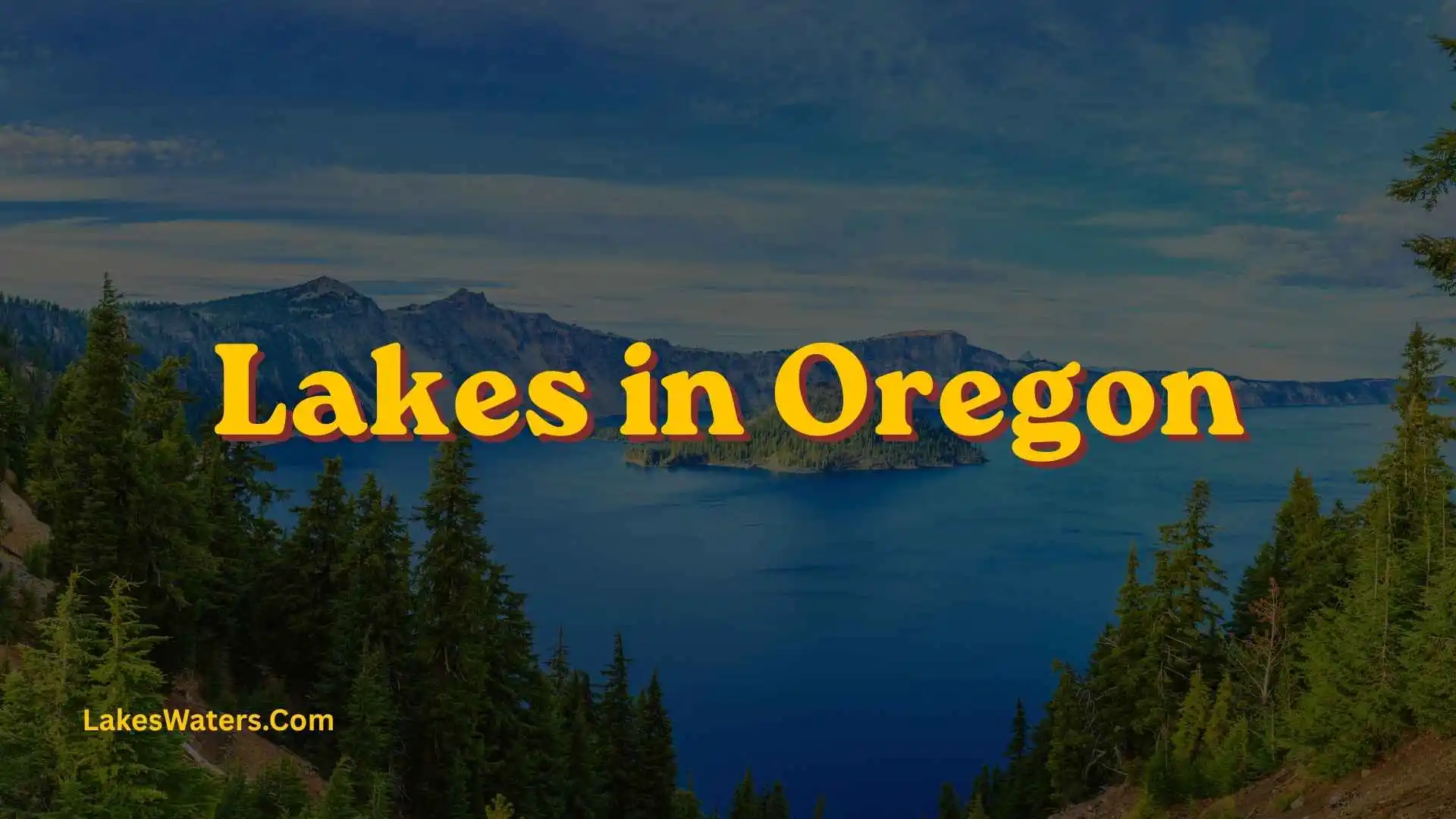
Oregon has some of the most diverse lake landscapes in the Pacific Northwest. You can visit a deep volcanic lake surrounded by cliffs, paddle beneath Mount Hood, camp beside a forested mountain lake, fish in a high-desert reservoir, or combine a lake trip with an Oregon Coast vacation.
But choosing the right destination is not always simple. The best lake for photography may not be the best for swimming. A peaceful paddling lake can have very different access rules than a large reservoir built for boating. High-elevation lakes may also remain cold or inaccessible long after summer weather arrives in lower parts of the state.
This guide helps you find the best lakes in Oregon based on what you actually want to do. It covers famous destinations, lesser-known options, natural lakes and reservoirs, swimming, kayaking, fishing, camping, family trips, seasonal planning, and common mistakes to avoid.
Quick Answer: What Are the Best Lakes in Oregon?
If you want a quick answer, the best lakes in Oregon depend on your travel goal:
- Best overall for iconic scenery: Crater Lake
- Best for Mount Hood views: Trillium Lake
- Best for quiet paddling: Waldo Lake
- Best for kayaking near Bend: Sparks Lake or Hosmer Lake
- Best for family recreation: Detroit Lake or Suttle Lake
- Best for volcanic scenery: Paulina Lake and East Lake
- Best for dramatic mountain scenery: Wallowa Lake
- Best for fishing: Diamond Lake, East Lake, or Odell Lake
- Best for a lake-and-coast trip: Devil’s Lake or Tenmile Lakes
- Best for warm-weather reservoir recreation: Prineville Reservoir
The right choice depends on four things: your preferred activity, the season, how far you want to travel, and whether you prefer a developed recreation area or a quieter natural setting.
Key Takeaways
- Oregon’s lake landscapes include volcanic caldera lakes, mountain lakes, coastal lakes, and reservoirs.
- Crater Lake is Oregon’s most famous lake and the deepest lake in the United States. The National Park Service lists its maximum depth at 1,943 feet.
- Central Oregon has one of the state’s strongest concentrations of lakes for paddling, fishing, camping, and scenic drives.
- High-elevation lakes can remain cold and may have seasonal road or facility closures.
- Reservoirs can be better for motorized boating and developed recreation, but water levels may fluctuate.
- Fishing and boating rules vary by waterbody, so current regulations should always be checked before a trip.
How to Choose the Best Lake for Your Oregon Trip
Before picking a destination, start with your main reason for visiting.
Do you want Oregon’s most dramatic scenery?
→ Choose Crater Lake.
Do you want a Mount Hood view and an easy scenic outing?
→ Choose Trillium Lake.
Do you want quiet kayaking or canoeing?
→ Consider Waldo Lake, Sparks Lake, or Hosmer Lake.
Are you planning a family camping trip with multiple activities?
→ Look at Detroit Lake, Timothy Lake, or Suttle Lake.
Is fishing your main priority?
→ Consider Diamond Lake, East Lake, Paulina Lake, or Odell Lake, depending on the species and current conditions.
Do you want to explore volcanic geology?
→ Visit Paulina Lake and East Lake in the Newberry Caldera.
Do you want mountains without the crowds of Oregon’s most famous destinations?
→ Consider Wallowa Lake in northeastern Oregon.
This simple decision framework can prevent a common planning mistake: choosing a lake based only on photos without considering the activities, access, season, and facilities that actually fit your trip.
Best Lakes in Oregon at a Glance
| Lake | Best For | Region | What Makes It Stand Out |
| Crater Lake | Iconic scenery | Southern Oregon | Deep volcanic caldera and dramatic cliffs |
| Trillium Lake | Mount Hood views | Northern Oregon | Famous mountain reflections |
| Waldo Lake | Quiet paddling | Central Cascades | Clear water and a peaceful setting |
| Sparks Lake | Kayaking and photography | Near Bend | Shallow channels and Cascade views |
| Detroit Lake | Families and boating | Western Cascades | Large recreation area with broad activity options |
| Paulina Lake | Geology and recreation | Central Oregon | Located inside Newberry Caldera |
| East Lake | Fishing and volcanic scenery | Central Oregon | High-elevation lake inside the caldera |
| Timothy Lake | Camping | Mount Hood region | Forested shoreline and mountain recreation |
| Diamond Lake | Fishing and longer stays | Southern Oregon | Large recreation lake near Crater Lake |
| Wallowa Lake | Mountain scenery | Northeastern Oregon | Dramatic valley and mountain backdrop |
| Suttle Lake | Family recreation | Central Oregon | Accessible forest lake with varied activities |
| Devil’s Lake | Lake and coast trips | Oregon Coast | Freshwater recreation near coastal attractions |
| Prineville Reservoir | Warm-weather recreation | Central Oregon | Boating and swimming in a high-desert setting |
1. Crater Lake: Oregon’s Most Iconic Lake
Crater Lake is the obvious starting point for any list of Oregon’s most remarkable lakes. Located in southern Oregon, it occupies a caldera formed after the eruption and collapse of Mount Mazama about 7,700 years ago. The lake is the deepest in the United States, with the National Park Service listing a maximum depth of 1,943 feet.
One of the features that makes Crater Lake unusual is its water source. No rivers or streams flow into it; the lake is supplied primarily by precipitation, including rain and snow. The National Park Service also explains that its striking blue appearance is connected to the purity and depth of the water.
Best reasons to visit Crater Lake
Crater Lake is best for:
- Scenic driving and viewpoints
- Photography
- Hiking
- Learning about volcanic geology
- Road trips through southern Oregon
- Seeing one of America’s most unusual lake landscapes
The experience is very different from visiting a typical swimming or boating lake. Crater Lake is primarily a scenic and geological destination, so visitors should plan around seasonal access and park conditions rather than expecting the same type of recreation available at a large reservoir.
What makes Crater Lake scientifically important?
Crater Lake is also a useful example of how geology shapes Oregon’s lake landscapes. A massive volcanic event created the caldera, which later filled with water. The surrounding volcanic history remains visible in the landscape, including Wizard Island, which formed after the main caldera-forming eruption.
Best choice for: First-time visitors to Oregon, photographers, geology enthusiasts, and travelers seeking a major natural landmark.
2. Waldo Lake: One of the Best for Peaceful Paddling
Waldo Lake offers a very different experience from Crater Lake. Located in the Cascade Mountains, it is surrounded by forest and is popular with visitors looking for a quieter outdoor setting.
It is especially attractive to kayakers, canoeists, and paddleboarders who prefer less emphasis on high-speed motorized recreation.
Who should visit Waldo Lake?
Waldo Lake is a strong choice if your trip includes:
- Kayaking
- Canoeing
- Paddleboarding
- Camping
- Hiking
- Fishing
- Quiet nature experiences
The key planning lesson is to treat a remote mountain lake differently from a developed recreation area. Fuel, food, weather conditions, campground availability, and road access should be considered before departure.
Best choice for: Visitors who want peaceful water recreation and a more natural atmosphere.
3. Trillium Lake: Best for Mount Hood Views
Trillium Lake is one of Oregon’s best-known scenic lakes because of its views of Mount Hood. When the water is calm, the mountain can be reflected on the lake’s surface, making the area especially popular with photographers.
Its combination of scenery and accessibility makes it appealing to visitors who may not want a difficult hike or a remote backcountry experience.
What can you do at Trillium Lake?
A visit may include:
- Walking around the lake
- Photography
- Kayaking or canoeing
- Fishing
- Camping in the surrounding recreation area
- Wildlife observation
A common mistake is to arrive expecting perfect reflections at any time of day. Wind can quickly change the surface of the water, so early mornings often provide calmer conditions.
Best choice for: Mount Hood views, photography, short outdoor trips, and family outings.
4. Sparks Lake: A Scenic Choice Near Bend
Sparks Lake is one of the most visually distinctive lakes in central Oregon. Its shallow waters, channels, wetlands, and mountain backdrop create a landscape that feels different from a deep, open-water lake.
The area is especially popular for paddling and photography.
Why Sparks Lake is ideal for exploration
Unlike a lake where visitors simply travel from one shore to another, Sparks Lake encourages slower exploration. Kayakers and canoeists can move through channels and around small features in the landscape while enjoying views of the surrounding Cascade peaks.
However, visitors should pay attention to changing weather and wind. A calm launch does not guarantee calm conditions later in the day.
Best choice for: Kayaking, canoeing, photography, and visitors exploring the Bend area.
5. Detroit Lake: Best for Family Recreation
Detroit Lake offers a more traditional lake vacation experience. Located in the western Cascades east of Salem, it is associated with boating, camping, fishing, and other warm-weather recreation.
Compared with a remote alpine lake, Detroit Lake can be a better option for visitors who want easier access to developed facilities and multiple activity choices.
Why water levels matter at reservoirs
Detroit Lake also demonstrates an important difference between natural lakes and reservoirs: water levels can change.
This can affect:
- Boat ramps
- Beaches
- Shoreline access
- Available recreation space
- Marina operations
Checking current conditions before traveling is essential, particularly if boating or swimming is the main reason for your visit.
Best choice for: Families, boaters, campers, and multi-activity summer trips.
6. Paulina Lake: A Lake Inside an Ancient Volcanic Landscape
Paulina Lake sits inside the Newberry Caldera in central Oregon. The U.S. Geological Survey explains that the present caldera formed roughly 75,000 years ago through a major explosive eruption and collapse event. Today, Paulina Lake and nearby East Lake occupy this volcanic landscape.
The two lakes are fed by snowmelt, precipitation, and groundwater, including thermal sources. The area also contains volcanic features such as the Big Obsidian Flow.
Why Paulina Lake offers more than lake recreation
Paulina Lake is valuable for travelers who want to combine outdoor recreation with a better understanding of Oregon’s geology.
A single visit can include:
- Fishing
- Boating
- Hiking
- Camping
- Exploring volcanic landscapes
- Visiting geothermal features
- Viewing the Big Obsidian Flow
The USGS notes that Paulina Lake and East Lake are both popular for fishing, boating, swimming, and camping.
Best choice for: Geology enthusiasts, anglers, families, and central Oregon road trips.
7. East Lake: Fishing and High-Elevation Scenery
East Lake is located near Paulina Lake within the Newberry Caldera. Although the two lakes share the same volcanic setting, they provide different landscapes and recreation experiences.
The USGS identifies both lakes as major features of the caldera and explains that the area has experienced repeated volcanic activity over thousands of years.
Should you visit East Lake or Paulina Lake?
Choose Paulina Lake if you want a broader mix of lake recreation and easy access to nearby geothermal and volcanic features.
Choose East Lake if fishing and a slightly different high-elevation lake experience are your main priorities.
If you have enough time, the better strategy is to explore both rather than treating them as competing destinations.
Best choice for: Fishing, camping, volcanic landscapes, and multi-day trips.
8. Crescent Lake: A Large Mountain Lake for Outdoor Recreation
Crescent Lake is a large mountain destination in the central Oregon Cascades. Its forested surroundings and size make it suitable for visitors who want more than a short scenic stop.
What makes Crescent Lake useful for longer trips?
Visitors can combine:
- Boating
- Fishing
- Camping
- Swimming
- Kayaking
- Hiking
- Exploring nearby Cascade lakes
Because it is part of a broader recreation region, Crescent Lake works well as one stop on a longer central Oregon itinerary.
Best choice for: Campers, boaters, and visitors planning several days in the Cascades.
9. Cultus Lake: A Good Stop on a Cascade Lakes Road Trip
Cultus Lake is another central Oregon destination surrounded by forest and outdoor recreation opportunities.
Its greatest advantage is location. Visitors can combine it with other lakes in the region rather than planning an entire trip around a single destination.
Why lake-hopping works well in central Oregon
Central Oregon is particularly suited to travelers who enjoy visiting several lakes because different waterbodies offer different experiences within the same broader mountain region.
For example, one itinerary might combine:
- Sparks Lake for sunrise photography
- Elk Lake for recreation
- Hosmer Lake for quiet paddling
- Cultus Lake for camping or fishing
This approach creates more variety than spending every day at the same lake.
Best choice for: Road trips, camping, fishing, and visitors who want to explore multiple lakes.
10. Elk Lake: A Versatile Central Oregon Destination
Elk Lake is another popular stop in the Cascade Lakes region near Bend. It offers a balance between mountain scenery and accessible recreation.
Visitors can use the lake for boating, paddling, fishing, swimming, and camping while remaining close to several other outdoor destinations.
When Elk Lake is the better choice
Elk Lake can be a better fit than a small, isolated lake if your group has different interests.
For example:
- One person wants to fish.
- Another wants to paddle.
- Children want time near the water.
- Others want access to hiking and scenic drives.
A versatile recreation area can be easier for mixed-interest groups than a destination focused on only one activity.
Best choice for: Groups and families with different outdoor interests.
11. Timothy Lake: A Popular Camping Destination
Timothy Lake is located in the Mount Hood region and is well known for camping and outdoor recreation.
Its forested setting makes it particularly appealing for weekend trips and longer family outings.
Why Timothy Lake works well for camping
Camping near a lake gives visitors more flexibility than a short day trip. You can paddle in the morning, hike during the afternoon, and enjoy the lake during quieter hours when day visitors have left.
Before booking, check:
- Campground availability
- Reservation requirements
- Fire restrictions
- Seasonal access
- Boat rules
- Weather forecasts
Best choice for: Camping, family trips, fishing, and mountain recreation.
12. Clear Lake: Where Geology Shapes the Landscape
Clear Lake in the Cascade region is known for its clear water and volcanic history. The landscape demonstrates how lava flows and geological events can reshape drainage systems and create long-lasting lakes.
Why geology matters when visiting Oregon lakes
Oregon’s lakes did not all form in the same way.
They can be created or influenced by:
- Volcanic craters and calderas
- Lava flows
- Glacial activity
- Natural basins
- River impoundments and dams
Understanding this helps explain why Oregon lakes differ so dramatically in depth, water temperature, shoreline shape, and recreation opportunities.
Best choice for: Paddlers, photographers, geology enthusiasts, and visitors interested in Oregon’s natural history.
13. Odell Lake: A Strong Option for Fishing and Mountain Scenery
Odell Lake is a larger mountain lake in central Oregon surrounded by forest.
It is particularly appealing to anglers but also supports other forms of recreation, including boating and camping.
How to plan a fishing-focused lake trip
Do not choose a fishing destination based only on old articles or photographs. Fish populations, regulations, seasons, and access can change.
Before traveling:
- Identify the lake and target species.
- Check current Oregon fishing regulations.
- Confirm whether a license is required.
- Review seasonal conditions.
- Check access points and boat restrictions.
Oregon state agencies direct anglers to current regulations and recreation information rather than relying on outdated guidance.
Best choice for: Anglers and visitors seeking a larger mountain lake.
14. Suttle Lake: A Good Choice for Families
Suttle Lake is a central Oregon lake surrounded by forest and popular for several types of recreation.
Its combination of accessible water activities and nearby facilities can make it easier for families than a remote alpine lake.
What families should consider before choosing a lake
The prettiest lake is not always the easiest lake for children.
Look for:
- Reasonable travel time
- Nearby restrooms
- Safe and suitable water access
- Campground or lodging options
- Activities for different ages
- Food and supply access
- Current safety conditions
Suttle Lake is best suited to visitors who want scenery without giving up all convenience.
Best choice for: Families, swimming, boating, and relaxed outdoor trips.
15. Wallowa Lake: One of Oregon’s Most Dramatic Mountain Lakes
Wallowa Lake in northeastern Oregon is surrounded by striking mountain scenery and sits near the community of Joseph.
The lake is a strong choice for travelers who want to combine outdoor recreation with exploring nearby towns and the broader Wallowa Mountains region.
Why Wallowa Lake deserves a separate trip
Unlike a lake visited as a quick stop while driving through central Oregon, Wallowa Lake can support a longer itinerary.
Visitors can combine:
- Boating
- Fishing
- Camping
- Hiking
- Scenic drives
- Photography
- Exploring the nearby community
Best choice for: Mountain scenery, longer vacations, and travelers exploring northeastern Oregon.
16. Lost Lake: A Peaceful Mount Hood Alternative
Oregon has several places named Lost Lake, so travelers should confirm the exact destination before planning their route.
The Lost Lake near Mount Hood is especially well known for its forested setting and mountain views.
Who should choose Lost Lake?
Lost Lake is a good option if you want:
- Mount Hood scenery
- Camping
- Fishing
- Kayaking
- A quieter atmosphere
One practical mistake is searching only for “Lost Lake Oregon” and assuming every result refers to the same location. Always verify the region, access road, and managing agency.
Best choice for: Mount Hood scenery and a quieter outdoor experience.
17. Diamond Lake: A Popular Base Near Crater Lake
Diamond Lake is located in southern Oregon near Crater Lake National Park and is a popular recreation destination.
Its location makes it useful for travelers who want to combine a visit to Crater Lake with fishing, camping, boating, or other lake activities.
Why Diamond Lake works well for multi-day trips
Crater Lake is often visited as a major scenic attraction, while Diamond Lake can provide a more traditional recreation base.
That combination allows travelers to experience both:
- A world-famous volcanic landscape
- A lake designed around longer outdoor stays
Best choice for: Fishing, camping, boating, and exploring southern Oregon.
18. Devil’s Lake: The Best Option for a Lake-and-Coast Trip
Devil’s Lake near Lincoln City provides a different Oregon experience from the Cascade mountain lakes.
Visitors can enjoy freshwater recreation while remaining close to Oregon Coast beaches and communities.
Why coastal lakes offer a different experience
A coastal lake trip can combine:
- Kayaking
- Fishing
- Wildlife observation
- Beach visits
- Restaurants and local attractions
- Scenic coastal drives
This makes Devil’s Lake particularly useful for travelers who do not want an entirely remote or mountain-focused vacation.
Best choice for: Coastal vacations, families, and travelers who want both lake and ocean experiences.
19. Hosmer Lake: A Scenic Destination for Quiet Water Activities
Hosmer Lake is known for its calm, scenic environment and is especially appealing to paddlers.
Its channels and vegetation create a different experience from large open-water lakes.
Why paddlers should match the lake to their skill level
Not every beautiful lake is equally suitable for beginners.
Before launching, consider:
- Wind exposure
- Boat traffic
- Water temperature
- Distance from shore
- Navigation complexity
- Weather forecasts
- Emergency access
Hosmer Lake is a good example of why choosing the right waterbody matters as much as choosing the right equipment.
Best choice for: Kayaking, canoeing, and slow-paced exploration.
20. Lake of the Woods: A Classic Southern Oregon Lake Getaway
Lake of the Woods offers a traditional forest-lake experience in southern Oregon.
It is suitable for visitors who want a destination focused on relaxing, boating, fishing, and spending time outdoors.
Why Lake of the Woods is a good alternative to Crater Lake
Crater Lake is spectacular but can feel like a sightseeing destination.
Lake of the Woods offers a different rhythm. Visitors can spend more time:
- On the water
- At a campground
- Fishing
- Relaxing with family
- Exploring nearby forests
Best choice for: Families and travelers seeking a slower-paced southern Oregon trip.
21. Loon Lake: A Forested Southwestern Oregon Escape
Loon Lake is located in southwestern Oregon and offers a scenic setting surrounded by forested hills.
It is a useful option for visitors who want boating, fishing, and camping without traveling to Oregon’s busiest mountain destinations.
When to choose Loon Lake
Choose Loon Lake if your priority is:
- A quieter trip
- Southwestern Oregon scenery
- Family recreation
- Camping
- Fishing
- Boating
It can also work well as part of a larger trip through the Umpqua region.
Best choice for: Relaxed recreation away from Oregon’s most famous tourist areas.
22. Ochoco Reservoir: A Different Side of Oregon
Ochoco Reservoir offers a landscape that contrasts sharply with the dense forests and high peaks around many Cascade lakes.
Located near Prineville, it reflects the drier character of central Oregon’s high-desert environment.
Why reservoirs deserve consideration
Some travelers overlook reservoirs because they are not natural lakes. That can be a mistake.
Reservoirs may offer advantages such as:
- Larger boating areas
- Developed launches
- Campgrounds
- Accessible shorelines
- Warm-weather recreation
The trade-off is that water levels and shoreline conditions can change more significantly.
Best choice for: Boating, fishing, camping, and high-desert scenery.
23. Prineville Reservoir: Best for Warm-Weather Water Recreation
Prineville Reservoir is another major central Oregon recreation destination.
Its canyon and high-desert surroundings provide a very different visual experience from alpine lakes.
Why it is popular for summer trips
The reservoir is well suited to visitors interested in:
- Boating
- Swimming
- Fishing
- Camping
- Water sports
However, visitors should always check current water levels and recreation conditions before making a long trip.
Best choice for: Summer recreation, boating, and central Oregon road trips.
24. Fern Ridge Lake: A Convenient Lake Near Eugene
Fern Ridge Lake is located west of Eugene and offers opportunities for water recreation and wildlife observation.
Its location can make it convenient for travelers who want to enjoy a lake without driving deep into the Cascades.
Who should consider Fern Ridge Lake?
It can be a practical choice for:
- Sailing and boating
- Fishing
- Birdwatching
- Day trips
- Visitors based in Eugene
Convenience is an important but often overlooked factor when choosing a lake. A beautiful remote destination may require several hours of driving, while a closer lake can provide more actual recreation time.
Best choice for: Eugene-area day trips and water recreation.
25. Tenmile Lakes: A Coastal Fishing and Recreation Destination
The Tenmile Lakes area on Oregon’s southern coast provides another alternative to the state’s volcanic and mountain lakes.
The interconnected lake environment is particularly appealing to visitors interested in fishing, boating, and coastal scenery.
Why Tenmile Lakes are different
The experience is shaped by Oregon’s coastal environment rather than high-elevation mountain conditions.
This can make the area attractive to visitors looking for:
- Fishing
- Boating
- Wildlife
- Milder coastal conditions
- A quieter alternative to major tourist destinations
Best choice for: Fishing, boating, and exploring the southern Oregon Coast.
Natural Lakes vs. Reservoirs in Oregon
One useful way to understand Oregon’s lake landscape is to separate natural lakes from reservoirs.
A natural lake forms through natural geological or hydrological processes. Examples can include volcanic caldera lakes and lakes shaped by glacial or other natural processes.
A reservoir is generally created when a dam impounds water.
Why this difference matters for visitors
The formation of a waterbody can affect your trip.
| Feature | Natural Lake | Reservoir |
| Formation | Geological or natural process | Usually created by a dam |
| Water levels | Often seasonal but naturally controlled | Can change significantly with management and inflow |
| Shoreline | Usually shaped by natural geography | May expose changing shoreline areas |
| Recreation | Varies widely | Often designed with boating and recreation infrastructure |
| Planning concern | Seasonal access and weather | Water levels, launches, and shoreline conditions |
For example, Crater Lake is a volcanic caldera lake, while destinations such as Detroit Lake and Prineville Reservoir are reservoirs.
The important takeaway is that neither type is automatically better. Choose based on your planned activities.
Best Oregon Lakes for Swimming
Oregon has many places where visitors enjoy swimming, but water temperature can vary dramatically.
Good warm-weather options may include:
- Detroit Lake
- Suttle Lake
- Timothy Lake
- Wallowa Lake
- Prineville Reservoir
- Lake of the Woods
Why cold water is a common mistake
Air temperature does not tell you whether lake water is warm.
Snow-fed and high-elevation lakes can remain cold even during warm weather. Cold water can affect swimmers quickly, especially children and inexperienced swimmers.
Before entering the water:
- Check local conditions.
- Know the depth and shoreline.
- Avoid diving into unfamiliar water.
- Supervise children closely.
- Use appropriate flotation devices.
- Watch for changing weather.
Expert planning tip: If swimming is the main goal, prioritize current water conditions and safe access over scenic reputation.
Best Lakes in Oregon for Kayaking and Paddleboarding
Oregon offers excellent paddling environments, but different lakes suit different skill levels.
Waldo Lake
A strong choice for visitors seeking a quiet, natural paddling experience.
Sparks Lake
Ideal for scenic exploration, photography, and moving through shallow channels.
Hosmer Lake
Well suited to slow-paced paddling and nature observation.
Trillium Lake
A good option for combining easy recreation with Mount Hood views.
Paulina Lake
Offers paddling within a volcanic caldera and can be combined with hiking and geological exploration.
Best practice: Launch early when possible, because wind often becomes a bigger factor later in the day.
Best Lakes in Oregon for Camping
Camping transforms a lake visit from a few hours of sightseeing into a full outdoor experience.
Strong options include:
- Timothy Lake
- Detroit Lake
- Diamond Lake
- Crescent Lake
- Cultus Lake
- Elk Lake
- Lake of the Woods
- Wallowa Lake
Lake camping checklist
Before leaving home, confirm:
- Campground reservation or availability
- Road access
- Fire restrictions
- Weather forecast
- Drinking water availability
- Food storage requirements
- Pet rules
- Boat and fishing regulations
- Emergency communication limitations
- Check-out and arrival times
Fire restrictions and access conditions can change, particularly during wildfire season. Oregon forestry authorities also advise checking closures and restrictions before visiting public lands.
Best Oregon Lakes for Fishing
Oregon’s lakes offer fishing opportunities throughout the state, but the best lake depends on the species you want to target, the season, current regulations, and access conditions.
Popular destinations include:
- Diamond Lake
- East Lake
- Paulina Lake
- Odell Lake
- Detroit Lake
- Wallowa Lake
- Hosmer Lake
How to choose a fishing lake
Instead of searching only for “best fishing lake,” ask:
- What species am I targeting?
- What time of year am I visiting?
- Do I need a boat?
- What are the current regulations?
- Is shore access available?
- Are there seasonal closures or restrictions?
Fishing seasons and regulations are managed according to species and location, so current information should be checked through Oregon’s official resources.
When Is the Best Time to Visit Oregon Lakes?
There is no single best month for every lake.
Summer: Best for the Widest Range of Activities
Summer is generally the main season for:
- Swimming
- Boating
- Kayaking
- Camping
- Hiking
It is also the busiest period and can bring crowded campgrounds and higher demand for reservations.
Fall: Best for Fewer Crowds
Fall can offer:
- Cooler temperatures
- More peaceful recreation
- Changing foliage in some regions
However, weather can become unpredictable, especially at higher elevations.
Winter: Best for Seasonal Scenery
Many mountain lakes become difficult to access because of snow and road closures. Coastal and lower-elevation destinations may remain more accessible.
Spring: Best for Changing Landscapes
Spring can bring greener scenery and fewer crowds, but visitors may encounter:
- Snow at high elevations
- Muddy trails
- Cold water
- Unpredictable weather
- Seasonal road closures
Best planning rule: Never assume that conditions in Portland, Bend, Eugene, or the Oregon Coast reflect conditions at a high-elevation lake.
Common Mistakes to Avoid When Visiting Oregon Lakes
Choosing a lake based only on photos
A beautiful image does not reveal water temperature, road access, wind conditions, crowds, or available facilities.
Forgetting that Oregon has multiple lakes with the same name
Names such as Lost Lake can refer to more than one destination. Confirm the exact location before leaving.
Assuming every lake is suitable for swimming
Cold water and difficult shore access can make some lakes poor choices for casual swimming.
Ignoring seasonal closures
High-elevation recreation areas may have snow-covered roads or closed facilities outside the main season.
Not checking reservoir water levels
Boat ramps and shoreline access can change significantly.
Using outdated fishing information
Regulations, seasons, and access conditions can change. Always consult current official guidance.
A Practical Oregon Lake Trip Planner
Use this quick planning process before choosing your destination.
Step 1: Pick your main activity
Choose one primary goal:
- Scenic photography
- Swimming
- Kayaking
- Fishing
- Camping
- Boating
- Hiking
Step 2: Choose the type of lake experience
Ask yourself:
Do I want dramatic scenery?
Choose Crater Lake or Wallowa Lake.
Do I want a mountain view?
Choose Trillium Lake or Lost Lake.
Do I want quiet paddling?
Choose Waldo Lake, Sparks Lake, or Hosmer Lake.
Do I want family-friendly recreation?
Choose Detroit Lake, Suttle Lake, or Timothy Lake.
Do I want volcanic geology?
Choose Paulina Lake and East Lake.
Do I want a coastal experience?
Choose Devil’s Lake or Tenmile Lakes.
Step 3: Check the season
Confirm:
- Road conditions
- Snow conditions
- Fire restrictions
- Water levels
- Campground status
- Weather
- Recreation closures
Step 4: Match the destination to your group
A lake that works for experienced paddlers may not work for young children. A remote fishing destination may not suit a group that needs restaurants and nearby services.
Step 5: Have a backup plan
Weather, wildfire restrictions, and road conditions can change. Identify a second nearby destination before your trip.
Frequently Asked Questions About Lakes in Oregon
What is the most famous lake in Oregon?
Crater Lake is the most famous lake in Oregon. It is located within Crater Lake National Park and is the deepest lake in the United States. The National Park Service lists its maximum depth at 1,943 feet.
What are the prettiest lakes in Oregon?
Beauty is subjective, but some of Oregon’s most scenic lakes include Crater Lake, Trillium Lake, Sparks Lake, Waldo Lake, Wallowa Lake, Lost Lake, Paulina Lake, and East Lake.
The best choice depends on the type of scenery you prefer. Crater Lake offers volcanic cliffs, Trillium Lake offers Mount Hood views, and Wallowa Lake offers dramatic mountain surroundings.
What is the deepest lake in Oregon?
Crater Lake is the deepest lake in Oregon and the deepest lake in the United States. The National Park Service lists its maximum depth at 1,943 feet.
Why is Crater Lake so blue?
According to the National Park Service, Crater Lake’s blue appearance is connected to the purity and depth of its water. Water molecules absorb much of the visible light spectrum while blue wavelengths are reflected back to the observer.
Are Paulina Lake and East Lake natural lakes?
Yes. Both lakes occupy the Newberry Caldera, a volcanic depression formed through major eruptions and collapse events. The U.S. Geological Survey describes the present caldera as roughly 6.5 by 8 kilometers and explains that it contains Paulina Lake and East Lake.
Are there good lakes near Bend, Oregon?
Yes. Central Oregon has many popular lakes near Bend and the Cascade region, including Sparks Lake, Elk Lake, Hosmer Lake, Cultus Lake, Paulina Lake, and East Lake.
These lakes are especially useful for visitors interested in kayaking, camping, fishing, hiking, and scenic drives.
Are Oregon lakes warm enough for swimming?
Some are suitable for swimming during warm weather, but temperatures vary widely. High-elevation and snow-fed lakes can remain cold even when the weather is warm.
Check current local conditions before swimming, and do not assume that a warm day means warm or safe water.
What are the best lakes in Oregon for kayaking?
Waldo Lake, Sparks Lake, Hosmer Lake, Trillium Lake, and Paulina Lake are strong choices.
The best option depends on your skill level, wind conditions, preferred scenery, and whether you want open water or slower exploration through channels and shoreline features.
What are the best Oregon lakes for camping?
Popular options include Timothy Lake, Detroit Lake, Diamond Lake, Crescent Lake, Cultus Lake, Elk Lake, Lake of the Woods, and Wallowa Lake.
Check campground reservations, seasonal access, fire restrictions, and current site conditions before traveling.
Can you fish in Oregon lakes?
Yes, Oregon offers fishing opportunities in lakes throughout the state. Regulations, seasons, licenses, and catch rules vary by location and species, so anglers should check current official guidance before fishing.
What is the best Oregon lake for a family vacation?
Detroit Lake, Suttle Lake, Timothy Lake, Wallowa Lake, and Devil’s Lake can all work well for families.
The best choice depends on whether your family prefers camping, swimming, boating, mountain scenery, or nearby towns and services.
Final Thoughts: Which Oregon Lake Should You Visit?
The best lakes in Oregon are not all the same, and that is exactly what makes the state such a strong destination for outdoor travel.
If you want an unforgettable natural landmark, start with Crater Lake. For Mount Hood scenery, consider Trillium Lake or Lost Lake. For kayaking and peaceful exploration, Waldo Lake, Sparks Lake, and Hosmer Lake are excellent choices. Families may prefer the broader recreation opportunities at Detroit Lake, Suttle Lake, or Timothy Lake.
For something more unusual, visit Paulina Lake and East Lake, where outdoor recreation takes place inside the volcanic landscape of the Newberry Caldera. The U.S. Geological Survey notes that the caldera formed through a major eruption and collapse event and remains one of Oregon’s most distinctive geological landscapes.
The most important decision is not simply finding the most beautiful lake. It is choosing a destination that matches your activity, season, experience level, travel route, and preferred level of comfort. Once you use those factors to narrow your options, Oregon offers an exceptional range of lake experiences from deep volcanic water and mountain reflections to quiet paddling routes, family campgrounds, and high-desert reservoirs.

I am Daniel Brooks, an environmental enthusiast and writer focused on freshwater resources and the connection between humans and nature.
I enjoy researching lakes, wetlands, and water conservation practices to create informative content for readers. I believe that understanding our water systems is the first step toward protecting them.
Through my writing, I aim to inspire awareness and responsible actions for a better water future.
Books by Daniel Brooks:
- Freshwater Wonders: Stories From the World’s Lakes
- Protecting Our Blue Planet: Water Conservation Guide