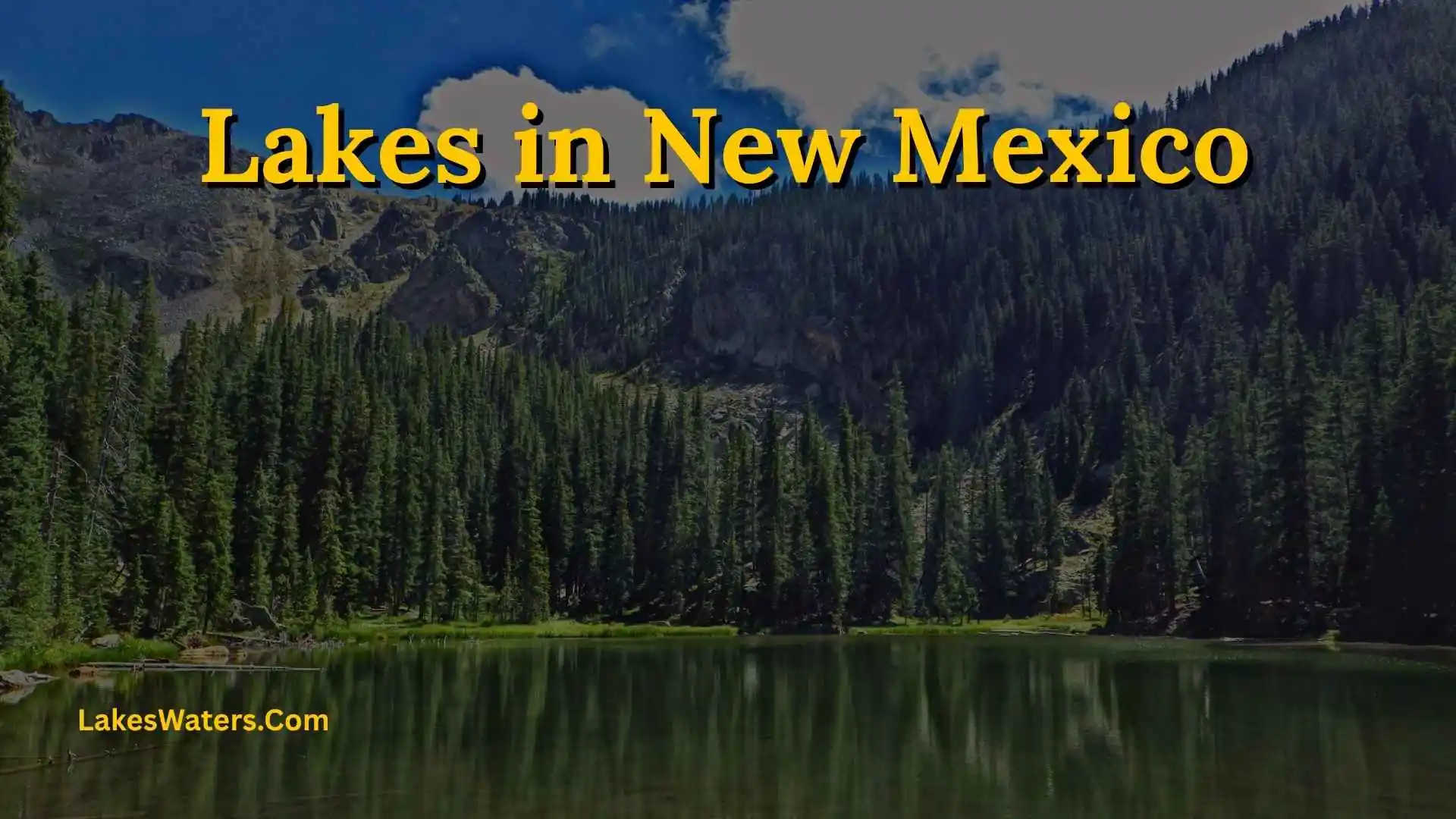
New Mexico is often associated with deserts, high mountains, historic towns, and wide-open landscapes, but the state also has a surprisingly diverse collection of lakes. Some are large reservoirs surrounded by sandy beaches and boating facilities, while others sit among pine forests, volcanic landscapes, or high mountain valleys.
The best lakes in New Mexico offer different experiences depending on what you want to do. Elephant Butte Lake is popular for boating and extended vacations, Navajo Lake is known for its size and outdoor recreation, and smaller destinations such as Fenton Lake and Bottomless Lakes provide a quieter or more unusual experience.
New Mexico’s lakes are not all alike. Many are reservoirs created by dams rather than naturally formed lakes. Water levels can change considerably throughout the year, and some locations have limited services or seasonal access. Understanding these differences can help you choose the right lake for swimming, fishing, camping, sightseeing, or a weekend trip.
This guide covers the most notable lakes in New Mexico, explains what makes each one special, compares destinations by activity, and provides practical advice for planning a safe and enjoyable visit.
What Makes the Lakes in New Mexico Special?
The lakes of New Mexico are shaped by the state’s varied geography. You can find large bodies of water in dry desert regions, forested mountain lakes in northern New Mexico, and unusual water formations in areas with distinctive geology.
Desert Lakes and Large Reservoirs
Several of New Mexico’s most popular lakes are reservoirs. These bodies of water were created or expanded through dams and water-management projects. They are important for water storage, irrigation, recreation, fishing, and boating.
Large reservoirs often provide:
- Boat ramps and marinas
- Camping areas
- Fishing access
- Beaches or shoreline recreation
- Picnic areas
- Hiking and wildlife viewing
- Space for larger family gatherings
Because these lakes are located in areas with hot, dry weather, they can be especially appealing during spring, summer, and early fall.
Mountain Lakes and Forested Shorelines
Northern New Mexico has smaller lakes surrounded by mountains, forests, and cooler high-elevation landscapes. These destinations often feel very different from the broad, open reservoirs in the southern part of the state.
Mountain lakes may be better suited to:
- Trout fishing
- Quiet picnics
- Hiking
- Birdwatching
- Scenic photography
- Tent camping
- Relaxing near pine forests
Some mountain lakes have limited facilities, so visitors should not assume that every scenic lake has a developed beach, fuel station, or full-service campground.
Natural Lakes and Man-Made Reservoirs
A major point of confusion is that many well-known lakes in New Mexico are actually reservoirs. They may look and function like lakes, but their origins are connected to dams, river systems, or water-storage projects.
New Mexico has relatively few large natural freshwater lakes compared with states known for glacial or lake-rich landscapes. Some natural or naturally occurring water features are small, seasonal, unusual in shape, or located in remote areas.
This distinction matters because a reservoir may experience significant water-level changes, exposed shorelines, changing boat-launch conditions, and seasonal restrictions.
Best Lakes in New Mexico at a Glance
The following destinations represent different types of lake experiences across the state.
| Lake | General Location | Best For | Main Character |
| Elephant Butte Lake | South-central New Mexico | Boating, camping, family trips | Large desert reservoir |
| Navajo Lake | Northern New Mexico | Boating, fishing, camping | Broad reservoir with scenic shorelines |
| Heron Lake | Northern New Mexico | Quiet recreation, kayaking, sailing | No-wake lake |
| El Vado Lake | Northern New Mexico | Fishing, camping, scenery | Mountain reservoir |
| Abiquiu Lake | North-central New Mexico | Photography, boating, scenery | Red-rock and mountain landscape |
| Fenton Lake | Jemez Mountains | Trout fishing, picnics, forest scenery | Small mountain lake |
| Eagle Nest Lake | Northeastern New Mexico | Trout fishing, wildlife viewing | High-elevation reservoir |
| Conchas Lake | Eastern New Mexico | Boating, fishing, camping | Wide recreational reservoir |
| Caballo Lake | South-central New Mexico | Fishing, boating, camping | Long reservoir below desert mountains |
| Bottomless Lakes | Near Roswell | Unique scenery, swimming in designated areas | Deep, spring-fed water features |
| Bluewater Lake | Western New Mexico | Fishing, camping, boating | Forest-edge reservoir |
| Cochiti Lake | North-central New Mexico | Family outings, boating, birdwatching | Reservoir near high desert landscapes |
Elephant Butte Lake: Best for Boating and Extended Vacations
Why Visit Elephant Butte Lake?
Elephant Butte Lake is one of the most recognized recreational lakes in New Mexico. Located in the south-central part of the state, it is associated with Elephant Butte Lake State Park and offers a broad setting for boating, fishing, camping, picnicking, and shoreline recreation.
The lake is surrounded by an arid landscape, so the contrast between blue water, open sky, rocky hills, and desert vegetation is one of its defining features.
Elephant Butte is a strong choice for travelers who want a lake vacation with plenty of room for outdoor activities. It is also suitable for group trips because the area includes developed recreation facilities and multiple access points.
Things to Do at Elephant Butte Lake
Popular activities include:
- Powerboating
- Sailing
- Kayaking
- Paddleboarding
- Fishing
- Camping
- Picnicking
- Wildlife observation
- Shoreline photography
- Relaxing near the water
Swimming may be possible in appropriate areas, but visitors should pay attention to posted warnings, shoreline conditions, boat traffic, and changing water levels.
What to Know Before Visiting
Elephant Butte is a large reservoir, and its appearance can change considerably depending on water levels. A beach or boat-launch area that is convenient during one season may look very different later in the year.
Before traveling, check:
- Current lake conditions
- Boat-ramp availability
- Camping reservations
- Fire restrictions
- Weather forecasts
- Water-safety notices
- Any temporary park closures
Navajo Lake: Best for Large-Scale Outdoor Recreation
Why Navajo Lake Stands Out
Navajo Lake is located in northern New Mexico and extends into Colorado. It is one of the state’s major reservoirs and provides a wide range of recreational opportunities.
The lake has open water, long shorelines, coves, and surrounding landscapes that make it attractive to boaters, anglers, campers, and families looking for a multi-day trip.
Navajo Lake is especially useful for visitors who want more than a short afternoon outing. Its size and recreational setting allow people to combine boating, fishing, camping, hiking, and sightseeing in one visit.
Activities at Navajo Lake
Visitors commonly enjoy:
- Fishing
- Motorboating
- Sailing
- Kayaking
- Canoeing
- Camping
- Hiking
- Birdwatching
- Picnicking
- Scenic drives
Fishing opportunities can include species such as bass, trout, kokanee salmon, and other fish depending on the location, season, regulations, and current stocking or management practices. Anglers should always confirm the current rules before fishing.
Is Navajo Lake Good for Families?
Navajo Lake can work well for families, particularly when visitors choose developed recreation areas with convenient facilities. However, the lake is large, and conditions can vary from one shoreline to another.
Families should select an area based on:
- Distance from parking to the water
- Restroom availability
- Shoreline conditions
- Boat traffic
- Camping facilities
- Cell service
- Shade and picnic space
- Distance to food, fuel, and supplies
Children should remain closely supervised near the water, docks, boat ramps, and steep or rocky shorelines.
Heron Lake: Best for Quiet Water Recreation
What Makes Heron Lake Different?
Heron Lake is a scenic reservoir in northern New Mexico known for its peaceful setting and restrictions on high-speed boating. It is often considered a better choice for visitors who prefer calm water rather than a busy motorboat environment.
The lake is surrounded by mountain scenery and is well suited to people who enjoy a slower pace. Its atmosphere can be particularly appealing for kayaking, canoeing, sailing, fishing, photography, and quiet camping.
Best Activities at Heron Lake
Heron Lake is a good destination for:
- Kayaking
- Canoeing
- Sailing
- Fishing
- Birdwatching
- Nature photography
- Picnicking
- Camping
- Peaceful shoreline walks
Because the lake is managed as a quieter boating environment, visitors should review the current boating rules before launching a vessel.
Who Should Choose Heron Lake?
Heron Lake may be a better fit than a busier reservoir for:
- Couples seeking a peaceful getaway
- Photographers
- Paddlers
- Birdwatchers
- Anglers
- Families who prefer quieter surroundings
- Visitors who enjoy mountain scenery
The lake may not be the best choice for people specifically seeking high-speed boating, large marinas, or a lively waterfront atmosphere.
El Vado Lake: Best for Mountain Scenery and Fishing
Why El Vado Lake Is Worth Visiting
El Vado Lake lies in northern New Mexico in a landscape shaped by mountains, forests, and river valleys. The lake offers a more remote feeling than some of the state’s larger and more developed recreation areas.
Its setting makes it attractive to visitors who want a combination of fishing, camping, boating, and scenic exploration.
Things to Do at El Vado Lake
Common activities include:
- Fishing
- Camping
- Kayaking
- Canoeing
- Boating where permitted
- Photography
- Wildlife viewing
- Exploring nearby forest and mountain landscapes
El Vado is also useful as part of a broader northern New Mexico trip that includes other lakes, mountain communities, scenic roads, and outdoor destinations.
Important Planning Considerations
Water levels at El Vado can influence the appearance of the lake and the availability of some recreational facilities. Visitors should confirm conditions before departure rather than relying on older photographs or descriptions.
Bring essential supplies, especially if planning to stay overnight. Depending on the area and season, services may be limited.
Abiquiu Lake: Best for Red-Rock Landscapes and Photography
What Makes Abiquiu Lake Special?
Abiquiu Lake is one of the most visually distinctive lakes in New Mexico. It is surrounded by dramatic geological formations, high desert scenery, and red-rock landscapes associated with north-central New Mexico.
The contrast between the reservoir and the surrounding cliffs, mesas, and mountains makes Abiquiu Lake especially attractive to photographers and visitors interested in landscapes.
Activities at Abiquiu Lake
Depending on conditions and designated areas, visitors may enjoy:
- Boating
- Fishing
- Kayaking
- Camping
- Picnicking
- Hiking nearby
- Landscape photography
- Birdwatching
- Scenic driving
The area can be windy, and weather conditions may change quickly. Visitors should use caution when boating or paddling, especially in open sections of the reservoir.
Why Photographers Like Abiquiu Lake
Abiquiu Lake offers several elements that work well in landscape photography:
- Red and orange rock formations
- Open desert skies
- Reflections on calm water
- Mountain backdrops
- Strong contrasts between rock and water
- Changing light around sunrise and sunset
For the best results, photographers should plan around light conditions and respect private property, posted restrictions, and designated recreation areas.
Fenton Lake: Best for Trout Fishing and Forest Scenery
A Different Kind of New Mexico Lake
Fenton Lake is a smaller mountain lake in the Jemez Mountains. Unlike the broad desert reservoirs, it is surrounded by forested scenery and has a cooler, more intimate atmosphere.
The lake is especially popular with visitors who enjoy trout fishing, picnics, camping, and quiet time in the mountains.
Activities at Fenton Lake
Visitors may enjoy:
- Trout fishing
- Shoreline relaxation
- Picnicking
- Camping
- Wildlife viewing
- Nature photography
- Short walks
- Scenic drives through the Jemez Mountains
Fenton Lake is not primarily a destination for large powerboats or expansive open-water recreation. Its appeal comes from its mountain setting and smaller scale.
What to Expect
Because Fenton Lake is located in a mountain environment, weather can be cooler and less predictable than in southern New Mexico. Roads, facilities, and access conditions may also change with the season.
Check seasonal information before visiting, particularly during winter, wildfire season, or periods of heavy rain.
Eagle Nest Lake: Best for High-Elevation Fishing
Why Visit Eagle Nest Lake?
Eagle Nest Lake is located in northeastern New Mexico near the Sangre de Cristo Mountains. Its high-elevation setting provides a different experience from the state’s desert reservoirs.
The lake is known for trout fishing, mountain views, wildlife, and outdoor recreation in a cooler environment.
Things to Do at Eagle Nest Lake
Popular activities include:
- Trout fishing
- Birdwatching
- Wildlife photography
- Picnicking
- Camping
- Scenic sightseeing
- Kayaking or other permitted non-motorized recreation
The lake’s surroundings may attract birds and other wildlife, so visitors should bring binoculars and maintain a respectful distance from animals.
Tips for Visiting Eagle Nest Lake
At high elevation, conditions can change quickly. Visitors should prepare for:
- Strong winds
- Sudden temperature changes
- Intense sunlight
- Cold mornings and evenings
- Possible storms
- Reduced oxygen levels for people not accustomed to elevation
Even during summer, warm clothing can be useful.
Conchas Lake: Best for Fishing, Boating, and Camping
Overview of Conchas Lake
Conchas Lake is located in eastern New Mexico and offers a broad reservoir environment with coves, open water, and recreational shorelines. It is a popular choice for boating, fishing, camping, and group outings.
Its location makes it different from the mountain lakes of northern New Mexico and the desert reservoirs farther south.
Activities at Conchas Lake
Visitors commonly come for:
- Fishing
- Boating
- Water sports
- Camping
- Picnicking
- Swimming in suitable areas
- Wildlife observation
- Family gatherings
Water conditions and shoreline access can vary, so visitors should choose recreation areas carefully.
Why It Works for Group Trips
Conchas Lake can be a practical option for groups because visitors may combine several activities in one place. A successful group trip should include advance planning for:
- Campsites
- Food and drinking water
- Shade
- Boat-launch access
- Waste disposal
- Life jackets
- Weather changes
- Quiet-hour rules
Caballo Lake: Best for Southern New Mexico Recreation
What Makes Caballo Lake Notable?
Caballo Lake is located south of Elephant Butte Lake in a desert setting near the Caballo Mountains. It offers fishing, boating, camping, and scenic views across a long reservoir landscape.
The lake can be a useful choice for visitors exploring southern New Mexico or planning a trip that includes both Caballo Lake and Elephant Butte Lake.
Things to Do at Caballo Lake
Recreational options may include:
- Fishing
- Boating
- Camping
- Kayaking
- Picnicking
- Wildlife viewing
- Scenic photography
- Relaxing along the shoreline
The lake’s desert environment can produce hot conditions, particularly during summer. Visitors should carry plenty of water, sunscreen, protective clothing, and emergency supplies.
When to Visit Caballo Lake
Spring and fall are often more comfortable for outdoor activities because daytime temperatures may be less intense than during the hottest part of summer. Summer visitors should plan activities around heat, wind, and sun exposure.
Bottomless Lakes: Best for Unusual Scenery and Geological Interest
What Are Bottomless Lakes?
Bottomless Lakes State Park is located near Roswell and contains a series of deep, spring-fed water features. Despite the name, the lakes are not literally bottomless. Their unusual depth, shape, color, and geological setting helped create the legend behind the name.
The lakes are associated with sinkhole-like formations and groundwater systems. Their appearance can be very different from that of large reservoirs.
Activities at Bottomless Lakes
Depending on the specific lake and current park rules, visitors may enjoy:
- Swimming in designated areas
- Picnicking
- Hiking
- Wildlife viewing
- Photography
- Camping
- Learning about local geology
Not every lake within the park is used for the same activities. Visitors should follow signs and use only areas officially approved for swimming or other recreation.
Why Bottomless Lakes Is Different
Bottomless Lakes is especially valuable for people interested in:
- Geology
- Unusual landscapes
- Family day trips
- Short hikes
- Scenic photography
- Regional history
- Natural water features
The park is not simply a collection of ordinary swimming holes. Its formations provide an opportunity to understand how groundwater and erosion can shape the landscape.
Bluewater Lake: Best for Fishing and Forest-Edge Scenery
Overview of Bluewater Lake
Bluewater Lake is located in western New Mexico near forested and high-desert landscapes. It offers a combination of fishing, camping, boating, and outdoor relaxation.
The lake can be appealing to visitors who want a quieter destination away from the larger, busier reservoirs.
Activities at Bluewater Lake
Visitors may enjoy:
- Fishing
- Camping
- Boating where permitted
- Picnicking
- Hiking nearby
- Wildlife viewing
- Photography
As with many New Mexico lakes, conditions can depend on water levels, weather, seasonal access, and management decisions.
Cochiti Lake: Best for Family Outings and Scenic Day Trips
Why Visit Cochiti Lake?
Cochiti Lake is located north of Santa Fe and offers a convenient setting for boating, fishing, picnicking, birdwatching, and day trips. Its location makes it a useful destination for visitors exploring north-central New Mexico.
The lake combines open water with high-desert scenery and can be suitable for visitors who do not want to travel deep into the mountains.
Things to Do at Cochiti Lake
Common activities include:
- Fishing
- Boating
- Kayaking
- Picnicking
- Camping
- Birdwatching
- Photography
- Scenic sightseeing
Visitors should check the current conditions of boat ramps, recreation areas, and campgrounds before traveling.
Other Lakes in New Mexico Worth Considering
The lakes below may not receive as much attention as Elephant Butte or Navajo Lake, but they can still be useful choices depending on your location and interests.
Santa Rosa Lake
Santa Rosa Lake is associated with boating, fishing, camping, and water-based recreation in eastern New Mexico. It can be a convenient stop for travelers crossing the state or exploring the region around Santa Rosa.
Ute Lake
Ute Lake is a reservoir in northeastern New Mexico known for fishing, boating, camping, and shoreline recreation. It may appeal to visitors seeking a large outdoor recreation area away from the state’s most famous destinations.
Sumner Lake
Sumner Lake offers fishing, camping, boating, and wildlife-viewing opportunities in eastern New Mexico. Its setting may be particularly attractive to visitors who prefer a less crowded lake experience.
Storrie Lake
Storrie Lake is located near Las Vegas, New Mexico, and offers opportunities for fishing, picnicking, camping, and outdoor recreation. It can be a practical choice for visitors exploring northeastern New Mexico.
Santa Cruz Lake
Santa Cruz Lake is a smaller reservoir near the Española area. It is known for scenic surroundings and outdoor recreation, although available facilities and access conditions should be checked before a visit.
Best Lakes in New Mexico by Activity
Different lakes are suitable for different types of trips. The best choice depends on whether you want a busy recreational destination, a quiet mountain setting, or a unique geological landscape.
| Activity | Lakes to Consider | Why They May Be Suitable |
| Boating | Elephant Butte, Navajo, Conchas, Caballo | Large reservoirs with open-water recreation |
| Quiet paddling | Heron, Fenton, selected areas of Abiquiu | More peaceful settings or smaller water areas |
| Trout fishing | Fenton, Eagle Nest, Heron, selected northern lakes | Cooler water and mountain environments |
| Family day trips | Cochiti, Elephant Butte, Bottomless Lakes | Developed recreation areas or accessible attractions |
| Camping | Elephant Butte, Navajo, El Vado, Conchas | Multiple outdoor recreation options |
| Landscape photography | Abiquiu, Heron, Elephant Butte, Eagle Nest | Strong contrasts of water, mountains, rock, and sky |
| Geological interest | Bottomless Lakes, Abiquiu | Unusual formations and distinctive landscapes |
| Desert scenery | Elephant Butte, Caballo, Conchas | Open skies, dry hills, and broad shorelines |
| Mountain scenery | Fenton, Heron, El Vado, Eagle Nest | Forests, high elevations, and mountain views |
These are general recommendations rather than permanent classifications. Conditions, facilities, water levels, and access can change.
Are There Natural Lakes in New Mexico?
Why Most Famous Lakes Are Reservoirs
Many of New Mexico’s best-known lakes were created through dam projects. These reservoirs support water storage, irrigation, flood management, and recreation.
Because they are connected to river systems and water-management needs, their water levels can rise or fall significantly. The amount of exposed shoreline may change throughout the year.
How Natural Water Features Differ
Natural lakes and spring-fed water features are less common than reservoirs in New Mexico. They may be:
- Smaller
- More isolated
- Seasonal
- Groundwater-fed
- Located in mountain environments
- Associated with unusual geological formations
Bottomless Lakes is an important example of a destination where geology and groundwater play a major role in the landscape.
Why the Difference Matters to Visitors
Knowing whether a lake is a reservoir or a natural water feature helps visitors understand:
- Why water levels may change
- Why some shorelines appear broad or muddy
- Why boat ramps may become difficult to use
- Why swimming rules differ
- Why some lakes have extensive facilities while others do not
- Why certain lakes may be better for fishing than for swimming
Best Time to Visit the Lakes in New Mexico
Spring
Spring can be a pleasant time for sightseeing, fishing, camping, and hiking. Temperatures are often more comfortable than in midsummer, although wind can be strong.
Visitors should check for:
- Seasonal campground openings
- Road conditions
- Water levels
- Cold-water hazards
- Fire restrictions
- Changing weather
Summer
Summer is the busiest season for boating, swimming in designated areas, camping, and family vacations. Southern New Mexico can become extremely hot, while northern mountain lakes may remain cooler.
Summer visitors should prepare for:
- Strong sunlight
- High temperatures
- Sudden thunderstorms
- Heavy weekend crowds
- Limited shade
- Dehydration
- Cold water, even on hot days
Fall
Fall is often a good time for fishing, photography, camping, and scenic drives. Northern lakes may offer changing foliage, while southern lakes can remain comfortable during the day.
Nights can become cold, especially at higher elevations.
Winter
Winter conditions vary widely across the state. Some southern lakes may remain accessible, while mountain lakes can experience snow, ice, road closures, or limited services.
Winter visitors should check road conditions and confirm whether campgrounds and facilities are operating.
Fishing at New Mexico Lakes
Fishing is one of the most popular reasons to visit lakes in New Mexico. Depending on the destination, anglers may find trout, bass, catfish, kokanee salmon, and other species.
Popular Fishing Environments
Mountain lakes and cooler northern reservoirs may be associated with trout fishing. Larger and warmer reservoirs may offer bass, catfish, and other warm-water species.
The exact species available can vary by:
- Lake
- Season
- Water temperature
- Stocking activity
- Water levels
- Fishing regulations
- Local habitat conditions
What Anglers Should Check
Before fishing, confirm:
- Whether a fishing license is required
- Current daily bag limits
- Size restrictions
- Seasonal closures
- Bait and tackle rules
- Special regulations for the lake
- Boat and access restrictions
- Fire and camping rules
Do not rely on an old fishing report or a general description of a lake. Conditions and regulations can change.
Boating and Water Safety
New Mexico’s lakes can look calm while still presenting serious risks. Wind, cold water, changing water levels, submerged objects, steep shorelines, and boat traffic can create dangerous conditions.
Wear a Properly Fitted Life Jacket
Everyone should have access to an appropriate personal flotation device. Children and inexperienced swimmers require especially close supervision.
A life jacket should be:
- The correct size
- In good condition
- Properly fastened
- Suitable for the activity
- Worn when required by law or safety conditions
Check Wind and Weather Conditions
High winds can create rough water quickly, especially on large reservoirs. Thunderstorms may also bring lightning, sudden gusts, and reduced visibility.
Check the forecast before launching and be prepared to leave the water early.
Understand Water-Level Changes
Low water can expose rocks, tree stumps, mudflats, and other hazards. It can also make some boat ramps unusable.
Never assume that a familiar lake will have the same shoreline or launch conditions as during a previous visit.
Follow Local Boating Rules
Different lakes may have different rules involving:
- Motorized boats
- No-wake zones
- Launch permits
- Speed limits
- Swimming areas
- Fishing access
- Alcohol use
- Camping
- Fires
- Personal watercraft
Always follow posted regulations and instructions from park staff.
Camping Near the Lakes in New Mexico
Camping can turn a lake visit into a longer outdoor trip, but facilities vary significantly from one destination to another.
Developed Campgrounds
Developed campgrounds may offer:
- Restrooms
- Picnic tables
- Fire rings
- Parking
- Drinking water
- Dump stations
- Designated campsites
- Access to boat ramps
These facilities are more likely to be found at major state parks and heavily visited reservoirs.
Primitive Camping
Some areas offer fewer services and more basic camping conditions. Primitive camping may require visitors to bring:
- Drinking water
- Food-storage containers
- Waste bags
- Extra fuel
- First-aid supplies
- Lighting
- Weather protection
- Emergency communication equipment
Never assume that a remote lake has nearby stores or reliable cell service.
Reservations and Seasonal Access
Popular campgrounds may fill quickly during summer weekends and holidays. Some sites may be reservable, while others may operate on a first-come, first-served basis.
Before leaving home, confirm:
- Whether reservations are required
- Check-in and check-out times
- Maximum stay limits
- Pet rules
- Fire restrictions
- Quiet hours
- Seasonal closures
- Availability of drinking water
How to Plan a Lake Trip in New Mexico
Choose the Lake Based on Your Main Activity
Start by deciding what matters most. A large reservoir may be ideal for boating, while a small mountain lake may be better for trout fishing or a quiet picnic.
Consider whether you want:
- Swimming
- Fishing
- Boating
- Camping
- Hiking
- Photography
- Family recreation
- Solitude
- Easy roadside access
Check Current Conditions
Water levels and weather can affect nearly every part of a lake visit. Check conditions close to the date of travel.
Important information includes:
- Water level
- Boat-ramp status
- Road access
- Campground availability
- Fire restrictions
- Weather alerts
- Swimming notices
- Park closures
Pack for the Environment
A lake in southern New Mexico may require different supplies from a high-elevation lake in the mountains.
Useful items include:
- Drinking water
- Sunscreen
- Sunglasses
- Wide-brimmed hat
- Warm layers
- Rain protection
- First-aid kit
- Insect repellent
- Food and snacks
- Navigation tools
- Life jackets
- Trash bags
- Extra fuel
- Flashlights
Respect the Shoreline
Protect the lake by:
- Packing out all trash
- Staying on designated trails
- Avoiding damage to plants
- Keeping pets controlled
- Respecting wildlife
- Using established fire areas
- Following fishing rules
- Avoiding the disturbance of nesting birds
- Leaving natural objects where they are found
Common Mistakes to Avoid When Visiting New Mexico Lakes
Assuming Every Lake Has a Beach
Some lakes have sandy shorelines, but others have rocky banks, mudflats, steep edges, or vegetation near the water. Check the specific recreation area before planning a beach day.
Treating Every Lake as Suitable for Swimming
Water quality, currents, boat traffic, submerged hazards, and local regulations vary. Swim only in designated or clearly permitted areas.
Ignoring Elevation
Mountain lakes can be much cooler than nearby towns. Visitors may experience strong sunlight during the day and freezing temperatures at night.
Arriving Without Supplies
Remote lakes may have few stores, fuel stations, or restaurants nearby. Bring essential supplies, especially when camping.
Relying on Old Water Conditions
A lake photographed at a high water level may look very different during drought or after prolonged water use. Check current conditions before traveling.
Forgetting Fire Restrictions
Dry weather can lead to strict restrictions on campfires, charcoal, smoking, and other ignition sources. Confirm the rules before starting any fire.
Frequently Asked Questions About Lakes in New Mexico
What Is the Most Popular Lake in New Mexico?
Elephant Butte Lake is one of the state’s most popular lake destinations because of its size, boating opportunities, camping facilities, fishing, and broad recreational setting. Navajo Lake is another major destination for visitors seeking boating, fishing, and multi-day outdoor trips.
What Is the Best Lake in New Mexico for Boating?
Elephant Butte Lake, Navajo Lake, Conchas Lake, and Caballo Lake are strong options for boating because they offer large reservoir environments. The best choice depends on water levels, boat-ramp conditions, weather, and the type of boating you prefer.
Which New Mexico Lakes Are Best for Trout Fishing?
Fenton Lake and Eagle Nest Lake are well-known choices for trout fishing. Heron Lake and other northern lakes may also provide suitable opportunities, depending on current fish populations, regulations, and seasonal conditions.
Are There Lakes Near Santa Fe?
Yes. Visitors near Santa Fe can consider destinations such as Cochiti Lake, Abiquiu Lake, and several northern New Mexico lakes. Travel time depends on the starting point, route, weather, and the specific recreation area.
Are There Lakes Near Roswell?
Bottomless Lakes State Park is one of the best-known lake destinations near Roswell. It offers unusual spring-fed water features, scenic surroundings, and designated recreational activities.
Can You Swim in New Mexico Lakes?
Swimming is permitted in some designated areas, but it is not allowed or advisable everywhere. Visitors should follow posted signs, park rules, water-quality notices, and safety instructions.
Are the Lakes in New Mexico Natural?
Many of the state’s largest and most famous lakes are reservoirs created by dams. New Mexico also has smaller natural or spring-fed water features, including the unusual formations associated with Bottomless Lakes.
Do New Mexico Lakes Have Changing Water Levels?
Yes. Reservoir levels can change because of drought, precipitation, snowmelt, irrigation demand, water management, and seasonal conditions. These changes can affect beaches, boat ramps, fishing areas, and shoreline access.
What Should I Bring to a New Mexico Lake?
Bring drinking water, sun protection, suitable clothing, food, a first-aid kit, navigation tools, and any equipment required for your activity. If you are boating or paddling, bring properly fitted life jackets and check the current regulations.
Are New Mexico Lakes Good for Family Trips?
Many are suitable for families, especially developed recreation areas at Elephant Butte, Navajo, Cochiti, and Bottomless Lakes. Families should choose locations with appropriate facilities and supervise children closely near the water.
Conclusion
The lakes in New Mexico offer much more variety than many visitors expect. Large reservoirs such as Elephant Butte, Navajo, Conchas, and Caballo are well suited to boating, fishing, camping, and extended vacations. Mountain destinations such as Fenton, Heron, El Vado, and Eagle Nest provide cooler scenery, quieter recreation, and opportunities for trout fishing.
Abiquiu Lake stands out for its red-rock landscapes, while Bottomless Lakes offers unusual geological features and a different kind of outdoor experience. Smaller lakes and reservoirs across the state can also provide rewarding trips when visitors choose a destination that matches their interests.
The most important part of planning is to check current conditions, understand local rules, prepare for the weather, and respect the natural environment. With the right preparation, New Mexico’s lakes can be excellent places for fishing, photography, family outings, camping, boating, and peaceful time outdoors.

I am Ethan Reynolds, a nature researcher and writer focused on freshwater environments, aquatic ecosystems, and sustainable water solutions.
I enjoy sharing knowledge about lakes, rivers, wetlands, and the challenges facing global water resources.
My goal is to help readers understand the value of water and encourage responsible actions to protect it.
Books by Ethan Reynolds:
- Lakes and Landscapes: Stories from Nature
- Protecting Water for Future Generations
 Daniel Brooks