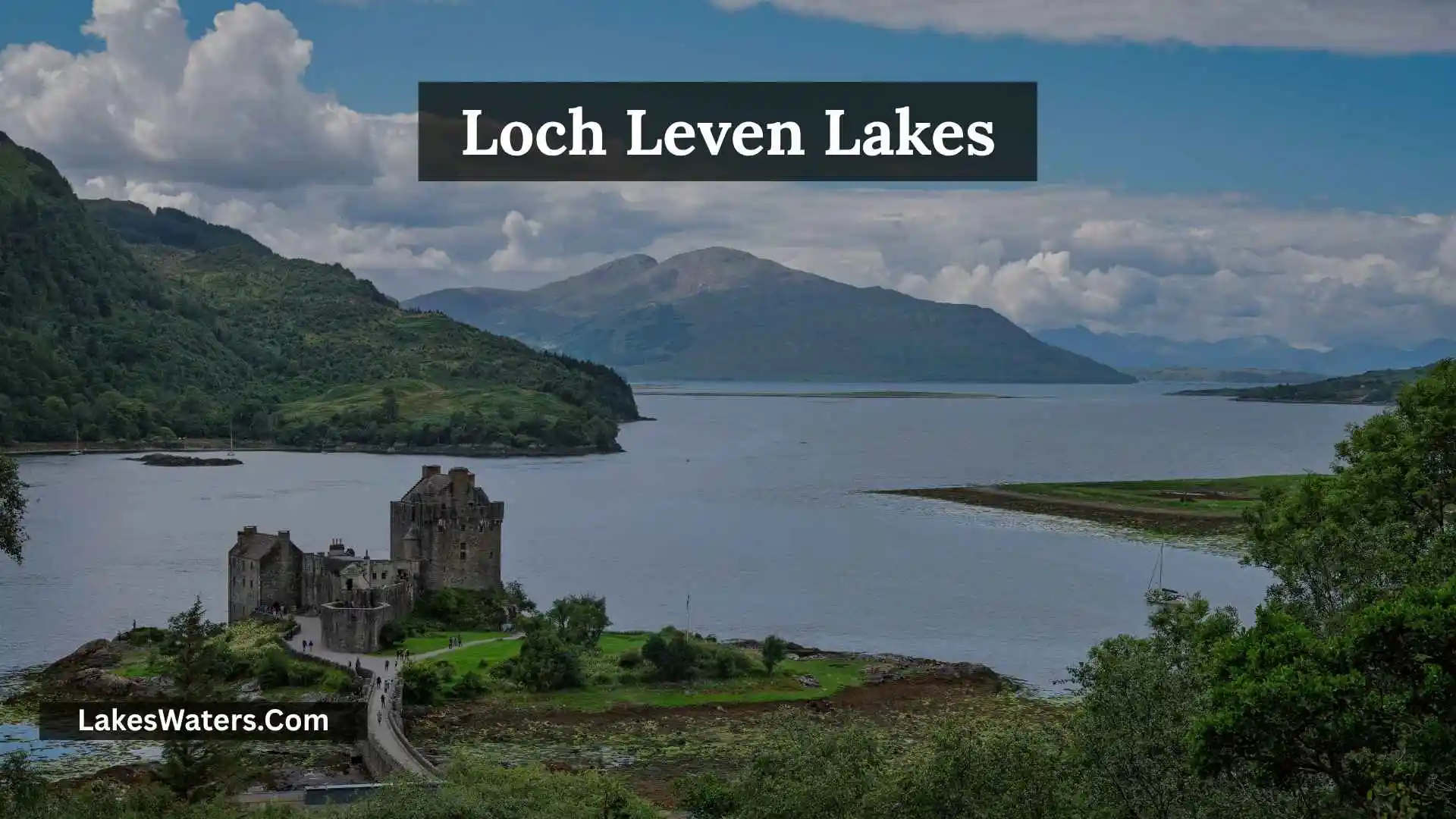
Loch Leven is a freshwater loch near Kinross in Perth and Kinross, Scotland, best known for its wildlife, scenic walking route, Loch Leven National Nature Reserve, famous brown trout, and Loch Leven Castle, where Mary Queen of Scots was imprisoned in the 16th century.
For visitors, the area offers much more than a beautiful view. You can walk or cycle the 21-kilometre Loch Leven Heritage Trail, watch migrating geese and other waterbirds, explore nature trails at RSPB Loch Leven, and visit the historic island castle when it is open.
This guide explains where Loch Leven is, what makes it special, the best things to do, wildlife to look for, walking and water-access rules, the castle’s history, the best time to visit, and practical mistakes to avoid.
Quick Answer About Loch Leven
Loch Leven is a freshwater loch near Kinross, Scotland, and an important wildlife site surrounded by wetlands, woodland, grassland, and hills. Its 21-kilometre Heritage Trail provides a traffic-free way to explore the shoreline, while the RSPB reserve on the southern side offers additional trails and wildlife-watching opportunities.
The loch is also famous for Loch Leven Castle, an island stronghold associated with Mary Queen of Scots. She was imprisoned there in 1567–1568 and escaped from the island in May 1568.
Key Takeaways
- Loch Leven is a freshwater loch near Kinross in central Scotland.
- The Loch Leven Heritage Trail is about 21 kilometres (13 miles) and circles the loch.
- The area is particularly important for waterbirds and other wildlife.
- RSPB Loch Leven has woodland, wetlands, trails, viewing hides, and a visitor centre.
- Loch Leven Castle stands on an island in the loch.
- Mary Queen of Scots was imprisoned at the castle in 1567–1568.
- Walking, cycling, and wildlife watching are among the easiest ways to enjoy the area.
- Water activities have seasonal restrictions because birds can be easily disturbed.
- Dogs should be kept under control, especially around sensitive wildlife areas.
- The best time to visit depends on whether you want summer wildlife, autumn migration, winter birds, or milder walking conditions.
Where Is Loch Leven?
Loch Leven is located near Kinross in Perth and Kinross, in central Scotland. Its position close to the M90 makes it relatively easy to reach from Edinburgh, Perth, Dundee, and other parts of central Scotland.
The town of Kinross is the main nearby settlement and is useful for visitors looking for access points, parking, food, accommodation, and local services.
The landscape around the loch includes open farmland, woodland, wetlands, and surrounding hills. This mixture of habitats is one reason the area supports such a wide variety of wildlife.
Is Loch Leven Near Edinburgh?
Loch Leven is within straightforward driving distance of Edinburgh, making it a practical destination for a day trip from the capital.
The M90 provides the main road connection, while Kinross offers access to several parts of the loch.
Rather than thinking of Loch Leven as one single attraction, it is better to view it as a collection of places around one large natural landscape. The best starting point depends on whether your main interest is walking, wildlife, cycling, or the castle.
What Is the Difference Between Loch Leven and Lochleven Castle?
The names can cause confusion.
Loch Leven is the body of freshwater.
Loch Leven Castle, also called Lochleven Castle, is the historic castle located on an island within the loch.
The castle is one of the area’s most important historical attractions and is managed as a historic site by Historic Environment Scotland.
Why Is Loch Leven Famous?
Loch Leven is famous for several different reasons, which is what makes it such a useful destination for different types of visitors.
Its importance comes from a combination of nature, wildlife, fishing, landscape, and Scottish history.
Loch Leven National Nature Reserve
The loch and its surrounding habitats form an important nature conservation area.
NatureScot describes Loch Leven as a place with internationally important birdlife and a range of habitats that support wildlife throughout the year.
Important Bird Habitat
Birdwatching is one of the strongest reasons to visit.
Different seasons bring different species and wildlife spectacles. RSPB Loch Leven highlights migratory geese and Whooper Swans in autumn, breeding waders in spring and summer, woodland birds throughout the year, and regular sightings of species such as Pink-footed Geese, Gadwall, Pochard, Ruff, Snipe, Curlew, and Red Squirrels.
Loch Leven Castle
The island castle gives the landscape a strong historical identity.
It is particularly associated with Mary Queen of Scots, who was held there during one of the most difficult periods of her reign.
Loch Leven Brown Trout
Loch Leven also has a long-standing reputation for its brown trout, giving the area an important place in Scotland’s fishing heritage.
Loch Leven National Nature Reserve
Loch Leven National Nature Reserve is one of the main reasons the area is valuable beyond its scenery.
The reserve protects a mixture of habitats and provides important feeding, breeding, and resting areas for birds.
Because wildlife is such an important part of the site, visitors need to treat the loch differently from an ordinary recreational lake.
Why the Reserve Matters
The reserve provides habitat for birds during different stages of their annual cycle.
Some species breed around the loch, while others arrive during migration or winter.
This means the same viewpoint can offer a very different experience depending on when you visit.
Wildlife Hides
NatureScot identifies three wildlife hides around the reserve, and all are wheelchair accessible from the Heritage Trail.
RSPB Loch Leven also has viewing hides along its wetland trails.
For birdwatchers, these hides are often more useful than simply walking around looking across the open water.
Wildlife You Can See at Loch Leven
Loch Leven is particularly rewarding for people who enjoy observing wildlife rather than simply sightseeing.
The mix of water, wetlands, woodland, grassland, and wildflower areas supports different species throughout the year.
Waterbirds and Migratory Birds
Depending on the season, visitors may see ducks, geese, swans, waders, and other waterbirds.
RSPB reports sightings including Pink-footed Geese, Whooper Swans, Gadwall, Pochard, Ruff, Snipe, and Curlew.
Autumn and winter can be especially interesting for birdwatchers because migratory species become a major part of the landscape.
Red Squirrels
Red Squirrels are another attraction at the RSPB reserve.
They are regularly seen around the visitor centre and woodland areas, where they forage and move through the trees.
If seeing red squirrels is a priority, spending time around the woodland rather than focusing only on the open shoreline can improve your chances.
Insects and Smaller Wildlife
During warmer months, dragonflies, bees, and other insects can be found around ponds, wetlands, and wildflower areas.
This makes the reserve interesting even when large birds are not the main attraction.
The Loch Leven Heritage Trail
The Loch Leven Heritage Trail is one of the easiest ways to experience the loch.
It forms a circular route of approximately 21 kilometres (13 miles) and is traffic-free. NatureScot says the route can be used for walking, running, cycling, and riding and is suitable for people with different abilities.
Is the Heritage Trail Difficult?
The route is mostly level, but that does not mean every section is perfectly smooth.
NatureScot describes the surface as ranging from smooth to uneven gravel. Some access points include slopes, and there are steeper sections around viewpoints and parts of the route.
For this reason, visitors should choose their starting point according to their ability rather than assuming the whole circuit will feel identical.
Do You Have to Walk the Whole Trail?
No.
One of the best things about the Heritage Trail is that you can enjoy a shorter section.
If you have only a few hours, choose one area, walk out for a while, and return rather than treating the 21-kilometre circuit as a requirement.
Is the Trail Suitable for Cycling?
Yes.
Cycling is permitted on the Heritage Trail, and its traffic-free character makes it attractive to cyclists who want to see more of the loch without completing the route on foot.
Cyclists should still give pedestrians plenty of space and slow down around busy or wildlife-sensitive sections.
RSPB Loch Leven
RSPB Loch Leven sits on the southern shore and provides another strong starting point for exploring the area.
The reserve includes wetlands, woodland, viewing hides, and several walking routes.
Trails at RSPB Loch Leven
RSPB lists several options, including:
- Wetland Trail
- Leafy Loop
- Trails toward Vane Hill
- Routes connecting with the wider Heritage Trail
The Wetland Trail includes viewing hides, while the woodland areas provide opportunities to look for Red Squirrels and woodland birds.
Who Should Visit the RSPB Reserve?
It is particularly useful for:
- Families
- Birdwatchers
- Wildlife photographers
- Nature lovers
- Visitors wanting shorter walks
- People who do not want to complete the full loch circuit
The visitor centre also provides a practical starting point for learning more about the reserve.
Loch Leven Castle and Mary Queen of Scots
Loch Leven Castle gives the area a completely different character.
The castle stands on an island in the loch and is one of Scotland’s oldest surviving tower-house sites. Historic Environment Scotland dates the main tower to the first half of the 14th century, with parts of the enclosure dating earlier.
Why Is Loch Leven Castle Important?
The castle is most famous for its connection with Mary Queen of Scots.
Mary first visited Loch Leven as a guest in 1561. Her later visit was very different: she was imprisoned there in 1567–1568. During her captivity, she was forced to abdicate in favour of her infant son, James VI.
In May 1568, Mary escaped from the island and soon left Scotland.
Can You Visit Loch Leven Castle?
Yes, when the castle is open to visitors.
Access is by passenger boat from the mainland pier, creating a particularly memorable approach to the castle because the journey crosses the same loch that played such an important role in its history.
Historic Environment Scotland currently lists the castle as open from 1 April to 31 October, with seasonal opening times, and closed from 1 November to 31 March. Visitors should check the official schedule before travelling because opening arrangements can change.
Best Things to Do at Loch Leven
Loch Leven works well for both active visitors and people who prefer a slower day outdoors.
Walk Along the Shore
Walking the Heritage Trail gives you the broadest experience of the area.
You can see changing views of the loch, surrounding hills, wetlands, woodland, and wildlife.
Go Birdwatching
Bring binoculars and spend time at the wildlife hides rather than simply walking past them.
The birds change throughout the year, so a visit in autumn can feel very different from one in summer.
Visit Loch Leven Castle
If history interests you, make the castle a priority when it is open.
The boat journey and island setting make the visit different from visiting a castle on mainland ground.
Explore RSPB Loch Leven
Choose the RSPB reserve if you want a combination of shorter trails, woodland, wetlands, and wildlife watching.
Take Landscape Photographs
The combination of open water, hills, birds, woodland, and the island castle gives photographers a wide range of subjects.
Early and late in the day can provide attractive light, but always prioritize wildlife welfare over getting closer to a subject.
Loch Leven Activities at a Glance
| Activity | Best For | What to Know |
| Walking | Most visitors | The Heritage Trail is about 21 km |
| Cycling | Active visitors | Cycling is allowed on the Heritage Trail |
| Birdwatching | Wildlife lovers | Seasonal birdlife changes considerably |
| Photography | Nature and landscape fans | Use hides and maintain distance |
| Castle visit | History enthusiasts | Boat access and seasonal opening |
| Family outing | Families | Shorter trails can be easier than the full circuit |
| Kayaking | Paddlers | Seasonal wildlife restrictions apply |
| Fishing | Anglers | Check current permissions and regulations |
Can You Kayak or Paddleboard on Loch Leven?
Water activities require more planning here than at an ordinary recreational lake.
NatureScot states that canoes, kayaks, rowing boats, and similar craft should not be used from 1 September to 31 March because large numbers of birds are present and can be easily disturbed.
During the permitted period, visitors still need to follow designated launch and access guidance.
Why Are Water Activities Restricted?
The restriction is primarily about wildlife disturbance.
A kayak or paddleboard may appear harmless, but approaching birds on open water can cause them to move away from feeding or resting areas.
At a site of this ecological importance, recreational access has to be balanced with wildlife protection.
What About Invasive Species?
Anyone using watercraft or fishing equipment should also follow Check, Clean, Dry guidance to reduce the risk of spreading invasive non-native species. NatureScot specifically highlights this requirement for kayakers and anglers.
Can You Swim in Loch Leven?
Open-water swimming should be approached cautiously.
Loch Leven is a natural freshwater environment rather than a supervised swimming pool or managed bathing facility. Conditions can change, and visitors should check current local advice before entering the water.
The presence of sensitive wildlife and seasonal restrictions also means that recreational water use should not be treated as unrestricted.
If swimming is your main reason for visiting, check the latest official information before making the trip rather than assuming conditions will be suitable.
Can You Fish at Loch Leven?
Loch Leven has a long association with brown trout and fishing.
However, visitors should not assume that fishing is automatically permitted everywhere or at any time. Permissions, seasons, access arrangements, and local rules can apply.
Anyone planning a fishing trip should check the current local fishing arrangements before travelling.
Are Dogs Allowed at Loch Leven?
Dogs can be brought to many areas around Loch Leven, but responsible control is particularly important.
NatureScot advises visitors to keep dogs under control and on a short lead in wildlife-sensitive areas because dogs can frighten birds and other wildlife.
The rules can also differ between individual attractions. For example, Historic Environment Scotland currently lists no dogs at Loch Leven Castle except assistance dogs.
This is an important distinction: being able to walk a dog around parts of the loch does not mean dogs are allowed inside every attraction.
Best Time to Visit Loch Leven
There is no single best month for everyone.
The right time depends on what you want to see and do.
Spring
Spring is a good choice for visitors interested in breeding birds, emerging vegetation, and milder outdoor conditions.
It can also be a pleasant time for walking before the busiest summer period.
Summer
Summer is particularly suitable for longer walks, cycling, family outings, and exploring the RSPB reserve.
Warmer weather also brings insects and flowering plants into the landscape.
Autumn
Autumn is an excellent choice for birdwatchers.
Migratory birds become an important part of the scene, and RSPB highlights migratory geese and Whooper Swans during this season.
Winter
Winter can provide excellent wildlife watching, but shorter days, colder temperatures, wind, and wet conditions require better preparation.
The seasonal restriction on canoeing, kayaking, rowing boats, and similar craft also applies from September through March.
How to Choose the Best Visit for Your Interests
Use this simple guide before planning your trip.
Want the best wildlife experience?
→ Consider autumn or winter.
→ Focus on birdwatching areas and hides.
Want longer outdoor walks?
→ Spring through autumn can be more comfortable.
→ Choose a section of the Heritage Trail that matches your ability.
Want to visit Loch Leven Castle?
→ Plan between the castle’s seasonal opening dates.
→ Check boat times and book ahead if necessary.
Want to kayak?
→ Check seasonal access guidance first.
→ Do not assume the loch is open to paddling year-round.
Want a family-friendly nature day?
→ Consider RSPB Loch Leven and shorter trail sections instead of trying to complete the entire circuit.
How to Get to Loch Leven
Loch Leven is well placed for visitors travelling by road because it is close to the M90.
Kinross provides several access points around the loch, while the RSPB reserve is on the southern side.
The best access point depends on your plans.
If You Want to Walk
Choose an access point connected to the Heritage Trail.
You do not need to start at one particular location because the trail forms a circuit.
If You Want to See Wildlife
The RSPB reserve is a strong option because it combines trails, wetlands, woodland, hides, and visitor facilities.
If You Want to Visit the Castle
Head for the mainland pier used for the castle boat crossing.
Historic Environment Scotland currently lists the castle’s address as Pier Road, Kinross, with parking approximately 90 metres from the mainland pier.
Parking and Visitor Facilities
Facilities differ depending on which part of Loch Leven you visit.
NatureScot lists toilets at Kirkgate Park and the Boathouse Pier in Kinross, with additional facilities at the RSPB visitor centre.
The castle has its own mainland visitor facilities and car parking, while the island itself has more limited access and facilities.
For this reason, it is better to decide your main activity before choosing where to park.
Accessibility at Loch Leven
One of the useful features of the Heritage Trail is that it has been designed to provide access for a broad range of visitors.
NatureScot describes the trail as mostly level, barrier-free, and suitable for walkers, cyclists, wheelchair users, and motorised scooter users. However, some sections contain slopes and uneven gravel.
The wildlife hides around the reserve are also wheelchair accessible from the Heritage Trail.
Castle access is different because visitors must board a boat and then cross an island site with slopes and uneven surfaces. Historic Environment Scotland provides detailed accessibility information for the castle.
Common Mistakes to Avoid at Loch Leven
A good visit is easier when you know what not to assume.
Assuming Every Water Activity Is Allowed
The loch has seasonal rules designed to protect wildlife. Always check current guidance before launching a kayak, canoe, or rowing boat.
Trying to Complete the Full Trail Without Planning
The Heritage Trail is approximately 21 kilometres.
That is manageable for many active visitors, but it is not a short casual walk.
If you have limited time, choose a shorter section.
Getting Too Close to Birds
Birds may look calm from a distance but can become stressed when people or dogs approach.
Use viewing hides and binoculars instead of moving closer.
Assuming Castle Access Is Year-Round
Loch Leven Castle has seasonal opening arrangements and is currently closed from November through March.
Bringing a Dog Everywhere
Dog access differs by location. The nature reserve has responsible-dog guidance, while Loch Leven Castle does not allow dogs other than assistance dogs.
Ignoring Weather
The landscape around an open loch can feel very different from a sheltered town.
Bring suitable clothing, especially if you plan to spend several hours outdoors.
Practical Loch Leven Checklist
Before leaving for your visit, check:
- Weather forecast
- Trail conditions
- Castle opening dates
- Castle boat departure arrangements
- Parking location
- Current wildlife restrictions
- Water-activity rules
- Dog-access rules
- Suitable footwear
- Binoculars or camera
- Food and water for longer walks
A little planning is especially valuable if you are combining the castle with a longer walk.
Is Loch Leven Worth Visiting?
Yes, particularly if you want a destination that combines Scottish scenery, wildlife, outdoor activities, and history.
A visitor interested in nature can spend time around the wetlands and hides. A cyclist can use the Heritage Trail. A family can choose shorter walks. A history enthusiast can cross the loch to Loch Leven Castle. Birdwatchers can plan their visit around seasonal migration.
That variety is the main strength of Loch Leven.
You do not need to complete every activity to enjoy the area. In fact, choosing one or two priorities often produces a better experience than trying to see everything in one day.
Frequently Asked Questions About Loch Leven
Is Loch Leven a Lake?
Yes. In Scottish English, a freshwater lake is commonly called a loch, so Loch Leven is a freshwater inland body of water.
Where Is Loch Leven in Scotland?
Loch Leven is near Kinross in Perth and Kinross, central Scotland, close to the M90.
What Is Loch Leven Famous For?
It is known for its wildlife and wetlands, the Loch Leven Heritage Trail, brown trout, and Loch Leven Castle, where Mary Queen of Scots was imprisoned.
How Long Is the Loch Leven Heritage Trail?
The circular Heritage Trail is approximately 21 kilometres or 13 miles. It is traffic-free and can be walked, cycled, or used for other permitted activities.
Can You Walk Around Loch Leven?
Yes. The Heritage Trail provides a circular route around the loch. You can also walk only part of the trail if you do not want to complete the full 21-kilometre circuit.
Can You Cycle Around Loch Leven?
Yes. Cycling is permitted on the Loch Leven Heritage Trail, which is traffic-free.
Can You Visit Loch Leven Castle?
Yes, when it is open. Visitors reach the island castle by passenger boat from the mainland pier. Historic Environment Scotland currently lists seasonal opening from April through October.
Was Mary Queen of Scots Imprisoned at Loch Leven?
Yes. Mary Queen of Scots was imprisoned at Loch Leven Castle in 1567–1568. She was forced to abdicate in favour of her infant son and escaped from the island in May 1568.
What Wildlife Can You See at Loch Leven?
Wildlife varies by season, but visitors may see Pink-footed Geese, Whooper Swans, ducks, waders, woodland birds, Red Squirrels, dragonflies, bees, and other species.
Can You Kayak on Loch Leven?
Kayaking is subject to seasonal and access restrictions. NatureScot asks people not to use canoes, kayaks, rowing boats, and similar craft from 1 September to 31 March because of bird disturbance.
Are Dogs Allowed Around Loch Leven?
Dogs can be taken to parts of the area but should be kept under control and on a short lead in wildlife-sensitive areas. Dogs are not permitted at Loch Leven Castle except assistance dogs.
What Is the Best Time to Visit Loch Leven?
For general walking, spring through autumn can offer comfortable outdoor conditions. For migratory birds, autumn and winter are particularly interesting. The best season ultimately depends on whether your priority is walking, wildlife, or visiting the castle.
Conclusion
Loch Leven is much more than a scenic Scottish loch. Its combination of freshwater habitats, internationally important birdlife, walking routes, woodland, wetlands, fishing heritage, and Loch Leven Castle gives visitors several different reasons to explore the area.
The Loch Leven Heritage Trail is the best all-round way to experience the landscape, while RSPB Loch Leven is particularly useful for wildlife watching. History lovers should plan around the seasonal opening of Loch Leven Castle and its boat crossing.
The key is to plan around your main interest. Choose a shorter trail if you want a relaxed walk, allow more time for birdwatching if wildlife is your priority, and check current access rules before using the water.
With a little preparation, Loch Leven can provide a rewarding day in one of central Scotland’s most interesting landscapes.

I am Ethan Reynolds, a nature researcher and writer focused on freshwater environments, aquatic ecosystems, and sustainable water solutions.
I enjoy sharing knowledge about lakes, rivers, wetlands, and the challenges facing global water resources.
My goal is to help readers understand the value of water and encourage responsible actions to protect it.
Books by Ethan Reynolds:
- Lakes and Landscapes: Stories from Nature
- Protecting Water for Future Generations