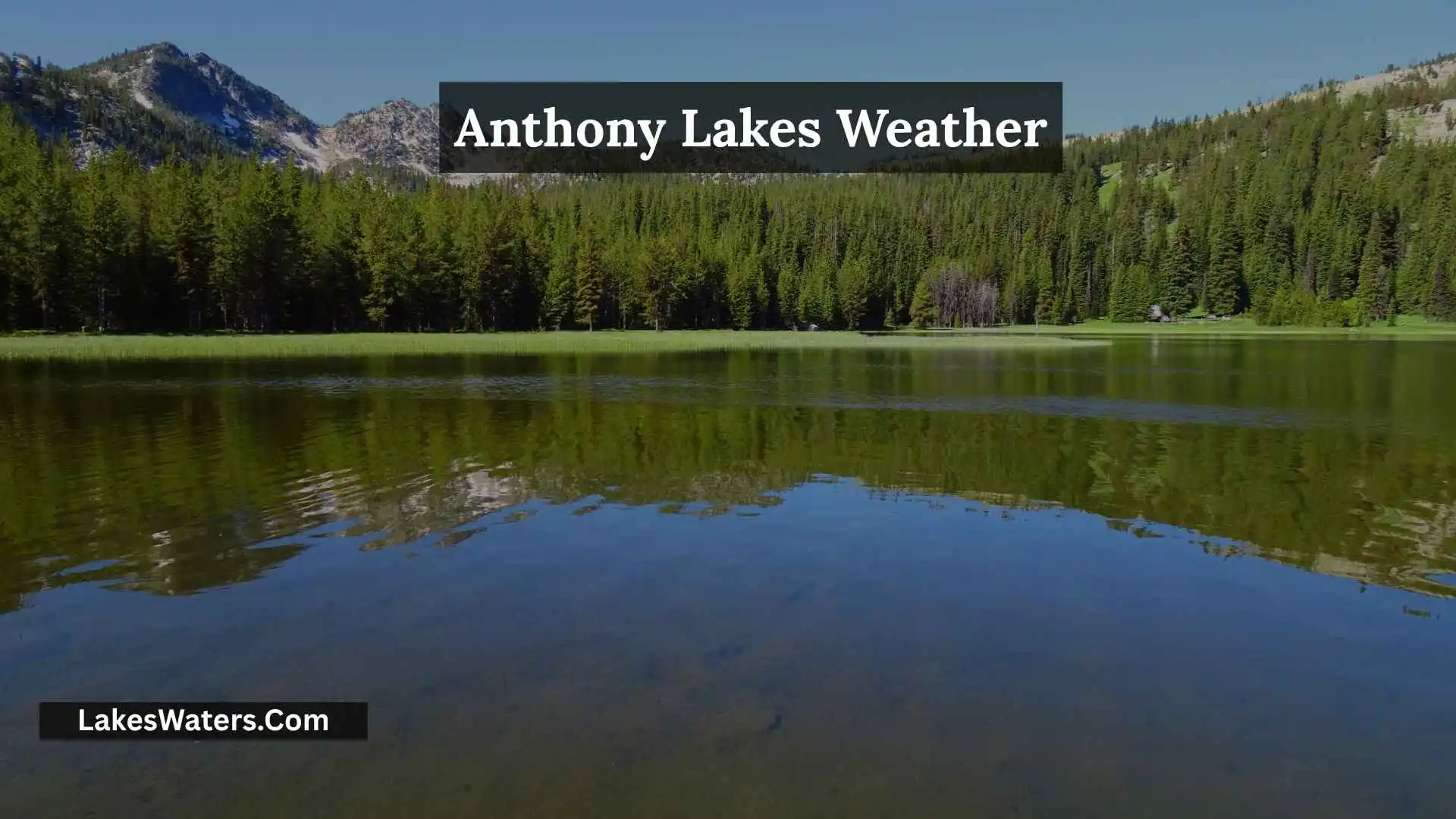
If you are searching for Anthony Lakes weather, you are likely trying to answer a practical question: What conditions should I expect when I visit, and when is the best time to go? Anthony Lakes sits high in Oregon’s Elkhorn Mountains, so its weather can be very different from conditions in nearby lower-elevation communities.
The recreation area is around 7,100 feet above sea level, and Anthony Lakes Mountain Resort reports an average annual snowfall of about 250 inches. That high-elevation setting helps explain why the area can have cool summer nights, lingering snow, and substantial winter conditions.
This guide explains current conditions, seasonal weather, snow, temperature changes, hiking and camping considerations, winter recreation, common planning mistakes, and how to choose the right time to visit based on your plans.
Quick Answer: What Is Anthony Lakes Weather Like?
Anthony Lakes has high-elevation mountain weather with cool temperatures, substantial winter snow, and conditions that can change quickly. Summer is generally the main season for hiking, camping, fishing, and mountain biking, while winter brings the snow conditions needed for skiing, snowboarding, Nordic skiing, and snowshoeing.
The most important point is that a forecast for a nearby town should not automatically be treated as the forecast at Anthony Lakes. The recreation area is around 7,100 feet above sea level, so elevation has a major influence on local conditions.
Key Weather Facts
| Weather Factor | What to Know |
| Location | Elkhorn Mountains, northeastern Oregon |
| Elevation | About 7,100–7,130 feet |
| Winter conditions | Frequent snow and freezing temperatures |
| Average annual snowfall | About 250 inches reported by Anthony Lakes Mountain Resort |
| Summer | Generally suited to hiking, camping, fishing, and biking |
| Winter recreation | Skiing, snowboarding, Nordic skiing, and snowshoeing |
| Main planning issue | Rapidly changing mountain conditions |
The elevation figures vary slightly by source because they refer to different points within the recreation and ski-area complex. The Forest Service lists the Anthony Lakes Sno-Park at 7,100 feet, while Forest Service recreation material identifies Anthony Lake at approximately 7,130 feet.
Anthony Lakes Weather Today and the Short-Term Forecast
Current weather is more useful for trip planning than a general seasonal description, especially if you are visiting for hiking, camping, fishing, or winter recreation.
The current forecast available for Anthony Lakes shows cool mountain conditions, with daytime temperatures rising above the morning level before becoming colder again after sunset. The forecast also shows that conditions can vary from cloudy periods to sunshine over the following days.
For a specific trip, check the forecast again shortly before departure. Mountain weather can change, and a forecast several days ahead is less useful than an updated forecast close to your travel time.
Why the Current Forecast Matters
A visitor planning to spend only a few hours at the lake may be comfortable with conditions that would be unsuitable for someone camping overnight.
For example:
- A sunny afternoon can still be followed by a very cold evening.
- Rain at lower elevations may occur as snow at higher elevations.
- A dry forecast does not guarantee that trails will be dry.
- Winter road conditions can remain difficult even after snowfall stops.
- Wind can make cool temperatures feel considerably colder.
That is why temperature alone should not determine what you pack.
Anthony Lakes Weather by Season
The weather changes significantly throughout the year. Your ideal visiting season depends largely on what you want to do.
Spring Weather at Anthony Lakes
Spring can be one of the most variable periods at Anthony Lakes.
Snow may remain at high elevations after conditions have begun warming elsewhere in Oregon. Trails can transition from snow-covered to muddy or wet, and access conditions can change as temperatures rise.
This is particularly important if you are planning a hiking or camping trip. A calendar date that feels like spring in a nearby valley does not necessarily mean that Anthony Lakes has completely transitioned out of winter.
What to Expect in Spring
Spring visitors should be prepared for:
- Lingering snow
- Cold mornings and nights
- Wet or muddy trails
- Rapid changes in trail conditions
- Possible snow during colder periods
- Variable road conditions
A flexible itinerary is useful during this season.
Summer Weather at Anthony Lakes
Summer is generally the most practical season for many lake-based activities.
Anthony Lakes Mountain Resort promotes summer activities including fishing, hiking, mountain biking, and other outdoor recreation. The surrounding area also provides access to the Elkhorn Mountains and several recreational opportunities.
However, summer at 7,100 feet does not mean consistently warm weather.
Daytime conditions can become pleasant or warm, while mornings and nights may remain quite cool. This difference is one of the most important things to remember when camping.
What to Pack in Summer
For a summer trip, consider bringing:
- A warm layer
- A waterproof jacket
- Comfortable hiking clothing
- Sun protection
- Extra socks
- Weather-resistant camping equipment
- Appropriate footwear for wet or uneven trails
Layering is more useful than packing only lightweight summer clothing.
Fall Weather at Anthony Lakes
Fall brings cooler temperatures and increasingly winter-like conditions.
Early fall can still be comfortable for hiking and sightseeing, but temperatures generally become colder as the season progresses. The possibility of snow also becomes more important at this elevation.
If you are visiting during September or October, check the forecast shortly before traveling rather than assuming conditions will resemble those from earlier in the summer.
Why Fall Requires Extra Planning
Fall is a transition season. You may experience:
- Comfortable sunshine during the afternoon
- Cold mornings
- Cold nights
- Rain or snow
- Rapidly changing trail conditions
- Shorter daylight hours
A warm layer and waterproof outer layer are particularly useful.
Winter Weather at Anthony Lakes
Winter is when Anthony Lakes becomes a major snow destination.
Anthony Lakes Mountain Resort reports an average annual snowfall of approximately 250 inches and identifies its base elevation as 7,100 feet.
The Forest Service also describes the Anthony Lakes area as a destination for alpine skiing, Nordic skiing, snowboarding, and snowshoeing. Its recreation guide notes that trail and grooming conditions can change rapidly according to the weather.
Winter Activities
Weather conditions support activities such as:
- Downhill skiing
- Snowboarding
- Nordic skiing
- Snowshoeing
- Snow-based sightseeing
- Winter photography
Winter visitors should pay attention to more than snowfall totals. Temperature, wind, visibility, road conditions, and recent snow all influence the actual experience.
How Elevation Affects Anthony Lakes Weather
Elevation is one of the biggest reasons Anthony Lakes can feel different from nearby communities.
The Forest Service places the Anthony Lakes Sno-Park at approximately 7,100 feet, while Anthony Lakes Mountain Resort lists its base elevation at the same level.
At this elevation, the air is generally colder than at lower elevations, and precipitation can behave differently.
Why Nearby Forecasts Can Be Misleading
Suppose a nearby lower-elevation community has mild temperatures and rain. That does not automatically mean Anthony Lakes will have the same conditions.
At a higher elevation:
- Rain can turn into snow.
- Snow can remain on the ground longer.
- Overnight temperatures can fall quickly.
- Roads can freeze even when lower areas remain above freezing.
- Weather can change rapidly across short distances.
For this reason, use a forecast specifically for Anthony Lakes whenever possible.
Does Elevation Affect Summer Nights?
Yes.
Even when an afternoon feels comfortable, the temperature can drop considerably after sunset. This matters most for campers, hikers starting early in the morning, and anyone spending extended time outdoors.
The practical lesson is simple: pack for the coldest part of your planned trip, not just the warmest afternoon.
Does It Snow at Anthony Lakes?
Yes. Snow is a defining feature of Anthony Lakes weather.
Anthony Lakes Mountain Resort reports approximately 250 inches of average annual snowfall. The Forest Service also describes the area as having strong winter snow conditions and provides facilities and trails for snow-based recreation.
Historical Forest Service material also provides evidence of substantial snow accumulation at Anthony Lake. One Forest Service document records long-term snow-depth observations at the Anthony Lake site, including substantial winter and early-spring snowpack.
Snowfall vs. Snow Depth
These terms should not be confused.
Snowfall means the amount of new snow that falls during a particular period.
Snow depth means how much snow is currently accumulated on the ground.
For example, several inches of new snowfall does not necessarily mean there are only several inches of snow on the ground. Older snow can remain underneath new snowfall.
This distinction is particularly important for skiing, snowshoeing, road travel, and spring recreation.
How Anthony Lakes Weather Affects Hiking
Weather can determine whether a trail is comfortable, muddy, snowy, icy, or difficult to access.
During warmer months, hikers should still prepare for cool mornings and changing conditions. During spring and fall, snow can remain on higher trails even when lower trails are clear.
The Forest Service recreation information describes trails and recreational access in the Anthony Lakes area, while also warning that winter trail and grooming conditions can change rapidly with weather.
What Hikers Should Check
Before starting a hike, check:
- Temperature
- Precipitation
- Wind
- Snow conditions
- Trail conditions
- Road access
- Daylight hours
- Current recreation alerts
For longer or remote hikes, also consider how much time you will spend away from your vehicle.
How Anthony Lakes Weather Affects Camping
Camping requires more preparation because you experience both daytime and nighttime conditions.
The high elevation means that a summer camping trip can feel comfortable during the afternoon but much colder after sunset.
Anthony Lakes Mountain Resort provides summer camping and recreation information, while the surrounding public lands are managed in partnership with the Wallowa-Whitman National Forest.
What Campers Should Bring
A practical camping checklist includes:
- Warm sleeping gear
- Insulating layers
- Waterproof outerwear
- Extra dry clothing
- Rain protection
- Suitable footwear
- Sun protection
- Plenty of water
- Weather-resistant shelter
Do not judge overnight comfort from the afternoon temperature alone.
A Common Camping Mistake
One of the easiest mistakes is assuming that a summer mountain destination will have warm nights.
At high elevation, nighttime temperatures can be much colder than visitors expect. A good sleeping bag and insulated clothing can make a major difference.
How Weather Affects Fishing and Boating
Weather can influence both fishing comfort and conditions on the water.
Anthony Lake provides opportunities for fishing and boating, making the forecast relevant even during the warmer season.
Before heading onto the lake, check:
- Wind
- Rain
- Thunderstorm potential
- Air temperature
- Water temperature
- Visibility
Cold water also deserves respect. Even if the air feels comfortable, falling into cold mountain water can create a dangerous situation.
How Weather Affects Winter Recreation
Winter weather is central to the Anthony Lakes experience.
Anthony Lakes Mountain Resort reports substantial annual snowfall and provides alpine and Nordic winter recreation. The Forest Service also lists skiing, snowboarding, and snowshoeing among activities available in the area.
What Matters More Than the Snowfall Total?
A snowfall number by itself does not tell the entire story.
Winter visitors should consider:
- Recent snowfall
- Existing snow depth
- Temperature
- Wind
- Visibility
- Road conditions
- Grooming or trail conditions
- Operating status of recreation facilities
The Forest Service specifically notes that trail and grooming conditions can change rapidly according to weather.
Which Season Is Best for Anthony Lakes?
There is no single best season for everyone. The right time depends on the activity you have planned.
| Your Main Goal | Season to Consider | What to Check |
| Hiking | Summer to early fall | Trail and weather conditions |
| Camping | Summer | Overnight temperature and campground status |
| Fishing | Warmer months | Weather, wind, and access |
| Mountain biking | Summer | Trail conditions |
| Fall scenery | Fall | Temperature and early snow |
| Skiing | Winter | Snow and operating conditions |
| Snowboarding | Winter | Snow, weather, and resort status |
| Snowshoeing | Winter | Snow depth and trail access |
Decision Guide for Planning a Trip
Want hiking, fishing, or camping?
→ Start with summer or early fall and check the short-term forecast.
Want skiing or snowboarding?
→ Focus on winter and check the latest snow and operating reports.
Want to avoid winter conditions?
→ Choose a warmer-season trip, but still prepare for cool nights.
Want to visit during spring?
→ Check snow and road conditions before committing to a fixed itinerary.
Planning an overnight stay?
→ Pay particular attention to nighttime temperatures.
Common Anthony Lakes Weather Planning Mistakes
Understanding what not to do can be just as useful as knowing what to pack.
Using a Nearby Town’s Forecast
A lower-elevation forecast may not accurately represent conditions at Anthony Lakes.
Packing Only for the Afternoon
Mountain temperatures can change significantly between daytime and nighttime.
Confusing Snowfall With Snow Depth
A snowfall measurement describes new snow, while snow depth describes accumulated snow on the ground.
Ignoring Road Conditions
Good weather at your departure point does not guarantee good conditions along the mountain route.
Assuming Clear Weather Means Easy Trails
Snow, mud, ice, or wet ground can remain even when the sky is clear.
Relying on an Old Snow Report
Snow and trail conditions can change quickly. The Forest Service specifically warns that conditions can change rapidly according to weather.
What Should You Check Before Driving to Anthony Lakes?
Use this simple checklist before leaving.
Weather Checklist
- Check the latest Anthony Lakes forecast.
- Look at daytime and nighttime temperatures.
- Check precipitation.
- Check wind if you will spend time on exposed terrain or water.
- Check snow conditions during the colder months.
- Check road conditions.
- Check campground or facility status.
- Check current trail information.
- Pack layers appropriate for the lowest expected temperature.
- Carry weather-resistant gear.
This approach is more reliable than choosing clothing based on a single temperature number.
Anthony Lakes Weather and Road Conditions
Mountain weather can affect access even when recreational areas remain open.
The Forest Service recreation guide identifies road access to the Anthony Lakes area and notes that the area is reached from the North Powder area via Anthony Lakes Highway.
During winter or periods of significant precipitation, road conditions should be checked separately from the general weather forecast.
Why Road Conditions Deserve Separate Attention
A forecast might show improving weather while roads remain:
- Snow-covered
- Icy
- Slushy
- Wet and slippery
- Affected by recent snowfall
A clear forecast does not instantly remove existing snow or ice from roads.
Is Anthony Lakes Weather Good for Families?
It can be, particularly during the warmer months when many recreational activities are available.
Families planning a day trip should still account for the elevation and changing temperatures. Young children can become uncomfortable more quickly in cold or wet conditions, so extra layers and dry clothing are useful.
For winter visits, families should also make sure everyone has appropriate cold-weather clothing and equipment.
Family Trip Tip
Plan around the activity rather than the temperature alone.
A short lakeside visit may require different preparation than several hours of hiking or an entire day on snow.
What Should You Wear at Anthony Lakes?
The safest general approach is layering.
Summer
Consider:
- Lightweight base layers
- Warm fleece or similar mid-layer
- Waterproof jacket
- Hiking pants
- Sun protection
Spring and Fall
Add:
- Warmer insulation
- Waterproof outer layers
- Extra socks
- More substantial footwear
Winter
Use clothing designed for sustained cold and snow, including:
- Insulating layers
- Waterproof outerwear
- Warm gloves
- Hat
- Appropriate winter footwear
- Snow-specific equipment when needed
The exact clothing needed depends on the forecast and activity.
Frequently Asked Questions About Anthony Lakes Weather
What Is the Weather Like at Anthony Lakes?
Anthony Lakes has cool, high-elevation mountain weather. Summers can be pleasant during the day but cool at night, while winter brings substantial snow and cold conditions.
How Cold Does Anthony Lakes Get?
Temperatures vary significantly by season and weather system. Because the recreation area sits around 7,100 feet, visitors should expect colder conditions than at nearby lower elevations.
Does Anthony Lakes Get a Lot of Snow?
Yes. Anthony Lakes Mountain Resort reports an average annual snowfall of approximately 250 inches.
What Is the Elevation of Anthony Lakes?
The Anthony Lakes area is approximately 7,100 feet above sea level. The Forest Service lists the Anthony Lakes Sno-Park at 7,100 feet, while Forest Service material gives Anthony Lake itself at about 7,130 feet.
Is Anthony Lakes Colder Than Baker City?
Because Anthony Lakes is at a much higher elevation than Baker City, its conditions can be substantially colder. Travelers should use a location-specific forecast instead of assuming that a Baker City forecast represents conditions at the lake.
Does It Snow at Anthony Lakes in Spring?
Snow can remain into spring because of the area’s high elevation and substantial winter snowpack. Conditions vary by year, so current snow and road reports are more useful than a calendar date alone.
Is Summer a Good Time to Visit Anthony Lakes?
Summer is a popular period for hiking, fishing, camping, and mountain biking. Anthony Lakes Mountain Resort specifically promotes these warm-season activities.
Can You Camp at Anthony Lakes?
Yes. Camping is part of the recreation experience around Anthony Lakes, although campground availability and operating dates can vary. Check current Forest Service and local resort information before traveling.
What Is the Best Time to Visit Anthony Lakes for Snow?
Winter is the primary season for snow-based recreation such as skiing, snowboarding, Nordic skiing, and snowshoeing. Current snow and operating conditions should be checked before traveling.
Can Weather Change Quickly at Anthony Lakes?
Yes. The combination of mountain terrain, elevation, and seasonal conditions means visitors should be prepared for changing weather. The Forest Service specifically notes that winter trail and grooming conditions can change rapidly according to weather.
Final Thoughts on Anthony Lakes Weather
Anthony Lakes weather is strongly shaped by elevation, mountain terrain, and season. At roughly 7,100 feet, the area can remain much colder than nearby lower elevations, while its substantial snowfall creates excellent conditions for winter recreation. Anthony Lakes Mountain Resort reports approximately 250 inches of average annual snowfall, reinforcing the importance of snow and cold-weather planning.
For hiking, fishing, camping, and mountain biking, summer and early fall can provide useful opportunities, but cool mornings and nights still require preparation. Winter visitors should pay close attention to snow, road, trail, and operating conditions.
The best approach is simple: check a location-specific forecast, consider both daytime and nighttime conditions, verify current road and recreation information, and pack for changing mountain weather.

I am Ethan Reynolds, a nature researcher and writer focused on freshwater environments, aquatic ecosystems, and sustainable water solutions.
I enjoy sharing knowledge about lakes, rivers, wetlands, and the challenges facing global water resources.
My goal is to help readers understand the value of water and encourage responsible actions to protect it.
Books by Ethan Reynolds:
- Lakes and Landscapes: Stories from Nature
- Protecting Water for Future Generations