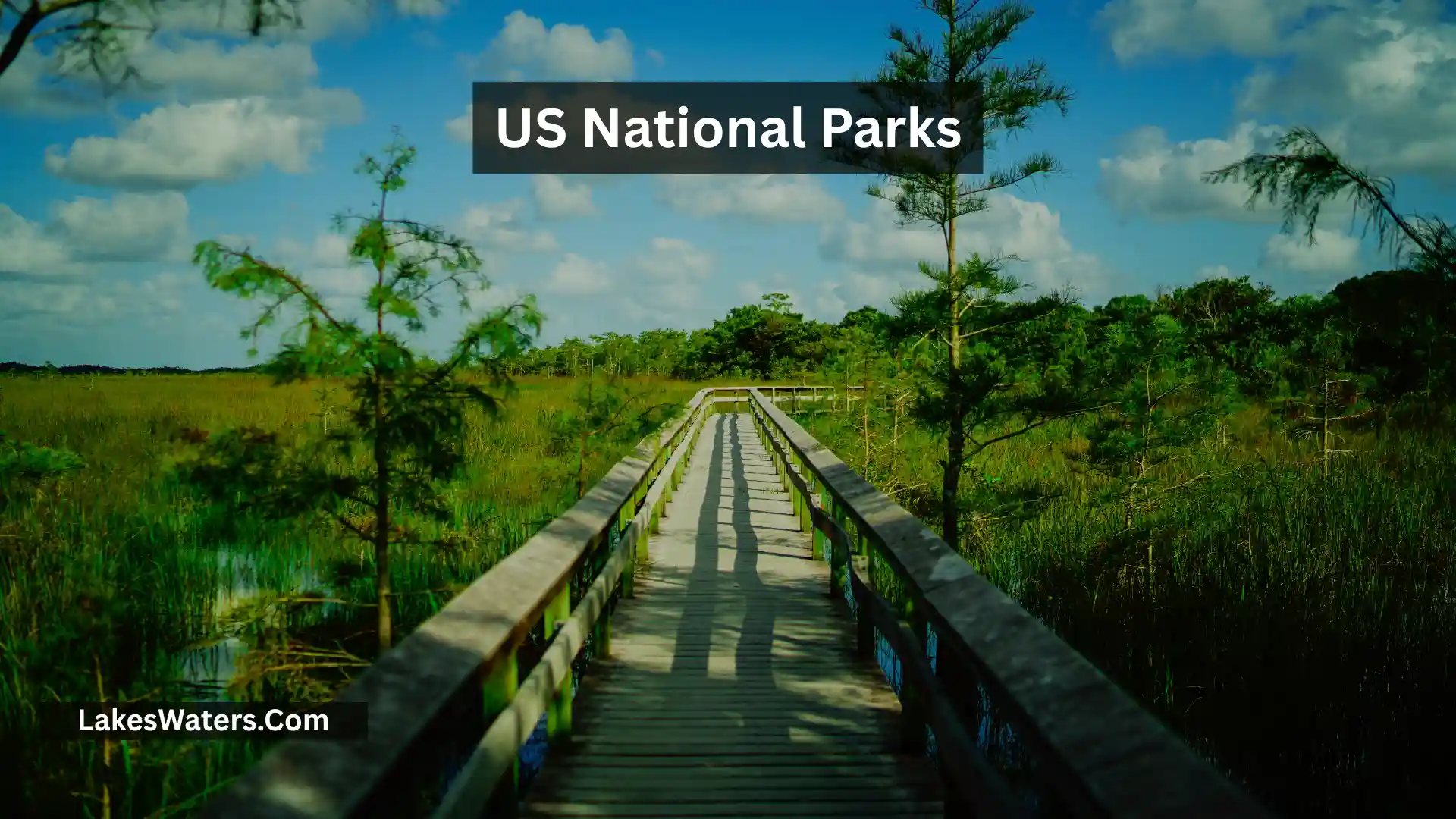
The United States has 64 officially designated national parks, protecting some of the country’s most remarkable natural landscapes, wildlife habitats, geological formations, and cultural resources. These parks range from the towering mountains of Alaska to tropical islands in the Caribbean and the volcanic landscapes of Hawaii.
The National Park Service manages a much larger system of 434 individual units, including national monuments, historic sites, recreation areas, and other protected places. Only 64 currently carry the official National Park designation.
If you want to explore Yellowstone’s geothermal features, hike through Yosemite Valley, watch wildlife in Denali, or enjoy the beaches of the Virgin Islands, America’s national parks offer different experiences across the country.
This guide covers the complete list of US national parks, their locations, famous destinations, popular outdoor activities, and practical information to help you plan a visit.
How Many National Parks Are in the US?
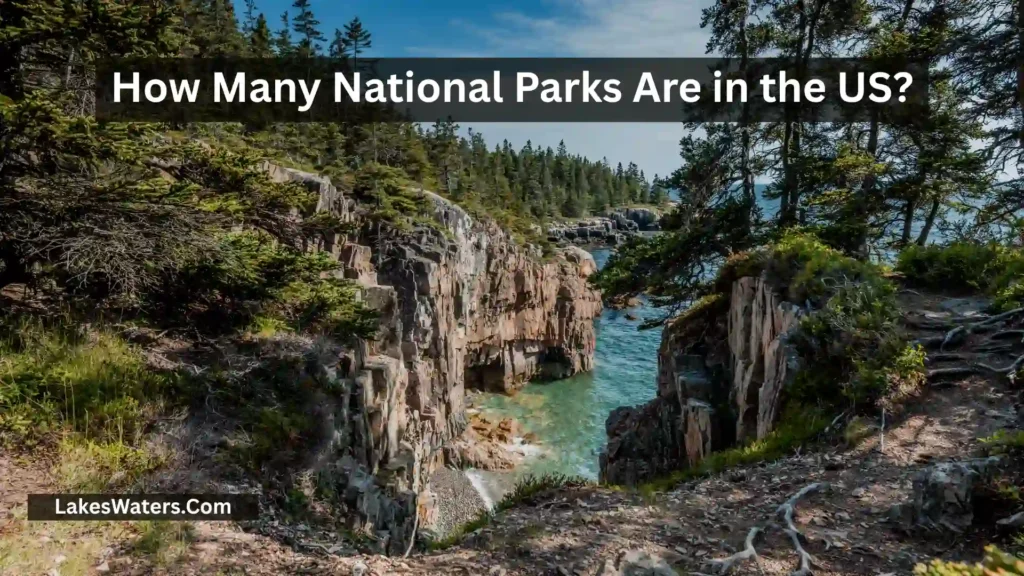
There are currently 64 national parks in the United States, according to the National Park Service’s current national park directory.
These parks are located across the country, including Alaska, Hawaii, the continental United States, American Samoa, and the U.S. Virgin Islands.
The number can cause confusion because the National Park Service manages 434 individual units. However, not every unit is officially classified as a national park.
The distinction is important when researching park counts or making a list of America’s national parks.
Why Are There 64 National Parks?
The United States has gradually established and expanded its national parks through congressional legislation and other federal actions.
Yellowstone became the world’s first national park in 1872. Over time, other areas received national park status because of their natural, geological, ecological, historical, or cultural importance.
The newest addition to the designated national park list is Chiricahua National Park in Arizona. It received its new designation in October 2026 after previously being protected as Chiricahua National Monument.
National Parks vs. The National Park System
The National Park System includes several different types of protected places. The name of each designation generally reflects the area’s primary purpose, history, or protected resources.
| Designation | Main Purpose | Example |
| National Park | Protects nationally significant natural and cultural landscapes | Yellowstone |
| National Monument | Preserves important natural, historical, or archaeological resources | Devils Tower |
| National Historic Site | Protects historically significant locations | Martin Luther King Jr. National Historic Site |
| National Seashore | Protects coastal environments | Cape Cod National Seashore |
| National Recreation Area | Provides outdoor recreation while protecting natural resources | Lake Mead National Recreation Area |
| National Battlefield | Preserves historically significant military locations | Gettysburg National Military Park |
All these places can belong to the National Park System, but they do not all count toward the 64 national parks.
Complete List of US National Parks
The following table includes all 64 parks appearing under the National Parks designation in the current National Park Service directory, along with their state or territorial locations.
| No. | National Park | State Or Territory |
| 1 | Acadia National Park | Maine |
| 2 | Arches National Park | Utah |
| 3 | Badlands National Park | South Dakota |
| 4 | Big Bend National Park | Texas |
| 5 | Biscayne National Park | Florida |
| 6 | Black Canyon of the Gunnison National Park | Colorado |
| 7 | Bryce Canyon National Park | Utah |
| 8 | Canyonlands National Park | Utah |
| 9 | Capitol Reef National Park | Utah |
| 10 | Carlsbad Caverns National Park | New Mexico |
| 11 | Channel Islands National Park | California |
| 12 | Chiricahua National Park | Arizona |
| 13 | Congaree National Park | South Carolina |
| 14 | Crater Lake National Park | Oregon |
| 15 | Cuyahoga Valley National Park | Ohio |
| 16 | Death Valley National Park | California and Nevada |
| 17 | Denali National Park | Alaska |
| 18 | Dry Tortugas National Park | Florida |
| 19 | Everglades National Park | Florida |
| 20 | Gates of the Arctic National Park | Alaska |
| 21 | Gateway Arch National Park | Missouri and Illinois |
| 22 | Glacier Bay National Park | Alaska |
| 23 | Glacier National Park | Montana |
| 24 | Grand Canyon National Park | Arizona |
| 25 | Grand Teton National Park | Wyoming |
| 26 | Great Basin National Park | Nevada |
| 27 | Great Sand Dunes National Park | Colorado |
| 28 | Great Smoky Mountains National Park | North Carolina and Tennessee |
| 29 | Guadalupe Mountains National Park | Texas |
| 30 | Haleakalā National Park | Hawaii |
| 31 | Hawai’i Volcanoes National Park | Hawaii |
| 32 | Hot Springs National Park | Arkansas |
| 33 | Indiana Dunes National Park | Indiana |
| 34 | Isle Royale National Park | Michigan |
| 35 | Joshua Tree National Park | California |
| 36 | Katmai National Park | Alaska |
| 37 | Kenai Fjords National Park | Alaska |
| 38 | Kings Canyon National Park | California |
| 39 | Kobuk Valley National Park | Alaska |
| 40 | Lake Clark National Park | Alaska |
| 41 | Lassen Volcanic National Park | California |
| 42 | Mammoth Cave National Park | Kentucky |
| 43 | Mesa Verde National Park | Colorado |
| 44 | Mount Rainier National Park | Washington |
| 45 | National Park of American Samoa | American Samoa |
| 46 | New River Gorge National Park and Preserve | West Virginia |
| 47 | North Cascades National Park | Washington |
| 48 | Olympic National Park | Washington |
| 49 | Petrified Forest National Park | Arizona |
| 50 | Pinnacles National Park | California |
| 51 | Redwood National Park | California |
| 52 | Rocky Mountain National Park | Colorado |
| 53 | Saguaro National Park | Arizona |
| 54 | Sequoia National Park | California |
| 55 | Shenandoah National Park | Virginia |
| 56 | Theodore Roosevelt National Park | North Dakota |
| 57 | Virgin Islands National Park | U.S. Virgin Islands |
| 58 | Voyageurs National Park | Minnesota |
| 59 | White Sands National Park | New Mexico |
| 60 | Wind Cave National Park | South Dakota |
| 61 | Wrangell-St. Elias National Park | Alaska |
| 62 | Yellowstone National Park | Idaho, Montana, and Wyoming |
| 63 | Yosemite National Park | California |
| 64 | Zion National Park | Utah |
Some national parks cross state boundaries. Yellowstone, for example, extends into Idaho, Montana, and Wyoming, while Great Smoky Mountains lies between North Carolina and Tennessee.
US National Parks by State
National parks are not distributed evenly across the United States. Western states, particularly California, Alaska, Utah, and Colorado, contain several well-known national parks.
California and Alaska stand out for their variety of protected landscapes, while Utah is famous for its concentration of dramatic desert parks.
Here is a regional overview of the states and territories with officially designated national parks.
Western United States
The western region contains many of America’s best-known national parks. Its landscapes include deserts, mountains, canyons, forests, volcanic areas, and ancient geological formations.
California:
- Channel Islands National Park
- Death Valley National Park
- Joshua Tree National Park
- Kings Canyon National Park
- Lassen Volcanic National Park
- Pinnacles National Park
- Redwood National Park
- Sequoia National Park
- Yosemite National Park
Utah:
- Arches National Park
- Bryce Canyon National Park
- Canyonlands National Park
- Capitol Reef National Park
- Zion National Park
Colorado:
- Black Canyon of the Gunnison National Park
- Great Sand Dunes National Park
- Mesa Verde National Park
- Rocky Mountain National Park
Arizona:
- Chiricahua National Park
- Grand Canyon National Park
- Petrified Forest National Park
- Saguaro National Park
Other Western States:
- Nevada: Death Valley and Great Basin National Parks
- Oregon: Crater Lake National Park
- Washington: Mount Rainier, North Cascades, and Olympic National Parks
- New Mexico: Carlsbad Caverns and White Sands National Parks
- Texas: Big Bend and Guadalupe Mountains National Parks
Alaska
Alaska has some of the largest and most remote national parks in the United States.
Its protected landscapes include glaciers, mountains, tundra, forests, rivers, and important wildlife habitats.
The eight national parks in Alaska are:
- Denali National Park
- Gates of the Arctic National Park
- Glacier Bay National Park
- Katmai National Park
- Kenai Fjords National Park
- Kobuk Valley National Park
- Lake Clark National Park
- Wrangell-St. Elias National Park
These destinations are particularly appealing to travelers interested in wilderness exploration, wildlife viewing, glaciers, and backcountry adventures.
Eastern And Southeastern United States
The eastern and southeastern parts of the country offer a different type of national park experience.
Visitors can explore coastal environments, forested mountains, wetlands, caves, and historically important landscapes.
Some notable destinations include:
- Acadia National Park in Maine
- Congaree National Park in South Carolina
- Everglades National Park in Florida
- Biscayne National Park in Florida
- Dry Tortugas National Park in Florida
- Great Smoky Mountains National Park in North Carolina and Tennessee
- Mammoth Cave National Park in Kentucky
- Shenandoah National Park in Virginia
- New River Gorge National Park and Preserve in West Virginia
These parks offer opportunities for hiking, kayaking, wildlife observation, cave exploration, and scenic driving.
Midwest And Central United States
The central and Midwestern states also have important national parks, although their landscapes are often different from the dramatic mountain and desert scenery of the West.
Notable examples include:
- Badlands National Park in South Dakota
- Wind Cave National Park in South Dakota
- Cuyahoga Valley National Park in Ohio
- Gateway Arch National Park in Missouri and Illinois
- Indiana Dunes National Park in Indiana
- Isle Royale National Park in Michigan
- Voyageurs National Park in Minnesota
- Theodore Roosevelt National Park in North Dakota
- Hot Springs National Park in Arkansas
These destinations protect grasslands, caves, forests, waterways, historic structures, and other important natural and cultural resources.
Hawaii And US Territories
National parks outside the continental United States provide opportunities to experience tropical ecosystems, volcanic landscapes, marine environments, and island cultures.
Hawaii:
- Haleakalā National Park
- Hawai’i Volcanoes National Park
US Territories:
- National Park of American Samoa
- Virgin Islands National Park
These parks are especially distinctive because of their island geography, native wildlife, coastal environments, and volcanic features.
National Parks by Region: What Makes Each Area Special?
Choosing a national park becomes easier when you understand the landscapes and experiences associated with different regions.
Mountain And Alpine Landscapes
If you enjoy mountain scenery, high-elevation hiking, alpine lakes, and dramatic peaks, several western parks deserve attention.
Rocky Mountain National Park protects an extensive mountain environment in Colorado. Grand Teton National Park is known for its striking mountain range, while Glacier National Park offers rugged peaks, lakes, and glacial landscapes.
Mount Rainier National Park in Washington is another major destination, featuring a prominent volcanic mountain surrounded by forests and alpine environments.
Desert And Canyon Landscapes
The American Southwest is famous for its colorful rock formations, deep canyons, desert vegetation, and unusual geological features.
Grand Canyon National Park is one of the most recognizable destinations in the country. Its immense canyon system reveals layers of exposed rock shaped by geological processes over millions of years.
Other notable desert parks include:
- Arches National Park
- Bryce Canyon National Park
- Zion National Park
- Canyonlands National Park
- Joshua Tree National Park
- Death Valley National Park
- White Sands National Park
Each offers a different combination of desert scenery, hiking opportunities, geological formations, and outdoor recreation.
Forests And Waterways
Travelers who prefer forests, rivers, waterfalls, and lakes can find several excellent destinations.
Olympic National Park protects a mixture of temperate rainforests, mountain environments, and coastal landscapes.
Yosemite National Park is known for its granite cliffs, waterfalls, forests, and scenic valleys.
Voyageurs National Park in Minnesota is especially notable for its interconnected waterways and lakes, making it a distinctive destination for boating and paddling.
Tropical And Coastal Environments
Some US national parks protect marine ecosystems, islands, coral reefs, and tropical forests.
Everglades National Park is famous for its wetlands, mangroves, and wildlife. Biscayne National Park protects an important marine environment, while Dry Tortugas National Park is known for its remote island setting and historic fort.
Virgin Islands National Park combines beaches, tropical forests, coral reef environments, and cultural history.
Most Visited National Parks in America
Visitor numbers can help travelers understand which national parks attract the greatest public interest.
According to the National Park Service’s 2025 visitation report, the most visited officially designated national parks were:
| Rank | National Park | Recreation Visits In 2025 |
| 1 | Great Smoky Mountains | 11,527,939 |
| 2 | Zion | 4,984,525 |
| 3 | Yellowstone | 4,762,988 |
| 4 | Grand Canyon | 4,430,653 |
| 5 | Yosemite | 4,278,413 |
| 6 | Rocky Mountain | 4,171,431 |
| 7 | Acadia | 4,079,318 |
| 8 | Grand Teton | 3,800,648 |
| 9 | Olympic | 3,584,187 |
| 10 | Glacier | 3,136,557 |
Great Smoky Mountains National Park ranked first, with more than 11.5 million recreation visits.
It is worth understanding that recreation visits are not necessarily the same as individual visitors. One person entering a park multiple times may contribute more than one visit to the total.
The figures also refer to calendar year 2025, rather than current-year visitor totals.
Why Are These Parks So Popular?
Several factors contribute to the popularity of these destinations.
- Great Smoky Mountains: Mountain scenery, forest trails, wildlife, and scenic drives.
- Zion: Dramatic sandstone cliffs, canyon hiking, and distinctive desert scenery.
- Yellowstone: Geysers, hot springs, wildlife, and geothermal features.
- Grand Canyon: Vast canyon views, hiking trails, and geological history.
- Yosemite: Granite cliffs, waterfalls, forests, and mountain scenery.
- Rocky Mountain: Alpine environments, mountain trails, and wildlife.
- Acadia: Coastal scenery, rocky shorelines, and mountain views.
- Grand Teton: Mountain landscapes, lakes, and wildlife observation.
- Olympic: Rainforests, beaches, mountains, and diverse ecosystems.
- Glacier: Mountain scenery, lakes, glaciers, and hiking opportunities.
A high visitor count does not automatically mean a park is the best choice for every traveler. Smaller or less crowded parks may offer a better experience depending on your interests and travel plans.
Famous National Parks in the United States
Although every national park has something distinctive to offer, several destinations are particularly well known for their scenery, wildlife, geological features, and recreational opportunities.
Yellowstone National Park
Wyoming, Montana, And Idaho
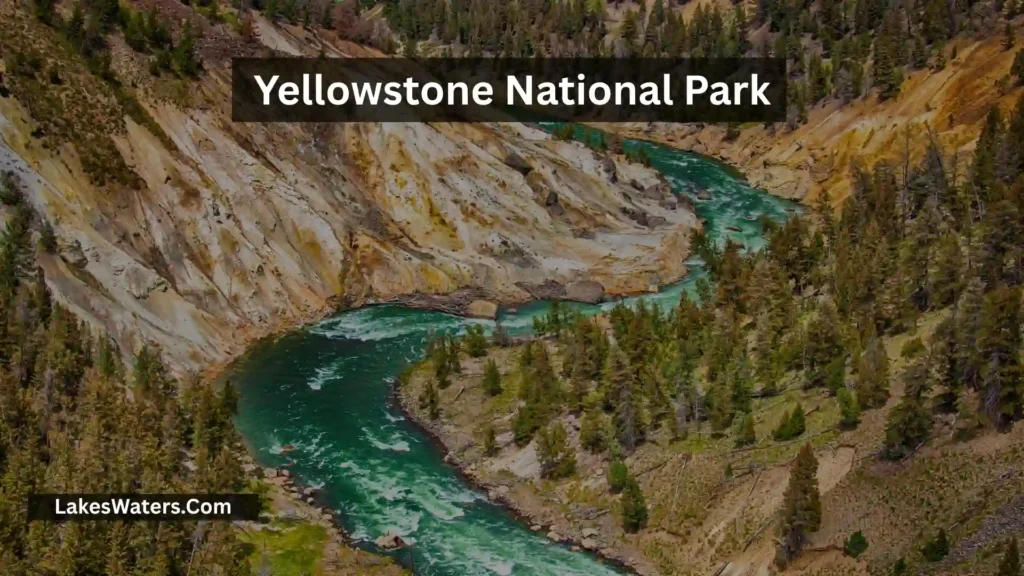
Yellowstone is one of America’s most recognizable national parks and the first national park established in the world.
Its landscape includes geysers, hot springs, waterfalls, forests, rivers, and large wildlife habitats. Old Faithful is among its best-known geothermal attractions, while the Grand Prismatic Spring is famous for its colorful mineral-rich waters.
Popular activities include:
- Watching geysers and geothermal features
- Hiking established trails
- Observing bison and other wildlife
- Exploring scenic drives
- Visiting waterfalls and canyon viewpoints
Yellowstone is particularly suitable for travelers interested in geology, wildlife, and large natural landscapes.
Grand Canyon National Park
Arizona
Grand Canyon National Park protects one of the most recognizable geological landscapes in North America.
The Colorado River has helped shape the canyon over an extended period, exposing layers of rock that reveal a long geological history.
The South Rim is the park’s most accessible and popular visitor area. Visitors can enjoy overlooks, hiking trails, educational exhibits, and scenic viewpoints.
The North Rim provides a different experience, with its own viewpoints, trails, and seasonal access considerations.
Yosemite National Park
California
Yosemite is famous for its granite cliffs, waterfalls, giant sequoias, and dramatic mountain scenery.
Yosemite Valley contains several of its most recognizable landmarks, including El Capitan and Half Dome.
The park offers hiking, rock climbing, photography, camping, wildlife observation, and scenic driving opportunities.
Spring is particularly attractive for waterfall viewing, although snow conditions and seasonal road access can affect travel plans.
Zion National Park
Utah
Zion National Park protects a landscape of towering sandstone cliffs, narrow canyons, desert vegetation, and scenic river corridors.
The park is especially popular with hikers because of its distinctive trails and canyon environments.
Visitors can explore the main canyon, enjoy scenic viewpoints, and participate in permitted outdoor activities.
Some popular routes require careful preparation, suitable equipment, or advance permits.
Glacier National Park
Montana
Glacier National Park is known for its rugged mountain scenery, clear lakes, alpine environments, and wildlife.
The park’s mountain landscapes make it a popular destination for hiking, camping, photography, and scenic driving.
Going-to-the-Sun Road is one of its most recognized attractions, although seasonal weather and road conditions influence when different sections are accessible.
Everglades National Park
Florida
Everglades National Park protects an extensive subtropical wetland ecosystem.
Its habitats include freshwater marshes, mangroves, coastal environments, and areas that support diverse wildlife.
The park is particularly known for alligators, wading birds, and other species adapted to wetland environments.
Visitors can explore selected trails, take guided excursions, observe wildlife, and participate in permitted paddling activities.
Acadia National Park
Maine
Acadia combines rocky coastlines, forested mountains, islands, and ocean views.
Cadillac Mountain is one of its best-known attractions, while the park’s coastal roads and hiking routes offer opportunities to experience Maine’s natural scenery.
Visitors can enjoy hiking, cycling on designated carriage roads, wildlife watching, and exploring coastal viewpoints.
Denali National Park
Alaska
Denali National Park protects a vast wilderness landscape surrounding North America’s highest mountain, Denali.
The park contains tundra, mountain environments, rivers, forests, and wildlife habitats.
Visitors may encounter animals such as caribou, moose, Dall sheep, and bears. Wildlife sightings are never guaranteed, so responsible observation and distance are essential.
Denali is particularly appealing to travelers seeking remote wilderness experiences.
Best Activities in US National Parks
National parks provide opportunities for many outdoor activities. The available options depend on the park’s geography, environmental conditions, facilities, and regulations.
Hiking And Backpacking
Hiking is one of the most popular ways to explore national parks.
Some parks have short, accessible walking routes, while others offer challenging mountain trails and remote backpacking opportunities.
Examples include:
- Yosemite for mountain and waterfall scenery
- Zion for canyon hiking
- Rocky Mountain for alpine trails
- Grand Canyon for challenging canyon routes
- Acadia for coastal and mountain hikes
- Great Smoky Mountains for forest trails
Before choosing a route, check its distance, elevation gain, difficulty, weather conditions, and current trail status.
Wildlife Watching
Many national parks protect habitats for animals that are difficult to observe in heavily developed areas.
Depending on the destination, visitors may encounter:
- Bison in Yellowstone
- Bears in Alaska and parts of the northern Rockies
- Alligators in the Everglades
- Moose in northern forest environments
- Elk in several western mountain parks
- Sea lions and other marine wildlife in coastal environments
Wild animals should always be observed from a safe distance. Feeding, approaching, or disturbing wildlife can endanger both visitors and animals.
Camping
Camping allows visitors to spend more time exploring national park landscapes.
Depending on the park, accommodation options may include:
- Developed campgrounds
- Tent camping
- RV camping
- Backcountry camping
- Designated group camping areas
Some campgrounds require reservations, while others operate on a first-come, first-served basis.
Facilities vary considerably. Remote parks may offer fewer services than heavily visited destinations.
Boating And Kayaking
Water-based recreation is available in several national parks.
Voyageurs National Park is particularly well known for its interconnected waterways. Biscayne, Isle Royale, and Channel Islands also provide opportunities for certain marine or freshwater activities.
Depending on local conditions and rules, visitors may enjoy:
- Kayaking
- Canoeing
- Motor boating
- Sailing
- Guided water excursions
- Wildlife observation from the water
Always check whether a particular activity is permitted in the specific area you intend to visit.
Photography And Scenic Driving
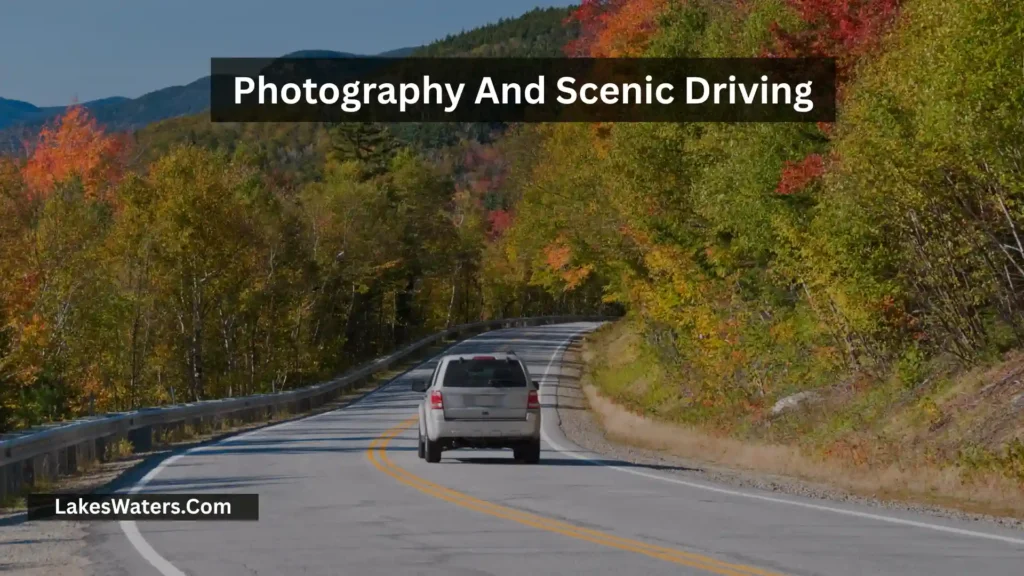
National parks offer opportunities to photograph mountains, deserts, forests, waterfalls, wildlife, and coastlines.
Scenic roads can also help visitors experience large areas without completing long hikes.
Some well-known examples include:
- Going-to-the-Sun Road in Glacier
- Trail Ridge Road in Rocky Mountain
- Desert View Drive in Grand Canyon
- Park roads in Yellowstone
- Park Loop Road in Acadia
Road access can change because of snow, construction, weather, or maintenance. Check current conditions before setting out.
Best Time to Visit US National Parks
There is no single best month for visiting every national park. Climate, elevation, geographic location, and seasonal access all influence the ideal travel period.
| Season | Typical Advantages | Possible Challenges |
| Spring | Wildflowers, waterfalls, and milder weather in many regions | Snow, muddy trails, and seasonal closures |
| Summer | Longer daylight hours and greater access to high-elevation areas | Crowds, heat, and busy campgrounds |
| Fall | Autumn colors, cooler temperatures, and quieter periods in some parks | Shorter days and changing weather |
| Winter | Snow-covered scenery, winter recreation, and fewer visitors at some destinations | Road closures, cold temperatures, and limited services |
Spring Visits
Spring can be a good time to explore parks in the southern and lower-elevation regions.
Desert parks may experience more comfortable temperatures than during summer, while waterfalls in some mountain parks become more active as snow melts.
However, high-elevation trails may remain covered in snow.
Summer Visits
Summer is a popular season for parks in Alaska, the Rocky Mountains, and other northern or high-elevation regions.
Many mountain roads and trails become more accessible during this period.
The main disadvantages are increased visitation, warmer temperatures in desert regions, and higher demand for accommodations.
Fall Visits
Fall can be an excellent season for exploring forests and mountain landscapes.
Great Smoky Mountains, Acadia, and Shenandoah are particularly attractive destinations for visitors interested in seasonal foliage.
Weather can become unpredictable, especially at higher elevations.
Winter Visits
Winter changes the experience of many national parks.
Snowshoeing, skiing, winter hiking, and scenic photography may be possible in suitable locations.
However, some roads, visitor facilities, campgrounds, and hiking routes close or operate with reduced services.
How to Plan a National Park Trip
Visiting a national park requires more than choosing a destination. Good preparation helps you avoid unexpected travel problems and make better use of your time.
Choose A Park Based On Your Interests
Start by identifying the type of experience you want.
| Travel Preference | Parks To Consider |
| Mountain scenery | Grand Teton, Glacier, Rocky Mountain |
| Desert landscapes | Joshua Tree, Arches, Zion |
| Waterfalls and forests | Yosemite, Olympic |
| Wildlife observation | Yellowstone, Denali, Katmai |
| Coastal scenery | Acadia, Channel Islands |
| Tropical environments | Virgin Islands, American Samoa |
| Caves | Mammoth Cave, Carlsbad Caverns |
| Lakes and waterways | Voyageurs, Isle Royale |
These are starting points rather than exclusive recommendations. Each park may offer several different types of outdoor experiences.
Check Entrance Fees And Reservations
Some national parks charge entrance fees, while others provide free entry.
The amount can depend on the park, vehicle type, visitor category, and applicable pass.
Reservations and timed-entry requirements can also change between seasons and years.
Before traveling, confirm:
- Current entrance fees
- Annual pass eligibility
- Timed-entry requirements
- Campground reservations
- Backcountry permits
- Special activity permits
- Seasonal operating schedules
Do not assume that a previous year’s reservation system or fee structure will remain unchanged.
Prepare For Weather And Trail Conditions
Weather can vary significantly within a single national park.
A sunny morning in a lower valley may coincide with freezing temperatures at higher elevations.
Pack according to the destination and planned activities.
Useful items may include:
- Suitable hiking footwear
- Weather-appropriate clothing
- Drinking water
- Navigation tools
- Sun protection
- First-aid supplies
- Emergency food
- A flashlight or headlamp
Remote parks may have limited mobile phone coverage, so download useful information and prepare for periods without connectivity.
Follow Park Rules And Protect Wildlife
National parks protect natural and cultural resources for future generations.
Visitors should follow park regulations and practice responsible outdoor recreation.
Important habits include:
- Staying on designated trails where required
- Carrying out trash
- Never feeding wildlife
- Maintaining safe distances from animals
- Respecting restricted areas
- Following campfire regulations
- Avoiding damage to vegetation and natural features
- Leaving archaeological and historical objects undisturbed
Responsible behavior helps protect the places that make national parks special.
Frequently Asked Questions About US National Parks
How many national parks are there in the US?
There are 64 officially designated national parks in the United States. The National Park Service manages 434 individual units across the wider National Park System.
Which state has the most national parks?
California has the most officially designated national parks, with nine parks listed in the current national park directory.
What was the first national park in the United States?
Yellowstone National Park was established on March 1, 1872. It is recognized as the first national park in the United States and the world.
What is the newest national park in America?
Chiricahua National Park in Arizona is the newest designated national park. It received its new designation in October 2026 after previously being protected as a national monument.
Which national park receives the most visitors?
Great Smoky Mountains National Park was the most visited officially designated national park in 2025, recording 11,527,939 recreation visits.
Are all national parks free to enter?
No. Many national parks charge entrance fees, while others offer free admission. Fees and pass requirements depend on the destination and current policies.
Can you camp in US national parks?
Yes. Many national parks provide developed campgrounds or designated backcountry camping areas. Availability, facilities, permits, and reservation requirements vary by park.
Which national parks are best for families?
Yellowstone, Grand Canyon, Acadia, Yosemite, and Great Smoky Mountains can be good family destinations because they offer a range of scenic viewpoints, educational opportunities, and outdoor activities. Families should choose activities according to children’s ages, abilities, and safety needs.
Final Thoughts On Exploring US National Parks
America’s national parks protect an extraordinary range of natural and cultural landscapes. From Alaska’s remote wilderness to the deserts of Utah, the forests of the eastern United States, and the tropical islands of the Pacific and Caribbean, each destination offers a different experience.
The best park for your trip depends on your interests, available time, preferred activities, and the season you plan to travel.
Start with a destination that matches your travel goals, research its current conditions, and allow enough time to explore responsibly. Whether you visit one park or gradually work through the entire list, America’s national parks provide countless opportunities to experience the country’s natural heritage.

I am Daniel Brooks, an environmental enthusiast and writer focused on freshwater resources and the connection between humans and nature.
I enjoy researching lakes, wetlands, and water conservation practices to create informative content for readers. I believe that understanding our water systems is the first step toward protecting them.
Through my writing, I aim to inspire awareness and responsible actions for a better water future.
Books by Daniel Brooks:
- Freshwater Wonders: Stories From the World’s Lakes
- Protecting Our Blue Planet: Water Conservation Guide