Have you ever stood at the edge of a glassy water body just as the sun dips below the horizon, feeling all your daily stress simply melt away? I know that exact feeling, and it is precisely why I find myself constantly drawn back to the breathtaking beauty of North Carolina’s shimmering inland waters.
If you are craving an action-packed weekend of high-speed boating or simply yearning for a quiet, secluded cove where you can lose yourself in a good book, this state truly has a shoreline waiting just for you. I always marvel at how effortlessly these diverse aquatic landscapes transition from vibrant hubs of summer activity to peaceful sanctuaries of reflection.
Let us dive right in and explore the absolute finest lakes this region has to offer so you can start planning your next great escape. I promise that once you experience the tranquil charm of these watery gems, you will be counting down the days until you can return.
Quick Answer: Are Lakes in North Carolina Worth Visiting?
Yes, lakes in North Carolina are worth visiting because they offer a strong mix of mountain scenery, boating, fishing, swimming, camping, hiking, family activities, and weekend getaway options. The best lake for you depends on your travel style. Lake Norman is a strong choice near Charlotte, Jordan Lake and Falls Lake work well near the Triangle, Lake James is great for mountain scenery, Lake Lure is popular for romantic views, and Fontana Lake is ideal for a quieter Smoky Mountains feel.
Before visiting or booking, confirm the current rules, fees, swimming access, boat launch conditions, campground availability, parking, dining hours, and weather alerts. Some lakes are public recreation areas, some have private marinas, and some towns manage local lake access differently. For example, North Carolina State Parks notes that certain state recreation areas charge vehicle entrance fees during specific peak periods, so current official details matter.
Lakes in North Carolina Quick Facts
| Feature | Helpful Details |
| Name | Lakes in North Carolina |
| Location | Across western, central, and eastern North Carolina |
| Address | Varies by lake, park, marina, beach, campground, or resort |
| Region | Blue Ridge Mountains, Charlotte area, Triangle area, Piedmont, coastal plain |
| Type of place | Outdoor recreation destinations, reservoirs, state parks, lake towns, fishing and boating areas |
| Main attractions | Lake views, boating, fishing, swimming, camping, hiking, paddling, wildlife, photography |
| Best for | Families, couples, outdoor lovers, boaters, anglers, campers, photographers, weekend travelers |
| Known for | Mountain lake scenery, large reservoirs, public recreation areas, family-friendly outdoor activities |
| Activities | Kayaking, pontoon boating, fishing, swimming, hiking, camping, picnicking, birding, lakeside dining |
| Dining options | Lake towns, marinas, casual restaurants, picnic areas, nearby downtowns |
| Event/wedding options | Lakefront resorts, private venues, parks, marinas, golf clubs, inns, cabins |
| Nearby cities | Charlotte, Raleigh, Durham, Asheville, Greensboro, Winston-Salem, Hickory, Bryson City |
| Booking tip | Reserve camping, rentals, lodging, and event spaces early for summer and fall weekends |
What Are Lakes in North Carolina?
Lakes in North Carolina include large man-made reservoirs, scenic mountain lakes, state recreation areas, smaller community lakes, and lake-centered towns. People search for them because they are trying to plan a real trip, not just learn a definition.
Some readers want the best lake near Charlotte. Others want a peaceful mountain lake near Asheville. Many families want swimming, parking, restrooms, picnic areas, and safe water access. Couples may want romantic lake views, cabins, restaurants, or wedding venues. Outdoor visitors often care about fishing, kayaking, hiking, camping, and boat launches.
North Carolina is especially useful for lake travel because the state has different lake experiences within a few hours of each other. You can visit a big boating lake near a metro area, a quiet lake in the mountains, or a campground-focused reservoir near Raleigh.
Where Are Lakes in North Carolina Located?
North Carolina lakes are spread across the state, but the most popular visitor areas fall into a few main regions.
In the Charlotte area, Lake Norman is one of the best-known lake destinations. Lake Norman State Park is located in Iredell County, about 40 miles north of Charlotte, and the lake is described by North Carolina State Parks as the largest man-made lake in the state. The park includes about 17 miles of the lake’s northern shoreline.
In the Triangle region, Jordan Lake and Falls Lake are major outdoor recreation choices. Jordan Lake State Recreation Area is about 30 miles west of downtown Raleigh and has multiple access areas for camping, boating, and swimming. Falls Lake State Recreation Area is in Durham and Wake counties, about 15 miles east of downtown Durham, with seven access areas and hundreds of campsites.
In western North Carolina, Lake James, Lake Lure, Fontana Lake, and Lake Glenville attract travelers looking for mountain views, cooler air, waterfalls, cabins, scenic drives, and hiking. Lake James State Park is in Burke and McDowell counties, about 50 miles northeast of Asheville. Fontana Lake sits near the southwestern edge of Great Smoky Mountains National Park, west of Bryson City.
Swimming Lakes in North Carolina
North Carolina has many lakes where visitors can enjoy swimming, paddling, boating, and relaxing beside the water. However, not every lake allows swimming everywhere, so visitors should use designated swimming areas and follow local rules.
Lake Phelps is one of the notable choices for swimming because Pettigrew State Park provides a designated swimming area. Lake Norman, Lake James, and other recreational lakes also attract visitors looking for warm-weather activities near the water.
For a safe swimming trip, check current conditions, posted warnings, water quality information, and weather before entering a lake.
List of Lakes in North Carolina
North Carolina has a diverse collection of lakes and reservoirs throughout the mountains, Piedmont, and coastal plain. Some are large reservoirs built for water supply and recreation, while others are naturally occurring coastal-plain lakes.
Here are some well-known lakes in North Carolina:
| Lake | Region | Best Known For |
| Lake Norman | Piedmont | Boating, fishing, lake living |
| Lake James | Western NC | Mountain scenery, swimming, boating |
| Badin Lake | Central NC | Fishing, boating, camping |
| High Rock Lake | Central NC | Fishing and recreation |
| Lake Gaston | Northeastern NC | Boating and vacation homes |
| Lake Wylie | Southern NC | Boating and water recreation |
| Jordan Lake | Central NC | Swimming, boating, camping |
| Falls Lake | Central NC | Fishing and outdoor recreation |
| Lake Phelps | Eastern NC | Natural scenery and swimming |
| Lake Mattamuskeet | Eastern NC | Wildlife and birdwatching |
The best lake depends on whether your priority is swimming, fishing, boating, vacationing, scenic views, or living near the water.
Lakes in SC
If you are also searching for lakes in SC, several waterways are located close to or across the North Carolina-South Carolina border. Lake Wylie is one of the best-known examples and is shared by the two states.
For someone traveling through the border region, comparing nearby lakes in both North Carolina and South Carolina can make sense. However, if your main goal is exploring North Carolina lakes, focus on destinations such as Lake Norman, Lake James, Badin Lake, and other in-state recreation areas.
Lake Norman
Lake Norman is one of the most recognizable lakes in North Carolina and the state’s largest man-made lake. Located north of Charlotte, it covers roughly 32,500 acres and has an extensive shoreline with numerous coves.
The lake is popular for boating, fishing, swimming, kayaking, paddleboarding, and other water activities. Its location near Charlotte also makes it convenient for weekend trips and day outings.
Lake Norman is more than a recreation destination. Several communities around the lake offer restaurants, accommodations, marinas, and residential properties, making the area attractive to both visitors and people interested in lake living.
Lakes in Eastern NC
Eastern North Carolina has a different type of lake landscape from the mountainous western part of the state. The region contains reservoirs as well as natural lakes associated with the coastal plain and Carolina Bay formations.
Lake Mattamuskeet and Lake Phelps are two important examples. Eastern lakes can be especially interesting for visitors interested in wildlife, birdwatching, fishing, paddling, and quieter natural surroundings.
If you prefer a lake experience away from the busier recreational areas around Charlotte and the Piedmont, eastern North Carolina is worth exploring.
Badin Lake
Badin Lake is a popular recreational lake in central North Carolina, located near the Uwharrie National Forest. The lake covers thousands of acres and provides a scenic setting for fishing, boating, kayaking, canoeing, and camping.
Its location near forested public lands gives Badin Lake an advantage for visitors who want to combine water activities with hiking and other outdoor adventures.
Badin Lake is also a good choice for anglers. Its coves, shoreline areas, and open water provide different fishing opportunities depending on the season and conditions.
Best Lakes in North Carolina to Live On
The best lake to live on depends on your preferred lifestyle, budget, access to services, and the type of recreation you enjoy. Lake Norman is one of the strongest choices for people who want lake living combined with convenient access to a major metropolitan area.
Lake James, Lake Gaston, Lake Wylie, and High Rock Lake also have residential communities and properties near the water. Some areas offer quiet surroundings, while others provide easier access to restaurants, shopping, marinas, and major roads.
Before buying a lake property, consider shoreline access, water depth, flood risk, property maintenance, marina facilities, local regulations, and whether the property has private or shared water access.
Cleanest Lakes in North Carolina
There is no permanent list of the single cleanest lakes in North Carolina because water quality can change over time. Rainfall, runoff, sediment, algae, temperature, and surrounding land use can all affect lake conditions.
Instead of relying only on how clear a lake looks, visitors should check current water-quality information and official advisories before swimming.
North Carolina monitors lakes and reservoirs through its water-quality programs, making recent official information more useful than an outdated “cleanest lake” ranking.
Natural Lakes in North Carolina
North Carolina does have natural lakes, although many of the state’s famous recreational lakes are man-made reservoirs.
Natural lakes are particularly associated with the coastal plain and Carolina Bay landscape. Lake Mattamuskeet and Lake Phelps are among the best-known natural lakes in the state.
Lake Phelps is especially notable for recreation because visitors can swim, paddle, fish, hike, and enjoy the surrounding scenery at Pettigrew State Park.
Natural lakes can provide a different experience from large reservoirs because they often have distinctive wetland habitats, shallow areas, and wildlife environments.
Large Lakes in North Carolina
North Carolina has several large lakes that support boating, fishing, swimming, camping, and other outdoor activities. Lake Norman is the state’s largest man-made lake and covers approximately 32,500 acres.
Other large reservoirs include High Rock Lake, Lake Gaston, Lake Wylie, Jordan Lake, and Lake James. Their large surface areas provide plenty of room for boaters and anglers, although facilities and recreational opportunities vary between individual lakes.
Clear Lakes in North Carolina
Clear water is one of the features many visitors look for when choosing a lake, but water clarity can change depending on rainfall, sediment, wind, season, and surrounding conditions.
Lake Phelps is known for its relatively clear water and has a designated swimming area at Pettigrew State Park. Some mountain lakes can also provide attractive clear-water views surrounded by forests and hills.
If clear water is important to you, check recent local conditions before visiting instead of assuming that a lake will have the same water clarity throughout the year.
Major Lakes in North Carolina
Major lakes in North Carolina include Lake Norman, Lake James, Badin Lake, High Rock Lake, Lake Gaston, Lake Wylie, Jordan Lake, Falls Lake, and Lake Hickory.
These lakes serve different purposes. Some are major recreation destinations, while others are important for water supply, flood control, hydroelectric power, or wildlife habitat.
For travelers, the most useful way to compare major lakes is by their activities, scenery, location, facilities, and accessibility.
Popular Lakes in North Carolina
Some of the most popular lakes in North Carolina are:
- Lake Norman
- Lake James
- Badin Lake
- Lake Gaston
- High Rock Lake
- Lake Wylie
- Jordan Lake
- Falls Lake
- Lake Hickory
- Lake Phelps
Lake Norman is particularly popular for boating and lake communities, while Lake James is known for mountain scenery. Badin Lake attracts anglers and outdoor enthusiasts, and Lake Phelps offers a natural-lake experience with swimming and paddling opportunities.
Largest Lakes in North Carolina
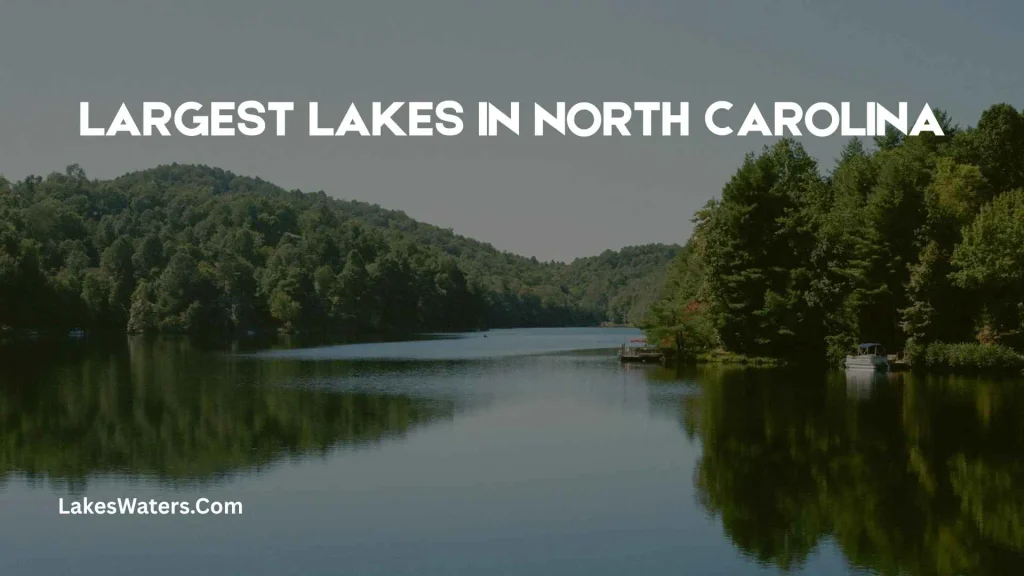
Lake Norman is the largest man-made lake in North Carolina by surface area, covering approximately 32,500 acres. Its size gives visitors extensive opportunities for boating, fishing, water sports, and lakeside recreation.
Several other reservoirs are also large enough to support significant recreational areas. When comparing the largest lakes, it is important to distinguish between man-made reservoirs and natural lakes because their origins and sizes are different.
Are There Any Natural Lakes in North Carolina?
Yes, North Carolina has natural lakes. Although many well-known lakes in the state are reservoirs created by dams, the coastal plain contains naturally formed lakes.
Lake Mattamuskeet and Lake Phelps are two of the best-known examples. These lakes are particularly interesting because they are connected to the unique landscape and wetland environments of eastern North Carolina.
This means that North Carolina offers both reservoir-based recreation and natural-lake experiences, depending on which part of the state you visit.
Best Fishing Lakes in North Carolina
North Carolina has excellent freshwater fishing opportunities, with large reservoirs providing habitat for several popular game fish.
Lake Norman is well known for bass, striped bass, crappie, catfish, and other freshwater species. Badin Lake is another popular destination for anglers, while Lake James offers fishing opportunities in a scenic mountain setting.
For the best fishing experience, choose the lake based on the species you want to catch and whether you plan to fish from a boat or the shoreline. Always check current North Carolina fishing regulations, licensing requirements, seasons, and size or creel limits before fishing.
Mountain Lakes in North Carolina
The mountain region of North Carolina is home to some of the state’s most scenic lake destinations. These lakes combine water recreation with forested mountains, hiking trails, and beautiful seasonal scenery.
Lake James is one of the most prominent examples. Visitors can enjoy swimming, fishing, boating, hiking, and other outdoor activities while surrounded by the Blue Ridge Mountain landscape.
Mountain lakes are especially attractive during autumn when the surrounding forests add colorful scenery to the lake views.
Best Lakes in North Carolina for Swimming
If swimming is your main priority, choose a lake with an established swimming area rather than simply entering the water at an undeveloped shoreline.
Lake Phelps is a strong option because Pettigrew State Park has a designated swimming area. Some other state parks also provide beaches or seasonal swimming areas around their lakes.
For families, look for lakes with maintained beaches, nearby restrooms, parking, picnic areas, and clearly marked swimming zones. Conditions and access can change seasonally, so check current park information before visiting.
How Many Lakes in North Carolina?
There is no single universally accepted number of lakes in North Carolina because different sources use different definitions. Some lists count only named lakes, while others include reservoirs, smaller water bodies, ponds, or seasonal lakes.
The state maintains extensive lake-monitoring programs, and its Ambient Lakes Monitoring Program samples approximately 160 lakes on a rotating schedule. This shows that North Carolina has a substantial network of monitored lakes and reservoirs.
For this reason, it is more useful to distinguish between major recreational lakes, natural lakes, reservoirs, and smaller water bodies rather than relying on one total number.
Beautiful Lakes Near Me
If you are looking for beautiful lakes near you in North Carolina, your best option depends on the part of the state you are visiting.
Near Charlotte, Lake Norman and Lake Wylie are convenient choices. Around central North Carolina, Badin Lake and Jordan Lake offer opportunities for outdoor recreation. In the western part of the state, Lake James provides mountain scenery and water activities.
Eastern North Carolina offers a different type of beauty, with natural lakes such as Lake Phelps and Lake Mattamuskeet surrounded by wetlands and wildlife habitat.
Lakes in North Carolina to Vacation
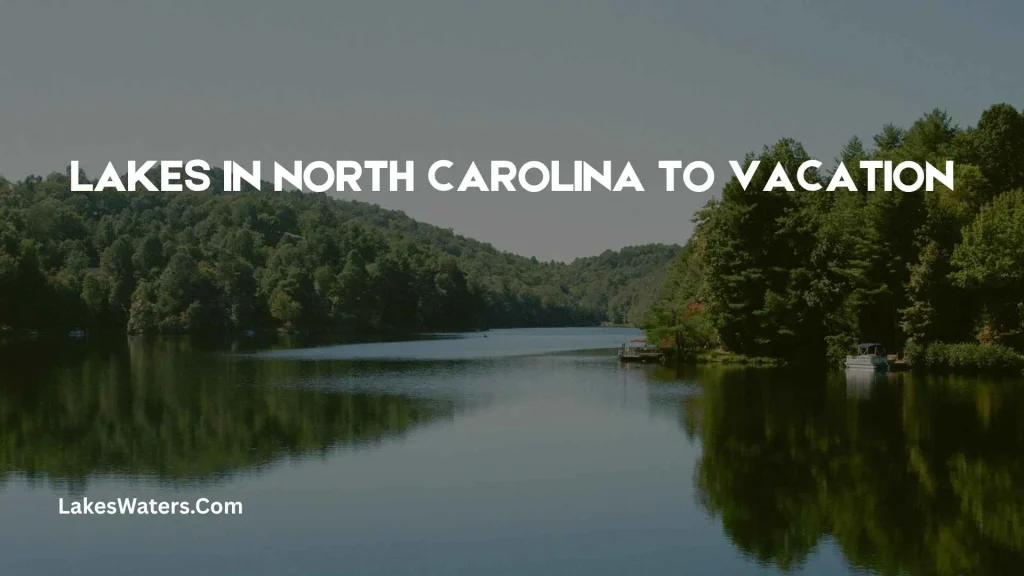
North Carolina has lakes suitable for day trips, weekend getaways, and longer vacations.
Lake Norman is a good choice for visitors who want boating, fishing, restaurants, accommodations, and easy access to nearby communities.
Lake James is ideal for travelers who prefer mountain scenery combined with hiking, swimming, fishing, and boating.
Badin Lake is a strong option for a quieter outdoor vacation, particularly for visitors who enjoy fishing, camping, and exploring nearby forestland.
Lake Phelps offers a more nature-focused getaway with swimming, paddling, fishing, hiking, and wildlife viewing.
When planning a lake vacation, consider the season, accommodation options, swimming access, boat ramps, hiking trails, fishing opportunities, and nearby attractions.
North Carolina Lakes at a Glance
| Lake | Best For | Region | Natural or Man-Made |
| Lake Norman | Boating & lake living | Piedmont | Man-made |
| Lake James | Mountain scenery | Western NC | Man-made |
| Badin Lake | Fishing & outdoor recreation | Central NC | Man-made |
| Lake Phelps | Swimming & nature | Eastern NC | Natural |
| Lake Mattamuskeet | Wildlife & birdwatching | Eastern NC | Natural |
| Lake Gaston | Boating & vacation homes | Northeastern NC | Man-made |
| Lake Wylie | Water recreation | Southern NC | Man-made |
| Jordan Lake | Swimming & camping | Central NC | Man-made |
| High Rock Lake | Fishing & boating | Central NC | Man-made |
History and Background
Many well-known North Carolina lakes are reservoirs created for power, flood control, water supply, or regional development. Over time, they became recreation hubs with marinas, campgrounds, beaches, parks, vacation homes, and lake towns.
Lake Norman was created on the Catawba River system and is now closely tied to the Charlotte region’s outdoor lifestyle. Jordan Lake and Falls Lake serve important roles for the Triangle area while also providing public recreation. Fontana Lake and Fontana Dam are connected to the Tennessee Valley Authority system, mountain history, and the remote landscape around Great Smoky Mountains National Park. TVA describes Fontana Reservoir as a scenic mountain setting where fishing, boating, and swimming are popular.
For visitors, the history matters because it explains why many North Carolina lakes have managed access points instead of one single entrance. A lake may have state park areas, county parks, private marinas, residential communities, campgrounds, and boat ramps managed by different organizations.
Main Experience at Lakes in North Carolina
Scenic Views
The scenery is one of the biggest reasons people choose lakes in North Carolina. Western lakes often have the most dramatic views because the water sits near wooded ridges, Blue Ridge foothills, or Smoky Mountain landscapes.
Lake Lure is known for mountain scenery near Chimney Rock and Asheville. The Town of Lake Lure describes the area as surrounded by hardwood forests and located about 25 miles southeast of Asheville. Lake James and Fontana Lake also work well for travelers who want wide water, mountain backdrops, and a quieter outdoor feel.
Central lakes such as Jordan Lake and Falls Lake feel more wooded and practical. They are strong choices for camping, boating, swimming, and easy access from Raleigh, Durham, Cary, Apex, and Chapel Hill.
Lake Activities
Common lake activities in North Carolina include:
- Kayaking and canoeing
- Paddleboarding
- Pontoon boating
- Fishing
- Swimming at designated areas
- Camping
- Hiking nearby trails
- Picnicking
- Birdwatching
- Sunset photography
- Cabin stays and lake house rentals
Not every lake allows every activity in every area. Always check local rules before assuming that swimming, alcohol, pets, fires, boats, or rentals are allowed.
Boating
Boating is one of the most popular reasons to visit North Carolina lakes. Lake Norman, Jordan Lake, Falls Lake, Kerr Lake, Fontana Lake, and Lake James all attract boaters, though the access style varies.
The North Carolina Wildlife Resources Commission provides more than 250 free boating access areas across more than 100 bodies of water, which can help visitors find boat ramps and access points. The same agency also notes that people born on or after January 1, 1988 must complete an approved boating education course before operating certain motorized vessels of 10 horsepower or greater.
Fishing
Fishing is another major draw. Anglers visit North Carolina lakes for bass, catfish, crappie, sunfish, trout in some mountain areas, and other freshwater species. Rules can change by water body, season, species, and license type.
If you plan to fish, confirm whether you need an inland fishing license and check current regulations. North Carolina fishing rules are enforced by state wildlife officers, and regulations can vary depending on location and species.
Swimming
Swimming access depends on the lake. Some state recreation areas and parks have designated swim beaches during certain seasons. Other lakes may have private beaches, resort beaches, or no lifeguarded swimming at all.
For families, this is one of the most important details to check before choosing a lake. Look for designated swimming areas, water quality updates, lifeguard information, restroom access, shade, and parking.
Hiking
Many North Carolina lakes have nearby trails. Lake Norman State Park is known for the Itusi Trail, a popular mountain biking trail system with nearly 31 miles of single-track trail. Falls Lake includes a portion of the Mountains-to-Sea State Trail and has access to hiking and mountain biking opportunities.
Western lakes often pair well with mountain hikes, waterfalls, scenic overlooks, and state parks. Fontana Lake is especially appealing for travelers who want remote trails and Smoky Mountains access.
Camping
Camping is strong at several North Carolina lakes. Jordan Lake has more than 1,000 campsites across multiple access areas, making it one of the best choices for campers near the Triangle. Falls Lake also has more than 300 campsites and multiple access areas.
Campground demand can be high during spring, summer, fall weekends, and holidays. Reserve early and confirm rules for pets, quiet hours, generators, RV hookups, dump stations, firewood, and check-in times.
Dining
Dining depends heavily on the lake. Lake Norman has the strongest mix of nearby restaurants, lake towns, shopping areas, and casual dining because it sits close to Charlotte and several communities. Smaller mountain lakes may have fewer choices but can offer charming local restaurants, resorts, or picnic-friendly settings.
If food is important to your trip, check current restaurant hours before leaving. Seasonal staffing, private events, weather, and holiday schedules can affect availability.
Photography
North Carolina lakes are great for photography because they offer water reflections, wooded shorelines, mountain backdrops, wildlife, boats, sunsets, docks, and family moments. Lake Lure, Lake James, Fontana Lake, and Lake Norman are especially photogenic in different ways.
Morning is often best for calm water and softer light. Sunset can be beautiful, but parking areas may be busier during warm-weather weekends.
Family Activities
Families should look for lakes with easy parking, restrooms, picnic tables, clear swimming rules, playgrounds, short trails, rentals, and nearby food. Jordan Lake, Falls Lake, Lake Norman, and Lake James can work well, depending on the access point.
For younger children, choose a lake with simple logistics instead of the most dramatic scenery. A beautiful lake with limited parking, long walks, or unclear swimming access may be stressful for families.
Things to Do at Lakes in North Carolina
The best things to do at lakes in North Carolina depend on the region and lake type.
At Lake Norman, visitors often combine boating, waterfront dining, parks, shopping, and nearby towns such as Davidson, Cornelius, Huntersville, and Mooresville. Lake Norman is especially practical for travelers near Charlotte who want a lake day without driving into the mountains.
At Jordan Lake, the main activities are camping, swimming, boating, fishing, picnicking, and wildlife watching. It is a strong choice for Raleigh-Durham families who want an easy outdoor escape.
At Falls Lake, visitors can camp, hike, paddle, fish, swim in designated areas, and use multiple access points. It is convenient for Durham, Raleigh, Wake Forest, and nearby Triangle communities.
At Lake James, the experience is more mountain-oriented. You can enjoy clear water views, paddling, hiking, camping, and scenic relaxation near Morganton, Marion, and Asheville.
At Lake Lure, the appeal is romantic scenery, mountain views, nearby Chimney Rock, lakefront lodging, and photo-friendly travel.
At Fontana Lake, expect a more remote feel, Smoky Mountains scenery, boating, fishing, and hiking access. It is better for outdoor travelers than for visitors who want a busy town scene.
Best Time to Visit Lakes in North Carolina
The best time to visit lakes in North Carolina is usually late spring through early fall, but each season has a different feel.
Spring is great for hiking, fishing, mild weather, wildflowers, and fewer crowds than summer. Water may still be cool, so check swimming conditions.
Summer is best for boating, swimming, paddleboarding, family vacations, lake rentals, and long daylight hours. It is also the busiest and often the most expensive season for lodging and rentals.
Fall is one of the best times for mountain lakes. The weather is cooler, crowds may thin after peak summer, and fall color can make lakes such as Lake James, Lake Lure, and Fontana Lake especially beautiful.
Winter is quieter. It can be peaceful for hiking, photography, fishing, and cabin stays, but some rentals, concessions, beaches, and services may be closed or limited.
Avoid visiting without checking the forecast during severe storms, high winds, flooding, extreme heat, or poor water conditions. Boaters should pay close attention to wind, visibility, and lake level updates.
Are Lakes in North Carolina Good for Families?
Yes, many lakes in North Carolina are good for families, especially if you choose the right access point. A family-friendly lake trip should be easy, safe, and realistic.
Look for:
- Designated swimming areas
- Restrooms or bathhouses
- Picnic tables
- Easy parking
- Short walking distances
- Shade
- Calm areas for paddling
- Nearby food or supplies
- Clear rules for pets and children
- Life jacket requirements
Jordan Lake and Falls Lake are strong family choices because they have multiple recreation areas and camping options. Lake Norman can also be family-friendly, especially around parks and managed access points. Lake James works well for families who want mountain scenery and outdoor recreation without a heavy commercial feel.
The main safety tip is simple: do not treat every shoreline like a swimming beach. Use designated swim areas when possible, supervise children closely, and bring properly fitted life jackets.
Are Lakes in North Carolina Good for Couples?
Yes, lakes in North Carolina can be excellent for couples. The best lake depends on the mood you want.
For a romantic mountain trip, Lake Lure, Lake James, and Fontana Lake are strong choices. They offer scenic views, cabins, quiet mornings, sunset photos, and nearby mountain drives.
For a date near a city, Lake Norman works well because you can mix lake views with dining, shopping, boat rentals, and small-town stops. Davidson, Cornelius, Huntersville, and Mooresville give couples more options before or after time on the water.
For peaceful couples who want camping, kayaking, and simple outdoor time, Jordan Lake and Falls Lake can be practical and affordable.
Couples planning proposals, engagement photos, elopements, or weddings should confirm photography rules, event permits, access times, parking, and backup plans before making arrangements.
Weddings and Events at Lakes in North Carolina
Lakes in North Carolina can be beautiful settings for weddings, family reunions, corporate retreats, birthday gatherings, rehearsal dinners, and small private events. The right lake venue may offer water views, sunset photos, dockside portraits, indoor event rooms, outdoor ceremony lawns, lodging, catering, or nearby restaurants.
However, not every lake access area is an event venue. Public parks may require permits, shelters may need reservations, and private venues may have strict policies. Some lakes are better for casual gatherings, while others are better for full-service weddings.
Lake Norman and Lake Lure are especially popular for lake-view weddings and private events because they have nearby venues, lodging, dining, and scenic backdrops. Mountain lakes can feel more intimate, while larger reservoirs near metro areas may be more convenient for guests.
Wedding Planning Questions to Ask
Before booking a lake wedding or event venue, ask:
- What ceremony locations are available?
- What is the rain backup plan?
- What is the guest capacity?
- Are food and beverage packages available?
- Are bar packages available?
- Are outside vendors allowed?
- Is parking available?
- Are tables, chairs, linens, and setup included?
- Are there service charges or taxes?
- What is the deposit and cancellation policy?
- Are there photo restrictions?
- Is the space private or shared with public visitors?
- Are there noise rules or event end times?
- Is lodging available nearby?
- Are restrooms convenient for all guests?
- Is the venue accessible for older guests or guests with mobility needs?
Dining and Food Options
Dining around lakes in North Carolina varies a lot. Some lake areas have waterfront restaurants, marina food, breweries, cafes, and nearby downtown dining. Others are more remote and require packing a cooler or driving to the nearest town.
Lake Norman has some of the strongest dining options because of its location near multiple towns north of Charlotte. Visitors can often combine lake activities with restaurants, shopping, and evening entertainment.
Lake Lure and western lake towns may offer scenic local dining, resort restaurants, casual grills, and mountain-town cafes. Jordan Lake and Falls Lake are more park-focused, so many visitors bring picnic food or eat in nearby towns before or after their lake trip.
Always check current menus, hours, reservations, seasonal closures, and parking before planning your day around a specific restaurant.
How Much Do Lakes in North Carolina Cost?
Costs vary depending on the lake, season, access point, and activity. Do not assume every lake is free or every activity is included.
Common cost factors include:
- State park or recreation area entrance fees
- Parking fees
- Boat launch fees
- Boat rentals
- Kayak or paddleboard rentals
- Camping reservations
- Cabin or vacation rental pricing
- Fishing licenses
- Guided tours
- Lake cruises
- Dining
- Wedding venue fees
- Private event packages
- Seasonal pricing
- Group rentals
North Carolina State Parks notes that vehicle entrance fees apply at Falls Lake, Jordan Lake, and Kerr Lake state recreation areas during certain peak periods, while other days and months may not have the same day-use entry fee. Always check the current official fee page before visiting.
Fishing may also require a valid license depending on your age, residency, and where you fish. North Carolina license details can change, so confirm current requirements before your trip.
Review Summary: What Visitors Commonly Like
Visitors commonly like North Carolina lakes for scenery, fresh air, open water, outdoor activities, camping, fishing, and family time. Many people appreciate that the state offers both easy-access city-area lakes and more peaceful mountain lakes.
Common positive themes include:
- Beautiful lake views
- Good boating and paddling options
- Family-friendly picnic and camping areas
- Convenient access near Charlotte or the Triangle
- Mountain scenery in western North Carolina
- Fishing opportunities
- Sunset photography
- Peaceful weekday visits
- Good choices for cabins and weekend trips
Balanced reviews often depend on timing. A lake that feels peaceful on a weekday morning may feel crowded on a summer Saturday. A campground that works well for one family may not suit someone wanting luxury lodging. That is why it helps to choose by purpose, not just by popularity.
Possible Concerns to Check Before Visiting or Booking
Before visiting or booking a lake trip in North Carolina, check:
- Weather conditions
- Storm or wind alerts
- Water safety updates
- Swimming area status
- Parking availability
- Seasonal closures
- Current entrance fees
- Boat ramp conditions
- Fishing rules
- Pet policies
- Campground availability
- Rental cancellation rules
- Restaurant hours
- Private events affecting access
- Wedding or event deposit policies
- Local traffic during peak weekends
The biggest mistake is assuming all lake access is the same. Large lakes may have many entrances, and each one can offer a different experience. One access point may have a swim beach, while another may be better for boat ramps or camping.
Who Should Visit Lakes in North Carolina?
Lakes in North Carolina are a good fit for:
- Families who want swimming, picnics, camping, and easy outdoor time
- Couples who want scenic views, cabins, photos, or quiet weekends
- Boaters who want large reservoirs and public access points
- Anglers looking for freshwater fishing
- Campers who want state recreation areas and lakeside stays
- Outdoor lovers who enjoy hiking, paddling, and wildlife
- Photographers looking for water, mountains, sunsets, and reflections
- Local visitors planning a day trip from Charlotte, Raleigh, Durham, or Asheville
- Tourists building a North Carolina road trip
- Wedding couples looking for lake-view venues
- Corporate groups wanting retreats or private event spaces
Who May Not Find It Ideal?
North Carolina lakes may not be ideal for every traveler.
You may not enjoy a lake trip if you want guaranteed luxury service, nightlife within walking distance, ocean waves, saltwater beaches, or fully controlled weather. Some lake areas are rustic, seasonal, or spread out.
A lake may also feel inconvenient if you do not like driving between access points, packing supplies, checking regulations, or planning around weather. Public lakes can be crowded during summer weekends, and popular campgrounds may book up early.
If you need a simple, no-planning vacation, consider a full-service resort, hotel near a lake town, or a guided rental experience instead of a remote public access point.
Pros and Cons of Lakes in North Carolina
Pros
- Many lake styles across one state
- Strong options near Charlotte, Raleigh, Durham, and Asheville
- Good mix of boating, fishing, swimming, hiking, and camping
- Beautiful mountain lake scenery in western North Carolina
- Family-friendly public recreation areas
- Romantic lake towns and cabin options
- Good choices for photographers and outdoor travelers
- Event and wedding venue possibilities near several lakes
- Year-round appeal for hiking, fishing, and scenic drives
Cons
- Summer weekends can be crowded
- Parking may fill early at popular access points
- Fees and rules vary by lake and season
- Not every lake has designated swimming
- Some restaurants and rentals are seasonal
- Weather can change plans quickly
- Boating areas may feel busy during peak season
- Wedding and event pricing can vary widely
- Public access may be limited in some private lake communities
Tips Before Visiting Lakes in North Carolina
For First-Time Visitors
Pick the lake based on your goal. If you want to go boating near Charlotte, look at Lake Norman. If you want camping near Raleigh, compare Jordan Lake and Falls Lake. If you want mountain views, consider Lake James, Lake Lure, or Fontana Lake.
Check the exact access point before driving. A lake name alone is not enough.
For Families
Choose a managed recreation area with restrooms, parking, picnic areas, and designated swim access. Bring life jackets, sunscreen, snacks, water shoes, towels, bug spray, and a backup plan if the weather changes.
Arrive early on summer weekends.
For Couples
Plan around the mood you want. For romantic scenery, choose a mountain lake. For dining and a more social day, Lake Norman may be a better fit. For quiet time, consider weekday mornings or shoulder-season visits.
For Event Planners
Ask about parking, guest capacity, indoor backup space, vendor rules, setup time, noise limits, catering, alcohol policies, and cleanup requirements. Lake venues are beautiful, but weather planning is essential.
For Golfers
Some North Carolina lake areas are near golf courses, country clubs, and resort-style communities, especially around Lake Norman and western resort regions. If golf is a priority, compare tee time availability, course distance from lodging, dining options, and whether the course is public or private.
For Diners
Do not assume lakefront dining is available at every lake. Check current hours, reservations, parking, seasonal closures, and whether the restaurant is actually on the water or simply nearby.
For Outdoor Visitors
Bring a physical backup plan in case cell service is weak. Check trail maps, boat ramp locations, water levels, fishing rules, and weather conditions. Respect no-wake zones, wildlife areas, and posted safety signs.
Nearby Alternatives to Compare
When choosing among lakes in North Carolina, compare nearby alternatives instead of picking the most famous name first.
Useful things to compare include:
- Distance from your home or hotel
- Parking access
- Entrance fees
- Boat ramps
- Swimming beaches
- Campground availability
- Cabin and lodging options
- Fishing rules
- Dining nearby
- Family-friendliness
- Wedding capacity
- Event restrictions
- Lake views
- Reviews
- Pet rules
- Distance from grocery stores and supplies
Popular alternatives to compare include Lake Norman, Jordan Lake, Falls Lake, Lake James, Lake Lure, Fontana Lake, Kerr Lake, High Rock Lake, Badin Lake, Lake Glenville, and Belews Lake.
Lakes in North Carolina vs Other Local Options

Lakes in North Carolina are different from beaches, rivers, waterfalls, and mountain parks because they offer a balanced mix of water recreation and land-based activities.
Compared with North Carolina beaches, lakes are often easier for inland residents to reach and may offer calmer water, freshwater fishing, camping, and mountain scenery. Beaches are better if you want ocean waves, seafood towns, and a coastal vacation feel.
Compared with rivers, lakes usually offer more space for boating, paddling, swimming areas, and lakefront lodging. Rivers may be better for tubing, rafting, and moving-water adventures.
Compared with mountain overlooks, lakes provide a slower pace. You can still get beautiful views, but you also have options for kayaking, picnicking, fishing, and family activities.
For many travelers, the best choice is not “lake or mountains.” In western North Carolina, you can often enjoy both.
Frequently Asked Questions About Lakes in North Carolina
What are the best lakes in North Carolina to visit?
Some of the best lakes in North Carolina include Lake Norman, Jordan Lake, Falls Lake, Lake James, Lake Lure, Fontana Lake, Kerr Lake, Lake Glenville, High Rock Lake, and Badin Lake. The best choice depends on whether you want boating, camping, fishing, swimming, mountain views, dining, or a family-friendly day trip.
What is the best lake near Charlotte, NC?
Lake Norman is the most popular lake near Charlotte. It is north of the city and offers boating, parks, dining, nearby towns, lake houses, and weekend activities. Lake Wylie is another option near the Charlotte area.
What is the best lake near Raleigh, NC?
Jordan Lake and Falls Lake are two of the best lakes near Raleigh. Jordan Lake is popular for camping, boating, and swimming, while Falls Lake offers multiple access areas, trails, camping, and paddling opportunities.
Are lakes in North Carolina good for swimming?
Some lakes in North Carolina have designated swimming areas, especially at state recreation areas and managed parks. Swimming rules vary by access point, season, and water conditions, so always confirm before visiting.
Do lakes in North Carolina have entrance fees?
Some lake access areas may charge entrance, parking, activity, camping, or rental fees. North Carolina State Parks lists seasonal entrance fees for certain state recreation areas, including Falls Lake, Jordan Lake, and Kerr Lake during specific peak periods.
Can you camp at lakes in North Carolina?
Yes, many lakes in North Carolina offer camping. Jordan Lake and Falls Lake are especially popular for camping near the Triangle. Lake James, Kerr Lake, and other state park or recreation areas also offer camping options, depending on availability and season.
Which North Carolina lake is best for mountain views?
Lake Lure, Lake James, Fontana Lake, and Lake Glenville are strong choices for mountain lake views. Fontana Lake is especially scenic for travelers who want a Smoky Mountains setting.
Are North Carolina lakes good for boating?
Yes, many North Carolina lakes are good for boating. Lake Norman, Jordan Lake, Falls Lake, Kerr Lake, Lake James, and Fontana Lake are popular boating destinations. Check boat ramp access, rental rules, safety requirements, and no-wake zones before going.
Do I need a fishing license at North Carolina lakes?
Many anglers age 16 and older need a valid fishing license, but requirements depend on where and how you fish. Check current North Carolina Wildlife Resources Commission rules before fishing.
Are lakes in North Carolina family-friendly?
Yes, many are family-friendly, especially lakes with managed recreation areas, restrooms, picnic spaces, swimming beaches, short trails, and parking. Jordan Lake, Falls Lake, Lake Norman, and Lake James are good places to start comparing.
Which North Carolina lake is best for couples?
Lake Lure is a popular choice for couples because of its romantic mountain scenery. Lake James and Fontana Lake are also good for peaceful trips, while Lake Norman works well for couples who want dining and activities near Charlotte.
Can you have a wedding at a North Carolina lake?
Yes, many lake areas have wedding venues, resorts, parks, inns, and private event spaces. You may need permits or venue reservations, especially for public parks or large gatherings. Always ask about capacity, rain backup, catering, parking, and photo rules.
Are there restaurants on lakes in North Carolina?
Some lakes have waterfront or nearby restaurants, especially Lake Norman and popular lake towns. More remote lakes may have limited dining, so check current hours and consider bringing food.
What is the best time to visit lakes in North Carolina?
Late spring, summer, and early fall are the most popular times. Summer is best for swimming and boating, while fall is excellent for mountain lake scenery. Spring is good for hiking, fishing, and fewer crowds.
Are dogs allowed at lakes in North Carolina?
Dog rules vary by park, beach, campground, marina, and trail. Many outdoor areas allow leashed pets, but some swimming beaches, buildings, or event spaces may restrict them. Confirm pet policies before visiting.
What should I bring to a North Carolina lake?
Bring sunscreen, water, snacks, towels, water shoes, life jackets, bug spray, a phone charger, trash bags, weather-appropriate clothing, and any required permits or reservations. For boating or fishing, bring proper safety gear and licenses.
Final Thoughts
Lakes in North Carolina are worth exploring because they offer so many different travel experiences in one state. You can plan a quick family picnic near Raleigh, a boating weekend near Charlotte, a romantic mountain escape near Lake Lure, or a peaceful outdoor trip near Fontana Lake.
The smartest way to choose is to match the lake to your purpose. Families should prioritize safety, parking, restrooms, and easy access. Couples may care more about scenery, lodging, and dining. Campers and boaters should check reservations, ramps, rules, and weather.
Before you travel or book, confirm current fees, hours, swimming access, water conditions, rentals, restaurant schedules, and event policies with the official source. A little planning can make your lake trip smoother, safer, and much more enjoyable.

I am Ethan Reynolds, a nature researcher and writer focused on freshwater environments, aquatic ecosystems, and sustainable water solutions.
I enjoy sharing knowledge about lakes, rivers, wetlands, and the challenges facing global water resources.
My goal is to help readers understand the value of water and encourage responsible actions to protect it.
Books by Ethan Reynolds:
- Lakes and Landscapes: Stories from Nature
- Protecting Water for Future Generations