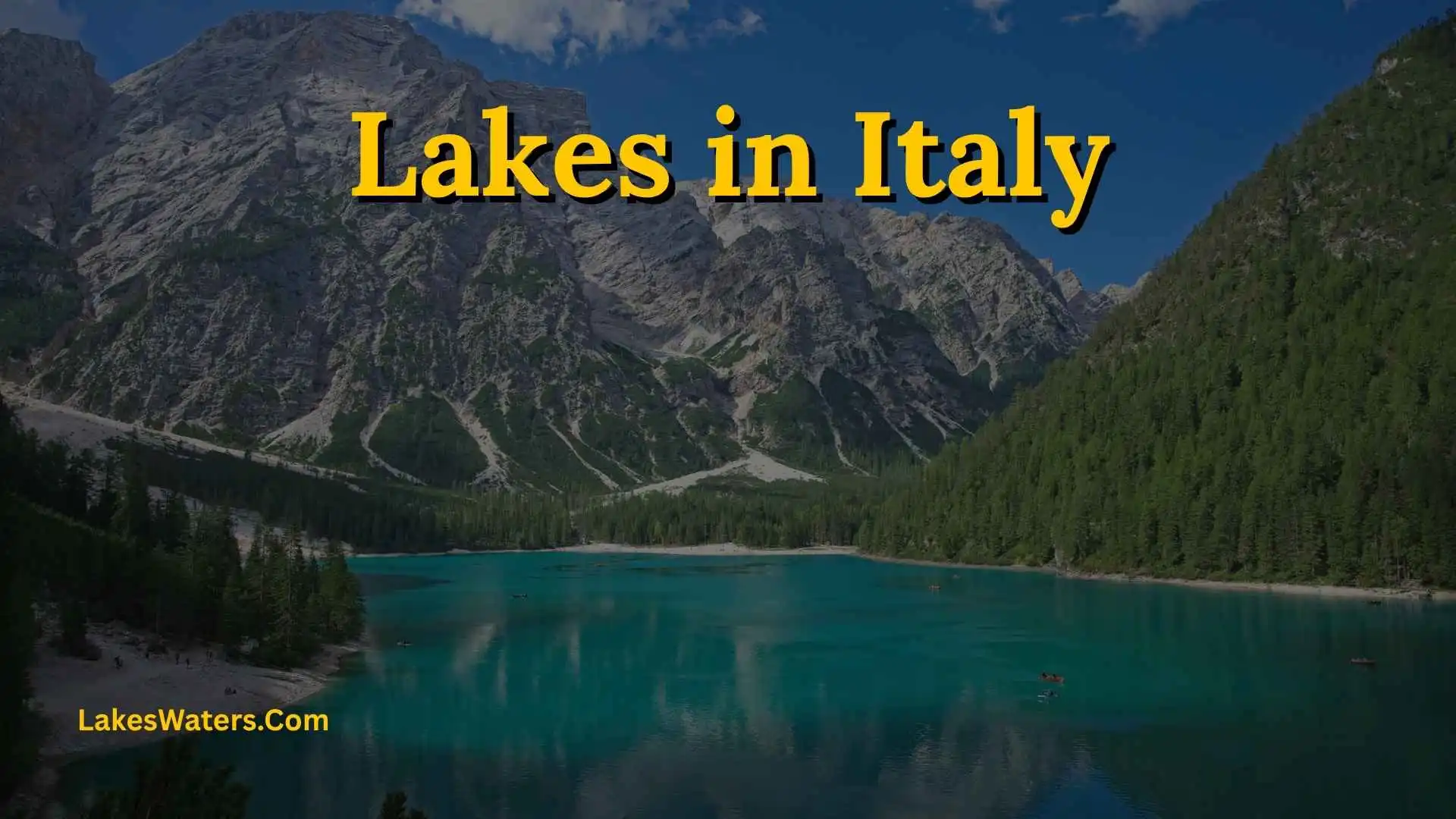
Italy is home to far more than famous cities, historic monuments, and Mediterranean beaches. Its lakes offer a different way to experience the country, combining clear water with Alpine mountains, rolling countryside, historic villages, gardens, castles, islands, hiking trails, and outdoor activities.
If you are searching for lakes in Italy, the most famous names are likely to be Lake Garda, Lake Como, and Lake Maggiore. But Italy’s lake landscape extends much further. Lake Iseo offers access to Monte Isola and the Franciacorta area, Lake Trasimeno brings together water and central Italian countryside, Lake Bolsena and Lake Bracciano show the volcanic side of Lazio, while Lake Braies provides a dramatic Dolomite setting.
Official Italian tourism information describes more than 1,500 Italian lakes, with very different origins and landscapes, including glacial and volcanic lakes.
This guide explains where Italy’s major lakes are, what makes each one different, which lakes suit families, couples, hikers, swimmers, and photographers, how Italian lakes were formed, and how to choose the right destination for your trip.
Quick Answer: What Are the Best Lakes in Italy?
The best lake depends on what you want from your trip.
- Lake Garda: Best for families, water sports, historic towns, beaches, and a wide range of activities.
- Lake Como: Best for dramatic scenery, villas, gardens, villages, and boat trips.
- Lake Maggiore: Best for islands, gardens, historic residences, and mountain scenery.
- Lake Iseo: Best for a quieter northern lake experience, cycling, villages, and Monte Isola.
- Lake Braies: Best for alpine scenery, photography, and hiking.
- Lake Trasimeno: Best for central Italy, cycling, islands, and relaxed lakeside travel.
- Lake Bolsena: Best for volcanic scenery, water activities, walking, and countryside.
- Lake Bracciano: Best for a protected natural setting and water sports near Rome.
- Lake Scanno: Best for mountain scenery, walking, and a peaceful escape.
There is no single lake that is ideal for every traveler. The major destinations differ considerably in landscape, size, transportation, activities, and atmosphere.
Why Are There So Many Lakes in Italy?
Italy’s lakes exist because the country has an unusually varied geological and physical landscape. The Alps, Apennines, volcanic areas, river valleys, and coastal environments have all contributed to the formation of different types of lakes.
Official Italian tourism information describes Italian lakes as including both glacial and volcanic basins, while others are found close to the sea or among mountain landscapes.
Glacial Lakes in Northern Italy
Many of the major lakes in northern Italy are associated with the Alpine landscape and past glacial activity.
During the Ice Age, glaciers moved through valleys, eroding and reshaping the landscape. When the climate warmed and the ice retreated, some of the excavated basins remained filled with water.
Lake Como and Lake Maggiore are examples of major northern lakes whose landscapes are closely connected with glacial processes. Treccani describes Lake Maggiore as occupying a large Alpine valley shaped by glacial erosion, while Lake Como is also associated with the advance of Alpine glaciers.
This history helps explain why many northern Italian lakes have steep mountain walls, deep water, narrow sections, and dramatic shorelines.
Volcanic Lakes in Central Italy
Central Italy has a different lake story.
The Lazio region contains several lakes associated with volcanic activity. Lake Bolsena, Lake Bracciano, Lake Vico, Lake Nemi, and Lake Martignano are examples of lakes within volcanic landscapes.
Italy’s official tourism portal describes the volcanic lakes of Lazio as basins formed in or around the craters of extinct volcanoes.
This creates a very different visual experience from the Alpine lakes. Instead of towering mountains immediately surrounding the water, travelers may find wooded hills, circular lake basins, villages, archaeological sites, and countryside.
Landslide-Formed Lakes
Not every mountain lake is glacial.
Lake Braies in South Tyrol is a useful example. Official tourism information explains that a major landslide blocked the Rio Braies, creating a natural barrier and forming the lake. It is therefore not a typical glacial or moraine lake.
This is an important reminder that the appearance of a lake does not always reveal how it formed.
Where Are the Lakes in Italy?
Italian lakes are spread across the country, but the largest concentration of famous tourist lakes is in northern and central Italy.
Northern Italy
Northern Italy contains many of the country’s best-known lakes, especially in Lombardy, Piedmont, Veneto, Trentino-Alto Adige/Südtirol, and nearby Alpine areas.
The major names include:
- Lake Garda
- Lake Como
- Lake Maggiore
- Lake Iseo
- Lake Orta
- Lake Idro
- Lake Lugano, which is shared with Switzerland
- Lake Braies in South Tyrol
Lombardy is particularly important for lake travel. Official regional planning documents identify numerous significant lakes in the region, including Garda, Lugano, Idro, Como, Iseo, and Maggiore.
Central Italy
Central Italy provides a different style of lake destination.
Important examples include:
- Lake Trasimeno in Umbria
- Lake Bolsena in Lazio
- Lake Bracciano in Lazio
- Lake Vico in Lazio
- Lake Nemi in Lazio
These destinations can work well for travelers who want to combine lakes with historic towns, countryside, food, walking routes, and cultural attractions.
Southern Italy
Southern Italy also has lake environments, particularly in Puglia’s Gargano area.
Lake Lesina and Lake Varano are coastal lakes separated from the Adriatic Sea by narrow landforms. Their landscapes are different from the large Alpine lakes and can be interesting for travelers who want to combine freshwater environments, wetlands, coastal scenery, and nature. Italy’s official tourism portal includes both among its major active-lake destinations.
Best Lakes in Italy to Visit
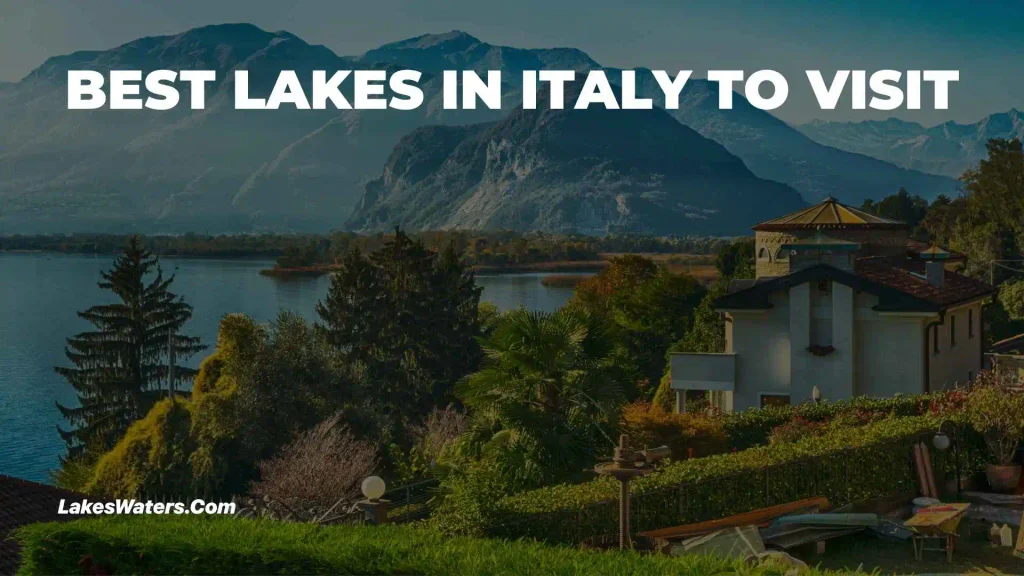
The most suitable lake depends on your interests. The following destinations provide a useful starting point.
Lake Garda: Best for Families and Outdoor Activities
Lake Garda is the largest lake in Italy and extends across Lombardy, Veneto, and Trentino-Alto Adige/Südtirol. Its shoreline combines mountains, plains, historic towns, beaches, castles, archaeological sites, and opportunities for water sports.
Popular places include Sirmione, Desenzano del Garda, Peschiera del Garda, Limone sul Garda, Riva del Garda, and Gardone Riviera.
Sirmione is known for Scaligero Castle and the Grottoes of Catullus. Peschiera has a historic fortified setting, while Gardone Riviera is associated with the Vittoriale degli Italiani. Families can also visit Gardaland.
Water activities include sailing, windsurfing, kitesurfing, diving, and other outdoor pursuits.
Choose Lake Garda if you want: variety, family attractions, water sports, beaches, cycling, historic towns, and a longer itinerary.
Lake Como: Best for Villas, Villages, and Scenery
Lake Como is one of the most recognizable Italian lakes. It is located in Lombardy and has a distinctive shape with several branches surrounded by mountains.
The landscape combines water, forests, gardens, historic villas, and villages. Bellagio occupies a central position where the lake’s branches meet, while Como, Lecco, Varenna, Menaggio, Cernobbio, and other communities provide different bases for exploration.
Boat transportation is especially useful because many lakeside destinations are easier to connect by water than by road. Official tourism information specifically highlights boat travel as an effective way to experience the lake.
Choose Lake Como if you want: villas, gardens, scenic villages, boat trips, mountain views, and a slower sightseeing experience.
Lake Maggiore: Best for Islands and Gardens
Lake Maggiore lies across northern Italy and Switzerland, with Italian shores in Piedmont and Lombardy.
Its best-known attractions include the Borromean Islands near Stresa. Isola Bella is famous for its Baroque palace and formal gardens, Isola Madre contains a historic residence and English-style garden, and Isola dei Pescatori is the smallest and only continuously inhabited island of the group.
Stresa is an important base for exploring the lake and provides access to the islands.
Choose Lake Maggiore if you want: islands, gardens, historic residences, mountain scenery, and boat excursions.
Lake Iseo: Best for a Quieter Northern Lake Experience
Lake Iseo sits between Brescia and Bergamo in Lombardy. It is surrounded by mountains, hills, vineyards, and historic villages.
Monte Isola is the lake’s defining feature. It rises prominently from the water and can be reached by boat from the lakeshore.
The area also suits cycling, walking, food and wine experiences, and village visits. Official tourism information highlights places such as Iseo, Lovere, and Pisogne, along with connections to the nearby Franciacorta wine area.
Choose Lake Iseo if you want: cycling, villages, local food, wine-country connections, and a less overwhelming lake itinerary.
Lake Braies: Best for Alpine Scenery and Photography
Lake Braies is located in South Tyrol at approximately 1,490 meters above sea level in the Fanes-Senes-Braies Nature Park.
Its green water, forested shoreline, and surrounding Dolomite peaks make it one of Italy’s most recognizable alpine lake landscapes.
A walk around the lake takes roughly an hour to an hour and a half depending on conditions and pace, while more demanding hiking routes lead into the surrounding mountains. Rowboats are available in summer under local arrangements.
Because its popularity has created pressure on the local environment, access restrictions and transportation controls can apply during busy periods. Official information currently notes summer access limitations, including shuttle or cycling arrangements and parking requirements.
Choose Lake Braies if you want: dramatic mountain scenery, photography, hiking, and an alpine setting.
Lake Trasimeno: Best for Central Italy
Lake Trasimeno is in Umbria and provides a different experience from the Alpine lakes.
The lake has three islands—Polvese, Maggiore, and Minore—and towns such as Castiglione del Lago, Passignano sul Trasimeno, and Tuoro sul Trasimeno provide access to the water.
Cyclists can use a loop of roughly 70 kilometers around most of the lake, while the Via del Trasimeno provides a longer walking route divided into stages.
Choose Lake Trasimeno if you want: central Italian countryside, cycling, walking, islands, and a relaxed pace.
Lake Bolsena: Best for Volcanic Landscapes and Water Activities
Lake Bolsena is in the Viterbo area of Lazio and is the largest volcanic lake in Europe according to Italy’s official tourism portal.
The lake supports activities including kayaking, windsurfing, water skiing, diving, fishing, and sailing. It also connects with historic walking routes such as the Via Francigena.
Choose Lake Bolsena if you want: volcanic scenery, water activities, walking, villages, and central Italian countryside.
Lake Bracciano: Best for Nature Near Rome
Lake Bracciano is a volcanic lake in Lazio and lies within the Bracciano-Martignano protected area.
The surrounding area supports canoeing, sailing, diving, and other water activities. The park also limits motorized watercraft, helping preserve the character of the lake.
The town of Bracciano overlooks the water and is home to the historic Orsini-Odescalchi Castle. Anguillara Sabazia and Trevignano Romano are two other notable lakeside settlements.
Choose Lake Bracciano if you want: a lake near Rome, historic villages, protected nature, and water sports.
Lake Scanno: Best for a Mountain Escape
Lake Scanno lies in Abruzzo in a mountain setting and offers a quieter experience than Italy’s internationally famous northern lakes.
The area is suitable for walking, cycling, picnics, and enjoying the surrounding mountain landscape. Italy’s tourism portal includes Lake Scanno among its recommended destinations for active lake holidays.
Choose Lake Scanno if you want: mountains, nature, walking, and a peaceful atmosphere.
Lakes in Italy by Travel Style
Choosing a travel style is often more useful than choosing a lake simply because it is famous.
Best Lakes for Families
Lake Garda has one of the broadest combinations of family-friendly attractions, beaches, towns, outdoor activities, and entertainment.
Gardaland adds a major amusement-park option, while the lakeside towns provide restaurants, walks, boat trips, and water-based activities.
Lake Iseo can also suit families who prefer cycling, villages, boat trips, and a smaller-scale destination.
For families, check the exact swimming area, accommodation location, transportation, and activity requirements rather than assuming the entire lake is equally suitable for children.
Best Lakes for Couples
Lake Como is particularly suited to travelers looking for scenic villages, villas, gardens, restaurants, and boat rides.
Lake Maggiore provides another option, especially around Stresa and the Borromean Islands, where couples can combine lake views with gardens, historic buildings, and evening walks.
Lake Garda offers a more varied trip, with romantic lakeside towns alongside beaches and outdoor activities.
Best Lakes for Hiking
For serious mountain scenery, Lake Braies is an obvious choice because it sits inside the Fanes-Senes-Braies Nature Park and provides access to numerous mountain trails.
Lake Garda also offers extensive opportunities for walking and hiking around its mountainous shoreline.
Lake Como provides trails with views over the lake and surrounding mountains, while Lake Iseo has routes around Monte Isola and nearby mountain areas.
Best Lakes for Water Sports
Lake Garda is one of the strongest choices for travelers interested in windsurfing, kitesurfing, sailing, diving, and related activities.
Lake Bolsena offers kayaking, windsurfing, water skiing, diving, and sailing.
Lake Bracciano also supports sailing, canoeing, and diving within a protected environment.
Always check local rules and current conditions before swimming or participating in water sports.
Largest Lakes in Italy
Lake size can be measured in different ways, including surface area, volume, and maximum depth. These measurements should not be treated as interchangeable.
For surface area, Lake Garda is the largest lake in Italy. Regional Lombardy data lists Garda at about 368 square kilometers, Lake Maggiore at about 212.5 square kilometers, Lake Como at about 145.9 square kilometers, and Lake Iseo at about 61.8 square kilometers.
| Lake | Approximate Surface Area | Maximum Depth | Main Setting |
| Lake Garda | 368 km² | 350 m | Alpine/pre-Alpine |
| Lake Maggiore | 212.5 km² | 370 m | Alpine |
| Lake Como | 145.9 km² | 410 m | Alpine |
| Lake Iseo | 61.8 km² | 251 m | Pre-Alpine |
| Lake Idro | 11.4 km² | 122 m | Alpine |
The figures above come from a regional study of the major lakes of Lombardy. Different sources may show slightly different measurements depending on the reference dataset and how the lake boundary is defined.
What Is the Largest Lake in Italy?
Lake Garda is the largest lake in Italy by surface area. Treccani also identifies it as the country’s largest lake.
What Is the Deepest Lake in Italy?
Lake Como is deeper than the other major lakes listed in the Lombardy data, with a maximum depth of about 410 meters in that dataset.
This distinction matters because the largest lake is not necessarily the deepest lake.
A Practical Comparison of the Best Italian Lakes
The following table is designed to help you choose a destination based on what you actually want to do.
| Lake | Best For | Scenery | Main Activities | Ideal Trip Style |
| Lake Garda | Families and active trips | Mountains, hills, towns | Water sports, cycling, sightseeing | Active and varied |
| Lake Como | Villas and villages | Mountains and dramatic shoreline | Boat trips, walking, sightseeing | Scenic and relaxed |
| Lake Maggiore | Islands and gardens | Mountains and water | Boat trips, gardens, hiking | Cultural and scenic |
| Lake Iseo | Cycling and villages | Mountains, vineyards, water | Cycling, hiking, boating | Relaxed and local |
| Lake Braies | Alpine scenery | Dolomites and forests | Hiking, walking, photography | Nature-focused |
| Lake Trasimeno | Central Italy | Hills and countryside | Cycling, boating, walking | Peaceful |
| Lake Bolsena | Volcanic landscapes | Countryside and water | Kayaking, sailing, fishing | Outdoor |
| Lake Bracciano | Rome-area getaway | Volcanic hills and lake | Sailing, canoeing, diving | Short escape |
| Lake Scanno | Mountain retreat | Apennine landscape | Walking, cycling, picnics | Quiet and natural |
How to Choose the Right Lake in Italy
You do not need to visit the most famous lake to have the best trip. Start with your priorities.
Choose Lake Garda If You Want Variety
Pick Garda when your group has different interests. One person can spend the day sightseeing, another can cycle, children can enjoy entertainment, and others can participate in water sports.
Its large size also means you can base yourself in different areas depending on whether you prefer the northern mountains or the more open southern shoreline.
Choose Lake Como If Scenery Comes First
Lake Como is a good fit when your ideal trip involves boat rides, historic villas, gardens, mountain views, and picturesque villages.
It is less about checking off a long list of attractions and more about enjoying the relationship between the landscape and the communities around the water.
Choose Lake Maggiore for Islands and Gardens
If you enjoy historic residences, formal gardens, and island excursions, Lake Maggiore offers a distinctive itinerary.
Stresa makes a practical base for exploring the Borromean Islands.
Choose a Smaller Lake for a Slower Trip
Lake Iseo, Lake Scanno, Lake Trasimeno, and some of the Lazio lakes can make sense if you prefer fewer major attractions and more time walking, eating locally, cycling, or exploring surrounding towns.
Best Time to Visit the Lakes in Italy
There is no single perfect season for every Italian lake.
Spring
Spring is useful for walking, sightseeing, gardens, and exploring towns before the height of the summer season.
It is especially attractive around northern lakes when mountain landscapes become greener and outdoor conditions become more comfortable.
Summer
Summer is the main season for swimming, boating, water sports, and long days outdoors.
It is also when famous destinations can become busiest. Lake Braies, for example, has introduced visitor-management measures because of its popularity.
If you are traveling during peak summer, book accommodation and transportation early and check local access rules before arriving.
Autumn
Autumn can work particularly well for walking, photography, food-focused travel, and exploring historic towns.
Crowds may be different from the summer period, but opening times and transportation schedules can change as the season progresses.
Winter
Winter transforms some lake regions into quieter destinations, while nearby mountain areas can become winter-sports destinations.
Lake Braies, for example, can freeze during winter, and the surrounding Val di Braies offers winter activities.
However, not every lakeside business or boat service operates year-round.
How Many Days Do You Need for an Italian Lake?
The answer depends heavily on the lake’s size and your plans.
One Day
One day can work for a focused visit, especially if you want to see a particular town, take a short boat trip, walk along the waterfront, or visit one major attraction.
Two to Three Days
Two or three days usually give you more flexibility. You can explore several villages, spend time on the water, and include a hike or cultural attraction.
Four or More Days
Four or more days make more sense for large lakes such as Garda, Como, or Maggiore if you want to explore different sections rather than staying in one town.
Trying to circle a large lake quickly can turn a relaxing trip into a transportation schedule. Give yourself time to enjoy the places between the major attractions.
Getting Around the Lakes in Italy
Transportation is one of the most important practical considerations.
Ferries and Boats
Boat services can be extremely useful on the major northern lakes.
Lombardy’s regional transport information notes that public navigation services operate on Lakes Maggiore, Como, and Garda, connecting residents and visitors with lakeside destinations.
Lake Como is a particularly good example because several major resorts are connected by boat services.
Cars
A car can provide flexibility around lakes where attractions are spread across the shoreline or inland.
However, parking can become difficult in historic villages and popular summer destinations. A car is not automatically the most convenient choice once you arrive.
Trains and Buses
Some lakes are accessible from nearby cities by rail and bus, while others require additional connections.
Before booking accommodation, check the complete journey from the nearest major transport hub to your specific hotel or village.
Walking and Cycling
Smaller destinations can be excellent for exploring on foot or by bicycle.
Lake Trasimeno has a roughly 70-kilometer cycling loop around most of the lake, while Lake Iseo offers several cycling opportunities and routes around Monte Isola.
Common Mistakes When Visiting Italian Lakes
A beautiful lake does not automatically make for a well-planned trip. These mistakes can affect the experience.
Trying to See a Large Lake in One Day
Lake Garda, Lake Como, and Lake Maggiore are large enough that different sections can feel like separate destinations.
Choose a smaller area and explore it properly rather than spending most of your day traveling between stops.
Booking Accommodation Without Checking Transport
A lakeside hotel may look perfect on a map but be inconvenient if you do not have a car or if boat services do not stop nearby.
Check transportation before booking.
Assuming Every Shore Is a Swimming Area
Some sections of lakes are designed for bathing, while others are not.
Check local signs, designated bathing areas, water conditions, and current regulations before entering the water.
Ignoring Seasonal Restrictions
Popular destinations can introduce seasonal access measures.
Lake Braies is a clear example: official tourism information currently notes restrictions on summer car access and arrangements involving shuttles, bicycles, walking, and parking reservations.
Focusing Only on Famous Towns
Bellagio, Sirmione, Stresa, and other famous destinations deserve attention, but smaller communities can provide a more relaxed experience.
Leave some space in your itinerary for places you discover along the way.
A Simple Decision Guide for Choosing an Italian Lake
Use this quick guide when you are unsure where to go.
Do you want the widest range of activities?
→ Lake Garda
Do you want villas, gardens, and famous lakeside villages?
→ Lake Como
Do you want islands and historic gardens?
→ Lake Maggiore
Do you want cycling, Monte Isola, and a quieter northern destination?
→ Lake Iseo
Do you want dramatic Dolomite scenery?
→ Lake Braies
Do you want a central Italian lake surrounded by countryside?
→ Lake Trasimeno
Do you want a volcanic lake with water sports?
→ Lake Bolsena
Do you want a lake destination within reach of Rome?
→ Lake Bracciano
Do you want an Apennine mountain setting?
→ Lake Scanno
This guide is not a substitute for checking current transport, weather, access restrictions, or local regulations, but it provides a useful starting point for matching the destination to your travel priorities.
Lakes in Italy for Swimming
Swimming is possible at designated locations on several Italian lakes, but conditions differ by lake and shoreline.
Lake Garda has numerous beaches and bathing areas, while Lake Bracciano is also associated with swimming and water sports.
Before swimming, check:
- Whether bathing is permitted at that location
- Current water-quality information
- Weather and wind conditions
- Local safety notices
- Lifeguard availability, if relevant
- Access restrictions
- Boat traffic
Do not assume that a quiet-looking shoreline is automatically a safe or authorized swimming area.
Lakes in Italy for Photography
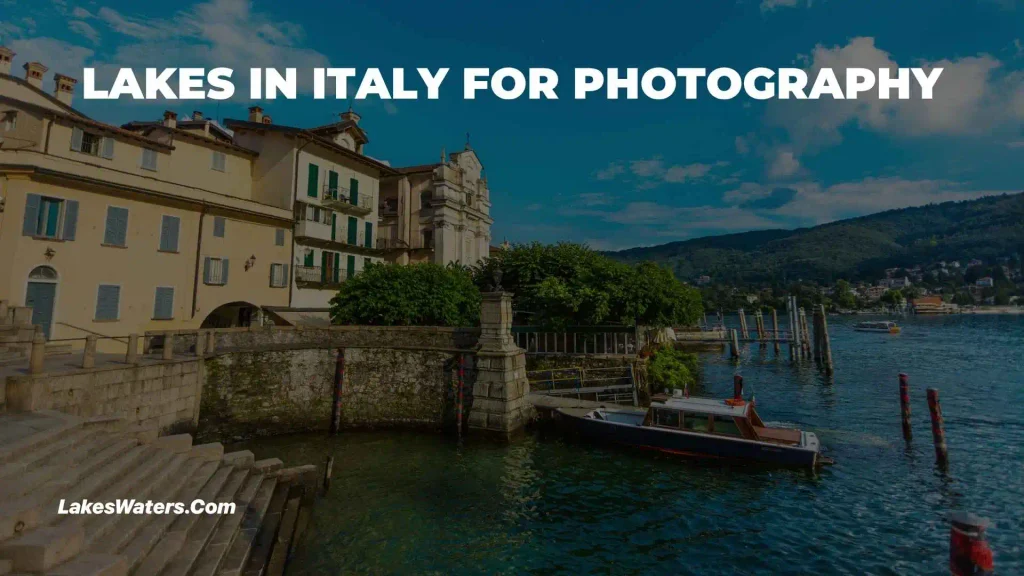
Italian lakes provide several distinct types of photographic scenery.
Mountain And Water Landscapes
Lake Como, Lake Garda, Lake Maggiore, and Lake Braies combine water with mountains.
Lake Braies is especially recognizable for its emerald-colored water and Dolomite backdrop.
Villages And Architecture
Lake Como and Lake Garda are useful for photographing historic villages, villas, castles, waterfront streets, and gardens.
Islands
Lake Maggiore offers a particularly strong island-focused photography experience because of the Borromean Islands and their gardens and historic architecture.
For photography, remember that famous viewpoints can be crowded. Early mornings, quieter seasons, and less-publicized shoreline locations can offer a different perspective.
Italian Lakes and Local Culture
A lake trip is not only about natural scenery.
The towns surrounding Italian lakes often contain historic churches, castles, villas, museums, markets, traditional food, vineyards, and cultural sites.
Lake Garda, for example, combines Roman remains, medieval settlements, castles, villas, and modern tourism.
Lake Como connects scenery with historic villas, gardens, churches, museums, and cultural sites in towns such as Como and Lecco.
Lake Iseo connects its shoreline with the Franciacorta wine region and historic villages such as Iseo and Lovere.
This combination of nature and culture is one of the defining features of Italian lake travel.
Frequently Asked Questions About Lakes in Italy
What Is the Largest Lake in Italy?
Lake Garda is the largest lake in Italy by surface area, covering roughly 368 square kilometers in the regional dataset cited above. It stretches across Lombardy, Veneto, and Trentino-Alto Adige/Südtirol.
What Is the Deepest Lake in Italy?
Lake Como is the deepest among the major lakes listed in the Lombardy regional data, with a maximum depth of about 410 meters.
What Are the Three Most Famous Lakes in Italy?
Lake Garda, Lake Como, and Lake Maggiore are among the country’s most internationally recognized lake destinations. They are also among the major northern Italian lakes with extensive tourism infrastructure and attractions.
Which Italian Lake Is Best for Families?
Lake Garda is a particularly versatile option because it combines beaches, historic towns, water sports, outdoor activities, and family attractions such as Gardaland.
Which Lake in Italy Is Best for Couples?
Lake Como is a strong choice for travelers interested in scenic villages, villas, gardens, mountain views, and boat trips. Lake Maggiore is another option for couples who enjoy islands, gardens, and historic residences.
Are There Volcanic Lakes in Italy?
Yes. Central Italy, especially Lazio, has several volcanic lakes. Lake Bolsena, Lake Bracciano, Lake Vico, Lake Nemi, and Lake Martignano are associated with volcanic landscapes.
Are There Glacial Lakes in Italy?
Yes. Several major northern Italian lakes are associated with Alpine glacial processes. Lake Como and Lake Maggiore are examples of major lakes whose basins were strongly shaped by glacial activity.
Can You Swim in Italian Lakes?
Swimming is possible in designated areas of some Italian lakes, but rules and conditions vary. Check local bathing information and signs before entering the water.
Which Italian Lake Is Best for Hiking?
Lake Braies is particularly attractive for hikers because it is located in the Fanes-Senes-Braies Nature Park and provides access to both an easy lakeside walk and more demanding mountain trails.
Lake Garda, Lake Como, and Lake Iseo also provide extensive hiking opportunities.
Which Lake Is Closest to Rome?
Lake Bracciano is one of the principal lake destinations near Rome and is located in the Lazio region. Its surrounding towns, protected natural area, and water activities make it suitable for a day trip or longer stay.
Is Lake Garda Better for Activities or Sightseeing?
It can support both. The lake combines historic towns, castles, Roman remains, beaches, cycling, hiking, and water sports, so travelers do not need to choose only one type of experience.
How Should You Choose Between Lake Como and Lake Garda?
Choose based on your priorities rather than treating them as interchangeable.
Lake Como is especially suited to villas, villages, gardens, boat trips, and dramatic mountain scenery.
Lake Garda offers a broader mix of outdoor sports, family attractions, beaches, historic towns, and varied landscapes.
Both can work for sightseeing and relaxation, but the character of the trip can be quite different.
References
- Italy’s official tourism portal, Italia.it, information on Italian lakes, destinations, activities, and regional travel.
- Treccani, Enciclopedia Italiana, geographical information on Lake Garda, Lake Como, and Lake Maggiore.
- Regione Lombardia, regional water and lake documentation containing measurements for major Lombardy lakes.
- Regione Lombardia, public lake-navigation information for Lakes Garda, Como, and Maggiore.
- Italia.it, information on Lazio’s volcanic lakes and the Bracciano-Martignano area.
Conclusion
The lakes in Italy offer much more than a collection of scenic viewpoints. They represent several different landscapes and travel experiences, from the Alpine scenery of Lake Como, Lake Garda, and Lake Maggiore to the volcanic basins of Lazio and the mountain environment around Lake Braies.
Lake Garda is a practical choice for families and active travelers because of its combination of towns, beaches, attractions, and water sports. Lake Como suits travelers drawn to villas, villages, gardens, and mountain scenery. Lake Maggiore stands out for its islands and historic gardens, while Lake Iseo provides a smaller-scale combination of villages, cycling, mountains, and food and wine experiences.
Further south, Lake Trasimeno, Lake Bolsena, Lake Bracciano, and Lake Scanno show that Italy’s lake landscape extends well beyond the famous northern destinations.
The best approach is to choose the lake according to the experience you want. Consider the landscape, activities, transportation, season, accommodation, and amount of time available before deciding. That makes it easier to find an Italian lake that fits your trip rather than simply choosing the most famous name.

I am Ethan Reynolds, a nature researcher and writer focused on freshwater environments, aquatic ecosystems, and sustainable water solutions.
I enjoy sharing knowledge about lakes, rivers, wetlands, and the challenges facing global water resources.
My goal is to help readers understand the value of water and encourage responsible actions to protect it.
Books by Ethan Reynolds:
- Lakes and Landscapes: Stories from Nature
- Protecting Water for Future Generations