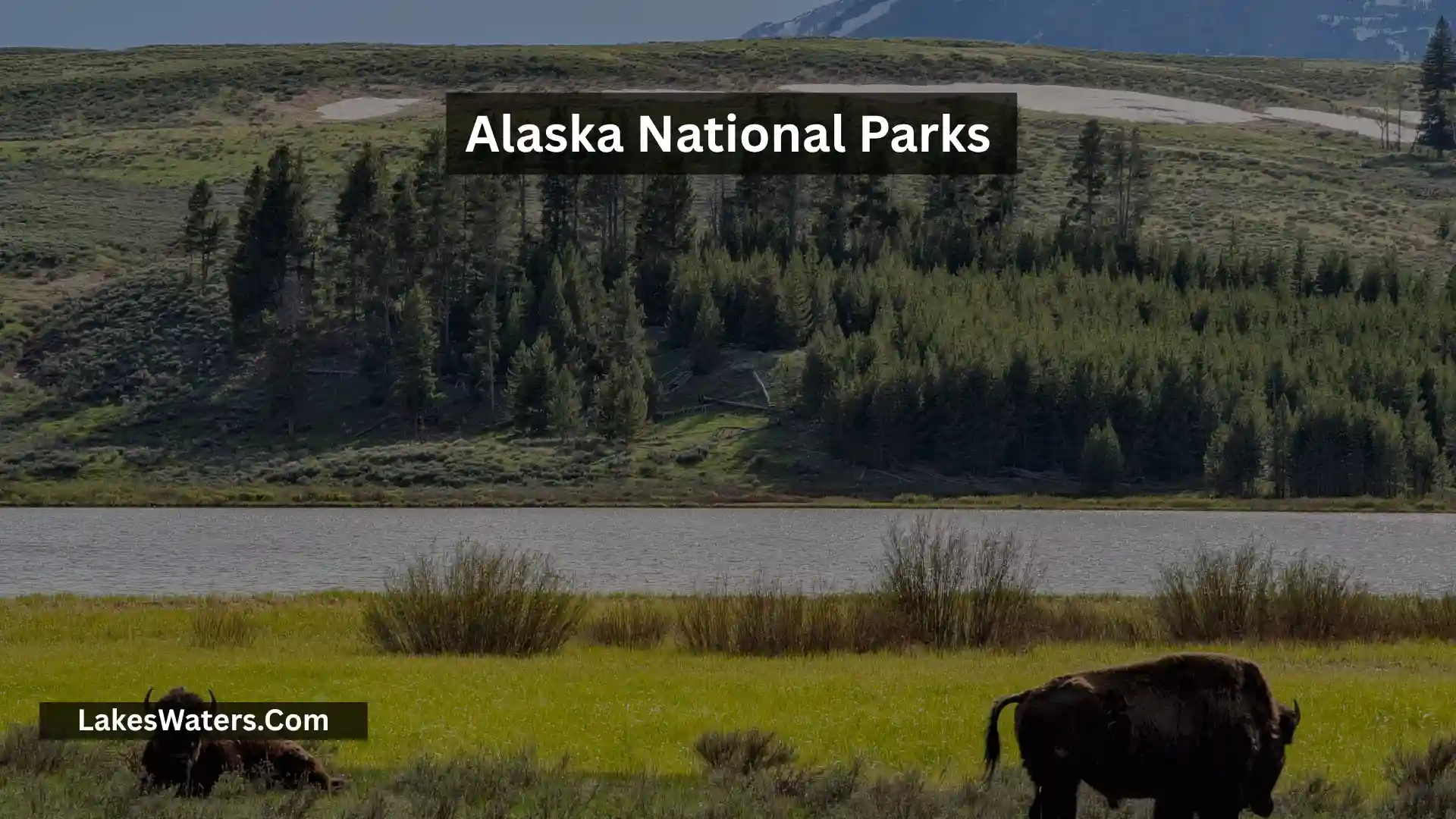
Alaska has eight officially designated national parks, each offering a different way to experience America’s largest state. Some are known for towering mountains and glaciers, while others protect vast Arctic wilderness, volcanic landscapes, coastal fjords, and important wildlife habitats. The eight parks are Denali, Gates of the Arctic, Glacier Bay, Katmai, Kenai Fjords, Kobuk Valley, Lake Clark, and Wrangell–St. Elias.
Choosing the right park depends on what you want to see and how you prefer to travel. Denali and Kenai Fjords are popular choices for travelers who want to explore by road, while Katmai and Gates of the Arctic offer more remote experiences that often require flights or specialized transportation. Glacier Bay is particularly appealing to visitors interested in glaciers and marine wildlife.
Understanding the differences between these destinations can help you choose a park that matches your interests, schedule, and travel budget.
How Many National Parks Are in Alaska?
Alaska has eight designated national parks, several of which also carry the national preserve designation. Together, these parks protect enormous areas of wilderness, including mountain ranges, glaciers, tundra, forests, rivers, lakes, and coastal ecosystems.
The eight national parks are:
- Denali National Park and Preserve
- Gates of the Arctic National Park and Preserve
- Glacier Bay National Park and Preserve
- Katmai National Park and Preserve
- Kenai Fjords National Park
- Kobuk Valley National Park
- Lake Clark National Park and Preserve
- Wrangell–St. Elias National Park and Preserve
Alaska also has other National Park Service sites, including national preserves, monuments, and historical parks. These are part of the broader network of protected places in the state, but they are not all designated national parks.
This distinction matters when comparing park counts. A list of eight national parks is not the same as a list of every area managed or supported by the National Park Service in Alaska.
All 8 Alaska National Parks at a Glance
Each park has its own landscape, transportation requirements, and outdoor opportunities. The following comparison provides a starting point for deciding where to go.
| National Park | Best Known For | Typical Access |
| Denali | Mountain scenery, wildlife, and tundra | Road access to the park entrance |
| Gates of the Arctic | Remote Arctic wilderness and rugged mountains | Usually by small aircraft or guided expedition |
| Glacier Bay | Tidewater glaciers, fjords, and marine wildlife | Commonly by cruise ship or air |
| Katmai | Brown bears, salmon, and volcanic landscapes | Commonly by aircraft or boat |
| Kenai Fjords | Glaciers, coastal scenery, and marine wildlife | Road access to the Seward area |
| Kobuk Valley | Arctic sand dunes and migrating caribou | Usually by small aircraft |
| Lake Clark | Volcanoes, lakes, fishing, and brown bears | Commonly by aircraft or boat |
| Wrangell–St. Elias | Vast mountain ranges, glaciers, and historic mining areas | Road access to certain areas |
Access descriptions are general planning guidance, not guarantees that every destination or facility will be available during a particular season. Road conditions, weather, transportation schedules, and park operations can affect individual trips.
A Closer Look at Each Alaska National Park
Denali National Park and Preserve
Denali is one of Alaska’s best-known national parks, recognized for its enormous mountain landscapes, wildlife, and broad stretches of tundra. The park protects approximately six million acres of land, with Denali itself rising to 20,310 feet.
Visitors come to experience the mountain scenery, watch for wildlife, hike designated trails, and explore the surrounding wilderness. Animals that may be seen include moose, caribou, Dall sheep, wolves, and grizzly bears. Wildlife sightings are never guaranteed, and animals may remain far from roads or viewing areas.
Denali is often a practical choice for travelers who want to include a national park in a larger Alaska road or rail itinerary. The park entrance is accessible by road, and the nearby communities support visitor services and trip planning.
However, reaching the entrance does not mean you can drive throughout the park. Vehicle access beyond the entrance is restricted, and sightseeing options depend on current road operations and available transportation.
Best for: Mountain scenery, wildlife watching, hiking, and travelers exploring Alaska’s road and rail corridor.
Gates of the Arctic National Park and Preserve
Gates of the Arctic protects a vast area of wilderness in the Brooks Range, north of the Arctic Circle. Rugged mountains, river valleys, tundra, and remote landscapes define this park.
Unlike many well-developed national park destinations, it has no conventional road network or established trail system throughout the wilderness. Visitors often travel by small aircraft, hike across open terrain, or arrange guided trips with experienced wilderness operators.
This remoteness is part of the park’s appeal, but it also demands careful preparation. Travelers must be ready for changing weather, difficult navigation, limited communication, and the absence of ordinary visitor facilities in much of the park.
Gates of the Arctic is not usually the easiest choice for a quick sightseeing stop. It is better suited to experienced outdoor travelers who understand wilderness risks and can plan an appropriately equipped trip.
Best for: Remote wilderness, backpacking, Arctic landscapes, and experienced adventurers seeking solitude.
Glacier Bay National Park and Preserve
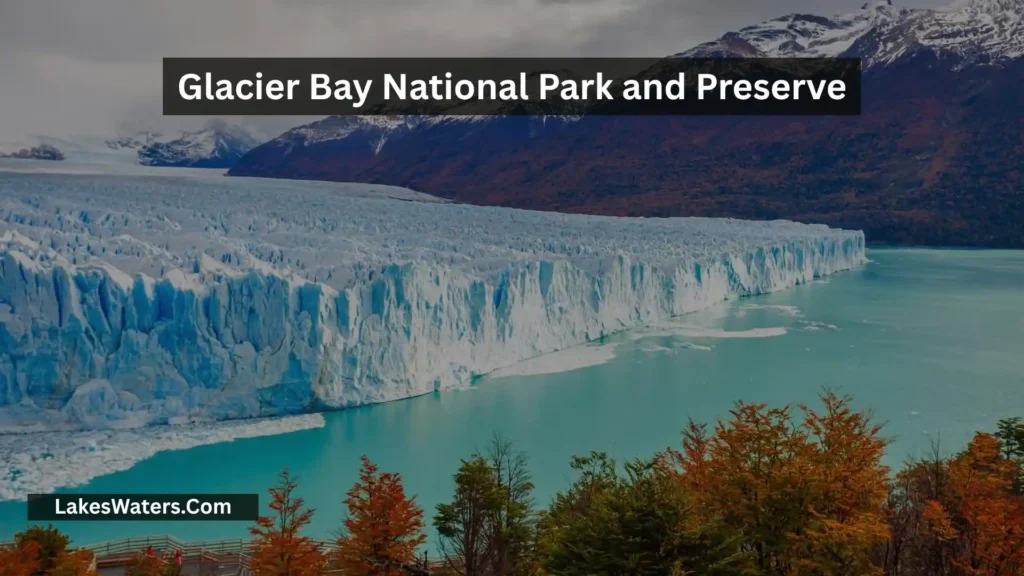
Glacier Bay is famous for its glaciers, deep fjords, forested coastlines, and rich marine environment. Located in southeastern Alaska, it protects a landscape shaped by glaciers and continuing changes in ice and coastal ecosystems.
Many visitors experience the park from boats, where they may see dramatic glacier faces, floating ice, seabirds, seals, and whales. Kayaking and other guided activities may also be available, depending on the location, season, and operating conditions.
Glacier Bay is particularly appealing to travelers who want to experience Alaska’s coastal wilderness without undertaking a long backpacking expedition. Boat-based sightseeing can provide access to scenery that would otherwise be difficult to reach.
The park is commonly incorporated into cruise itineraries or reached through regional air transportation. Visitors planning an independent trip should research transportation and accommodation arrangements well in advance.
Best for: Glacier viewing, coastal scenery, boat trips, and marine wildlife.
Katmai National Park and Preserve
Katmai is internationally known for its brown bears and salmon runs. One of its most recognized destinations is Brooks Falls, where bears gather during the salmon season to catch fish moving upstream.
Bear viewing is a major reason to visit, but Katmai also protects volcanic landscapes, lakes, rivers, and the Valley of Ten Thousand Smokes. This valley contains dramatic evidence of the region’s volcanic history, including deposits associated with the 1912 Novarupta eruption.
Most visitors do not reach Katmai by ordinary road travel. Trips commonly involve flights from regional communities, sometimes combined with boat transfers or organized excursions. Costs and travel times can vary considerably depending on departure point, season, and trip arrangements.
Summer is particularly popular for bear viewing, but the best dates depend on salmon activity and local conditions. Visitors should also understand that bears are wild animals and must be observed according to park rules and safety instructions.
Best for: Brown bear viewing, salmon runs, photography, and volcanic landscapes.
Kenai Fjords National Park
Kenai Fjords protects a rugged coastal landscape on the Kenai Peninsula. Its most prominent features include the Harding Icefield, glaciers flowing from the icefield, steep mountains, and fjords carved by ice.
The town of Seward is the main gateway for many visitors. From there, boat excursions provide opportunities to see glaciers, seabirds, sea otters, seals, and, under suitable conditions, whales. Hiking is another option, particularly around the Exit Glacier area.
Kenai Fjords is one of the more accessible Alaska national parks for travelers who want dramatic scenery without arranging a remote bush-plane expedition. The surrounding region also fits naturally into road trips that include Anchorage and the Kenai Peninsula.
Still, not every part of the park is reachable by road. Boat tours, backcountry travel, and glacier-related activities have their own schedules, conditions, and safety requirements.
Best for: Glacier scenery, marine wildlife, coastal excursions, and travelers visiting the Kenai Peninsula.
Kobuk Valley National Park
Kobuk Valley protects an unusual Arctic landscape featuring the Great Kobuk Sand Dunes, the Kobuk River, and tundra environments used by migrating caribou.
The sand dunes are among the park’s most distinctive features. Their presence in an Arctic setting makes the landscape particularly interesting to visitors who might expect northern Alaska to consist entirely of snow, ice, and rocky mountains.
Caribou have long played an important ecological and cultural role in the region. Areas around the Kobuk River also reflect a deep history of human use, including traditional subsistence practices that continue to matter to local communities.
Kobuk Valley is remote and has no conventional road access into the park. Visitors typically arrange flights to nearby communities and then organize appropriate transportation into the landscape. Independent travel requires careful preparation because services are limited.
Best for: Arctic landscapes, sand dunes, caribou, cultural history, and remote exploration.
Lake Clark National Park and Preserve
Lake Clark combines turquoise lakes, mountains, volcanoes, glaciers, forests, and important wildlife habitat. Located in southwestern Alaska, the park offers a striking mixture of landscapes within one protected area.
Brown bears are a major attraction, particularly in areas where salmon draw them to streams and coastal habitats. Fishing, boating, hiking, and wilderness photography are also possible, depending on the location and conditions.
Lake Clark is commonly reached by small aircraft, and some trips use boats for access within the region. Since there is no conventional road connection into the park’s main wilderness areas, visitors should arrange transportation and lodging before departure.
The park can suit travelers looking for bear viewing or a more secluded Alaska experience. However, the relative lack of infrastructure means that visitors need to plan more carefully than they would for a destination with extensive roads and visitor services.
Best for: Bear viewing, lakes, volcanoes, fishing, and scenic wilderness experiences.
Wrangell–St. Elias National Park and Preserve
Wrangell–St. Elias is the largest national park in the United States, covering approximately 13.2 million acres. Its immense landscape includes mountain ranges, glaciers, icefields, rivers, and historic mining communities.
The park is particularly attractive to travelers who enjoy mountain scenery and exploring Alaska’s historical and natural landscapes. The Kennicott mining area and surrounding region provide a glimpse into the area’s mining past, while the mountains and glaciers offer opportunities for hiking and guided outdoor adventures.
Unlike several of Alaska’s most remote parks, certain areas of Wrangell–St. Elias can be reached by road. However, access is limited by road conditions, distances, and the remote nature of the park. Reaching one community or trailhead does not mean the entire park is easily accessible.
Visitors should plan around driving times, seasonal conditions, and the specific area they want to explore. Some adventures require guides, specialized transportation, or additional preparation.
Best for: Mountain landscapes, glaciers, hiking, historic mining areas, and extended wilderness trips.
Which Alaska National Park Should You Visit?
The right park depends on what you want from your trip. Instead of choosing a destination based only on popularity, consider the activities, access requirements, and amount of time you have available.
For Wildlife and Bear Viewing
Katmai is a leading choice for travelers hoping to observe brown bears fishing for salmon. Lake Clark also offers opportunities for bear viewing, while Denali is known for its range of large land mammals.
Wildlife is unpredictable, so no park can guarantee a particular animal sighting. Visit with realistic expectations and follow all wildlife-viewing rules.
For Glaciers and Coastal Scenery
Glacier Bay and Kenai Fjords are strong choices for glacier viewing and marine wildlife. Both offer opportunities to experience Alaska’s coastal environments, although their transportation arrangements differ.
Kenai Fjords can fit into a road trip around the Kenai Peninsula, while Glacier Bay often requires cruise or regional air arrangements.
For Mountains and Hiking
Denali offers iconic mountain scenery and a range of visitor experiences. Wrangell–St. Elias is appealing for travelers interested in a much larger mountain wilderness, including more remote hiking opportunities.
Gates of the Arctic is better suited to travelers with advanced wilderness skills or those using experienced guides.
For Remote Wilderness
Gates of the Arctic and Kobuk Valley are among the most remote options. Lake Clark and Katmai also offer wilderness experiences that commonly involve flights.
Remote travel can be rewarding, but it requires more preparation, transportation planning, and flexibility than visiting a park near a major road.
For a First-Time Alaska Trip
Denali and Kenai Fjords are often practical starting points because travelers can incorporate them into itineraries involving established road connections and nearby communities.
Wrangell–St. Elias may also suit travelers who want to explore by road, provided they account for distances and local conditions.
If your vacation is short, it is generally more realistic to focus on one region than to attempt to visit all eight parks.
How to Get to Alaska’s National Parks
Transportation is one of the most important parts of planning an Alaska national park trip. The state is enormous, and the parks are spread across different regions with very different access options.
Parks With Road Access
Denali, Kenai Fjords, and Wrangell–St. Elias have road-accessible areas. Visitors can use rental vehicles, organized tours, or other regional transportation options to reach their main gateways.
Road access does not mean every trail, glacier, or remote section can be reached by car. Always identify the specific destination within the park before deciding how to travel.
Parks That Commonly Require Flights or Boats
Gates of the Arctic, Katmai, Kobuk Valley, Lake Clark, and Glacier Bay commonly require air or water transportation for access to the main visitor areas. The exact arrangements differ by park.
Small aircraft and air taxis are important parts of travel in remote Alaska. Some trips also involve boats, guided excursions, or transfers between communities and park destinations.
These arrangements can add significant costs to a trip, so include them in your budget before booking accommodation or activities.
How to Plan Transportation
Before traveling, identify your departure community, park destination, and return arrangements. Confirm operating dates, luggage restrictions, weather policies, and what happens if a flight or boat trip is delayed.
For remote parks, avoid building an itinerary that depends on every connection running perfectly. Extra time can make a major difference when weather disrupts transportation.
Best Time to Visit Alaska National Parks
Summer is generally the most practical season for many visitors, particularly those interested in hiking, boat tours, wildlife viewing, and longer daylight hours. However, the best time varies by park and activity.
Late Spring and Early Summer
Late spring and early summer bring longer days and the beginning of the main visitor season in many areas. Conditions can still be cold, and snow or ice may affect trails and higher elevations.
This period may suit travelers who prefer early-season trips, but available services and activities vary by location.
Mid to Late Summer
Summer is a popular period for visiting Alaska’s national parks. Many transportation services, guided tours, and visitor facilities operate during this season.
It can be a good time for hiking, coastal excursions, and wildlife viewing. However, demand may be high, and popular trips can book out in advance.
Bear viewing at Katmai and Lake Clark depends on local salmon activity, while glacier and marine excursions depend on weather and operating conditions.
Fall
Fall brings changing vegetation, cooler temperatures, and shorter daylight hours. Some areas become quieter as seasonal services reduce operations.
Visitors should check whether transportation, accommodation, and guided activities are still operating during their intended dates.
Winter
Winter offers a different experience, with snow-covered landscapes, limited daylight, and cold conditions. Some outdoor activities may be possible, but many summer services are unavailable or operate differently.
Winter travel is not suitable for every park or traveler. Anyone planning a cold-season trip should research local conditions, transportation, safety requirements, and available support before setting out.
What to Know Before Visiting Alaska National Parks
A little preparation can make an Alaska trip safer, more comfortable, and easier to manage.
Budget for Transportation and Activities
Travel costs vary considerably among the parks. A destination reached by road may require fuel, lodging, and tour expenses, while a remote park can involve flights, air taxis, guided trips, and additional transfers.
Do not assume that a free entrance policy means the overall visit will be inexpensive. Research the current costs of transportation, accommodation, equipment, and planned activities.
Prepare for Changing Weather
Alaska’s weather can change quickly, especially in coastal, mountainous, and remote areas. Bring layers, waterproof outerwear, suitable footwear, and equipment appropriate for your planned activities.
Even during summer, temperatures can be cool, and conditions may differ greatly between regions.
Follow Wildlife Safety Rules
Never approach or feed bears, moose, or other wildlife. Maintain the distances required by park rules, store food properly, and follow instructions from rangers and guides.
Wild animals can behave unpredictably, even when they appear calm. Carry appropriate safety equipment for your activity and learn how to use it before entering the backcountry.
Check Current Park Conditions
Trail conditions, road access, transportation services, fire restrictions, and visitor facilities can change. Review current official park information shortly before leaving and again when practical during your trip.
For remote destinations, understand the limitations of cell service and have a suitable communication and emergency plan.
Respect Local Communities and Cultural Heritage
Alaska’s parks protect more than scenery. They include lands connected to Indigenous peoples and communities with longstanding cultural, subsistence, and historical relationships to the region.
Follow local guidance, respect cultural sites, and learn about the communities whose histories are connected to the landscapes you visit.
Frequently Asked Questions
How many national parks are in Alaska?
Alaska has eight officially designated national parks: Denali, Gates of the Arctic, Glacier Bay, Katmai, Kenai Fjords, Kobuk Valley, Lake Clark, and Wrangell–St. Elias. The state also has other National Park Service sites, including monuments, preserves, and historical parks.
What is the largest national park in Alaska?
Wrangell–St. Elias National Park and Preserve is the largest national park in the United States, covering approximately 13.2 million acres.
Which Alaska national park is best for seeing bears?
Katmai is especially well known for brown bear viewing, particularly near Brooks Falls during the salmon season. Lake Clark also offers bear-viewing opportunities, but sightings depend on wildlife activity and local conditions.
Which Alaska national parks can you visit by car?
Denali, Kenai Fjords, and Wrangell–St. Elias have road-accessible areas. Other parks commonly require flights, boats, or specialized transportation to reach their main visitor areas.
What is the best month to visit Alaska national parks?
July is a popular month because many summer transportation services and outdoor activities are operating. However, the best month depends on the park, weather, wildlife activity, and your preferred experiences.
Are Alaska national parks free to enter?
Entrance fees and other charges vary by park and activity. Even when there is no entrance fee, visitors may need to pay for transportation, guided excursions, camping, lodging, or other services. Check current official information before traveling.
Can you visit all eight Alaska national parks in one trip?
It is possible to plan a trip that includes multiple parks, but visiting all eight requires considerable time, transportation planning, and money. Their locations and access requirements make a shorter trip focused on one or two regions more practical for many visitors.
Which Alaska national park is best for first-time visitors?
Denali and Kenai Fjords are practical choices for many first-time visitors because they offer road-accessible gateways and established visitor services in nearby communities. The best option still depends on your interests, schedule, and budget.
Final Thoughts on Visiting Alaska’s National Parks
Alaska’s eight national parks offer remarkably different experiences, from the towering mountains of Denali and Wrangell–St. Elias to the glaciers of Kenai Fjords and Glacier Bay, the bears of Katmai, and the remote Arctic wilderness of Gates of the Arctic and Kobuk Valley.
The best approach is to choose a park based on what you want to experience and how much time you can devote to the trip. Consider transportation, seasonal conditions, safety, and budget before making reservations.
With realistic expectations and careful preparation, you can experience Alaska’s extraordinary landscapes while respecting the wildlife, ecosystems, and communities that make these protected places so significant.

I am Ethan Reynolds, a nature researcher and writer focused on freshwater environments, aquatic ecosystems, and sustainable water solutions.
I enjoy sharing knowledge about lakes, rivers, wetlands, and the challenges facing global water resources.
My goal is to help readers understand the value of water and encourage responsible actions to protect it.
Books by Ethan Reynolds:
- Lakes and Landscapes: Stories from Nature
- Protecting Water for Future Generations