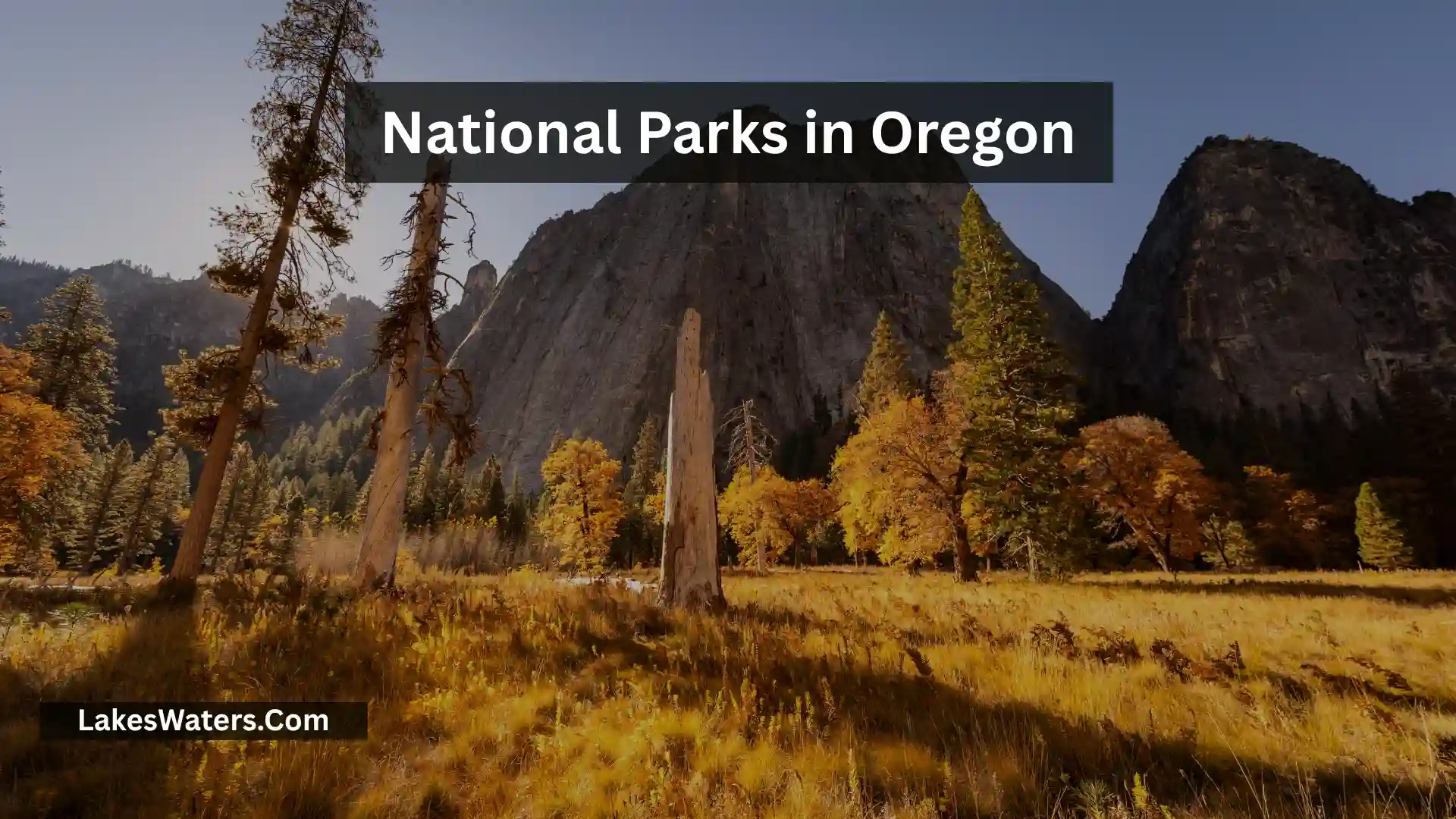
Oregon has one officially designated national park, Crater Lake National Park, along with several other National Park Service destinations that offer remarkable scenery, geological wonders, and American history. From the deep blue water of Crater Lake to the colorful hills of John Day Fossil Beds and the underground passages of Oregon Caves, these protected places show a different side of the Pacific Northwest.
If you’re planning a trip, the best destination depends on what you want to experience. Some places are ideal for scenic drives and photography, while others offer hiking trails, cave tours, fossil exhibits, or historical landmarks. Understanding the differences between these sites can help you choose the right places without spending too much of your trip on the road.
This guide covers the main national park destinations in Oregon, the best things to do at each location, when to visit, and practical tips for planning your trip.
How Many National Parks Are in Oregon?
Oregon has one official national park: Crater Lake National Park. However, the state also has national monuments, a national historical park, and other protected places managed by the National Park Service.
These designations are not interchangeable. A national park protects an area of national significance, while a national monument may preserve important natural features, fossils, archaeological resources, or historic landmarks. National historical parks focus more specifically on places and stories connected to the nation’s history.
Here are four major National Park Service destinations to consider when exploring Oregon.
| Park Site | Official Designation | Main Attraction | Best For |
| Crater Lake | National Park | Deep blue volcanic lake | Scenic views and hiking |
| John Day Fossil Beds | National Monument | Colorful geological formations and fossils | Geology and photography |
| Oregon Caves | National Monument and Preserve | Marble cave passages | Guided tours and underground exploration |
| Lewis and Clark | National Historical Park | Expedition history and coastal landscapes | History and outdoor walks |
These destinations are spread across different regions, so visiting all four requires more planning than a single weekend getaway. For many travelers, choosing two sites in the same general region will provide a more relaxed and rewarding trip.
1. Crater Lake National Park
Crater Lake National Park is Oregon’s signature national park and one of the most distinctive landscapes in the United States. Located in southern Oregon’s Cascade Mountains, the park centers on a deep lake surrounded by steep volcanic cliffs.
The lake formed after Mount Mazama erupted and collapsed thousands of years ago. Rain and snowfall gradually filled the resulting caldera, creating the lake visitors see today. Because the water is exceptionally clear and contains relatively little suspended sediment, it often appears an intense shade of blue.
The contrast between the water, dark volcanic rock, evergreen forests, and surrounding mountains makes Crater Lake a memorable destination in every season.
Best Things to Do at Crater Lake National Park
Enjoy the Lake Overlooks
The viewpoints around Rim Village offer some of the most accessible views of Crater Lake. You can admire the water from above without taking a long hike or descending into the caldera.
Explore Rim Drive When Open
Rim Drive follows the edge of the caldera and provides access to numerous scenic viewpoints. The full route is seasonal because snow and ice can make parts of the road unsafe or inaccessible.
Go Hiking
The park has trails ranging from relatively easy walks to challenging routes with steep elevation changes. Choose a trail based on your fitness level, available daylight, and current conditions.
Enjoy Winter Scenery
Snow transforms Crater Lake into a dramatic winter destination. Visitors may enjoy snowshoeing, cross-country skiing, and snowy viewpoints when access and weather conditions permit.
Learn About the Park’s Geology
Visitor exhibits explain the volcanic history of Mount Mazama, the formation of the caldera, and the natural processes that shaped the surrounding landscape.
When Is the Best Time to Visit Crater Lake?
Summer is usually the most convenient season for sightseeing because more roads, viewpoints, and visitor services are available. July through September often offers the best opportunity for a traditional road trip, although weather and snowfall can affect opening dates.
Spring can still bring substantial snow, and autumn may bring early winter conditions at higher elevations. Winter visitors should prepare for cold temperatures, icy roads, and changing access.
As of October 2026, the North Entrance Road and most of Rim Drive are closed for the season. The Cleetwood Cove Trail is also closed for rehabilitation, with reopening expected in 2029. Visitors can still enjoy designated viewpoints and accessible areas, but should check current conditions before traveling.
Best For: First-time visitors to Oregon, scenic drives, photography, mountain landscapes, and hiking.
2. John Day Fossil Beds National Monument
John Day Fossil Beds National Monument is one of Oregon’s most interesting destinations for travelers who enjoy geology, paleontology, and unusual landscapes. Located in eastern Oregon, it protects fossil deposits that reveal how plants, animals, and environments changed over millions of years.
Instead of towering mountains or a large lake, you’ll find colorful hills, layered rock formations, dry grasslands, and evidence of ancient ecosystems. The monument’s fossil record covers a long period of the Age of Mammals, helping scientists understand how life adapted as the climate and landscape changed.
The monument has three separate units: Painted Hills, Sheep Rock, and Clarno. Each has its own scenery and attractions.
Painted Hills Unit
Painted Hills is the best-known area for colorful landscapes. Its hills feature bands of red, gold, yellow, and darker earth tones created by variations in the minerals and materials within the soil.
The colors can appear different depending on sunlight, cloud cover, and recent weather. Short trails and designated viewpoints make it possible to appreciate the formations without a strenuous hike.
This unit is particularly appealing to photographers and visitors who want to explore an unusual landscape at a relaxed pace.
Visitor Tip: Stay on designated trails. The fragile formations can be damaged by foot traffic, and even small disturbances can leave lasting marks.
Sheep Rock Unit
The Sheep Rock Unit combines geological scenery with educational attractions. One of its main features is the Thomas Condon Paleontology Center, where exhibits explain the region’s fossil record and the work paleontologists do to study ancient life.
Visitors can learn about the animals and plants that once occupied Oregon, explore nearby trails, and gain a better understanding of how the region’s environment changed over time.
This unit is a strong choice if you want more than scenic viewpoints and are interested in the science behind the landscape.
Clarno Unit
The Clarno Unit is known for dramatic rock formations associated with ancient volcanic mudflows. These deposits contain evidence of prehistoric plants and animals that lived in a very different environment from modern eastern Oregon.
The landscape offers another perspective on the monument’s geological history. Its rock formations and surrounding terrain make it a worthwhile stop for visitors interested in natural history and photography.
How Much Time Do You Need at John Day Fossil Beds?
You can explore one unit during a short visit, but seeing all three requires more time. The units are geographically separated, and the winding rural roads can make driving slower than expected.
For a short trip, choose Painted Hills for its colorful scenery or Sheep Rock if you want to focus on fossils and educational exhibits. If you have a full day or longer, you can plan a broader route that includes multiple units.
There is no general entrance fee for John Day Fossil Beds National Monument. However, visitor-center schedules may vary, so check operating hours if exhibits are a priority.
Fossil collecting and digging are prohibited within the monument. Leave fossils, rocks, plants, and other natural objects where you find them.
Best For: Geology enthusiasts, photography, families, educational trips, and travelers interested in prehistoric life.
3. Oregon Caves National Monument and Preserve
Oregon Caves National Monument and Preserve offers a very different experience from the state’s open landscapes. Located in the Siskiyou Mountains of southwestern Oregon, the site protects a natural cave system formed in marble.
Over long periods, water dissolved and reshaped the rock, creating winding passages, chambers, and distinctive mineral formations. Guided tours let visitors explore selected sections of the cave while learning how underground environments develop.
Above ground, the surrounding mountain forest provides a contrasting setting of trees, slopes, and natural habitats.
What to Expect on a Cave Tour
Exploring Oregon Caves is not the same as walking through an ordinary visitor center. Cave tours can involve stairs, uneven ground, low ceilings, narrow passages, and sections that require bending or careful movement.
The physical requirements depend on the specific tour. Anyone concerned about mobility, confined spaces, or strenuous movement should review the tour description before making plans.
Cave interiors are generally cool, even when outdoor temperatures are warm. Wear comfortable clothing and sturdy footwear, and follow all instructions from park staff.
Other Things to Do at Oregon Caves
Although the cave is the main attraction, you can also enjoy the surrounding forest and mountain scenery. Depending on current conditions, visitors may be able to explore designated trails, observe local plants, and learn about the area’s natural history.
Allow extra time for the drive through the mountains. The journey may take longer than expected, especially if you’re traveling from another major attraction.
Do You Need Reservations for Oregon Caves?
Reservations are recommended when available, particularly during busy travel periods. Tour schedules, prices, age requirements, and operating conditions can change, so confirm the details before setting out.
The monument does not charge a general entrance fee, but guided cave tours require paid tickets.
Best For: Guided underground exploration, geology, nature education, and travelers looking for an activity beyond hiking and sightseeing.
4. Lewis and Clark National Historical Park
Lewis and Clark National Historical Park preserves places connected to the Lewis and Clark Expedition and the history of the Pacific Northwest. The park includes sites in both Oregon and Washington, so its full story extends beyond the boundaries of a single state.
On the Oregon side, Fort Clatsop is one of the main places to visit. The expedition established its winter encampment near the Pacific Coast in 1805–1806, and the site helps visitors understand the challenges its members faced during that period.
The park also provides opportunities to explore forested landscapes, learn about regional history, and understand the importance of the area’s waterways and coastal environment.
Visit Fort Clatsop
Fort Clatsop is the central attraction for many visitors interested in the expedition. Interpretive displays and educational programs help explain the encampment, the expedition’s daily routines, and its experiences during the winter.
The site provides historical context for the journey to the Pacific Coast and the events that followed. Visitors should also remember that the expedition traveled through lands already inhabited by Indigenous peoples, whose histories and communities extend far beyond the expedition’s account.
Explore Trails and Coastal Landscapes
Designated trails provide opportunities to walk through the surrounding forest and experience the environment of the northern Oregon Coast.
Conditions vary by season, and rain can make some paths muddy or slippery. Bring suitable footwear and allow time to explore without rushing between stops.
Combine History With an Oregon Coast Trip
Lewis and Clark National Historical Park works well as part of a longer visit to the northern Oregon Coast. You can combine the historical sites with nearby coastal communities, scenic viewpoints, and other attractions outside the park.
If you’re planning a broader road trip, allow enough time for both the historical exhibits and the surrounding landscape. A visit focused only on the fort may take considerably less time than a trip that includes multiple park areas and trails.
Best For: History enthusiasts, families, educational outings, and travelers exploring the northern Oregon Coast.
Which National Park in Oregon Is Best for You?
The best destination depends on your interests, how much time you have, and the kind of landscape you want to experience.
| Your Main Interest | Recommended Destination | What Makes It a Good Choice |
| Famous scenery | Crater Lake National Park | Deep blue water and volcanic cliffs |
| Colorful landscapes | John Day Fossil Beds | Painted hills and striking rock formations |
| Fossils and science | John Day Fossil Beds | Ancient plant and animal remains |
| Underground adventure | Oregon Caves | Guided exploration of a marble cave |
| American history | Lewis and Clark National Historical Park | Expedition history and interpretive exhibits |
| Mountain photography | Crater Lake National Park | Elevated viewpoints and dramatic scenery |
| Coastal forests and history | Lewis and Clark National Historical Park | Historical sites with forest trails |
If this is your first trip to Oregon, Crater Lake is a natural starting point because it is the state’s only national park and one of its most recognizable landmarks.
However, don’t overlook the other destinations. John Day Fossil Beds offers a rare look at ancient ecosystems, Oregon Caves provides an underground experience, and Lewis and Clark National Historical Park connects outdoor exploration with regional history.
Best Time to Visit National Parks in Oregon
Oregon’s national park sites have different climates, elevations, and seasonal access patterns. The best time to visit depends on your destination and planned activities.
Spring
Spring brings fresh vegetation and changing weather, but mountain areas can remain snowy. Crater Lake may still have significant snow, while lower-elevation destinations may offer more comfortable conditions for walking and sightseeing.
Spring can be a good time to visit John Day Fossil Beds, although eastern Oregon can experience cold nights, rain, and occasional snow.
Summer
Summer is generally the most convenient season for a trip that includes several destinations. More mountain roads and seasonal facilities are usually accessible, and outdoor activities become easier to plan.
This is also a popular travel period, so expect more visitors at well-known viewpoints and busy tour times. Booking cave tours ahead of time and starting hikes early can help you make the most of your day.
Fall
Fall often brings cooler temperatures and quieter conditions at some sites. It can be an appealing season for photography, scenic drives, and outdoor exploration.
However, early snow can affect Crater Lake and other high-elevation areas. Seasonal visitor services may also reduce their hours, so check access before traveling.
Winter
Winter offers snowy scenery at Crater Lake, but it requires more preparation. Road closures, icy surfaces, and cold temperatures can limit the activities available.
John Day Fossil Beds may remain accessible for outdoor exploration, but winter weather can still affect rural roads. Cave tours and visitor facilities at other destinations may operate on limited schedules.
The Best Overall Strategy: If you want the easiest conditions for a multi-stop Oregon trip, plan around the summer season. If you prefer fewer crowds or dramatic winter scenery, visit during the shoulder seasons or winter after checking current access information.
How to Plan a National Park Road Trip in Oregon
A successful trip depends on choosing destinations that fit your schedule rather than trying to visit every site at once.
Choose a Region Before Choosing Every Attraction
Oregon is a large state with varied terrain. Crater Lake is in the south, John Day Fossil Beds is in the east, Oregon Caves is in the southwest, and Lewis and Clark National Historical Park is on the northern coast.
These destinations are not close enough to treat as neighboring stops. Plan your route around one or two regions if you have limited time.
Allow Enough Time for Driving
Rural roads and mountain highways can make journeys slower than expected. This is especially important around John Day Fossil Beds, where the three units are separated by substantial distances.
Avoid filling every day with too many destinations. Extra time allows you to enjoy viewpoints, take breaks, and adapt if weather or road conditions change.
Prepare for Changing Weather
Even summer weather can vary significantly between the coast, mountains, and eastern Oregon.
Pack layers, comfortable walking shoes, drinking water, and weather-appropriate equipment. If your itinerary includes high-elevation roads, check for snow and ice before departure.
Check Entrance Fees and Tour Requirements
Not every National Park Service site charges the same fees. Some destinations have no general entrance fee, while others require an entrance payment or charge separately for specific activities.
Crater Lake has entrance-fee requirements, and Oregon Caves charges for guided cave tours. Check current prices, opening hours, and reservation requirements before your visit.
Download Navigation Information in Advance
Mobile coverage can be unreliable in rural parts of eastern Oregon and other remote areas. Prepare your route before leaving areas with reliable service, and make sure you know where fuel and basic supplies are available.
Follow Park Rules
Stay on designated trails, respect wildlife, and leave natural features undisturbed. Do not collect fossils at John Day Fossil Beds or touch delicate cave formations at Oregon Caves.
Following posted rules helps protect these places for future visitors and scientific research.
Frequently Asked Questions
What national parks are in Oregon?
Oregon’s only officially designated national park is Crater Lake National Park. Other important National Park Service destinations include John Day Fossil Beds National Monument, Oregon Caves National Monument and Preserve, and Lewis and Clark National Historical Park.
How many national parks are in Oregon?
Oregon has one national park by official designation. The state has additional National Park Service sites with different designations, including national monuments and a national historical park.
What is the most famous national park in Oregon?
Crater Lake National Park is generally the state’s best-known national park. Its deep blue lake, volcanic caldera, and mountain scenery make it a major destination for sightseeing and outdoor recreation.
Are there free national parks in Oregon?
Some National Park Service sites in Oregon have no general entrance fee, including John Day Fossil Beds National Monument and Oregon Caves National Monument and Preserve. However, Oregon Caves charges for guided tours, and Crater Lake has its own entrance-fee requirements.
What is the best time to visit national parks in Oregon?
Summer is usually the most convenient season for sightseeing and road trips because more seasonal roads and facilities are accessible. Spring and fall can also be rewarding, while winter visitors should prepare for snow, ice, and restricted access in mountain areas.
Can you visit all the national parks in Oregon in one day?
Visiting all the major destinations in one day is impractical for most travelers because they are spread across the state. A multi-day road trip is a better option, although a shorter visit focused on one region can also be rewarding.
Is Crater Lake open in winter?
Crater Lake National Park remains open year-round, but some roads, viewpoints, and facilities close seasonally. Winter visitors should check road conditions, prepare for snow and ice, and confirm which areas are accessible.
Can you collect fossils at John Day Fossil Beds?
No. Collecting or digging for fossils is prohibited within John Day Fossil Beds National Monument. Visitors can explore designated trails and learn about ancient life through the monument’s educational exhibits.
Do you need a reservation for Oregon Caves?
Reservations are recommended when available, especially during busy periods. Tour schedules, eligibility requirements, and ticket availability can change, so confirm the latest details before traveling.
Which national park in Oregon is best for families?
Crater Lake is a good choice for families who enjoy scenic viewpoints and nature education. John Day Fossil Beds can appeal to children interested in fossils and geology, while Lewis and Clark National Historical Park offers opportunities to learn about American history. The best option depends on children’s ages, accessibility needs, and planned activities.
Final Thoughts
Oregon’s national park destinations offer much more than one famous lake. Crater Lake National Park provides dramatic volcanic scenery, John Day Fossil Beds reveals ancient landscapes, Oregon Caves introduces visitors to an underground world, and Lewis and Clark National Historical Park brings regional history to life.
For your first visit, start with the destination that best matches your interests and available time. Check seasonal access, allow enough time for driving, and plan your activities around current conditions.
With a little preparation, you can experience some of Oregon’s most remarkable natural and historical places without rushing from one stop to the next.

I am Daniel Brooks, an environmental enthusiast and writer focused on freshwater resources and the connection between humans and nature.
I enjoy researching lakes, wetlands, and water conservation practices to create informative content for readers. I believe that understanding our water systems is the first step toward protecting them.
Through my writing, I aim to inspire awareness and responsible actions for a better water future.
Books by Daniel Brooks:
- Freshwater Wonders: Stories From the World’s Lakes
- Protecting Our Blue Planet: Water Conservation Guide