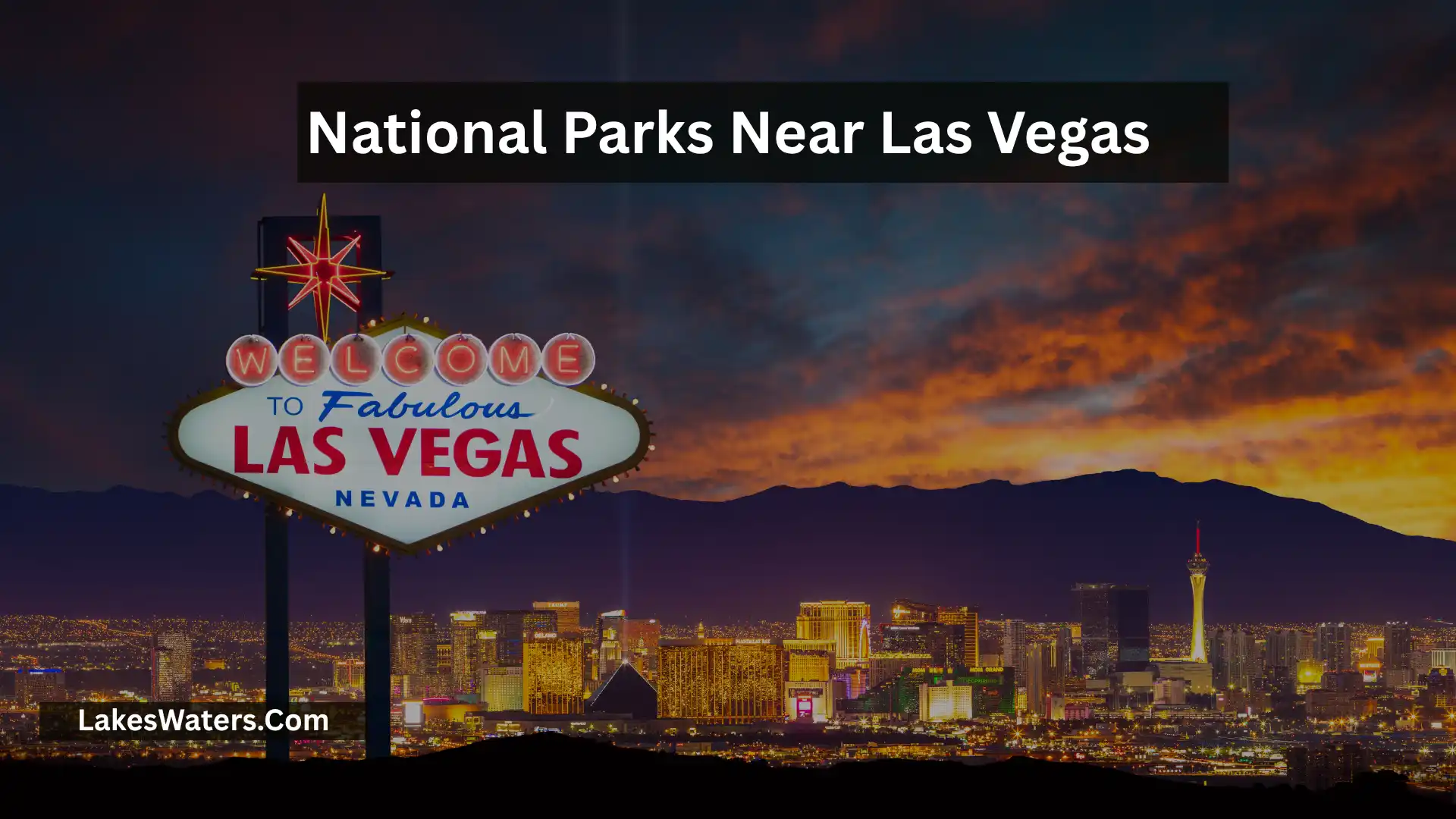
Several incredible national parks are within driving distance of Las Vegas, making the city an excellent starting point for exploring the American Southwest. Death Valley National Park is the closest officially designated national park, while Zion, Joshua Tree, the Grand Canyon, Bryce Canyon, and Great Basin offer different landscapes and outdoor experiences farther afield.
The best choice depends on how much time you have. Death Valley and Zion are popular options for longer day trips, while the Grand Canyon, Bryce Canyon, and Great Basin are often better suited to overnight stays or multi-day road trips.
There are also several protected areas closer to Las Vegas, including Red Rock Canyon, Lake Mead, and Valley of Fire. Although these destinations are not all national parks, they offer convenient opportunities for hiking, sightseeing, photography, and outdoor recreation.
Which National Parks Are Closest to Las Vegas?
Death Valley National Park is the closest officially designated national park to Las Vegas. It lies roughly 120 miles from the city by a broad geographic estimate, although the actual driving distance depends on your destination and route.
Other major national parks within driving distance include Zion National Park in Utah, Joshua Tree National Park in California, and Grand Canyon National Park in Arizona.
Here is a quick comparison to help you choose.
| Destination | Approximate Driving Time From Las Vegas | Best For | Recommended Trip |
| Death Valley National Park | Around 2–3 hours | Desert scenery, salt flats, and colorful landscapes | Full day or overnight |
| Zion National Park | Around 2.5–3 hours | Hiking, sandstone cliffs, and canyon scenery | Full day or overnight |
| Joshua Tree National Park | Around 3–4 hours | Desert plants, rock formations, and stargazing | Overnight or weekend |
| Grand Canyon National Park, South Rim | Around 4–5 hours | Vast canyon views and scenic overlooks | Overnight or longer |
| Bryce Canyon National Park | Around 4–5 hours | Hoodoos, hiking, and elevated viewpoints | Overnight or longer |
| Great Basin National Park | Around 4–5 hours | Mountain scenery, caves, and ancient trees | Overnight or weekend |
| Capitol Reef National Park | Around 5–6 hours | Scenic drives, sandstone formations, and remote landscapes | Multi-day road trip |
Driving times are approximate planning estimates, not guaranteed journey times. They can vary with the route, traffic, weather, road closures, and the park entrance you use.
Best National Parks Near Las Vegas
Death Valley National Park
Death Valley National Park is one of the most practical choices for travelers who want to experience a dramatic desert landscape without driving across several states.
Located in California and Nevada, the park is known for its vast salt flats, colorful mountains, sand dunes, and exceptionally hot, dry conditions.
Its landscape changes significantly across the park. Some areas feature wide, open desert basins, while others have rugged mountain scenery and winding roads through narrow valleys.
Best Things to See and Do
- Visit Badwater Basin to see the expansive salt flats.
- Explore Zabriskie Point for views across eroded, multicolored hills.
- Photograph the desert landscape during the early morning or late afternoon.
- Visit Mesquite Flat Sand Dunes for a classic desert experience.
- Explore accessible scenic viewpoints and established trails.
Death Valley can work as a long day trip from Las Vegas, especially if you concentrate on a few major attractions. However, the park is enormous, and trying to see every highlight in one day can make the journey tiring.
An overnight visit gives you more time to explore and potentially enjoy the night sky.
Best Time to Visit: Late fall through early spring generally offers more comfortable conditions for exploring the lower desert. Spring can also bring wildflowers when weather conditions are favorable.
Summer requires particular caution. Extreme temperatures can make hiking dangerous, especially in lower elevations. Carry sufficient water, check weather forecasts, and review official road conditions before departure.
Zion National Park
Zion National Park in southwestern Utah is famous for its towering sandstone cliffs, narrow canyons, dramatic rock formations, and hiking opportunities.
Compared with the open desert landscape of Death Valley, Zion offers a more enclosed canyon environment, with towering rock walls and vegetation along the Virgin River.
The main Zion Canyon area is particularly popular with hikers and visitors who want to experience the park’s most recognizable scenery.
Best Things to See and Do
- Explore the Zion Canyon Scenic Drive area.
- Hike suitable sections of the Riverside Walk.
- Enjoy viewpoints and established trails.
- Visit the canyon’s sandstone formations.
- Spend time photographing the changing colors of the cliffs.
Zion is a strong option for an ambitious day trip from Las Vegas, but an overnight stay makes the experience less rushed.
During shuttle operating periods, private vehicles are generally not permitted on the main Zion Canyon Scenic Drive. Visitors use the park’s shuttle system to reach popular stops and trailheads.
Check the current shuttle schedule before planning your visit, particularly if you want to start a hike early or return late in the day.
Best Time to Visit: Spring and fall often offer comfortable hiking weather. Summer can be hot and busy, while winter may bring colder conditions and snow at higher elevations.
If you want dramatic canyon scenery and accessible hiking opportunities, Zion is one of the strongest choices near Las Vegas.
Joshua Tree National Park
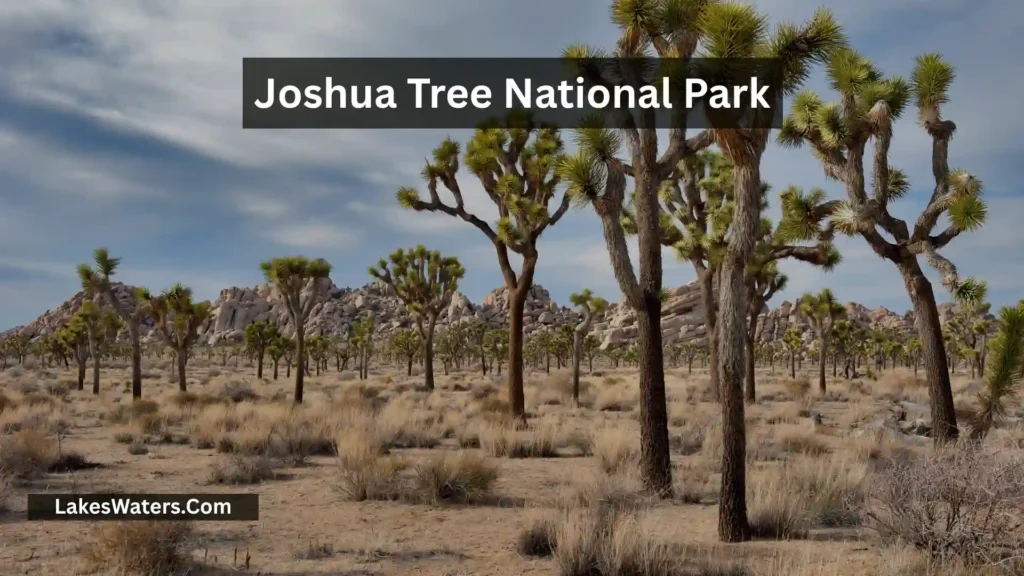
Joshua Tree National Park in Southern California offers a different desert experience from Death Valley.
The park is known for its distinctive Joshua trees, unusual rock formations, wide-open landscapes, and dark skies that can make nighttime visits particularly rewarding.
Its scenery is especially appealing to photographers, climbers, and travelers who enjoy exploring at a relaxed pace.
Best Things to See and Do
- Look for Joshua trees along established roads and trails.
- Explore the park’s distinctive rock formations.
- Visit scenic areas such as Hidden Valley.
- Enjoy photography during the golden hour.
- Experience the desert landscape after sunset when conditions allow.
Joshua Tree is generally a longer drive from Las Vegas than Death Valley or Zion. It is possible to visit for a long day, but an overnight stay is often more comfortable.
The park has multiple entrances, and your route can influence both driving time and which attractions are easiest to reach.
Plan your route carefully and avoid relying blindly on navigation systems that may suggest unsuitable backcountry roads.
Best Time to Visit: Fall, winter, and spring generally offer more comfortable temperatures than summer. Summer heat can make hiking and other strenuous outdoor activities hazardous.
Joshua Tree is an excellent choice for travelers who want unusual desert vegetation, rugged rock formations, and opportunities for stargazing.
Grand Canyon National Park
Grand Canyon National Park in Arizona is one of the most recognizable natural destinations in the United States.
Its immense canyon, layered rock formations, and expansive viewpoints make it a rewarding destination for travelers who want to experience a landscape on a much larger scale than the desert scenery around Las Vegas.
The South Rim is the most practical part of the park for many first-time visitors driving from Las Vegas. The North Rim is a separate destination with different access conditions and seasonal considerations.
Best Things to See and Do
- Visit major South Rim viewpoints.
- Walk along suitable sections of the Rim Trail.
- Explore the visitor center area.
- Photograph the canyon at sunrise or sunset.
- Learn about the canyon’s geology and natural history.
The South Rim is a substantial drive from Las Vegas. Although a day trip is possible with careful planning, an overnight stay allows more time for sightseeing and reduces the pressure to rush back to the city.
Remember that viewing the canyon from the rim is very different from hiking into it. Descending into the canyon and returning to the rim can be physically demanding, particularly in warm weather.
Choose hikes that match your fitness level and preparation.
Best Time to Visit: Spring and fall often offer comfortable conditions. Summer is popular but can be hot, while winter may bring snow and icy conditions.
For travelers who have never visited the Grand Canyon, this destination is worth considering as part of a longer road trip rather than trying to fit every attraction into a single day.
Bryce Canyon National Park
Bryce Canyon National Park in Utah is known for its unusual hoodoos, which are tall, irregular rock formations shaped by erosion.
The landscape features natural amphitheaters filled with orange, red, and pale-colored rock spires. Its appearance differs considerably from the towering cliffs of Zion and the broad canyon views of the Grand Canyon.
Bryce Canyon also sits at a higher elevation than many nearby desert destinations, so temperatures can be much cooler.
Best Things to See and Do
- Visit the main scenic overlooks.
- Walk along suitable sections of the Rim Trail.
- Photograph the hoodoos in changing light.
- Explore established hiking trails.
- Enjoy the surrounding forest and mountain scenery.
Bryce Canyon is generally too far from Las Vegas for a relaxed day trip for most visitors. It makes more sense as an overnight destination or as part of a longer Utah road trip.
Winter visits can be rewarding, particularly when snow contrasts with the red rock formations, but icy paths and changing weather require preparation.
Best Time to Visit: Late spring through early fall generally provides more accessible hiking conditions. Winter offers a different landscape but may involve snow, ice, and cold temperatures.
Choose Bryce Canyon if you want distinctive geological formations, scenic overlooks, and a cooler mountain environment.
Great Basin National Park
Great Basin National Park in eastern Nevada offers a quieter alternative to some of the more heavily visited parks in the Southwest.
Its landscape includes mountain scenery, forests, caves, and ancient bristlecone pines. The contrast between its higher elevations and the desert regions around Las Vegas makes it particularly interesting for nature enthusiasts.
The park is also known for its opportunities to experience dark night skies.
Best Things to See and Do
- Explore the accessible areas of Lehman Caves when tours are operating.
- Visit suitable mountain viewpoints.
- Learn about bristlecone pines and their unusual longevity.
- Enjoy established hiking trails.
- Experience the night sky when conditions are favorable.
Great Basin is a considerable drive from Las Vegas, so it is better suited to an overnight trip or a longer road trip.
Some activities depend on seasonal conditions. Mountain weather can change quickly, and higher-elevation areas may be inaccessible during parts of the year.
Lehman Caves tours may require advance planning, so check current availability before traveling.
Best Time to Visit: Summer and early fall often provide the most convenient access to higher-elevation areas, although conditions vary.
Great Basin is particularly appealing to travelers who want mountain scenery, caves, and a less crowded alternative to the region’s most famous parks.
Capitol Reef National Park
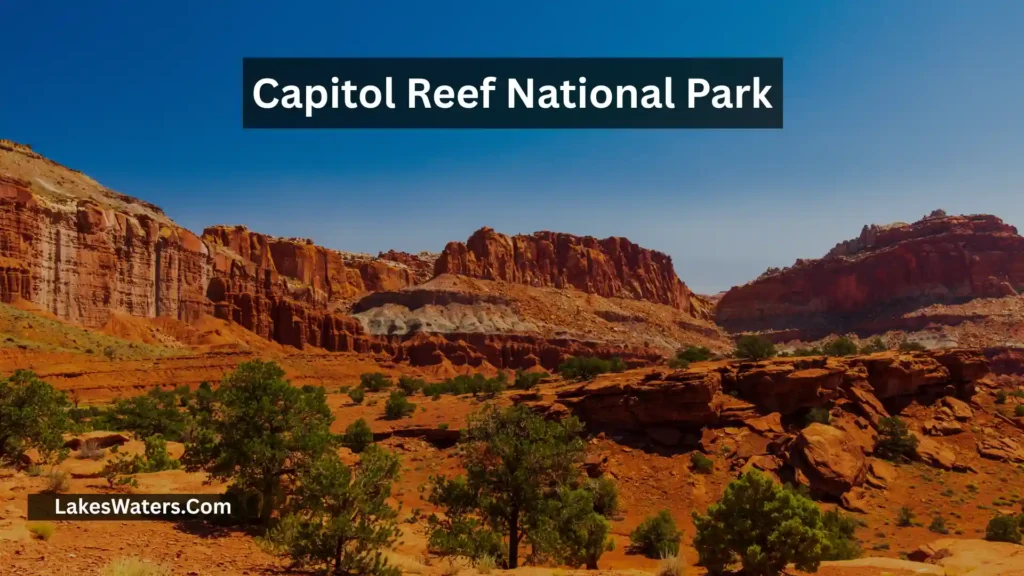
Capitol Reef National Park in Utah is another option for travelers willing to spend more time on the road.
The park is known for sandstone formations, colorful cliffs, canyons, and the Waterpocket Fold, a major geological feature that stretches across the landscape.
Its scenery is varied, and many visitors explore through a combination of scenic driving, short hikes, and longer walks.
Best Things to See and Do
- Explore the Fruita Historic District.
- Drive accessible sections of the scenic routes.
- Visit established viewpoints.
- Hike suitable trails through the park’s geological landscapes.
- Learn about the area’s cultural and natural history.
Capitol Reef is better suited to a multi-day itinerary than a quick excursion from Las Vegas. It also works well as part of a longer trip through Utah’s national parks.
Best Time to Visit: Spring and fall generally offer comfortable conditions for exploring. Summer can be hot, while winter weather may affect access to some areas.
For travelers planning an extended Southwest road trip, Capitol Reef adds a different landscape and can complement visits to Zion and Bryce Canyon.
Nearby Protected Areas Worth Visiting
Not every outdoor destination near Las Vegas is officially designated a national park.
Some of the most convenient places to explore are national conservation areas, national recreation areas, and state parks. These destinations are particularly useful for travelers who have only a few hours available.
Red Rock Canyon National Conservation Area
Red Rock Canyon is approximately 17 miles west of the Las Vegas Strip.
Managed by the Bureau of Land Management, the area features striking sandstone cliffs, desert landscapes, hiking trails, climbing opportunities, and a scenic driving route.
The 13-mile Scenic Drive is one of its main attractions, allowing visitors to experience much of the area’s landscape without committing to a long hike.
Popular activities include:
- Hiking established trails.
- Enjoying the scenic drive.
- Photographing the sandstone formations.
- Rock climbing in designated areas.
- Exploring the visitor center.
Red Rock Canyon is ideal for travelers who want to experience the desert without making a long road trip.
Timed-entry reservations may be required for the Scenic Drive during specified dates and hours. Check the current entry requirements before visiting.
Lake Mead National Recreation Area
Lake Mead National Recreation Area lies southeast of Las Vegas and includes Lake Mead, Lake Mohave, desert landscapes, and extensive opportunities for outdoor recreation.
It is managed by the National Park Service but is not officially a national park.
Depending on conditions and access, visitors can enjoy boating, fishing, hiking, cycling, and scenic viewpoints.
Lake Mead is a practical choice for travelers who want a combination of water-based recreation and desert scenery.
However, water levels, weather, access conditions, and facility availability can affect the experience. Confirm local conditions before planning activities that depend on water access.
Valley of Fire State Park
Valley of Fire State Park is known for its red sandstone formations, colorful rock surfaces, and desert scenery.
Located northeast of Las Vegas, it offers an accessible alternative to longer national park excursions.
Visitors can explore established trails, photograph distinctive rock formations, and enjoy scenic drives through the park.
Its compact layout makes it attractive for travelers who want a shorter outdoor excursion rather than a full day of driving.
Valley of Fire is a state park, not a national park. Entrance fees, opening arrangements, and access conditions should be checked before visiting.
How to Choose the Right Park for Your Trip
The best destination depends on your interests, schedule, and preferred activities.
Use the following comparison to narrow down your options.
| If You Want… | Recommended Destination | Why It Fits |
| A short outdoor escape | Red Rock Canyon | Close to Las Vegas and suitable for scenic drives and hikes |
| Desert scenery and salt flats | Death Valley | Vast landscapes and distinctive geological features |
| Dramatic canyon walls | Zion | Towering sandstone cliffs and hiking opportunities |
| A famous natural landmark | Grand Canyon | Expansive canyon views and established viewpoints |
| Unusual rock formations | Bryce Canyon | Distinctive hoodoos and elevated scenery |
| Desert plants and stargazing | Joshua Tree | Joshua trees, rugged rocks, and dark skies |
| Caves and mountain landscapes | Great Basin | A combination of caves, forests, and high elevations |
| Water-based recreation | Lake Mead | Opportunities for boating and other outdoor activities, subject to local conditions |
| A longer Utah road trip | Capitol Reef | Scenic landscapes and geological features |
Best Parks for a Day Trip

If you want to return to Las Vegas on the same day, prioritize destinations with manageable travel times.
Red Rock Canyon is one of the easiest choices for a half-day or full-day outing.
Death Valley can also work as a day trip, but its size means you should choose a small number of attractions in advance.
Zion is another option for an ambitious day trip, especially if you leave early and plan your activities carefully.
The Grand Canyon, Bryce Canyon, Joshua Tree, Great Basin, and Capitol Reef are generally more enjoyable with an overnight stay or a longer itinerary.
Best Parks for Hiking
Zion, Bryce Canyon, Great Basin, and Red Rock Canyon offer a range of hiking opportunities.
The appropriate destination depends on your experience, physical fitness, preferred trail length, and seasonal conditions.
Before starting a hike, check the trail status, weather, elevation, water availability, and estimated completion time.
Do not assume a trail is safe simply because it appears short on a map.
Best Parks for Photography
Death Valley offers colorful desert landscapes and expansive salt flats.
Zion is known for dramatic canyon walls, while Bryce Canyon provides distinctive rock spires and natural amphitheaters.
Joshua Tree is particularly appealing for desert plant photography and nighttime landscapes.
For the best results, consider early morning or late afternoon, when the angle of sunlight can bring out the texture and color of the landscape.
Best Time to Visit National Parks Near Las Vegas
The ideal time depends on the destination because the region includes both low desert areas and higher-elevation mountain environments.
Spring
Spring is a popular time to explore desert destinations because temperatures are often more comfortable than in summer.
Death Valley, Red Rock Canyon, Zion, and Joshua Tree can all be good choices, although conditions vary by elevation and date.
Some parks may experience increased visitor numbers during popular travel periods.
Summer
Summer can be extremely hot in lower desert areas.
Death Valley and other low-elevation destinations require particular caution during this season. Avoid strenuous activities during dangerous heat, carry sufficient water, and follow official safety guidance.
Higher-elevation destinations, including parts of Great Basin and Bryce Canyon, may offer cooler conditions, although they can still experience warm weather and sudden changes.
Fall
Fall often provides a useful balance of comfortable temperatures and outdoor access.
It can be a good time for hiking, photography, and scenic drives in many parts of the Southwest.
However, weather and road conditions can change, so check current information before setting out.
Winter
Winter can bring pleasant daytime conditions to lower desert areas, although nights may be cold.
Higher-elevation parks can experience snow, ice, and road restrictions. Some facilities and activities may operate seasonally.
Check access conditions carefully before traveling to mountain destinations during winter.
Tips for Planning Your Trip
A little preparation can make a substantial difference when visiting national parks near Las Vegas.
Start With a Realistic Itinerary
Do not choose destinations based only on their straight-line distance from the city.
Driving routes, park entrances, and the distance between individual attractions can add significant time.
Choose a few priorities rather than attempting to visit every major viewpoint in one day.
Check Road Conditions Before Leaving
Desert storms, flooding, snow, construction, and other hazards can affect roads and trails.
Death Valley, in particular, can experience road damage following storms. A route that was available during an earlier visit may no longer be open.
Check current park alerts and road conditions before departure.
Carry Enough Water and Supplies
Desert environments can be unforgiving, particularly during hot weather.
Bring enough drinking water, food, sun protection, and suitable clothing for your planned activities.
Do not depend entirely on finding water or supplies along the route.
Plan for Limited Cell Service
Mobile coverage can be unreliable in remote areas.
Download or prepare the information you need before leaving, and make sure you understand your route.
Tell someone about your plans when exploring remote areas, especially if you intend to hike away from major visitor facilities.
Check Entry Requirements and Fees
Some parks charge entrance fees, while others may have separate charges for particular activities or facilities.
Reservations or permits may be required for specific experiences, and entry arrangements can change.
Verify the current requirements for your intended destination before traveling.
Respect the Environment
Stay on designated roads and trails, follow posted rules, and avoid disturbing wildlife.
Never assume that an unmarked route is suitable for your vehicle.
Pack out your trash and leave natural and historic features undisturbed.
These simple practices help protect the landscapes that make the American Southwest worth exploring.
Frequently Asked Questions
What is the closest national park to Las Vegas?
Death Valley National Park is the closest officially designated national park to Las Vegas. Actual driving time depends on the destination within the park and the route taken.
How many national parks are near Las Vegas?
Several officially designated national parks are within driving distance of Las Vegas, including Death Valley, Zion, Joshua Tree, Grand Canyon, Bryce Canyon, and Great Basin. The number depends on the distance you consider practical for your trip.
Can you visit a national park from Las Vegas in one day?
Yes. Death Valley and Zion are possible day-trip destinations for travelers willing to spend several hours driving. Red Rock Canyon is an even closer option, although it is a national conservation area rather than a national park.
Is the Grand Canyon close enough for a day trip from Las Vegas?
The Grand Canyon’s South Rim is approximately a four- to five-hour drive from Las Vegas under typical planning estimates. A day trip is possible, but an overnight stay usually allows a more relaxed visit.
Which national park near Las Vegas is best for hiking?
Zion National Park is an excellent choice for canyon hiking, while Bryce Canyon, Great Basin, and Red Rock Canyon offer different terrain and trail experiences. Choose trails according to your fitness level, weather conditions, and experience.
What is the best month to visit national parks near Las Vegas?
Spring and fall often provide comfortable conditions for many desert destinations. Higher-elevation parks have different seasonal patterns, so the best month depends on the specific park and planned activities.
Are Red Rock Canyon and Lake Mead national parks?
No. Red Rock Canyon is a National Conservation Area managed by the Bureau of Land Management, while Lake Mead is a National Recreation Area managed by the National Park Service. Both are protected outdoor destinations, but neither carries the official national park designation.
Can you visit Death Valley during summer?
Yes, but extreme heat can make outdoor activities dangerous, particularly in lower elevations. Check official safety guidance, avoid strenuous activity during dangerous temperatures, and reconsider your plans if conditions are unsafe.
Final Thoughts
The best national parks near Las Vegas depend on the kind of experience you want.
Death Valley is a strong choice for desert scenery, Zion offers dramatic canyon landscapes, and the Grand Canyon delivers one of the most recognizable natural views in the country. Joshua Tree, Bryce Canyon, Great Basin, and Capitol Reef provide additional options for travelers planning longer road trips.
If you have only a few hours, consider Red Rock Canyon or Lake Mead. If you have a full day, Death Valley or Zion may be worth the drive. For more distant destinations, an overnight stay can make the trip more enjoyable.
Before leaving Las Vegas, check current road conditions, weather, access requirements, and seasonal restrictions. With a realistic itinerary and suitable preparation, you can explore some of the American Southwest’s most remarkable landscapes from a single starting point.

I am Daniel Brooks, an environmental enthusiast and writer focused on freshwater resources and the connection between humans and nature.
I enjoy researching lakes, wetlands, and water conservation practices to create informative content for readers. I believe that understanding our water systems is the first step toward protecting them.
Through my writing, I aim to inspire awareness and responsible actions for a better water future.
Books by Daniel Brooks:
- Freshwater Wonders: Stories From the World’s Lakes
- Protecting Our Blue Planet: Water Conservation Guide