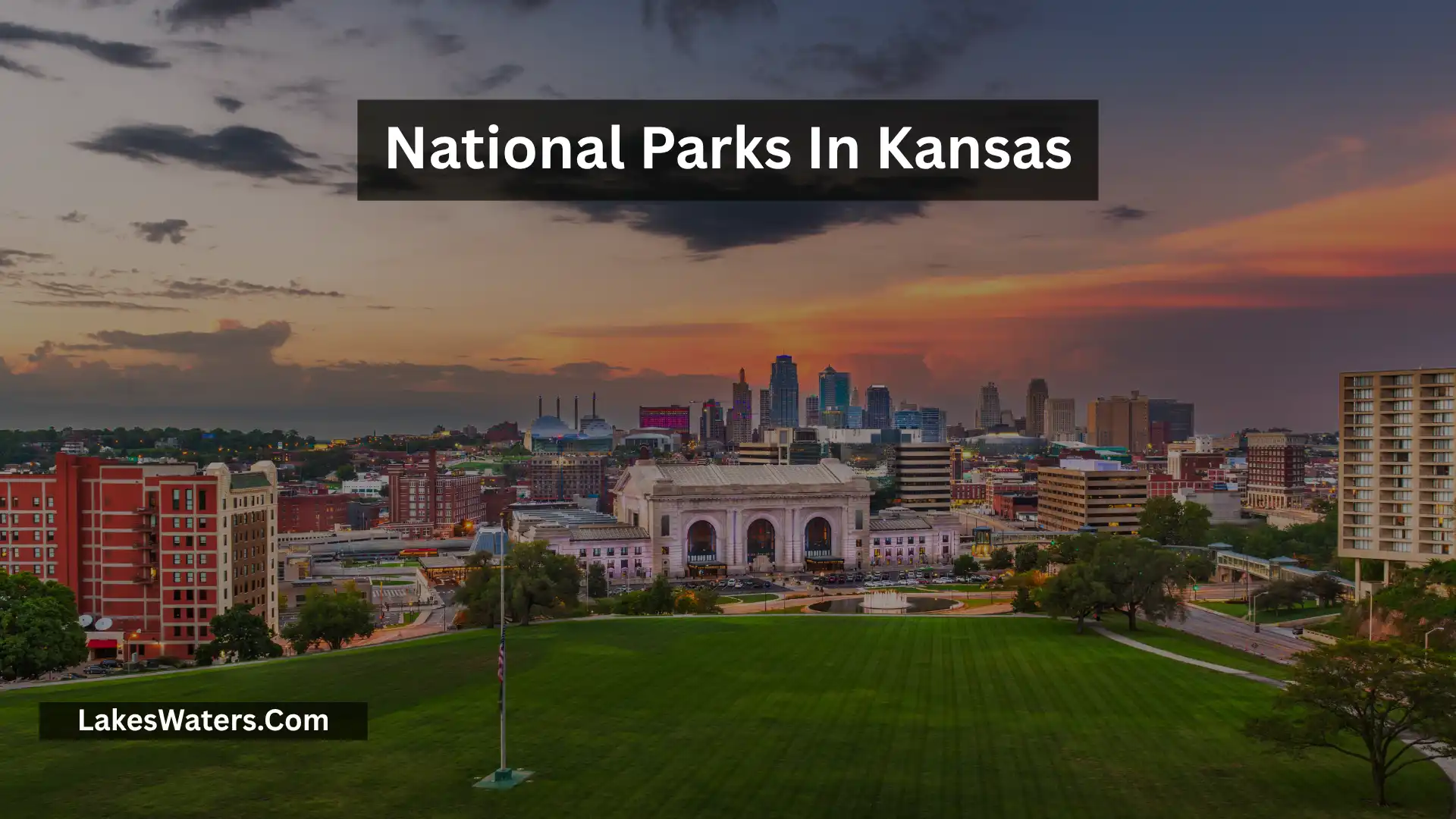
Kansas does not have a U.S. national park with the official “National Park” designation. However, that doesn’t mean there are no National Park Service destinations worth visiting in the state.
Kansas is home to five major NPS sites that protect prairie landscapes, historic forts, civil-rights history, and one of the most important Black settlement communities in the American West.
If you’re searching for national parks in Kansas, the distinction matters. You won’t find a Yellowstone-style national park here, but you can visit some fascinating federal sites, including Tallgrass Prairie National Preserve, Brown v. Board of Education National Historical Park, Fort Larned National Historic Site, Fort Scott National Historic Site, and Nicodemus National Historic Site.
For outdoor scenery, Tallgrass Prairie is the standout. For history, each of the other four offers something very different.
Does Kansas Have Any National Parks?
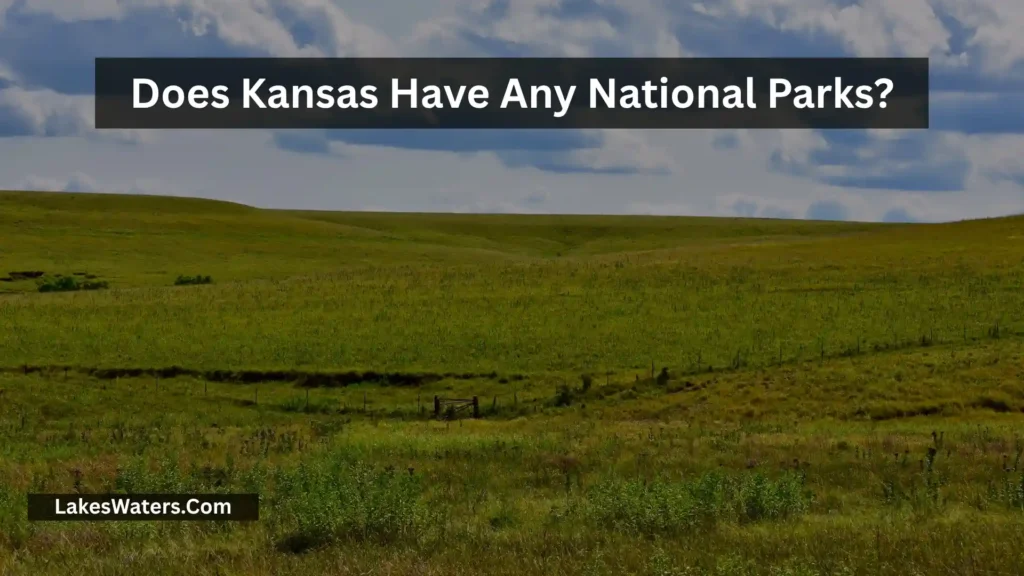
No. Kansas does not currently have a site officially designated as a National Park.
It does, however, have several places within the National Park System. The National Park Service identifies five major Kansas destinations: Brown v. Board of Education National Historical Park, Fort Larned National Historic Site, Fort Scott National Historic Site, Nicodemus National Historic Site, and Tallgrass Prairie National Preserve.
Kansas is also crossed by several National Historic Trails, including the Santa Fe, Oregon, California, Pony Express, and Lewis and Clark trails.
So when someone searches for “national parks in Kansas,” there are two different ideas that can easily get mixed together:
- National Parks: A specific NPS designation that Kansas does not currently have.
- National Park Service sites: A much broader group that includes preserves, historic sites, historical parks, trails, and other designations.
For most travelers, the second category is what makes Kansas worth exploring.
National Park vs. National Park Service Site: What’s the Difference?
The National Park Service manages far more than places officially called national parks.
Its system includes national parks, national preserves, national historical parks, national historic sites, national monuments, national recreation areas, national scenic trails, and other designations.
The difference isn’t simply about whether a place is “important.” Each designation reflects the purpose and history of the site and the legislation or administrative authority behind its protection.
That’s why Tallgrass Prairie National Preserve can be part of the National Park System without being a national park, while Brown v. Board of Education National Historical Park has a different designation based on the historical story it preserves.
For visitors, the practical lesson is simple: don’t skip a Kansas site just because its name doesn’t say “National Park.”
The Best National Park Service Sites In Kansas
Tallgrass Prairie National Preserve
If you want the closest thing to a classic outdoor national-park experience in Kansas, start here.
Located in the Flint Hills near Strong City, Tallgrass Prairie National Preserve protects nearly 11,000 acres of prairie landscape. The preserve features wide-open views, hiking opportunities, wildlife, historic ranch buildings, and a herd of bison.
The landscape is the real attraction. Instead of dramatic mountain peaks or deep canyons, you’ll find rolling hills covered with tallgrass and an unusually expansive horizon.
The preserve also protects the historic Spring Hill Ranch, including its limestone buildings and large barn. A one-room schoolhouse adds another layer of history to the landscape.
What Can You Do At Tallgrass Prairie?
Visitors can:
- Hike across the prairie.
- Look for bison and other wildlife.
- Explore historic buildings.
- Enjoy scenic views across the Flint Hills.
- Learn about the tallgrass prairie ecosystem.
- Experience the landscape during different seasons.
- Enjoy exceptionally open night skies.
The prairie is open year-round, although individual trails or areas can be affected by prescribed fire, weather, or cattle and bison operations.
Camping and overnight parking aren’t allowed within the preserve.
One important safety rule deserves special attention: give bison plenty of space. The NPS recommends staying at least 125 yards away from bison. These animals may look calm, but they are powerful and can become aggressive, particularly during breeding and calving seasons.
How Long Should You Spend At Tallgrass Prairie?
A few hours can give you a good introduction, but a half-day gives you considerably more time to walk the trails and explore the historic areas.
If you’re building a broader Flint Hills road trip, you can easily make Tallgrass Prairie one of several stops rather than treating it as a quick roadside attraction.
Brown v. Board of Education National Historical Park
In Topeka, Brown v. Board of Education National Historical Park preserves and interprets one of the most important chapters in American civil-rights history.
The site is associated with the landmark Brown v. Board of Education Supreme Court decision, which challenged racial segregation in public schools.
The park occupies the former Monroe Elementary School site and uses exhibits and interpretation to explain segregation, the people involved in the struggle for equal education, and the broader significance of the case.
This isn’t a traditional outdoor park where you go primarily for hiking or wildlife. Its value comes from the historical story it tells.
What Can You Do At Brown v. Board?
A visit can include:
- Exploring the visitor center and exhibits.
- Learning about segregated education.
- Understanding the Brown v. Board case.
- Learning about the people and communities involved.
- Exploring the site’s historical interpretation.
- Taking part in ranger programs when available.
The site is particularly worthwhile for travelers interested in American history, civil rights, education, and social change.
The visitor center is currently open Tuesday through Saturday from 9 a.m. to 5 p.m., although visitors should check current conditions before traveling because temporary construction or other changes can affect access.
Fort Larned National Historic Site
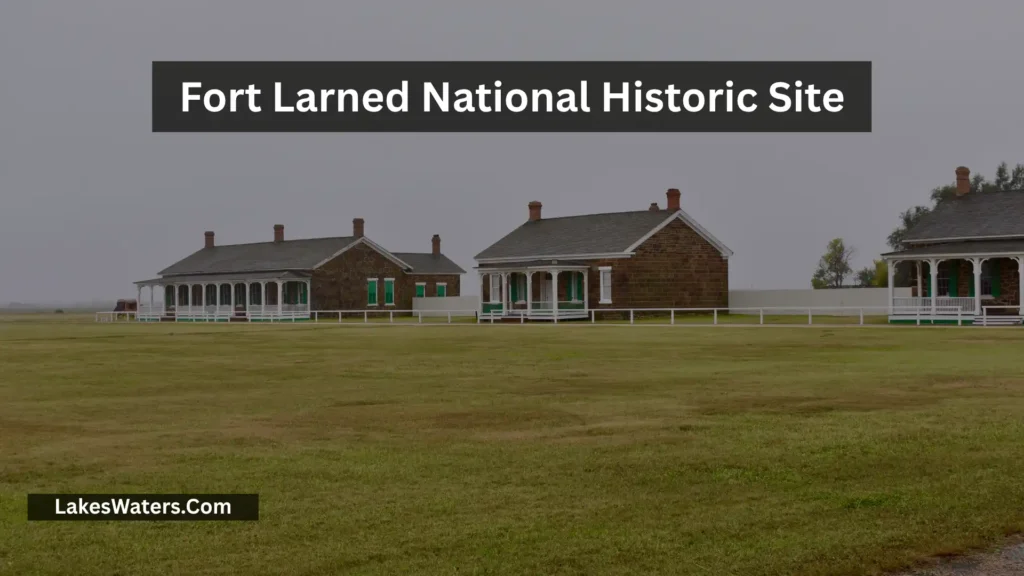
Fort Larned offers a very different experience.
Located in central Kansas near Larned, this remarkably well-preserved frontier military post tells the story of the U.S. Army’s presence on the Great Plains during the 19th century.
The fort was associated with the Santa Fe Trail and the complicated period of westward expansion, military activity, and interactions between different communities across the Plains.
Several historic buildings help visitors understand what life was like for soldiers and other people living at the post.
What Can You Do At Fort Larned?
Visitors can:
- Explore the historic fort buildings.
- Visit the museum and visitor center.
- Learn about life on the frontier.
- Walk the grounds.
- Follow interpretive programs.
- Explore the area’s history through self-guided resources.
- Attend special living-history events when scheduled.
The NPS recommends allowing at least about two hours to see the museum exhibits, watch the introductory film, and tour the fort.
Admission is free.
For travelers interested in frontier history, military history, or the Santa Fe Trail, Fort Larned is one of the strongest stops in Kansas.
Fort Scott National Historic Site
Fort Scott National Historic Site sits in the southeastern part of Kansas and preserves a military fort with a complicated history spanning several important periods of American history.
The site preserves 20 historic structures, including original buildings and reconstructions on their historic foundations.
The story begins with the military frontier of the 1840s, but Fort Scott later became connected to Bleeding Kansas, the Civil War, and the political conflict over slavery.
That broad historical range makes Fort Scott particularly interesting for visitors who want more than a single chapter of history.
What Can You Do At Fort Scott?
Visitors can:
- Explore the historic structures.
- Walk the parade ground.
- Visit exhibits.
- Watch the introductory program.
- Follow self-guided tours.
- Walk through restored tallgrass prairie.
- Join guided tours when staffing permits.
- Attend special living-history programs.
The NPS recommends at least 1.5 hours for a basic visit, although visitors who want to read the exhibits and participate in interpretive activities can easily spend several hours.
Admission is free.
Nicodemus National Historic Site
Nicodemus is one of the most historically distinctive NPS sites in Kansas.
Located in northwestern Kansas, Nicodemus preserves the story of African Americans who moved west after the Civil War in search of greater freedom and opportunity.
The community represents an important chapter in the history of Black migration, western settlement, and community building.
Unlike a large natural park, Nicodemus is a small historic community. The experience is centered on understanding the people who established and sustained the settlement.
What Can You Do At Nicodemus?
Depending on available time and current operations, visitors can:
- Explore the visitor center.
- See historic exhibits.
- Watch park films.
- Visit historic buildings open to the public.
- Take a self-guided walk.
- Join a ranger-guided walk when available.
- Visit the historic cemetery.
- Learn about the community’s founders and residents.
The National Park Service currently recommends different experiences depending on how much time you have, from a short visit to several hours.
Admission is free.
Because Nicodemus is farther from many of Kansas’s major population centers, it works particularly well as part of a dedicated western Kansas history road trip.
Kansas National Park Service Sites At A Glance
| Site | Location | Best For | Suggested Visit |
| Tallgrass Prairie National Preserve | Near Strong City | Hiking, prairie, wildlife, bison | Half day or longer |
| Brown v. Board of Education National Historical Park | Topeka | Civil-rights history | About 1–2 hours |
| Fort Larned National Historic Site | Near Larned | Frontier and military history | About 2 hours |
| Fort Scott National Historic Site | Fort Scott | Military, Bleeding Kansas, Civil War history | 1.5–3+ hours |
| Nicodemus National Historic Site | Nicodemus | Black history and western settlement | 1–2 hours |
These are practical planning estimates rather than fixed tour durations. Your actual visit can be shorter or longer depending on exhibits, programs, walking pace, and seasonal activities.
Which Kansas NPS Site Should You Visit?
The best choice depends on what you want from the trip.
For nature and scenery: Choose Tallgrass Prairie National Preserve.
For hiking and wildlife: Tallgrass Prairie is again the strongest choice, especially if you want to experience the Flint Hills landscape.
For civil-rights history: Choose Brown v. Board of Education National Historical Park.
For frontier military history: Choose Fort Larned National Historic Site.
For a broader military and political history: Choose Fort Scott National Historic Site.
For Black history and western settlement: Choose Nicodemus National Historic Site.
For families: Tallgrass Prairie and Fort Scott can work particularly well because they combine outdoor exploration with historical interpretation.
If you have only one day, don’t try to rush through all five. Choose the site that matches your interests.
When Is The Best Time To Visit?
Kansas experiences significant seasonal changes, so the best time depends on what you want to do.
Spring
Spring brings fresh growth to the prairie, but it can also bring thunderstorms and rapidly changing weather.
It’s a good season for travelers who want greener landscapes and comfortable outdoor temperatures, provided they keep an eye on the forecast.
Summer
Summer can be hot, particularly on exposed prairie trails.
If you’re hiking at Tallgrass Prairie, carry water, protect yourself from the sun, and plan around the hottest part of the day.
Fall
Fall is one of the most appealing seasons for the Flint Hills.
Tallgrass Prairie’s grasses reach their greatest height later in the season, and the changing landscape can make fall particularly rewarding for scenic drives and hiking.
Winter
Winter can offer a quieter experience, but weather and shorter visitor-center hours can affect your plans.
Before traveling, check current operating information for the individual NPS site you’re visiting.
Are There State Parks In Kansas?
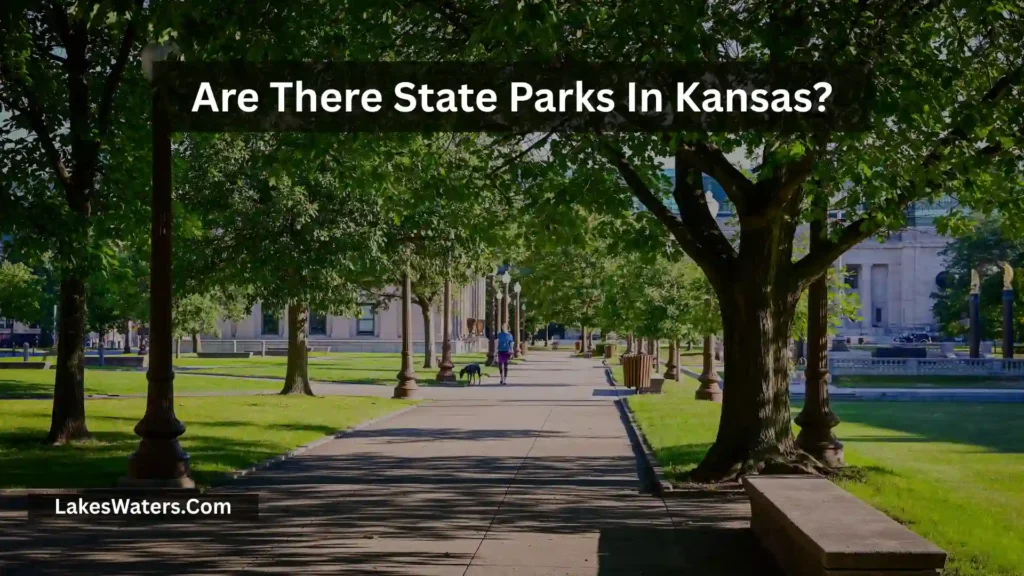
Yes. Kansas has a substantial state-park system, and these parks can be a better fit if your main goal is camping, boating, fishing, swimming, or reservoir recreation.
Examples include Cedar Bluff, Kanopolis, Wilson, Milford, Tuttle Creek, El Dorado, Crawford, and many others.
The important distinction is that Kansas state parks are not national parks. They are managed by the state rather than the National Park Service.
For outdoor recreation, however, they can complement an NPS-focused trip extremely well.
If your main goal is a classic outdoor getaway rather than historical interpretation, it is worth considering both systems rather than limiting your search to places with “national” in the name.
What National Parks Are Near Kansas?
If your goal is specifically to visit a site officially designated National Park, you’ll need to leave Kansas.
Depending on where you start in the state, some of the more practical western or southern road-trip possibilities include national parks in Colorado and Arkansas.
Potential destinations include:
- Rocky Mountain National Park in Colorado
- Great Sand Dunes National Park and Preserve in Colorado
- Mesa Verde National Park in Colorado
- Hot Springs National Park in Arkansas
The best option depends heavily on your starting point. Kansas is a large state, so a park that looks relatively close on a map may still require a substantial drive.
For that reason, it’s better to plan from your actual city rather than assuming there is one single “closest national park to Kansas.”
Frequently Asked Questions
Does Kansas have any national parks?
No. Kansas does not currently have a site with the official National Park designation. It does have several National Park Service sites, including a national preserve, a national historical park, and national historic sites.
What is the best national park site in Kansas?
For scenery, hiking, prairie landscapes, and wildlife, Tallgrass Prairie National Preserve is the strongest choice. For history, the best choice depends on your interests.
Is Tallgrass Prairie National Preserve a national park?
No. It is a National Park Service site designated as a national preserve. It is one of the most important natural destinations in Kansas and protects a large area of tallgrass prairie in the Flint Hills.
Are the National Park Service sites in Kansas free?
The five major Kansas NPS destinations discussed here do not require an entrance fee. Individual programs, events, or services can have different arrangements, so visitors should check current information before traveling.
Can you see bison in Kansas?
Yes. Tallgrass Prairie National Preserve has a bison herd. Visitors should observe bison from a safe distance and never approach, feed, or attempt to interact with them.
What is the most important historical park in Kansas?
That depends on the history you’re interested in. Brown v. Board of Education is especially important for civil-rights history, while Fort Larned and Fort Scott focus more heavily on frontier and military history. Nicodemus is particularly important for Black settlement and migration history.
How many National Park Service sites are in Kansas?
The National Park Service’s Kansas listings include five major destinations commonly presented together: Brown v. Board of Education National Historical Park, Fort Larned National Historic Site, Fort Scott National Historic Site, Nicodemus National Historic Site, and Tallgrass Prairie National Preserve. Kansas also contains portions of several National Historic Trails.
What should I visit if I only have one day in Kansas?
Choose based on your interests. Tallgrass Prairie is the best choice for a nature-focused day, while Brown v. Board of Education is an excellent option for history and civil-rights education. Fort Larned, Fort Scott, and Nicodemus are better choices if their particular historical stories match your interests or road-trip route.
Final Thoughts
Kansas may not have a national park with the famous “National Park” title, but that doesn’t make it irrelevant to National Park Service travelers.
The state offers a surprisingly varied collection of federal destinations. You can walk through tallgrass prairie and watch bison at Tallgrass Prairie National Preserve, explore the history of school desegregation in Topeka, step inside a preserved frontier fort, or learn about the Black settlers who established Nicodemus after the Civil War.
The key is to search beyond the name.
If you’re looking for nature, start with Tallgrass Prairie. If you’re interested in American history, choose the site whose story most interests you. And if your goal is specifically to visit a designated national park, plan a longer road trip beyond Kansas.

I am Ethan Reynolds, a nature researcher and writer focused on freshwater environments, aquatic ecosystems, and sustainable water solutions.
I enjoy sharing knowledge about lakes, rivers, wetlands, and the challenges facing global water resources.
My goal is to help readers understand the value of water and encourage responsible actions to protect it.
Books by Ethan Reynolds:
- Lakes and Landscapes: Stories from Nature
- Protecting Water for Future Generations