Hawaii has two designated national parks, but its National Park Service system also includes historic parks, a national memorial, a historic site, and a national historic trail. Together, these destinations protect volcanic landscapes, rare wildlife, significant Hawaiian cultural sites, and places connected to major events in American history.
The best-known destinations are Hawaiʻi Volcanoes National Park on Hawaiʻi Island and Haleakalā National Park on Maui. However, the islands offer much more than volcanoes and mountain scenery. Visitors can explore ancient settlements, traditional fishponds, sacred sites, historic battlefields, and Pearl Harbor.
Understanding where these places are located and what each offers makes it easier to plan a worthwhile trip, especially if you’re visiting more than one Hawaiian island.
How Many National Parks Are in Hawaii?
Hawaii has two designated national parks: Hawaiʻi Volcanoes National Park and Haleakalā National Park.
The state also has several other National Park Service sites that preserve its natural and cultural heritage. These include national historical parks, a national historic site, a national memorial, and a national historic trail.
The distinction matters because not every site managed by the National Park Service has the official designation of national park.
For a broader travel guide, it makes sense to consider the following nine destinations together:
- Hawaiʻi Volcanoes National Park
- Haleakalā National Park
- Kalaupapa National Historical Park
- Kaloko-Honokōhau National Historical Park
- Puʻuhonua o Hōnaunau National Historical Park
- Puʻukoholā Heiau National Historic Site
- Pearl Harbor National Memorial
- Honouliuli National Historic Site
- Ala Kahakai National Historic Trail
These sites are spread across several islands, and their experiences vary considerably. Some are best known for geology and hiking, while others focus on Hawaiian traditions, historic events, and cultural preservation.
The Best National Parks and Historic Sites in Hawaii
Hawaiʻi Volcanoes National Park
Location: Hawaiʻi Island
Best For: Volcanoes, geology, hiking, and diverse landscapes
Hawaiʻi Volcanoes National Park is one of Hawaii’s most distinctive destinations. It protects a vast volcanic landscape shaped by the geological processes that created the Hawaiian Islands.
The park encompasses Kīlauea and Mauna Loa, two major volcanoes with important roles in the island’s geological history. Its scenery ranges from volcanic craters and hardened lava fields to forests, rugged coastlines, and areas of native vegetation.
One of the park’s main attractions is its volcanic terrain. Visitors can explore designated trails, observe geological formations, and learn how volcanic activity has transformed the island over time.
The landscape can feel dramatically different from Hawaii’s familiar beaches and resort areas. Dark lava surfaces, open crater views, and unusual rock formations reveal another side of the islands.
Hiking is a popular way to experience the park, but trail conditions and available routes can change. Visitors should check current park alerts before setting out.
Volcanic activity also requires special attention. An eruption or visible volcanic feature is never guaranteed during a visit, and active volcanic areas may have access restrictions. Visitors should follow official safety instructions and never enter closed areas to obtain a better view.
Hawaiʻi Volcanoes National Park is an excellent choice for travelers interested in earth science, outdoor exploration, and landscapes unlike those found in many other American national parks.
Haleakalā National Park
Location: Maui
Best For: Sunrise views, hiking, volcanic scenery, and native wildlife
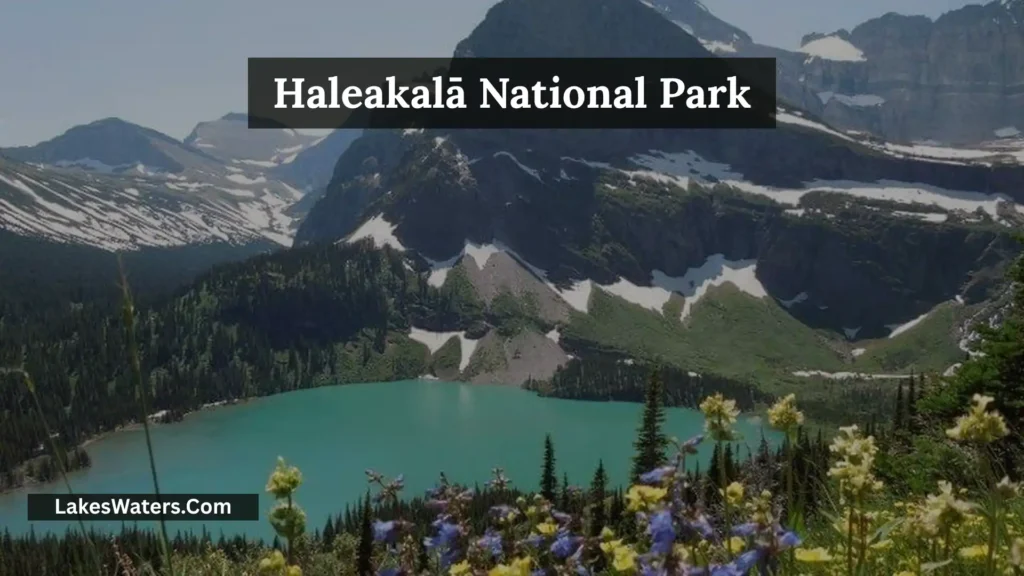
Haleakalā National Park protects a remarkable landscape on Maui, extending from a high volcanic summit to a coastal wilderness area.
The summit district is especially well known for its expansive views and unusual terrain. The landscape includes volcanic features, open slopes, and habitats that support native Hawaiian species.
Sunrise is one of the park’s most popular experiences. Watching daylight spread across the summit can be memorable, but the high elevation means conditions may be cold and windy even when coastal Maui feels warm.
Visitors planning a sunrise trip should confirm current entry and reservation requirements before traveling. They should also allow enough time to reach the summit safely in darkness.
Hiking provides another way to experience Haleakalā. Trails pass through landscapes that can look very different from the island’s beaches and tropical resort areas.
The park’s coastal district offers a contrasting environment, with waterfalls, streams, native forests, and a wetter climate. Because the summit and coastal areas are geographically separated, visitors should plan their routes carefully rather than assuming they can explore everything in a short visit.
Haleakalā is particularly suitable for travelers who want dramatic scenery, challenging outdoor experiences, and a better understanding of Maui’s natural diversity.
Kalaupapa National Historical Park
Location: Molokaʻi
Best For: Hawaiian history, cultural understanding, and historical preservation
Kalaupapa National Historical Park preserves a remote settlement on the Kalaupapa Peninsula of Molokaʻi.
The area is closely associated with the history of Hansen’s disease, commonly known as leprosy. For many years, people diagnosed with the disease were forcibly isolated at settlements in Hawaii, including Kalaupapa.
The park protects the landscape and historical record of the community while recognizing the lives, experiences, and resilience of the people who lived there.
Its significance extends beyond the buildings and scenery. Kalaupapa represents a difficult chapter in Hawaiian and public health history, making respectful interpretation essential.
Access is more restricted than at many other national park sites. Visitors should not assume that the peninsula is freely accessible or that tours and transportation are available on demand.
Before planning a visit, verify current access arrangements and any applicable authorization requirements.
Kalaupapa is best suited to visitors interested in history and cultural learning who are prepared to respect the community’s privacy and the sensitivity of the site’s past.
Kaloko-Honokōhau National Historical Park
Location: Hawaiʻi Island, near Kailua-Kona
Best For: Hawaiian history, coastal ecosystems, and traditional fishponds
Kaloko-Honokōhau National Historical Park demonstrates how Native Hawaiians developed sophisticated ways to live within the islands’ coastal environment.
Located along the Kona coast, the park protects archaeological features, coastal habitats, and evidence of traditional Hawaiian settlement.
One of its most interesting features is its traditional fishpond and fishtrap system. These structures reflect generations of knowledge about tides, marine life, coastal geography, and food production.
Visitors can also encounter rugged lava landscapes, coastal vegetation, and habitats that support native wildlife.
The park provides a different experience from the volcanic summit destinations. Instead of focusing on dramatic elevation or mountain hiking, it reveals how people adapted to the land and sea.
Exploring the area also offers opportunities to learn about the relationships between Hawaiian communities, natural resources, and cultural traditions.
Because the park contains significant cultural and archaeological resources, visitors should stay on designated routes and avoid disturbing historic structures or natural features.
Kaloko-Honokōhau is a worthwhile stop for anyone interested in traditional Hawaiian life, environmental history, and the connection between culture and landscape.
Puʻuhonua o Hōnaunau National Historical Park
Location: Hawaiʻi Island, south of Kailua-Kona
Best For: Hawaiian cultural history and traditional architecture
Puʻuhonua o Hōnaunau preserves an important traditional Hawaiian place of refuge.
In ancient Hawaii, a system of sacred laws known as kapu governed many aspects of social life. Breaking these laws could carry severe consequences. A puʻuhonua offered a place where certain people, including those seeking refuge after breaking kapu, could find protection under the traditional system.
The park contains significant cultural structures, including a massive stone wall and ceremonial features associated with the refuge.
Walking through the site gives visitors an opportunity to understand how law, religion, social order, and community life were connected in traditional Hawaii.
The setting along the coast adds to the experience, but the site’s primary significance is cultural and historical rather than simply scenic.
Visitors should treat the area with respect, follow posted restrictions, and avoid climbing on or disturbing historic structures.
Puʻuhonua o Hōnaunau is an especially valuable destination for travelers who want to learn about Hawaiian history beyond the better-known stories of volcanoes and beaches.
Puʻukoholā Heiau National Historic Site
Location: Kawaihae, Hawaiʻi Island
Best For: Hawaiian royal history and traditional religious architecture
Puʻukoholā Heiau National Historic Site preserves one of the most significant historic temples in Hawaii.
The heiau was built under the direction of Kamehameha I in the late eighteenth century. Kamehameha later became the first ruler to unite the Hawaiian Islands under a single kingdom.
The site is closely connected to the political and spiritual events surrounding that unification.
Its large stone temple structure provides a tangible connection to a period of major change in Hawaiian history. The surrounding landscape also helps visitors understand the strategic importance of the location.
Rather than treating the temple as an ordinary ruin, visitors should recognize its cultural and spiritual significance.
The site is a good addition to a visit to Hawaiʻi Island, particularly for travelers exploring the Kona and Kohala areas who want to understand the history of the Hawaiian Kingdom.
Pearl Harbor National Memorial
Location: Oʻahu, near Honolulu
Best For: World War II history and historical remembrance
Pearl Harbor National Memorial commemorates the people affected by the Japanese attack on Pearl Harbor on December 7, 1941.
The attack led to the United States entering World War II and remains one of the most consequential events in American history.
The memorial provides opportunities to learn about the attack, the people who experienced it, and its lasting historical significance.
Many visitors associate the destination with the USS Arizona Memorial, which honors those who died aboard the battleship during the attack.
Because the site has considerable historical and emotional importance, visitors should allow time to explore its exhibits and reflect on what they learn.
Planning is important because access arrangements, transportation, and availability for particular experiences may vary. Visitors should confirm current requirements before their trip.
Pearl Harbor National Memorial differs from Hawaii’s volcanic parks, but it is an important destination for anyone interested in American military history and the events that shaped the twentieth century.
Honouliuli National Historic Site
Location: Oʻahu
Best For: World War II history and learning about wartime incarceration
Honouliuli National Historic Site preserves the location of a wartime incarceration camp associated with World War II.
The site is important to understanding the treatment of people held in Hawaii during the war, including Japanese Americans and other civilians, as well as prisoners of war.
Its historical significance lies in the stories it helps preserve and the questions it raises about civil liberties, discrimination, and the consequences of wartime fear.
Unlike destinations known for scenic overlooks or extensive recreational trails, Honouliuli is primarily a place for historical education and remembrance.
Access and visitor facilities may differ from those at more established national parks. Visitors should verify current arrangements rather than assume the site operates like a conventional walk-in attraction.
For travelers interested in understanding Hawaii’s history in greater depth, Honouliuli provides important context that extends beyond the events at Pearl Harbor.
Ala Kahakai National Historic Trail

Location: Hawaiʻi Island
Best For: Cultural landscapes, historic trails, and coastal exploration
Ala Kahakai National Historic Trail is a long trail corridor that follows parts of Hawaiʻi Island’s coastline and connects places of cultural and historical importance.
The corridor extends for approximately 175 miles and includes traditional pathways, historic settlements, coastal landscapes, and sites associated with Native Hawaiian heritage.
The trail is not one continuous, uniformly accessible hiking route. Different sections fall under different management arrangements, and access varies by location.
Several National Park Service sites along the corridor provide opportunities to experience its cultural and historical significance.
These include Kaloko-Honokōhau National Historical Park, Puʻuhonua o Hōnaunau National Historical Park, and Puʻukoholā Heiau National Historic Site, along with Hawaiʻi Volcanoes National Park.
Visitors interested in walking sections of the trail should research the specific route they intend to use, including its length, surface, weather exposure, and access conditions.
Ala Kahakai is especially valuable for travelers who want to understand the relationship between traditional Hawaiian communities, the coastline, and the cultural landscape.
Hawaii National Parks by Island
Hawaii’s national park sites are distributed across several islands. Grouping them geographically is one of the simplest ways to make a trip more efficient.
| Island | National Park Service Sites | Main Attractions |
| Hawaiʻi Island | Hawaiʻi Volcanoes National Park | Volcanoes, lava fields, hiking, and geology |
| Hawaiʻi Island | Kaloko-Honokōhau National Historical Park | Coastal habitats, traditional fishponds, and Hawaiian history |
| Hawaiʻi Island | Puʻuhonua o Hōnaunau National Historical Park | Traditional place of refuge and cultural sites |
| Hawaiʻi Island | Puʻukoholā Heiau National Historic Site | Hawaiian royal history and a historic temple |
| Hawaiʻi Island | Ala Kahakai National Historic Trail | Coastal pathways and cultural landscapes |
| Maui | Haleakalā National Park | Summit scenery, sunrise viewing, hiking, and native wildlife |
| Molokaʻi | Kalaupapa National Historical Park | Community history and preservation |
| Oʻahu | Pearl Harbor National Memorial | World War II history and remembrance |
| Oʻahu | Honouliuli National Historic Site | Wartime incarceration history |
The most practical approach is to explore the sites on each island during the same part of your trip. Hawaiʻi Island, for example, has several National Park Service destinations, allowing travelers to combine volcanic landscapes with cultural and historical visits.
Maui is the main destination for Haleakalā, while Oʻahu is the logical choice for Pearl Harbor and Honouliuli.
Molokaʻi requires more careful planning because Kalaupapa has specific access considerations.
Remember that island-hopping involves separate transportation arrangements. A park’s location may look close on a map of Hawaii as a whole, but that does not mean it is a short drive from another island’s attractions.
Which Hawaii National Parks Are Worth Visiting?
The best destination depends on what you want to experience.
For Volcanoes and Geological Scenery
Choose Hawaiʻi Volcanoes National Park if you’re interested in volcanic landscapes, geological features, and the processes that created the islands.
Its combination of craters, lava fields, forests, and coastal terrain offers a broad introduction to Hawaii’s volcanic environment.
For Sunrise and Mountain Landscapes
Haleakalā National Park is the strongest choice for travelers who want summit scenery and high-elevation hiking.
If you plan to attend sunrise, prepare for cold conditions and verify any reservation requirements in advance.
For Native Hawaiian Cultural History
Kaloko-Honokōhau, Puʻuhonua o Hōnaunau, and Puʻukoholā Heiau provide different perspectives on traditional Hawaiian settlement, cultural practices, and political history.
Visiting more than one of these sites can help you understand the variety of cultural landscapes preserved on Hawaiʻi Island.
For World War II History
Pearl Harbor National Memorial is the primary choice for visitors interested in the attack on Pearl Harbor and its historical consequences.
Honouliuli offers another important perspective on wartime history and incarceration.
For a More Specialized Historical Visit
Kalaupapa is significant for understanding the history of Hansen’s disease and the people who lived in the settlement.
Because access is restricted, it requires more planning than many other sites.
For Coastal Walking and Cultural Landscapes
Ala Kahakai National Historic Trail is a useful option for visitors interested in traditional pathways and the connection between Hawaiian communities and the coastline.
Choose an appropriate section rather than assuming the entire trail can be explored during a single outing.
Best Time to Visit Hawaii National Parks

Hawaii’s national park sites can be visited throughout much of the year, but conditions vary by island, elevation, and activity.
The best time for your trip depends on your priorities.
Winter
Winter can bring more rainfall to some areas, larger ocean swells, and changing trail conditions.
Higher elevations may feel particularly cold, especially around the summit of Haleakalā.
Visitors should check weather forecasts and park alerts before hiking or driving into remote areas.
Spring
Spring can be a good time to explore hiking trails, coastal landscapes, and historical sites.
However, weather varies across the islands, and rain can still affect visibility and trail conditions.
Summer
Summer often provides opportunities for outdoor exploration, but popular destinations can be busy.
Plan ahead for sunrise visits, long drives, and activities that require reservations.
Carry adequate water and protect yourself from sun exposure, particularly on exposed volcanic terrain.
Fall
Fall can offer another opportunity to explore the islands outside the busiest travel periods.
Conditions remain location-dependent, so check local forecasts and official park updates rather than assuming every destination will have the same weather.
A Note About Volcanoes and Wildlife
Volcanic activity can change quickly, and wildlife encounters are never guaranteed.
Do not plan a trip around an assumed eruption, a guaranteed animal sighting, or a particular temporary trail opening.
Check official information shortly before visiting, and follow all safety instructions.
How to Plan a Hawaii National Parks Trip
A little preparation can help you spend more time exploring and less time dealing with transportation or access problems.
Choose Your Islands First
Start by deciding which islands you intend to visit.
If volcanoes and traditional Hawaiian history are your priorities, Hawaiʻi Island offers several National Park Service sites in addition to Hawaiʻi Volcanoes National Park.
If summit scenery is your main goal, prioritize Maui.
For Pearl Harbor and wartime history, plan time on Oʻahu.
Allow Enough Time for Each Destination
Avoid assuming that every site can be explored in an hour.
A major national park may require several hours or a full day, depending on the trails and attractions you choose. A smaller historical site may need less time, but its exhibits and cultural context still deserve attention.
For Hawaiʻi Volcanoes National Park, consider how much time you want to spend exploring trails and geological features.
For Haleakalā, account for driving time, elevation, weather, and the possibility of a very early start.
Check Fees and Reservation Requirements
Do not assume that all sites have the same entry rules.
Fees, reservation requirements, visitor facilities, and operating arrangements vary by destination and can change.
Check official information before departure, especially if you plan to attend sunrise at Haleakalā or visit Pearl Harbor’s most popular attractions.
Prepare for Changing Weather
Hawaii’s tropical reputation can make some visitors underestimate local conditions.
The summit of Haleakalā can be cold, while exposed volcanic areas can be hot and dry. Rainfall and visibility can also vary considerably between nearby locations.
Bring suitable clothing, enough water, sun protection, and appropriate footwear for your planned activities.
Respect Cultural and Environmental Rules
Hawaii’s parks preserve more than scenery. Many protect culturally significant places, archaeological features, and habitats for native species.
Stay on designated trails, follow posted instructions, and avoid disturbing historic structures or wildlife.
Treat sacred sites respectfully, and remember that access restrictions often exist to protect resources that cannot easily be replaced.
Build a Realistic Itinerary
A practical itinerary focuses on a few nearby destinations rather than attempting to visit every park in one trip.
For example, a Hawaiʻi Island itinerary could combine a visit to Hawaiʻi Volcanoes National Park with cultural sites along the Kona and Kohala coasts, provided you allow enough time for driving.
A Maui itinerary could prioritize Haleakalā and other activities on the same island.
An Oʻahu itinerary could combine Pearl Harbor National Memorial with other historical and cultural experiences nearby.
If you want to visit Kalaupapa, investigate its access arrangements before making it part of a fixed schedule.
The goal is to choose destinations that fit your interests and allow enough time to experience them properly.
Frequently Asked Questions
How many national parks are in Hawaii?
Hawaii has two designated national parks: Hawaiʻi Volcanoes National Park and Haleakalā National Park. The state also has several other National Park Service sites, including historical parks, a national memorial, a historic site, and a national historic trail.
What is the most famous national park in Hawaii?
Hawaiʻi Volcanoes National Park is among Hawaii’s best-known national parks because of its volcanic landscapes and its association with Kīlauea and Mauna Loa. Haleakalā National Park is also widely recognized for its summit scenery and sunrise views.
Which Hawaiian island has the most national park sites?
Hawaiʻi Island has the largest concentration of the sites covered in this guide, including Hawaiʻi Volcanoes National Park, Kaloko-Honokōhau, Puʻuhonua o Hōnaunau, Puʻukoholā Heiau, and the Ala Kahakai National Historic Trail.
What is the best national park in Hawaii for hiking?
Hawaiʻi Volcanoes National Park and Haleakalā National Park are strong choices for hiking. Hawaiʻi Volcanoes offers trails through volcanic landscapes and other natural environments, while Haleakalā has high-elevation and coastal wilderness areas. Choose according to your fitness, interests, and current trail conditions.
Are Hawaii national parks free to enter?
Not all sites necessarily have the same fee arrangements. Some destinations charge entrance fees or require reservations for particular experiences, while other sites may have different arrangements. Check the current rules for each destination before your visit.
What is the best time to visit Hawaii national parks?
Hawaii’s parks can be visited throughout the year, but the best time depends on the island, weather, and activities you have planned. Check local forecasts, trail conditions, and park alerts before traveling.
Can you visit several Hawaii national parks in one trip?
Yes. Hawaiʻi Island is particularly useful for combining several National Park Service sites during one trip. Maui is the main destination for Haleakalā, while Oʻahu is the place to visit for Pearl Harbor National Memorial. Travel between islands requires separate transportation planning.
Do you need reservations for Hawaii national parks?
Reservation requirements depend on the destination and activity. Some popular experiences have specific booking requirements, and access restrictions can change. Confirm current arrangements through the relevant park’s official information before departure.
Final Thoughts on Visiting Hawaii National Parks
Hawaii’s national parks and historic sites offer a much broader experience than volcanic scenery alone. They preserve important geological features, native ecosystems, traditional Hawaiian cultural landscapes, and places connected to major events in American history.
Hawaiʻi Volcanoes National Park and Haleakalā National Park are excellent starting points for travelers drawn to nature and dramatic landscapes. Kaloko-Honokōhau, Puʻuhonua o Hōnaunau, and Puʻukoholā Heiau provide valuable opportunities to learn about Hawaiian history, while Pearl Harbor and Honouliuli offer important perspectives on World War II.
You do not need to visit every site to appreciate the islands’ diversity. Choose destinations that match your interests, organize your itinerary by island, and verify current access requirements before setting out.
With thoughtful planning, Hawaii’s national parks can become some of the most meaningful stops on your trip.

I am Sophia Bennett, an environmental storyteller who explores the fascinating world of lakes, freshwater habitats, and natural ecosystems.
I write to educate and inspire people about water conservation, biodiversity, and the importance of maintaining clean water resources.
I believe that understanding nature is the first step toward protecting it.
Books by Sophia Bennett:
- Whispers of the Freshwater World
- The Journey of Water: From Source to Sustainability