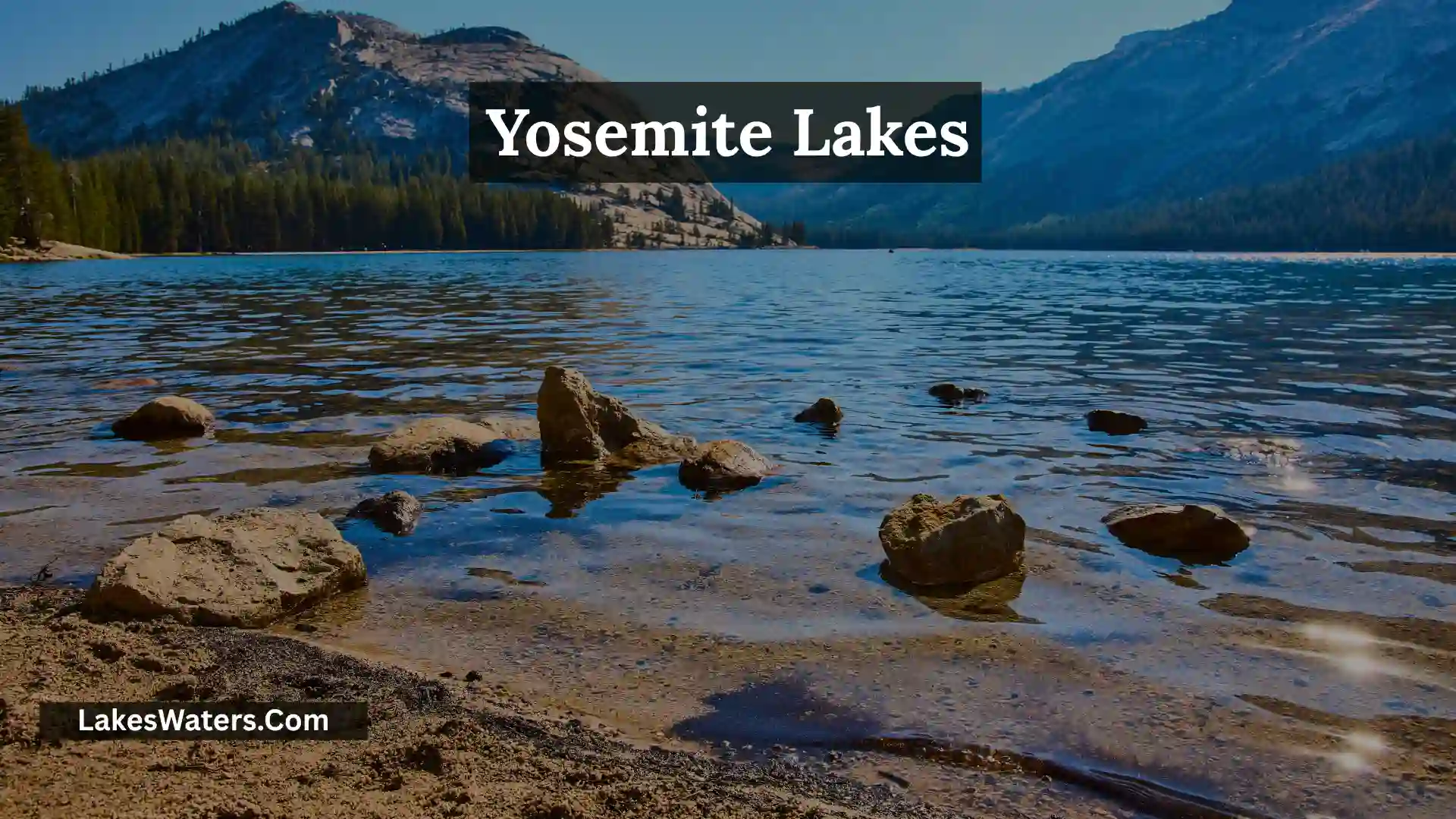
Yosemite Lakes offer some of the most memorable outdoor experiences in California’s Sierra Nevada mountains. From the clear alpine waters of Tenaya Lake to the quiet shores of mountain lakes hidden along hiking trails, Yosemite National Park has plenty of places to enjoy nature, take a break from busy roads, and explore the outdoors.
However, the term Yosemite Lakes can refer to several different places and experiences. Visitors searching for Yosemite lakes may want to explore the park’s scenic lakes, find places for swimming and kayaking, or discover the Yosemite Lakes RV Resort near Groveland, California. Yosemite Lakes Park, a residential community near Coarsegold, is another distinct location.
Understanding these differences will help you plan the right trip. Whether you want to visit the best lakes in Yosemite National Park, find outdoor activities, or stay at a campground near the park, there are several options worth considering.
What Are Yosemite Lakes?
Yosemite Lakes generally refers to the lakes in and around Yosemite National Park, although the name is also associated with specific communities and camping destinations in California.
Yosemite National Park is famous for its granite cliffs, waterfalls, forests, alpine meadows, and mountain lakes. Some lakes are accessible by car during the warmer months, while others require a hike through the wilderness.
The park also contains reservoirs, rivers, and smaller bodies of water that offer different outdoor experiences. For example, Tenaya Lake is a popular destination for swimming and kayaking, while Mirror Lake is known for its seasonal reflections of surrounding granite formations.
Here are the main destinations to understand when researching Yosemite Lakes:
| Destination | Location | What Makes It Notable |
| Tenaya Lake | Yosemite National Park, California | Alpine scenery, swimming, kayaking, and picnicking |
| Mirror Lake | Yosemite Valley, California | Reflections of Half Dome and nearby cliffs |
| Merced Lake | Yosemite wilderness | Backcountry scenery and hiking |
| Hetch Hetchy Reservoir | Northwestern Yosemite National Park | Mountain views, hiking, and reservoir scenery |
| Yosemite Lakes RV Resort | Near Groveland, California | RV camping, cabins, tent camping, and outdoor recreation |
| Yosemite Lakes Park | Near Coarsegold, California | Residential community with outdoor amenities |
These destinations are not interchangeable. Some are natural lakes within the national park, while others are camping facilities or residential communities outside it.
Best Lakes in Yosemite National Park
Yosemite National Park contains numerous lakes, but they differ in accessibility, scenery, and available activities. Some are convenient stops along scenic roads, while others require a substantial hike.
The following destinations are worth considering when planning a lake-focused visit.
Tenaya Lake
Tenaya Lake is one of the most popular lakes in Yosemite National Park. Located along Tioga Road, it sits among granite domes and mountain peaks, creating a striking alpine setting.
The lake is particularly appealing to visitors who want to enjoy mountain scenery without committing to a long backcountry hike. When Tioga Road is open, you can reach the lake by car and explore its shoreline.
Popular activities include:
- Swimming in suitable conditions.
- Kayaking and canoeing.
- Picnicking near the water.
- Enjoying the mountain views.
- Walking along accessible portions of the shoreline.
- Taking photographs of the surrounding granite landscape.
Tenaya Lake is especially attractive during summer, when road access generally makes it easier to visit. However, its high elevation means the water can remain very cold, even on warm days.
The lake’s seasonal accessibility is an important consideration. Tioga Road typically opens in late May or early June and closes after significant snowfall, although exact dates vary each year.
If Tenaya Lake is a priority for your trip, check the road status before leaving. A winter visit may not be possible by car, even if other parts of Yosemite remain accessible.
Mirror Lake
Mirror Lake is another well-known destination in Yosemite Valley. It is particularly famous for the reflections of Half Dome and Mount Watkins that can appear on its surface when water levels and weather conditions are favorable.
Despite its name, Mirror Lake is better described as a pond or seasonal lake than a large, permanent lake. Its appearance changes throughout the year, and it can become much smaller as water levels decline.
Visitors can reach the area using established walking routes from Yosemite Valley.
Things to enjoy around Mirror Lake include:
- Walking through the surrounding forest.
- Viewing nearby granite cliffs.
- Photographing reflections when conditions are suitable.
- Observing seasonal changes in the landscape.
- Enjoying a relatively accessible nature outing.
Spring can provide particularly attractive reflections when water levels are high. During drier periods, the exposed lakebed and surrounding landscape may look quite different.
Mirror Lake is a useful choice for visitors staying in Yosemite Valley who want to explore the area’s natural scenery without traveling to the higher elevations along Tioga Road.
Merced Lake
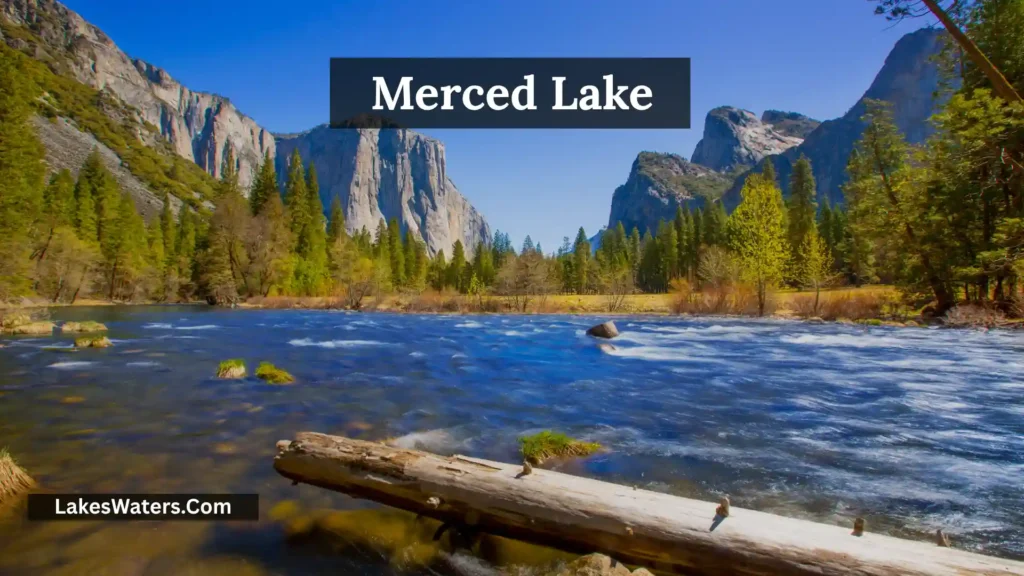
Merced Lake offers a different experience from the roadside lakes in Yosemite. Located in the park’s wilderness, it is better suited to hikers who want to explore quieter mountain landscapes.
Reaching Merced Lake requires a backcountry journey rather than a simple drive to a roadside parking area. The distance, elevation changes, and trail conditions make it important to plan carefully.
Visitors may appreciate Merced Lake for its:
- Mountain scenery.
- Forested surroundings.
- Backcountry hiking opportunities.
- Opportunities to experience a quieter part of Yosemite.
- Access to longer wilderness trips.
A visit to Merced Lake requires more preparation than a stop at Tenaya Lake. Consider your hiking ability, available daylight, water supply, and expected weather before setting out.
If you intend to stay overnight in the wilderness, check the park’s current permit requirements and camping rules.
Hetch Hetchy Reservoir
Hetch Hetchy Reservoir is located in the northwestern part of Yosemite National Park. Unlike Tenaya Lake and Mirror Lake, it is an artificial reservoir created by damming the Tuolumne River.
The reservoir is part of the water supply system serving San Francisco and surrounding communities. Its combination of water, granite cliffs, and mountain scenery makes the area notable for both its landscape and its history.
Visitors can explore designated trails and enjoy views of the reservoir and surrounding mountains.
Activities in the area include:
- Hiking on permitted trails.
- Enjoying scenic viewpoints.
- Observing the surrounding landscape.
- Learning about the area’s water infrastructure and history.
Swimming and other bodily contact with the water are prohibited at Hetch Hetchy Reservoir. Visitors should also check current access arrangements before traveling.
Hetch Hetchy is worth considering if you want to explore a different part of Yosemite, but it should not be treated as a swimming destination.
Yosemite Lakes Things to Do
Yosemite offers much more than lake sightseeing. Depending on the destination and season, you can combine a lake visit with hiking, photography, paddling, wildlife observation, and other outdoor activities.
Enjoy Swimming at Suitable Lakes
Swimming is a popular summer activity at several Yosemite lakes.
Tenaya Lake is one of the best-known choices because it combines convenient roadside access, a scenic shoreline, and opportunities to spend time beside the water.
However, swimming conditions can be challenging. Mountain lakes often remain cold, and weather can change quickly at higher elevations.
Before entering the water:
- Check for posted restrictions and safety notices.
- Be aware of cold water and the possibility of sudden temperature changes.
- Avoid swimming alone.
- Stay within your abilities.
- Supervise children closely.
- Use appropriate flotation equipment when necessary.
Swimming is generally permitted in many Yosemite bodies of water, but exceptions apply. Never assume that every lake, reservoir, or river is open for swimming.
Go Kayaking or Canoeing
Kayaking is another popular way to experience Yosemite’s lakes.
Tenaya Lake is a particularly suitable destination for visitors interested in paddling on calm mountain water. Canoes and other permitted non-motorized vessels can also provide a different perspective on the surrounding landscape.
Before launching a kayak, confirm that boating is permitted at your chosen location and review the applicable rules.
Keep these practical points in mind:
- Bring an appropriate personal flotation device for every occupant.
- Check the weather before launching.
- Be prepared for cold water.
- Avoid paddling beyond your ability.
- Follow designated launch and access rules.
- Respect restrictions on motorized and non-motorized vessels.
Conditions can change quickly in the mountains. A lake that appears calm from the shoreline may become less comfortable for paddling when winds increase.
Explore Hiking Trails Near the Lakes
Hiking allows you to experience Yosemite’s lakes from a different perspective.
Some lake destinations have short walking routes or relatively accessible shoreline areas. Others require longer hikes through forest, granite terrain, and high-elevation landscapes.
Mirror Lake is a practical option for visitors staying in Yosemite Valley. Tenaya Lake also provides opportunities to explore its surroundings without committing to a long wilderness trek.
For more remote lakes, research the trail distance, elevation gain, water availability, and expected conditions before setting out.
Choose a route that matches your fitness level and available time. Carry sufficient water, suitable footwear, and layers for changing mountain weather.
If you plan to visit a remote lake, remember that reaching the destination is only part of the journey. You must also allow enough time and energy to return safely.
Photograph Mountain Scenery
Yosemite’s lakes are popular photography locations because they bring together water, granite formations, forests, and mountain views.
Tenaya Lake is particularly appealing for wide landscape photographs. Mirror Lake can offer reflections of surrounding cliffs when water levels and weather cooperate.
For better results, consider photographing the landscape during quieter periods of the day. Early morning and late afternoon can provide interesting light, although conditions vary.
A few useful photography tips include:
- Look for reflections when the water is calm.
- Include nearby trees or rocks to add depth.
- Capture the surrounding mountains as well as the lake.
- Respect wildlife and remain on permitted routes.
- Avoid entering restricted or hazardous areas for a photograph.
You do not need specialized equipment to enjoy lake photography. A phone camera can capture memorable views when lighting and weather conditions are favorable.
Enjoy Picnicking and Relaxation
Not every Yosemite lake visit needs to involve a demanding hike or a packed schedule.
At accessible locations such as Tenaya Lake, visitors can spend time enjoying the scenery, having a picnic, and taking short walks near the shoreline.
When planning a picnic, use designated areas where available and follow park rules for food storage and waste disposal.
Keep food secure from wildlife, carry out your rubbish, and avoid feeding animals. These simple steps help protect the park’s wildlife and preserve the experience for other visitors.
Yosemite Lakes Fishing: What to Know
Fishing is another activity associated with Yosemite’s lakes and rivers. However, regulations vary by location, species, and type of water.
The National Park Service generally allows fishing in Yosemite’s lakes and reservoirs throughout the year, subject to applicable restrictions. Stream and river fishing have separate seasonal rules.
Before fishing, make sure you understand the regulations that apply to your destination.
Important considerations include:
- Anglers aged 16 and older generally need a valid California fishing license.
- Special rules apply to certain locations and fish species.
- Restrictions may apply to bait, hooks, catch limits, and possession.
- Some native fish populations require additional protection.
- Posted closures and location-specific rules must be followed.
Do not assume that fishing rules are identical across every lake and river in the park.
If fishing is a major part of your trip, identify your intended location before traveling and review the applicable regulations. This is especially important when targeting trout or fishing in areas with special conservation rules.
Yosemite Lakes RV Resort: Camping Near Yosemite National Park
Some people searching for Yosemite Lakes are actually looking for a campground rather than a lake inside the national park.
Yosemite Lakes RV Resort, also known as Thousand Trails Yosemite Lakes, is an outdoor accommodation destination near Groveland, California. It is located outside Yosemite National Park and serves as a base for visitors exploring the surrounding region.
The resort is situated along Hardin Flat Road and offers several accommodation options for different travel styles.
Accommodation Options
Depending on availability and the type of stay, accommodation options include:
- RV camping sites.
- Tent camping sites.
- Rental cabins.
- Bunkhouse-style accommodation.
- Yurts and other lodging options.
RV sites can suit travelers bringing their own recreational vehicles, while cabins and other rentals provide alternatives for people who prefer not to camp in a tent.
Before booking, check which accommodation types are available for your dates and whether the facilities meet your needs.
For example, travelers with large RVs may need to confirm site dimensions and hookup arrangements. Families considering cabins should check occupancy limits, kitchen facilities, bedding, and pet policies.
Amenities and Activities
The resort offers a range of recreational facilities and camping conveniences.
Depending on the facility and season, these may include:
- Restrooms and showers.
- Laundry facilities.
- A general store.
- Picnic and barbecue areas.
- Walking and hiking trails.
- Miniature golf.
- Sports courts and outdoor games.
- Fishing opportunities.
- Seasonal swimming opportunities.
The surrounding property includes the South Fork of the Tuolumne River, providing a natural setting for an outdoor stay.
However, river conditions and the availability of individual activities can vary. Confirm current facilities and restrictions before planning your visit around a specific activity.
Is Yosemite Lakes RV Resort Inside the National Park?
No. Yosemite Lakes RV Resort is outside Yosemite National Park, near Groveland, California.
This distinction matters when planning your trip. Staying at the resort does not place you inside Yosemite Valley or beside Tenaya Lake.
You will need to travel from the campground to the park entrance and then continue to the lakes, viewpoints, or trailheads you want to visit.
Driving time depends on your destination within the park, road conditions, traffic, and seasonal access.
If you plan to spend most of your time in Yosemite Valley, calculate the complete journey rather than relying only on the campground’s distance from the western entrance.
Is Yosemite Lakes RV Resort a Good Base for Exploring Yosemite?
It may be a practical option for travelers who want a campground-style stay near Yosemite and prefer access to RV sites, tent camping, or rental accommodation.
It can be particularly appealing to people planning a multi-day trip who want to combine national park sightseeing with time at their campsite.
Before choosing it, consider the following:
- How much driving you are comfortable doing each day.
- Whether you want to explore Yosemite Valley or areas along Tioga Road.
- The accommodation type you need.
- The facilities available during your travel dates.
- Seasonal road closures and possible delays.
- The cost of accommodation and any additional fees.
A campground outside the park may offer a different experience from lodging inside Yosemite Valley. The right choice depends on your budget, itinerary, and preferred style of travel.
Thousand Trails Yosemite Lakes Reviews: What Should You Consider?
Travelers researching Thousand Trails Yosemite Lakes often want to know whether the campground is worth booking.
Rather than relying on a single review or overall rating, consider the factors most likely to affect your stay.
Location and Travel Time
The campground’s location near Groveland provides access to the western side of Yosemite. However, the park is large, and driving to different attractions can take considerably longer than reaching the entrance.
Review your planned destinations before booking. A campsite that works well for one itinerary may be less convenient for another.
Accommodation and Facilities
Check whether the available RV site, tent site, cabin, or other rental meets your requirements.
Read recent reviews that specifically discuss the accommodation type you intend to book. A review of an RV site may not accurately reflect the experience of someone staying in a cabin.
Pay attention to cleanliness, noise, maintenance, site layout, and the condition of shared facilities.
Camping Atmosphere
A campground may appeal to travelers who enjoy spending time outdoors and participating in recreational activities. However, the experience can differ depending on the season, occupancy, and location of the individual site.
If quiet surroundings are important to you, look for recent comments about noise and site spacing.
Costs and Additional Fees
Compare the total price rather than focusing only on the advertised nightly rate.
Depending on your booking and accommodation, additional charges or policies may affect the overall cost.
Review cancellation terms, guest fees, pet policies, membership requirements where applicable, and any extra charges for facilities or activities.
The best way to evaluate Yosemite Lakes RV Resort is to compare recent reviews with your own travel priorities. This gives you a more useful picture than assuming every visitor will have the same experience.
Yosemite Lakes, California: Understanding the Different Locations
The name Yosemite Lakes can cause confusion because it is associated with several destinations in California.
Understanding the differences can prevent you from booking accommodation in the wrong place or planning a trip around an incorrect location.
Yosemite National Park
Yosemite National Park is a protected area in California’s Sierra Nevada region. It contains famous granite formations, waterfalls, forests, meadows, rivers, and mountain lakes.
Tenaya Lake, Mirror Lake, and Merced Lake are among the water destinations visitors may encounter when exploring the park.
The lakes differ in accessibility. Some are roadside destinations during the appropriate season, while others require hiking.
Yosemite Lakes RV Resort Near Groveland
Yosemite Lakes RV Resort is a campground and outdoor accommodation property outside the national park.
It offers camping and rental accommodation for visitors who want to explore Yosemite and the surrounding area.
It is a separate destination from the lakes inside the park.
Yosemite Lakes Park Near Coarsegold
Yosemite Lakes Park is a residential community in the Sierra Nevada foothills near Coarsegold, California.
It has its own community amenities and recreational facilities. Despite the similar name, it is not the same place as Yosemite National Park or Yosemite Lakes RV Resort.
If you are searching for a particular property or community, confirm its exact location before making travel arrangements.
Best Time to Visit Yosemite Lakes
The best time to visit Yosemite’s lakes depends on which destination you choose and what you want to do.
Summer
Summer is a popular season for visiting accessible lakes, enjoying mountain scenery, and participating in outdoor activities.
Tenaya Lake is particularly appealing when Tioga Road is open. Swimming, kayaking, picnicking, and sightseeing may all be possible, subject to conditions and park rules.
Summer also attracts many visitors, so parking areas and popular destinations can become busy.
Spring
Spring brings changing water levels, flowing streams, and seasonal scenery.
Mirror Lake may be particularly interesting when water levels are high enough to create reflections of the surrounding granite cliffs.
However, higher-elevation roads may remain closed during part of the season. Snowmelt and cold water also require care when exploring lakes and rivers.
Fall
Fall can offer cooler temperatures and changing colors in parts of the region.
Early fall may provide opportunities to explore higher-elevation destinations before seasonal road closures, but access depends on weather and road conditions.
As the season progresses, shorter daylight hours and colder temperatures become increasingly important considerations.
Winter
Winter can bring snow, icy roads, and substantial changes in accessibility.
Some areas remain accessible while higher-elevation roads close for the season. A lake that is easy to reach during summer may be inaccessible by car in winter.
Visitors should check current road conditions, weather forecasts, and any relevant restrictions before traveling.
Tips for Planning a Yosemite Lakes Trip
A little preparation can make a lake-focused visit to Yosemite more enjoyable.
Choose Your Destination First
Decide whether you want to visit Tenaya Lake, explore Mirror Lake, hike to a backcountry lake, or stay at Yosemite Lakes RV Resort.
These options involve different travel arrangements and activity levels.
Check Road Conditions
Seasonal road closures can significantly affect your itinerary, particularly if you want to visit Tenaya Lake along Tioga Road.
Confirm which roads are open before setting out and allow flexibility in your schedule.
Plan for Changing Weather
Mountain weather can change quickly. Carry appropriate clothing, bring enough drinking water, and prepare for colder conditions near high-elevation lakes.
Respect Wildlife
Yosemite is home to wildlife that needs space and protection.
Store food properly, keep a safe distance from animals, and follow park instructions.
Follow Water Safety Rules
Cold water, slippery rocks, changing currents, and sudden weather shifts can create hazards.
Check local restrictions before swimming, boating, or fishing. Wear suitable safety equipment and avoid entering water conditions beyond your ability.
Make Camping Arrangements in Advance
If you plan to stay at Yosemite Lakes RV Resort or another campground, confirm your reservation, accommodation details, and any additional fees before departure.
For overnight stays inside Yosemite National Park, check the applicable campground reservation requirements and availability separately.
Frequently Asked Questions About Yosemite Lakes
What are the best lakes in Yosemite National Park?
Tenaya Lake, Mirror Lake, and Merced Lake are notable destinations. Tenaya Lake is popular for scenic views and water activities, Mirror Lake is known for its reflections, and Merced Lake offers a more remote wilderness experience.
The best choice depends on your interests, fitness level, and the season.
Can you swim in Yosemite lakes?
Swimming is generally permitted in many Yosemite lakes, including Tenaya Lake, but exceptions apply. Hetch Hetchy Reservoir and certain other locations are closed to swimming.
Always check posted restrictions and water safety conditions before entering the water.
Can you kayak at Tenaya Lake?
Yes. Non-motorized watercraft, including kayaks and canoes, are permitted at Tenaya Lake under applicable rules.
Visitors must have an appropriate personal flotation device immediately available for each occupant, and children under 13 must wear one.
Access to the lake by vehicle depends on the seasonal opening of Tioga Road.
Is Yosemite Lakes RV Resort inside Yosemite National Park?
No. Yosemite Lakes RV Resort is located near Groveland, California, outside the national park.
Visitors staying there must travel to the park entrance and then continue to their chosen destinations.
Is Thousand Trails Yosemite Lakes the same as Yosemite Lakes RV Resort?
Yes. Thousand Trails Yosemite Lakes and Yosemite Lakes RV Resort refer to the same campground destination near Groveland, California.
It offers RV and tent camping along with several rental accommodation options.
Is Yosemite Lakes Park the same as Yosemite National Park?
No. Yosemite Lakes Park is a residential community near Coarsegold, California. Yosemite National Park is a separate protected area in the Sierra Nevada.
The similar names can cause confusion, so confirm the exact destination when planning a visit.
What can you do at Yosemite Lakes RV Resort?
Depending on the season and facility availability, visitors may be able to enjoy camping, hiking, fishing, outdoor games, miniature golf, and other recreational activities.
The property also offers different accommodation options. Check the current facilities and policies before booking.
When is the best time to visit Tenaya Lake?
Summer is generally a convenient time to visit Tenaya Lake because Tioga Road is typically open during part of the season.
However, exact opening and closing dates vary with weather and snow conditions. Check current road information before planning your trip.
Can you fish in Yosemite lakes?
Fishing is permitted in many Yosemite lakes and reservoirs, subject to applicable regulations.
Anglers should review California fishing license requirements, park-specific rules, and any restrictions affecting particular species or locations before fishing.
How far is Yosemite Lakes RV Resort from Yosemite National Park?
Yosemite Lakes RV Resort is near Groveland, outside Yosemite National Park. The campground’s proximity to the western entrance does not mean every attraction inside the park is nearby.
Your total travel time will depend on your destination, road conditions, traffic, and seasonal closures.
Conclusion
Yosemite Lakes can refer to the spectacular mountain lakes inside Yosemite National Park or to camping and residential destinations elsewhere in California.
For a scenic lake visit, Tenaya Lake is a strong option for summer sightseeing, swimming, and kayaking when access and conditions permit. Mirror Lake is a convenient choice for exploring Yosemite Valley, while Merced Lake suits visitors seeking a more demanding wilderness experience. Hetch Hetchy Reservoir offers a different landscape and hiking opportunities, but swimming is prohibited there.
If you prefer camping near Yosemite, Yosemite Lakes RV Resort provides RV sites, tent camping, and rental accommodation outside the park.
The key to planning a successful trip is choosing the right destination, checking seasonal access, and understanding which activities are permitted. With those details settled, you can make the most of Yosemite’s lakes, mountain scenery, and outdoor recreation opportunities.

I am Sophia Bennett, an environmental storyteller who explores the fascinating world of lakes, freshwater habitats, and natural ecosystems.
I write to educate and inspire people about water conservation, biodiversity, and the importance of maintaining clean water resources.
I believe that understanding nature is the first step toward protecting it.
Books by Sophia Bennett:
- Whispers of the Freshwater World
- The Journey of Water: From Source to Sustainability