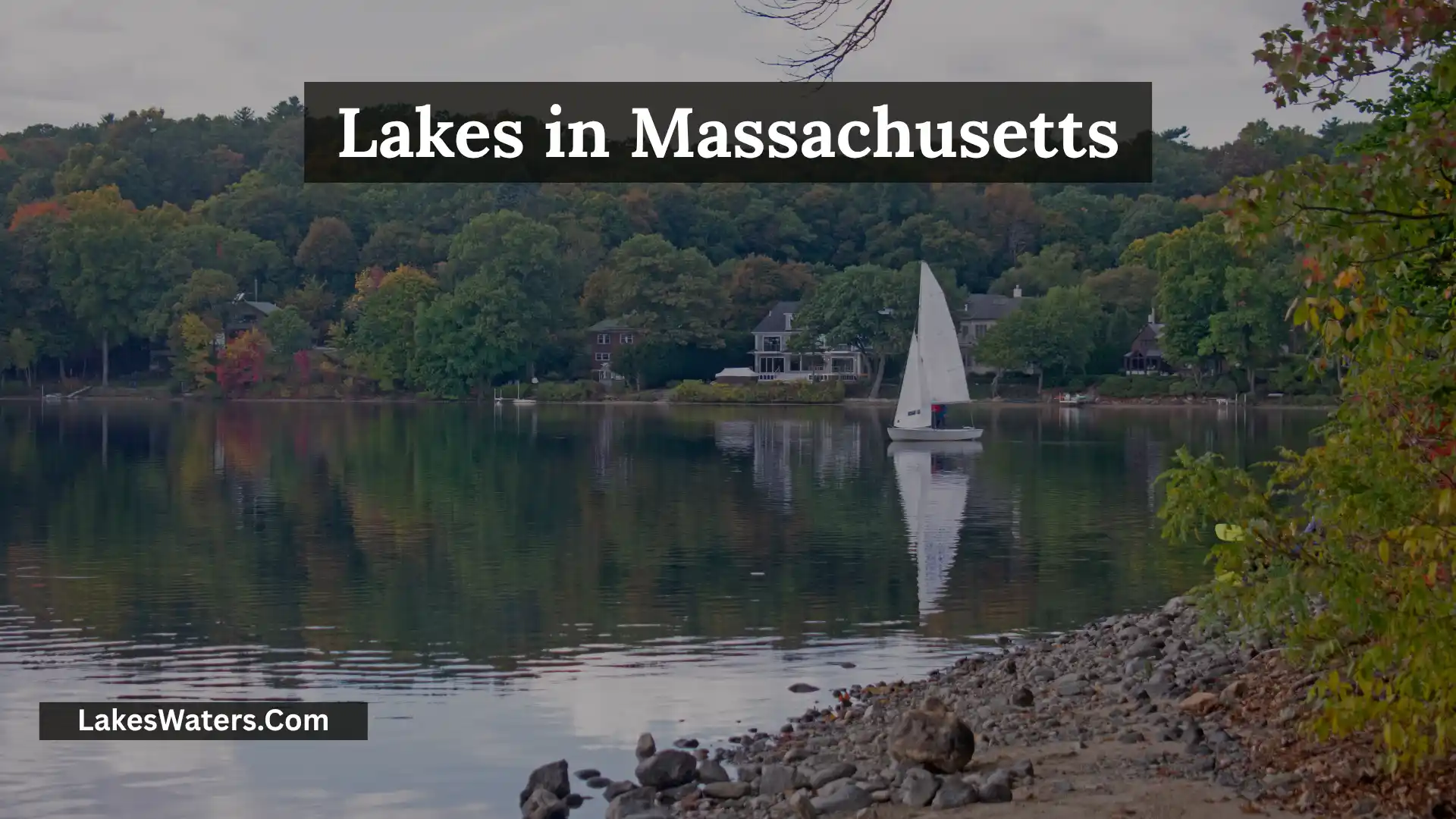
Massachusetts is home to more than 3,500 lakes and ponds, offering plenty of opportunities for swimming, boating, fishing, kayaking, camping, and relaxing by the water. From the scenic Berkshire lakes in western Massachusetts to the freshwater ponds of Cape Cod, the state has destinations for outdoor adventures, family day trips, and peaceful lakeside living.
Some of the best lakes in Massachusetts include Lake Quinsigamond, Walden Pond, Lake Chaubunagungamaug, Long Pond, Lake Cochituate, and Lake Wyola. Each offers a different experience, whether you want to spend a summer afternoon swimming, take a boat out on the water, catch largemouth bass, or enjoy a quiet escape surrounded by nature.
However, not every lake allows the same activities. Some have designated swimming beaches, others are better suited to fishing or paddling, and certain water bodies are reservoirs with restricted access. Understanding these differences can help you choose the right lake for your visit.
Best Lakes in Massachusetts to Visit
Massachusetts has lakes and ponds across the state, from urban recreational areas near Boston to forested waters in the Berkshires. The following destinations are worth considering for their scenery, recreational opportunities, and distinctive settings.
Lake Quinsigamond
Lake Quinsigamond is located between Worcester and Shrewsbury in central Massachusetts. It is one of the state’s best-known recreational lakes and a popular destination for people interested in swimming, sailing, fishing, and other outdoor activities.
The lake has a long history of competitive rowing and hosts the annual Eastern Sprints rowing championship, making it especially familiar to rowing enthusiasts.
Visitors can explore the surrounding park areas, enjoy views across the water, or spend time outdoors during the warmer months.
Best for: Swimming, sailing, rowing, fishing, and lakeside recreation.
Location: Worcester and Shrewsbury, Massachusetts.
Walden Pond
Walden Pond in Concord is one of Massachusetts’ most famous natural lakes. It is closely associated with writer and philosopher Henry David Thoreau, who lived beside the pond in the 1840s and later described his experience in Walden.
Today, Walden Pond State Reservation attracts visitors interested in swimming, walking, nature, and American literary history.
The pond is surrounded by woodland, creating a peaceful setting for a day outdoors. Visitors can also explore the historical connections between Thoreau, the landscape, and the development of American environmental thought.
Swimming is available in the designated area when permitted, but access can be affected by seasonal rules and visitor capacity.
Best for: Swimming, walking, nature appreciation, and history.
Location: Concord, Massachusetts.
Long Pond
Long Pond is a large natural lake located in the Lakeville and Freetown area of southeastern Massachusetts. Covering approximately 1,361 acres, it is one of the state’s largest natural lakes.
The lake appeals to people who enjoy freshwater recreation and the quieter atmosphere of southeastern Massachusetts. Its size makes it an important local water body for boating and fishing, although permitted activities and access vary by location.
Long Pond is also a useful destination for people exploring the region’s many freshwater lakes and ponds.
Best for: Fishing, boating, and lakeside recreation.
Location: Lakeville and Freetown, Massachusetts.
Lake Cochituate
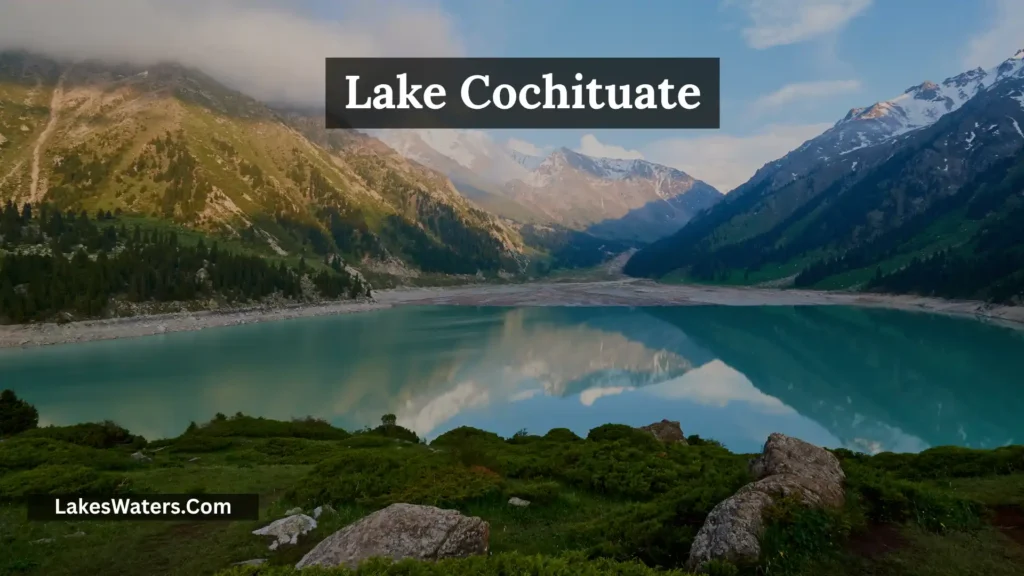
Lake Cochituate is located near Natick, Wayland, and Framingham, making it a convenient destination for people living in the Greater Boston area.
Lake Cochituate State Park provides opportunities for swimming, boating, fishing, and other outdoor activities. The lake consists of three connected sections, giving it a distinctive layout compared with smaller, isolated ponds.
Its proximity to major roads and surrounding communities makes it a practical option for a summer day trip without traveling far from Boston.
The park’s busiest areas can become crowded during warm weekends, so arriving early may help you make the most of your visit.
Best for: Swimming, boating, fishing, and day trips.
Location: Natick and surrounding communities, Massachusetts.
Lake Wyola
Lake Wyola is located in Shutesbury in western Massachusetts. Surrounded by wooded hills and a relatively quiet rural landscape, it is a good choice for visitors seeking a smaller lake away from busier urban areas.
Lake Wyola State Park offers opportunities for fishing and lakeside recreation. Anglers may find bass and trout in the surrounding waters, while the scenery makes the area appealing for a relaxing outdoor visit.
Its setting is particularly attractive during spring, summer, and early autumn, when the surrounding vegetation adds color to the landscape.
Best for: Fishing, relaxing, and enjoying a woodland setting.
Location: Shutesbury, Massachusetts.
Otis Reservoir
Otis Reservoir is located in the Berkshire region of western Massachusetts. Unlike a natural lake, it is a man-made reservoir that supports recreation as well as water-management purposes.
The reservoir is a popular option for boating, fishing, and camping. Tolland State Forest provides access to the waterfront and has a campground near the water.
Anglers can target species such as bass and stocked trout. Boaters should check applicable launch requirements, safety rules, and local restrictions before heading out.
The surrounding forest and relatively rural setting make Otis Reservoir a useful destination for people planning a longer outdoor trip.
Best for: Boating, fishing, camping, and outdoor recreation.
Location: Otis, Massachusetts.
Lake Dennison
Lake Dennison is located in Winchendon within the Lake Dennison Recreation Area. The surrounding woodland and recreation facilities make it a practical choice for families and visitors who want to combine time on the water with other outdoor activities.
Depending on the season and designated areas, visitors can enjoy swimming, fishing, paddling, hiking, and camping.
The recreation area is particularly useful for people planning a weekend outdoors rather than a short visit to the shoreline.
Gas-powered boating is restricted, so visitors should confirm the current rules before bringing a watercraft.
Best for: Camping, swimming, fishing, kayaking, and hiking.
Location: Winchendon, Massachusetts.
Benedict Pond
Benedict Pond is located in Beartown State Forest near Monterey in the Berkshires.
This pond offers a scenic setting for freshwater recreation, with forested surroundings and opportunities for swimming, fishing, and boating where permitted. A walking route around the pond provides another way to enjoy the landscape without spending the entire visit on the water.
Anglers may find largemouth bass, yellow perch, and other warmwater fish.
Benedict Pond is a good option for visitors who want to combine a lake visit with a forest walk or a broader exploration of western Massachusetts.
Best for: Swimming, fishing, paddling, and walking.
Location: Monterey, Massachusetts.
Highland Lakes
The Highland Lakes are located within the DAR State Forest in Goshen, in western Massachusetts.
Upper Highland Lake and Lower Highland Lake offer different fishing opportunities. Upper Highland Lake is stocked with trout in spring, while Lower Highland Lake is known for warmwater fishing, including largemouth bass and yellow perch.
The surrounding state forest adds opportunities for hiking, camping, and wildlife observation.
These lakes are worth considering if you prefer a wooded setting and want to combine fishing with a longer outdoor trip.
Best for: Fishing, paddling, camping, and nature activities.
Location: Goshen, Massachusetts.
Quick Comparison of the Best Lakes in Massachusetts
| Lake | Location | Best Activities | Natural Lake or Reservoir? |
| Lake Quinsigamond | Worcester and Shrewsbury | Swimming, sailing, rowing, fishing | Natural lake |
| Walden Pond | Concord | Swimming, walking, history | Natural pond |
| Lake Chaubunagungamaug | Webster | Boating, fishing, scenic views | Natural lake |
| Long Pond | Lakeville and Freetown | Fishing, boating | Natural lake |
| Lake Cochituate | Natick and surrounding towns | Swimming, boating, fishing | Lake system with modified water bodies |
| Lake Wyola | Shutesbury | Fishing, relaxing | Natural lake |
| Otis Reservoir | Otis | Boating, fishing, camping | Man-made reservoir |
| Lake Dennison | Winchendon | Swimming, fishing, camping | Artificial lake |
| Benedict Pond | Monterey | Swimming, fishing, paddling | Artificial pond |
| Highland Lakes | Goshen | Fishing, paddling, camping | Lakes within a state forest |
The natural or artificial classification is included as a general geographic distinction. Individual water bodies can have complicated histories of damming, modification, or management.
Best Lakes in Massachusetts for Swimming
Swimming is one of the most popular summer activities in Massachusetts, particularly when temperatures rise in July and August.
Several lakes and ponds have designated swimming areas, although swimming is not permitted at every water body.
Walden Pond
Walden Pond State Reservation is a well-known destination for freshwater swimming. Its combination of woodland scenery, historical significance, and a designated swimming area makes it appealing for day trips.
Because the reservation can become busy, check seasonal access arrangements before traveling.
Lake Quinsigamond
Lake Quinsigamond Park offers swimming opportunities at designated locations, including Regatta Point and Lake Park.
The surrounding recreational facilities make it an option for visitors who want to combine swimming with other activities.
Lake Cochituate
Lake Cochituate State Park is another option for swimming near the Boston metropolitan area. The park offers designated recreational areas and additional opportunities for boating and fishing.
Lake Dennison
Lake Dennison Recreation Area provides a combination of swimming, camping, and outdoor recreation. It can be especially useful for families who want to spend an entire day or weekend in a natural setting.
Benedict Pond
Benedict Pond in Beartown State Forest offers swimming and other outdoor activities in a forested environment.
Before visiting any swimming destination, check the current beach status, water-quality advisories, designated swimming boundaries, and lifeguard availability. Water conditions and access can change during the season.
Lakes in Massachusetts for Boating and Kayaking
Massachusetts has many opportunities for boating and paddling, but the type of watercraft allowed depends on the lake, its management authority, and local regulations.
Lake Quinsigamond
Lake Quinsigamond is suitable for visitors interested in sailing and other boating activities. Its open water and established recreational use make it an important destination for water sports in central Massachusetts.
Lake Cochituate
Lake Cochituate offers boating opportunities close to Greater Boston. Its connected sections allow visitors to explore different parts of the lake system, subject to local access rules.
Otis Reservoir
Otis Reservoir is a strong option for visitors interested in motor boating and fishing. Its size and recreational facilities make it suitable for longer outings on the water.
Lake Chaubunagungamaug
Webster Lake is worth considering for boaters exploring southern Worcester County. Before launching, confirm the location of public ramps and any restrictions that apply to your vessel.
Lake Dennison
Lake Dennison is a better choice for visitors interested in non-gas-powered boating and paddling.
Highland Lakes
The Highland Lakes provide opportunities for canoeing, kayaking, and small craft, subject to the applicable rules for each lake.
What to know before boating
Before taking a boat or kayak onto a Massachusetts lake, consider the following:
- Boat restrictions: Some lakes prohibit gas-powered boats or limit motor size.
- Public access: A lake may have private shorelines even when some public access is available.
- Launch facilities: Check whether a public ramp is available and whether parking or launch fees apply.
- Safety equipment: Carry the required personal flotation devices and other equipment.
- Weather: Wind, thunderstorms, and changing water conditions can make boating dangerous.
- Aquatic invasive species: Clean, drain, and dry boats and equipment to reduce the spread of invasive plants and organisms.
Never assume that a lake permits every type of boat simply because boating is possible there.
Best Bass Fishing Lakes in Massachusetts
Massachusetts offers bass fishing in natural lakes, ponds, and reservoirs. Largemouth bass are widely targeted in the state’s freshwater waters, while smallmouth bass are also present in some locations.
The best destination for you depends on the species you want to catch, the time of year, available shoreline access, and whether you prefer fishing from a boat or from land.
Long Pond
Long Pond is a useful option for anglers exploring the lakes of southeastern Massachusetts. Its large surface area offers opportunities to investigate different fishing locations, although conditions and access vary around the shoreline.
Lake Chaubunagungamaug
Webster Lake is another destination to consider for bass fishing and other freshwater angling. Check current fishing regulations and access arrangements before planning a trip.
Lake Cochituate
Lake Cochituate offers fishing opportunities alongside swimming and boating. Anglers should be aware of the designated recreational areas and follow any restrictions that apply to fishing access.
Otis Reservoir
Otis Reservoir supports fishing for bass and other species. Its recreational setting also makes it suitable for anglers who want to combine fishing with boating or camping.
Lower Highland Lake
Lower Highland Lake in the DAR State Forest is known for largemouth bass and yellow perch fishing.
The surrounding forest provides a quieter setting for anglers who prefer fishing away from densely developed shorelines.
Lake Dennison
Lake Dennison is another option for anglers who want to combine fishing with camping and hiking. The surrounding recreation area makes it useful for families or groups with different outdoor interests.
Tips for fishing in Massachusetts
To plan a successful fishing trip:
- Check current Massachusetts fishing regulations before going.
- Confirm whether you need a freshwater fishing license.
- Review seasonal rules, size limits, and catch limits.
- Check whether the location allows shoreline fishing, boat fishing, or both.
- Research recent stocking information if you plan to target trout.
- Follow catch-and-release practices where appropriate and handle fish carefully.
Massachusetts generally requires people aged 15 and older to have the appropriate freshwater fishing license, with specific exceptions and rules that should be checked before fishing.
Cleanest Lakes in Massachusetts
People searching for the cleanest lakes in Massachusetts are usually looking for clear water, a pleasant swimming environment, or a lake with a relatively healthy ecosystem.
However, there is no single permanent ranking that establishes the cleanest lake in the state for every purpose.
Water clarity, bacterial contamination, cyanobacteria, nutrient levels, and ecological health are different measurements. A lake that looks clear may still have a water-quality problem that cannot be identified by sight alone.
Walden Pond
Walden Pond is often considered by visitors seeking a natural swimming environment with woodland scenery. Its popularity, however, does not mean that its water is always safe for swimming.
Check any current advisories before entering the water.
Lake Cochituate
Lake Cochituate is a convenient option for people seeking freshwater recreation near Boston. Visitors should review current swimming information and any posted notices before using designated beaches.
Lake Wyola
Lake Wyola offers a rural setting in western Massachusetts and attracts people interested in fishing and outdoor recreation. Its surroundings may appeal to visitors seeking a quieter lake experience.
Highland Lakes
The Highland Lakes are worth considering for visitors who enjoy forested landscapes and freshwater recreation. As with other lakes, the appearance of the water should not be treated as proof of its safety.
How to judge lake water quality
Before choosing a lake for swimming, consider:
- Recent bacterial water-quality results.
- Cyanobacteria or harmful algal bloom advisories.
- Official beach closures.
- Recent heavy rainfall and runoff.
- Posted swimming restrictions.
- Reports from the responsible state or local authority.
Water quality can change within a short period. Always follow current advisories and avoid swimming when an official warning is in effect.
Major Lakes and Ponds in Massachusetts
Massachusetts has more than 3,500 lakes and ponds, according to the state’s Department of Conservation and Recreation. The total depends on the water bodies included in the inventory and the criteria used to identify them.
The state’s largest water bodies include both natural lakes and artificial reservoirs.
| Water Body | Approximate Area | Type | Location |
| Quabbin Reservoir | 24,704 acres | Man-made reservoir | Central Massachusetts |
| Wachusett Reservoir | 4,160 acres | Man-made reservoir | Central Massachusetts |
| Assawompset Pond | 2,656 acres | Natural lake or pond | Lakeville and Middleborough |
| North Watuppa Pond | 1,805 acres | Natural lake or pond | Fall River and Westport |
| South Watuppa Pond | 1,551 acres | Natural lake or pond | Fall River and Westport |
| Long Pond | 1,361 acres | Natural lake or pond | Lakeville and Freetown |
| Lake Chaubunagungamaug | 1,188 acres | Natural lake | Webster |
| Lake Quinsigamond | 1,051 acres | Natural lake | Worcester, Shrewsbury, and nearby areas |
These figures are approximate reported surface areas. Measurements and classifications may vary by source, especially where the boundaries of connected ponds or managed water bodies are concerned.
Quabbin Reservoir
Quabbin Reservoir is the largest water body in Massachusetts by surface area among the reservoirs listed above. It supplies water to communities in eastern Massachusetts and is surrounded by protected land.
Although the reservoir is an important part of the state’s landscape, its water-supply function means that public access and recreation are restricted. It should not be treated like an ordinary swimming or boating lake.
Wachusett Reservoir
Wachusett Reservoir is another major water-supply reservoir in central Massachusetts.
Its protected watershed plays an important role in regional drinking-water management. Activities that could contaminate the water are restricted, so visitors should distinguish between areas where surrounding scenery can be enjoyed and locations where access is prohibited.
Assawompset Pond
Assawompset Pond is one of the largest natural lakes or ponds in Massachusetts. It lies in southeastern Massachusetts and forms part of an important regional water system.
Because some large ponds in Massachusetts serve water-management purposes, access and recreational activities should be checked locally.
Lakes in Massachusetts Near Boston
If you are staying in Boston, you do not need to travel to western Massachusetts to enjoy freshwater scenery.
Several lakes and ponds are within a reasonable drive of the city, although journey times depend on traffic and your starting point.
Lake Cochituate: Located in the Natick area, this is one of the more convenient choices for swimming, boating, and fishing near Greater Boston.
Walden Pond: Situated in Concord, Walden Pond combines swimming opportunities with woodland scenery and literary history.
Lake Quinsigamond: Located in Worcester and Shrewsbury, this lake is farther west but offers a wider range of recreational activities.
Lake Dennison: Situated in Winchendon, it is a more distant option for visitors who want to combine water activities with camping and hiking.
Lake Wyola: Located in Shutesbury, this lake is a better fit for a trip into western Massachusetts.
Before setting out, check parking availability, seasonal access, and whether your preferred activity is permitted at the specific destination.
Lakes in Massachusetts Near New Hampshire
Massachusetts shares its northern border with New Hampshire, and several lakes in northern Massachusetts are convenient for travelers exploring southern New Hampshire.
Lake Dennison
Lake Dennison in Winchendon is one option in north-central Massachusetts. Its recreational area offers swimming, fishing, paddling, and camping opportunities.
Highland Lakes
The Highland Lakes in Goshen provide a forested setting for fishing and paddling. They are farther west than some destinations along the New Hampshire border but may suit travelers exploring the Connecticut River Valley and the western part of the state.
Lake Mattawa
Lake Mattawa is located in Orange in north-central Massachusetts. It is known among local anglers for freshwater fishing, including trout fishing, and offers opportunities for boating subject to local restrictions.
Should you visit lakes in New Hampshire instead?
If you want a larger lake destination or a multi-day lake vacation, neighboring New Hampshire is also worth considering.
Lake Winnipesaukee, one of New Hampshire’s best-known lakes, is a popular destination for boating, swimming, fishing, and lakeside holidays. It is not in Massachusetts, so it should be treated as a separate destination when planning a trip.
Your best choice depends on how far you want to travel, whether you need public swimming access, and whether you plan to stay overnight.
Lakes in Massachusetts to Live On
Living beside a lake in Massachusetts can offer scenic views, outdoor recreation, and a quieter residential setting. However, buying a lakefront home involves more than choosing an attractive shoreline.
Popular areas for exploring lakeside property include Webster Lake, Lake Quinsigamond, Long Pond, Lake Cochituate, and communities around the lakes and reservoirs of western Massachusetts.
The type of property and the rules governing the shoreline can differ significantly between locations.
What to consider before buying lakefront property
Water access: A property may offer a lake view without including a private dock or direct access to the water.
Boating restrictions: Some lakes restrict engine types, boat sizes, or other activities. Confirm the rules before purchasing a property for boating.
Shoreline ownership: Not every property owner controls the land down to the water. Verify property boundaries and any shared-access arrangements.
Water quality: Review available information about cyanobacteria, shoreline conditions, and local lake-management concerns.
Flood risk: Check the property’s flood exposure and relevant insurance requirements.
Septic systems and utilities: Properties near lakes may have specific wastewater, building, and environmental requirements.
Seasonal demand: Homes near popular recreational lakes may experience higher demand during the summer months.
Before buying a lakefront home, review local zoning rules, property records, shoreline restrictions, and any applicable environmental protections.
Best Time to Visit Lakes in Massachusetts
The best time to visit a Massachusetts lake depends on your preferred activities.
Spring
Spring is a good season for fishing, walking, and observing the landscape as vegetation returns. Water temperatures may still be too cold for comfortable swimming.
Anglers should check seasonal fishing regulations and stocking information.
Summer
Summer is the main season for swimming, kayaking, boating, and camping.
July and August can be especially busy at popular swimming areas, so arriving early may help you find parking and enjoy a quieter visit.
Always check water-quality advisories and beach access before swimming.
Fall
Autumn is an appealing time for scenic drives, hiking, photography, and peaceful lakeside walks. Western Massachusetts is particularly attractive during the fall foliage season.
Swimming opportunities are generally more limited as temperatures drop.
Winter
Some lakes and ponds may freeze during winter, creating scenic conditions for photography and nearby winter recreation.
However, ice thickness and strength can vary across the same body of water. Never assume a frozen lake is safe to walk on or skate across.
Frequently Asked Questions About Lakes in Massachusetts
How many lakes are there in Massachusetts?
Massachusetts has more than 3,500 lakes and ponds, according to the Massachusetts Department of Conservation and Recreation. The exact total depends on the definitions and mapping criteria used. The state also contains numerous artificial reservoirs and smaller water bodies.
What are the best lakes in Massachusetts to visit?
Popular choices include Lake Quinsigamond, Walden Pond, Lake Chaubunagungamaug, Long Pond, Lake Cochituate, Lake Wyola, and Otis Reservoir. The best option depends on whether you prefer swimming, boating, fishing, camping, or scenic walks.
Which lakes in Massachusetts allow swimming?
Designated swimming opportunities are available at locations such as Walden Pond, Lake Quinsigamond, Lake Cochituate, Lake Dennison, and Benedict Pond. Access and swimming conditions vary by season, so check current beach information before visiting.
What are the cleanest lakes in Massachusetts?
There is no single permanent ranking of the state’s cleanest lakes. Water clarity, bacterial contamination, cyanobacteria, and overall ecological health are different measures. Check current water-quality results and official swimming advisories before choosing a lake.
Which lakes in Massachusetts allow motorboats?
Boating rules differ by lake. Otis Reservoir, Lake Quinsigamond, and Lake Chaubunagungamaug are potential destinations to investigate for motorized boating. Confirm motor restrictions, launch access, and current regulations for your particular boat before traveling.
What are the best bass fishing lakes in Massachusetts?
Long Pond, Lake Chaubunagungamaug, Lake Cochituate, Otis Reservoir, and Lower Highland Lake are useful destinations to consider for bass fishing. Your results will depend on the season, fishing location, equipment, and applicable regulations.
Are there natural lakes in Massachusetts?
Yes. Massachusetts has many natural lakes and ponds, including Assawompset Pond, Long Pond, Lake Quinsigamond, and Lake Chaubunagungamaug. The state also has artificial reservoirs, such as Quabbin Reservoir and Wachusett Reservoir, which serve important water-supply functions.
What is the largest lake in Massachusetts?
Quabbin Reservoir is the largest listed water body in Massachusetts by surface area, covering approximately 24,704 acres. However, it is a man-made reservoir rather than a natural lake. Among the state’s largest natural lakes and ponds, Assawompset Pond is a leading example.
Can you kayak on lakes in Massachusetts?
Yes. Many Massachusetts lakes and ponds permit kayaking, including destinations in state forests and recreation areas. However, launch access and restrictions vary, so check local regulations before bringing your kayak.
Is Lake Winnipesaukee in Massachusetts?
No. Lake Winnipesaukee is in New Hampshire. It is a popular destination for boating, swimming, fishing, and lakeside vacations, but it is not part of Massachusetts.
Conclusion
The lakes in Massachusetts offer a wide range of experiences, from swimming at Walden Pond to boating on Lake Quinsigamond and fishing at Long Pond or Otis Reservoir. Visitors can also explore forested destinations such as Benedict Pond and the Highland Lakes, while people living near Boston have convenient options at Lake Cochituate and other nearby water bodies.
The best lake for your trip depends on the activities you enjoy, the distance you want to travel, and the facilities you need. Before leaving home, check current access rules, swimming advisories, boating restrictions, and fishing regulations. A little planning can help you choose a lake that suits your interests while protecting Massachusetts’ freshwater environments.

I am Daniel Brooks, an environmental enthusiast and writer focused on freshwater resources and the connection between humans and nature.
I enjoy researching lakes, wetlands, and water conservation practices to create informative content for readers. I believe that understanding our water systems is the first step toward protecting them.
Through my writing, I aim to inspire awareness and responsible actions for a better water future.
Books by Daniel Brooks:
- Freshwater Wonders: Stories From the World’s Lakes
- Protecting Our Blue Planet: Water Conservation Guide