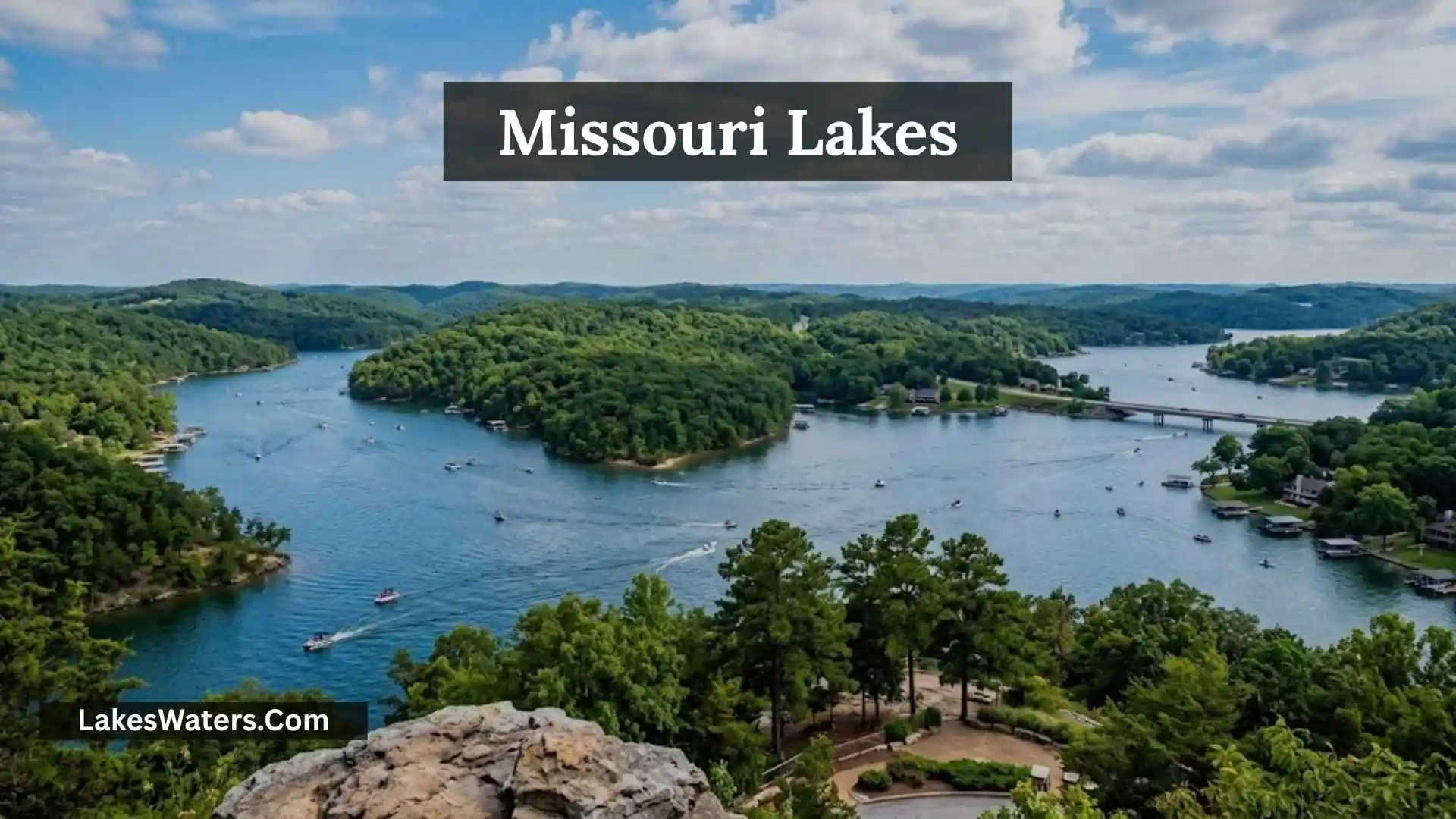
Missouri lakes offer far more than a place to spend a summer afternoon. Across the state, visitors can find large reservoirs for boating and fishing, family-friendly swimming areas, state parks for camping and hiking, quiet shorelines for wildlife watching, and scenic destinations for weekend trips.
Some of the best-known Missouri lakes include Lake of the Ozarks, Table Rock Lake, Harry S. Truman Lake, Stockton Lake, Mark Twain Lake, Lake Wappapello, Pomme de Terre Lake, and Long Branch Lake. Each has a different character, so the best choice depends on what you want to do.
If your goal is boating and a large recreational destination, Lake of the Ozarks is a natural starting point. If you want a lake near Branson, Table Rock Lake is especially convenient. Anglers may prefer Stockton, Truman, Table Rock, or Lake of the Ozarks, while families looking for swimming and camping have several state-park options.
This guide explains the best Missouri lakes, what each one is known for, when to visit, what activities are available, and how to choose the right lake for your trip.
Quick Answer: What Are the Best Lakes in Missouri?
Missouri has many lakes, ponds, and reservoirs, but its major recreational lakes are especially popular for boating, fishing, swimming, camping, hiking, and water sports. The Missouri Department of Conservation explains that many of the state’s large lakes are reservoirs created by dams, while Missouri also has smaller natural lakes, oxbow lakes, and other types of water bodies.
Some of the most useful choices are:
- Lake of the Ozarks: Best for boating, resorts, fishing, and a wide range of recreation
- Table Rock Lake: Best for families, boating, fishing, and trips near Branson
- Harry S. Truman Lake: Best for fishing, boating, camping, and outdoor recreation
- Stockton Lake: Best for sailing, fishing, swimming, and water sports
- Mark Twain Lake: Best for outdoor recreation in northeast Missouri
- Lake Wappapello: Best for camping, swimming, hiking, and nature
- Pomme de Terre Lake: Good for fishing, boating, swimming, and camping
- Long Branch Lake: A smaller option for swimming, fishing, camping, and hiking
Missouri State Parks identifies several of these reservoirs as major destinations for boating, fishing, swimming, camping, and other water-based activities.
Missouri Lakes at a Glance
The following comparison can help you narrow down your options before planning a trip.
| Lake | Best For | Region | Notable Activities |
| Lake of the Ozarks | Boating and vacations | Central Missouri | Boating, fishing, swimming, camping |
| Table Rock Lake | Families and Branson trips | Southwest Missouri | Boating, fishing, swimming, hiking |
| Harry S. Truman Lake | Fishing and outdoor recreation | West-Central Missouri | Fishing, boating, swimming, camping |
| Stockton Lake | Sailing and fishing | Southwest Missouri | Sailing, fishing, swimming, camping |
| Mark Twain Lake | Outdoor recreation | Northeast Missouri | Boating, fishing, camping, hiking |
| Lake Wappapello | Nature and camping | Southeast Missouri | Swimming, boating, hiking, fishing |
| Pomme de Terre Lake | Recreation and fishing | Southwest Missouri | Fishing, boating, swimming, camping |
| Long Branch Lake | Smaller lake recreation | Northeast Missouri | Swimming, fishing, camping, hiking |
This table is a starting point rather than a ranking. The “best” lake changes depending on whether your priority is fishing, swimming, boating, camping, scenery, or access to nearby attractions.
Best Lakes in Missouri
Lake of the Ozarks
Lake of the Ozarks is one of Missouri’s largest and busiest recreational lakes. Missouri State Parks describes it as a roughly 55,000-acre lake with about 1,150 miles of shoreline. It was created when Bagnell Dam impounded the Osage River for hydroelectric power.
Its size gives visitors a wide range of ways to enjoy the water. The surrounding area includes marinas, resorts, restaurants, vacation properties, and recreational facilities, while Lake of the Ozarks State Park provides a more natural setting with undeveloped coves and outdoor recreation.
Popular activities include:
- Boating
- Fishing
- Swimming
- Water sports
- Camping
- Hiking
- Picnicking
- Wildlife viewing
Lake of the Ozarks is a strong choice if you want an energetic lake vacation with plenty of services nearby. It may not be the first choice for someone seeking complete solitude, especially during busy summer periods.
Table Rock Lake
Table Rock Lake is one of southwest Missouri’s major recreational destinations. The lake covers about 43,000 acres and is particularly attractive to visitors traveling around Branson.
Table Rock State Park provides access to the lake along with camping, hiking, picnicking, and marina facilities. The combination of outdoor recreation and proximity to Branson makes the lake useful for travelers who want both nature and entertainment during the same trip.
Table Rock Lake is especially suitable for:
- Family vacations
- Fishing trips
- Boating
- Swimming
- Camping
- Hiking
- Weekend trips near Branson
Its clear water and scenic Ozark setting are part of its appeal, although conditions and recreation options can vary by location and season.
Harry S. Truman Lake
Harry S. Truman Lake is a large reservoir in west-central Missouri. Missouri State Parks lists the lake at approximately 55,600 acres.
The reservoir was developed following authorization for the Kaysinger Bluff Dam and Reservoir project. The project later incorporated hydroelectric power and recreation into its purposes.
Today, Harry S. Truman State Park offers fishing, boating, swimming, camping, hiking, picnicking, and nature-based recreation. The park sits on a peninsula extending into the lake, giving visitors broad access to the surrounding water.
Fishing is one of the lake’s major attractions. Common catches associated with the area include crappie, bass, catfish, and white bass.
Truman Lake is a particularly good choice if your trip is centered around fishing and outdoor recreation rather than a resort-style vacation.
Stockton Lake

Stockton Lake covers about 24,900 acres and is located in southwest Missouri. Stockton State Park describes the lake as a major destination for water recreation and sailing.
One of its most distinctive features is its reputation as a sailing destination. The area’s regular southwest breeze can create favorable conditions for sailors, while the lake also supports swimming, fishing, water skiing, scuba diving, and other activities.
Stockton State Park provides:
- Boat launches
- A swimming beach
- Camping
- Cabins
- Hiking
- Picnicking
- Wildlife viewing
- Marina access
Stockton is a good option if you want a lake that feels strongly focused on outdoor recreation rather than resort development.
Mark Twain Lake
Mark Twain Lake is a major recreational lake in northeast Missouri. Missouri State Parks identifies it as an approximately 18,000-acre lake and the largest lake in northeast Missouri.
The surrounding area offers opportunities for boating, fishing, swimming, camping, hiking, and picnicking.
Mark Twain Lake can be a useful choice for travelers who want access to a large reservoir without focusing their trip on the busiest resort areas of central Missouri.
Lake Wappapello
Lake Wappapello is located in southeast Missouri in the foothills of the Ozarks. Missouri State Parks describes it as a roughly 45,000-acre lake on the St. Francis River.
Lake Wappapello State Park provides access to boating, swimming, camping, lodging, hiking, and picnicking.
The combination of forested surroundings and water recreation makes Wappapello a good option for travelers who want an outdoor-focused trip.
It is especially worth considering if your plans include both time on the water and activities on land.
Pomme de Terre Lake
Pomme de Terre Lake is located in southwest Missouri and provides about 7,820 acres of recreational water.
Pomme de Terre State Park has two areas, around the Hermitage and Pittsburg sides of the lake, giving visitors multiple points from which to access the area.
The lake is suitable for:
- Fishing
- Boating
- Swimming
- Camping
- Hiking
- Picnicking
Its smaller scale compared with Missouri’s biggest reservoirs can make it appealing to visitors who want a broad range of activities without choosing one of the state’s largest lake destinations.
Long Branch Lake
Long Branch Lake is located in northeast Missouri and covers approximately 2,400 acres.
Long Branch State Park provides opportunities for swimming, camping, hiking, fishing, boating, and picnicking.
Because it is considerably smaller than Lake of the Ozarks or Truman Lake, it can be a practical choice for a shorter outdoor trip where visitors do not need a massive reservoir.
Which Missouri Lake Is Right for You?
Choosing a lake based only on size can lead to the wrong decision. A better approach is to start with your main activity.
If You Want Boating
Consider Lake of the Ozarks, Table Rock Lake, Truman Lake, or Stockton Lake.
Large reservoirs provide more room for boating, but size also means you should plan your launch point, fuel stops, marina access, and destination before getting on the water.
If You Want Fishing
Consider Stockton Lake, Truman Lake, Table Rock Lake, or Lake of the Ozarks.
Missouri Department of Conservation provides fishing information, regulations, public access information, and fishing prospects for many Missouri waters. Current rules can vary by water body, so anglers should check the applicable regulations before fishing.
If You Want Swimming
Choose a lake or state park with a designated swimming beach rather than assuming swimming is allowed everywhere.
Lake destinations with state park swimming facilities can be especially convenient for families because swimming areas may be combined with restrooms, picnic facilities, camping, and other amenities.
If You Want Camping
Look for a lake connected to a state park or another developed campground.
Lake of the Ozarks, Table Rock, Stockton, Truman, Mark Twain, and other lake destinations have camping opportunities, although the exact facilities and reservation systems vary.
If You Want a Family Trip
Table Rock Lake and Lake of the Ozarks are strong choices for families who want several activities in one destination.
For a more outdoor-focused trip, Stockton, Truman, or Lake Wappapello may be better suited to families who prefer camping, swimming, hiking, and nature.
Are Missouri Lakes Natural or Man-Made?
One common misconception is that Missouri’s major lakes are all natural lakes.
In reality, many of the state’s large recreational lakes are reservoirs created by dams.
The Missouri Department of Conservation explains that reservoirs are formed when people block a stream with a dam, causing water to collect behind it. Large reservoirs can serve several purposes, including flood control, hydroelectric power, recreation, and other public needs.
Lake of the Ozarks, Table Rock Lake, Truman Lake, Stockton Lake, and several other major Missouri recreation lakes are examples of reservoirs.
Missouri also has natural water bodies, including oxbow lakes and lakes created through other geological processes. So saying that Missouri has “no natural lakes” is an oversimplification.
The distinction matters because reservoirs often have long, irregular shorelines shaped by the valleys that existed before the dam was built. Their water levels, coves, submerged structures, and shoreline habitats can also influence boating and fishing.
Why Missouri’s Reservoirs Are Important
Missouri’s large reservoirs are not simply recreational attractions.
They also have broader environmental, economic, and water-management roles.
According to the Missouri Department of Conservation, lakes and reservoirs provide habitat for aquatic plants and animals, support fisheries, contribute to tourism, and can help with flood protection and power generation.
The state’s large reservoirs also support communities that depend on outdoor recreation.
That is why a lake trip can involve more than swimming or boating. The surrounding landscape, fisheries, forests, wildlife, parks, and local businesses are all part of the lake environment.
Best Missouri Lakes for Fishing
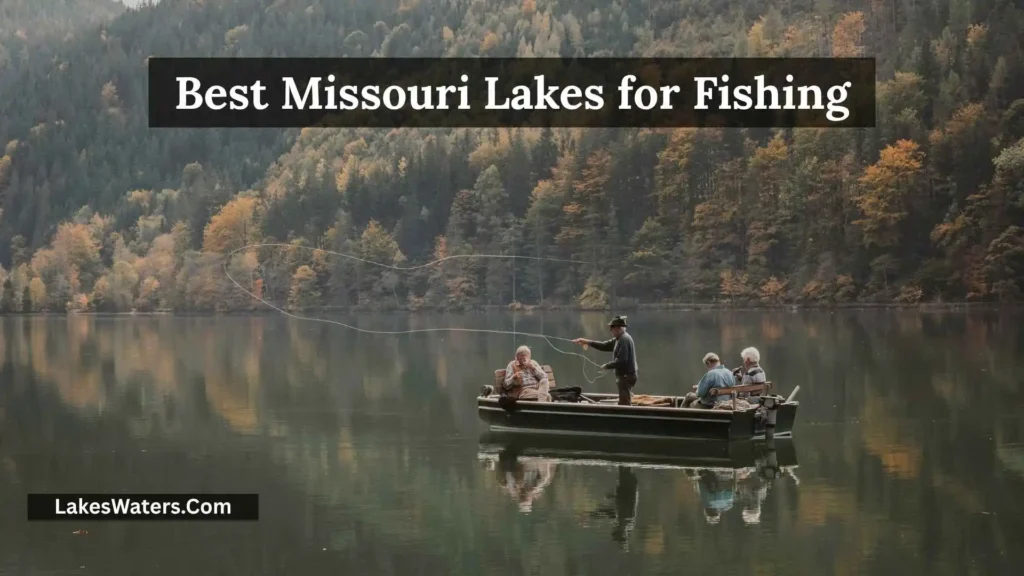
Fishing is one of the strongest reasons people visit Missouri lakes.
Different reservoirs support different fish populations and fishing conditions. Missouri Department of Conservation provides information for anglers, including fishing areas, boat ramps, fishing prospects, seasons, and regulations.
Popular species found in Missouri lakes and reservoirs include:
- Largemouth bass
- Smallmouth bass
- Spotted bass
- Crappie
- Catfish
- White bass
- Hybrid striped bass
- Walleye in selected waters
The best fishing location can change with the season, water temperature, weather, lake level, and fish behavior.
You Do Not Need a Boat to Fish
Another misconception is that a large Missouri reservoir requires a boat to fish successfully.
Missouri Department of Conservation specifically provides guidance for bank fishing at large lakes and reservoirs.
Anglers can look for public shoreline access, points, breaks, coves, submerged or shoreline cover, and areas where wind pushes baitfish toward the bank.
The important lesson is that access matters as much as the size of the lake. A huge reservoir may contain excellent fishing water, but an angler without a boat needs to know where public shoreline access is available.
Best Missouri Lakes for Swimming
Several Missouri lake destinations have designated swimming beaches.
These can be especially useful for families because they provide a more predictable place for swimming than an undeveloped shoreline.
Before swimming, check:
- Whether the area is an official swimming beach
- Current water conditions
- Weather conditions
- Park advisories
- Seasonal operating schedules
- Local safety rules
Do not assume that every attractive shoreline is suitable for swimming.
Water conditions can change, and a lake that looks calm from shore can still have boat traffic, changing depths, underwater obstacles, or changing weather.
Best Missouri Lakes for Camping
Camping near a lake can turn a simple day trip into a weekend getaway.
Missouri State Parks provides camping facilities at several lake-oriented parks, including locations around Stockton, Table Rock, and other major recreation areas.
A typical lake camping trip might include:
Morning: Fishing or hiking
Afternoon: Swimming or boating
Evening: Cooking at the campsite and relaxing outdoors
Next morning: Short hike, wildlife watching, or another session on the water
For popular weekends, reserve a campsite early when reservations are available. Also check whether your chosen campground provides electricity, water access, showers, dump stations, cabins, or other amenities you need.
Best Time to Visit Missouri Lakes
There is no single best season for every lake activity.
Spring
Spring can be excellent for fishing, hiking, and enjoying the landscape before the busiest summer period.
Water temperatures can still be cool, so swimming may not be the main attraction early in the season.
Summer
Summer is the busiest season for swimming, boating, camping, and family lake trips.
If you want warm-weather water recreation, summer is usually the obvious choice. The tradeoff is greater demand for campsites, boat ramps, accommodations, and popular recreation areas.
Fall
Fall can be one of the most attractive times for hiking, photography, camping, and scenic drives.
The cooler weather can make outdoor activities more comfortable, while changing foliage adds another reason to explore the lake’s surrounding landscape.
Winter
Winter is quieter and can appeal to visitors who prefer fewer crowds.
However, some seasonal facilities, swimming beaches, and visitor services may have limited schedules. Always check the current status of the park or recreation area before traveling.
Missouri Lakes Decision Guide
If you are still unsure where to go, use this simple guide:
Want the biggest mix of boating, marinas, resorts, and entertainment?
→ Choose Lake of the Ozarks
Want a lake close to Branson?
→ Choose Table Rock Lake
Main goal is fishing and outdoor recreation?
→ Consider Truman Lake or Stockton Lake
Interested in sailing?
→ Consider Stockton Lake
Want swimming, camping, and hiking together?
→ Consider Lake Wappapello, Stockton, Truman, Table Rock, or another state-park lake
Want a smaller lake experience?
→ Consider Long Branch Lake or Pomme de Terre Lake
Want a quieter nature-focused trip?
→ Look beyond the busiest resort areas and choose a state park with camping and hiking access
What to Check Before Visiting a Missouri Lake
A good lake trip starts before you leave home.
Check Current Weather
Thunderstorms and strong winds can quickly change conditions on large reservoirs.
Check the forecast for the lake area rather than relying only on the weather in your home city.
Check Park Conditions
Trails, beaches, boat ramps, campgrounds, and other facilities can have seasonal schedules or temporary closures.
Missouri State Parks provides current park and site information, including advisories and facility status.
Check Fishing Regulations
If you plan to fish, check the current Missouri fishing regulations and any special rules for your chosen water body.
Missouri Department of Conservation notes that some waters have special regulations, so statewide rules should not automatically be assumed to apply everywhere.
Check Boat Access
If you are bringing a boat, find out:
- Which ramp you will use
- Whether the ramp is open
- Whether parking is available for trailers
- Whether launch fees apply
- What boating restrictions exist
- Where fuel or marina services are available
Check Swimming Areas
Do not assume a lake has an open swimming beach simply because it is a popular recreation destination.
Check the specific park or facility before your trip.
Common Mistakes to Avoid at Missouri Lakes
Choosing a Lake Only Because It Is Large
A large lake is not automatically the best lake for your trip.
Someone looking for sailing may prefer Stockton. A family visiting Branson may get more value from Table Rock. A fishing-focused visitor may have different priorities altogether.
Assuming Every Shoreline Is Public
Large lakes can contain a mixture of public land, private property, parks, and managed recreation areas.
Use designated public access points and follow posted rules.
Ignoring Seasonal Conditions
A lake can offer very different experiences in July and November.
Check seasonal schedules for beaches, campgrounds, marinas, visitor centers, and other facilities.
Fishing Without Checking Regulations
Fishing rules can include species-specific seasons, daily limits, size limits, and special regulations for certain waters.
Always verify current rules before fishing.
Arriving Without a Camping Plan
Popular lake campgrounds can become busy during summer weekends and holidays.
If camping is central to your trip, reserve your site when possible and have a backup plan.
What to Pack for a Missouri Lake Trip
Your packing list will depend on the activity, but most visitors can benefit from bringing:
- Drinking water
- Sunscreen
- Sunglasses
- Hat
- Insect repellent
- Comfortable walking shoes
- Water shoes
- Towels
- Extra clothes
- Food and snacks
- First-aid supplies
- Phone or weather radio
- Life jackets for appropriate water activities
- Fishing equipment if permitted
- Camping equipment for overnight trips
If you are boating, make sure your vessel has the required safety equipment and that you understand the applicable boating rules.
Why Missouri Lakes Are Worth Exploring
Missouri’s lake system is valuable because it offers different experiences in different parts of the state.
A visitor can choose a large reservoir with marinas and resorts, a state park with campsites and hiking trails, a fishing-focused destination, or a quieter lake surrounded by woodland.
The variety also means you do not have to visit the same type of lake every time.
One weekend might be spent boating at Lake of the Ozarks. Another could combine Branson attractions with Table Rock Lake. A fall trip might focus on hiking and scenery around Truman Lake or Stockton Lake.
The key is to match the lake to the experience rather than choosing a destination simply because it is famous.
Frequently Asked Questions About Missouri Lakes
What Is the Biggest Lake in Missouri?
Lake of the Ozarks is one of Missouri’s largest recreational lakes, covering about 55,000 acres. Harry S. Truman Lake is also extremely large at approximately 55,600 acres. The exact answer can depend on whether a source is discussing lake area, reservoir pool, or another measurement.
What Is the Best Lake in Missouri?
There is no single best lake for everyone. Lake of the Ozarks is a strong choice for boating and a full-service vacation, Table Rock Lake works well for trips near Branson, Stockton is especially attractive for sailing and fishing, and Truman Lake is popular for fishing and outdoor recreation.
Are Missouri Lakes Natural?
Many of Missouri’s major recreational lakes are human-made reservoirs created by dams. However, Missouri also has natural lakes and other water bodies, including oxbow lakes and karst-related lakes.
Can You Swim in Missouri Lakes?
Yes, swimming is available at designated areas of several Missouri lakes and state parks. Visitors should use official swimming areas where provided and check current conditions before entering the water.
Which Missouri Lake Is Best for Fishing?
Stockton Lake, Truman Lake, Table Rock Lake, and Lake of the Ozarks are among the major choices for anglers. The best lake depends on the species you want to catch, the season, your access to a boat, and current fishing conditions.
Which Missouri Lake Is Near Branson?
Table Rock Lake is the major lake associated with the Branson area. Table Rock State Park provides lake recreation, camping, hiking, picnicking, and marina access.
Is Lake of the Ozarks Good for Families?
Yes. The lake offers a broad mix of swimming, boating, fishing, camping, hiking, and other recreation. Families should choose the specific area carefully because different parts of the lake have different levels of development and activity.
Can You Fish Missouri Lakes Without a Boat?
Yes. Bank fishing is possible at many Missouri lakes and reservoirs where public shoreline access is available. Missouri Department of Conservation provides information about public fishing areas and access points.
Which Missouri Lake Is Best for Sailing?
Stockton Lake is particularly well known for sailing. Missouri State Parks describes it as a premier sailing lake and notes the area’s dependable southwest breeze.
Are Missouri Lakes Good for Camping?
Yes. Several major lake destinations have state parks or other campgrounds nearby. Camping availability, amenities, reservation requirements, and seasonal operations vary by location.
When Is the Best Time to Visit Missouri Lakes?
Summer is generally best for swimming and many water activities, while spring and fall can be especially appealing for fishing, hiking, scenery, and more comfortable outdoor conditions. Winter can offer a quieter experience but may have fewer operating facilities.
Final Thoughts
Missouri lakes provide an impressive range of outdoor experiences, from busy recreational destinations to quieter state-park settings.
Lake of the Ozarks is a strong choice for boating, fishing, resorts, and a wide range of activities. Table Rock Lake is especially convenient for visitors combining lake recreation with a Branson trip. Truman Lake offers extensive water and strong fishing and camping opportunities, while Stockton Lake stands out for sailing and outdoor recreation. Mark Twain Lake, Lake Wappapello, Pomme de Terre Lake, and Long Branch Lake provide additional options across different regions of the state.
The most useful way to choose is not to ask which lake is simply “the best.” Instead, ask what you want from the trip.
For boating, look for convenient ramps and large open water. For fishing, research the target species and current regulations. For families, prioritize designated swimming areas, camping, restrooms, and nearby activities. For a quieter getaway, look for state parks and less-developed shorelines.
That approach will help you find the Missouri lake that actually fits your trip rather than simply choosing the most famous name.

I am Sophia Bennett, an environmental storyteller who explores the fascinating world of lakes, freshwater habitats, and natural ecosystems.
I write to educate and inspire people about water conservation, biodiversity, and the importance of maintaining clean water resources.
I believe that understanding nature is the first step toward protecting it.
Books by Sophia Bennett:
- Whispers of the Freshwater World
- The Journey of Water: From Source to Sustainability