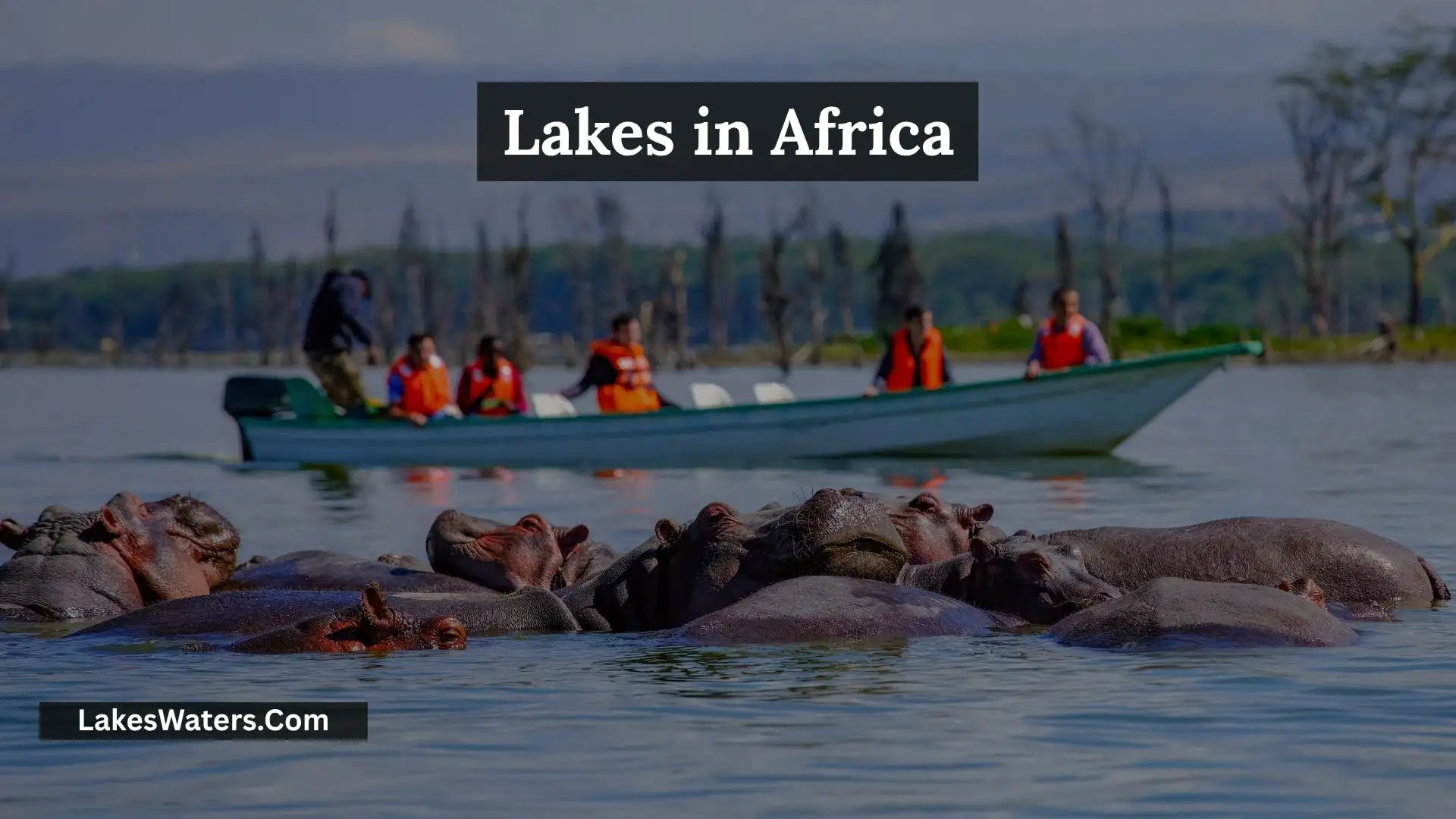
Africa has thousands of lakes, ranging from enormous freshwater bodies and deep Rift Valley lakes to shallow seasonal wetlands and human-made reservoirs. Some are important sources of food and water, while others are known for exceptional biodiversity, wildlife, tourism, geology, or cultural history.
The most famous examples include Lake Victoria, Lake Tanganyika, Lake Malawi, Lake Turkana, Lake Chad, Lake Albert, Lake Kivu, and Lake Edward. These lakes are not all alike: Lake Victoria is the largest African lake by surface area, Lake Tanganyika is exceptionally deep, Lake Turkana is saline, and Lake Volta is a major artificial reservoir rather than a natural lake.
This guide explains the major lakes in Africa, where they are located, how they formed, which are the biggest and deepest, why they matter, what makes them different, and which lakes are most interesting for wildlife, scenery, fishing, history, and travel.
Quick Answer: What Are the Major Lakes in Africa?
The major lakes in Africa include Lake Victoria, Lake Tanganyika, Lake Malawi, Lake Turkana, Lake Chad, Lake Albert, Lake Kivu, Lake Edward, and Lake Tana. Lake Volta is also one of the continent’s most important large water bodies, although it is an artificial reservoir.
The three most prominent lakes by surface area among Africa’s major natural lakes are Lake Victoria, Lake Tanganyika, and Lake Malawi. A USGS comparison of major world lakes lists their surface areas at approximately 68,800 square kilometers, 32,900 square kilometers, and 30,040 square kilometers respectively.
For a quick way to understand them:
- Largest African lake by surface area: Lake Victoria
- Deepest major African lake: Lake Tanganyika
- Famous for fish biodiversity: Lake Malawi and Lake Tanganyika
- Famous for its arid setting: Lake Turkana
- Known for major water-level fluctuations: Lake Chad
- Famous for dissolved gases: Lake Kivu
- Largest lake in Ethiopia: Lake Tana
- Major artificial reservoir: Lake Volta
The exact ranking can change depending on whether lakes are compared by surface area, volume, maximum depth, or whether artificial reservoirs are included.
Major Lakes in Africa at a Glance
The following table gives a useful starting point for understanding the continent’s best-known lakes.
| Lake | Main Countries | Type or Characteristic | Why It Is Important |
| Lake Victoria | Tanzania, Uganda, Kenya | Large freshwater lake | Africa’s largest lake by surface area |
| Lake Tanganyika | Tanzania, DRC, Burundi, Zambia | Deep Rift Valley lake | Exceptional depth and biodiversity |
| Lake Malawi | Malawi, Mozambique, Tanzania | Deep freshwater Rift Valley lake | Famous for fish diversity |
| Lake Turkana | Kenya, Ethiopia region | Saline lake | Arid landscape and archaeological importance |
| Lake Chad | Chad, Cameroon, Niger, Nigeria | Shallow, highly variable lake | Water, fisheries, agriculture, and wetlands |
| Lake Albert | Uganda, DRC | Rift Valley lake | Fisheries, wetlands, and regional geography |
| Lake Kivu | Rwanda, DRC | Deep Rift Valley lake | Scenic setting and dissolved gases |
| Lake Edward | Uganda, DRC | Rift Valley lake | Wildlife and fisheries |
| Lake Tana | Ethiopia | Highland freshwater lake | Source of the Blue Nile |
| Lake Volta | Ghana | Artificial reservoir | Hydropower, fisheries, and transport |
This comparison also shows why simply asking for the “biggest lake” can be misleading. A lake can be large in surface area without being especially deep, while a smaller lake can contain enormous volumes of water because its basin is much deeper.
The Biggest Lakes in Africa
Lake Victoria
Lake Victoria is the largest lake in Africa by surface area, covering about 68,800 square kilometers. It is shared by Tanzania, Uganda, and Kenya, while Rwanda and Burundi form part of its wider watershed.
Its enormous size gives it a major role in the lives and economies of surrounding communities. Fishing, transportation, water supply, agriculture, and tourism all depend on the wider Lake Victoria system.
The lake is also important to the Nile basin. Water leaving Lake Victoria through the Victoria Nile contributes to the Nile river system.
Lake Victoria is not simply a geographical landmark. The World Bank notes that the lake basin supports more than 47 million people and faces pressures from inadequate sanitation, pollution, land-use changes, and declining water quality.
Best known for: enormous surface area, freshwater resources, fisheries, transport, and its importance to East Africa.
Lake Tanganyika
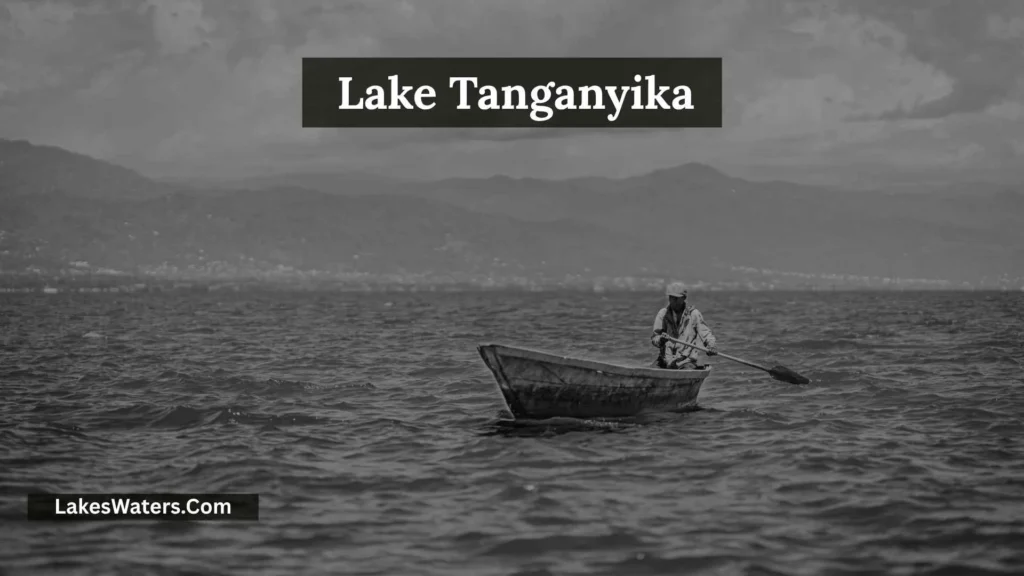
Lake Tanganyika is one of Africa’s most remarkable lakes. It is shared by Tanzania, the Democratic Republic of the Congo, Burundi, and Zambia.
Its surface area is approximately 32,900 square kilometers, while its maximum depth is about 1,470 meters. That combination makes it both very large and exceptionally deep.
The lake occupies part of the western branch of the East African Rift system. Its long, deep basin has created unusual ecological conditions and supports a highly diverse freshwater ecosystem.
Lake Tanganyika is particularly important for fish biodiversity. Many species are restricted to the lake basin, making conservation important for both science and local livelihoods.
Best known for: extreme depth, Rift Valley geology, endemic fish, fisheries, and biodiversity.
Lake Malawi
Lake Malawi, also known as Lake Nyasa or Lake Niassa, lies between Malawi, Mozambique, and Tanzania. It is another major Rift Valley lake and one of Africa’s most important freshwater ecosystems.
A USGS comparison lists its surface area at approximately 30,040 square kilometers.
The lake is particularly famous for its fish diversity, especially cichlids. Its long geological history and isolated aquatic environment have allowed many species to evolve within the lake system.
Lake Malawi also has major recreational and tourism value. Depending on the location, visitors may find beaches, boating, snorkeling, diving, fishing, and scenic lakeside communities.
Best known for: freshwater biodiversity, cichlid fish, beaches, diving, and Rift Valley scenery.
Lake Turkana
Lake Turkana is located mainly in northern Kenya, with its basin extending toward Ethiopia. It is very different from the large freshwater lakes farther south.
The lake lies in a hot and dry part of East Africa and has saline water. Its surroundings include desert and semi-desert landscapes, volcanic features, and important archaeological areas.
Lake Turkana is especially significant in studies of human evolution because the broader region has produced major archaeological and fossil discoveries.
Best known for: its arid setting, saline water, distinctive landscape, and archaeological importance.
Lake Chad
Lake Chad is located in the Sahel and is directly bordered by Chad, Cameroon, Niger, and Nigeria. It is a shallow lake system whose size and shape can change significantly with rainfall, river inflow, evaporation, and seasonal conditions.
Lake Chad is an important example of why lake size should not always be treated as a single permanent number. Satellite observations have documented substantial changes in its surface-water extent over time. NASA research also shows that its fluctuations are connected to changes in rainfall and river inflows.
The lake supports fishing, agriculture, livestock activities, wetlands, and local communities across the region.
Best known for: highly variable water levels, wetlands, fisheries, agriculture, and its importance to the Sahel.
Other Important Lakes in Africa
Lake Albert
Lake Albert lies along the border between Uganda and the Democratic Republic of the Congo. It forms part of the western branch of the East African Rift.
Its location connects it to a larger network of lakes, rivers, wetlands, and wildlife habitats. Fishing is important to communities around the lake, while nearby protected areas contribute to the region’s tourism and biodiversity value.
Lake Kivu
Lake Kivu lies between Rwanda and the Democratic Republic of the Congo. It is a deep lake associated with the East African Rift system.
One of its unusual characteristics is the presence of large quantities of dissolved gases, particularly methane and carbon dioxide, in its deeper waters. This makes the lake scientifically distinctive and also creates a need for careful monitoring and management.
Its shoreline is also known for dramatic mountain scenery, particularly around parts of Rwanda. Lakeside destinations such as Gisenyi offer visitors access to the lake and surrounding landscapes.
Lake Edward
Lake Edward is located on the border of Uganda and the Democratic Republic of the Congo. It belongs to the western Rift Valley lake system and sits near protected landscapes with important wildlife populations.
The lake contributes to both local fisheries and the broader ecological network of the region.
Lake Tana
Lake Tana is the largest lake in Ethiopia and sits in the country’s highlands. It is an important source of the Blue Nile.
The lake contains islands and peninsulas associated with historic monasteries and churches, giving it importance beyond geography and ecology. It is therefore an interesting destination for people interested in Ethiopian history, culture, and landscapes.
Lake Naivasha
Lake Naivasha is a freshwater lake in Kenya’s Great Rift Valley. It is known for birdlife, hippos, and scenic landscapes.
Its proximity to Nairobi makes it more accessible to travelers than some of the remote lakes in northern or central Africa. Boat excursions and wildlife-focused activities are among the experiences associated with the area.
Lake Volta
Lake Volta is one of Africa’s most important artificial water bodies. It was created by the construction of the Akosombo Dam on Ghana’s Volta River.
Because it is a reservoir rather than a natural lake, it should not be placed in the same geological category as Lake Victoria, Lake Tanganyika, or Lake Malawi.
Its water supports hydroelectric power generation, fishing, transportation, and other economic activities.
What Are the African Great Lakes?
The term African Great Lakes generally refers to a group of large lakes in and around the East African Rift system.
The commonly recognized group includes:
- Lake Victoria
- Lake Tanganyika
- Lake Malawi
- Lake Turkana
- Lake Albert
- Lake Edward
- Lake Kivu
The exact list can vary somewhat depending on the geographic or scientific context, so it is better not to treat the phrase as a rigid ranking.
Why Are the African Great Lakes Important?
These lakes are important because they combine several features that are unusual at a continental scale:
- Large freshwater resources
- Deep geological basins
- Exceptional fish diversity
- Major fisheries
- Important wetlands
- Wildlife habitats
- Transportation routes
- Tourism opportunities
- Communities dependent on lake resources
The Rift Valley lakes also provide a natural laboratory for studying geology, evolution, climate, and freshwater ecosystems.
Where Are Most of Africa’s Lakes Located?
Africa has lakes across many regions, but some of its most famous large lakes are concentrated in eastern and central Africa.
East Africa
East Africa contains Lake Victoria, Lake Tanganyika, Lake Malawi, Lake Turkana, Lake Albert, Lake Kivu, Lake Edward, and Lake Naivasha.
The Great Rift Valley is particularly important because tectonic activity has created long depressions that became lake basins.
Central Africa
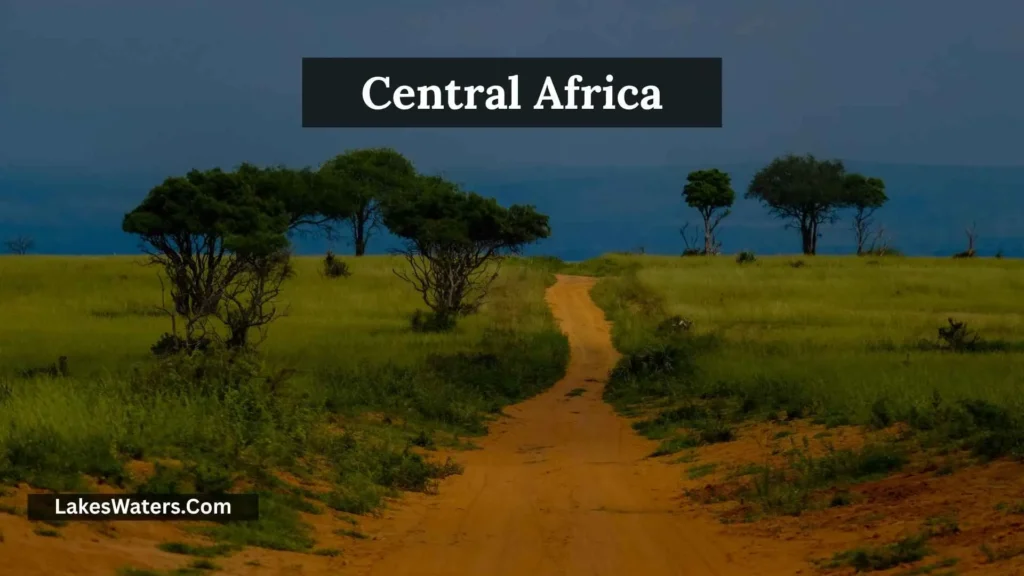
Central Africa contains major parts of the Lake Tanganyika and Lake Kivu systems, as well as numerous smaller lakes and wetlands.
The Democratic Republic of the Congo is especially important geographically because it shares several major lakes and contains extensive freshwater ecosystems.
West Africa
West Africa contains Lake Chad and Lake Volta among its best-known large water bodies.
Lake Chad is a natural lake with highly variable water levels, while Lake Volta is a large artificial reservoir created for hydropower and other uses.
North Africa
North Africa has fewer of the enormous freshwater lakes found in East Africa, but it contains numerous smaller natural and seasonal lakes, wetlands, salt lakes, and lagoons.
Many are closely linked to deserts, oases, coastal environments, or seasonal rainfall patterns.
How Were the Lakes in Africa Formed?
There is no single process responsible for all African lakes. Their origins include tectonic activity, volcanic processes, river systems, erosion, changes in climate, and human engineering.
Rift Valley Lakes
Some of Africa’s deepest lakes developed in tectonic depressions associated with the East African Rift.
As Earth’s crust stretched and fractured, large basins formed. Over long periods, water accumulated in these depressions.
USGS research identifies Lake Tanganyika and Lake Malawi among the classic modern examples of lacustrine rift basins.
This geological origin helps explain why some African lakes are narrow, elongated, and extraordinarily deep.
Basin and River Lakes
Not every major African lake occupies a deep rift basin.
Lake Chad, for example, occupies a broad inland drainage basin and responds strongly to rainfall and river inflows. Its shallow nature means that relatively small changes in water availability can produce large changes in surface extent.
Artificial Reservoirs
Lake Volta represents a completely different process. It was created by damming the Volta River.
Artificial reservoirs can become major ecosystems and economic resources, but they should be distinguished from naturally formed lakes when discussing African geography.
Why Are African Lakes So Important?
African lakes support much more than aquatic life. They are closely connected to food security, water resources, transportation, energy, employment, tourism, and regional ecosystems.
Water Resources
Large lakes provide water for surrounding communities and contribute to wider river systems.
The importance of this resource becomes particularly clear in areas where rainfall is seasonal or unreliable.
Fishing and Food
Fishing is an important source of food and income around many African lakes. Lake Victoria, Lake Tanganyika, and Lake Malawi all support fisheries of major regional importance.
However, fish populations can be affected by overfishing, habitat degradation, pollution, invasive species, and changing environmental conditions.
Wildlife and Biodiversity
African lakes provide habitat for fish, birds, amphibians, reptiles, mammals, aquatic plants, and microorganisms.
Some Rift Valley lakes are especially valuable because they contain species found nowhere else. USGS research notes that endemic biodiversity is a major feature of the African Great Lakes.
Transportation
Large lakes can serve as transportation routes where roads and other infrastructure are limited.
Lake Victoria and Lake Tanganyika, for example, have long supported lake transport and trade between communities.
Tourism
Lakes contribute to tourism through:
- Wildlife viewing
- Fishing
- Boating
- Diving
- Snorkeling
- Birdwatching
- Scenic photography
- Cultural tourism
- Lakeside accommodation
- Hiking and nature trips
The experience differs considerably from lake to lake. A traveler looking for beaches may prefer Lake Malawi, while someone interested in geology and dramatic mountain scenery may prefer Lake Kivu or Lake Tanganyika.
Lake Victoria vs Lake Tanganyika vs Lake Malawi
These three lakes are often compared because they are among Africa’s largest and best-known natural lakes.
| Feature | Lake Victoria | Lake Tanganyika | Lake Malawi |
| Main region | East Africa | East/Central Africa | Southeast Africa |
| Approx. surface area | 68,800 km² | 32,900 km² | 30,040 km² |
| Geological setting | Broad basin | Rift Valley | Rift Valley |
| Major distinction | Largest African lake by area | Exceptional depth | Exceptional fish diversity |
| Countries sharing lake | Tanzania, Uganda, Kenya | Tanzania, DRC, Burundi, Zambia | Malawi, Mozambique, Tanzania |
| Major uses | Fisheries, water, transport, tourism | Fisheries, transport, biodiversity | Fisheries, tourism, biodiversity |
The surface-area figures above are based on USGS’s major-lake comparison.
The most useful takeaway is that “largest” and “deepest” are not the same thing. Lake Victoria covers far more surface area, while Lake Tanganyika has a much deeper basin.
Which Lake in Africa Is Best for Different Interests?
There is no single best African lake for everyone. The right choice depends on what you want to learn about or experience.
Best for Size and Geography: Lake Victoria
Choose Lake Victoria if your main interest is Africa’s largest lake by surface area and its importance to East African communities.
Best for Deep-Lake Geology: Lake Tanganyika
Choose Lake Tanganyika if you are interested in Rift Valley geology, deep-water ecosystems, and freshwater biodiversity.
Best for Fish Diversity: Lake Malawi
Lake Malawi is particularly interesting for people studying freshwater evolution and fish biodiversity.
Best for Desert Landscapes: Lake Turkana
Lake Turkana offers a very different setting, combining a large lake with an arid environment and major archaeological significance.
Best for Studying Environmental Change: Lake Chad
Lake Chad is especially useful for understanding how rainfall, river inflow, evaporation, water use, and climate variability can influence a shallow lake.
Best for Highland Culture and History: Lake Tana
Lake Tana is a strong choice for readers interested in Ethiopian history, religious heritage, highland landscapes, and the Blue Nile.
Best for a Large Artificial Reservoir: Lake Volta
Lake Volta is the better example if your interest is in human-made lakes, hydropower, inland fisheries, and large-scale water engineering.
Common Misconceptions About Lakes in Africa
Is Lake Chad Completely Dry?
No. Saying that Lake Chad has simply “disappeared” is misleading.
The lake has experienced dramatic fluctuations and major reductions in surface-water extent compared with some historical periods. NASA observations show that its size varies with rainfall, river inflows, and seasonal conditions.
Are All the Famous African Lakes Freshwater?
No.
Many major lakes are freshwater, but water chemistry differs across the continent. Lake Turkana, for example, is saline.
Is Lake Volta a Natural Lake?
No.
Lake Volta is a human-made reservoir formed by the Akosombo Dam. Calling it a natural lake would confuse two different types of water bodies.
Is Lake Victoria Part of the Great Rift Valley?
Lake Victoria belongs to the African Great Lakes region, but its basin differs geologically from the deep rift basins of lakes such as Tanganyika and Malawi.
This distinction matters because not every lake commonly grouped with the African Great Lakes formed in exactly the same way.
Is the Biggest Lake Also the Deepest?
No.
Lake Victoria is the largest African lake by surface area, while Lake Tanganyika is dramatically deeper. Surface area, volume, and maximum depth are different measurements.
Environmental Challenges Facing African Lakes
The environmental problems facing African lakes vary by location, but several themes appear repeatedly.
Pollution
Urban wastewater, industrial discharge, agricultural runoff, and poor waste management can reduce water quality.
The World Bank identifies inadequate sanitation, poor land management, and industrial pollution as important pressures on Lake Victoria.
Overfishing
Fishing provides food and income, but excessive fishing pressure can reduce fish populations and change aquatic ecosystems.
Effective fisheries management is particularly important in lakes where many households depend directly on fishing.
Invasive Species
Introduced species can alter food webs, compete with native organisms, and change lake habitats.
Lake Victoria, for example, has faced major ecological challenges involving invasive species and changes in aquatic habitats.
Changing Water Levels
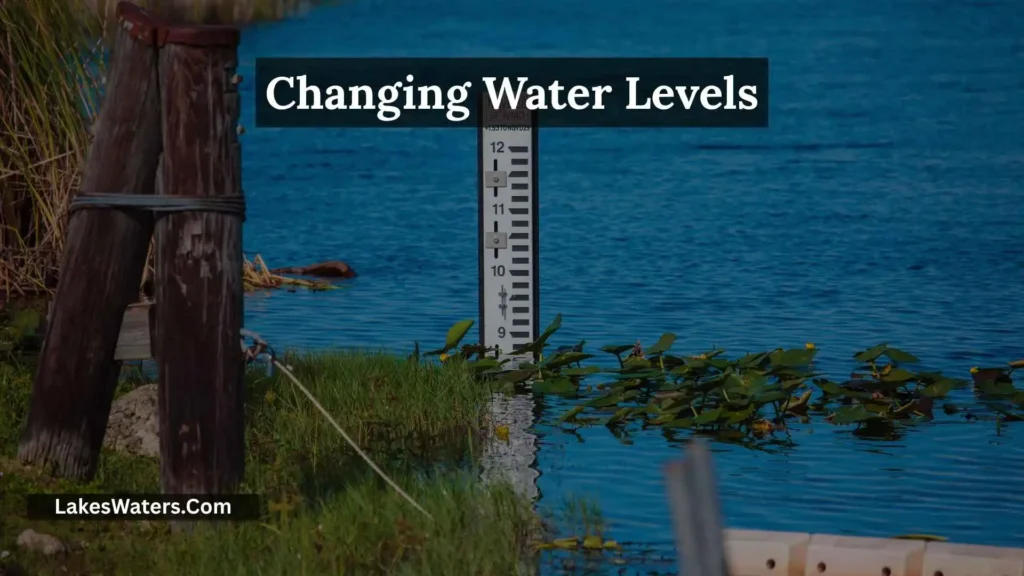
Water levels can respond to rainfall, evaporation, river inflows, human withdrawals, and broader climate conditions.
Lake Chad is an especially clear example of a lake whose surface extent can change substantially over time.
Habitat Loss
Wetlands and shoreline habitats can be damaged by agriculture, settlement, pollution, deforestation, and poorly planned development.
Because these habitats often serve as breeding and feeding areas for fish and wildlife, protecting the shoreline can be as important as protecting open water.
How to Choose an African Lake to Study or Visit
If you are researching lakes for school, geography, travel, or general interest, use this simple decision guide.
Want the largest lake by surface area?
→ Start with Lake Victoria.
Want the deepest major African lake?
→ Choose Lake Tanganyika.
Interested in freshwater fish evolution?
→ Study Lake Malawi or Lake Tanganyika.
Interested in desert landscapes and archaeology?
→ Explore Lake Turkana.
Interested in climate, rainfall, and changing lake levels?
→ Study Lake Chad.
Interested in Ethiopian history and the Blue Nile?
→ Choose Lake Tana.
Interested in human-made reservoirs and hydropower?
→ Study Lake Volta.
This approach is more useful than choosing a lake simply because it appears on a list of the “largest” lakes.
Practical Tips for Researching African Lakes
When comparing lakes, avoid relying on a single measurement.
Check Which Measurement Is Being Used
A source may rank lakes by:
- Surface area
- Maximum depth
- Average depth
- Water volume
- Shoreline length
- Drainage-basin size
These measurements can produce very different rankings.
Check the Date of the Data
Some African lakes experience seasonal or long-term changes in water level and surface area. Lake Chad is a particularly important example.
If a source gives a precise area without explaining when it was measured, treat the number carefully.
Distinguish a Lake From Its Basin
A lake basin can cover a much larger area than the water itself. The Lake Chad Basin, for example, extends far beyond the lake’s current open-water area.
Distinguish Natural Lakes From Reservoirs
Lake Volta should be treated differently from naturally formed lakes such as Victoria, Tanganyika, and Malawi.
This distinction improves both geographic accuracy and historical understanding.
Frequently Asked Questions About Lakes in Africa
What Is the Largest Lake in Africa?
Lake Victoria is the largest lake in Africa by surface area, covering approximately 68,800 square kilometers.
What Is the Deepest Lake in Africa?
Lake Tanganyika is the deepest major lake in Africa, reaching approximately 1,470 meters at its deepest point.
What Are the Seven African Great Lakes?
The seven lakes commonly associated with the African Great Lakes are Lake Victoria, Lake Tanganyika, Lake Malawi, Lake Turkana, Lake Albert, Lake Edward, and Lake Kivu. Different sources may use slightly different groupings depending on geographic context.
Which Countries Have the Most Famous African Lakes?
East and Central African countries such as Tanzania, Uganda, Kenya, Malawi, Mozambique, the Democratic Republic of the Congo, Burundi, and Rwanda contain or share several of the continent’s best-known lakes.
Which African Lake Has the Most Fish Species?
Lake Malawi and Lake Tanganyika are particularly famous for exceptional freshwater fish diversity and endemic cichlid species. The exact answer depends on whether the comparison is based on total species, endemic species, or a particular taxonomic group.
Are Lakes in Africa Important for Fishing?
Yes. Fisheries provide food, income, and employment for communities around many major African lakes. Lake Victoria, Lake Tanganyika, and Lake Malawi are important examples.
Why Are Some African Lakes So Deep?
Several of the deepest African lakes occupy tectonic basins associated with the East African Rift. As Earth’s crust stretched and fractured, deep depressions developed and later filled with water.
Why Does Lake Chad Change Size So Much?
Lake Chad is shallow and depends heavily on rainfall and river inflows. Seasonal and longer-term changes in rainfall can therefore produce substantial changes in water level and surface area.
Is Lake Volta One of Africa’s Natural Lakes?
No. Lake Volta is an artificial reservoir created by the Akosombo Dam in Ghana.
Which African Lakes Are Best Known for Tourism?
Lake Victoria, Lake Malawi, Lake Kivu, Lake Naivasha, Lake Tanganyika, and Lake Tana all have tourism value, but they offer very different experiences. The best choice depends on whether your priority is wildlife, beaches, diving, scenery, culture, history, or outdoor recreation.
Final Thoughts
The lakes in Africa are among the continent’s most important natural and human-made water systems. Lake Victoria stands out for its enormous surface area and regional importance, Lake Tanganyika for its extraordinary depth and biodiversity, and Lake Malawi for its exceptional freshwater fish diversity. Lake Turkana, Lake Chad, Lake Kivu, Lake Tana, Lake Albert, Lake Edward, and Lake Volta add very different geological, ecological, cultural, and economic stories.
The biggest lesson is that there is no single way to compare African lakes. Surface area, depth, water volume, geology, biodiversity, environmental change, and human importance all tell different parts of the story.
For geography students, travelers, researchers, and anyone curious about Africa’s natural landscapes, understanding these differences makes the continent’s lakes much more than a list of names they become a way to understand Africa’s geology, ecosystems, communities, and changing environment.

I am Ethan Reynolds, a nature researcher and writer focused on freshwater environments, aquatic ecosystems, and sustainable water solutions.
I enjoy sharing knowledge about lakes, rivers, wetlands, and the challenges facing global water resources.
My goal is to help readers understand the value of water and encourage responsible actions to protect it.
Books by Ethan Reynolds:
- Lakes and Landscapes: Stories from Nature
- Protecting Water for Future Generations