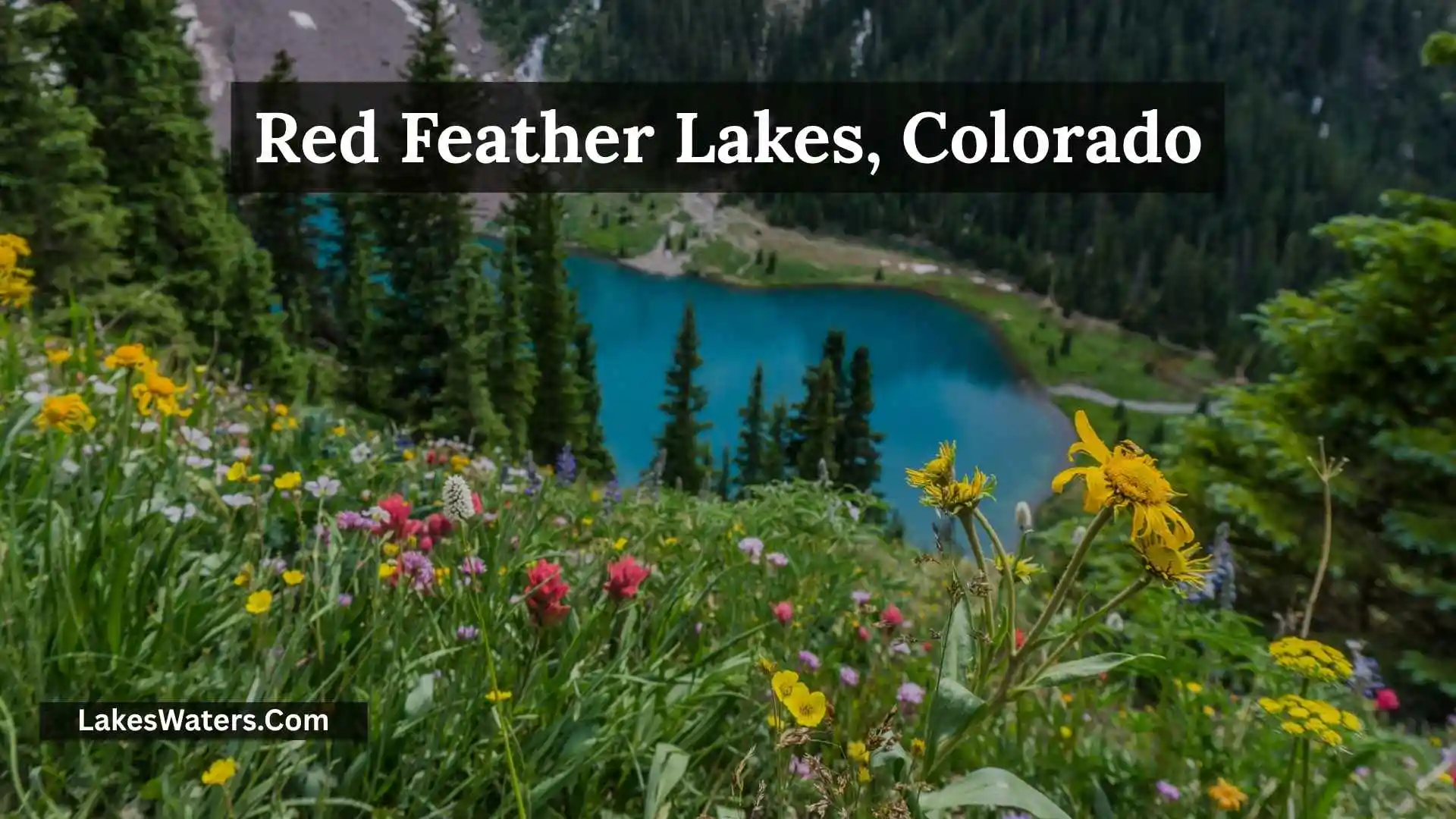
Red Feather Lakes, Colorado, is a mountain community known for its peaceful lakes, pine forests, fishing opportunities, hiking trails, and scenic outdoor recreation. Located northwest of Fort Collins in northern Colorado, the area offers a quieter alternative to busier mountain destinations. Visitors come here to enjoy the outdoors, spend time near the water, explore forest trails, and camp beneath the trees.
The area includes several public lakes, including Dowdy Lake, West Lake, Parvin Lake, and Bellaire Lake. Each has different recreation opportunities and access rules, so choosing the right lake depends on whether you want to fish, paddle, hike, camp, or simply enjoy the mountain scenery.
This guide explains where Red Feather Lakes is located, which lakes are worth visiting, what you can do during each season, and what to know before planning a trip.
Where Are Red Feather Lakes, Colorado?
Red Feather Lakes is an unincorporated mountain community in Larimer County, northwestern Colorado. It lies within the general area of the Roosevelt National Forest and is surrounded by forested hills, mountain roads, and small lakes.
The community sits at approximately 8,200 feet above sea level. Because of this elevation, temperatures can be cooler than in nearby cities, and weather conditions can change quickly.
How Far Is Red Feather Lakes From Fort Collins?
Red Feather Lakes is approximately 46–48 miles northwest of Fort Collins, depending on the destination and route. The drive generally takes around an hour to an hour and a half, although traffic, road conditions, and weather can affect travel time.
A common route follows U.S. Highway 287 north toward Livermore before turning west onto Red Feather Lakes Road, also known as County Road 74E. Check current road conditions before leaving, especially during winter or after heavy snowfall.
How Far Is Red Feather Lakes From Denver?
Red Feather Lakes is roughly 100–110 miles from Denver by road, depending on your starting point and destination. The drive often takes around two hours or longer.
Although a day trip from Denver is possible, an overnight stay gives you more time to visit several lakes, enjoy hiking, or relax at a campground without rushing.
What Is the Elevation of Red Feather Lakes?
The community is approximately 8,200 feet above sea level. The elevation can affect visitors who are accustomed to living closer to sea level.
Drink water regularly, take your time on hiking trails, and avoid overexerting yourself during your first few hours. Afternoon thunderstorms can also occur during warmer months, so check the forecast before starting outdoor activities.
Best Lakes to Visit in Red Feather Lakes
The lakes around Red Feather Lakes offer different experiences. Some are better suited to boating and camping, while others are more focused on fishing and quiet nature outings.
1. Dowdy Lake
Dowdy Lake is one of the best-known recreational lakes in the area. Covering approximately 115 acres, it provides space for fishing, paddling, boating, and enjoying the surrounding pine forest.
The lake is popular with anglers who fish for trout. Canoeing and other forms of paddling are also common activities. Motorized boats are permitted under specific restrictions, including a 10 mph speed limit and no-wake requirements.
Dowdy Lake Campground sits beside the lake, making it a convenient option for visitors who want to stay overnight. Campsites, picnic areas, and nearby trails make this a practical base for a weekend in the mountains.
Best for: Fishing, boating, paddling, lakeside camping, and family outings.
2. West Lake
West Lake is a smaller lake near Dowdy Lake, covering approximately 25 acres. Its forested setting makes it appealing to visitors who prefer a quieter outdoor experience.
Fishing, canoeing, and enjoying the scenery are popular activities in the area. West Lake also has a developed campground, with site types and facilities varying by location.
Boating restrictions differ from those at some nearby lakes. Visitors should check the current rules before bringing a watercraft rather than assuming that every type of motor or boat is allowed.
Best for: Fishing, canoeing, camping, and a peaceful mountain setting.
3. Parvin Lake
Parvin Lake is a good option for visitors whose main interest is fishing. It is managed as a State Wildlife Area, so access requirements and recreation rules are important to understand before arriving.
Unlike Dowdy Lake, Parvin Lake does not permit general vessel use. Float tubes may be used for fishing under the applicable regulations. Visitors should also check current entry requirements, fishing rules, and any seasonal restrictions.
Parvin Lake is better suited to a focused fishing trip than to a day of general boating or lakeside recreation.
Best for: Fishing, wildlife observation, and a quieter outdoor visit.
4. Bellaire Lake

Bellaire Lake is another small mountain lake in the Red Feather Lakes region. It is known for its natural surroundings and opportunities to enjoy fishing, paddling where permitted, and nearby outdoor recreation.
The lake and surrounding forest can be a pleasant stop for visitors who want to experience more than one location during their trip. Check current boating rules and campground availability before planning an overnight stay.
Best for: Fishing, nature viewing, and exploring the surrounding forest.
Best Things to Do in Red Feather Lakes
Red Feather Lakes is primarily an outdoor destination. You do not need a packed itinerary to enjoy it, but planning a few activities can help you make the most of your visit.
Go Fishing
Fishing is one of the main reasons people visit the area. Dowdy Lake, West Lake, and Parvin Lake offer opportunities for anglers, although the permitted methods and rules vary by location.
Before fishing, check Colorado fishing license requirements, current bag limits, bait restrictions, and any special regulations for the lake you plan to visit. Conditions and fish populations can change, so avoid relying on old reports alone.
Bring suitable equipment, dress in layers, and allow extra time if you plan to fish from the shore or a permitted watercraft.
Enjoy Boating and Paddling
Canoeing and other forms of paddling are popular on several of the public lakes. Dowdy Lake allows motorized boats subject to its speed and no-wake rules, while other lakes have different restrictions.
Parvin Lake is particularly important to check in advance because general vessel use is prohibited, with an exception for float tubes used for fishing under the applicable rules.
If you are bringing a kayak, canoe, or motorized boat, confirm the regulations for your specific destination before setting out.
Explore Hiking Trails
The forests around Red Feather Lakes contain trails for a range of outdoor experiences. Mount Margaret Trail is one of the better-known options in the area, while other nearby trails provide opportunities for walking, wildlife viewing, and exploring the forest.
Trail length, elevation gain, surface conditions, and seasonal access vary. Choose a route that matches your experience and available time, and check for closures before starting.
Carry water, wear suitable footwear, and bring a map or navigation tool. In warmer months, plan to finish exposed sections before afternoon thunderstorms develop.
Go Camping
Camping is a popular way to experience Red Feather Lakes beyond a short day visit. Developed campgrounds near lakes such as Dowdy and West Lake offer a convenient starting point for fishing, paddling, and hiking.
Facilities vary by campground and campsite. Some sites have electric hookups, while tent-only sites may have fewer amenities. Drinking water, toilets, trash services, and seasonal availability should be checked before arrival.
Reserve ahead when possible during busy periods, and follow posted rules about fires, food storage, quiet hours, and campsite use.
Watch Wildlife
The forests around Red Feather Lakes provide habitat for a variety of wildlife. Visitors may see birds, deer, and other animals, although sightings are never guaranteed.
Black bears also live in the broader region. Store food, garbage, and scented items securely, follow campground instructions, and never approach or feed wildlife. Keep a safe distance if you encounter an animal.
Enjoy a Picnic and Scenic Views

You can enjoy a simple outdoor day by bringing lunch, walking near an accessible lake, and taking time to appreciate the mountain scenery. Use designated picnic areas where available and avoid blocking boat launches, roads, or other visitors’ access.
Pack out all rubbish and leave natural features undisturbed. These small steps help protect the area for future visitors.
Try Winter Recreation
Winter brings snow and colder temperatures to the Red Feather Lakes region. Depending on weather and local conditions, visitors may enjoy activities such as snowshoeing, cross-country skiing, and other snow-based recreation.
Not every trail or recreation area remains accessible throughout winter. Check road conditions, snow levels, closures, and current safety information before traveling. Do not assume that a frozen lake is safe to walk or skate on.
Can You Swim in Red Feather Lakes?
Swimming should not be assumed to be permitted at every lake in the Red Feather Lakes area. Rules and facilities differ by location, and a lake used for fishing or boating may not have a designated swimming area.
Before entering the water, check the current regulations for the specific lake and look for posted warnings. Cold mountain water, sudden weather changes, and the absence of lifeguards can create risks even on a warm day.
If swimming is an important part of your trip, confirm that it is allowed at your chosen destination before making plans.
Camping in Red Feather Lakes
Camping is a useful option for visitors who want to spend more time exploring the lakes and trails. Staying overnight also allows you to enjoy the quieter hours of the morning and evening.
Dowdy Lake Campground
Dowdy Lake Campground is a popular choice because of its lakeside setting and access to fishing, paddling, and nearby trails. It offers developed campsites, including sites with electric hookups and designated tent-only options.
The number of available sites, amenities, and operating dates can vary. Check the current campground information before traveling, especially if you need electricity, drinking water, or a particular campsite type.
West Lake Campground
West Lake Campground provides another option for staying close to the water. It can be a convenient choice for visitors interested in fishing, canoeing, and exploring the surrounding forest.
Review the current campsite details before booking. Do not assume that every site has the same facilities or that the campground is open throughout the year.
Camping Tips for Visitors
- Reserve a campsite in advance when reservations are available.
- Check seasonal opening dates and current fire restrictions.
- Bring warm clothing, even during summer, because nights can be cold at higher elevations.
- Store food and scented items securely to reduce wildlife encounters.
- Carry drinking water or confirm that a reliable supply is available.
- Use established campsites and follow local rules about fires and waste.
- Check the forecast and road conditions before departure.
When Is the Best Time to Visit Red Feather Lakes?
The best time to visit depends on the activities you want to enjoy. Summer is popular for fishing, camping, paddling, and hiking, while other seasons offer quieter conditions or opportunities for winter recreation.
Summer
Summer is a good choice for visitors who want to combine several outdoor activities. Lakeside outings, fishing, camping, and hiking are popular, although afternoon thunderstorms can develop.
Book campsites early when possible, bring sun protection, and pack an extra layer for cooler mornings and evenings.
Fall
Fall can bring cooler weather and seasonal color to the surrounding forest. It may suit visitors looking for a quieter trip, but temperatures can drop quickly, and early snowfall is possible.
Check the forecast and road conditions, particularly if you plan to camp overnight.
Winter
Winter visits require more preparation. Snow, ice, and cold temperatures can affect driving, trail access, and available recreation.
Bring appropriate clothing and equipment, check road reports, and verify that your planned destination is accessible.
Spring
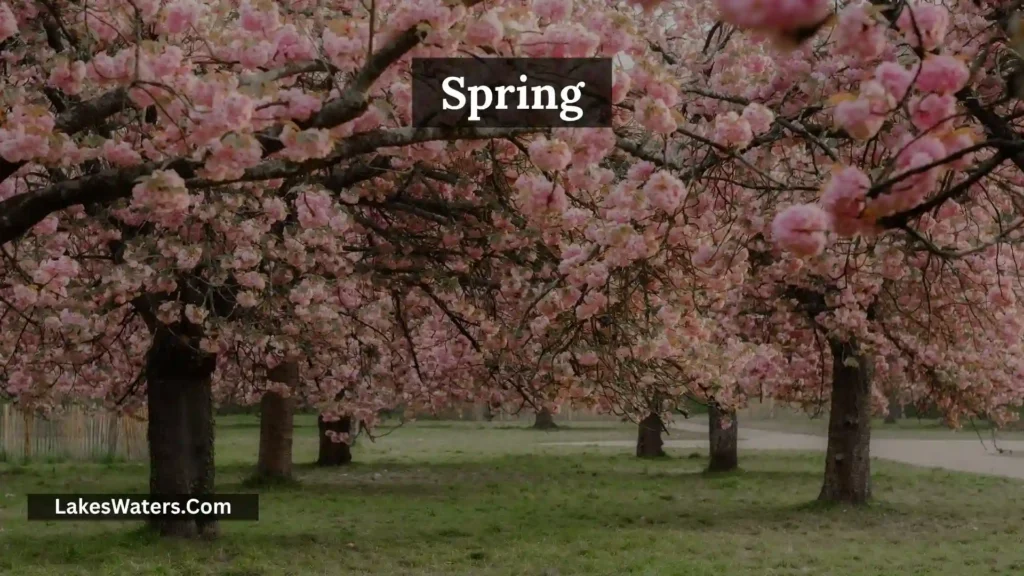
Spring can be unpredictable at higher elevations. Snowmelt, muddy trails, cold nights, and changing road conditions may affect outdoor plans.
Check conditions shortly before leaving and keep your itinerary flexible.
Are There Bears in Red Feather Lakes?
Yes. Black bears live in the broader region around Red Feather Lakes. Most visitors can enjoy the outdoors safely by following basic wildlife precautions.
Keep food, rubbish, and scented products secured according to campground and land-management rules. Never feed a bear or approach wildlife for a photograph. If you encounter a bear, give it space and follow current wildlife-safety guidance.
These precautions are particularly important when camping or spending time in areas with limited development.
Are the Lakes Public or Private?
Not every lake in the Red Feather Lakes community is open to the public. The area includes public recreation lakes as well as private lakes that may require permission or membership.
| Lake or lake group | What visitors should know |
| Dowdy Lake | Public recreation lake with fishing, boating, and a developed campground |
| West Lake | Public recreation lake with fishing, paddling opportunities, and camping |
| Parvin Lake | State Wildlife Area with specific access and fishing regulations |
| Bellaire Lake | Public recreation lake; check current access and boating rules |
| Private community lakes | Access may be limited to members or authorized guests |
Public access does not mean every activity is permitted. Rules can differ for fishing, boating, swimming, camping, and shoreline use. Check the current regulations for the lake you intend to visit before traveling.
Practical Tips for Planning Your Visit
A little preparation can make a trip to Red Feather Lakes more comfortable and help you avoid unexpected restrictions.
- Check the weather: Mountain conditions can change quickly, and afternoon thunderstorms are possible during warmer months.
- Plan your route: Confirm road conditions before leaving, especially in winter or after snowfall.
- Prepare for the elevation: Drink water, take breaks, and allow time to adjust to the higher altitude.
- Check lake regulations: Verify boating, fishing, access, and swimming rules for each destination.
- Plan for limited services: The community has local conveniences, but choices may be more limited than in a larger city. Bring essential supplies.
- Confirm campground details: Check availability, fees, facilities, and seasonal closures.
- Practice wildlife safety: Secure food and rubbish, and keep a safe distance from animals.
- Leave no trace: Pack out rubbish and respect trails, campsites, shorelines, and private property.
Frequently Asked Questions About Red Feather Lakes
What Is There to Do in Red Feather Lakes, Colorado?
Popular activities include fishing, canoeing, boating where permitted, hiking, camping, wildlife viewing, picnicking, and enjoying mountain scenery. Winter visitors may also find opportunities for snow-based recreation when conditions allow.
Where Is Red Feather Lakes Located?
Red Feather Lakes is an unincorporated community in Larimer County, northwestern Colorado. It is located northwest of Fort Collins in the general area of the Roosevelt National Forest.
How Far Is Red Feather Lakes From Denver?
The drive is roughly 100–110 miles, depending on the starting point and destination. Travel time is often around two hours or longer, depending on traffic, weather, and road conditions.
What Is the Population of Red Feather Lakes?
The Red Feather Lakes census-designated place had a population of 426 in the 2020 U.S. Census. This figure refers to the census-designated place, not necessarily everyone who lives throughout the wider surrounding area.
Can You Swim at Red Feather Lakes?
Do not assume swimming is allowed at every lake. Check the rules and posted information for the specific lake before entering the water, and remember that mountain lakes can remain very cold.
Which Lake Is Best for Fishing?
Dowdy Lake is a popular choice because of its fishing opportunities and developed recreation facilities. West Lake and Parvin Lake may also appeal to anglers, but fishing methods and regulations vary by location.
Is Red Feather Lakes Good for Camping?
Yes. Developed campgrounds near lakes such as Dowdy and West provide options for visitors who want to stay overnight. Availability, facilities, fees, and operating dates vary, so check current details before traveling.
Are There Bears in Red Feather Lakes?
Black bears live in the region. Store food and rubbish securely, never feed wildlife, and follow campground and local wildlife-safety instructions.
Is Red Feather Lakes Worth Visiting?
Red Feather Lakes is worth considering if you enjoy fishing, camping, hiking, paddling, and quieter mountain scenery. It is especially appealing to visitors who prefer outdoor recreation over busy commercial attractions.
Final Thoughts
Red Feather Lakes, Colorado, offers a peaceful mountain escape with public lakes, forest trails, fishing opportunities, and places to camp. Dowdy Lake is a strong choice for visitors seeking a mix of recreation and campground access, while West Lake, Parvin Lake, and Bellaire Lake provide other ways to enjoy the area’s natural setting.
The most important step is to plan around your preferred activities and check the current rules for each lake. With suitable clothing, a flexible itinerary, and a little preparation for mountain weather, you can enjoy a rewarding visit to Red Feather Lakes in any season when conditions permit.

I am Ethan Reynolds, a nature researcher and writer focused on freshwater environments, aquatic ecosystems, and sustainable water solutions.
I enjoy sharing knowledge about lakes, rivers, wetlands, and the challenges facing global water resources.
My goal is to help readers understand the value of water and encourage responsible actions to protect it.
Books by Ethan Reynolds:
- Lakes and Landscapes: Stories from Nature
- Protecting Water for Future Generations