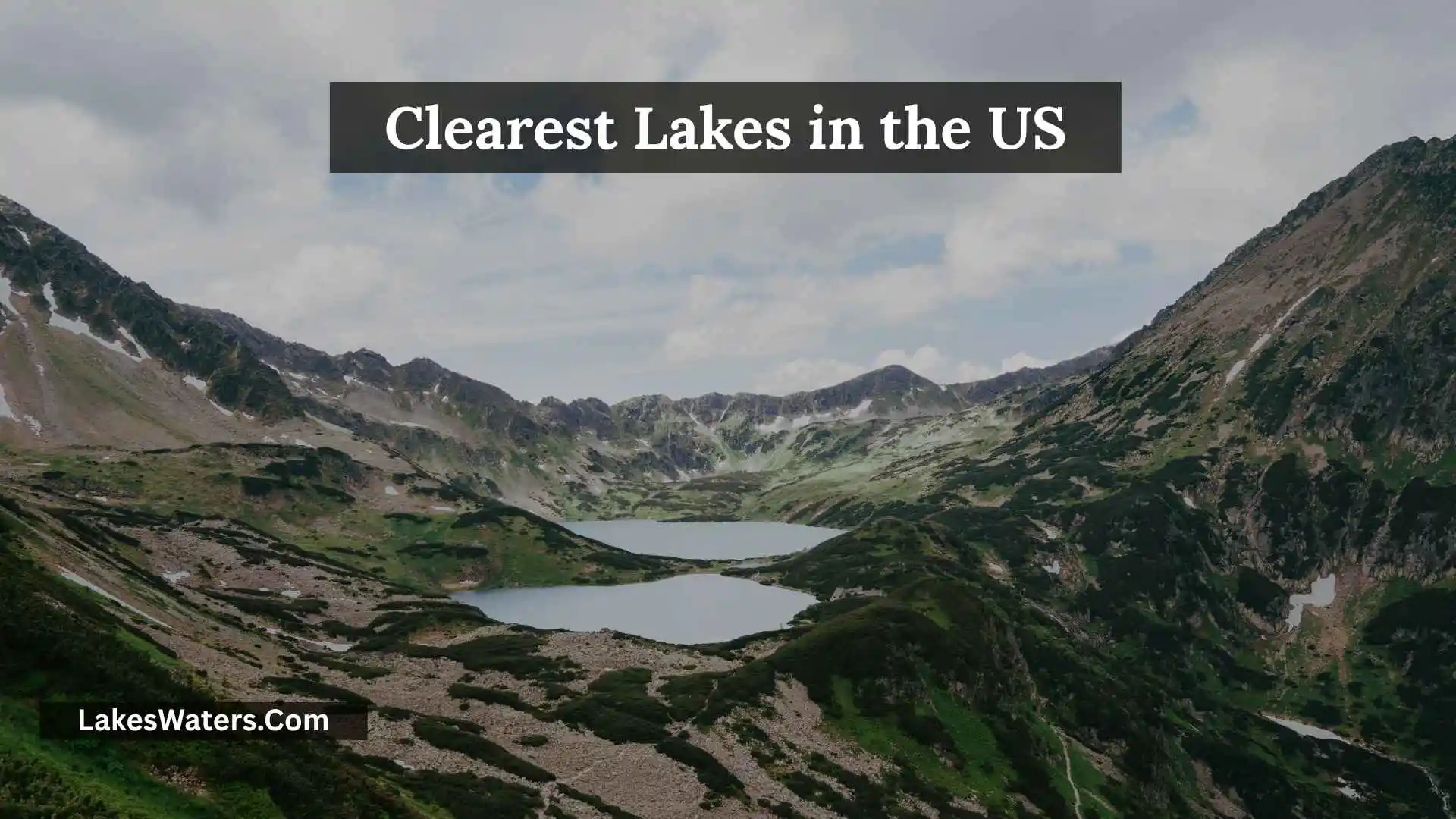
The clearest lakes in the US attract travelers who want transparent water, mountain scenery, swimming, boating, photography, fishing, and peaceful outdoor experiences. Some are famous for scientifically documented water clarity, while others are better known for exceptionally clear-looking water and beautiful alpine settings.
There is no single official U.S. ranking that measures every lake under identical conditions. Water clarity changes with season, weather, sediment, algae, sunlight, and lake conditions. For that reason, this guide does not pretend that one lake is permanently “No. 1” based on unrelated measurements.
Instead, it focuses on well-known clear-water lakes and explains why their water is clear, how scientists measure clarity, what visitors can do there, and how to choose the right lake for your trip.
Among the strongest examples are Crater Lake in Oregon, Lake Tahoe in California and Nevada, Priest Lake in Idaho, Flathead Lake in Montana, and Lake McConaughy in Nebraska. Lake Chelan in Washington is another notable mountain lake with a long history of clear-water descriptions and recent scientific study.
Quick Answer: What Are the Clearest Lakes in the US?
Several U.S. lakes stand out for their clear or exceptionally transparent water, but they should not all be treated as part of one exact scientific ranking.
| Lake | State or Region | Why It Stands Out | Best For |
| Crater Lake | Oregon | Exceptional measured clarity and deep blue water | Scenic views, photography, geology |
| Lake Tahoe | California/Nevada | Deep alpine lake with long-term clarity monitoring | Beaches, boating, hiking, recreation |
| Priest Lake | Idaho | Officially described as having extremely clear water | Swimming, boating, camping |
| Flathead Lake | Montana | Clear, nutrient-limited water and large natural-lake setting | Scenery, boating, fishing |
| Lake McConaughy | Nebraska | Known for clear water and large sandy beaches | Swimming, camping, boating |
| Lake Chelan | Washington | Deep Cascade lake with clear-water descriptions and extensive scientific study | Mountain scenery, boating, recreation |
The important difference is that Crater Lake and Lake Tahoe have particularly strong long-term scientific clarity records, while some other lakes are best described as clear-water destinations rather than lakes with directly comparable national clarity measurements.
What Makes a Lake So Clear?
Lake clarity is not caused by one factor. It is the result of physical, chemical, biological, and watershed conditions.
Low Sediment and Fine Particles
Tiny particles suspended in water scatter light and make a lake look cloudy.
When a lake receives less sediment or retains fewer fine particles in the water column, sunlight can travel farther. This can create the transparent appearance associated with very clear mountain lakes.
Lake Tahoe provides a useful example. USGS research found that water clarity is strongly influenced by fine particles suspended in the lake, particularly very small particles capable of scattering light.
Low Nutrient Levels and Limited Algal Growth
Nutrients such as phosphorus and nitrogen can support algae.
When algal growth increases, water can become less transparent. Flathead Lake in Montana is a useful example of this relationship. Montana’s Department of Environmental Quality describes the lake as one of the cleanest lakes of its size and type in populated areas and notes that relatively low nutrient levels help limit algae growth.
That does not mean clear water is permanent. Nutrient and sediment inputs can change lake conditions over time.
Watershed Characteristics
The land surrounding a lake matters.
Forested mountain watersheds, rocky shorelines, limited development, and natural drainage patterns can reduce certain sources of sediment and nutrients. Conversely, construction, erosion, agriculture, stormwater, and other activities can introduce materials that affect clarity.
This is why protecting the watershed is an important part of protecting a lake’s water quality.
Depth and Light Penetration
Depth does not automatically make a lake clear, but very deep lakes can create striking visual effects when their water is also highly transparent.
Crater Lake demonstrates this combination particularly well. It reaches 1,943 feet in depth, and the National Park Service reports average clarity of roughly 102 feet using Secchi-disk measurements.
Crater Lake, Oregon
Crater Lake is perhaps the clearest example to start with when discussing exceptionally clear lakes in the United States.
Located inside Crater Lake National Park, it occupies the volcanic caldera formed after Mount Mazama collapsed about 7,700 years ago. The lake has no streams flowing into or out of it; precipitation supplies its water, while evaporation and seepage remove water.
Why Crater Lake Is So Clear
Several unusual characteristics help explain its exceptional transparency:
- It is an isolated volcanic lake.
- Rain and snow provide most of its water.
- It has no rivers or streams flowing into it.
- It is extremely deep.
- It has relatively low concentrations of substances that reduce transparency.
- Its clarity has been measured for decades.
The National Park Service identifies Crater Lake as one of the clearest lakes in the world. Its average Secchi-disk reading is about 102 feet, while individual measurements have reached substantially greater depths.
Why Is Crater Lake So Blue?
Clarity and color are related, but they are not identical.
Sunlight contains many wavelengths. Water absorbs longer wavelengths more strongly, while shorter blue wavelengths can penetrate and scatter back toward an observer.
Because Crater Lake is both very deep and unusually clear, this effect produces its famous deep-blue appearance. The National Park Service explains that the lake’s purity, depth, and interaction with sunlight all contribute to its color.
How Clear Is Crater Lake?
Crater Lake’s clarity has been monitored using a Secchi disk for many years.
The National Park Service reports an average Secchi depth of about 102 feet (31 meters) and a record measurement of 143 feet (44 meters). Measurements are standardized by taking observations during specified daylight hours and when the lake surface is calm.
Long-term monitoring has also found substantial year-to-year variation but no long-term decline in Secchi clarity.
What Can Visitors Do at Crater Lake?
Crater Lake is especially appealing for:
- Scenic drives
- Photography
- Hiking
- Wildlife viewing
- Geology
- Snow activities
- Sightseeing
Swimming access is more limited than many travelers expect, so visitors should check current National Park Service conditions before planning a trip specifically around swimming.
Lake Tahoe, California and Nevada
Lake Tahoe is another major U.S. destination associated with exceptionally clear alpine water.
The lake sits in the Sierra Nevada along the California-Nevada border and reaches a maximum depth of 1,645 feet. USGS describes it as a deep, clear alpine lake and has maintained extensive monitoring of its watershed and water quality.
What Makes Lake Tahoe Clear?
Lake Tahoe’s clarity is influenced by several interacting factors.
Scientists monitor:
- Fine particles
- Sediment
- Nutrients
- Tributary inputs
- Turbidity
- Seasonal conditions
- Watershed processes
The lake has been monitored with Secchi disks since the late 1960s, giving researchers a long historical record of water transparency.
Has Lake Tahoe Lost Some Clarity?
Long-term monitoring shows that Tahoe’s clarity has changed over time.
A USGS study published in 2022 found a decline in clarity over the five decades examined, although the pattern differed by season. The same study found that winter clarity had stabilized during the most recent 20-year period considered.
This is an important point for readers: a lake can remain famous for clear water while still experiencing measurable environmental changes.
What Can You Do at Lake Tahoe?
Lake Tahoe offers a broad mix of activities:
- Swimming at designated beaches
- Kayaking
- Paddleboarding
- Boating
- Fishing
- Hiking
- Scenic drives
- Photography
- Camping in designated areas
- Winter recreation
For travelers who want clear water plus a large tourism and recreation infrastructure, Tahoe offers a different experience from the more isolated feel of Crater Lake.
Priest Lake, Idaho
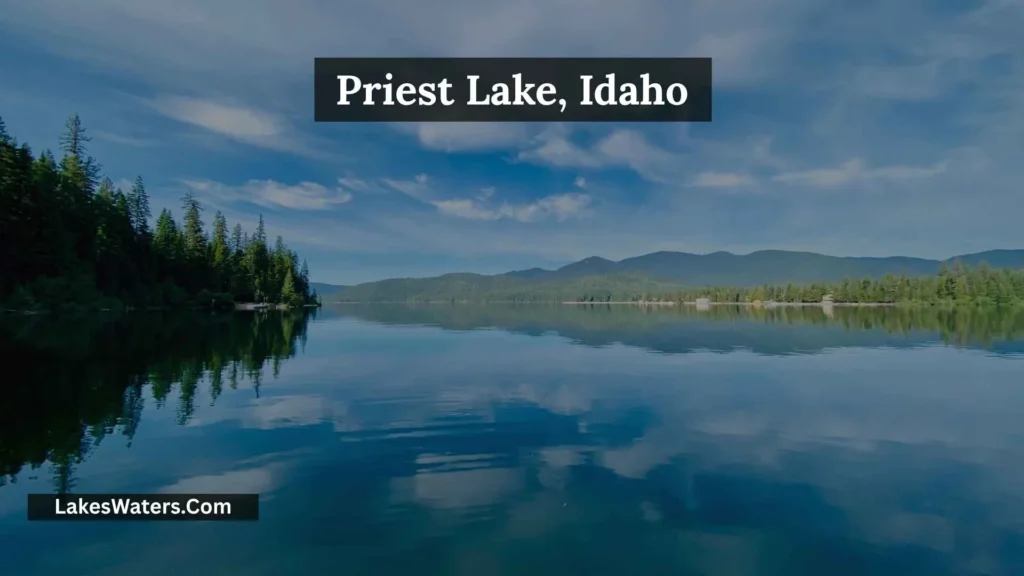
Priest Lake sits in northern Idaho near the Canadian border and is surrounded by the Selkirk Mountains.
Idaho’s Department of Parks and Recreation specifically describes Priest Lake as having extremely clear water. The main lake extends roughly 19 miles and is more than 300 feet deep.
Why Priest Lake Is Worth Visiting
Priest Lake combines clear water with a heavily forested mountain setting.
Visitors can enjoy:
- Swimming
- Boating
- Hiking
- Camping
- Fishing
- Wildlife viewing
- Scenic shoreline areas
The setting is different from Crater Lake because Priest Lake is a large recreational lake surrounded by forests rather than a volcanic caldera.
Priest Lake vs. Crater Lake
The two lakes are both known for clear water, but they serve different travel interests.
Choose Priest Lake if you want:
- Forested surroundings
- A recreational lake environment
- Swimming and boating
- Camping
- A more traditional lake vacation
Choose Crater Lake if you want:
- Volcanic geology
- Dramatic viewpoints
- Exceptional documented clarity
- A national park experience
- Deep-blue scenery
Flathead Lake, Montana
Flathead Lake is one of Montana’s best-known large natural lakes and is recognized for clear water.
The Montana Department of Environmental Quality has described it as one of the cleanest lakes of its size and type in populated areas, linking its clarity partly to relatively low nutrient levels that limit algae growth.
Why Flathead Lake Is Important
Flathead Lake is not simply a scenic destination. Its water quality is closely connected to the health of the surrounding Flathead watershed.
The Flathead Lake Biological Station at the University of Montana notes that long-term monitoring has identified warning signs such as increased algal growth and changes in deep-water oxygen conditions.
That makes Flathead Lake a useful example of why “clear lake” should not be treated as a permanent label.
Best Reasons to Visit
Flathead Lake can appeal to travelers looking for:
- Mountain views
- Boating
- Fishing
- Swimming
- Scenic drives
- Photography
- Access to western Montana attractions
Its large size also means water conditions can vary across different parts of the lake.
Lake McConaughy, Nebraska
Lake McConaughy provides a different example from the deep alpine lakes of the West.
Located near Ogallala, Nebraska, the reservoir is known for its white-sand beaches and clear water. Nebraska Game and Parks describes its waters as cool, clear, and deep and highlights swimming, boating, fishing, camping, and other recreation.
Why It Belongs on a Clear-Water List
Lake McConaughy demonstrates that a clear-water destination does not have to be a high-elevation mountain lake.
Its recreational appeal comes from the combination of:
- Clear water
- Sandy beaches
- Large open spaces
- Boating
- Swimming
- Fishing
- Camping
This makes it particularly useful for families and travelers who want a beach-style lake experience.
What Should Visitors Check Before Going?
Lake levels can affect boating access and facilities.
Nebraska Game and Parks currently advises visitors to check launch conditions because water levels can affect public boat-ramp availability.
That is a good example of why current official information is more useful than relying on an old travel article.
Lake Chelan, Washington
Lake Chelan is a long, deep lake in Washington’s Cascade region.
Historical U.S. Geological Survey material described its waters as clear and sparkling with a deep blue appearance. More recently, USGS conducted extensive fieldwork to map its bottom and study sediments, geology, and lake structure.
What Makes Lake Chelan Interesting?
Lake Chelan is notable for its combination of:
- Deep water
- Mountain scenery
- Glacial history
- Long shoreline
- Boating opportunities
- Distinct northern and southern basins
USGS’s recent bathymetric work found the lake reaches about 445.8 meters in its deeper basin, making it the third-deepest lake in the contiguous United States.
Is Lake Chelan Scientifically Monitored?
Yes.
USGS completed a three-week field operation in 2023 involving sediment cores, high-resolution bathymetry, and sub-bottom profiling. The resulting 2026 publication provides much more detailed information about the lake floor and its geological history.
This research is not itself a nationwide clarity ranking, but it demonstrates the level of scientific study being applied to Lake Chelan.
How Scientists Measure Lake Clarity
If you want to compare clear lakes intelligently, it helps to understand Secchi depth.
What Is a Secchi Disk?
A Secchi disk is a simple circular disk lowered into the water.
The observer records the depth at which the disk disappears from view. That measurement is called Secchi depth.
Generally, a greater Secchi depth indicates greater water transparency under the measurement conditions.
The technique has been used in lakes and oceans since the 19th century.
Why Secchi Depth Matters
Secchi depth gives researchers a standardized way to track changes in transparency over time.
For example, Crater Lake has a long-running record that allows scientists to compare current observations with measurements from previous decades.
Lake Tahoe also has decades of Secchi-disk observations, making it possible to analyze seasonal and long-term changes in clarity.
Why You Should Not Compare Every Lake by Secchi Depth Alone
A problem occurs when people take measurements from different lakes and treat them as though they were collected under exactly the same conditions.
Clarity can be affected by:
- Sun angle
- Wind
- Waves
- Cloud cover
- Water depth
- Observer conditions
- Season
- Algae
- Suspended particles
This is why a scientifically responsible article should distinguish between documented clarity measurements and a lake’s general reputation for clear water.
Clear Water, Blue Water, and Clean Water Are Not the Same
These terms are often used interchangeably, but they describe different things.
Water Clarity
Clarity describes how far light can penetrate before particles and organisms make the water visually opaque.
Secchi depth is one way to measure it.
Water Color
Water color is what you see.
A lake can look blue, green, turquoise, brown, or even almost black depending on depth, sunlight, particles, bottom material, and other factors.
Water Quality
Water quality is much broader.
It can involve:
- Nutrients
- Bacteria
- Dissolved oxygen
- Temperature
- Chemical contaminants
- Sediment
- Algae
- Other biological and chemical indicators
A lake that looks beautiful and clear should not automatically be assumed to be safe for swimming or drinking.
Clearest Lakes vs. Deepest Lakes
Depth and clarity often appear together in famous U.S. lakes, but they are not the same measurement.
| Lake | Notable Depth | Clarity Significance |
| Crater Lake | 1,943 feet | Exceptional documented clarity |
| Lake Tahoe | 1,645 feet | Deep, clear alpine water with long-term monitoring |
| Lake Chelan | About 1,462 feet | Very deep Cascade lake with scientific study |
| Priest Lake | More than 300 feet | Officially noted for extremely clear water |
Crater Lake is the deepest lake in the United States, while Lake Tahoe is second. Lake Chelan is the third-deepest lake in the contiguous United States according to recent USGS mapping.
The comparison shows why depth alone cannot be used as a lake-clarity ranking.
Best Clear Lakes for Different Types of Trips
The best lake for you depends on what you actually want to do.
Best for Exceptional Documented Clarity
Crater Lake is the strongest choice if your main interest is exceptional measured water transparency.
Its long-running monitoring record provides unusually strong evidence for its reputation.
Best for a Large Lake Vacation
Lake Tahoe is a strong option if you want clear alpine water combined with beaches, hiking, boating, communities, and a wide range of recreation.
Best for a Forested Lake Setting
Priest Lake offers clear water surrounded by the forests and mountains of northern Idaho.
Best for a Montana Mountain Setting
Flathead Lake combines clear water with large-scale scenery and access to the wider Flathead Valley. Its environmental monitoring also makes it an interesting lake for travelers interested in conservation.
Best for Sandy Beaches and Family Recreation
Lake McConaughy stands out for its clear water, broad beaches, swimming, camping, and boating opportunities.
Best for a Deep Washington Mountain Lake
Lake Chelan combines deep water, dramatic Cascade scenery, recreation, and significant geological interest.
When Is Lake Water Usually Clearest?
There is no single best month for every lake.
Clarity can change after:
- Heavy rain
- Snowmelt
- Strong winds
- Storms
- Seasonal algae growth
- Changes in lake circulation
- Increased sediment runoff
Why Weather Can Change Water Clarity
Heavy rainfall can wash sediment into tributaries.
Strong winds can disturb shallow lake bottoms.
A calm, sunny day may therefore produce a much different visual experience from the same location after a storm.
Why Seasonal Changes Matter
Lake ecosystems change throughout the year.
Lake Tahoe’s long-term monitoring illustrates this clearly: USGS found different clarity patterns in summer and winter and identified fine suspended particles as an important influence on transparency.
Crater Lake also experiences year-to-year variation related to processes such as deep-water mixing and nutrient movement.
Are the Clearest Lakes Safe for Swimming?
Clear water does not automatically mean safe water.
Clarity is only one characteristic of a lake.
Before swimming, check:
- Official water-quality advisories
- Swimming rules
- Local weather
- Water temperature
- Currents
- Boat traffic
- Beach conditions
- Park closures
- Algae warnings
A lake can be visually perfect while still having conditions that make swimming unsafe.
Common Mistakes When Searching for the Clearest Lakes
Mistake 1: Trusting Every “Top 10” List
Many online lists use subjective descriptions rather than comparable measurements.
A better approach is to ask whether the source provides scientific clarity data or simply describes the water as “crystal clear.”
Mistake 2: Confusing Blue With Clear
Blue color can result from depth and how sunlight interacts with water.
It does not automatically prove that a lake has the highest transparency.
Mistake 3: Assuming Clear Means Clean
Water clarity does not measure every possible pollutant, microorganism, or water-quality concern.
Mistake 4: Ignoring Current Conditions
Lake levels, access, weather, algae, boat launches, and park rules can change.
Always check the official park or state agency before traveling.
Mistake 5: Treating an Exact Ranking as Permanent
A lake’s clarity can change from one season or year to another.
For serious comparisons, look at how and when the measurement was collected.
A Simple Decision Guide for Choosing a Clear Lake
Use this quick guide before planning your trip:
Do you want scientifically documented exceptional clarity?
↓
Choose Crater Lake
Do you want clear alpine water plus extensive recreation?
↓
Consider Lake Tahoe
Do you prefer forests, camping, and a quieter northern lake setting?
↓
Consider Priest Lake
Do you want a large Montana lake with mountain scenery?
↓
Consider Flathead Lake
Do you want sandy beaches and family-oriented lake recreation?
↓
Consider Lake McConaughy
Do you want a deep Washington mountain lake with strong geological interest?
↓
Consider Lake Chelan
How to Protect Clear Lakes
Clear-water lakes are valuable because their appearance often reflects underlying ecological conditions.
Visitors can help protect them by following basic practices.
Keep Boats and Gear Clean
Aquatic invasive species can spread when boats, trailers, fishing equipment, and other gear move between waterways.
Clean, drain, and dry equipment according to local requirements before entering another lake.
Avoid Polluting the Shoreline
Do not leave:
- Plastic
- Food waste
- Fishing line
- Fuel
- Cleaning products
- Other trash
Even small sources of pollution can accumulate in heavily visited areas.
Follow Local Recreation Rules
Rules regarding boating, camping, fishing, fires, swimming, and shoreline access are designed to protect both people and ecosystems.
Flathead Lake’s long-term monitoring illustrates why watershed protection matters: changes in sediment and nutrients can affect algae growth and lake health.
Frequently Asked Questions About the Clearest Lakes in the US
What Is the Clearest Lake in the US?
Crater Lake in Oregon is one of the strongest answers because the National Park Service identifies it as one of the clearest lakes in the world and maintains long-term scientific measurements of its clarity. Its average Secchi-disk depth is about 102 feet.
Is Lake Tahoe One of the Clearest Lakes in the US?
Yes. Lake Tahoe is widely known for its deep, clear alpine water and has been monitored for clarity using Secchi-disk measurements for decades.
Why Is Crater Lake So Clear?
Its clarity is associated with its isolated volcanic basin, precipitation-based water supply, great depth, and relatively low amounts of material that reduce transparency. The lake has no rivers or streams flowing into it.
Is Priest Lake Really Clear?
Yes. Idaho State Parks specifically describes Priest Lake as having extremely clear water. The lake is surrounded by the Selkirk Mountains and supports swimming, boating, camping, hiking, and other recreation.
Is Flathead Lake Clear?
Flathead Lake is known for clear water. Montana’s Department of Environmental Quality has linked its clarity partly to relatively low nutrient levels that limit algae growth, while more recent university monitoring has identified environmental changes that require continued attention.
Is Lake McConaughy Clear?
Yes. Nebraska Game and Parks describes Lake McConaughy as having clear waters and highlights its cool, clear, deep water, beaches, swimming, fishing, boating, and camping.
Is Lake Chelan One of the Clearest Lakes in America?
Lake Chelan is well known for clear, blue-looking water and has a long history of scientific study. However, there is not enough standardized nationwide clarity data to place it at a precise national position without qualification. USGS continues to study its depth, sediments, geology, and underwater structure.
How Do Scientists Measure Lake Clarity?
One common method is a Secchi disk. Researchers lower the disk into the water and record the depth at which it disappears from view. Greater Secchi depth generally indicates greater transparency under the measurement conditions.
Does Clear Water Mean Clean Drinking Water?
No. Water clarity is not the same as drinking-water safety. A clear lake can still contain microorganisms, chemicals, nutrients, or other substances that are not visible.
Does Clear Water Mean Safe Swimming?
No. Always check official advisories, local rules, weather, water temperature, currents, and other hazards before swimming.
Which Clear Lake Is Best for Families?
The answer depends on the family’s activities. Lake McConaughy is notable for sandy beaches and swimming, while Lake Tahoe offers a much wider range of recreation. Priest Lake is another option for families interested in forests, camping, swimming, and boating.
Why Do Some Clear Lakes Look Blue?
Deep, clear water absorbs and scatters different wavelengths of sunlight in ways that can make blue light more visible. Crater Lake is an especially strong example of this effect.
Key Takeaways
The clearest lakes in the US are best understood as a group of exceptionally transparent or clear-water destinations rather than a permanent national ranking.
- Crater Lake has some of the strongest documented evidence for exceptional water clarity in the United States.
- Lake Tahoe is a major clear-water alpine lake with decades of scientific monitoring.
- Priest Lake is officially noted for its extremely clear water.
- Flathead Lake is known for clear water and relatively low nutrient conditions, while continued monitoring tracks environmental changes.
- Lake McConaughy combines clear water with beaches and extensive recreation.
- Lake Chelan is a deep Cascade lake with clear-water descriptions and extensive modern geological study.
- Secchi depth is one of the most useful measurements for comparing water transparency.
- Clear water is not automatically the same as clean drinking water or safe swimming conditions.
- Weather, sediment, algae, nutrients, and seasonal processes can change lake clarity.
- Current official information should always be checked before a trip.
Conclusion
The search for the clearest lakes in the US leads to some of the country’s most remarkable landscapes, from the volcanic walls of Crater Lake to the alpine basin of Lake Tahoe and the forested shores of Priest Lake.
The most useful way to compare these destinations is not simply to ask which lake has the highest place on a list. Instead, look at how clarity was measured, how conditions change, what activities are available, and what current information says about access and water quality.
For exceptional documented clarity, Crater Lake is especially notable. For a large recreational alpine lake, Lake Tahoe offers a different experience. Priest Lake, Flathead Lake, Lake McConaughy, and Lake Chelan show that clear-water destinations can vary greatly in landscape, recreation, and environmental conditions.
That distinction makes a clearer and more trustworthy guide—and gives travelers a better basis for choosing the lake that actually fits their trip.

I am Daniel Brooks, an environmental enthusiast and writer focused on freshwater resources and the connection between humans and nature.
I enjoy researching lakes, wetlands, and water conservation practices to create informative content for readers. I believe that understanding our water systems is the first step toward protecting them.
Through my writing, I aim to inspire awareness and responsible actions for a better water future.
Books by Daniel Brooks:
- Freshwater Wonders: Stories From the World’s Lakes
- Protecting Our Blue Planet: Water Conservation Guide