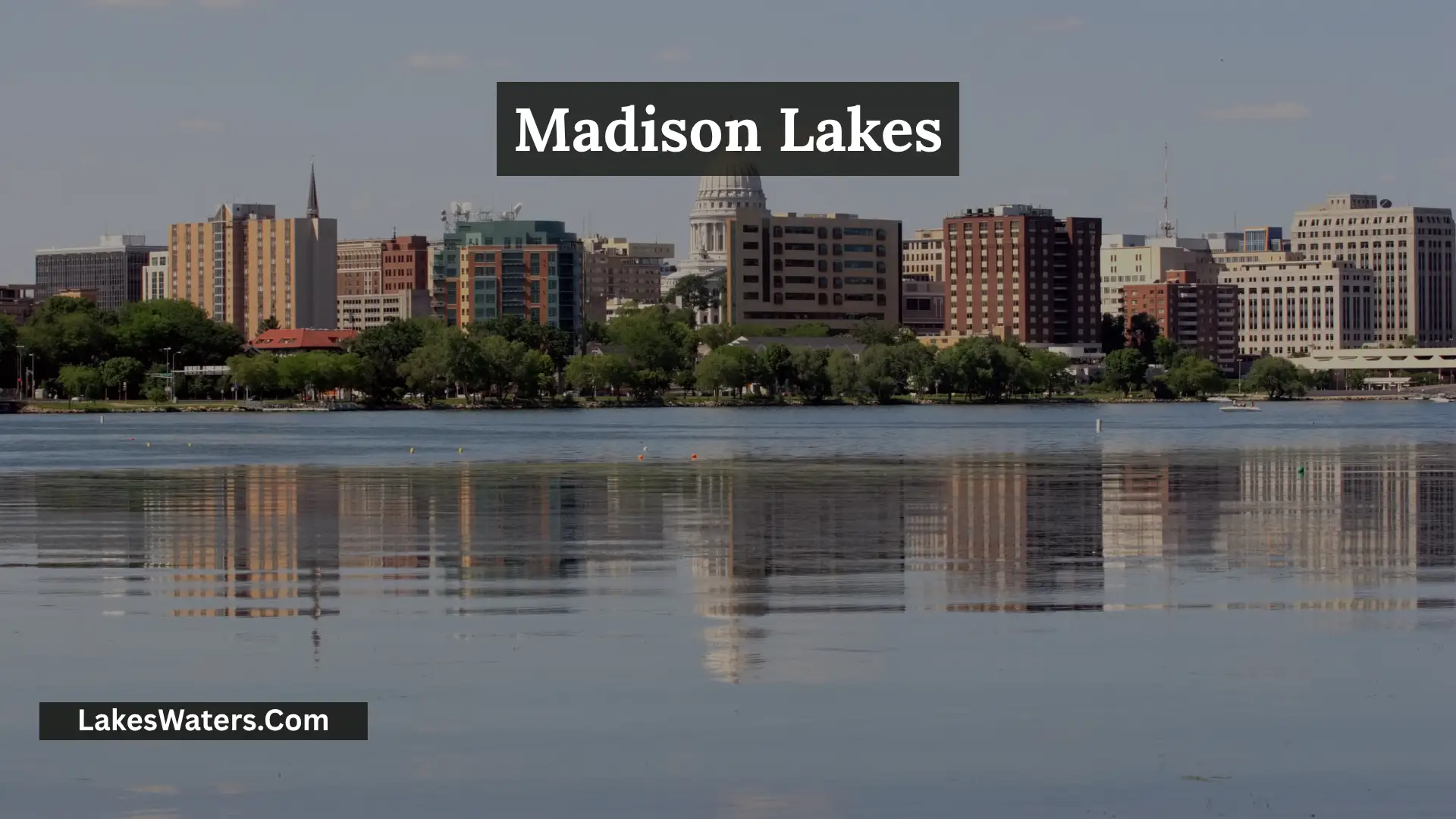
Madison, Wisconsin, is known for its beautiful lakes, waterfront parks, and year-round outdoor recreation. The city sits between several major bodies of water, making it an appealing destination for fishing, kayaking, swimming, boating, and scenic lakeside walks. Whether you are planning a summer getaway or looking for winter activities on frozen lakes, Madison offers plenty of ways to enjoy the outdoors.
The five lakes most closely associated with Madison are Lake Mendota, Lake Monona, Lake Wingra, Lake Waubesa, and Lake Kegonsa. Each offers a different setting, from the expansive waters of Lake Mendota to the smaller, more intimate surroundings of Lake Wingra. Together, these lakes help shape the city’s landscape, recreation, and local culture.
If you are researching Madison lakes fishing, kayaking, swimming, or winter ice conditions, this guide explains where to start, which lakes suit different activities, and what to know before heading out.
What Are the Five Madison Lakes?
Madison’s five principal lakes are located in and around Wisconsin’s capital city. They are connected to the region’s broader watershed, although their locations, recreational opportunities, and surrounding landscapes differ.
| Lake | General location | Popular activities | What makes it notable |
| Lake Mendota | North of downtown Madison | Fishing, boating, kayaking, sailing, and lakeside walking | A large lake with extensive shoreline and views of the city |
| Lake Monona | South and east of downtown Madison | Fishing, kayaking, boating, swimming, and cycling nearby | Waterfront views of Madison’s skyline |
| Lake Wingra | Near the University of Wisconsin Arboretum | Canoeing, kayaking, fishing, and swimming at designated beaches | A smaller lake surrounded by parks and natural areas |
| Lake Waubesa | South of Madison | Fishing, boating, and other water-based recreation | A popular option for exploring the lakes south of the city |
| Lake Kegonsa | Southeast of Madison | Fishing, boating, and outdoor recreation | Located near Lake Kegonsa State Park |
These activities reflect the recreational options promoted by local tourism and park authorities. Specific access points, facilities, and permitted activities vary by location.
Lake Mendota
Lake Mendota is one of the best-known lakes in Madison. Its shoreline includes public spaces, walking routes, and access points for water-based recreation.
Visitors can explore the lake by kayak, canoe, or sailboat, while anglers can target species such as perch, crappie, bluegill, walleye, bass, and northern pike. The lake’s size also makes it a popular setting for boating and sailing when conditions allow.
The Lakeshore Path near the University of Wisconsin–Madison offers opportunities to walk along the shoreline and enjoy views of the water without getting into a boat.
Lake Monona
Lake Monona lies south and east of downtown Madison. Its waterfront provides views of the city and access to several recreational areas.
Kayaking, fishing, boating, and swimming at designated beaches are among the activities available around the lake. The Lake Monona Loop is another option for visitors who want to experience the shoreline by bicycle or on foot along appropriate sections of the route.
Lake Wingra
Lake Wingra offers a different atmosphere from Madison’s larger lakes. Its shoreline is associated with parks, green spaces, and the University of Wisconsin Arboretum area.
Vilas Park provides access to Lake Wingra, including a canoe and kayak launch, fishing opportunities, and a sandy beach for seasonal swimming. The park is also adjacent to Henry Vilas Zoo, making the area useful for visitors planning several outdoor activities in one trip.
Lake Waubesa and Lake Kegonsa
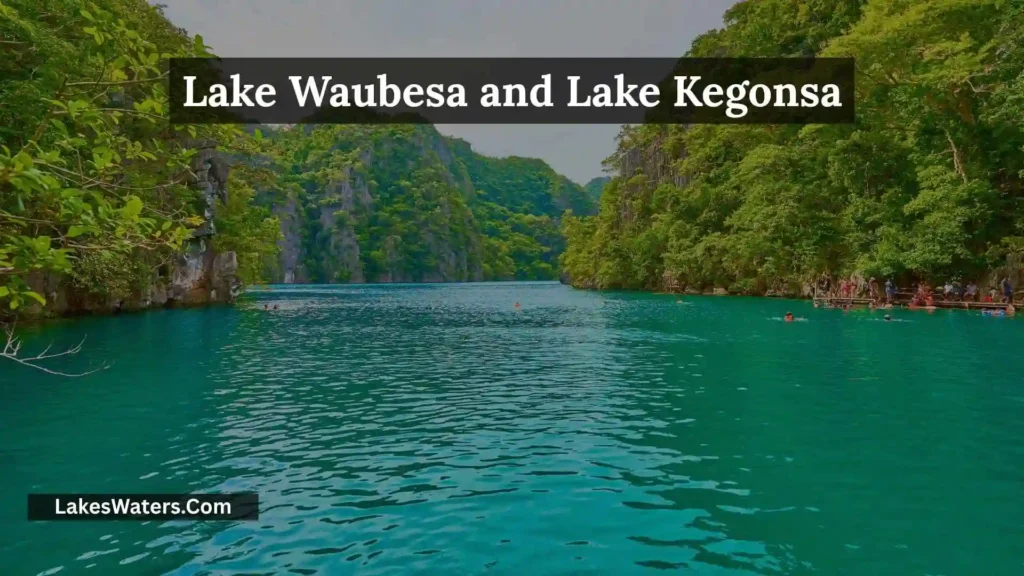
South of Madison, Lake Waubesa and Lake Kegonsa offer additional options for fishing and boating.
These lakes can be worth considering if you want to explore beyond the city’s central waterfront. Lake Kegonsa is particularly relevant for visitors interested in combining time on the water with a visit to Lake Kegonsa State Park.
Before traveling, check the relevant park authority’s information for current boat access, facilities, launch requirements, and any seasonal restrictions.
Madison Lakes Fishing: Where to Start
Fishing is one of the most popular ways to enjoy Madison’s lakes. The region supports a variety of freshwater fish, and anglers can choose between fishing from shore and heading onto the water by boat.
According to Madison’s official tourism information, common catches include:
- Yellow perch
- Crappie
- Bluegill
- Walleye
- Bass
- Northern pike
The species you encounter will depend on the lake, location, season, and fishing conditions.
Lake Mendota for Fishing
Lake Mendota is worth considering if you want to combine fishing with a larger-lake boating experience.
Its shoreline and surrounding access points provide opportunities for different fishing approaches. Anglers may also explore locations along the lake’s northern side, where the official Madison tourism guide identifies Governor’s Island as an area of interest for fishing by boat.
Check local access requirements before launching a boat, particularly if you plan to use a public landing.
Lake Monona for Shore Fishing
Lake Monona provides fishing opportunities near Madison’s urban waterfront.
Monona Bay is one location highlighted by the local tourism authority. Fishing from an accessible shoreline can be a practical choice if you do not own a boat or want to spend only a short time outdoors.
Public access, parking, and shoreline conditions differ between locations, so check the specific park before setting out.
Lake Wingra for Fishing
Lake Wingra is another option for anglers who prefer a smaller lake setting.
Vilas Park offers fishing locations, including accessible fishing piers. The park’s official information also provides guidance on facilities and access.
Fishing Licenses and Regulations
In Wisconsin, anglers aged 16 and older generally need the appropriate fishing license, subject to applicable exemptions. Rules can vary by species, season, and water body.
Before fishing, consult the Wisconsin Department of Natural Resources for current licensing requirements, size limits, seasons, and other regulations.
You should also review fish consumption advisories if you intend to eat your catch. Some fish may contain contaminants, and recommended consumption limits can depend on the species and water body. Madison Parks directs visitors to public health guidance on this subject.
Madison Lakes Kayaking: Which Lake Should You Choose?
Kayaking is an excellent way to experience Madison’s waterfront from a different perspective. You can paddle near the city, explore quieter stretches of shoreline, or enjoy a short outing from a public launch.
The best lake depends on your experience, preferred scenery, and the conditions on the day you visit.
Kayaking on Lake Mendota
Lake Mendota is a good option for paddlers interested in expansive water views and the shoreline around the University of Wisconsin–Madison.
However, its size means that wind and waves can affect conditions. Beginners should consider sheltered locations, stay close to suitable launch areas, and avoid heading onto open water when conditions exceed their abilities.
Kayaking on Lake Monona
Lake Monona is worth considering if you want to combine paddling with views of Madison’s skyline.
Several lakeside locations provide access to the water, and kayak rentals are available through local recreational operators when operating. Olbrich Park is one location associated with kayak and paddleboard rentals through Rutabaga Paddlesports.
Check current rental availability and launch information before visiting.
Kayaking on Lake Wingra
Lake Wingra is a useful option for paddlers who prefer a smaller lake environment.
Vilas Park has a designated canoe and kayak launch, along with shoreline recreation and nearby green space. This makes the area convenient for visitors who want to combine paddling with a park visit.
Where Can You Rent a Kayak in Madison?
Madison has several established options for renting paddlecraft.
Local tourism information identifies the following locations and providers:
- Brittingham Boats: Kayaks, canoes, and other paddlecraft near Lake Monona.
- Wingra Boats: Paddlecraft rentals associated with Lake Wingra.
- Marshall Boats: Options for exploring Madison’s lakes, including pontoon boats.
- Rutabaga Paddlesports at Olbrich Park: Kayak, canoe, and paddleboard rentals near Lake Monona.
- Outdoor UW: Paddling equipment and instruction associated with the University of Wisconsin–Madison waterfront.
Rental options, hours, prices, and seasonal operating dates can change. Check the providers’ current information before making plans.
Madison Lakes Swimming: Beaches and Waterfront Parks
Swimming is another reason people visit Madison’s lakes during warmer months.
The greater Madison area has several public beaches, but swimming is not permitted or appropriate at every shoreline location. Always choose a designated swimming area and check its current status before entering the water.
Vilas Beach on Lake Wingra
Vilas Beach is located at Henry Vilas Park on Lake Wingra.
The park combines waterfront recreation with green space and nearby attractions, including Henry Vilas Zoo and the University of Wisconsin Arboretum. It can be a convenient choice for families who want to combine swimming with a longer day outdoors.
Check the beach’s seasonal schedule and water-quality information before visiting.
Beaches on Lake Monona
Lake Monona has several waterfront parks and designated swimming locations around its shoreline.
Bernie’s Beach and Ester Beach Park are among the neighborhood spots highlighted by Madison’s official tourism guide. These locations may suit visitors who want to spend time near the water without planning a full day on a boat.
Available amenities differ by beach. Check whether the location offers restrooms, lifeguards, parking, or other facilities before traveling.
Is It Safe to Swim in Madison’s Lakes?
Swimming conditions can change because of weather, water temperature, bacteria, and harmful algal blooms.
Before swimming:
- Check current beach and water-quality advisories.
- Follow posted swimming restrictions.
- Avoid water with visible algal scum or suspicious discoloration.
- Supervise children closely around the water.
- Use designated swimming areas rather than assuming every shoreline is suitable.
Official park and public health information should take priority over older travel articles or general recommendations.
Madison Lakes Frozen: Winter Activities and Ice Conditions
Madison’s lakes change considerably in winter. When temperatures fall, ice may form across large sections of the water, creating opportunities for winter recreation.
However, a frozen lake is not automatically safe to walk, skate, or fish on. Ice conditions vary with weather, currents, water depth, snow cover, and other local factors.
The Wisconsin State Climatology Office maintains historical records of ice formation and ice-out dates for Lake Mendota, Lake Monona, and Lake Wingra. These records help explain the seasonal patterns of Madison’s lakes, but historical averages cannot establish whether the ice is safe on a particular day.
When Do Madison’s Lakes Freeze?
Madison’s lakes generally develop ice during the colder part of the year, but the timing varies from season to season.
The Wisconsin State Climatology Office’s historical summary lists median freeze dates of approximately:
| Lake | Median freeze date |
| Lake Mendota | December 20 |
| Lake Monona | December 15 |
| Lake Wingra | November 29 |
These are historical median dates, not predictions for the current winter. A particular lake may freeze earlier or later depending on the weather, and ice may not form uniformly across its surface.
The office also distinguishes between a lake’s estimated freeze date and measured ice thickness. Its historical summary explains that the freeze date represents the first date on which most of the lake surface is estimated to be frozen. It does not establish that the ice is safe for recreational use.
Ice Fishing on Madison’s Lakes
Ice fishing is a popular winter activity in Wisconsin, and Madison’s lakes can attract anglers when conditions permit.
Before heading out, confirm that the ice has been assessed as suitable for your intended activity. Carry appropriate safety equipment, check local fishing regulations, and remember that snow can hide weak spots, cracks, and changing ice conditions.
Historical freeze dates alone are never a substitute for a current assessment.
Ice Skating and Winter Walks
When conditions are suitable, Madison offers several ways to enjoy winter outdoors.
Vilas Park provides seasonal ice-skating opportunities on its lagoon and designated rinks, with a warming shelter and skate rentals when operating. These managed facilities can be an alternative to venturing onto a natural lake. Check the park’s current status before leaving home.
Winter walks along the shoreline are another option if you prefer to stay on land. You can still enjoy the scenery of a frozen lake without taking the risks associated with walking on natural ice.
How to Check Madison Lake Ice Conditions
Before participating in any ice-based activity:
- Check official local updates and any posted closures.
- Confirm that the specific area is open for your intended activity.
- Never assume ice thickness is consistent across a lake.
- Avoid unfamiliar ice, especially near inlets, outlets, and areas with moving water.
- Carry appropriate cold-weather and ice-rescue equipment when venturing onto natural ice.
For historical freeze and ice-out information, consult the Wisconsin State Climatology Office’s Madison Lakes Ice Summary. For managed skating areas and local closures, check the City of Madison Parks Department.
Best Time to Visit Madison Lakes
The best time to visit depends on the activities you have in mind.
| Season | Activities to consider | What to keep in mind |
| Spring | Lakeside walks, birdwatching, and fishing | Water temperatures can remain cold, and weather changes quickly |
| Summer | Swimming, kayaking, boating, and paddleboarding | Check beach conditions, water quality, and rental availability |
| Fall | Shoreline walks, cycling, photography, and fishing | Cooler weather and changing conditions may affect water activities |
| Winter | Ice fishing, skating at managed facilities, and snowy lakeside walks | Natural ice conditions can be unpredictable and dangerous |
Summer is generally the most straightforward season for visitors interested in swimming and paddle sports. Winter offers a different experience, but ice-based recreation requires additional precautions.
Spring and fall can be appealing for people who prefer quieter waterfront areas and activities that do not depend on warm water.
Parks and Trails Around Madison’s Lakes
You do not need a boat to enjoy Madison’s lakes. The surrounding parks and trails provide opportunities for walking, cycling, fishing, picnicking, and wildlife observation.
Lakeshore Path and Picnic Point
The Lakeshore Path near the University of Wisconsin–Madison follows parts of Lake Mendota’s shoreline.
It is an option for visitors who want to experience the lake on foot, enjoy waterfront views, or take a break from downtown sightseeing. Picnic Point is a notable destination along the lakeshore, although access conditions and route details should be checked before your visit.
Henry Vilas Park
Henry Vilas Park sits beside Lake Wingra and provides several recreational options in one area.
Its facilities include a sandy beach, fishing locations, canoe and kayak access, and seasonal skating opportunities. The nearby Henry Vilas Zoo and University of Wisconsin Arboretum provide additional reasons to explore the surrounding area.
Lake Monona Loop
The Lake Monona Loop is an option for cyclists and walkers who want to explore the lake’s urban surroundings.
Rather than spending the whole day in one waterfront location, you can use the route to experience different views of the shoreline. Check current route information and any construction-related detours before setting out.
Lake Kegonsa State Park
Southeast of Madison, Lake Kegonsa State Park offers another option for people interested in outdoor recreation near the water.
It is worth considering if you want to explore beyond the city’s central lakes. Before traveling, consult the park’s official information for current access, trail conditions, boating details, and seasonal restrictions.
Planning a Day Around Madison’s Lakes
If you have only one day, choose activities that fit your interests rather than trying to visit every lake.
For Families
Start with Henry Vilas Park and Lake Wingra. Depending on the season and current conditions, you can combine a park visit with time at the beach, a walk, or another nearby attraction.
For Kayaking and Paddleboarding
Choose a suitable launch or rental location on Lake Monona, Lake Mendota, or Lake Wingra.
If you are new to paddling, prioritize sheltered conditions and a short route. Check rental availability and weather forecasts before leaving.
For Fishing
Decide whether you prefer fishing from shore or from a boat. Lake Mendota, Lake Monona, and Lake Wingra all offer opportunities, but the best location depends on your target species, access preferences, and applicable regulations.
For Winter Scenery
Plan a lakeside walk and check whether a managed skating facility is operating.
If you are considering walking or fishing on natural ice, verify current conditions independently. Do not rely on the appearance of the ice or the date when the lake usually freezes.
Are Madison Lakes in Wisconsin the Same as Madison Lakes in Ohio or Georgia?
No. Searches for Madison lakes can refer to several unrelated places.
Madison Lakes in Wisconsin
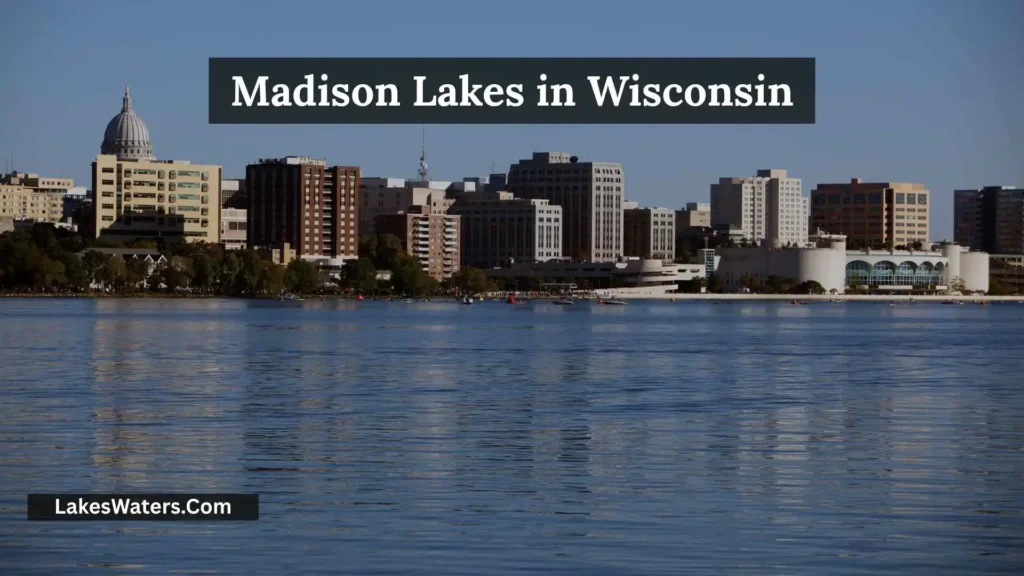
Most lake-related searches about Madison, Wisconsin, concern the five lakes surrounding the state capital: Mendota, Monona, Wingra, Waubesa, and Kegonsa.
Fishing, kayaking, swimming, boating, and seasonal winter recreation are common reasons people research these lakes.
Madison Lakes in Trotwood, Ohio
Madison Lakes Park is a separate recreational facility in Trotwood, near Dayton, Ohio.
Montgomery County lists the facility at 581 Olive Road and identifies features including fishing, picnic shelters, a children’s play area, and volleyball courts. The county also notes that the Madison Lakes Conference Center is undergoing renovation, so visitors should check current information before planning an event there.
For the Ohio facility, consult the Montgomery County Madison Lakes page.
Madison Lakes in Georgia
The name also appears in real-estate and development contexts in Georgia. One example is a planned mixed-use community described on the Madison Lakes development website.
That development is not the same destination as the five lakes in Madison, Wisconsin. If your search concerns a residential community, confirm the specific city and development before relying on information about outdoor recreation or lake access.
Frequently Asked Questions About Madison Lakes
How many lakes are in Madison, Wisconsin?
Five lakes are most commonly associated with Madison: Lake Mendota, Lake Monona, Lake Wingra, Lake Waubesa, and Lake Kegonsa. They form the core of the region’s lake-based recreation and waterfront identity.
Which Madison lake is best for fishing?
Lake Mendota, Lake Monona, and Lake Wingra are all options for fishing. The best choice depends on the species you want to catch, whether you prefer shore or boat fishing, and the access available at your chosen location.
Can you kayak on Madison lakes?
Yes. Kayaking is available at suitable locations on several Madison-area lakes. Rental providers and public launches offer ways to get on the water, but access, rental availability, and weather conditions vary.
Can you swim in Madison lakes?
Swimming is possible at designated beaches around Madison’s lakes during the appropriate season. Check current water-quality advisories, beach operating information, and posted restrictions before entering the water.
When do Madison lakes freeze?
Historical median freeze dates are approximately November 29 for Lake Wingra, December 15 for Lake Monona, and December 20 for Lake Mendota. Actual dates vary, and these averages do not indicate whether the ice is safe.
Is it safe to walk on frozen Madison lakes?
Not necessarily. Ice thickness and strength can vary substantially across a lake. Check current local guidance, never assume a frozen surface is safe, and avoid venturing onto ice without reliable information about conditions.
Which Madison lake is best for kayaking beginners?
Lake Wingra may be worth considering because it offers designated canoe and kayak access and a smaller lake setting. However, beginners should still check wind, weather, water conditions, and the suitability of their chosen launch before paddling.
Do you need a fishing license in Madison, Wisconsin?
Wisconsin generally requires people aged 16 and older to hold the appropriate fishing license, subject to exemptions. Check the Wisconsin Department of Natural Resources for current licensing requirements and fishing regulations.
Are Madison lakes natural or man-made?
The five lakes associated with Madison are natural lakes rather than reservoirs created by damming a river. However, lakes and reservoirs elsewhere in the Madison area should be assessed individually rather than assumed to have the same origin.
Where is Madison Lakes Park in Ohio?
Madison Lakes Park is located at 581 Olive Road in Trotwood, Ohio, near Dayton. Montgomery County lists fishing, picnic shelters, a children’s play area, and volleyball courts among its features. Check the county’s official listing for current facility information.
Conclusion
Madison’s lakes offer a wide range of outdoor experiences throughout the year. Lake Mendota and Lake Monona are popular choices for boating, fishing, and paddling, while Lake Wingra combines waterfront recreation with parks and nearby attractions. Lake Waubesa and Lake Kegonsa provide additional opportunities to explore the region beyond central Madison.
Summer is a natural choice for swimming and kayaking, while winter can bring opportunities for skating and ice fishing when conditions permit. Whatever activity you choose, check current access information, weather, water quality, and local regulations before setting out.

I am Ethan Reynolds, a nature researcher and writer focused on freshwater environments, aquatic ecosystems, and sustainable water solutions.
I enjoy sharing knowledge about lakes, rivers, wetlands, and the challenges facing global water resources.
My goal is to help readers understand the value of water and encourage responsible actions to protect it.
Books by Ethan Reynolds:
- Lakes and Landscapes: Stories from Nature
- Protecting Water for Future Generations