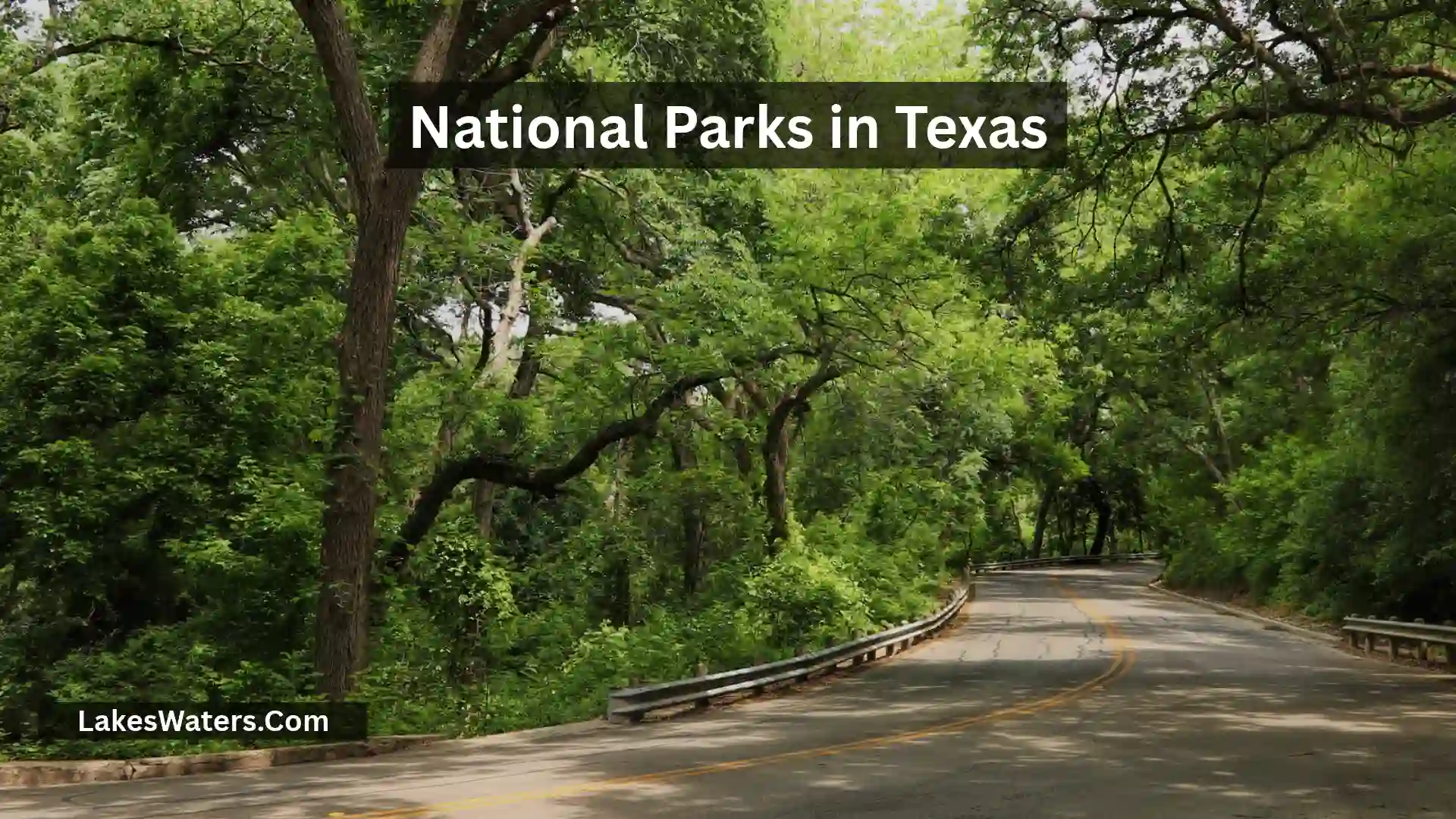
Texas is home to two officially designated national parks: Big Bend National Park and Guadalupe Mountains National Park. Both are located in West Texas and protect some of the state’s most remarkable natural landscapes. From desert mountains and deep river canyons to rugged peaks and ancient limestone formations, these parks offer plenty of opportunities for outdoor adventures.
Although Texas has only two national parks, it also contains several other protected destinations managed by the National Park Service. These include national preserves, national monuments, historic parks, and coastal recreation areas.
If you’re interested in hiking, camping, wildlife watching, photography, or exploring scenic landscapes, Texas has something worth discovering. Understanding what each park offers can help you choose the right destination and plan a more enjoyable trip.
How Many National Parks Are in Texas?
Texas has two officially designated national parks:
- Big Bend National Park
- Guadalupe Mountains National Park
Both parks are located in the western part of the state, but they offer different landscapes and outdoor experiences.
Big Bend National Park is famous for its Chihuahuan Desert scenery, mountain ranges, Rio Grande canyons, and exceptional stargazing opportunities. Guadalupe Mountains National Park is known for its rugged mountain peaks, challenging hiking trails, ancient fossil reef, and diverse desert ecosystems.
In addition to these two national parks, Texas has numerous other National Park Service destinations. These places protect important natural environments and historical locations, but they have different official designations.
Understanding this distinction is important because a national preserve, national monument, or national seashore is not automatically classified as a national park.
National Parks in Texas at a Glance
The following comparison highlights the main differences between the two national parks.
| Feature | Big Bend National Park | Guadalupe Mountains National Park |
| Location | Far West Texas | Near the New Mexico border |
| Established | 1944 | 1972 |
| Main Landscape | Desert, mountains, and river canyons | Mountains, desert, and limestone formations |
| Highest Point | Emory Peak, 7,825 feet | Guadalupe Peak, 8,751 feet |
| Famous Attraction | Santa Elena Canyon | Guadalupe Peak |
| Popular Activities | Hiking, camping, river trips, and stargazing | Hiking, camping, and wildlife watching |
| Best For | Desert adventures and scenic exploration | Mountain hiking and geological scenery |
Both parks offer beautiful natural surroundings, but your preferred activities and available travel time can help determine which one is the better choice.
Big Bend National Park
Big Bend National Park is one of the most remarkable natural destinations in Texas. Located in far West Texas along the Rio Grande, the park protects an extensive landscape of desert environments, mountain ranges, river canyons, and wildlife habitats.
Established in 1944, Big Bend is one of the largest national parks in the contiguous United States. Its remote location and geographical diversity make it an excellent destination for travelers who enjoy exploring nature away from crowded urban areas.
The park gets its name from the large bend in the Rio Grande, which forms part of the international boundary between the United States and Mexico.
Visitors can explore desert trails, hike through mountain landscapes, enjoy scenic drives, observe wildlife, and experience some of the darkest night skies in the country.
What Makes Big Bend National Park Special?
Big Bend stands out because of its unusual combination of natural environments. Visitors can experience dry desert landscapes, cooler mountain areas, and dramatic river canyons within the same national park.
The Chisos Mountains rise above the surrounding desert and create a completely different environment from the lower elevations. These mountains provide scenic viewpoints, hiking opportunities, and habitats for wildlife.
Another important feature is the Rio Grande. Over thousands of years, the river has carved impressive canyons through the surrounding rock formations.
Big Bend is also recognized for its dark night skies. Because the park is far from major cities, artificial light pollution is limited. This makes it an excellent location for stargazing and night-sky photography.
Best Things to Do in Big Bend National Park
There are many ways to enjoy Big Bend, whether you prefer relaxing outdoor activities or challenging adventures.
Hike Through the Desert and Mountains
Hiking is one of the most popular activities in Big Bend National Park. The park has more than 150 miles of hiking trails, providing opportunities for beginners and experienced hikers.
Some popular trails include:
- Lost Mine Trail: A popular mountain hike offering impressive views of the Chisos Mountains and surrounding desert.
- Santa Elena Canyon Trail: A relatively short hike leading toward the dramatic canyon walls along the Rio Grande.
- Window Trail: A scenic route in the Chisos Basin that leads to a natural rock opening overlooking the desert.
- South Rim Trail: A longer and more challenging hiking experience with panoramic views of the surrounding landscape.
Each trail offers a different experience. Some routes are suitable for casual visitors, while others require good physical fitness and proper preparation.
Before starting a hike, check the weather, trail conditions, and water requirements. Desert temperatures can become dangerous, particularly during summer.
Explore Santa Elena Canyon
Santa Elena Canyon is one of the most recognizable attractions in Big Bend National Park.
The Rio Grande flows between towering limestone cliffs, creating a dramatic natural landscape that attracts hikers, photographers, and outdoor enthusiasts.
Visitors can explore the canyon area through hiking and, when conditions permit, river activities such as canoeing and rafting.
The canyon is particularly impressive because of the contrast between the narrow river corridor and the surrounding desert landscape.
It is an excellent place to appreciate the geological beauty of West Texas.
Enjoy Stargazing Under Dark Skies
Big Bend is an excellent destination for visitors who enjoy astronomy and night-sky photography.
The park’s remote location provides exceptionally dark skies compared with many developed areas. On clear nights, visitors can observe thousands of stars, constellations, and sometimes the Milky Way.
For a better stargazing experience:
- Choose a clear night with limited moonlight.
- Avoid unnecessary artificial lighting.
- Give your eyes time to adjust to darkness.
- Carry warm clothing for cooler evenings.
- Use a flashlight carefully to preserve night vision.
Stargazing is one of the experiences that makes Big Bend particularly special for nature lovers.
Take a Scenic Drive
Visitors who prefer exploring by vehicle can enjoy several scenic roads throughout Big Bend.
Ross Maxwell Scenic Drive is one of the most popular routes. It passes through beautiful desert scenery and provides access to several viewpoints and attractions near Santa Elena Canyon.
The drive offers opportunities to stop, photograph the landscape, and appreciate the park’s geological features.
Allow enough time for sightseeing because distances between attractions can be considerable. Some roads are unpaved, so check their conditions before traveling.
Enjoy Rio Grande River Adventures
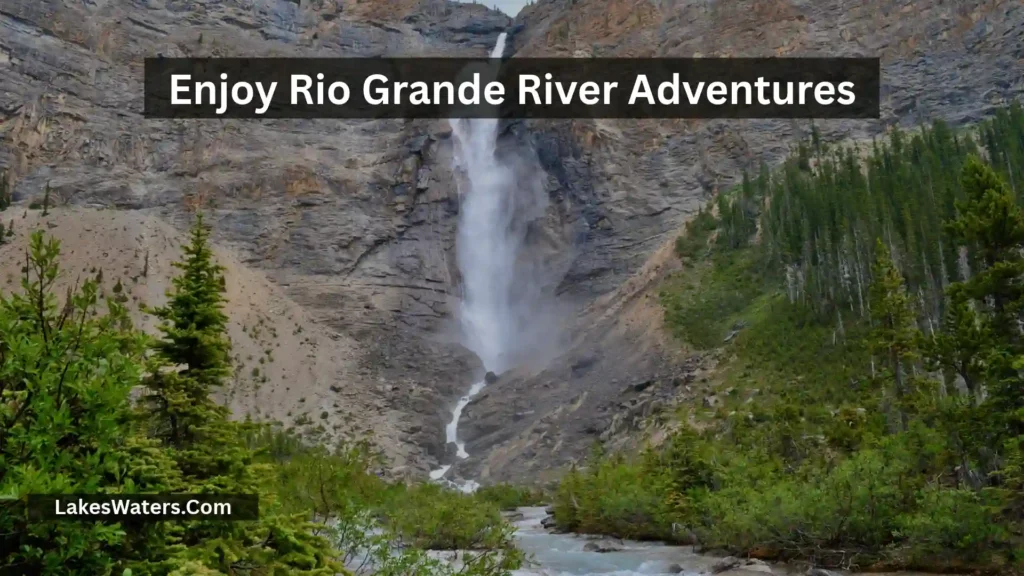
The Rio Grande provides another way to experience Big Bend’s natural beauty.
Depending on water levels, weather, and applicable regulations, visitors can enjoy canoeing, kayaking, and guided rafting trips.
Floating through the river offers a different perspective of the canyon walls and surrounding desert environment.
River trips require preparation and knowledge of local conditions. Check current safety information and permit requirements before planning an adventure.
Wildlife in Big Bend National Park
Big Bend supports a wide variety of wildlife because its mountains, deserts, and river habitats provide different environments for animals.
Some wildlife found in the park includes:
- Black bears
- Mountain lions
- Javelinas
- Coyotes
- Mule deer
- Roadrunners
- Bats
- Various species of snakes
The park is also an important destination for birdwatching. Its diverse habitats support hundreds of bird species, making it attractive to bird enthusiasts.
Wildlife sightings are never guaranteed. Visitors should observe animals from a safe distance and avoid feeding or disturbing them.
Best Time to Visit Big Bend National Park
Fall, winter, and spring are generally comfortable seasons for visiting Big Bend.
Spring: March and April are popular months for hiking and sightseeing. Wildflowers and blooming desert plants can add color to the landscape.
Summer: Temperatures in the lower desert areas can become extremely high. Plan outdoor activities carefully, carry plenty of water, and avoid strenuous hiking during the hottest hours.
Fall: Cooler temperatures gradually return, making hiking and scenic driving more comfortable.
Winter: Big Bend can offer pleasant daytime weather, although temperatures may drop significantly at night. Higher elevations can experience much colder conditions.
The best season depends on your planned activities and the weather during your visit.
Guadalupe Mountains National Park
Guadalupe Mountains National Park is another outstanding natural destination in West Texas. Located near the New Mexico border, the park protects a rugged mountain range rising above the surrounding Chihuahuan Desert.
Established in 1972, the park is particularly famous for Guadalupe Peak, which reaches 8,751 feet and is the highest natural point in Texas.
Unlike Big Bend, which combines desert scenery, mountains, and river canyons, Guadalupe Mountains is especially appealing to visitors interested in challenging hikes, geological formations, and mountain landscapes.
The park also protects important natural habitats and a remarkable geological feature known as the Capitan Reef.
What Makes Guadalupe Mountains National Park Special?
One of the most interesting features of Guadalupe Mountains National Park is its geological history.
Millions of years ago, this region was covered by an ancient sea. Marine organisms gradually formed a large reef, which eventually became buried and was transformed through geological processes.
Today, visitors can see exposed limestone formations, fossil-rich rock layers, rugged cliffs, and mountain landscapes that reveal part of this ancient history.
The park also contains several of the highest mountains in Texas, making it a popular destination for hikers seeking challenging outdoor experiences.
Best Things to Do in Guadalupe Mountains National Park
Visitors can enjoy several outdoor activities while exploring Guadalupe Mountains.
Hike to Guadalupe Peak
Guadalupe Peak is the park’s most famous attraction and the highest natural point in Texas.
Standing at approximately 8,751 feet above sea level, the summit offers impressive views of the surrounding mountains and desert landscape.
The Guadalupe Peak Trail is approximately 8.4 miles round trip and gains around 3,000 feet in elevation.
Most hikers need approximately six to eight hours to complete the journey, depending on their fitness level and trail conditions.
The trail is challenging because of its steep sections, elevation gain, and exposed terrain.
Before starting the hike, carry sufficient drinking water, wear appropriate footwear, bring sun protection, and check the weather forecast.
Starting early is also a good idea, particularly during warmer months.
Explore McKittrick Canyon
McKittrick Canyon is one of the most beautiful areas within Guadalupe Mountains National Park.
The canyon contains a combination of desert vegetation, trees, rocky slopes, and seasonal plant life.
During autumn, some trees develop colorful leaves, creating a beautiful contrast with the surrounding desert environment.
Visitors can explore hiking trails, enjoy the natural scenery, and learn about the area’s distinctive ecosystem.
McKittrick Canyon is particularly attractive to hikers and photographers during the fall season.
See El Capitan
El Capitan is one of the most recognizable geological landmarks in Guadalupe Mountains National Park.
This impressive limestone mountain rises above the surrounding desert and creates a distinctive silhouette across the landscape.
Its unusual shape makes it an important landmark for visitors exploring the southern part of the mountain range.
El Capitan is also connected to the area’s ancient geological history, making it interesting for visitors who enjoy learning about natural formations.
Visit Salt Basin Dunes
Salt Basin Dunes offer a different experience from the rocky mountain trails found elsewhere in the park.
These bright gypsum dunes create an unusual desert landscape on the western side of the Guadalupe Mountains.
Visitors can explore the area on foot and enjoy views of the surrounding mountains.
Because the dunes are exposed to sunlight and wind, carrying sufficient water and checking weather conditions are important.
Enjoy Wildlife Watching
Guadalupe Mountains National Park supports wildlife adapted to both desert and mountain environments.
Animals found in the region include:
- Mule deer
- Coyotes
- Mountain lions
- Elk
- Rabbits
- Birds of prey
- Various reptiles
Early morning and evening can be good times to observe wildlife, although sightings depend on natural activity and weather conditions.
Visitors should always maintain a safe distance from animals and avoid disturbing their habitats.
Best Time to Visit Guadalupe Mountains National Park
Spring and fall are generally excellent seasons for visiting Guadalupe Mountains.
Spring: Comfortable temperatures can make hiking and sightseeing enjoyable, although windy conditions may affect outdoor activities.
Summer: Higher temperatures in exposed areas can make strenuous hiking difficult. Early morning starts are especially important.
Fall: Autumn is an attractive season, particularly for visitors interested in seeing seasonal foliage in McKittrick Canyon.
Winter: Cold temperatures, strong winds, and occasional snow can affect hiking conditions, especially at higher elevations.
The park is open throughout the year, but weather conditions and facility schedules can influence the visitor experience.
Other National Park Service Sites in Texas
Although Texas has only two officially designated national parks, the state has several additional destinations managed by the National Park Service.
These places protect important natural environments, historical locations, coastal ecosystems, and cultural landmarks.
Here are some notable destinations worth exploring.
Padre Island National Seashore
Padre Island National Seashore protects a large stretch of natural coastline along the Gulf of Mexico near Corpus Christi.
It is known for sandy beaches, coastal dunes, wildlife habitats, and the natural environment of a barrier island.
Visitors can enjoy beach activities, birdwatching, fishing, and camping in designated areas.
The seashore is also important for sea turtle conservation. Certain areas provide nesting habitat for endangered Kemp’s ridley sea turtles.
Padre Island is an excellent choice for travelers who prefer coastal scenery instead of desert mountains.
Big Thicket National Preserve
Big Thicket National Preserve is located in Southeast Texas and protects an unusually diverse collection of natural habitats.
Unlike the dry landscapes of West Texas, this preserve contains forests, wetlands, rivers, and waterways.
Visitors can enjoy hiking, canoeing, kayaking, birdwatching, and wildlife observation.
Its ecological diversity makes it an interesting destination for people who want to experience a different side of Texas nature.
San Antonio Missions National Historical Park
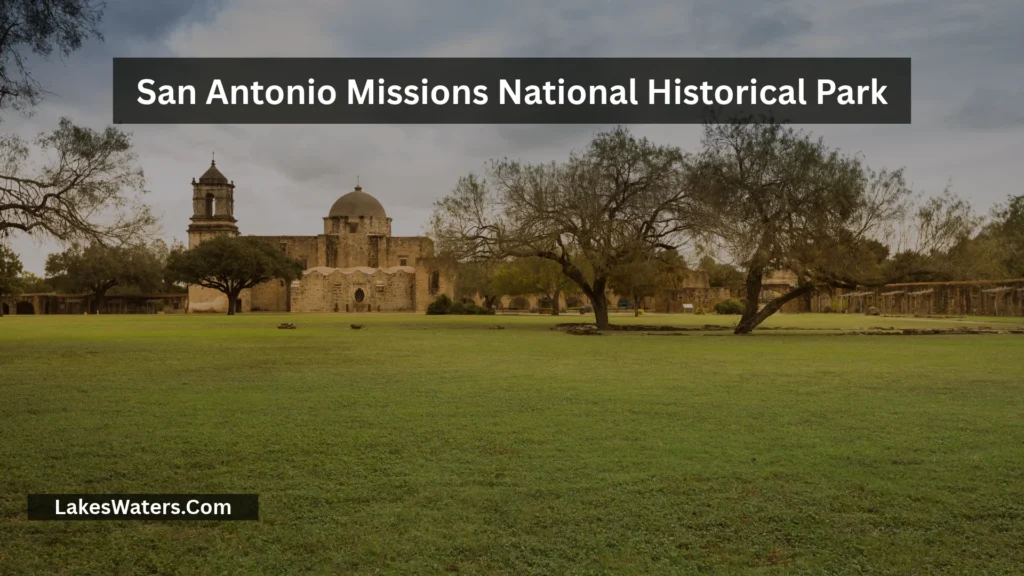
San Antonio Missions National Historical Park protects several historic Spanish colonial mission sites in San Antonio.
These locations provide insight into the area’s cultural history, architecture, and religious development.
Visitors can explore historic structures, learn about the communities that developed around the missions, and discover an important part of Texas history.
The park is also part of a UNESCO World Heritage Site, making it particularly interesting for history and culture enthusiasts.
Amistad National Recreation Area
Amistad National Recreation Area is located near Del Rio along the international border with Mexico.
The area protects the United States portion of Amistad Reservoir and is particularly popular for water-based recreation.
Popular activities include:
- Boating
- Fishing
- Kayaking
- Swimming in permitted areas
- Camping
- Wildlife observation
Amistad is a good destination for visitors who enjoy spending time near water rather than exploring mountain trails.
Alibates Flint Quarries National Monument
Alibates Flint Quarries National Monument is located in the Texas Panhandle near Fritch.
The area preserves historically important flint quarries where Indigenous peoples obtained high-quality stone for making tools.
The site provides an opportunity to learn about ancient technology, trade, and the history of human communities in the region.
Its cultural and archaeological importance makes it different from the outdoor recreation destinations found elsewhere in Texas.
Other Notable National Park Service Destinations
Other protected destinations managed by the National Park Service in Texas include:
- Lake Meredith National Recreation Area
- Fort Davis National Historic Site
- Chamizal National Memorial
- Palo Alto Battlefield National Historical Park
- Lyndon B. Johnson National Historical Park
- Waco Mammoth National Monument
- Rio Grande Wild and Scenic River
Each destination protects a different part of Texas’s natural, cultural, or historical heritage.
Exploring these locations can help visitors discover more of the state beyond its two officially designated national parks.
Best Time to Visit National Parks in Texas
The best time to visit national parks in Texas depends on your destination and preferred activities.
Both Big Bend and Guadalupe Mountains experience seasonal weather changes, but their different elevations create different conditions.
| Season | Big Bend | Guadalupe Mountains |
| Spring | Good for hiking and sightseeing | Comfortable for many outdoor activities |
| Summer | Very hot in lower desert areas | Hot and sometimes windy |
| Fall | Pleasant for outdoor exploration | Excellent for hiking and autumn scenery |
| Winter | Mild days but cold nights | Cold, with possible snow at higher elevations |
Best Months for Outdoor Activities
March and April: These months are popular for exploring Big Bend because of generally comfortable daytime temperatures and spring desert scenery.
October and November: These months can provide pleasant hiking conditions in both parks. Guadalupe Mountains is especially attractive during autumn because of the seasonal foliage in McKittrick Canyon.
December through February: Winter can be a good time to explore Big Bend, although visitors should prepare for cold nights. Guadalupe Mountains can experience colder and windier conditions.
Weather conditions can change quickly, so check forecasts and park alerts before traveling.
Things to Do in Texas National Parks
Texas national parks offer outdoor experiences for different types of visitors. You don’t need to be an experienced hiker to enjoy these destinations.
Here are some of the most popular activities.
Hiking and Backpacking
Hiking is one of the main reasons people visit Big Bend and Guadalupe Mountains.
Big Bend offers desert trails, mountain routes, and river canyon hikes. Guadalupe Mountains is particularly popular with visitors interested in steep climbs and high-elevation scenery.
If you’re planning a longer backpacking trip, check permit requirements, designated camping areas, and current trail conditions before departure.
Camping
Camping allows visitors to experience the parks beyond daytime sightseeing.
Big Bend has developed campgrounds and backcountry camping opportunities. Guadalupe Mountains also provides designated camping areas.
Campground availability, reservation requirements, and seasonal restrictions can differ between locations.
Prepare for changing temperatures, limited services, and remote conditions.
Wildlife Watching
Both parks offer opportunities to observe wildlife in natural habitats.
Big Bend is particularly interesting for birdwatchers because of its varied ecosystems and location along important bird migration routes.
Guadalupe Mountains also supports a variety of mountain and desert wildlife.
Early morning and evening are often useful times to look for animals, although sightings depend on weather and natural activity.
Photography
Photographers can find many interesting subjects throughout both parks.
Big Bend offers dramatic desert mountains, river canyons, colorful sunsets, and dark night skies.
Guadalupe Mountains provides rugged mountain scenery, limestone formations, seasonal foliage, and expansive desert views.
A smartphone or basic camera can capture many of these natural landscapes.
Stargazing
Stargazing is particularly rewarding in Big Bend because of its remote setting and dark night skies.
Visitors can observe stars, constellations, and the Milky Way when weather and moon conditions are favorable.
Guadalupe Mountains also offers opportunities to enjoy night skies away from major urban areas.
Tips for Planning Your Visit to Texas National Parks
A trip to either national park requires some preparation, particularly because both are located in remote parts of West Texas.
The following tips can help you enjoy your visit while avoiding common travel problems.
Plan Your Transportation
Both national parks are far from major Texas metropolitan areas.
Driving is generally the most practical way to explore the surrounding region and reach different park areas.
Before leaving, plan your route, check road conditions, and make sure your vehicle has enough fuel.
Don’t assume that fuel stations, restaurants, grocery stores, or other services will be available whenever you need them.
Carry Enough Drinking Water
Water is essential when exploring desert environments.
Temperatures can become high, and physical activity increases the risk of dehydration.
Carry sufficient drinking water for your planned activities. Longer hikes require additional preparation, and visitors should never assume that water will be available along a trail.
Wear Appropriate Clothing
Choose comfortable clothing suitable for the weather and your planned activities.
Useful items include:
- Comfortable hiking shoes
- Lightweight clothing for warm weather
- Warm layers for cold mornings and evenings
- A wide-brimmed hat
- Sunglasses
- Sunscreen
- A rain jacket when appropriate
Conditions can differ significantly between low desert areas and mountain elevations.
Check Park Conditions Before Leaving
Weather, road conditions, trail closures, and facility schedules can affect your plans.
Check current park conditions before traveling, especially if you intend to hike remote trails or visit less accessible areas.
For Big Bend, pay particular attention to heat conditions and road accessibility.
For Guadalupe Mountains, check wind, temperature, and trail conditions before attempting strenuous hikes.
Prepare for Limited Cell Phone Service
Mobile phone coverage can be unreliable in remote sections of both parks.
Download maps and important travel information before arriving.
It’s also a good idea to tell someone about your hiking plans, particularly when exploring remote trails or backcountry areas.
Understand National Park Entrance Fees
Both Texas national parks charge entrance fees, but their pricing structures are different.
The standard entrance fees listed for November 2026 are:
| National Park | Standard Entrance Fee |
| Big Bend National Park | $30 per private vehicle |
| Guadalupe Mountains National Park | $10 per visitor aged 16 or older |
At Big Bend, the standard private vehicle pass is valid for seven days. Visitors entering without a vehicle generally pay the individual entrance fee.
At Guadalupe Mountains, the entrance fee is charged per visitor aged 16 or older, rather than per vehicle. Children under 16 do not pay the standard entrance fee.
Eligible visitors may also qualify for federal recreation passes that cover entrance fees.
Fees and payment arrangements can change, so confirm the current requirements before your visit.
Which Texas National Park Should You Visit?
Choosing between Big Bend and Guadalupe Mountains depends on your travel interests, physical ability, and available time.
Both parks offer beautiful scenery, but each provides a different type of outdoor experience.
Choose Big Bend for Desert Adventures
Big Bend is a strong choice if you enjoy:
- Desert landscapes and mountain scenery
- River canyons
- Scenic drives
- Stargazing
- Birdwatching
- Different levels of hiking
- Remote wilderness experiences
It is particularly suitable for travelers who want to spend several days exploring different natural environments.
Choose Guadalupe Mountains for Mountain Hiking
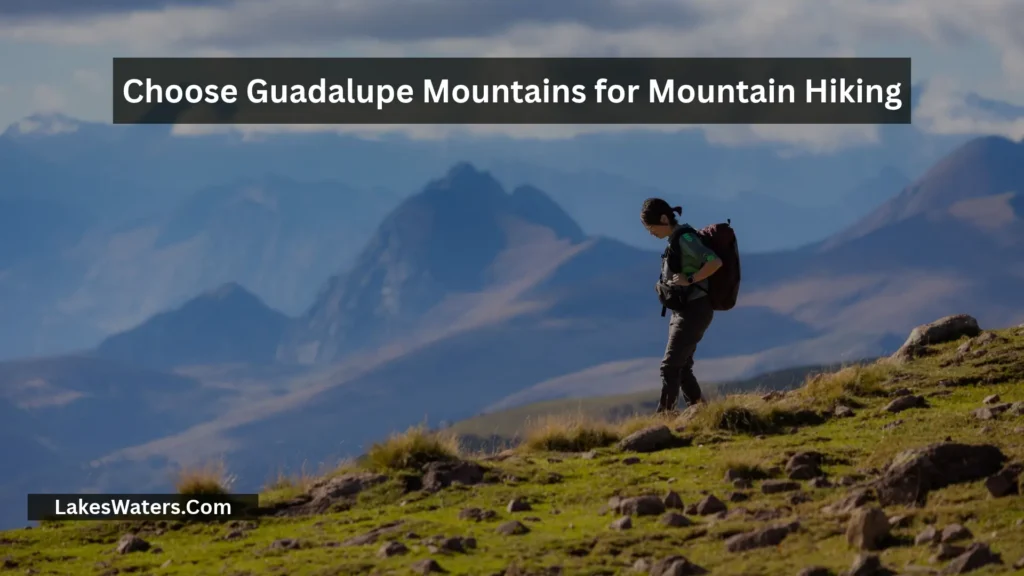
Guadalupe Mountains is an excellent option if you enjoy:
- Challenging mountain trails
- High-elevation viewpoints
- Geological formations
- Autumn foliage
- Backpacking
- Quiet natural environments
It is particularly attractive to hikers interested in reaching the highest natural point in Texas.
Can You Visit Both Parks on One Trip?
Yes. Visiting both parks during the same trip is a practical option for travelers exploring West Texas.
The parks are connected by the US Highway 62/180 corridor, making it possible to include both destinations in a regional road trip.
A trip covering both parks gives you the opportunity to experience two different landscapes without traveling to another state.
For a more relaxed experience, consider allowing several days for Big Bend and additional time for Guadalupe Mountains, especially if you plan to hike Guadalupe Peak.
You can also consider visiting Carlsbad Caverns National Park in neighboring New Mexico if your travel schedule allows.
Frequently Asked Questions
How many national parks are in Texas?
Texas has two officially designated national parks: Big Bend National Park and Guadalupe Mountains National Park. Both are located in West Texas and offer different natural landscapes and outdoor activities.
What are the two national parks in Texas?
The two national parks are Big Bend National Park and Guadalupe Mountains National Park. Big Bend is known for its desert scenery, river canyons, and dark skies, while Guadalupe Mountains is famous for its rugged peaks and hiking trails.
What is the largest national park in Texas?
Big Bend National Park is the largest national park in Texas. It covers more than 800,000 acres and protects mountains, desert environments, river canyons, and diverse wildlife habitats.
What is the best national park to visit in Texas?
Big Bend is an excellent choice for visitors interested in desert landscapes, scenic drives, river adventures, and stargazing. Guadalupe Mountains are particularly appealing to people who enjoy challenging hikes and mountain scenery. The best choice depends on your interests.
Are there other national parks in Texas besides Big Bend and Guadalupe Mountains?
Texas has several other National Park Service destinations, including Big Thicket National Preserve, Padre Island National Seashore, San Antonio Missions National Historical Park, and Amistad National Recreation Area. These destinations have different official designations and are not classified as national parks.
What is the best time to visit national parks in Texas?
Spring and fall are generally good seasons for visiting both parks because temperatures are often more comfortable for outdoor activities. Winter can also be a good time for Big Bend, while summer requires extra caution because of high temperatures.
Can you visit both Texas national parks in one trip?
Yes. Big Bend and Guadalupe Mountains can be combined into a West Texas road trip. Visitors should allow enough time for driving, hiking, sightseeing, and exploring the different landscapes.
Do Texas national parks charge entrance fees?
Yes. Big Bend charges $30 for a standard private vehicle pass, while Guadalupe Mountains charges $10 per visitor aged 16 or older, according to the November 2026 fee information. Eligible federal recreation passes may also cover entrance costs.
Conclusion
Texas has two officially designated national parks, and both offer experiences that make the state an interesting destination for outdoor travelers.
Big Bend National Park is ideal for exploring desert landscapes, mountain scenery, river canyons, and dark night skies. Guadalupe Mountains National Park offers challenging mountain hikes, impressive geological formations, and the opportunity to reach the highest natural point in Texas.
Beyond these two parks, Texas also has national preserves, recreation areas, historic parks, and coastal destinations worth exploring.
If you prefer hiking, camping, wildlife watching, photography, or scenic road trips, Texas has plenty of natural and cultural attractions to discover. Choose the destination that matches your interests, prepare for local conditions, and give yourself enough time to enjoy the experience.

I am Sophia Bennett, an environmental storyteller who explores the fascinating world of lakes, freshwater habitats, and natural ecosystems.
I write to educate and inspire people about water conservation, biodiversity, and the importance of maintaining clean water resources.
I believe that understanding nature is the first step toward protecting it.
Books by Sophia Bennett:
- Whispers of the Freshwater World
- The Journey of Water: From Source to Sustainability