
Minneapolis is known as the City of Lakes for good reason. Its lakes are not just scenic places on a map; they are woven into the city’s parks, walking and biking routes, beaches, fishing areas, boating opportunities, and year-round outdoor life.
The Minneapolis Park and Recreation Board (MPRB) currently manages 22 lakes within its park system, along with 102 miles of Grand Rounds biking and walking paths and more than 7,000 acres of parkland and water.
For most visitors, the biggest question is not simply which lakes exist. Minneapolis lake is right for what they want to do.
Bde Maka Ska is a strong choice for an active lake day with beaches, paddling, biking, and boating. Lake Harriet combines scenery, trails, beaches, gardens, and recreation. Cedar Lake is useful for fishing and paddling, while Lake Nokomis is particularly practical for families. Lake of the Isles offers a quieter experience, and Lake Hiawatha provides another accessible setting for fishing, walking, and recreation.
This guide explains the major Minneapolis lakes, what makes each one different, what you can do there, how the lakes became part of the city’s identity, when to visit, and how to choose the right lake for your trip.
Key Takeaways About Minneapolis Lakes
- Minneapolis has 22 lakes within the Minneapolis Park and Recreation Board system.
- The best-known group is the Minneapolis Chain of Lakes, which includes Brownie Lake, Cedar Lake, Lake of the Isles, Bde Maka Ska, and Lake Harriet.
- The Chain of Lakes has about 15 miles of lakeside pedestrian and bicycle trails.
- Minneapolis lakes support swimming, fishing, boating, paddling, walking, cycling, wildlife viewing, picnicking, and winter recreation.
- Bde Maka Ska, Lake Harriet, and Lake Nokomis are useful starting points for first-time visitors.
- Cedar Lake is a good option when fishing and paddling are priorities.
- Lake of the Isles is a better fit for visitors looking for scenery and a quieter walk.
- Lake conditions can change, especially after heavy rain or during algae events, so check current water and beach information before swimming.
- You can experience several lakes during one outing by exploring the Chain of Lakes rather than treating each lake as a separate destination.
How Many Lakes Are in Minneapolis?
The Minneapolis Park and Recreation Board currently identifies 22 lakes in its park system. These include major recreation destinations as well as smaller urban lakes and ponds.
Some of the names visitors are most likely to encounter include:
- Bde Maka Ska
- Brownie Lake
- Cedar Lake
- Diamond Lake
- Grass Lake
- Lake Harriet
- Lake Hiawatha
- Lake of the Isles
- Lake Nokomis
- Loring Lake
- Powderhorn Lake
- Spring Lake
- Wirth Lake
The lakes are not identical. Their size, shoreline, recreation facilities, surrounding neighborhoods, and available activities vary.
That matters when planning a visit. Someone looking for a public beach has different needs from an angler, cyclist, photographer, or family looking for a playground.
The Minnesota Department of Natural Resources provides detailed lake information such as size, shoreline, depth, and other characteristics, while MPRB provides information about recreation and park facilities.
What Is the Minneapolis Chain of Lakes?
The Minneapolis Chain of Lakes Regional Park is the city’s best-known concentration of major lakes and recreational trails.
The Chain includes:
- Brownie Lake
- Cedar Lake
- Lake of the Isles
- Bde Maka Ska
- Lake Harriet
The lakes are connected by parkland, trails, waterways, and parkways. The Chain of Lakes is also one of the seven districts of the Grand Rounds National Scenic Byway. MPRB lists about 15 miles of lakeside pedestrian and bicycle trails within the Chain.
This makes the area especially useful for visitors who want more than a single lake stop.
You can walk around one lake, cycle between several lakes, stop at beaches, explore gardens, watch wildlife, or combine several activities in one outing.
Why the Chain of Lakes Matters
The Chain of Lakes shows why Minneapolis developed such a strong connection between water and urban recreation.
Instead of treating lakefront land as isolated scenery, Minneapolis incorporated shorelines into a connected park system. Trails, parkways, beaches, recreation facilities, and natural areas were developed around the lakes over generations.
Today, that planning makes it possible to experience several major bodies of water without leaving the city.
How Minneapolis Became the City of Lakes
The city’s relationship with its lakes goes back much further than modern recreation.
When the Minneapolis Park and Recreation Board was created in 1883, protecting and developing lake shores was already a major part of the city’s park vision. Landscape architect Horace Cleveland helped shape an early plan for parks and parkways that connected natural features, including Lake Harriet and Bde Maka Ska.
Later, park superintendent Theodore Wirth played an important role in developing the interconnected park system.
The Chain of Lakes was formally connected through a canal between Lake of the Isles and Bde Maka Ska in 1911. The Minneapolis Park and Recreation Board describes the event as the “Marriage of the Lakes,” reflecting the public celebration surrounding the new water connection.
The development of these parks was not simply about recreation. It also involved shoreline engineering, wetlands, water levels, transportation, conservation, and long-term water-quality management.
The Dakota History of Bde Maka Ska
Bde Maka Ska is especially important when discussing Minneapolis lake history because the lake has a long Dakota history.
The Minneapolis Park and Recreation Board notes that a Dakota village known as Heyáta Othúŋwe was established on its shore in 1829. The lake’s Dakota name, Bde Maka Ska, translates as “White Earth Lake.”
The lake was officially renamed Bde Maka Ska in Minnesota in 2018 after a formal state and county process. The name restoration is an important part of understanding the lake’s history rather than treating the modern park landscape as its entire story.
Why Lake Harriet Has Its Name
Lake Harriet was named for Harriet Lovejoy, the wife of Colonel Henry Leavenworth, who was associated with the establishment of Fort Snelling. The lake was also central to early Minneapolis park planning.
In 1883, the new park board moved quickly to pursue land around Lake Harriet, reflecting how important the lake was to the city’s early park vision.
Best Minneapolis Lakes to Visit
Bde Maka Ska
Bde Maka Ska is one of the city’s largest and most active lake destinations.
The park offers three beaches, walking and biking trails, fishing access, picnic areas, boat facilities, and seasonal canoe, kayak, boat, bike, and paddle board rentals. MPRB lists approximately 3.1 miles of pedestrian trails and 3.19 miles of bike trails around the park.
This is the lake to consider if you want a full outdoor recreation day rather than simply sitting beside the water.
You can walk, cycle, swim at a designated beach, fish, paddle, or combine several activities.
Best match: active visitors, paddlers, cyclists, beachgoers, anglers, and people visiting the Chain of Lakes for the first time.
Lake Harriet
Lake Harriet has a different character.
It combines a scenic shoreline with walking and biking paths, beaches, gardens, fishing opportunities, water recreation, and the famous Lake Harriet Bandshell.
The lake is also strongly connected to Minneapolis cultural life. The bandshell is used for performances and the park hosts seasonal programming.
Lake Harriet works especially well when your goal is to combine outdoor recreation with sightseeing.
Best match: families, walkers, cyclists, photographers, visitors interested in gardens and events, and anyone wanting a classic Minneapolis lake experience.
Lake of the Isles
Lake of the Isles is one of the better choices when you want scenery without making your visit entirely about beaches or water sports.
Its shoreline paths are popular for walking and cycling, and the lake’s islands and surrounding landscape give it a distinctive appearance.
The lake is connected to the Chain of Lakes and sits between Cedar Lake and Bde Maka Ska.
For a quieter morning walk or scenic photography, it can be a better fit than the busier recreation-focused areas.
Best match: walking, photography, scenery, wildlife observation, and quieter outdoor time.
Cedar Lake

Cedar Lake is a useful choice for visitors interested in both recreation and fishing.
The park includes beaches, trails, fishing access, picnic areas, and a canoe launch. Its location within the Chain of Lakes also makes it convenient for exploring several destinations in one outing.
Fishing is one of Cedar Lake’s notable attractions. MPRB identifies opportunities for species including northern pike, muskie, and bass. Current regulations and conditions should always be checked before fishing.
Best match: anglers, paddlers, cyclists, beach visitors, and people exploring the Chain of Lakes.
Lake Nokomis
Lake Nokomis is located in the southern part of Minneapolis and provides a broad mix of recreation.
The park includes beaches, walking and biking paths, fishing areas, watercraft access, picnic areas, playground facilities, and other recreation opportunities.
It is especially useful for families because several activities can be combined without having to move to another lake.
Lake Nokomis also supports winter recreation, making it more than a summer destination.
Best match: families, swimmers, boaters, cyclists, anglers, and visitors wanting a flexible full-day park.
Lake Hiawatha
Lake Hiawatha offers another side of Minneapolis lake recreation.
The surrounding park provides opportunities for walking, fishing, picnicking, family recreation, and seasonal activities.
Its relationship with Minnehaha Creek also makes the area interesting from a water-system perspective.
Lake Hiawatha is a useful option when you want a lake experience but do not necessarily need the larger recreational environment associated with Bde Maka Ska or the Chain of Lakes.
Best match: local recreation, fishing, families, walking, and wildlife viewing.
Minneapolis Lakes Compared: Which One Fits Your Trip?
| Lake | Best Experience | Swimming | Fishing | Paddling | Walking & Biking | Family Activities |
| Bde Maka Ska | Active lake day | Yes | Yes | Excellent | Excellent | Yes |
| Lake Harriet | Scenic recreation | Yes | Yes | Yes | Excellent | Excellent |
| Cedar Lake | Fishing and paddling | Yes | Strong | Yes | Excellent | Yes |
| Lake of the Isles | Quiet scenery | Limited | Yes | Yes | Excellent | Yes |
| Lake Nokomis | Family recreation | Yes | Yes | Yes | Excellent | Excellent |
| Lake Hiawatha | Relaxed park visit | Yes | Yes | More limited | Good | Yes |
The word “best” depends on your activity. A lake that works well for swimming may not be the most useful choice for someone looking for quiet scenery or fishing.
What Can You Do at Minneapolis Lakes?
Walk Around the Shoreline
Walking is one of the easiest ways to experience the lakes.
The Chain of Lakes is particularly convenient because its trails connect multiple lake environments.
A short walk works well if you have limited time. A longer outing can combine several lakes.
For a scenic route, consider Lake Harriet and Lake of the Isles. For a more active multi-lake outing, explore the wider Chain.
Bike the Lake Trails
Cycling is a major part of the Minneapolis lake experience.
The city park system includes an extensive network of bike and pedestrian routes, while the Chain of Lakes itself has about 15 miles of lakeside trails.
Cyclists can make the lake visit part of a larger urban ride rather than treating the lake as a destination that requires a car.
Check current trail conditions and construction notices before setting out, particularly during spring and periods of park improvement work.
Swim at a Designated Beach
Several Minneapolis lakes have public beaches.
MPRB currently identifies 12 beaches across six lakes, with five of those beaches located within the Chain of Lakes.
Swimming should be limited to designated areas and should follow current posted rules.
Water quality can change after storms or during algae events, so checking current information before entering the water is important.
Fish From Shore or a Pier
Fishing gives visitors another way to enjoy Minneapolis lakes without needing a boat.
Depending on the lake, anglers may encounter species such as bass, northern pike, muskie, crappie, and other panfish.
Cedar Lake and Bde Maka Ska are useful starting points, while Lake Harriet and Lake Hiawatha also provide fishing access.
Minnesota fishing regulations apply, so check the current Minnesota Department of Natural Resources rules before fishing.
Kayak, Canoe, or Paddle Board
Several lakes support paddling.
Bde Maka Ska has canoe and boat facilities and seasonal watercraft rentals. Cedar Lake also has canoe access, while other Chain of Lakes destinations provide additional opportunities depending on the launch and watercraft type.
The connected water system is one of the interesting features of the Chain.
However, visitors should not assume every lake has identical launch rules. Check current access information before arriving with a watercraft.
Enjoy a Picnic or Relax Near the Water
A lake visit does not need to be physically demanding.
Many Minneapolis lake parks provide picnic areas, open lawns, benches, beaches, and scenic places to sit.
This can be particularly useful for families or groups where not everyone wants to swim, bike, or fish.
Are Minneapolis Lakes Good for Families?
Yes, but the best lake depends on the children’s ages and the type of day you want.
For a Beach-Focused Family Day
Lake Nokomis and Bde Maka Ska provide strong options because they combine beaches with other park facilities.
For a Scenic Family Outing
Lake Harriet offers several activities in one area, including walking, beaches, gardens, and seasonal programming.
For a Short Family Visit
Choose a lake where the activity you want is close to parking and other facilities rather than trying to cover several lakes.
For Older Children
Biking, paddling, fishing, and longer walks around the Chain of Lakes can make the outing more active.
The key is to choose the lake based on the day’s main activity instead of assuming every Minneapolis lake offers the same experience.
Is Swimming Safe in Minneapolis Lakes?
Swimming conditions are not permanent. A lake can be suitable for recreation on one day and have an advisory or closure later because of changing conditions.
MPRB operates a lake water-quality monitoring program and currently monitors 13 Minneapolis lakes. Its water-resource program focuses on long-term water quality, stormwater management, recreation, plants, and wildlife.
What Should You Check Before Swimming?
Before entering the water:
- Check the current beach status.
- Look for water-quality advisories.
- Pay attention to posted signs.
- Avoid water with visible blue-green algae.
- Follow lifeguard and park instructions.
- Swim only in designated areas.
- Keep children closely supervised.
Heavy rainfall can also affect water conditions, so a recent weather event is another reason to check current information before swimming.
Can You Fish at Minneapolis Lakes?
Yes. Fishing is available at several Minneapolis lakes.
The experience varies by location and season, so it is useful to choose your lake based on the species and access you want rather than simply searching for the nearest water.
Good Lakes to Consider for Fishing
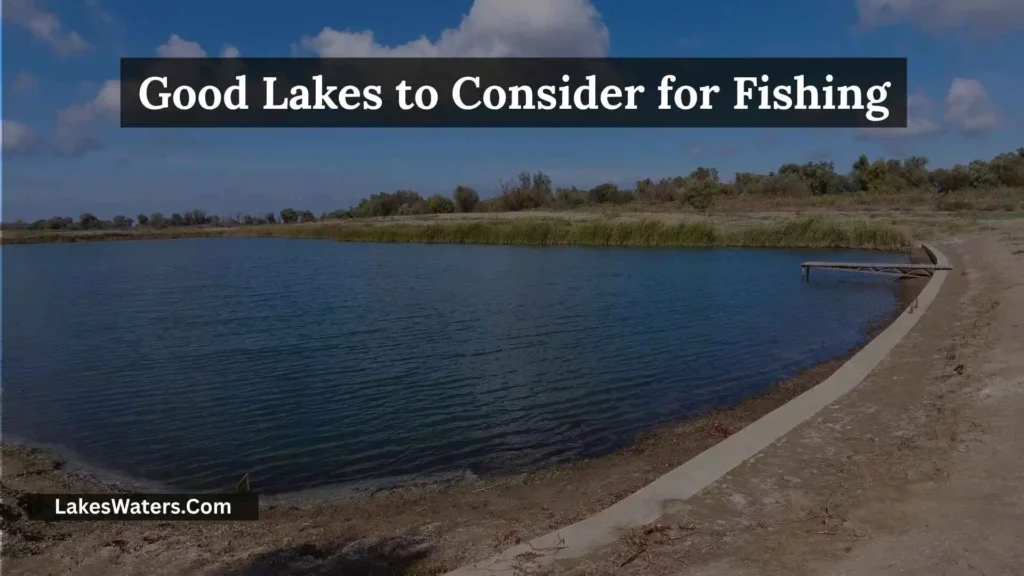
Cedar Lake: useful for anglers targeting species such as northern pike, muskie, and bass.
Bde Maka Ska: offers opportunities for several freshwater species and has accessible fishing areas.
Lake Harriet: provides shoreline and pier access.
Lake Hiawatha: offers another accessible fishing location.
Lake of the Isles: can be considered by anglers who want to combine fishing with a Chain of Lakes outing.
Always check current Minnesota fishing regulations, license requirements, seasons, and fish-consumption guidance before fishing.
Can You Kayak or Canoe on Minneapolis Lakes?
Yes. Several Minneapolis lakes have canoe or watercraft access.
The Chain of Lakes is particularly interesting because some lakes are connected by channels. MPRB notes that the regional park is connected by canals for canoe and kayak travel.
However, paddlers should check:
- Current launch access
- Watercraft restrictions
- Weather
- Wind conditions
- Required safety equipment
- Aquatic invasive species requirements
- Current water levels and conditions
If you are new to paddling, stay close to shore and use an appropriate personal flotation device.
What Is the Best Season to Visit Minneapolis Lakes?
Summer
Summer offers the widest range of lake activities.
Expect opportunities for:
- Swimming
- Kayaking
- Canoeing
- Paddle boarding
- Fishing
- Biking
- Picnicking
- Beach visits
- Outdoor events
Summer weekends can also be busy, so early arrival can make parking and beach access easier.
Fall
Fall is particularly appealing for walking, cycling, photography, and quieter lake visits.
The cooler weather can make longer trails more comfortable, while changing foliage adds another reason to explore the shorelines.
Winter
The lakes remain important recreation areas after they freeze.
Depending on conditions and location, winter activities can include ice skating, hockey, cross-country skiing, and ice fishing.
Never assume ice is safe simply because it looks frozen. Ice conditions can vary across the same lake and can change quickly.
Spring
Spring is a good time for walking, birdwatching, and seeing the parks become active again.
Some trails can be wet or muddy, and seasonal facilities may not yet be operating on summer schedules.
Which Minneapolis Lake Should You Visit?
Use this simple decision tree when choosing a lake:
What is your main goal?
↓
Swimming or beach day?
→ Consider Bde Maka Ska, Lake Harriet, Cedar Lake, or Lake Nokomis.
Fishing?
→ Consider Cedar Lake, Bde Maka Ska, Lake Harriet, or Lake Hiawatha.
Kayaking or canoeing?
→ Consider Bde Maka Ska, Cedar Lake, Lake Harriet, or other Chain of Lakes access points.
Walking and scenery?
→ Consider Lake Harriet or Lake of the Isles.
Cycling?
→ Explore the Chain of Lakes.
Family activities?
→ Consider Lake Nokomis or Lake Harriet.
Quiet atmosphere?
→ Start with Lake of the Isles.
Several lakes in one outing?
→ Choose the Minneapolis Chain of Lakes.
This approach is more useful than choosing a lake simply because it appears first in a search result.
Real-World Minneapolis Lake Trip Ideas
First-Time Visitor
Start at Bde Maka Ska.
Walk part of the shoreline, check out the lakefront facilities, and continue toward Lake of the Isles or Cedar Lake if time allows.
This gives you a quick introduction to the Chain of Lakes.
Family With Young Children
Choose Lake Nokomis or Lake Harriet.
Plan one primary activity, such as swimming or a playground visit, and leave time for food and a relaxed walk.
Trying to visit five lakes in one afternoon can make the day harder with young children.
Couple Looking for Scenery
Lake Harriet and Lake of the Isles are good combinations.
You can walk, photograph the shoreline, stop at scenic areas, and enjoy the atmosphere without planning a full water-sports day.
Angler
Choose the lake based on the fish and access you want.
Cedar Lake and Bde Maka Ska are useful starting points, while Lake Harriet and Lake Hiawatha provide additional fishing opportunities.
Check regulations and conditions before heading out.
Cyclist
Use the Chain of Lakes as part of a longer ride.
The connected trails allow you to experience several lake environments rather than repeatedly returning to the same shoreline.
How Much Time Do You Need?
About One Hour
Choose one lake.
Walk a short section, take photographs, and enjoy the shoreline.
Lake of the Isles or Lake Harriet can work well for this type of visit.
Two to Three Hours
Add a second activity.
For example:
- Walk + picnic
- Bike + beach
- Fishing + shoreline walk
- Paddle + lunch
- Family recreation + swimming
Lake Nokomis, Lake Harriet, and Bde Maka Ska are useful choices for a flexible outing.
Half a Day
Explore multiple lakes.
The Chain of Lakes is the obvious choice because its connected trails and park system make it easier to combine destinations.
Full Day
Build the day around two or three activities rather than trying to visit every lake.
For example:
Morning: cycling around the Chain
Midday: picnic or lunch
Afternoon: beach, fishing, or paddling
Evening: scenic walk around Lake Harriet
This produces a more enjoyable visit than rushing from lake to lake.
Minneapolis Lakes and Water Quality
Urban lakes need ongoing management because stormwater can carry pollutants and nutrients into the water.
MPRB’s lake water-quality monitoring program began in 1991 as part of a diagnostic study associated with the Chain of Lakes Clean Water Partnership. The current program monitors 13 lakes.
This matters to visitors because water quality affects swimming, aquatic life, recreation, and the long-term health of the lakes.
It also explains why visitors may encounter beach advisories, algae warnings, restoration projects, or other lake-management work.
What Visitors Can Do to Help
Simple actions include:
- Follow posted park rules.
- Keep trash out of the water.
- Do not disturb wildlife.
- Follow aquatic invasive species rules when launching watercraft.
- Stay on designated paths where required.
- Respect seasonal closures and restoration areas.
- Check water advisories before swimming.
Protecting an urban lake is a shared responsibility between park managers and the people who use the shoreline.
Common Mistakes to Avoid
Choosing a Lake Without Checking the Activity
A beautiful lake is not automatically the best lake for your planned activity.
Check beaches, launches, fishing access, trails, and seasonal facilities first.
Assuming Every Lake Has the Same Rules
Access and recreation facilities differ by lake.
Always check the current MPRB information for the specific park you plan to visit.
Ignoring Water-Quality Advisories
Do not judge swimming safety only by how clear the water looks.
Check current information before entering the water.
Treating the Chain as Just Five Separate Lakes
The Chain of Lakes is valuable partly because its trails and waterways create a connected recreation experience.
If you have enough time, explore more than one lake.
Underestimating Winter Conditions
Frozen water is not automatically safe ice.
Follow current local guidance and avoid taking risks based only on appearance.
Trying to Do Too Much
A family with young children may have a better day at one lake than trying to visit several.
Choose the experience first and the number of lakes second.
Minneapolis Lakes Travel Checklist
Before leaving, check:
- Which lake matches your main activity?
- Is the beach open?
- Are there current water-quality advisories?
- Is your preferred trail open?
- Is parking available where you plan to enter?
- Are boat or watercraft launches operating?
- Do you need a fishing license?
- Do you have appropriate water-safety equipment?
- Is the weather suitable for boating or paddling?
- Are seasonal facilities open?
- Do you need extra time for parking on a busy summer day?
A few minutes of planning can prevent the most common problems.
Frequently Asked Questions About Minneapolis Lakes
What Is the Most Famous Lake in Minneapolis?
Bde Maka Ska and Lake Harriet are among the city’s best-known lakes. Both are major recreation destinations and part of the Minneapolis lake and park system.
Why Is Minneapolis Called the City of Lakes?
Minneapolis contains a large network of lakes that became central to the city’s park planning and recreation system. The Minneapolis Park and Recreation Board incorporated lake shores, parkways, trails, and recreation facilities into a connected urban park landscape.
How Many Lakes Does Minneapolis Have?
The Minneapolis Park and Recreation Board currently identifies 22 lakes within its park system.
What Are the Five Lakes in the Minneapolis Chain of Lakes?
The five primary lakes are Brownie Lake, Cedar Lake, Lake of the Isles, Bde Maka Ska, and Lake Harriet.
Which Minneapolis Lake Is Best for Swimming?
Several lakes have designated beaches, including Bde Maka Ska, Lake Harriet, Cedar Lake, Lake Nokomis, and Lake Hiawatha. The best choice depends on your location and preferred facilities, while current water-quality conditions should always be checked before swimming.
Which Minneapolis Lake Is Best for Families?
Lake Nokomis and Lake Harriet are particularly practical because they offer combinations of beaches, trails, recreation, and other park facilities. Bde Maka Ska is another option for families wanting a more active lake day.
Can You Swim in Bde Maka Ska?
Bde Maka Ska has designated beaches, including Thomas Beach, North Beach, and 32nd Street Beach. Current beach status and water-quality information should be checked before swimming.
Can You Fish in Minneapolis Lakes?
Yes. Fishing is available at several Minneapolis lakes, including Cedar Lake, Bde Maka Ska, Lake Harriet, Lake Hiawatha, and Lake of the Isles. Current Minnesota fishing regulations apply.
Can You Kayak Between Minneapolis Lakes?
Some lakes in the Chain of Lakes are connected by canals, allowing canoe and kayak travel between certain waterways. Paddlers should check current access and safety information before setting out.
Is Bde Maka Ska the Same as Lake Calhoun?
Yes. Bde Maka Ska is the official current name of the lake formerly known as Lake Calhoun. The official name was restored in 2018 following a state and county process.
What Does Bde Maka Ska Mean?
Bde Maka Ska is a Dakota name translated by the Minneapolis Park and Recreation Board as “White Earth Lake.”
Are Minneapolis Lakes Open in Winter?
The surrounding parks remain important winter recreation areas. Activities can include ice skating, hockey, skiing, and ice fishing, depending on location and conditions.
How Long Should You Spend at the Minneapolis Lakes?
One hour is enough for a short scenic visit. Two to three hours works well for walking plus another activity. A half-day or full day allows you to explore multiple lakes or combine biking, swimming, fishing, and paddling.
Are Minneapolis Lakes Natural?
The lakes have natural origins, but many have been significantly shaped by human development, including shoreline work, dredging, wetland changes, canals, and park construction. The modern lake landscape is therefore a combination of natural water bodies and generations of urban planning and management.
Conclusion
Minneapolis lakes are more than individual places to visit. Together, they form one of the defining features of the city’s park system, combining water, trails, beaches, wildlife, recreation, history, and urban green space.
For a first visit, Bde Maka Ska, Lake Harriet, and Lake Nokomis provide a broad range of activities. Cedar Lake is worth considering for fishing and paddling, while Lake of the Isles offers a quieter scenic experience. If your goal is to experience several lakes in one outing, the Minneapolis Chain of Lakes is the natural starting point.
The most useful way to choose a Minneapolis lake is to begin with your activity: swimming, fishing, paddling, cycling, walking, family recreation, or simply enjoying the scenery. Once you know what you want from the day, choosing the right lake becomes much easier.

I am Ethan Reynolds, a nature researcher and writer focused on freshwater environments, aquatic ecosystems, and sustainable water solutions.
I enjoy sharing knowledge about lakes, rivers, wetlands, and the challenges facing global water resources.
My goal is to help readers understand the value of water and encourage responsible actions to protect it.
Books by Ethan Reynolds:
- Lakes and Landscapes: Stories from Nature
- Protecting Water for Future Generations