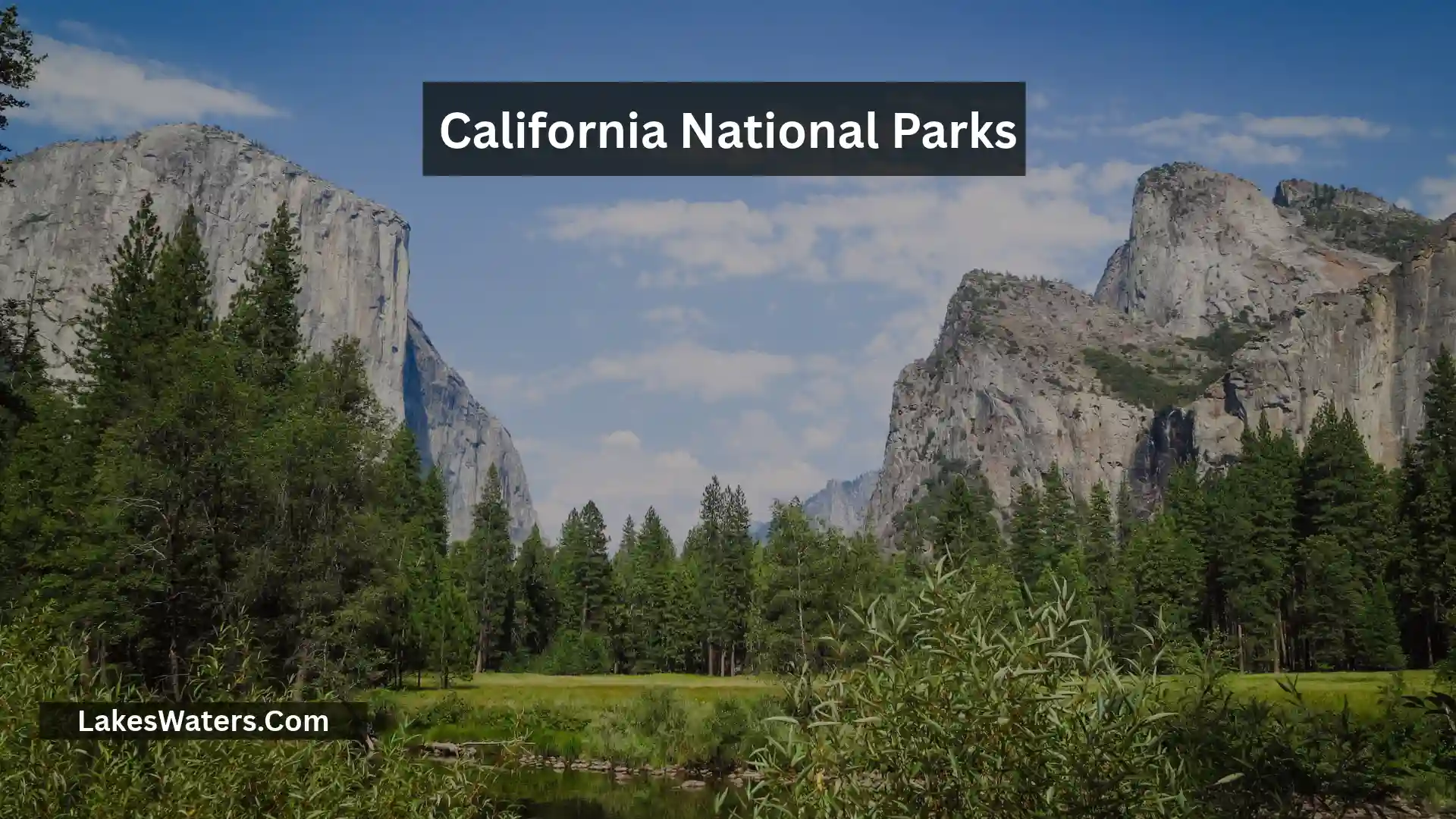
California is home to nine national parks, more than any other state in the United States. These protected landscapes include towering granite cliffs, enormous sequoia trees, ancient redwood forests, volcanic mountains, dramatic deserts, and remote Pacific islands. Each park offers a different experience, making California one of the most diverse destinations for outdoor adventures.
The nine California national parks are Yosemite, Sequoia, Kings Canyon, Death Valley, Joshua Tree, Redwood, Lassen Volcanic, Pinnacles, and Channel Islands. Whether you enjoy hiking, camping, wildlife watching, scenic drives, or exploring unusual natural landscapes, there is a park to match your interests.
Some parks are ideal for summer mountain adventures, while others are more comfortable during the cooler months. Understanding their locations, attractions, and seasonal differences can help you plan a more enjoyable trip.
How Many National Parks Are in California?
California has nine officially designated national parks, the highest number of any U.S. state. They protect some of the country’s most recognizable natural landmarks and cover a wide range of environments.
The parks are spread across Northern, Central, and Southern California. Some protect mountain forests and enormous trees, while others preserve desert ecosystems, volcanic formations, coastal wilderness, and offshore islands.
Here are all nine national parks in California:
- Yosemite National Park
- Sequoia National Park
- Kings Canyon National Park
- Death Valley National Park
- Joshua Tree National Park
- Redwood National Park
- Lassen Volcanic National Park
- Pinnacles National Park
- Channel Islands National Park
It is worth understanding that California has many other National Park Service locations, including national monuments, national seashores, and national recreation areas. These protected places are not included in the official count of nine national parks.
Sequoia and Kings Canyon are also two separate national parks, even though the National Park Service manages them together. Similarly, Redwood National and State Parks include a combination of federally protected national parkland and California state parks.
All 9 California National Parks
Each California national park has its own landscape, attractions, and outdoor activities. The following sections explain what makes each destination special and what visitors can expect.
Yosemite National Park
Yosemite National Park is one of the most famous national parks in the United States. Located in the Sierra Nevada mountains of Central California, it is known for enormous granite formations, impressive waterfalls, peaceful meadows, and ancient giant sequoia trees.
Yosemite Valley is the park’s most recognized area. It offers views of famous landmarks such as El Capitan, Half Dome, and Bridalveil Fall. These natural formations attract photographers, hikers, climbers, and visitors from around the world.
Yosemite Falls is another major attraction. During spring and early summer, snowmelt feeds many of the park’s waterfalls, creating powerful flows. Later in the summer, some waterfalls become much smaller or may stop flowing.
Visitors can enjoy several activities, including:
- Hiking along scenic mountain and valley trails.
- Photographing El Capitan and Half Dome.
- Exploring the Mariposa Grove of giant sequoias.
- Enjoying scenic drives and viewpoints.
- Camping and wildlife watching.
- Visiting Tuolumne Meadows when seasonal access permits.
Glacier Point is another popular destination that provides impressive views across Yosemite Valley and the surrounding mountains.
Summer is generally a popular season for exploring the high country, although spring offers spectacular waterfall scenery. Winter brings snow, colder temperatures, and seasonal road closures.
Yosemite is an excellent choice for first-time visitors who want to experience California’s famous mountain scenery.
Sequoia National Park
Sequoia National Park is famous for its enormous giant sequoia trees. Located in the southern Sierra Nevada, the park protects some of the largest trees on Earth, along with mountain landscapes, deep forests, rivers, and rugged wilderness.
Its most famous attraction is the General Sherman Tree. This remarkable giant sequoia is recognized as the largest known living tree by trunk volume.
Standing near these enormous trees gives visitors an appreciation of the scale and age of California’s natural forests. The Giant Forest is one of the best places to experience these impressive trees.
Other attractions include Moro Rock, a granite formation with panoramic mountain views, and Crescent Meadow, a beautiful natural area surrounded by giant sequoias.
Popular activities include:
- Walking through the Giant Forest.
- Visiting the General Sherman Tree.
- Climbing the steps to Moro Rock when accessible.
- Hiking through forest landscapes.
- Photographing mountain scenery.
- Exploring designated camping areas.
Sequoia is especially appealing to visitors who enjoy forests, mountain scenery, and peaceful outdoor experiences.
Summer and early fall are popular visiting seasons because more mountain roads and facilities are generally accessible. Winter can bring snow and difficult driving conditions, so visitors should check road information before traveling.
Kings Canyon National Park
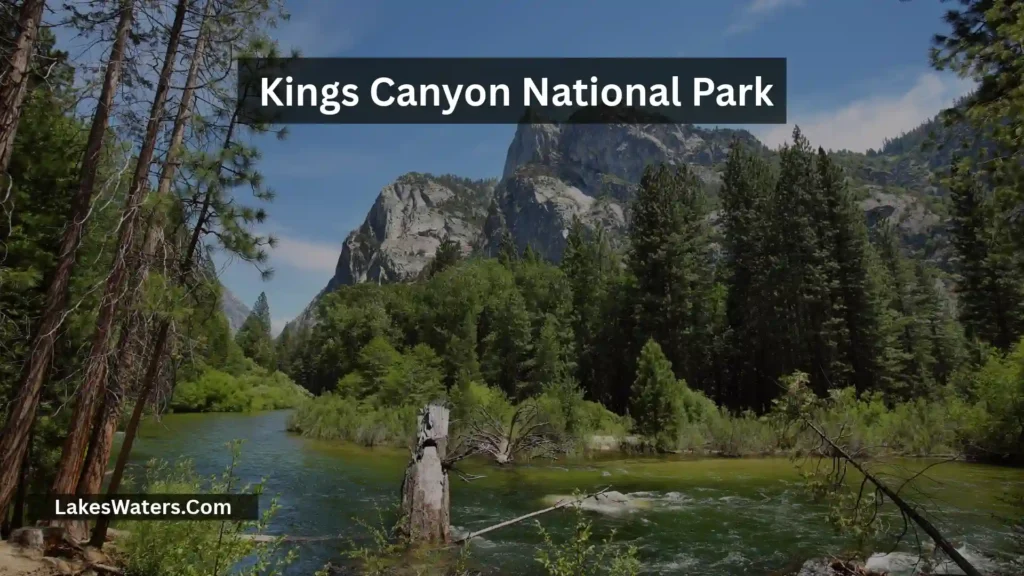
Kings Canyon National Park is another remarkable destination in the Sierra Nevada. It is located north of Sequoia National Park and protects deep canyons, mountain peaks, forests, rivers, and impressive wilderness areas.
The park is particularly known for Kings Canyon, a dramatic glacially carved landscape with steep granite walls and a beautiful river valley.
Grant Grove is one of the park’s best-known areas. It contains the General Grant Tree, one of the largest giant sequoias in the world.
Visitors can also explore the Cedar Grove area, which provides access to scenic canyon landscapes and outdoor recreation opportunities when the road is open.
Popular activities include:
- Hiking through giant sequoia forests.
- Visiting the General Grant Tree.
- Exploring scenic canyon viewpoints.
- Camping in designated areas.
- Photographing rivers and mountain scenery.
- Enjoying peaceful forest walks.
Kings Canyon offers a quieter alternative to some of California’s more heavily visited national parks. Its combination of towering trees, mountain scenery, and deep canyon landscapes makes it an excellent destination for nature lovers.
Summer and early fall generally provide the most access to higher-elevation areas. Snow and seasonal road closures can limit access during winter and early spring.
Death Valley National Park
Death Valley National Park is one of the most unusual national parks in California. Located in Eastern California and extending into Nevada, it protects a vast desert landscape known for extreme temperatures, salt flats, sand dunes, colorful mountains, and rugged valleys.
One of its most famous locations is Badwater Basin, the lowest point in North America at approximately 282 feet below sea level.
The basin contains extensive salt flats that create a distinctive landscape. Visitors can walk along designated areas and observe the unusual patterns formed by salt deposits.
Zabriskie Point is another popular attraction. It offers panoramic views of colorful badlands shaped by erosion over thousands of years.
Other well-known locations include Mesquite Flat Sand Dunes, Artist’s Drive, and the surrounding mountain landscapes.
Activities at Death Valley include:
- Exploring Badwater Basin.
- Photographing colorful desert formations.
- Visiting scenic viewpoints.
- Walking through designated desert trails.
- Exploring sand dunes.
- Enjoying night-sky photography.
Winter and early spring are generally more comfortable seasons for exploring the lower elevations. Summer temperatures can become dangerously high, making strenuous outdoor activities particularly risky.
Visitors should carry plenty of water, protect themselves from the sun, and avoid hiking in extreme heat. They should also check road conditions because remote desert roads may have limited services and difficult driving conditions.
Joshua Tree National Park
Joshua Tree National Park is known for its unusual desert vegetation, enormous rock formations, and distinctive landscapes. It lies in Southern California, where the Mojave and Colorado deserts meet.
The park’s famous Joshua trees give the landscape a recognizable appearance. These unusual plants grow among granite boulders, sandy areas, and open desert terrain.
Joshua Tree is particularly popular with hikers, rock climbers, photographers, and campers. Its rock formations provide opportunities for climbing, while its open desert landscapes offer scenic viewpoints and peaceful outdoor experiences.
Some popular attractions include Skull Rock, Hidden Valley, Keys View, and Cholla Cactus Garden.
Visitors can enjoy:
- Hiking through desert landscapes.
- Rock climbing and bouldering.
- Camping under open skies.
- Photographing Joshua trees and rock formations.
- Stargazing in areas away from artificial lights.
- Exploring scenic driving routes.
The cooler months from fall through spring are generally more comfortable for hiking and outdoor activities. Summer can bring extreme heat, particularly during the middle of the day.
Joshua Tree is a great choice for visitors interested in desert scenery, unique plants, photography, and outdoor adventure.
Redwood National Park
Redwood National Park protects some of the world’s tallest trees. Located along California’s northern Pacific coast, it is part of a larger protected landscape known as Redwood National and State Parks.
The area includes old-growth coastal redwood forests, rivers, prairies, and coastal environments. Some coast redwoods grow more than 350 feet tall, creating impressive forest landscapes.
Walking through these forests can feel completely different from exploring California’s deserts or mountain parks. The enormous trees create shaded surroundings, while coastal fog and moisture help support the redwood ecosystem.
Popular locations include Tall Trees Grove, Prairie Creek Redwoods State Park, and the coastal areas around the protected redwood landscape.
Activities include:
- Walking through old-growth redwood forests.
- Hiking scenic forest trails.
- Photographing enormous trees.
- Exploring coastal viewpoints.
- Watching Roosevelt elk and other wildlife.
- Visiting nearby beaches and natural areas.
Redwood is suitable for visitors who enjoy quiet forests, wildlife, and coastal scenery.
The region can be visited throughout the year, although rainfall, fog, and changing weather conditions influence the experience. Visitors should bring suitable clothing and check trail access before setting out.
Lassen Volcanic National Park
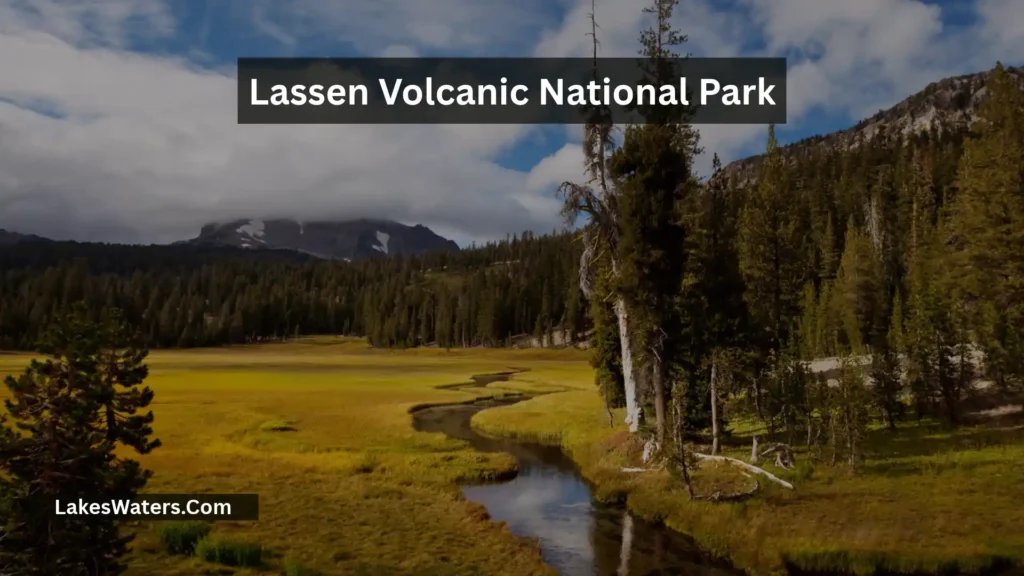
Lassen Volcanic National Park offers one of California’s most distinctive natural environments. Located in Northern California, it protects volcanic mountains, geothermal areas, clear lakes, forests, and alpine meadows.
The park is particularly interesting because it contains all four major types of volcanoes: shield, composite, cinder cone, and plug dome.
Lassen Peak is one of its most recognizable landmarks. The surrounding landscape also contains evidence of past volcanic activity, including lava formations and hydrothermal features.
Bumpass Hell is a popular geothermal area where visitors can observe steaming ground, bubbling mud pots, and hot springs from designated trails and viewing areas.
Other attractions include Sulphur Works, Manzanita Lake, and the surrounding mountain scenery.
Popular activities include:
- Hiking volcanic mountain trails.
- Exploring geothermal areas from designated paths.
- Fishing where permitted.
- Camping in established campgrounds.
- Photographing mountain lakes.
- Enjoying scenic drives when roads are open.
Summer and early fall are generally the most convenient seasons for exploring the park because snow can affect road and trail access during colder months.
Visitors should never step off designated trails in geothermal areas. The ground can be extremely hot and unstable, creating serious injury risks.
Pinnacles National Park
Pinnacles National Park is located in Central California and is known for its dramatic rock formations, narrow canyons, and natural caves.
The park protects the remains of an ancient volcanic landscape that has been shaped by geological activity and erosion over millions of years.
Its towering rock spires are among its most recognizable features. These formations attract hikers, photographers, and rock climbers interested in exploring unusual geological landscapes.
Pinnacles is also known for its talus caves. These caves formed when large boulders became wedged together above narrow canyon passages.
Visitors can explore designated cave routes when they are open, but conditions and seasonal closures may affect access.
Popular activities include:
- Hiking through rocky canyons.
- Exploring open talus caves.
- Photographing dramatic rock formations.
- Rock climbing in permitted areas.
- Watching for California condors.
- Camping in designated locations.
The park is also an important habitat for California condors. These enormous birds can sometimes be seen soaring above the rocky landscape.
Spring and fall are generally comfortable seasons for hiking. Summer temperatures can become very hot, so visitors should plan outdoor activities carefully and carry sufficient water.
Channel Islands National Park
Channel Islands National Park offers a completely different experience from California’s mainland parks. Located off the Southern California coast, it protects five islands and their surrounding marine environments.
The five islands are Anacapa, Santa Cruz, Santa Rosa, San Miguel, and Santa Barbara.
These islands support distinctive plant and animal communities. Their protected coastal waters provide habitat for marine wildlife, including seals, sea lions, dolphins, and numerous seabirds.
The park is especially popular with visitors interested in kayaking, snorkeling, wildlife watching, hiking, and camping.
Some of its most appealing activities include:
- Exploring coastal hiking trails.
- Kayaking around sea caves.
- Snorkeling in suitable marine conditions.
- Watching seabirds and marine mammals.
- Camping on designated islands.
- Exploring the natural scenery of the islands.
Channel Islands requires more planning than many mainland national parks because visitors must arrange transportation by boat or other permitted means.
Public boat transportation is available to the islands, but schedules and landing opportunities depend on the destination and conditions.
Visitors should arrange transportation in advance and carry the supplies they need. Services are limited on the islands, and there is no general transportation network for moving around once visitors arrive.
Channel Islands is an excellent choice for people who want a coastal wilderness experience and enjoy water-based outdoor activities.
Best California National Parks for Different Interests
Choosing the right national park depends on what you want to experience. California offers a wide variety of landscapes, so some parks are better suited to particular activities than others.
Here is a simple comparison to help you choose.
| Interest | Recommended National Park |
| Waterfalls and granite cliffs | Yosemite |
| Giant sequoia trees | Sequoia |
| Deep canyons and mountain scenery | Kings Canyon |
| Desert landscapes and salt flats | Death Valley |
| Rock climbing and desert scenery | Joshua Tree |
| Tall coastal trees | Redwood |
| Volcanoes and geothermal features | Lassen Volcanic |
| Rock formations and caves | Pinnacles |
| Kayaking and marine wildlife | Channel Islands |
Best Parks for First-Time Visitors
Yosemite is an excellent starting point for travelers visiting California’s national parks for the first time. Its famous granite formations, waterfalls, forests, and scenic viewpoints provide a memorable introduction to the state’s natural landscapes.
Sequoia and Joshua Tree are also strong choices, depending on whether you prefer giant forests or desert scenery.
Best Parks for Families
Yosemite, Sequoia, and Redwood offer opportunities for scenic drives, nature walks, wildlife viewing, and accessible visitor areas.
Families should select activities based on children’s ages, weather conditions, and trail difficulty. Not every popular hiking route is suitable for young children.
Best Parks for Hiking
Yosemite, Kings Canyon, Pinnacles, Lassen Volcanic, and Joshua Tree provide a wide range of hiking experiences.
Some trails are short and relatively easy, while others require considerable fitness and preparation. Always review the difficulty, distance, elevation, and current conditions before choosing a route.
Best Parks for Wildlife Watching
Redwood, Channel Islands, Yosemite, and Pinnacles offer opportunities to observe different types of wildlife.
Depending on the location, visitors may encounter Roosevelt elk, marine mammals, birds, and other native animals. Wildlife sightings are never guaranteed, and visitors should maintain a safe distance.
Best Time to Visit California National Parks
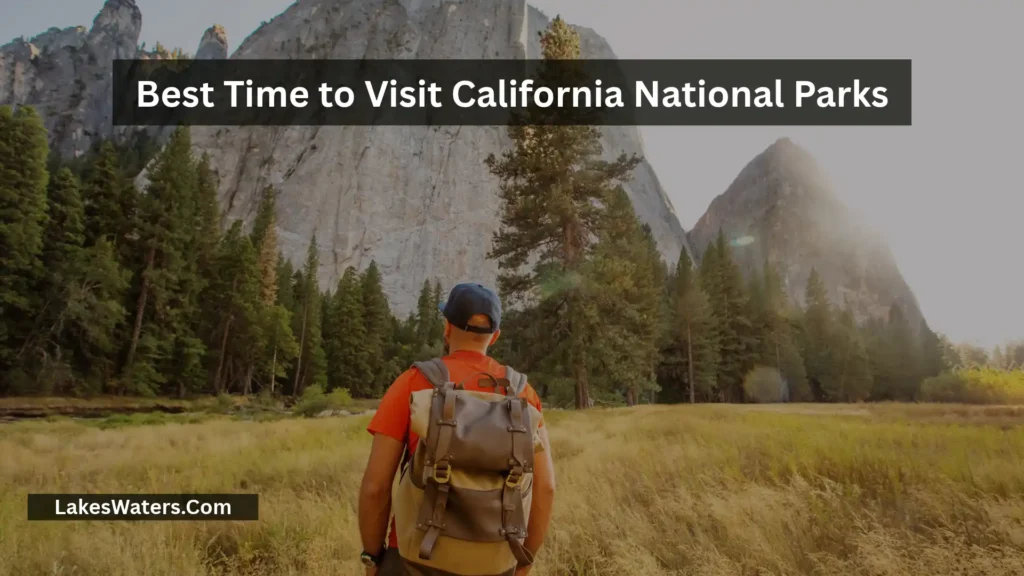
The best time to visit California national parks depends on their geography and elevation. California has deserts, coastal forests, mountains, and offshore islands, so the same season does not provide ideal conditions everywhere.
Spring
Spring is a popular season for visiting many California parks.
Yosemite’s waterfalls are often especially impressive during snowmelt. Pinnacles can offer comfortable hiking weather, while desert parks may still have pleasant daytime conditions.
Spring wildflowers can also add color to some landscapes when seasonal conditions are favorable.
Summer
Summer is generally a good season for exploring higher-elevation mountain areas.
Yosemite, Sequoia, Kings Canyon, and Lassen Volcanic often provide more access to mountain roads and trails during this period.
However, summer heat can make Death Valley and Joshua Tree dangerous for strenuous outdoor activities.
Fall
Fall can be an excellent time for exploring California’s national parks.
Temperatures in desert areas often become more comfortable, while mountain parks may still offer scenic hiking opportunities before winter weather arrives.
Redwood and Channel Islands can also be attractive destinations during suitable weather conditions.
Winter
Winter offers a different experience across the state.
Desert parks such as Death Valley and Joshua Tree are often more comfortable for daytime exploration. Redwood remains a possible destination, although rainfall can affect outdoor activities.
Mountain parks may experience snow, icy roads, and seasonal closures. Visitors should prepare for changing weather and check current conditions before traveling.
Can You Visit Multiple National Parks on One Trip?
Yes, you can visit multiple California national parks during one vacation. However, the state is large, and the parks are spread across different regions.
Planning your trip around nearby destinations is usually more practical than attempting to visit every park in one continuous journey.
Yosemite, Sequoia, and Kings Canyon
These three parks are located in the Sierra Nevada region and make a natural combination for a longer mountain vacation.
Visitors can explore Yosemite’s granite cliffs and waterfalls before traveling south to Sequoia and Kings Canyon.
Allow enough time for driving, sightseeing, and changing mountain conditions. The routes between park areas can take longer than expected.
Joshua Tree and Death Valley
These two desert parks can be combined into a Southern California desert trip.
Joshua Tree offers distinctive desert plants and impressive rock formations, while Death Valley provides salt flats, sand dunes, and vast desert valleys.
Cooler months are generally more comfortable for exploring both destinations.
Redwood and Lassen Volcanic
These parks make an appealing Northern California combination.
Redwood offers coastal forests and enormous trees, while Lassen Volcanic features mountain scenery, volcanic formations, and geothermal areas.
Summer and early fall can provide more opportunities for exploring higher-elevation areas.
Channel Islands and Pinnacles
Visitors traveling along California’s Central and Southern Coast may consider combining Channel Islands and Pinnacles.
However, Channel Islands requires separate boat transportation and additional planning. It should not be treated as a simple roadside stop.
A trip covering all nine parks requires considerable time and careful seasonal planning. Three or more weeks may be a more realistic starting point than trying to complete the entire journey in a short vacation.
Things to Know Before Visiting California National Parks
A little preparation can make your visit safer and more enjoyable. Although the parks share a common national designation, their environments and visitor requirements can be very different.
Check Current Park Conditions
Roads, hiking trails, campgrounds, and visitor facilities can close because of weather, snow, wildfires, flooding, maintenance, or other safety concerns.
Check current park conditions before leaving. Do not assume that a road or attraction will be accessible simply because it appears on a map.
Understand Entrance Fees
Some national parks charge entrance fees, while others have different fee arrangements.
The cost may depend on the park, vehicle, visitor category, and applicable pass. Check the current fee information before traveling and consider whether an annual federal recreation pass would be useful for your trip.
Make Reservations in Advance
Popular campgrounds and park accommodations can fill quickly, especially during weekends and busy travel seasons.
Some activities and destinations may also require separate reservations or permits.
Check the requirements for your specific park and travel dates before arriving.
Prepare for Different Weather Conditions
California’s national parks experience very different climates.
Desert areas can become dangerously hot, while mountain regions may experience snow and freezing temperatures.
Carry suitable clothing, enough drinking water, sun protection, and other necessary supplies.
Respect Wildlife and Natural Environments
Keep a safe distance from wild animals and never feed them.
Stay on established trails, follow posted signs, and avoid disturbing plants, wildlife, and geological features.
Pack out your trash and follow park regulations to help protect these landscapes.
Frequently Asked Questions
How many national parks are in California?
California has nine officially designated national parks, more than any other state in the United States.
What are the nine national parks in California?
The nine parks are Yosemite, Sequoia, Kings Canyon, Death Valley, Joshua Tree, Redwood, Lassen Volcanic, Pinnacles, and Channel Islands.
Which is the most famous national park in California?
Yosemite National Park is one of California’s most famous parks. It is widely recognized for its granite cliffs, waterfalls, mountain scenery, and giant sequoia groves.
What is the best national park in California for first-time visitors?
Yosemite is an excellent option for first-time visitors because it offers a variety of landscapes, famous attractions, scenic viewpoints, and outdoor activities.
What is the largest national park in California?
Death Valley National Park is the largest national park in California by land area. It covers approximately 3.4 million acres across California and Nevada.
Are Sequoia and Kings Canyon two different national parks?
Yes. Sequoia and Kings Canyon are two separate national parks managed together by the National Park Service. They have different landscapes and attractions.
Can you visit all nine California national parks in one trip?
Yes, but visiting all nine parks requires substantial travel time and planning. Their locations are spread across the state, and seasonal weather can affect access to certain areas.
What is the best month to visit California national parks?
There is no single best month for all nine parks. Spring and fall are suitable for many destinations, summer is generally better for mountain parks, and winter is often more comfortable for exploring desert parks.
Final Thoughts
California’s nine national parks offer an impressive variety of natural landscapes and outdoor experiences. From Yosemite’s granite cliffs and Sequoia’s enormous trees to Death Valley’s salt flats and Channel Islands’ coastal wilderness, every destination has something different to offer.
The best park for your trip depends on your interests, available time, and preferred season. Some visitors may enjoy exploring mountain forests, while others may prefer desert adventures, volcanic landscapes, or island activities.
Rather than rushing through as many parks as possible, choose destinations that fit your travel plans and allow enough time to explore them properly. With suitable preparation and respect for the natural environment, California’s national parks can provide memorable outdoor experiences throughout the year.

I am Daniel Brooks, an environmental enthusiast and writer focused on freshwater resources and the connection between humans and nature.
I enjoy researching lakes, wetlands, and water conservation practices to create informative content for readers. I believe that understanding our water systems is the first step toward protecting them.
Through my writing, I aim to inspire awareness and responsible actions for a better water future.
Books by Daniel Brooks:
- Freshwater Wonders: Stories From the World’s Lakes
- Protecting Our Blue Planet: Water Conservation Guide