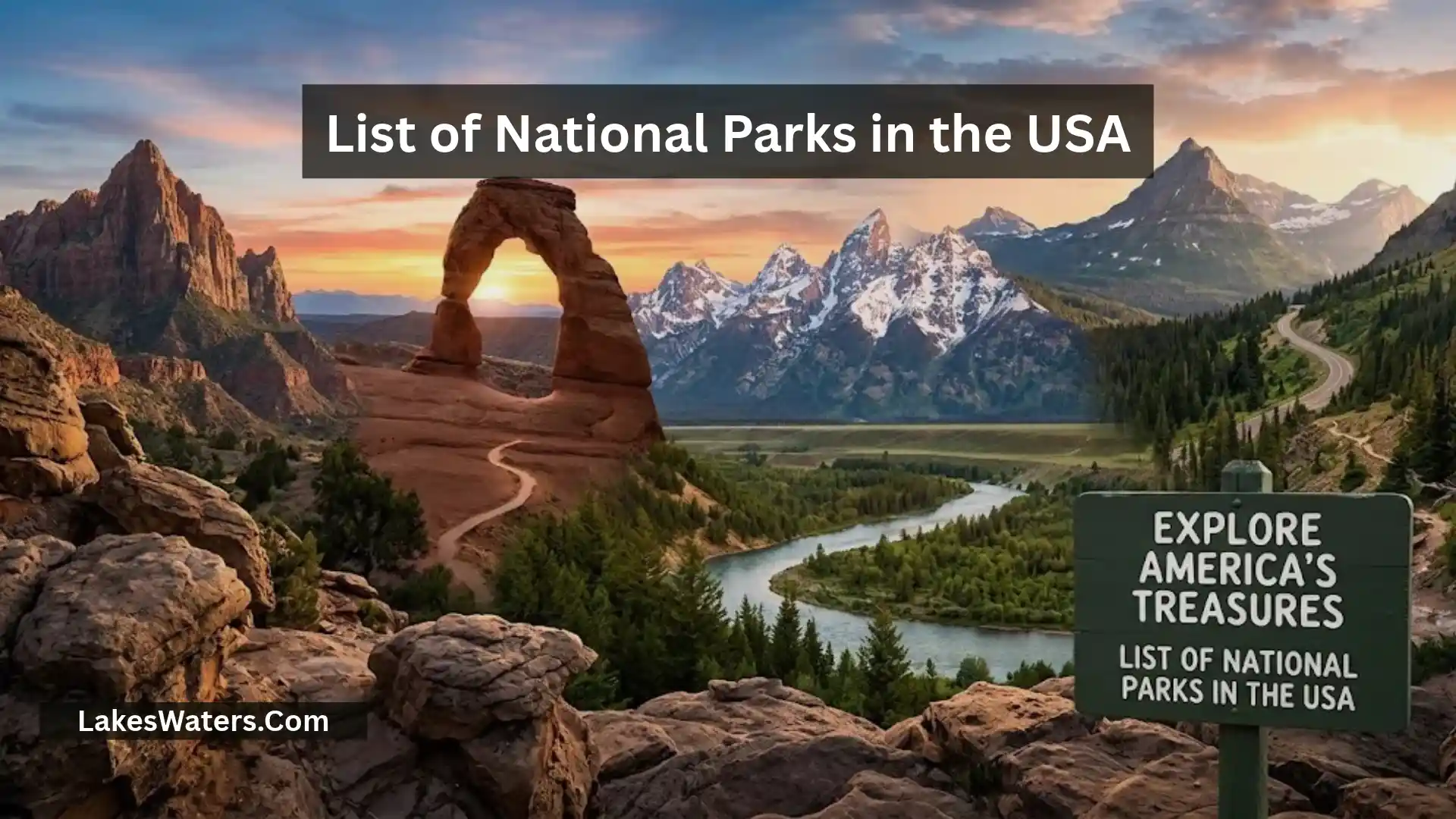
The United States has 64 officially designated national parks, spread across different states and U.S. territories. These protected places preserve some of the country’s most remarkable natural landscapes, including mountains, deserts, forests, glaciers, caves, coastlines, and volcanic formations.
From the famous Grand Canyon in Arizona to the remote wilderness of Alaska, every national park offers something different. Some are known for spectacular hiking trails, while others protect rare wildlife, ancient forests, historic landscapes, and extraordinary geological features.
This complete list of national parks includes all 64 parks currently recognized by the National Park Service. Each entry includes its location and a brief description to help you understand what makes the destination special.
How Many National Parks Are in the USA?
There are 64 officially designated national parks in the United States as of November 2026.
These parks are managed by the National Park Service, a federal agency established on August 25, 1916. Its responsibility is to protect natural and cultural resources while making these special places available for public enjoyment.
The national parks cover a wide variety of environments. Some protect enormous wilderness areas, while others preserve smaller but historically or naturally significant landscapes.
California has nine national parks, making it the state with the largest number. Alaska has eight, while Utah has five.
It is also important to understand that the National Park Service manages more than 400 sites, including national monuments, national historical parks, national recreation areas, and national seashores. However, these places do not all carry the official national park designation.
Complete List of National Parks in the USA
Below is the complete alphabetical list of all 64 U.S. national parks, along with their locations and notable features.
Acadia National Park – Maine
Acadia National Park is located along the Atlantic coast of Maine. It is known for its rocky shorelines, forested mountains, scenic coastal roads, and beautiful ocean views.
Visitors enjoy hiking, cycling, wildlife watching, and exploring the coastline. Cadillac Mountain is one of its best-known attractions.
Arches National Park – Utah
Arches National Park protects an extraordinary collection of natural sandstone formations. The park features more than 2,000 documented natural stone arches, along with towers, balanced rocks, and dramatic desert landscapes.
Delicate Arch is one of its most recognizable natural landmarks.
Badlands National Park – South Dakota
Badlands National Park is famous for its rugged rock formations, colorful layered hills, deep valleys, and open grasslands.
The landscape contains important fossil deposits and provides habitat for animals such as bison, bighorn sheep, prairie dogs, and pronghorn.
Big Bend National Park – Texas
Big Bend National Park protects a large section of the Chihuahuan Desert along the Rio Grande in southwestern Texas.
Its landscape includes mountains, desert valleys, canyons, and river environments. Visitors can enjoy hiking, camping, scenic drives, and wildlife observation.
Biscayne National Park – Florida
Biscayne National Park protects a beautiful marine environment south of Miami. Much of the park consists of water, coral reefs, islands, and coastal ecosystems.
Boating, snorkeling, kayaking, and exploring marine wildlife are among its main attractions.
Black Canyon of the Gunnison National Park – Colorado
This Colorado national park protects a dramatic canyon carved by the Gunnison River.
The canyon is known for its steep walls, narrow passages, dark rock formations, and impressive viewpoints. It is an excellent destination for scenic photography and outdoor exploration.
Bryce Canyon National Park – Utah
Bryce Canyon National Park is famous for its unusual rock formations called hoodoos. These tall, irregular rock structures create colorful natural amphitheaters throughout the landscape.
Hiking trails and scenic viewpoints allow visitors to explore its distinctive geological features.
Canyonlands National Park – Utah
Canyonlands National Park features an enormous landscape of canyons, mesas, rivers, and desert formations.
The Colorado and Green rivers divide the park into different geographical districts. Island in the Sky is particularly popular for its elevated viewpoints and panoramic scenery.
Capitol Reef National Park – Utah
Capitol Reef National Park protects colorful sandstone formations, cliffs, natural bridges, and historic landscapes.
One of its most important geological features is the Waterpocket Fold, a massive wrinkle in Earth’s crust that stretches across the park.
Carlsbad Caverns National Park – New Mexico
Carlsbad Caverns National Park is best known for its extensive underground cave system.
The park contains impressive chambers, underground formations, and limestone features created over millions of years. Its famous Big Room is one of the largest accessible cave chambers in North America.
Channel Islands National Park – California
Channel Islands National Park protects five islands off the coast of Southern California.
The islands are known for their marine wildlife, coastal cliffs, sea caves, and relatively undisturbed natural environments. Visitors can enjoy kayaking, hiking, snorkeling, and wildlife observation.
Chiricahua National Park – Arizona
Chiricahua National Park is located in southeastern Arizona and protects a remarkable landscape of volcanic rock formations.
The area is famous for its towering rock pinnacles, balanced stones, forested mountains, and scenic hiking routes. Its unusual geological formations make it a distinctive destination in the American Southwest.
Congaree National Park – South Carolina
Congaree National Park protects one of the largest remaining areas of old-growth bottomland hardwood forest in the southeastern United States.
The park features towering trees, wetlands, waterways, and diverse wildlife. Visitors can explore its natural environment through hiking and paddling.
Crater Lake National Park – Oregon
Crater Lake National Park is home to the deepest lake in the United States.
The lake formed inside a volcanic caldera after the collapse of Mount Mazama. Its remarkably blue water, surrounding cliffs, and forested scenery make it one of Oregon’s most recognizable natural destinations.
Cuyahoga Valley National Park – Ohio
Cuyahoga Valley National Park protects a scenic natural landscape between Cleveland and Akron.
The park features forests, wetlands, rivers, waterfalls, and historic transportation routes. Brandywine Falls is among its best-known attractions.
Death Valley National Park – California and Nevada
Death Valley National Park is famous for its extreme desert environment, colorful mountains, salt flats, and unusual geological formations.
Badwater Basin, located within the park, is the lowest point in North America. Visitors can also explore sand dunes, canyons, and desert viewpoints.
Denali National Park – Alaska
Denali National Park protects a vast wilderness landscape in Alaska, including Denali, the highest mountain peak in North America.
The park is known for its dramatic mountains, tundra, glaciers, and wildlife. Animals such as grizzly bears, caribou, wolves, and Dall sheep live in this region.
Dry Tortugas National Park – Florida
Dry Tortugas National Park is a remote island park located west of Key West, Florida.
It is famous for its clear waters, coral reefs, marine life, and historic Fort Jefferson. Visitors generally reach the park by boat or seaplane.
Everglades National Park – Florida
Everglades National Park protects a vast subtropical wetland ecosystem in southern Florida.
Its environment includes freshwater marshes, mangrove forests, coastal habitats, and slow-moving waterways. The park is especially important for protecting alligators, crocodiles, manatees, and numerous bird species.
Gates of the Arctic National Park – Alaska
Gates of the Arctic National Park protects a remote wilderness area located north of the Arctic Circle.
The park features rugged mountains, rivers, valleys, and vast areas of untouched wilderness. It has no developed road system or conventional visitor facilities, making it particularly challenging to explore.
Gateway Arch National Park – Missouri and Illinois
Gateway Arch National Park is located in the St. Louis area and preserves an important historical landmark associated with American westward expansion.
Its most recognizable feature is the Gateway Arch, a large stainless-steel monument overlooking the Mississippi River.
Glacier Bay National Park – Alaska
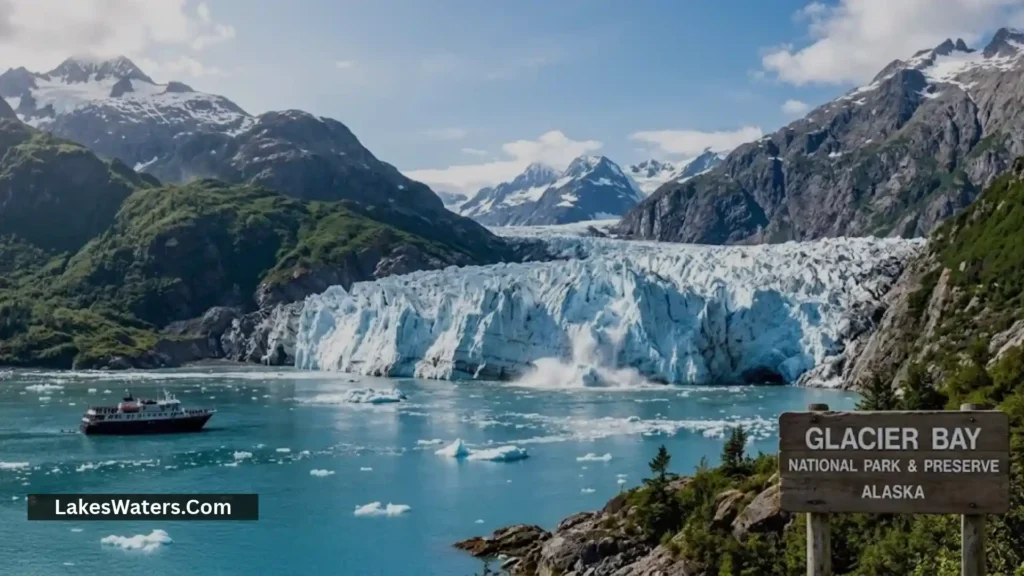
Glacier Bay National Park is known for its impressive glaciers, mountain scenery, fjords, and marine wildlife.
The park offers opportunities to observe whales, sea lions, seabirds, and other wildlife. Its changing glacial landscape also makes it an important area for studying natural environmental processes.
Glacier National Park – Montana
Glacier National Park is famous for its dramatic mountain landscapes, alpine lakes, glaciers, and extensive hiking trails.
Going-to-the-Sun Road is one of its most recognized scenic routes. The park also provides habitat for wildlife such as mountain goats, grizzly bears, and elk.
Grand Canyon National Park – Arizona
Grand Canyon National Park protects one of the world’s most famous natural landscapes.
The Colorado River carved the enormous canyon over millions of years, creating colorful rock layers, steep cliffs, and remarkable viewpoints.
Popular activities include hiking, rafting, photography, and scenic sightseeing.
Grand Teton National Park – Wyoming
Grand Teton National Park is known for its dramatic mountain peaks, clear lakes, forests, and wildlife.
The Teton Range dominates the landscape, providing excellent opportunities for hiking, boating, fishing, and photography.
Great Basin National Park – Nevada
Great Basin National Park protects a diverse landscape of mountains, caves, forests, and desert environments.
Wheeler Peak and the ancient bristlecone pine forests are among its most notable attractions. The park is also recognized for its excellent dark-sky viewing opportunities.
Great Sand Dunes National Park – Colorado
Great Sand Dunes National Park contains some of the tallest sand dunes in North America.
The dunes sit beneath the Sangre de Cristo Mountains and create a striking contrast between desert-like terrain and alpine scenery.
Visitors can enjoy hiking, sandboarding, and seasonal activities around Medano Creek.
Great Smoky Mountains National Park – North Carolina and Tennessee
Great Smoky Mountains National Park is famous for its mist-covered mountains, rich forests, waterfalls, and diverse wildlife.
The park protects one of the most biologically diverse temperate environments in North America. It is particularly popular for hiking, scenic drives, and wildlife observation.
Guadalupe Mountains National Park – Texas
Guadalupe Mountains National Park protects a rugged mountain landscape in western Texas.
The park includes Guadalupe Peak, the highest point in Texas, along with desert valleys, canyons, and fossil reef formations. Hiking and exploring its remote wilderness are popular activities.
Haleakalā National Park – Hawaii
Haleakalā National Park protects a spectacular volcanic landscape on the island of Maui.
Its major attraction is the enormous summit crater area, which offers dramatic views above the clouds. The park also protects unique Hawaiian plants, wildlife, and coastal environments.
Hawaiʻi Volcanoes National Park – Hawaii
Hawaiʻi Volcanoes National Park protects important volcanic landscapes on the Big Island of Hawaii.
The park includes Kīlauea and Mauna Loa, two major volcanoes. Its landscape features lava fields, volcanic craters, rainforests, and other geological formations.
Volcanic activity and visitor access conditions can change, so travelers should check current safety information before visiting.
Hot Springs National Park – Arkansas
Hot Springs National Park is known for its natural thermal springs and historic bathing culture.
Located in the Ouachita Mountains, the park combines forested landscapes with historic architecture and geothermal features. Bathhouse Row is one of its most recognizable attractions.
Indiana Dunes National Park – Indiana
Indiana Dunes National Park stretches along the southern shore of Lake Michigan.
The park protects sandy beaches, dunes, wetlands, forests, and diverse plant communities. Visitors can enjoy swimming in designated areas, hiking, birdwatching, and exploring the shoreline.
Isle Royale National Park – Michigan
Isle Royale National Park is located in Lake Superior near the Canadian border.
The remote island wilderness is known for its forests, rocky shorelines, inland lakes, and wildlife. Wolves and moose are among its most famous animal residents.
Joshua Tree National Park – California
Joshua Tree National Park is famous for its distinctive Joshua trees, unusual rock formations, and desert scenery.
The park brings together elements of the Mojave and Colorado deserts. Rock climbing, hiking, camping, and stargazing are popular activities.
Katmai National Park – Alaska
Katmai National Park protects a remote wilderness landscape famous for its brown bears and volcanic history.
Brooks Falls is a well-known location where visitors can observe brown bears catching salmon during the seasonal migration.
The park also contains the Valley of Ten Thousand Smokes, an extraordinary volcanic landscape.
Kenai Fjords National Park – Alaska
Kenai Fjords National Park protects a spectacular coastal wilderness in southern Alaska.
The park is known for its glaciers, fjords, rugged mountains, and marine wildlife. Harding Icefield is one of its most significant natural features.
Kings Canyon National Park – California
Kings Canyon National Park protects deep mountain valleys, giant sequoia forests, waterfalls, and dramatic Sierra Nevada scenery.
Its deep canyon landscapes and forested wilderness make it an excellent destination for hiking and nature exploration.
Kobuk Valley National Park – Alaska
Kobuk Valley National Park is a remote wilderness area in northwestern Alaska.
The park is famous for the Great Kobuk Sand Dunes, which create an unusual desert-like landscape within an Arctic environment.
It also protects important caribou migration routes and river ecosystems.
Lake Clark National Park – Alaska
Lake Clark National Park protects a diverse wilderness environment featuring mountains, lakes, rivers, forests, and active volcanic landscapes.
The park is particularly well known for its brown bears, fishing opportunities, and remote natural beauty.
Lassen Volcanic National Park – California
Lassen Volcanic National Park is known for its volcanic formations, steaming hydrothermal areas, mountain lakes, and forests.
The park protects several types of volcanoes and offers visitors opportunities to explore geothermal landscapes and scenic hiking trails.
Mammoth Cave National Park – Kentucky
Mammoth Cave National Park protects the world’s longest-known cave system.
Its underground passages contain remarkable rock formations and geological features. Above ground, visitors can explore forests, rivers, and natural walking trails.
Mesa Verde National Park – Colorado
Mesa Verde National Park preserves important archaeological sites associated with the Ancestral Pueblo people.
The park is especially famous for its ancient cliff dwellings, stone structures, and cultural history. Cliff Palace is among its most recognizable archaeological sites.
Mount Rainier National Park – Washington
Mount Rainier National Park protects the landscape surrounding Mount Rainier, an impressive volcanic mountain in Washington.
The park features glaciers, alpine meadows, waterfalls, forests, and mountain lakes. It is a popular destination for hiking, camping, and scenic photography.
National Park of American Samoa – American Samoa
National Park of American Samoa protects tropical forests, coral reefs, coastal environments, and traditional Samoan landscapes.
The park is spread across several islands and provides important habitat for tropical wildlife. Visitors can experience beaches, rainforest trails, and marine environments.
New River Gorge National Park and Preserve – West Virginia
New River Gorge National Park and Preserve protects a dramatic river canyon in West Virginia.
The area is famous for its deep gorge, forested cliffs, historic communities, and whitewater recreation. Rafting, rock climbing, hiking, and scenic viewing are popular activities.
North Cascades National Park – Washington
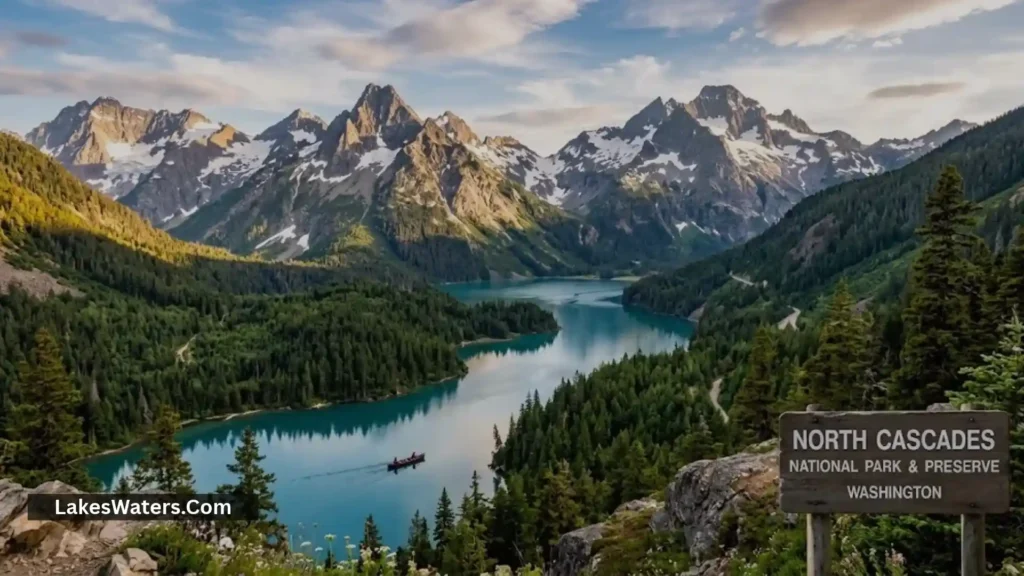
North Cascades National Park protects a rugged mountain wilderness in northwestern Washington.
Its landscape includes sharp mountain peaks, glaciers, alpine lakes, and dense forests. The region is especially attractive to hikers, climbers, and wilderness enthusiasts.
Olympic National Park – Washington
Olympic National Park protects several different ecosystems on Washington’s Olympic Peninsula.
The park features temperate rainforests, rugged Pacific coastlines, alpine mountains, and glacial landscapes.
Hoh Rain Forest, Hurricane Ridge, and Rialto Beach are among its well-known destinations.
Petrified Forest National Park – Arizona
Petrified Forest National Park is famous for its colorful desert landscape and ancient fossilized trees.
The park protects extensive deposits of petrified wood, geological formations, and important archaeological resources.
Its Painted Desert region is especially known for its colorful hills.
Pinnacles National Park – California
Pinnacles National Park protects an unusual landscape of volcanic rock formations, caves, and rugged hills.
The park is also an important habitat for California condors. Hiking, rock climbing, and wildlife observation are popular activities.
Redwood National Park – California
Redwood National Park protects some of the world’s tallest trees, including magnificent coast redwoods.
The park also features coastal prairies, rivers, forests, and rugged ocean scenery. Its old-growth forests create an extraordinary natural environment.
Rocky Mountain National Park – Colorado
Rocky Mountain National Park is famous for its alpine scenery, mountain peaks, forests, and high-elevation lakes.
The park offers extensive hiking opportunities and is home to wildlife such as elk, bighorn sheep, and moose.
Trail Ridge Road is one of its most recognized scenic routes.
Saguaro National Park – Arizona
Saguaro National Park protects the giant saguaro cactus, one of the most recognizable symbols of the American Southwest.
The park is divided into two districts surrounding Tucson. Visitors can explore desert landscapes, cactus forests, and scenic mountain environments.
Sequoia National Park – California
Sequoia National Park is famous for its enormous giant sequoia trees.
The park protects some of the largest trees on Earth by volume, including the General Sherman Tree. It also features mountain landscapes, deep valleys, and extensive forests.
Shenandoah National Park – Virginia
Shenandoah National Park protects a scenic section of the Blue Ridge Mountains in Virginia.
The park features forested mountains, waterfalls, wildlife, and beautiful overlooks. Skyline Drive is its most famous scenic route.
Theodore Roosevelt National Park – North Dakota
Theodore Roosevelt National Park protects the rugged badlands of western North Dakota.
Its landscape includes rolling grasslands, colorful rock formations, and winding river valleys. Bison, wild horses, prairie dogs, and other wildlife can be found throughout the park.
Virgin Islands National Park – U.S. Virgin Islands
Virgin Islands National Park protects a beautiful tropical environment on the island of St. John.
The park is known for its clear Caribbean waters, coral reefs, sandy beaches, and forested hills. Visitors can enjoy snorkeling, swimming in designated areas, hiking, and exploring historic plantation sites.
Voyageurs National Park – Minnesota
Voyageurs National Park protects a large network of interconnected lakes, forests, and islands in northern Minnesota.
The park is particularly popular for boating, fishing, kayaking, camping, and wildlife observation. Its remote location also provides excellent opportunities for viewing the night sky.
White Sands National Park – New Mexico
White Sands National Park protects an extraordinary field of white gypsum sand dunes.
The bright dunes create a distinctive landscape unlike most other desert environments. Visitors can enjoy hiking, photography, and seasonal recreational activities.
Wind Cave National Park – South Dakota
Wind Cave National Park is famous for its extensive underground cave system and unusual calcite formations.
Above ground, the park protects prairie grasslands, forests, and wildlife habitats. Bison, prairie dogs, and pronghorn are among the animals found here.
Wrangell-St. Elias National Park – Alaska
Wrangell-St. Elias National Park is the largest national park in the United States.
It protects enormous mountain ranges, glaciers, rivers, and remote wilderness areas. Its dramatic scenery makes it one of Alaska’s most remarkable natural destinations.
Yellowstone National Park – Idaho, Montana, and Wyoming
Yellowstone National Park is widely recognized for its geothermal features, wildlife, forests, rivers, and spectacular natural landscapes.
Established in 1872, it became the world’s first national park. Famous attractions include Old Faithful, Grand Prismatic Spring, and the Grand Canyon of the Yellowstone.
Yosemite National Park – California
Yosemite National Park is famous for its granite cliffs, waterfalls, giant sequoias, and dramatic mountain scenery.
Yosemite Valley, El Capitan, Half Dome, and Yosemite Falls are among its best-known landmarks.
The park offers excellent opportunities for hiking, camping, photography, and rock climbing.
Zion National Park – Utah
Zion National Park protects a spectacular canyon landscape in southwestern Utah.
The park is famous for its towering sandstone cliffs, narrow canyons, scenic hiking trails, and colorful rock formations. Angels Landing and The Narrows are two of its most recognized hiking destinations.
What Makes Each National Park Special?
The national parks of the United States protect an impressive range of natural and cultural environments.
Although they share the same official designation, their landscapes and visitor experiences can be very different.
Mountains and Glaciers
Some parks are especially famous for their mountain environments and glaciers.
Examples include:
- Denali National Park
- Glacier National Park
- Grand Teton National Park
- Mount Rainier National Park
- North Cascades National Park
- Rocky Mountain National Park
- Wrangell-St. Elias National Park
These destinations are ideal for visitors interested in mountain scenery, hiking, wildlife, and alpine environments.
Deserts and Rock Formations
The American Southwest contains several national parks with remarkable desert landscapes.
Examples include:
- Arches National Park
- Canyonlands National Park
- Death Valley National Park
- Joshua Tree National Park
- Saguaro National Park
- White Sands National Park
- Zion National Park
These parks are known for their sandstone formations, desert plants, colorful mountains, and unusual geological features.
Forests and Waterfalls
Several national parks protect impressive forests and freshwater environments.
Examples include:
- Acadia National Park
- Congaree National Park
- Great Smoky Mountains National Park
- Olympic National Park
- Redwood National Park
- Sequoia National Park
- Yosemite National Park
They offer opportunities for hiking, wildlife observation, photography, and exploring forest ecosystems.
Caves and Underground Landscapes
Some national parks protect important underground geological formations.
Examples include:
- Carlsbad Caverns National Park
- Mammoth Cave National Park
- Wind Cave National Park
These parks provide opportunities to learn about underground geological processes and explore remarkable cave environments.
Coastal and Marine Environments
The United States also has national parks that protect coastal ecosystems and marine wildlife.
Examples include:
- Biscayne National Park
- Channel Islands National Park
- Dry Tortugas National Park
- Everglades National Park
- Glacier Bay National Park
- Virgin Islands National Park
These destinations are particularly interesting for visitors who enjoy boating, snorkeling, marine wildlife, and coastal scenery.
National Parks by Location
National parks are distributed across the continental United States, Alaska, Hawaii, and U.S. territories.
Their geographical locations provide visitors with many different travel experiences.
National Parks in the Western United States
The western region contains a large concentration of national parks, particularly in states such as California, Utah, Colorado, Arizona, and Washington.
Popular destinations include Yosemite, Yellowstone, Grand Canyon, Zion, Arches, and Rocky Mountain National Park.
National Parks in the Eastern United States
Eastern national parks include Acadia in Maine, Shenandoah in Virginia, Great Smoky Mountains in North Carolina and Tennessee, Congaree in South Carolina, and Cuyahoga Valley in Ohio.
These parks are known for forests, mountains, wetlands, rivers, and coastal landscapes.
National Parks in Alaska
Alaska has eight national parks and some of the most remote wilderness environments in the country.
Its national parks protect enormous glaciers, mountain ranges, Arctic ecosystems, forests, and wildlife habitats.
Denali, Glacier Bay, Katmai, and Wrangell-St. Elias are among its well-known destinations.
National Parks in Hawaii
Hawaii has two national parks: Haleakalā National Park and Hawaiʻi Volcanoes National Park.
Both protect important volcanic environments and unique island ecosystems.
National Parks in U.S. Territories
The National Park of American Samoa and Virgin Islands National Park extend the national park system into the Pacific Ocean and Caribbean region.
They protect tropical forests, coral reefs, beaches, and important natural and cultural resources.
How to Choose a National Park to Visit
With 64 national parks to choose from, deciding where to travel can be challenging.
The best destination depends on your interests, available time, travel budget, and preferred outdoor activities.
Consider the following factors before selecting a park.
Choose a Park Based on Its Landscape
Start by deciding what type of natural environment you want to explore.
- Mountain lovers may enjoy Glacier, Grand Teton, or Rocky Mountain National Park.
- Desert enthusiasts may prefer Arches, Joshua Tree, or Death Valley.
- Forest lovers may enjoy Redwood, Olympic, or Great Smoky Mountains.
- Visitors interested in caves may choose Mammoth Cave or Carlsbad Caverns.
- Coastal travelers may enjoy Acadia, Channel Islands, or Virgin Islands National Park.
Consider Your Travel Season
Different national parks offer different experiences throughout the year.
Some mountain destinations have significant winter snowfall, while desert parks can experience extremely high summer temperatures.
Before traveling, consider seasonal weather, road conditions, trail accessibility, and wildlife activity.
Think About Your Preferred Activities
Not every national park offers the same recreational opportunities.
Some are particularly suitable for hiking and climbing, while others are better known for boating, wildlife watching, scenic drives, or exploring caves.
Choose a destination that matches the activities you want to enjoy.
Check Accessibility and Travel Requirements
Some national parks have developed roads, visitor centers, and nearby accommodation.
Others are remote wilderness destinations that require additional planning, transportation arrangements, and outdoor preparation.
Always check current park conditions before departure.
Tips for Planning a National Park Visit
Good preparation can make a national park trip more enjoyable and safer.
Keep these basic considerations in mind:
- Check Weather Conditions: Research expected temperatures, rainfall, snowfall, and seasonal weather changes.
- Review Park Alerts: Look for road closures, trail restrictions, fire warnings, and other important announcements.
- Understand Entrance Fees: Some parks charge entrance fees, while others provide free entry.
- Check Reservation Requirements: Certain destinations, activities, and facilities may require advance reservations.
- Prepare Appropriate Supplies: Bring sufficient drinking water, food, suitable clothing, and necessary outdoor equipment.
- Respect Wildlife: Maintain safe distances from animals and never feed wild creatures.
- Follow Park Regulations: Stay on designated trails and follow instructions from park authorities.
- Practice Leave No Trace Principles: Dispose of waste properly and avoid damaging natural resources.
National park conditions can change throughout the year, so checking current official information before traveling is essential.
Frequently Asked Questions
How many national parks are there in the USA?
There are 64 officially designated national parks in the United States as of November 2026. They are located across different states and U.S. territories.
Which state has the most national parks?
California has the most officially designated national parks, with nine. Alaska follows with eight national parks.
What is the oldest national park in the USA?
Yellowstone National Park is the oldest national park in the United States. It was established in 1872 and is widely recognized as the world’s first national park.
What is the largest national park in the United States?
Wrangell-St. Elias National Park in Alaska is the largest national park in the United States. It covers approximately 13.2 million acres.
Which national park is the most famous in America?
Yellowstone, Yosemite, Grand Canyon, Great Smoky Mountains, and Zion are among the best-known national parks in America. Their popularity comes from their distinctive landscapes, wildlife, and recreational opportunities.
Are national parks and national monuments the same?
No. National parks and national monuments are different official designations. Both protect important natural, historical, and cultural resources, but they have different designation histories and legal frameworks.
Can you visit national parks throughout the year?
Many national parks are open throughout the year, but visitor access, facilities, roads, and recreational activities may vary by season. Some remote areas have limited seasonal access.
Which national park is best for first-time visitors?
Yellowstone, Grand Canyon, Yosemite, Zion, and Great Smoky Mountains are popular choices for first-time visitors. The best option depends on your location, interests, travel season, and preferred activities.
Conclusion
The 64 national parks of the United States represent an extraordinary variety of natural landscapes and protected environments. From the glaciers of Alaska and the forests of California to the deserts of Arizona and the tropical islands of the Pacific, each park has its own distinctive character.
If you enjoy hiking, wildlife observation, photography, camping, or simply exploring beautiful natural places, there is a national park that can match your interests.
This complete list provides a useful starting point for discovering America’s national parks, understanding their locations, and planning future outdoor adventures.
Before visiting any destination, check its current conditions and travel requirements to make your experience safe, enjoyable, and respectful of the environment.

I am Ethan Reynolds, a nature researcher and writer focused on freshwater environments, aquatic ecosystems, and sustainable water solutions.
I enjoy sharing knowledge about lakes, rivers, wetlands, and the challenges facing global water resources.
My goal is to help readers understand the value of water and encourage responsible actions to protect it.
Books by Ethan Reynolds:
- Lakes and Landscapes: Stories from Nature
- Protecting Water for Future Generations