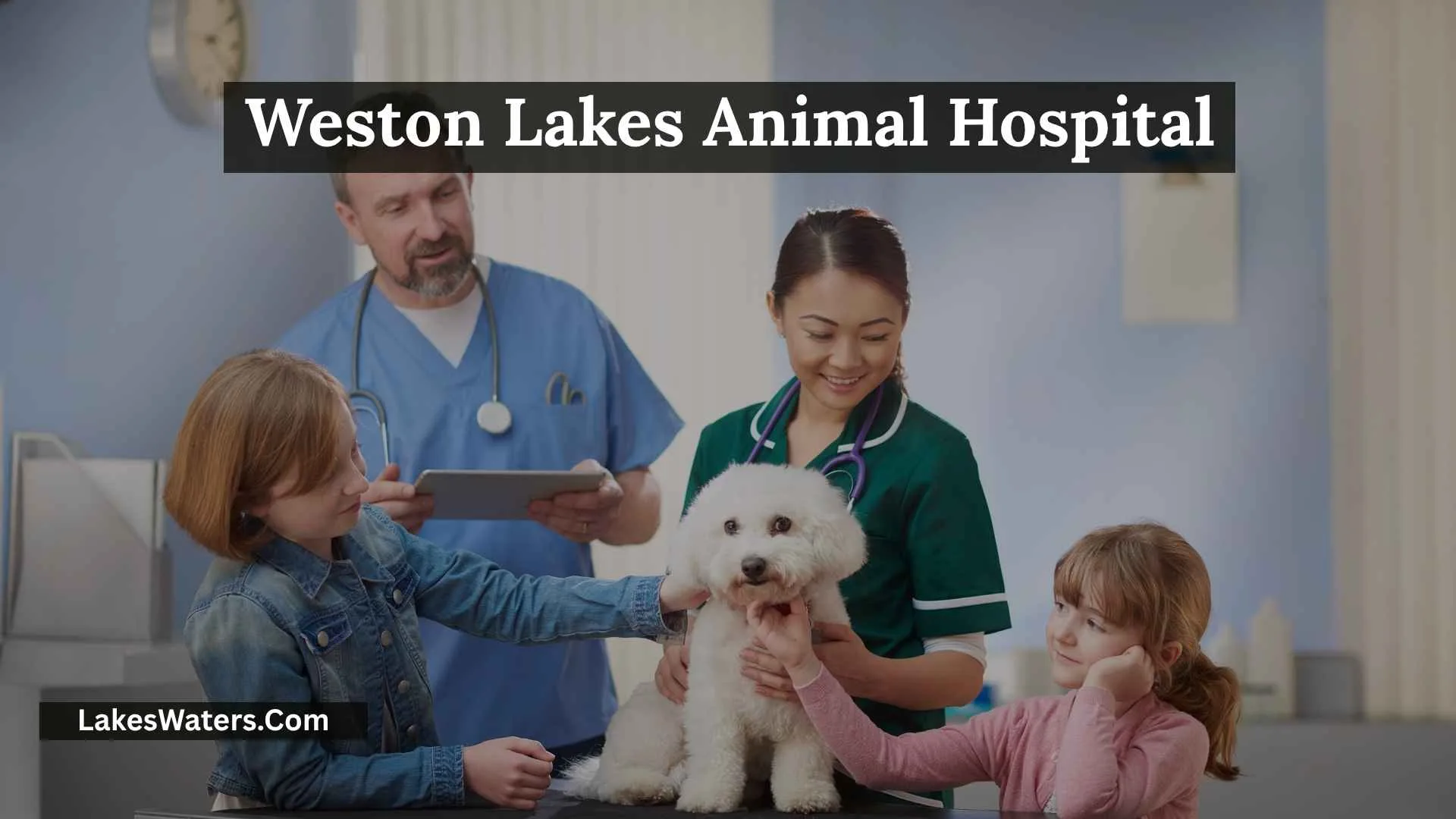
If you are searching for Weston Lakes Animal Hospital, you may want more than an address or phone number. You may be trying to find out whether the hospital treats dogs and cats, what services are available, whether urgent care is offered, when the hospital is open, and what to expect during a veterinary visit.
Weston Lakes Animal Hospital is located at 318 Indian Trace, Weston, FL 33326, and its official website currently lists hours of 8:00 AM to 9:00 PM, Monday through Sunday. The hospital says it provides veterinary care for dogs and cats in Weston, Pembroke Pines, Davie, and surrounding South Florida communities.
This guide explains the hospital’s services, routine and urgent-care options, diagnostic capabilities, dental and surgical care, appointment preparation, common mistakes to avoid, and questions pet owners may want to ask before a visit.
Quick Answer About Weston Lakes Animal Hospital
Weston Lakes Animal Hospital is a veterinary hospital in Weston, Florida, focused on medical, preventive, diagnostic, dental, surgical, and urgent care for dogs and cats. Its listed address is 318 Indian Trace, Weston, FL 33326, and its current listed hours are 8:00 AM to 9:00 PM every day. The hospital’s phone number is (954) 306-0970.
Key Information at a Glance
| Information | Current Details |
| Hospital | Weston Lakes Animal Hospital |
| Address | 318 Indian Trace, Weston, FL 33326 |
| Phone | (954) 306-0970 |
| Listed hours | Monday–Sunday, 8:00 AM–9:00 PM |
| Pets treated | Dogs and cats |
| Routine care | Wellness exams, vaccinations, microchipping, preventive care |
| Dental care | Dental examinations, cleanings, polishing, and extractions |
| Diagnostics | Blood testing, urinalysis, X-rays, ultrasound, parasite screening, CT scans |
| Surgery | Spay/neuter, orthopedic and specialty procedures |
| Urgent care | Listed by the hospital as available 7 days a week during operating hours |
| Areas served | Weston, Pembroke Pines, Davie, and surrounding communities |
The information above can change, especially holiday hours or service availability, so confirming details directly with the hospital before traveling is sensible.
Where Is Weston Lakes Animal Hospital?
Weston Lakes Animal Hospital is located at 318 Indian Trace, Weston, Florida 33326. The hospital identifies Weston, Pembroke Pines, Davie, and surrounding South Florida communities among the areas it serves.
The location can be useful for local pet owners who want veterinary care without traveling to another part of South Florida.
What Should You Check Before Driving to the Hospital?
Before leaving home, check the reason for your visit and contact the hospital if you are uncertain about the appropriate type of care.
For example:
- A routine vaccine can usually be handled as a scheduled appointment.
- A pet with a sudden injury may need urgent evaluation.
- A possible poisoning should be treated as a time-sensitive situation.
- A pet with severe breathing difficulty may need immediate emergency attention.
Calling ahead is particularly useful when your pet’s condition is serious or when you need to know whether a particular service is available for your situation.
What Are the Hours at Weston Lakes Animal Hospital?
The hospital’s official contact page currently lists 8:00 AM to 9:00 PM, Monday through Sunday.
| Day | Listed Hours |
| Monday | 8:00 AM–9:00 PM |
| Tuesday | 8:00 AM–9:00 PM |
| Wednesday | 8:00 AM–9:00 PM |
| Thursday | 8:00 AM–9:00 PM |
| Friday | 8:00 AM–9:00 PM |
| Saturday | 8:00 AM–9:00 PM |
| Sunday | 8:00 AM–9:00 PM |
Extended daily hours can be useful for owners who work during traditional business hours or whose pets develop problems later in the day.
However, listed operating hours should not automatically be interpreted as 24-hour emergency hospital coverage. The hospital currently lists emergency and urgent services during its operating hours, so pet owners should contact the hospital directly for a current assessment of their situation.
What Services Does Weston Lakes Animal Hospital Offer?
Weston Lakes Animal Hospital lists a broad range of veterinary services for dogs and cats. These include wellness examinations, vaccinations, microchipping, dental care, in-house diagnostics, CT scans, spay and neuter procedures, orthopedic surgery, specialty surgery, and emergency services.
Veterinary Services at a Glance
| Pet Care Need | Services Listed by the Hospital |
| Routine health | Wellness examinations |
| Disease prevention | Vaccinations and parasite prevention |
| Identification | Microchipping |
| Oral health | Dental examinations and professional dental care |
| Diagnostic testing | Blood tests, urinalysis, parasite screening |
| Imaging | Digital X-rays, ultrasound, CT scans |
| Routine surgery | Spay and neuter |
| Complex surgery | Orthopedic and specialty procedures |
| Sudden illness or injury | Urgent and emergency veterinary care |
The right service depends on the pet’s symptoms, age, medical history, and the veterinarian’s examination. A diagnostic test or surgical procedure should not be selected simply because it is available; the veterinarian determines what is appropriate for the individual animal.
Does Weston Lakes Animal Hospital Treat Dogs and Cats?
Yes. The hospital states that its veterinary team provides medical, surgical, diagnostic, and preventive care specifically for dogs and cats.
That includes both routine care and more complex situations.
Care for Puppies and Kittens

Young pets often need several important veterinary discussions during their early months.
A visit may include discussion of:
- Vaccinations
- Parasite prevention
- Nutrition
- Growth
- Microchipping
- Spaying or neutering
- Behavior
- General preventive care
The exact schedule should be personalized by a veterinarian according to the animal’s age, lifestyle, health history, and exposure risks.
Care for Adult and Senior Pets
Healthy adult pets still benefit from routine veterinary care. AAHA notes that regular wellness visits help veterinarians monitor health, detect problems earlier, and tailor recommendations to an animal’s age and lifestyle.
Older pets may need closer monitoring because age-related conditions can develop gradually and may not be obvious to owners at first.
Why Are Routine Wellness Exams Important?
A wellness exam is more than a vaccination appointment. It gives the veterinarian an opportunity to assess the pet’s overall condition and discuss changes that may not seem serious at home.
AAHA describes regular veterinary visits as an important part of preventive care because they can help establish a health baseline, identify changes over time, and guide individualized care.
What Can Be Discussed During a Wellness Visit?
Depending on the pet, a veterinarian may discuss:
- Weight and body condition
- Diet and nutrition
- Exercise
- Vaccinations
- Parasite prevention
- Dental health
- Behavior changes
- Skin and coat concerns
- Screening tests
- Age-related health risks
For example, a dog that appears healthy but has gradually gained weight may benefit from a nutrition and exercise plan before obesity contributes to other health problems.
AAHA notes that preventive care can help identify conditions such as dental disease, obesity, kidney disease, and other health problems earlier.
What Preventive Care Is Available?
The hospital lists wellness examinations, vaccinations, microchipping, and parasite prevention among its preventive services.
Vaccinations
Vaccines help protect pets against specific infectious diseases. The appropriate vaccination plan is not identical for every animal.
A veterinarian may consider:
- Age
- Previous vaccination history
- Lifestyle
- Travel
- Exposure to other animals
- Local disease risks
- Existing health conditions
Rather than choosing vaccines based only on a generic online schedule, pet owners should ask the veterinarian to create a plan for their individual dog or cat.
Parasite Prevention
Fleas, ticks, heartworms, and intestinal parasites can affect pets and, in some cases, people as well.
AAHA emphasizes that parasite prevention and appropriate screening are important components of preventive veterinary care.
The hospital states that it provides parasite prevention and testing for dogs and cats.
Microchipping
Microchipping gives a pet a permanent form of identification that can help reunite lost animals with their owners.
A useful reminder is that a microchip is not a GPS tracker. It works as an identification tool when scanned, so keeping the registration information current is important.
AAHA also recommends checking a pet’s microchip information as part of responsible pet care.
Does the Hospital Offer Pet Dental Care?
Yes. Weston Lakes Animal Hospital lists comprehensive dental care for dogs and cats, including oral examinations, professional ultrasonic cleanings, polishing, and extractions.
Dental care matters because oral disease can cause pain and affect a pet’s ability to eat comfortably.
Signs Your Pet May Need Dental Attention
Pet owners should pay attention to changes such as:
- Persistent bad breath
- Red or swollen gums
- Difficulty chewing
- Dropping food
- Excessive drooling
- Loose or damaged teeth
- Changes in eating behavior
Do not assume bad breath is simply normal for a dog or cat. AAHA identifies dental disease as one of the common health problems that routine veterinary care can help detect and manage.
What Diagnostic Testing Is Available?
Weston Lakes Animal Hospital lists several in-house diagnostic capabilities, including digital X-rays, CT scans, ultrasound, heartworm testing, internal and external parasite screening, complete urinalysis, CBC testing, and biochemical blood testing.
Why In-House Diagnostics Matter
Diagnostic testing can help a veterinarian move from a general symptom to a more specific understanding of what may be happening inside the body.
For example:
Pet has persistent vomiting
↓
Veterinary examination
↓
Blood testing and/or imaging may be considered
↓
Results help guide the treatment plan
The specific tests depend on the clinical situation.
AAHA notes that wellness testing can sometimes identify changes before owners notice obvious symptoms, particularly in pets with conditions that develop gradually.
What Is a Veterinary CT Scan?
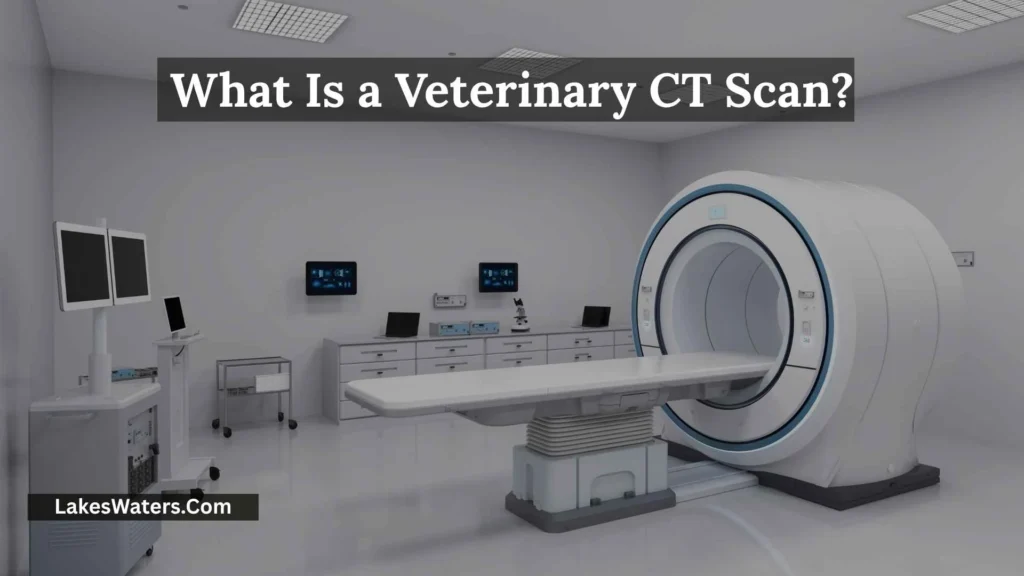
A CT scan uses detailed imaging to create cross-sectional views of internal structures.
Weston Lakes Animal Hospital states that it offers on-site CT scanning and describes its use for complex conditions involving areas such as neurological disorders, tumors, and internal injuries.
A CT scan is not necessary for every pet. It is an advanced diagnostic tool that a veterinarian may recommend when more detailed imaging is needed.
Does Weston Lakes Animal Hospital Perform Surgery?
Yes. The hospital lists routine, orthopedic, and specialty surgical services.
Routine Surgical Care
Routine procedures listed by the hospital include spaying and neutering.
Before any planned procedure, pet owners should ask about:
- Pre-surgical testing
- Anesthesia
- Food and water restrictions
- Medications
- Pain management
- Recovery
- Activity restrictions
- Follow-up appointments
Orthopedic and Specialty Surgery
The hospital also lists orthopedic and specialty surgical services. Its specialty-surgery information includes procedures involving orthopedic injuries, abdominal conditions, neurological problems, oncology, reconstructive surgery, and other conditions.
Surgery is highly individualized. The veterinarian should explain why a procedure is being considered, what alternatives may exist, and what recovery is likely to involve.
Does Weston Lakes Animal Hospital Provide Emergency or Urgent Care?
The hospital states that it provides urgent and emergency veterinary care 7 days a week from 8:00 AM to 9:00 PM. It also says it accepts walk-ins for urgent care and pet emergencies during its operating hours.
When Should a Pet Be Treated as an Emergency?
Potentially serious warning signs can include:
- Difficulty breathing
- Severe bleeding
- Loss of consciousness
- Serious trauma
- Seizures
- Suspected poisoning
- Severe weakness
- Sudden inability to walk
- Severe or rapidly worsening pain
- Other sudden, major changes in normal behavior or function
The exact response depends on the circumstances. If you believe your pet is experiencing a life-threatening emergency, seek veterinary attention immediately.
What If Your Pet May Have Been Poisoned?
Do not wait for symptoms before asking for professional guidance.
The AVMA advises contacting a veterinarian, emergency veterinary hospital, or appropriate animal poison-control resource if a pet may have consumed something harmful. It also advises not inducing vomiting or giving medication unless directed by a veterinarian or poison-control professional.
If possible, keep the product packaging or information about the substance available. The veterinarian may need to know what the pet was exposed to, approximately how much was involved, and when it happened.
Should You Book an Appointment or Seek Urgent Care?
A simple decision guide can help.
Routine Veterinary Visit
Is your pet generally stable and the concern is preventive or non-urgent?
↓
Schedule an appointment.
Examples include:
- Vaccinations
- Wellness examinations
- Microchipping
- Routine dental evaluation
- Preventive-care discussions
- Planned surgery
Urgent Veterinary Visit
Has your pet developed a sudden problem that needs prompt assessment but is not obviously life-threatening?
↓
Contact the hospital and ask about urgent care.
Examples may include a new injury, sudden vomiting, unusual weakness, or another concerning change that requires veterinary assessment.
Emergency Veterinary Care
Does your pet have a potentially life-threatening problem?
↓
Seek immediate veterinary care and contact the hospital while preparing to travel when possible.
Examples include severe breathing difficulty, serious trauma, uncontrolled bleeding, seizures, or suspected poisoning.
This decision guide is general information, not a diagnosis. A veterinarian should determine the seriousness of an individual pet’s condition.
What Should You Bring to a Veterinary Appointment?
Good preparation can make a veterinary visit more efficient and give the veterinarian better information.
Veterinary Visit Checklist
Bring or prepare:
- Previous veterinary records
- Vaccination history
- Current medications
- Supplements
- Information about recent symptoms
- Details about appetite and drinking
- A list of questions
- Insurance information if applicable
- A secure carrier for cats
- A leash or safe restraint for dogs
If your pet has experienced vomiting, diarrhea, seizures, unusual behavior, or another intermittent symptom, a short video can sometimes provide useful information for the veterinary team.
AAHA also recommends preparing pets for veterinary visits in ways that reduce stress and make handling easier.
How Can You Make a Veterinary Visit Less Stressful?
A veterinary appointment can be stressful for both pets and owners. Simple preparation can help.
For Dogs
Before the visit, practice gentle handling of areas such as the paws, ears, mouth, and body. Positive reinforcement can help the dog become more comfortable with handling. AAHA recommends gradual, reward-based preparation for veterinary visits.
For Cats
Use a secure carrier and avoid chasing the cat around the house immediately before leaving.
If your cat is nervous about the carrier, leaving it accessible at home and allowing the cat to explore it in advance can make the carrier less unfamiliar.
The goal is not to eliminate every sign of stress. It is to make the experience safer and more manageable.
What Are Common Mistakes Pet Owners Should Avoid?
Knowing what not to do can be just as useful as knowing what to do.
Waiting Too Long After a Major Change
Pets can hide signs of illness or pain. A sudden change in eating, breathing, movement, behavior, or energy deserves attention rather than automatic reassurance.
AAHA notes that pets may show subtle signs even when disease is developing.
Giving Human Medication Without Veterinary Advice
Human medications can be unsafe for animals or inappropriate at certain doses.
Do not assume that a medication safe for a person is safe for a dog or cat. Contact a veterinary professional before giving medication for a health problem.
Trying Home Treatment During a Serious Emergency
First aid may help temporarily, but it does not replace professional veterinary care. The AVMA specifically describes first aid as temporary assistance until veterinary treatment can be obtained.
Forgetting Medication Information
A veterinarian needs to know what your pet is currently taking, including prescription medicines, supplements, and some over-the-counter products.
Bringing the containers or keeping a current medication list can reduce confusion.
Assuming an Indoor Pet Needs No Veterinary Care
Indoor animals can still develop dental, metabolic, kidney, urinary, weight-related, and other health problems.
Routine veterinary care should be based on the individual animal’s needs, not simply whether it spends time outdoors. AAHA recommends regular veterinary care for dogs and cats even when they appear healthy.
What Should You Ask the Veterinarian?
A good veterinary appointment is also a conversation.
Consider asking:
- What is the most likely cause of this problem?
- What other conditions should be ruled out?
- Does my pet need diagnostic testing?
- What signs should I monitor at home?
- What treatment options are available?
- What side effects should I watch for?
- When should we return for a follow-up?
- Does my pet need changes to diet, exercise, or preventive care?
- What should I do if the symptoms become worse?
- Is this condition likely to require ongoing monitoring?
These questions can help you understand the reasoning behind the treatment plan rather than simply receiving a list of instructions.
What Payment and Insurance Options Are Listed?
Weston Lakes Animal Hospital’s current FAQ states that it accepts major credit cards, leading pet insurance policies including Trupanion, and financing options including CareCredit and Cherry Payment Plans.
Pet insurance terms vary between providers and policies. Coverage, deductibles, reimbursement levels, exclusions, and preauthorization requirements should be confirmed with the insurer.
For an expensive planned procedure, asking the hospital for an estimate before treatment can also help you understand the expected financial commitment.
Which Communities Does the Hospital Serve?
Weston Lakes Animal Hospital states that it serves Weston, Pembroke Pines, Davie, and surrounding South Florida communities.
For nearby pet owners, the hospital’s combination of routine care, diagnostics, surgery, dental services, and urgent care can reduce the need to use different facilities for every type of veterinary need.
However, location should always be considered during a true emergency. If a pet requires immediate attention, the safest choice may depend on travel time and the nature of the emergency.
Real-Life Pet Care Scenarios
Understanding how different situations can lead to different types of veterinary care can make the process easier.
A Puppy Needs Its First Veterinary Visit
A new puppy may need an examination, vaccination planning, parasite prevention, nutrition guidance, identification, and discussion of spaying or neutering.
The best approach is to schedule a routine appointment and bring any records provided by the breeder, shelter, or previous owner.
An Older Dog Starts Drinking More Water
Increased thirst can have many possible causes. It should not automatically be attributed to aging.
A veterinarian may perform an examination and determine whether blood testing, urinalysis, or other diagnostics are appropriate.
Routine screening is valuable because some health problems develop gradually before obvious symptoms appear.
A Cat Suddenly Has Trouble Walking
A sudden mobility problem can result from injury or another medical condition.
Rather than waiting several days to see whether the problem disappears, contact a veterinary professional and describe the symptoms. The urgency will depend on the severity and cause.
A Dog Eats Something Potentially Toxic
This is not a situation for casual home treatment.
Contact a veterinarian or appropriate animal poison-control resource promptly. Do not induce vomiting or give medication unless instructed by a veterinary professional or poison-control center.
Frequently Asked Questions About Weston Lakes Animal Hospital
Where Is Weston Lakes Animal Hospital Located?
Weston Lakes Animal Hospital is located at 318 Indian Trace, Weston, FL 33326.
What Is the Phone Number for Weston Lakes Animal Hospital?
The hospital lists (954) 306-0970 as its phone number.
What Time Does Weston Lakes Animal Hospital Open?
The hospital currently lists opening hours of 8:00 AM every day, with closing at 9:00 PM.
Is Weston Lakes Animal Hospital Open on Weekends?
Yes. Its official website currently lists hours from 8:00 AM to 9:00 PM on Saturday and Sunday as well as weekdays.
Does Weston Lakes Animal Hospital Treat Cats?
Yes. The hospital states that it provides veterinary care for both cats and dogs.
Does Weston Lakes Animal Hospital Treat Dogs?
Yes. Dogs are one of the two primary companion-animal groups listed by the hospital.
Does the Hospital Accept Walk-Ins?
The hospital’s current FAQ states that it accepts walk-ins for urgent care and pet emergencies during its listed operating hours. Routine wellness examinations and scheduled surgeries should be arranged in advance.
Does the Hospital Offer CT Scans for Pets?
Yes. Weston Lakes Animal Hospital states that it provides on-site CT scanning for dogs and cats and uses advanced imaging to help evaluate complex medical conditions.
Does It Offer Pet Dental Care?
Yes. Its listed dental services include oral examinations, professional ultrasonic cleaning, polishing, and extractions.
Does It Perform Orthopedic Surgery?
Yes. The hospital lists orthopedic surgery among its services and also provides specialty surgical procedures.
What Should I Do If My Pet Has a Serious Emergency?
Contact a veterinary professional immediately. If the emergency occurs during Weston Lakes Animal Hospital’s listed operating hours, the hospital states that it provides urgent and emergency care during those hours. For potentially life-threatening conditions, do not delay treatment while trying to diagnose the problem at home.
Conclusion
Weston Lakes Animal Hospital is a veterinary hospital in Weston, Florida, serving dogs and cats with routine, preventive, diagnostic, dental, surgical, and urgent veterinary services. The hospital currently lists its location as 318 Indian Trace, Weston, FL 33326, its phone number as (954) 306-0970, and its hours as 8:00 AM to 9:00 PM every day.
For routine needs such as wellness examinations, vaccinations, preventive care, dental evaluation, or scheduled surgery, making an appointment in advance is the practical approach. For sudden illness or injury, contact the veterinary team to determine whether urgent care is appropriate. For a potentially life-threatening emergency, seek veterinary attention immediately.
The most important part of choosing and using a veterinary hospital is not simply knowing its address or service list. It is knowing when your pet needs routine care, when a problem needs prompt evaluation, what information to bring, and when home treatment is not appropriate. That preparation can help you act more confidently when your dog or cat needs professional care.

I am Ethan Reynolds, a nature researcher and writer focused on freshwater environments, aquatic ecosystems, and sustainable water solutions.
I enjoy sharing knowledge about lakes, rivers, wetlands, and the challenges facing global water resources.
My goal is to help readers understand the value of water and encourage responsible actions to protect it.
Books by Ethan Reynolds:
- Lakes and Landscapes: Stories from Nature
- Protecting Water for Future Generations