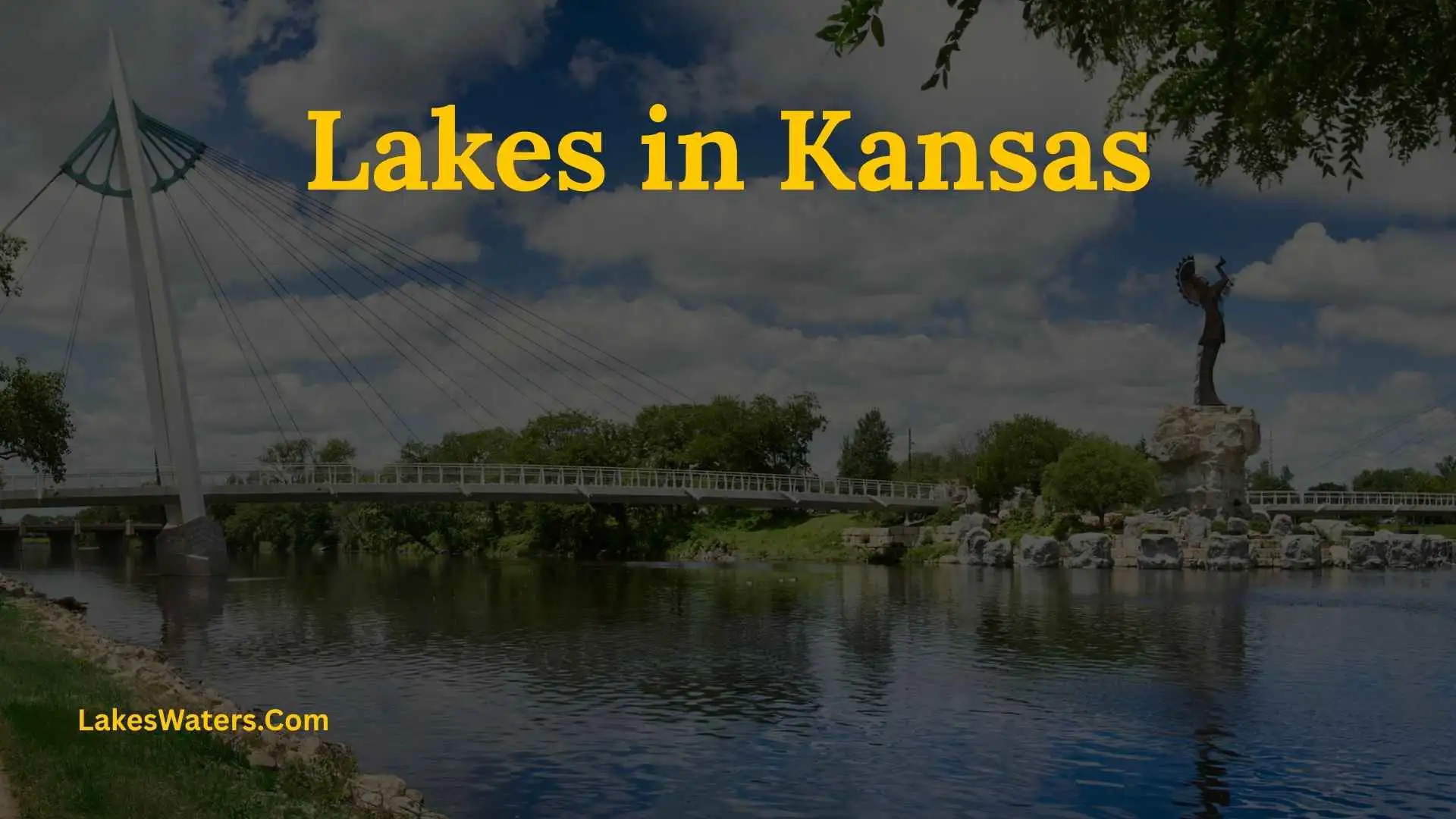
If you are searching for lakes in Kansas, you will find far more than a few large reservoirs. Kansas has 24 large reservoirs, 41 state fishing lake facilities, and more than 200 community lakes, creating options for fishing, boating, camping, swimming, kayaking, hiking, wildlife watching, and family outings.
The state’s major waters are mostly reservoirs rather than naturally formed lakes. Many were built for flood control, water supply, and recreation, and today they are important outdoor destinations.
Popular destinations include Milford Lake, Wilson Lake, Perry Lake, Tuttle Creek Lake, Cheney Reservoir, Clinton Lake, El Dorado Reservoir, Cedar Bluff Reservoir, and Kanopolis Lake. But the right lake depends on what you want to do and where you are traveling from.
This guide covers the major lakes and reservoirs in Kansas, what each area is known for, the best options for different activities, fishing opportunities, regional choices, public access, trip-planning advice, and important rules to know before you go.
Quick Answer: What Are the Best Lakes in Kansas?
There is no single lake that suits every visitor. Kansas has large reservoirs for boating and camping, smaller fishing lakes for anglers, and community waters that can be convenient for short trips.
| Lake or Reservoir | Location/Region | Best For | Notable Activities |
| Milford Lake | North-central Kansas | Fishing and outdoor recreation | Fishing, boating, camping, hiking |
| Wilson Lake | North-central Kansas | Scenery and water recreation | Fishing, boating, swimming, camping |
| Perry Lake | Northeast Kansas | Family recreation | Fishing, boating, camping, hiking |
| Tuttle Creek Lake | Northeast Kansas | Outdoor recreation | Fishing, boating, camping, hiking |
| Cheney Reservoir | South-central Kansas | Boating and sailing | Sailing, fishing, boating, swimming |
| Clinton Lake | Northeast Kansas | Lawrence-area recreation | Fishing, boating, camping, hiking |
| El Dorado Reservoir | South-central Kansas | Family and outdoor trips | Fishing, boating, camping |
| Cedar Bluff Reservoir | West-central Kansas | Western Kansas recreation | Fishing, boating, camping, swimming |
| Kanopolis Lake | Central Kansas | Nature and recreation | Fishing, boating, hiking, camping |
The best choice changes with your plans. An angler looking for walleye may have different priorities from a family looking for a beach, campground, and easy access.
How Many Lakes Are in Kansas?
The answer depends on what is counted as a lake.
Kansas Department of Wildlife and Parks identifies 24 large reservoirs. It also currently lists 41 state fishing lake facilities. In addition, Kansas has more than 200 community lakes, along with many smaller private ponds and impoundments.
That is why different websites may give different numbers when discussing how many lakes Kansas has.
Why Lake Counts Differ
A statewide count can include several types of waterbodies:
- Large federal reservoirs
- State fishing lakes
- Community lakes
- Small impoundments
- Farm ponds
- Private fishing waters
- Other managed waterbodies
For travel planning, the most useful question is usually not “How many lakes are there?” but which public lake fits the activity you want to do?
Why Kansas Has So Many Reservoirs
Many of Kansas’ major recreational lakes are reservoirs created by dams.
KDWP says the state’s 24 large reservoirs were mostly built during the 1960s for flood control, water supply, and recreation. They range from about 1,200 to 16,000 surface acres.
Over time, these reservoirs became important fishing and recreation destinations as well as water-management projects.
Lake vs. Reservoir: What Is the Difference?
A lake is a body of inland water, while a reservoir is generally an artificial body of water created or enlarged by a dam.
In everyday travel language, people often call Kansas reservoirs “lakes.” That is why searches for Kansas lakes commonly return destinations such as Milford Lake, Wilson Lake, and Perry Lake even though these are reservoirs.
For a visitor, the distinction usually matters less than practical details such as public access, fishing regulations, boating facilities, beaches, campgrounds, and current water conditions.
Milford Lake
Milford Lake is one of the major recreational reservoirs in Kansas and is a popular destination for fishing, boating, camping, hiking, and other outdoor activities.
Its north-central Kansas location also makes it useful for travelers exploring the central and northern parts of the state.
What Can You Do at Milford Lake?
Common activities include:
- Fishing
- Boating
- Kayaking
- Camping
- Hiking
- Swimming
- Picnicking
- Wildlife watching
Fishing is especially important across Kansas reservoirs. KDWP provides current reservoir-specific reports so anglers can check conditions before traveling.
Who Should Consider Milford Lake?
Milford can work well for visitors who want several activities in one trip rather than a lake focused on only one type of recreation.
It can suit families, anglers, campers, boaters, and visitors looking for a longer outdoor stay.
Wilson Lake
Wilson Lake is in north-central Kansas and is known for its clear water, rocky surroundings, fishing, boating, and outdoor recreation.
The landscape around Wilson gives it a different feel from some of the flatter agricultural areas elsewhere in Kansas.
What Makes Wilson Lake Special?
Wilson is a useful option when scenery matters as much as water recreation.
Visitors can plan trips around:
- Fishing
- Boating
- Sailing
- Swimming
- Camping
- Hiking
- Wildlife watching
- Photography
What Fish Can You Catch?
Kansas reservoir fishing varies by location. KDWP identifies western and central reservoirs as important destinations for species such as walleye, largemouth bass, wipers, and crappie.
Current conditions can change, so anglers should check the latest reservoir report rather than relying on an old fishing list.
Perry Lake
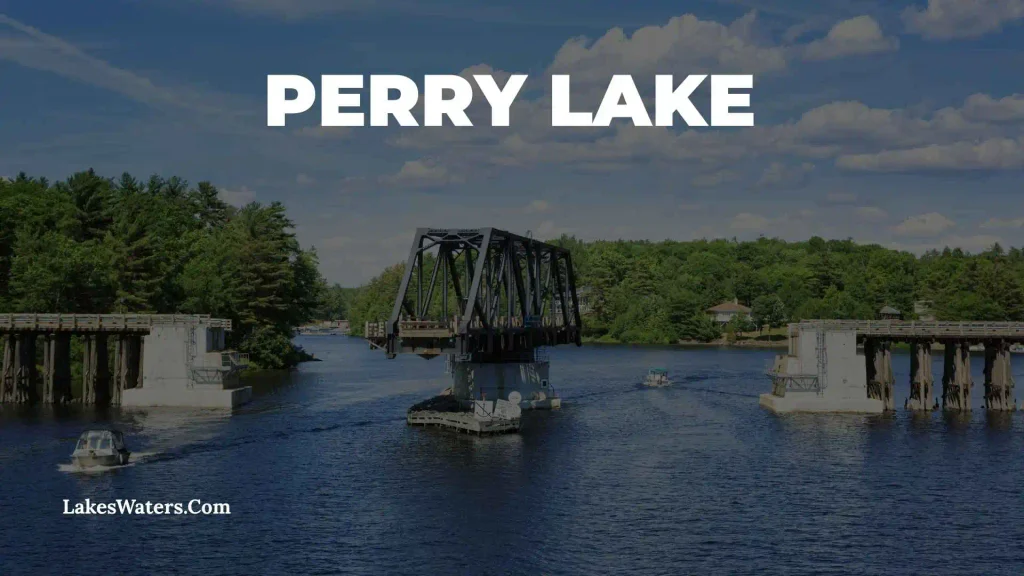
Perry Lake is a major reservoir in northeast Kansas and is a practical destination for visitors around Topeka, Lawrence, and other parts of northeastern Kansas.
What Can You Do at Perry Lake?
Recreation around Perry Lake includes:
- Fishing
- Boating
- Camping
- Hiking
- Wildlife watching
- Picnicking
- Shoreline recreation
Its combination of water activities and surrounding recreation areas makes it useful for both day trips and longer outdoor visits.
Is Perry Lake Good for Families?
It can be a practical family option because a lake trip does not have to revolve around fishing or boating.
A family can combine shoreline activities, a picnic, hiking, camping, and other recreation into the same visit.
Tuttle Creek Lake
Tuttle Creek Lake is located near Manhattan in northeastern Kansas.
Its location makes it especially convenient for visitors who want to combine lake recreation with a trip to Manhattan or the Flint Hills.
Things to Do at Tuttle Creek Lake
Depending on the location and season, visitors can enjoy:
- Fishing
- Boating
- Camping
- Hiking
- Swimming
- Picnicking
- Wildlife watching
Tuttle Creek is also among Kansas’ major reservoirs covered by KDWP’s fishing information.
Who Is Tuttle Creek Best Suited To?
It is a useful choice for travelers who want outdoor recreation without going far from the Manhattan area.
It can also work as part of a larger Flint Hills trip.
Cheney Reservoir
Cheney Reservoir is in south-central Kansas and is one of the state’s better-known destinations for boating and sailing.
Kansas Tourism specifically highlights Cheney for sailing and water recreation.
What Can You Do at Cheney Reservoir?
Activities include:
- Sailing
- Boating
- Fishing
- Swimming
- Kayaking
- Camping
- Wildlife watching
Why Visit Cheney From Wichita?
Its location makes Cheney Reservoir a convenient option for people in the Wichita area who want a water-based day trip or weekend outing.
Rather than driving several hours to another region, travelers can use Cheney as a nearby recreation destination.
Clinton Lake
Clinton Lake is near Lawrence in northeastern Kansas.
Its location is one of its biggest advantages because visitors can combine outdoor recreation with time in Lawrence.
Things to Do at Clinton Lake
Visitors can plan for:
- Fishing
- Boating
- Camping
- Hiking
- Swimming
- Picnicking
- Wildlife watching
The lake is especially practical for travelers who want both a city-area trip and outdoor recreation.
El Dorado Reservoir
El Dorado Reservoir is in south-central Kansas, southeast of Wichita.
It is a major reservoir with opportunities for fishing, boating, camping, hiking, swimming, and other outdoor activities.
Why Visit El Dorado Reservoir?
Its location makes it useful for visitors in south-central Kansas.
It can work for:
- Family outings
- Fishing trips
- Camping weekends
- Boating
- Day trips
- Wildlife viewing
KDWP includes El Dorado among the state’s major reservoir fishing destinations.
Cedar Bluff Reservoir
Cedar Bluff Reservoir is a major recreational waterbody in west-central Kansas.
It gives visitors in western Kansas another large-water destination for fishing, boating, camping, swimming, and outdoor recreation.
What Makes Cedar Bluff Worth Visiting?
Cedar Bluff can be a useful stop for travelers exploring western Kansas who want to add water recreation to a broader road trip.
Kansas Tourism also highlights Cedar Bluff for its recreational beach access.
Important Invasive-Species Note
Cedar Bluff Reservoir is currently listed by KDWP as an Aquatic Invasive Species designated water, including zebra mussels. Visitors should follow Kansas’ Clean–Drain–Dry requirements and current regulations.
Kanopolis Lake
Kanopolis Lake is another major reservoir in central Kansas and is part of a broader recreation area with opportunities for fishing, boating, camping, hiking, and wildlife viewing.
Why Consider Kanopolis?
Kanopolis is useful for travelers who want to combine lake recreation with nature-based activities.
It can be especially appealing when a trip includes hiking or exploring the surrounding landscape rather than spending the entire day on the water.
Best Lakes in Kansas for Fishing
Fishing is one of the biggest reasons people visit Kansas lakes.
KDWP describes regional differences in reservoir fishing. Northeastern reservoirs are known for species such as crappie, white bass, and channel catfish. Central reservoirs are important for walleye, white bass, striped bass, wipers, and channel catfish, while western reservoirs are known for walleye, largemouth bass, wipers, and crappie.
Common Fish Species
Depending on the lake, anglers may target:
- Channel catfish
- Flathead catfish
- Crappie
- Largemouth bass
- Walleye
- White bass
- Striped bass
- Wipers
- Bluegill
The exact species and fishing conditions vary from one waterbody to another.
Use Current Fishing Reports
One of the most useful planning tools is KDWP’s reservoir fishing report.
The department’s reports were updated September 16, 2026 and provide current information such as fishing success, lake levels, water temperatures, effective baits and methods, and locations where fish are being caught.
That information is more useful for planning a fishing trip than a static article claiming that one lake is always the best.
Best Lakes in Kansas for Boating and Sailing
Kansas has numerous large reservoirs where boating is an important recreational activity.
Some major options include:
- Cheney Reservoir
- Milford Lake
- Wilson Lake
- Perry Lake
- Tuttle Creek Lake
- Clinton Lake
- El Dorado Reservoir
- Cedar Bluff Reservoir
- Kanopolis Lake
Kansas Tourism highlights boating and sailing across the state’s lakes and reservoirs and specifically mentions Cheney for sailing.
What to Check Before Launching
Before taking a boat onto a Kansas reservoir, check:
- Current weather
- Wind conditions
- Water level
- Boat-ramp access
- Local restrictions
- Required safety equipment
- Marina availability
- Aquatic invasive species rules
A calm morning can become much rougher later in the day on a large reservoir, so weather and wind deserve special attention.
Best Lakes in Kansas for Swimming
Swimming is available at some Kansas lakes and recreation areas, including designated beaches.
Kansas Tourism highlights swim beaches among the state’s water-recreation opportunities.
How to Choose a Swimming Spot
Look for a designated swimming area rather than assuming that any accessible shoreline is suitable.
Before entering the water:
- Check posted rules.
- Watch children closely.
- Stay away from boat-launch areas.
- Pay attention to weather.
- Check for current advisories when applicable.
- Follow any local beach restrictions.
Swimming conditions can change, so visitors should use current information at the specific recreation area.
Best Lakes in Kansas for Camping
Camping can turn a lake visit into a full weekend rather than a short outing.
Major reservoirs with recreation areas can provide access to combinations of:
- Campgrounds
- Fishing
- Boating
- Hiking
- Swimming
- Picnic areas
- Wildlife viewing
Potential destinations include Milford Lake, Wilson Lake, Perry Lake, Tuttle Creek Lake, Clinton Lake, El Dorado Reservoir, Cedar Bluff Reservoir, and Kanopolis Lake.
What to Check Before Booking
Do not assume every campground offers the same facilities.
Check whether your chosen site has:
- Electric hookups
- Drinking water
- Restrooms
- Showers
- Boat-ramp access
- Picnic tables
- Fire rings
- Reservations
- Seasonal operating dates
This is especially important for families traveling with young children or visitors planning several nights at the lake.
Best Lakes in Kansas for Kayaking and Canoeing
Kansas lakes and waterways also support paddling.
Kansas Tourism promotes canoeing and kayaking as part of the state’s water recreation opportunities.
Choosing a Lake for Paddling
A large reservoir can be very different from a small fishing lake.
For beginners, a protected cove or calmer section may be more comfortable than exposed open water.
Before launching, check:
- Wind speed
- Forecast
- Boat traffic
- Launch conditions
- Water temperature
- Local rules
Always wear an appropriate personal flotation device.
Best Lakes in Kansas for Families
For families, the best lake is usually the one that offers several activities without making the trip difficult.
Look for:
- Easy access
- Restrooms
- Picnic areas
- Swimming areas
- Campgrounds
- Fishing access
- Short trails
- Parking
- Nearby attractions
Family-Friendly Lake Choices
Milford Lake works well for families who want several outdoor activities in one destination.
Wilson Lake combines water recreation with scenic surroundings.
Cheney Reservoir is convenient for families around Wichita.
Clinton Lake works well for people visiting the Lawrence area.
Perry Lake and Tuttle Creek Lake provide major outdoor recreation options in northeastern Kansas.
The right choice depends on the children’s ages, travel distance, and activities you plan to use.
Kansas Lakes Near Major Cities
Choosing a lake based on location can save hours of unnecessary driving.
Lakes Near Wichita
The main large options include:
- Cheney Reservoir
- El Dorado Reservoir
Both provide opportunities for fishing and other outdoor recreation.
Lakes Near Topeka
Visitors around Topeka can consider:
- Perry Lake
- Clinton Lake
- Tuttle Creek Lake
Travel time will vary depending on the exact starting point.
Lakes Near Lawrence
Clinton Lake is the major reservoir near Lawrence and offers a combination of fishing, boating, camping, hiking, and other recreation.
Lakes Near Manhattan
Tuttle Creek Lake is the major reservoir near Manhattan.
It can be combined with a trip through the Flint Hills.
Lakes Near Kansas City
For travelers on the Kansas side of the Kansas City area, Perry Lake and other northeastern Kansas waters may be practical options.
Smaller community and state fishing lakes can also make sense when the goal is a short fishing trip rather than a full weekend at a large reservoir.
Kansas Lakes by Region
A regional approach makes it easier to plan a trip.
Northeast Kansas
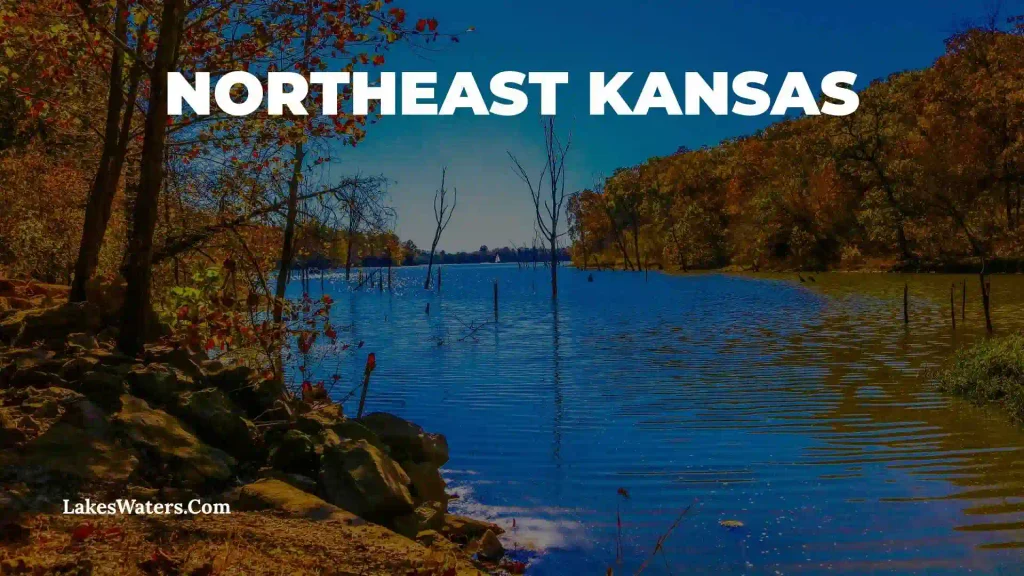
Major destinations include:
- Perry Lake
- Tuttle Creek Lake
- Clinton Lake
This region offers access to larger population centers along with fishing, boating, camping, hiking, and wildlife recreation.
North-Central Kansas
Important destinations include:
- Milford Lake
- Wilson Lake
These reservoirs are particularly relevant to fishing and broader outdoor recreation.
Central Kansas
Central Kansas includes destinations such as:
- Kanopolis Lake
- Wilson Lake
- Milford Lake
KDWP identifies central reservoirs as important for species including walleye, white bass, striped bass, wipers, and channel catfish.
South-Central Kansas
Major options include:
- Cheney Reservoir
- El Dorado Reservoir
These are practical choices for visitors around Wichita and nearby communities.
Western Kansas
Important destinations include:
- Cedar Bluff Reservoir
- Keith Sebelius Reservoir
- Webster Reservoir
- Lovewell Reservoir
KDWP’s current reservoir reports group Cedar Bluff, Keith Sebelius, Webster, Lovewell, and Wilson among its northwest Kansas reservoir reporting area.
Southeast Kansas
Travelers can consider:
- Elk City Lake
- Toronto Lake
- Fall River Lake
These reservoirs provide additional fishing and outdoor recreation opportunities.
State Fishing Lakes: Smaller Waters With a Different Experience
Kansas’ smaller state fishing lakes are worth considering if you do not need a large reservoir.
KDWP currently lists 41 state fishing lake facilities.
These waters can be useful for anglers who prefer smaller impoundments and more focused fishing trips.
Why Choose a State Fishing Lake?
They can offer:
- Smaller water
- Shore fishing
- Largemouth bass
- Crappie
- Channel catfish
- Shorter day trips
- Less dependence on large-reservoir boating
KDWP’s fishing information says state fishing lakes range from about 50 to 300 acres and are primarily oriented toward fishing.
Always check the individual waterbody’s current rules before visiting.
Community Lakes and Public Fishing Access
Large reservoirs are not the only public fishing options in Kansas.
KDWP says more than 200 community lakes are owned by local governments, and its public-access program provides anglers with additional places to fish.
The department’s 2026 public fishing-access map includes state fishing lakes, community fishing locations, federal reservoirs, river access areas, and private waters enrolled in the Walk-In Fishing Access program.
Why Smaller Public Waters Matter
A nearby community lake can be more practical than driving hours to a famous reservoir.
For a short fishing trip, the best choice may simply be:
Short drive → legal public access → current fishing report → suitable species.
That approach can save time and make the trip easier.
How to Find Public Fishing Locations in Kansas
KDWP provides a searchable 2026 Public Fishing Access map and a 2026 Kansas Fishing Atlas. The resources show different types of public fishing locations and allow users to search by area.
Use Bathymetric Maps for Better Fishing Planning
Bathymetric maps show underwater depth and changes in the lake bottom.
KDWP explains that these maps can help anglers identify depth changes and underwater breaks where fish may gather.
For someone fishing an unfamiliar lake, checking the map before arriving can be much more useful than simply picking a random shoreline.
Important Kansas Lake Safety and Invasive-Species Rules
Lake recreation is not only about finding a good destination. Visitors also need to protect Kansas waters and follow current rules.
KDWP warns that aquatic invasive species can damage ecosystems, native species, recreation, water systems, and other resources.
Follow Clean, Drain, Dry
KDWP recommends three basic steps:
Clean: Remove plants, mud, animals, and debris from boats and equipment.
Drain: Empty water from boats, livewells, bilges, bait buckets, and other equipment.
Dry: Dry equipment for five days before using it in another waterbody, or use the department’s approved cleaning method when appropriate.
Check Whether Your Lake Is an AIS-Designated Water
Kansas maintains a current list of Aquatic Invasive Species designated waters.
For these waters, it is illegal to transport live fish away from the designated water. Current designated waters include several major Kansas reservoirs and other waterbodies.
Do not assume that rules are identical at every lake.
Fishing Rules to Check Before Your Trip
Fishing regulations can change, and individual waters can have special restrictions.
Before fishing, check:
- License requirements
- Daily creel limits
- Length limits
- Fishing seasons
- Bait restrictions
- Special lake regulations
- AIS requirements
- Boat restrictions
KDWP’s current regulations should be treated as the controlling source rather than an old blog post or social-media recommendation.
How to Plan a Kansas Lake Trip
A good lake trip starts with the activity, not the lake name.
Step 1: Choose Your Main Activity
Decide whether the trip is mainly for:
- Fishing
- Boating
- Swimming
- Kayaking
- Camping
- Hiking
- Wildlife watching
- Photography
- Relaxation
Step 2: Choose a Convenient Region
Kansas is a large state, so travel distance matters.
If you are staying around Wichita, look at south-central destinations first. If you are near Lawrence or Topeka, northeastern lakes may be more practical.
Step 3: Check Current Conditions
For anglers, KDWP’s reservoir reports provide current information about fishing success, water temperatures, lake levels, bait, and fishing locations.
For boaters and paddlers, check wind and weather before leaving.
Step 4: Verify Access
Confirm:
- Open recreation areas
- Boat ramps
- Campground availability
- Beach access
- Parking
- Restrooms
- Current closures
Step 5: Check Regulations
Use the current KDWP regulations before fishing or boating.
Step 6: Prepare for Conditions
Bring appropriate clothing, water, food, sun protection, safety equipment, and activity-specific gear.
For large reservoirs, take wind seriously.
Common Mistakes to Avoid
Choosing a Lake Only Because It Is Famous
A famous lake may be farther away or less suited to your activity.
A smaller public lake can sometimes make more sense for a short fishing trip.
Assuming All Kansas Lakes Are Natural
Many of Kansas’ major recreational waters are reservoirs created through dams and water-management projects.
Understanding that helps explain the state’s lake geography.
Ignoring Wind on Large Reservoirs
Open water can become difficult for small boats, kayaks, and paddleboards when wind increases.
Check conditions before launching.
Using Outdated Fishing Information
Fish locations and lake conditions change.
Use KDWP’s current reservoir reports when planning a fishing trip.
Moving Water or Fish Between Lakes
This can spread aquatic invasive species.
Kansas requires boaters and anglers to follow Clean–Drain–Dry practices and has additional restrictions for AIS-designated waters.
Fishing Private Water Without Permission
Kansas has many private ponds and other private waters.
Always confirm that you have legal access before fishing private property.
A Simple Decision Guide for Choosing a Kansas Lake
Use this quick guide to narrow your options:
Want fishing and many outdoor activities?
→ Consider Milford Lake.
Want scenic water recreation?
→ Consider Wilson Lake.
Want a northeastern Kansas reservoir?
→ Consider Perry Lake or Tuttle Creek Lake.
Want a lake near Lawrence?
→ Consider Clinton Lake.
Want boating or sailing near Wichita?
→ Consider Cheney Reservoir.
Want a south-central Kansas recreation area?
→ Consider El Dorado Reservoir.
Want a western Kansas lake?
→ Consider Cedar Bluff Reservoir.
Want a smaller fishing destination?
→ Check KDWP’s state fishing lakes, community fishing locations, and 2026 public-access map.
The key is to match the lake to your actual trip rather than treating one destination as the universal choice.
Frequently Asked Questions About Lakes in Kansas
What Is the Biggest Lake in Kansas?
Kansas has several large reservoirs, and comparisons can depend on the measurement and water level being used. KDWP identifies 24 large reservoirs across the state, with individual reservoirs ranging from about 1,200 to 16,000 surface acres.
How Many Lakes Are in Kansas?
There is no single number that covers every type of waterbody. KDWP currently lists 24 large reservoirs and 41 state fishing lake facilities, while the state also has more than 200 community lakes and many private ponds.
Are Kansas Lakes Natural or Man-Made?
Most of the state’s major recreational lakes are reservoirs created by dams. Many were developed for flood control, water supply, and recreation.
What Is the Best Lake in Kansas for Fishing?
The answer depends on the species, location, season, and current conditions. KDWP publishes reservoir-specific fishing reports so anglers can check current information before choosing a destination.
What Fish Are Common in Kansas Lakes?
Depending on the waterbody, common species include channel catfish, flathead catfish, crappie, largemouth bass, walleye, white bass, striped bass, wipers, and bluegill. Fish populations and fishing quality vary between lakes.
What Are the Best Lakes Near Wichita?
Cheney Reservoir and El Dorado Reservoir are two major options for people around Wichita. Both provide access to fishing and other forms of outdoor recreation.
What Are the Best Lakes Near Lawrence?
Clinton Lake is the major reservoir near Lawrence and provides fishing, boating, camping, hiking, and other recreation.
What Are the Best Lakes Near Manhattan, Kansas?
Tuttle Creek Lake is the major reservoir near Manhattan and offers fishing, boating, camping, hiking, and other outdoor activities.
Can You Swim in Kansas Lakes?
Yes. Some Kansas lakes and recreation areas have designated swimming beaches. Kansas Tourism highlights swimming as one of the recreational opportunities available at lakes and reservoirs.
Always use designated swimming areas when available and follow posted rules.
Can You Kayak on Kansas Lakes?
Yes. Kansas Tourism promotes canoeing and kayaking as water-recreation activities across the state.
Conditions can change quickly on large reservoirs, so paddlers should check the weather and wind before launching.
How Do I Find Public Fishing Lakes in Kansas?
KDWP provides a searchable 2026 Public Fishing Access map and a 2026 Kansas Fishing Atlas showing state fishing lakes, community fishing areas, federal reservoirs, river access locations, and Walk-In Fishing Access sites.
What Is Clean–Drain–Dry?
Clean–Drain–Dry is Kansas’ basic approach to preventing aquatic invasive species from spreading between waters. It involves cleaning equipment, draining water, and drying equipment before using it elsewhere.
Can You Transport Live Fish From Every Kansas Lake?
No. Kansas prohibits transporting live fish from Aquatic Invasive Species designated waters. Current rules also include requirements involving water drainage and bait. Check the current KDWP regulations and designated-water list before moving fish or equipment.
References
- Kansas Department of Wildlife and Parks — Fishing in Kansas: reservoir information, fish species, state fishing lakes, community lakes, and fishing opportunities.
- Kansas Department of Wildlife and Parks — Fishing Reports by Reservoir: current reservoir conditions, fishing success, water temperatures, lake levels, baits, and methods.
- Kansas Department of Wildlife and Parks — State Fishing Lakes: current directory of 41 state fishing lake facilities.
- Kansas Department of Wildlife and Parks — Where to Fish in Kansas: 2026 public-access map, Fishing Atlas, and bathymetric maps.
- Kansas Department of Wildlife and Parks — Aquatic Invasive Species: Clean–Drain–Dry guidance and current regulations.
- Kansas Department of Wildlife and Parks — Aquatic Invasive Species Designated Waters: current designated-water information.
- Kansas Tourism — Boating & Sailing: boating, sailing, beaches, fishing, and water recreation information.
Conclusion
The lakes in Kansas offer a wide range of outdoor experiences, from fishing and boating on large reservoirs to quieter trips at state fishing lakes and community waters. The state currently has 24 large reservoirs and 41 state fishing lake facilities, along with more than 200 community lakes.
For a broad recreation trip, destinations such as Milford Lake, Wilson Lake, Perry Lake, Tuttle Creek Lake, Cheney Reservoir, Clinton Lake, El Dorado Reservoir, Cedar Bluff Reservoir, and Kanopolis Lake provide different combinations of fishing, boating, camping, swimming, hiking, and wildlife opportunities.
The most useful way to choose a Kansas lake is to start with your activity, then consider location, access, facilities, current conditions, and regulations. Anglers should use the latest KDWP fishing reports and public-access maps, while boaters and paddlers should check weather and wind before heading onto the water.
A good Kansas lake trip is not simply about finding the most famous name. It is about finding a public waterbody that matches what you want to do, how far you want to travel, and the conditions on the day you visit.

I am Ethan Reynolds, a nature researcher and writer focused on freshwater environments, aquatic ecosystems, and sustainable water solutions.
I enjoy sharing knowledge about lakes, rivers, wetlands, and the challenges facing global water resources.
My goal is to help readers understand the value of water and encourage responsible actions to protect it.
Books by Ethan Reynolds:
- Lakes and Landscapes: Stories from Nature
- Protecting Water for Future Generations