When you picture Arizona, what usually comes to mind? If you are imagining endless stretches of sun-baked desert, cactus-studded horizons, and blistering heat, I completely understand. It is the classic postcard image we all grew up seeing in movies and magazines.
But let me let you in on a little secret that completely changes the game. Tucked away amidst those rugged canyons and sun-drenched landscapes are some of the most breathtaking, shimmering bodies of water you will ever lay eyes on. When I first stumbled upon them, I could hardly believe my eyes it felt like stepping through a portal into an entirely different world.
If you are looking to escape the sweltering heat with a refreshing swim, cast a line into tranquil waters at sunrise, or simply watch the golden desert sun melt into a glassy bay, I promise you are in for a treat. Grab your gear and come along with me, because we are about to explore the most stunning, unforgettable lakes Arizona has to offer.
Quick Answer: Are Lakes in Arizona Worth Visiting?
Yes, lakes in Arizona are worth visiting if you enjoy boating, fishing, kayaking, camping, swimming, desert scenery, or peaceful outdoor escapes. Arizona’s lakes are especially useful for travelers who want a break from city heat, a scenic weekend trip, or a family-friendly place with water activities.
They are best for families, couples, anglers, campers, boaters, photographers, and road-trip travelers. Before visiting, you should confirm current water levels, park access, entry fees, boat ramp availability, fire restrictions, seasonal closures, parking rules, and weather conditions through the official managing agency or park website.
Lakes in Arizona Quick Facts
| Feature | Helpful Details |
| Name | Lakes in Arizona |
| Location | Across Arizona, including near Phoenix, Tucson, Flagstaff, Page, Prescott, and the Colorado River region |
| Region | Southwest United States |
| Type of place | Outdoor recreation, reservoirs, state parks, national recreation areas, fishing lakes, boating lakes, camping areas |
| Main attractions | Lake views, boating, fishing, kayaking, paddleboarding, camping, hiking, swimming, wildlife watching |
| Best for | Families, couples, outdoor lovers, boaters, anglers, campers, photographers, road-trippers |
| Known for | Desert lake scenery, canyon views, warm-weather recreation, Colorado River reservoirs, mountain lakes |
| Activities | Boating, fishing, swimming, hiking, picnicking, kayaking, camping, photography |
| Dining options | Vary by lake; some have marinas, nearby restaurants, or picnic areas, while remote lakes may have limited food access |
| Event/wedding options | Some lakeside resorts, marinas, parks, and nearby venues may host weddings or private events |
| Nearby cities | Phoenix, Scottsdale, Mesa, Tucson, Flagstaff, Page, Prescott, Lake Havasu City, Payson |
| Booking tip | Confirm permits, camping reservations, boat rentals, entrance fees, and seasonal rules before traveling |
What Are Lakes in Arizona?
Lakes in Arizona are natural and synthetic bodies of water spread across the state, many of them created by dams, rivers, and reservoirs. They serve several purposes, including recreation, water storage, wildlife habitat, and local tourism.
For visitors, Arizona lakes are mostly known for outdoor activities. People search for them when planning boating trips, fishing weekends, camping vacations, family outings, romantic scenery, or warm-weather escapes.
Unlike lake destinations in greener states, Arizona lakes often combine water with dramatic desert landscapes. You might see blue water beside red rock cliffs, cactus-covered hills, pine forests, or wide-open canyon views. That contrast is part of what makes Arizona lake trips feel different.
Some lakes are developed and busy, with marinas, boat rentals, campgrounds, and nearby dining. Others are quieter and more rugged, better suited for fishing, hiking, wildlife watching, or simple relaxation.
Where Are Lakes in Arizona Located?
Arizona lakes are located across several major regions of the state. The best lake for you often depends on where you are starting, how far you want to drive, and what kind of experience you want.
Many popular lakes are within driving distance of the Phoenix metro area. These include Lake Pleasant, Saguaro Lake, Canyon Lake, Bartlett Lake, and Apache Lake. These lakes are useful for day trips, weekend boating, fishing, kayaking, and desert scenery.
Northern Arizona has cooler-weather lake options, including lakes near Flagstaff, Williams, and the White Mountains. These areas are often better in summer because temperatures can be more comfortable than the lower desert.
Western Arizona is known for Colorado River lake destinations, especially Lake Havasu and Lake Mead. These areas attract boaters, spring break travelers, snowbirds, campers, and people looking for a classic Southwest water recreation trip.
Southern Arizona also has lake options, including Patagonia Lake and Parker Canyon Lake. These can be good for fishing, birding, camping, and quieter outdoor trips.
Location matters because Arizona is a large state. A lake that looks close on a map may still require mountain roads, desert highways, entry stations, or limited services. Always check directions, road conditions, and fuel stops before you go.
Lakes in Arizona to Visit
Arizona may be famous for its desert landscapes, but the state is also home to some impressive lakes and reservoirs. From scenic mountain lakes near Phoenix to large waterways ideal for boating and fishing, there are plenty of places to enjoy the water.
Some of the best lakes in Arizona to visit include Saguaro Lake, Canyon Lake, Roosevelt Lake, Lake Pleasant, Lake Havasu, and Lake Powell. Depending on the destination, visitors can enjoy swimming, fishing, kayaking, boating, hiking, camping, and sightseeing.
Are There Lakes in Arizona?
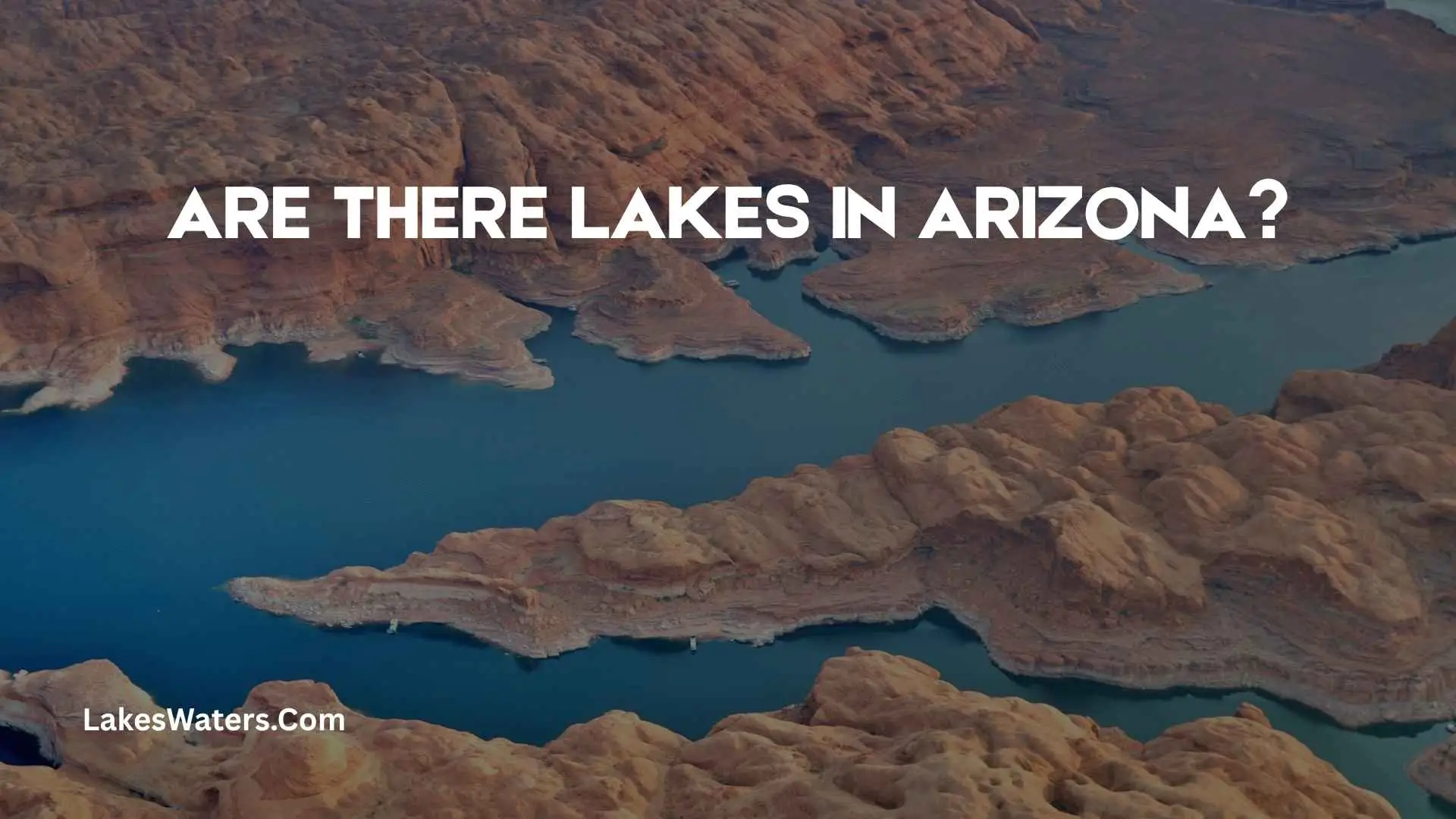
Yes, there are many lakes in Arizona. However, most of the state’s well-known lakes are actually reservoirs created by dams rather than naturally formed lakes.
These reservoirs play an important role in water storage while also providing recreational opportunities. Arizona’s lakes attract visitors throughout the year for activities such as fishing, boating, swimming, camping, and wildlife watching.
Saguaro Lake, Roosevelt Lake, Canyon Lake, and Lake Pleasant are some of the most popular choices for people looking for a lake getaway in Arizona.
How Many Lakes in Arizona?
The exact number of lakes in Arizona depends on how a lake is defined. Different sources may include or exclude small ponds, seasonal water bodies, private lakes, and reservoirs.
For travelers, the more useful distinction is between the state’s major recreational lakes and smaller water bodies with limited public access. Arizona has numerous named lakes and reservoirs, with many of the largest ones supporting boating, fishing, camping, and other outdoor activities.
Natural Lakes in Arizona
Natural lakes are uncommon in Arizona because of the state’s dry climate and desert geography. Many of the large lakes people visit today were created by dams for water management, irrigation, flood control, and other purposes.
There are, however, natural and seasonal water bodies in Arizona, particularly in higher-elevation areas. Visitors interested specifically in natural lakes should look toward the state’s mountainous regions rather than assuming that every named lake is naturally formed.
Best Lakes in Arizona
The best lakes in Arizona depend on what you want to do. Some are ideal for scenic drives and photography, while others are better suited to fishing, boating, swimming, camping, or lakefront recreation.
Saguaro Lake
Saguaro Lake is one of the most popular lakes near Phoenix. Located in the Tonto National Forest, it is surrounded by rugged desert mountains and dramatic rock formations.
The lake is a great choice for boating, fishing, kayaking, sightseeing, and enjoying Arizona’s desert scenery from the water. Its relatively convenient location from the Phoenix area also makes it popular for day trips.
Roosevelt Lake
Roosevelt Lake is one of the largest reservoirs in Arizona and a favorite destination for anglers and boaters. Its expansive water area and surrounding desert mountains provide plenty of space for outdoor recreation.
Fishing is one of the lake’s biggest attractions, while nearby campgrounds make it possible to turn a day trip into a longer outdoor adventure.
Canyon Lake
Canyon Lake is known for its dramatic scenery and narrow, canyon-like setting. Tall cliffs surround sections of the lake, creating a distinctive landscape that makes it popular with photographers and boaters.
It is particularly appealing if you want a scenic lake experience close to the Phoenix metropolitan area.
Lake Pleasant
Lake Pleasant is a major recreational lake northwest of Phoenix. Its large open-water areas make it popular for boating, fishing, swimming, camping, and other outdoor activities.
Because of its proximity to the Phoenix area, Lake Pleasant is also a convenient option for people who want to spend a day near the water without traveling deep into the state.
Lake Havasu
Lake Havasu is one of Arizona’s best-known destinations for water recreation. It offers opportunities for boating, fishing, swimming, kayaking, and other activities.
The nearby Lake Havasu City provides restaurants, accommodations, and other amenities, making the area suitable for both short visits and longer stays.
Lakes in Phoenix
There are several popular lakes within driving distance of Phoenix. Saguaro Lake, Canyon Lake, Bartlett Lake, and Lake Pleasant are among the most common choices for people living in or visiting the Phoenix metropolitan area.
Each lake has a slightly different character. Some are better for boating and fishing, while others stand out for scenery, hiking, camping, or swimming. Checking travel time and current recreation conditions can help you choose the right destination.
Big Lakes in AZ
Arizona has several large reservoirs that provide extensive areas for recreation. Roosevelt Lake, Lake Havasu, Lake Powell, and Lake Pleasant are among the state’s most notable large waterways.
These lakes are particularly useful for activities that require more open water, including boating, fishing, water sports, and camping. Their large size also means that conditions and facilities can vary significantly between different sections of the shoreline.
Beautiful Lakes in Arizona
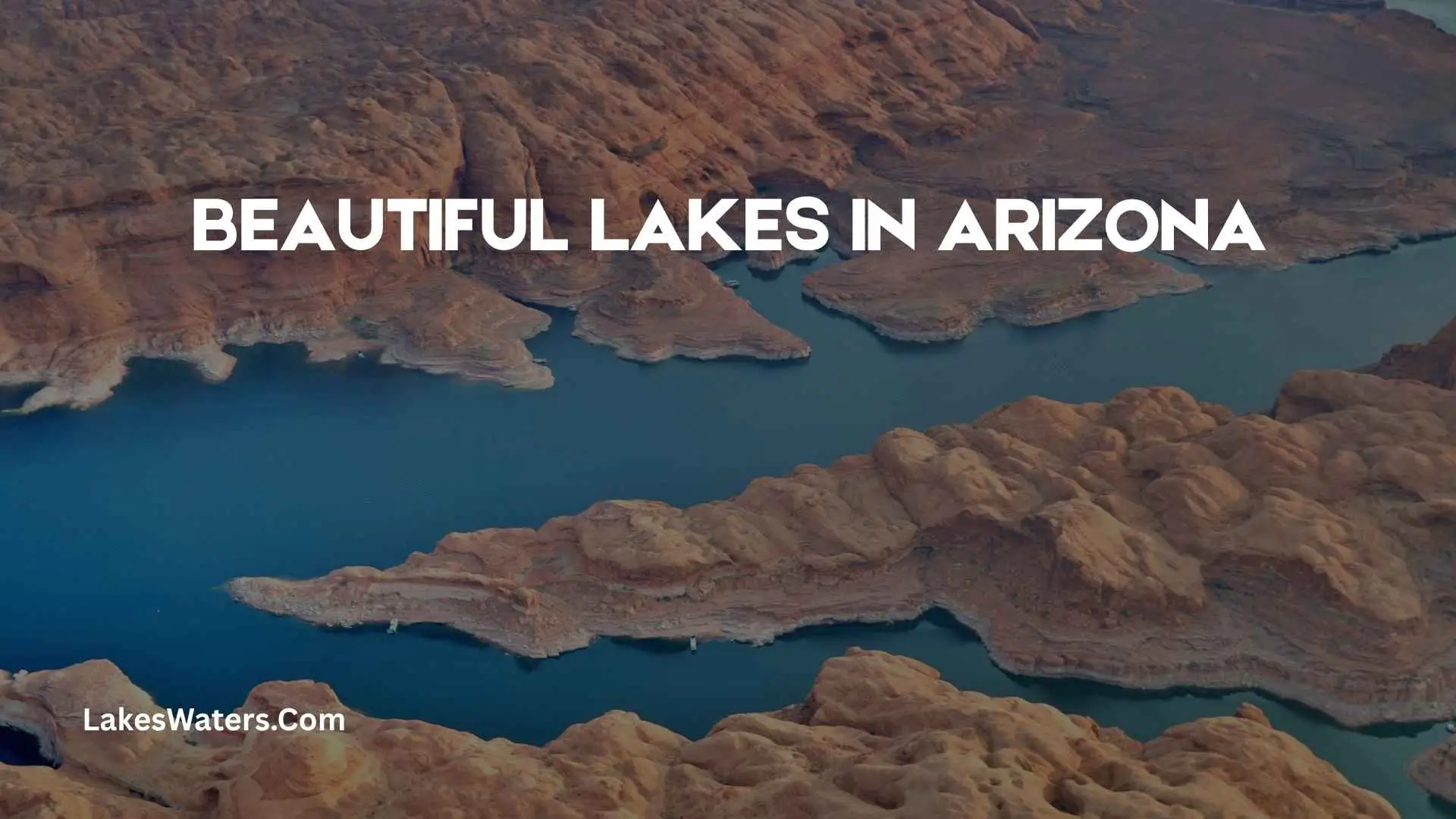
The beautiful lakes in Arizona offer a unique combination of water, desert scenery, mountains, and red-rock formations. Saguaro Lake is surrounded by rugged Sonoran Desert landscapes, while Canyon Lake is known for its steep canyon walls.
Roosevelt Lake provides expansive views and open water, while Lake Powell is famous for its dramatic red-rock canyons. For photography and sightseeing, the best lake may depend as much on the surrounding landscape as on the water itself.
Best Fishing Lakes in Arizona
Arizona has a surprising number of productive fishing destinations. Roosevelt Lake, Saguaro Lake, Canyon Lake, Bartlett Lake, and Apache Lake are popular among anglers.
Depending on the lake and season, anglers may find species such as largemouth bass, smallmouth bass, crappie, catfish, and trout. Fishing conditions can change throughout the year, so visitors should check current regulations, licensing requirements, and local fishing information before their trip.
Lakes in Arizona to Swim
Swimming is possible at some Arizona lakes, although not every lake is suitable for swimming and designated areas can vary.
Lake Havasu and Lake Pleasant are popular destinations for water recreation, while some lakes near Phoenix also provide opportunities to get in the water where permitted. Before swimming, check local rules, water conditions, weather, and any posted safety warnings.
Arizona’s hot climate can make a day at the lake enjoyable, but visitors should also take precautions against prolonged sun and heat exposure.
Clear Water Lakes in Arizona
Water clarity varies considerably among Arizona’s lakes and can change because of weather, wind, sediment, water levels, and recreational activity.
Lake Powell is particularly well known for the contrast between its blue water and surrounding red-rock cliffs. Some higher-elevation lakes and smaller water bodies may also have clear water under the right conditions.
If clear water is your main priority, check recent conditions before traveling because water visibility is not always consistent throughout the year.
Lakes in Arizona for Boating
Arizona offers numerous lakes where boating is a popular activity. Lake Havasu, Lake Pleasant, Roosevelt Lake, Saguaro Lake, and Canyon Lake all attract boaters.
Depending on the lake, visitors may be able to use motorboats, pontoons, kayaks, paddleboards, or other permitted watercraft. Boat ramps and facilities vary, so it is a good idea to check launch availability, boating regulations, and current lake conditions before arriving.
Dog Friendly Lakes in Arizona
Some lake recreation areas in Arizona allow visitors to bring dogs, but pet rules are different from one location to another. Dogs may need to remain leashed, and certain swimming or developed recreation areas may have additional restrictions.
If you are planning a lake trip with your dog, check the rules for the specific recreation area before visiting. Carry plenty of fresh drinking water and provide shade whenever possible, especially during Arizona’s warmer months.
Best Lakes in Arizona to Live On
Lake living in Arizona can offer easy access to boating, fishing, water sports, and outdoor recreation. Lake Havasu City is one of the state’s best-known lake communities, while other residential areas are located near major reservoirs.
However, living near a lake and living directly on the shoreline are not necessarily the same thing. Buyers should consider property prices, lake access, water levels, shoreline conditions, local regulations, and nearby services before choosing a lake community.
Popular Lakes in Arizona
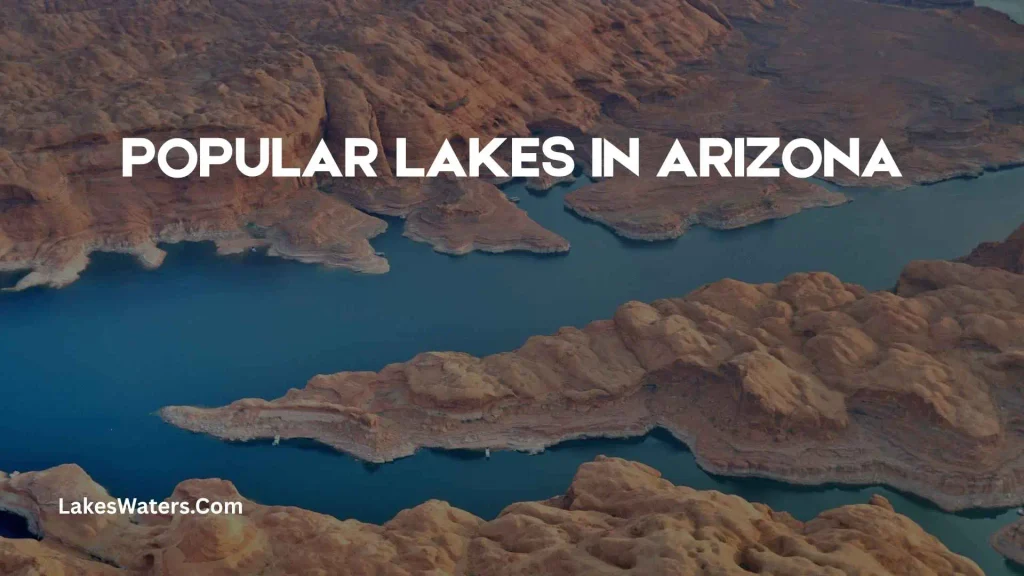
Some of the most popular lakes in Arizona include:
- Saguaro Lake
- Canyon Lake
- Roosevelt Lake
- Lake Pleasant
- Lake Havasu
- Lake Powell
- Bartlett Lake
- Apache Lake
These destinations attract different types of visitors. Some are especially popular for fishing and boating, while others are better known for scenic landscapes, camping, swimming, or nearby communities.
Lakes in Arizona Near Me
If you are searching for lakes in Arizona near you, your best options will depend on your location. Visitors around Phoenix can consider Saguaro Lake, Canyon Lake, Bartlett Lake, and Lake Pleasant.
If you are elsewhere in Arizona, other destinations may be more convenient. Before setting out, check the lake’s distance, road conditions, recreation facilities, opening information, and current water conditions.
Canyon Lake vs Saguaro Lake
Canyon Lake and Saguaro Lake are both popular destinations in the Tonto National Forest, but they offer different experiences.
| Feature | Canyon Lake | Saguaro Lake |
| Scenery | Dramatic canyon walls | Desert mountains and open water |
| Atmosphere | Narrow and scenic | Larger and more open |
| Boating | Excellent | Excellent |
| Fishing | Popular | Popular |
| Photography | Excellent for canyon views | Excellent for desert scenery |
| Phoenix access | Convenient | Convenient |
| Best for | Scenic canyon experience | Broader lake recreation |
If dramatic cliffs and a more enclosed landscape appeal to you, Canyon Lake may be the better choice. If you prefer more open water and expansive desert scenery, Saguaro Lake is an excellent alternative. Both are strong options for a day trip from the Phoenix area.
History and Background
Arizona’s lakes are closely connected to the state’s rivers, dams, water systems, and outdoor recreation history. Many of the best-known lakes are reservoirs created along rivers such as the Colorado River, Salt River, Verde River, and Agua Fria River.
These reservoirs helped support water supply, power generation, flood control, and regional growth. Over time, they also became major recreation areas for boating, fishing, camping, and tourism.
Lake Mead, for example, is tied to the Hoover Dam and the Colorado River. Lake Powell is known for its canyon landscape and Glen Canyon region. The Salt River lakes near Phoenix became popular because they offer water recreation close to a major metro area.
Today, Arizona lakes are not just pretty places to visit. They are part of the state’s water story, outdoor lifestyle, tourism economy, and family recreation culture. That is why water levels, drought, seasonal rules, and conservation updates matter when planning a trip.
Main Experience at Lakes in Arizona
The main experience at lakes in Arizona depends on the lake you choose. Some are best for boating and water sports. Some are better for fishing or camping. Some are mostly about scenery, photography, or peaceful day trips.
Scenic Views
Arizona lake views can be surprisingly dramatic. You may see desert cliffs, red rock canyons, saguaros, pine forests, mountain backdrops, or wide blue water under bright desert skies.
Lake Powell is famous for canyon scenery. Saguaro Lake and Canyon Lake offer desert cliffs and Salt River views. Lake Havasu has a lively waterfront atmosphere. Woods Canyon Lake and other mountain lakes offer cooler forest scenery.
For photographers, sunrise and sunset can be especially beautiful. The light changes quickly in Arizona, and the combination of water, rock, and sky can create strong landscape photos.
Lake Activities
Common lake activities in Arizona include:
- Boating
- Fishing
- Kayaking
- Paddleboarding
- Swimming where allowed
- Camping
- Hiking
- Picnicking
- Wildlife watching
- Photography
- Jet skiing at larger recreation lakes
Not every lake allows every activity. Some lakes have motorized boating, while others are better for canoes, kayaks, or shore fishing. Always check lake-specific rules before packing gear.
Boating
Boating is one of the biggest reasons people visit Arizona lakes. Larger lakes such as Lake Havasu, Lake Powell, Lake Pleasant, Roosevelt Lake, and Lake Mead are popular for motorboats, pontoons, personal watercraft, and longer days on the water.
If you do not own a boat, some lakes have nearby marinas or rental options. Availability may change by season, weather, water level, and local policies. Make reservations early during busy weekends and holiday periods.
Fishing
Fishing is another major draw. Depending on the lake, anglers may find bass, catfish, trout, crappie, bluegill, walleye, or other species. Mountain lakes often attract trout anglers, while desert reservoirs may be known for bass fishing.
You will usually need a valid Arizona fishing license unless an exemption applies. Rules can vary by species, season, size limits, and location, so check current Arizona Game and Fish Department regulations before fishing.
Swimming
Swimming is available at some Arizona lakes, but it is not the same everywhere. Some lakes have designated swim areas, while others may have rocky shorelines, boat traffic, sudden drop-offs, or no lifeguards.
Families should be especially careful. Bring properly fitted life jackets, water shoes where helpful, sun protection, and plenty of drinking water. Never assume a lake is safe for swimming just because people are near the water.
Hiking
Many lakes in Arizona have nearby hiking trails, overlooks, or shoreline walks. Desert lakes can offer rugged trails with cactus, rocks, and open sun. Mountain lakes may have forest paths, shaded trails, and cooler air.
Hiking near water can still be hot and exposed, especially in summer. Start early, carry more water than you think you need, and check trail conditions before leaving.
Camping
Camping is available near many Arizona lakes, but the experience varies. Some lakes have developed campgrounds with reservations, restrooms, picnic tables, or RV access. Others offer more rustic or dispersed camping nearby.
Popular camping lakes can book quickly during spring, summer, holidays, and long weekends. Confirm whether you need a reservation, permit, pass, or campground fee before arriving.
Dining
Dining near Arizona lakes depends heavily on the location. Some popular lakes have marinas, grills, nearby restaurants, or resort-style dining. Remote lakes may have no food service at all.
For practical planning, bring snacks, water, and backup meals even if you expect food nearby. Hours, menus, and seasonal operations can change.
Photography
Arizona lakes are excellent for photography because they combine water with strong desert and mountain scenery. Good subjects include:
- Sunrise over the lake
- Boats on calm water
- Canyon reflections
- Wildlife near shore
- Family picnic moments
- Sunset silhouettes
- Red rock and water contrast
Be respectful of private property, wildlife areas, boat ramps, and wedding or event spaces when taking photos.
Family Activities
Families can enjoy picnicking, easy shoreline walks, fishing, kayaking, swimming in allowed areas, wildlife watching, and camping. The best lake for families is usually one with easier parking, restrooms, calmer access points, and nearby services.
Lake Pleasant, Patagonia Lake, Fool Hollow Lake, and some developed state park lakes can be easier for families than remote or rugged lake areas.
Things to Do at Lakes in Arizona
Arizona lakes offer more than one kind of trip. Here are practical things you can do, depending on the lake.
Take a Boating Day Trip
If you want a classic lake day, choose a lake with boat ramps, rentals, and marina services. Lake Pleasant, Lake Havasu, Roosevelt Lake, and Lake Powell are popular choices.
Plan ahead for launch lines, parking, fuel, safety gear, and weather changes. Wind can affect lake conditions quickly.
Go Fishing From Shore or Boat
Fishing can be relaxing, affordable, and family-friendly. Some lakes offer shore fishing, while others are better by boat.
Bring the right license, check current stocking reports if fishing for trout, and review local regulations before you go.
Try Kayaking or Paddleboarding
Kayaking and paddleboarding are good options for visitors who want a quieter experience. They work well on calmer mornings and protected coves.
Avoid strong wind, busy boat channels, and extreme heat. Beginners should choose lakes with easier launch areas and calmer water.
Plan a Camping Weekend
A lake camping trip can be one of the best ways to enjoy Arizona outdoors. You can fish in the morning, relax during the day, and enjoy cooler evenings near the water.
Book early when reservations are required. Also check fire restrictions because Arizona often has seasonal wildfire concerns.
Enjoy a Picnic With Lake Views
A simple picnic can be the easiest way to enjoy a lake without renting gear. Choose a lake with picnic tables, shaded areas, restrooms, and safe parking if You are traveling with kids or older adults.
Take Photos at Sunset
Arizona sunsets can make lake views feel special. The colors often reflect on the water, especially when the wind is calm.
Arrive early enough to find parking and a safe viewing spot before the light changes.
Watch Wildlife
Many lakes attract birds, fish, reptiles, and desert animals. Southern Arizona lakes can be especially good for birding.
Keep a respectful distance, do not feed wildlife, and watch where You step near rocks, brush, and shoreline areas.
Best Time to Visit Lakes in Arizona
The best time to visit lakes in Arizona depends on the region and activity.
For desert lakes near Phoenix, spring and fall are often the most comfortable seasons. Temperatures are usually better for boating, hiking, fishing, and picnicking than peak summer afternoons.
Summer can still be popular for boating and swimming, but heat can be intense. If You visit in summer, plan early mornings, bring extra water, use sun protection, and avoid overexertion.
Northern Arizona and mountain lakes can be excellent in summer because temperatures are often cooler. These lakes can also be popular during weekends when desert residents look for relief from the heat.
Winter can be peaceful at some lakes, especially for fishing, photography, birding, or quiet walks. However, higher-elevation lakes may have cold weather, snow, icy roads, or seasonal closures.
You may want to avoid major holiday weekends if you dislike crowds, busy boat ramps, full parking lots, or higher lodging costs.
Are Lakes in Arizona Good for Families?
Yes, many Arizona lakes are good for families, especially when you choose a lake with developed access, restrooms, parking, picnic areas, calmer shoreline spots, and nearby services.
Family-friendly lake trips work best when the plan is simple. Instead of trying to do everything in one day, choose one or two activities such as picnicking, fishing, easy kayaking, or a short walk near the water.
Safety matters. Arizona heat can be serious, especially for children. Bring more drinking water than you expect to need, use sunscreen, wear hats, and take shade breaks.
Families should also consider:
- Life jackets for children
- Water shoes for rocky areas
- Snacks and backup meals
- Restroom access
- Distance from parking to shoreline
- Cell service limits
- Boat traffic
- Weather changes
- Fire restrictions
- Pet rules if bringing a dog
Some lakes are better for families than others. Developed state parks and recreation areas are usually easier than remote lakes with rough roads, limited facilities, or steep shorelines.
Are Lakes in Arizona Good for Couples?
Yes, lakes in Arizona can be excellent for couples. They work well for scenic drives, peaceful picnics, photography, kayaking, sunset watching, camping trips, and relaxed weekend getaways.
Couples who enjoy outdoor dates may like Saguaro Lake, Canyon Lake, Lake Powell, Lake Havasu, Lake Pleasant, or mountain lakes near Payson and Flagstaff. The right choice depends on whether you want a lively lake town, quiet scenery, or a more adventurous road trip.
Some lakeside areas and nearby resorts may also work for anniversaries, engagement photos, small ceremonies, or wedding weekends. Always check photo rules, permit requirements, privacy, and event policies before planning anything formal.
Weddings and Events at Lakes in Arizona
Arizona lakes can be attractive for weddings and private events because they offer scenic views, outdoor atmosphere, and a strong sense of place. A lake-view setting can feel peaceful, natural, and memorable, especially for couples who want a Southwest backdrop.
However, most public lake areas are not the same as full-service wedding venues. Some may require permits, reservations, park approval, vendor coordination, or restrictions on decorations, music, alcohol, photography, and guest count.
For weddings, the best options are often lakeside resorts, marinas, private event spaces, state park facilities, or nearby venues with lake views. These may offer more reliable parking, restrooms, catering, setup support, and weather backup plans.
Wedding Planning Questions to Ask
Before booking a lakeside wedding or event near an Arizona lake, ask:
- What ceremony locations are available?
- What is the rain backup plan?
- What is the guest capacity?
- Are food and beverage packages available?
- Are bar packages available?
- Are outside vendors allowed?
- Is parking available for guests?
- Are tables, chairs, linens, and setup included?
- Are there service charges or taxes?
- What is the deposit and cancellation policy?
- Are there photo restrictions?
- Are permits required for public park or shoreline use?
- Is amplified music allowed?
- Are there quiet hours or event time limits?
- Are restrooms close to the event area?
- Will private events affect public access?
Do not assume a beautiful lake view automatically means it is easy to host an event there. Confirm details directly with the venue, park office, marina, or managing agency.
Dining and Food Options
Dining options near Arizona lakes vary widely. Some lakes have marina restaurants, snack bars, nearby cafés, resort dining, or restaurants in nearby towns. Others have very limited food options, especially remote fishing or camping lakes.
Lake Havasu City, Page, Prescott, Payson, and Phoenix-area lake communities may offer better dining access than isolated lake areas. If you are visiting a remote lake, plan as if no food will be available.
For a stress-free trip, bring:
- Drinking water
- Snacks
- Cooler-friendly meals
- Ice
- Trash bags
- Reusable utensils
- Baby or kid-friendly food if needed
- Backup food if restaurants are closed or crowded
If You plan to eat at a marina, resort, or lakeside restaurant, check the current menu, hours, seasonal schedule, reservation rules, and parking situation before visiting.
How Much Do Lakes in Arizona Cost?
The cost of visiting lakes in Arizona depends on the lake, managing agency, activities, season, group size, and whether you need rentals or reservations. Do not rely on old blog posts for exact pricing because fees can change.
Common cost factors include:
| Cost Category | What to Expect |
| Entry fees | Some parks and recreation areas charge day-use fees or require passes |
| Parking | Parking may be included, limited, or charged separately depending on location |
| Boat launch fees | Some lakes charge for boat launching or require specific permits |
| Boat rentals | Costs vary by boat type, rental length, season, and marina |
| Kayak/paddleboard rentals | Availability and pricing vary by lake and vendor |
| Fishing | A valid Arizona fishing license may be required |
| Camping | Campground fees vary by site type, hookups, location, and season |
| Dining | Costs depend on marina, town, resort, or restaurant choices |
| Weddings | Event pricing depends on venue, date, guest count, catering, rentals, and permits |
| Private events | Group packages, deposits, taxes, and service charges may apply |
| Seasonal pricing | Busy weekends, holidays, and peak seasons may cost more |
Always confirm current fees, passes, rental rates, camping reservations, and event pricing directly with the official park, marina, vendor, or venue before traveling.
Review Summary: What Visitors Commonly Like
Visitor feedback for Arizona lakes often focuses on scenery, water recreation, warm weather, and the chance to escape city routines. Many people enjoy the contrast between desert landscapes and blue water.
Common positive review themes include:
- Beautiful lake views
- Good boating and fishing opportunities
- Relaxing outdoor atmosphere
- Family-friendly picnic areas at developed lakes
- Scenic drives near canyon lakes
- Fun weekend trips from Phoenix or Tucson
- Good photography spots
- Marina convenience at larger lakes
- Camping and outdoor recreation options
- Cooler mountain lake experiences in summer
Balanced reviews also often mention planning challenges. Crowds, parking, heat, water levels, fees, road conditions, and limited services can affect the experience. That does not mean the lakes are not worth visiting. It simply means planning matters.
Possible Concerns to Check Before Visiting or Booking
Arizona lake trips can be wonderful, but there are a few practical concerns to check before you go.
Weather
Heat, wind, storms, and monsoon weather can affect safety and comfort. Summer heat can be intense near desert lakes. Wind can make boating, kayaking, and paddleboarding harder.
Crowds
Popular lakes can become crowded on weekends, holidays, and summer afternoons. Arrive early if parking and boat ramp access matter.
Parking
Some lake access points have limited parking. Once lots fill, You may need to wait, park farther away, or choose another access area.
Pricing Changes
Entry fees, rental costs, camping rates, and event pricing may change. Confirm directly with the official source.
Seasonal Closures
Campgrounds, roads, marinas, boat ramps, swim areas, or dining services may operate seasonally or close because of weather, repairs, fire danger, or water levels.
Water Safety
Not every lake has lifeguards or designated swimming areas. Watch for boat traffic, cold water, drop-offs, rocks, and changing conditions.
Booking Policies
Camping, boat rentals, group events, and weddings may require reservations, deposits, cancellation policies, insurance, or permits.
Private Events Affecting Access
Some lakeside venues, marinas, or recreation areas may host private events that affect parking, dining, or access. Check ahead if you are planning a special visit.
Who Should Visit Lakes in Arizona?
Arizona lakes can fit many types of travelers.
Families
Families who want picnics, swimming where allowed, fishing, easy walks, camping, or simple outdoor time can find good lake options.
Couples
Couples may enjoy sunset views, kayaking, scenic drives, lakeside dining, photography, camping, or peaceful weekend trips.
Golfers
Some lake regions are near golf courses, resorts, and scenic desert golf communities. Golfers can combine a lake trip with tee times nearby, especially around Phoenix, Scottsdale, Lake Havasu, and resort areas.
Event Planners
Event planners may consider lake-view venues, resorts, parks, and marinas for weddings, retreats, family reunions, or corporate gatherings.
Wedding Couples
Couples looking for lake views, outdoor ceremonies, or Arizona scenery may find strong options near developed lakes or private venues.
Outdoor Lovers
Hikers, campers, anglers, birders, kayakers, and photographers can all find Arizona lakes that match their interests.
Local Visitors
Residents of Phoenix, Tucson, Flagstaff, Prescott, and other Arizona cities can use lakes for weekend resets without leaving the state.
Tourists
Out-of-state visitors can add a lake stop to road trips involving the Grand Canyon, Sedona, Page, Scottsdale, Route 66, or the Colorado River.
Corporate Groups
Some lake-adjacent resorts and venues may work for retreats, team outings, group dinners, or outdoor activities, depending on available event space.
Who May Not Find It Ideal?
Arizona lakes may not be ideal for every traveler.
You may not enjoy them if you dislike heat, strong sun, crowds, boat noise, dusty roads, or outdoor conditions. Some lakes require more planning than a simple urban attraction.
Remote lakes may not be best for visitors who need full-service dining, luxury amenities, easy public transportation, or guaranteed cell service. Families with very young children may prefer developed parks with restrooms, shade, safe shoreline access, and nearby food.
Visitors looking for lush green lake scenery may also need to adjust expectations. Arizona lakes are beautiful, but many have desert, canyon, or rugged landscapes rather than soft grassy shorelines.
If you want a quiet experience, avoid busy boating lakes during holiday weekends and peak summer afternoons.
Pros and Cons of Lakes in Arizona
Pros
- Beautiful desert, canyon, and mountain lake views
- Good boating, fishing, kayaking, and camping options
- Many lakes are within driving distance of major cities
- Great for families, couples, photographers, and outdoor lovers
- Warmer weather allows long recreation seasons in many regions
- Strong road-trip potential across the state
- Some lakes have marinas, rentals, and nearby dining
- Mountain lakes can offer cooler summer escapes
- Lakeside settings can work for weddings and events
- Good variety, from lively lake towns to quiet fishing spots
Cons
- Summer heat can be intense
- Popular lakes can be crowded on weekends and holidays
- Water levels may change
- Parking and boat ramps may fill early
- Some lakes have limited dining or restroom access
- Fees, permits, and rental prices vary
- Weather and wind can affect boating safety
- Some roads may be remote or require extra caution
- Not all lakes are ideal for swimming
- Event and wedding rules may require permits or advance approval
Tips Before Visiting Lakes in Arizona
For First-Time Visitors
Choose a lake based on Your main goal. If you want boating, pick a lake with marinas and rentals. If you want quiet scenery, choose a less crowded lake or go on a weekday.
Check current conditions before leaving. Look for weather, road updates, water levels, entry fees, parking rules, and closures.
Bring more water than you think you need. Arizona’s dry climate can dehydrate visitors quickly.
For Families
Pick developed lakes with restrooms, picnic areas, easier parking, and safer shoreline access.
Bring life jackets, sunscreen, hats, snacks, water shoes, and shade. Keep children close to the water because many lakes do not have lifeguards.
Avoid planning too many activities in one day. A simple picnic and short lakeside walk may be better than an overloaded schedule.
For Couples
Plan around sunrise or sunset if you want the best scenery and softer light.
For a relaxed date, combine a scenic drive with a picnic, short hike, or lakeside dinner if dining is available nearby.
If you want engagement or wedding photos, check whether permits or photography rules apply.
For Event Planners
Do not rely on scenery alone. Confirm guest capacity, restrooms, parking, vendor rules, noise restrictions, setup times, weather backup, alcohol rules, and permit requirements.
Ask whether the event area is private or shared with the public. That detail can strongly affect the guest experience.
For Golfers
If you want to combine lake views with golf, compare nearby public golf courses, resort courses, and tee time availability before planning the trip.
Check dress code, cart rules, green fees, pace-of-play expectations, and restaurant hours directly with the course.
For Diners
Never assume lakeside dining will be open year-round or all day. Check current hours, menus, reservations, seasonal closures, and parking.
If dining is important to the trip, choose lakes near towns, marinas, or resorts rather than remote recreation areas.
For Outdoor Visitors
Pack for sun, heat, wind, and changing weather. Even cooler areas can have strong sun exposure.
Bring maps or download directions before leaving because cell service can be limited near some lakes.
Respect fire restrictions, wildlife, trash rules, and quiet hours. Arizona’s outdoor areas are beautiful but fragile.
Nearby Alternatives to Compare
Before choosing one lake, compare nearby options based on location, cost, activities, parking, amenities, scenery, and travel time.
Popular Arizona lake alternatives to compare include:
| Lake | Best For | General Region |
| Lake Pleasant | Boating, fishing, Phoenix day trips, family outings | Northwest of Phoenix |
| Saguaro Lake | Desert scenery, boating, kayaking, photography | East of Phoenix |
| Canyon Lake | Scenic drives, boating, canyon views | Apache Trail region |
| Roosevelt Lake | Camping, fishing, boating, spacious recreation | Central Arizona |
| Lake Havasu | Boating, events, waterfront stays, lively trips | Western Arizona |
| Lake Powell | Canyon scenery, houseboats, photography, road trips | Northern Arizona/Utah border region |
| Patagonia Lake | Birding, fishing, camping, quieter trips | Southern Arizona |
| Fool Hollow Lake | Family camping, fishing, cooler weather | Show Low area |
| Watson Lake | Photography, kayaking, granite scenery | Prescott |
| Woods Canyon Lake | Forest scenery, fishing, summer escape | Mogollon Rim |
When comparing lakes, think about:
- Distance from Your home or hotel
- Road conditions
- Entrance fees
- Parking access
- Restrooms
- Boat rentals
- Camping availability
- Family-friendliness
- Dining nearby
- Wedding or event capacity
- Scenic views
- Crowd levels
- Safety rules
- Pet policies
Lakes in Arizona vs Other Local Options
Arizona lakes are different from many other local attractions because they combine water recreation with desert and mountain scenery. A museum, downtown district, golf course, or shopping area may be easier to visit, but a lake offers a stronger outdoor experience.
Compared with hiking-only destinations, lakes give you more variety. You can fish, boat, picnic, swim where allowed, camp, or simply sit near the water.
Compared with resort pools, lakes feel more natural and scenic. However, they also require more planning. You may need to deal with heat, parking, fees, weather, water safety, and limited services.
Compared with coastal beach trips, Arizona lakes are usually more rugged. There are no ocean waves, but there may be rocky shores, boat traffic, desert sun, and fewer lifeguards.
The best choice depends on your travel style. If you want comfort, restaurants, and easy access, choose a developed lake or lake town. If you want quiet nature, choose a smaller or more remote lake.
Frequently Asked Questions About Lakes in Arizona
What is the most popular lake in Arizona?
There is no single lake that is best for everyone. Saguaro Lake, Lake Havasu, Roosevelt Lake, Lake Pleasant, and Canyon Lake are among the state’s most popular destinations, with each offering different recreational experiences.
What is the best lake in Arizona for fishing?
Roosevelt Lake is one of the most popular fishing destinations in Arizona, while Saguaro Lake, Canyon Lake, Bartlett Lake, and Apache Lake are also well known among anglers.
Can you swim in Arizona lakes?
Swimming is permitted in some areas, but rules differ by lake and recreation site. Always check posted regulations and current water conditions before entering the water.
Are most lakes in Arizona natural?
No. Many of Arizona’s major lakes are reservoirs created by dams. Natural lakes are much less common, particularly compared with reservoir-based waterways.
Which lakes are closest to Phoenix?
Saguaro Lake, Canyon Lake, Bartlett Lake, and Lake Pleasant are among the most accessible major lake destinations for people in the Phoenix metropolitan area.
What are the best lakes in Arizona for first-time visitors?
Lake Pleasant, Saguaro Lake, Canyon Lake, Lake Havasu, Watson Lake, and Fool Hollow Lake are good starting points for many first-time visitors. They offer scenery, recreation, and more visitor-friendly access than some remote lakes.
Are lakes in Arizona good for swimming?
Some Arizona lakes allow swimming, but not every lake has designated swim areas or lifeguards. Always check local rules, water conditions, boat traffic, and safety signs before swimming.
What is the best time to visit lakes in Arizona?
Spring and fall are often best for desert lakes because the weather is more comfortable. Summer can be good for boating, but heat can be extreme. Mountain lakes are often more comfortable in summer.
Are Arizona lakes family-friendly?
Yes, many are family-friendly, especially developed parks with parking, restrooms, picnic areas, and easier shoreline access. Families should bring water, sun protection, life jackets, snacks, and safety gear.
Do lakes in Arizona charge entry fees?
Some lakes, state parks, national recreation areas, and forest sites may charge entry, parking, camping, or launch fees. Fees can change, so confirm directly with the official source before visiting.
Can You Boat on lakes in Arizona?
Yes, many Arizona lakes allow boating, especially larger reservoirs such as Lake Pleasant, Lake Havasu, Lake Powell, Roosevelt Lake, and Lake Mead. Rules, ramps, permits, and rentals vary by lake.
Do You need a fishing license at Arizona lakes?
In most cases, anglers need a valid Arizona fishing license. Rules can vary by age, residency, species, and location, so check the Arizona Game and Fish Department before fishing.
Which lakes in Arizona are near Phoenix?
Popular lakes near Phoenix include Lake Pleasant, Saguaro Lake, Canyon Lake, Bartlett Lake, Apache Lake, and Roosevelt Lake. Drive times vary depending on traffic and exact starting point.
Which Arizona lakes are best for camping?
Roosevelt Lake, Lake Pleasant, Fool Hollow Lake, Patagonia Lake, Woods Canyon Lake, and some Colorado River lakes are popular for camping. Reservation rules and campground services vary.
Are dogs allowed at lakes in Arizona?
Some Arizona lakes and parks allow dogs, but leash rules, beach access, trails, and campground policies vary. Always check pet rules before bringing a dog.
Are there restaurants near Arizona lakes?
Some lakes have marina dining, nearby restaurants, or resort options. Remote lakes may have limited or no food service, so it is smart to bring water and snacks.
Can You Have a Wedding at a Lake in Arizona?
Yes, some lake-view venues, resorts, marinas, and park facilities may allow weddings or private events. Public shoreline ceremonies may require permits and have restrictions.
What should I bring to an Arizona lake?
Bring drinking water, sunscreen, hats, snacks, proper shoes, life jackets, towels, trash bags, maps, fishing gear if needed, and weather-appropriate clothing.
Are lakes in Arizona crowded?
Popular lakes can be crowded on weekends, holidays, and summer days. Visit early, choose weekdays, or consider quieter lakes if you want a more peaceful experience.
Which Arizona lake is best for photography?
Lake Powell, Watson Lake, Saguaro Lake, Canyon Lake, and Lake Havasu are strong photography choices because of their scenery, rock formations, sunsets, and water views.
Are water levels important when planning an Arizona lake trip?
Yes. Water levels can affect boat ramps, shoreline access, scenery, fishing, and marina operations. Check current lake conditions before traveling.
Final Thoughts
Lakes in Arizona are worth exploring because they show a softer, cooler, and more refreshing side of the Southwest. They can be peaceful, adventurous, family-friendly, romantic, or activity-packed depending on where you go.
If you want boating and energy, choose a larger recreation lake. If you want quiet views, fishing, or a cooler summer escape, look toward mountain lakes or less crowded areas. If you are planning a wedding, event, or group trip, focus on venues with clear policies, parking, restrooms, and backup plans.
The most important advice is simple: match the lake to Your purpose. Then confirm current fees, access, hours, water conditions, rentals, camping rules, and safety updates before traveling or booking.

I am Ethan Reynolds, a nature researcher and writer focused on freshwater environments, aquatic ecosystems, and sustainable water solutions.
I enjoy sharing knowledge about lakes, rivers, wetlands, and the challenges facing global water resources.
My goal is to help readers understand the value of water and encourage responsible actions to protect it.
Books by Ethan Reynolds:
- Lakes and Landscapes: Stories from Nature
- Protecting Water for Future Generations